




What this journal covers
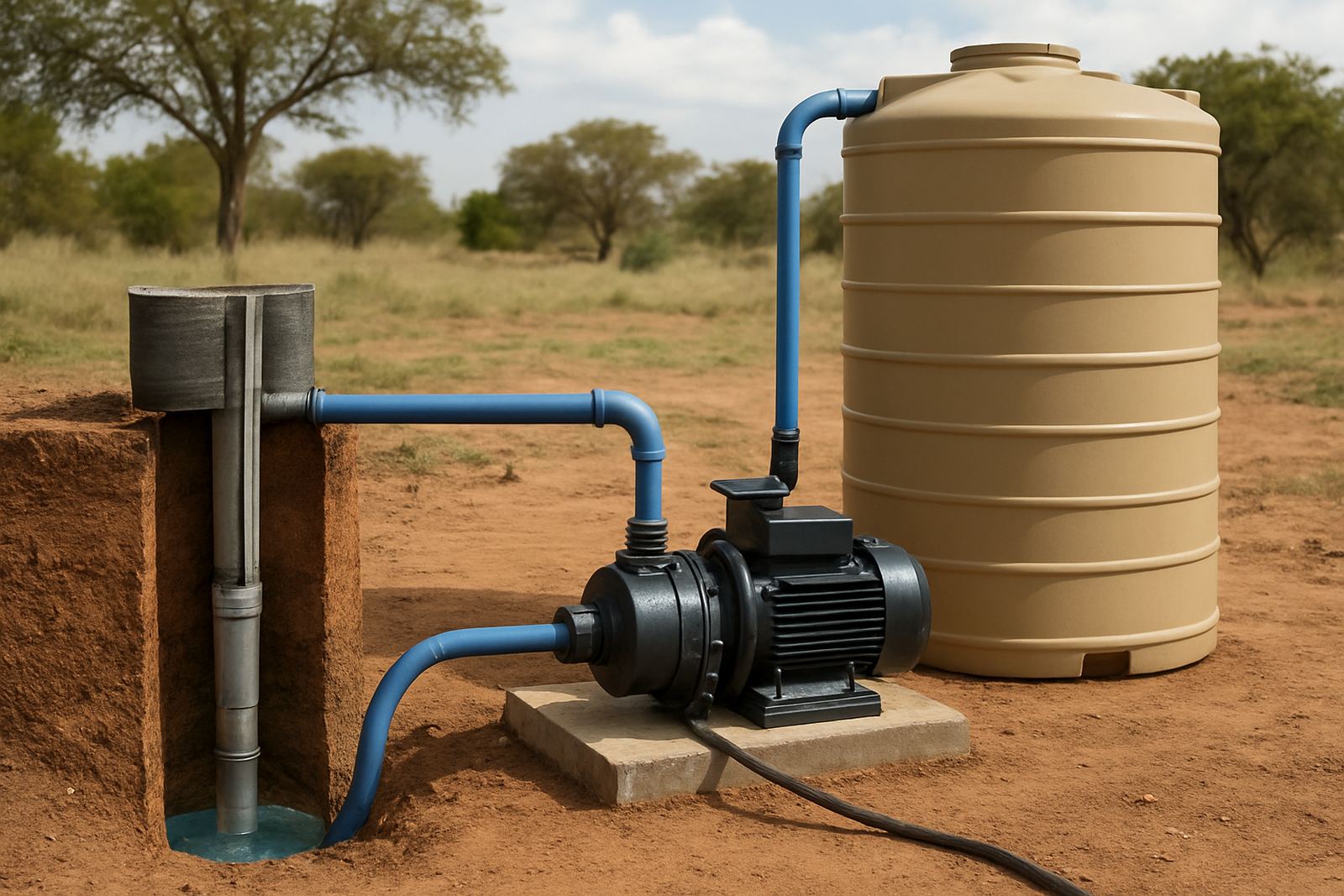
Practical guidance for borehole, rain-tank and water-filtration setups helps with planning for towns, farms and smallholdings.
We keep the advice grounded in daily use. That means thinking about tank size, pump duty, filter stages, electricity cuts, water pressure and the way local conditions affect performance. In humid coastal areas corrosion can appear faster, while inland dust and mineral build-up can shorten service intervals if the system is not checked properly.
How to choose the right article for your situation
Start with your water source and your main problem. A home with low municipal pressure needs different advice from a farm that depends on borehole yield, and a property using rainwater for garden use has different needs again. The right article should help you narrow the choice before you spend money on equipment or installation work.
- If your goal is backup supply during load-shedding, look at storage, pump control and commissioning checks.
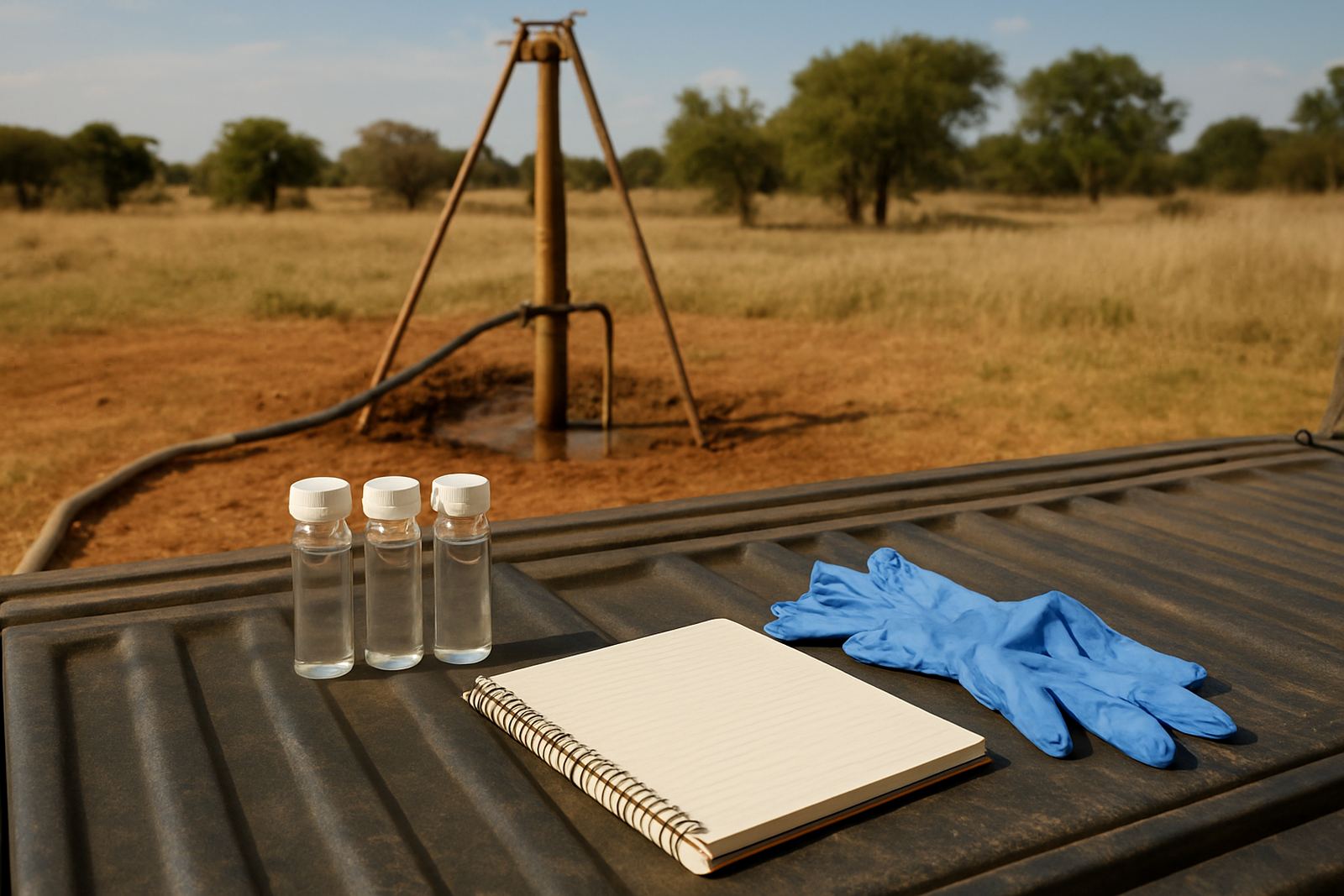
- If your water tastes, smells or stains, read up on filtration and water testing first.
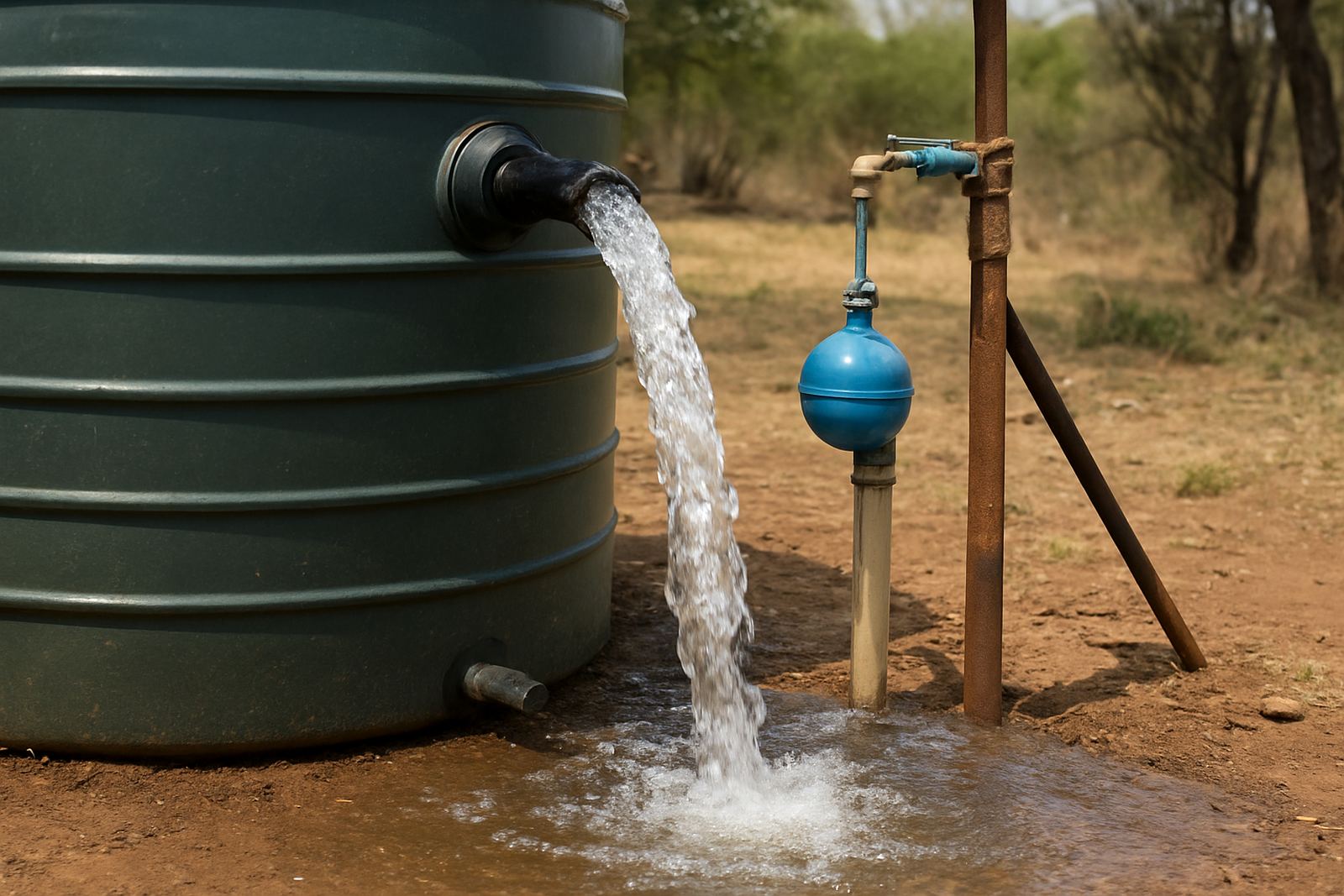
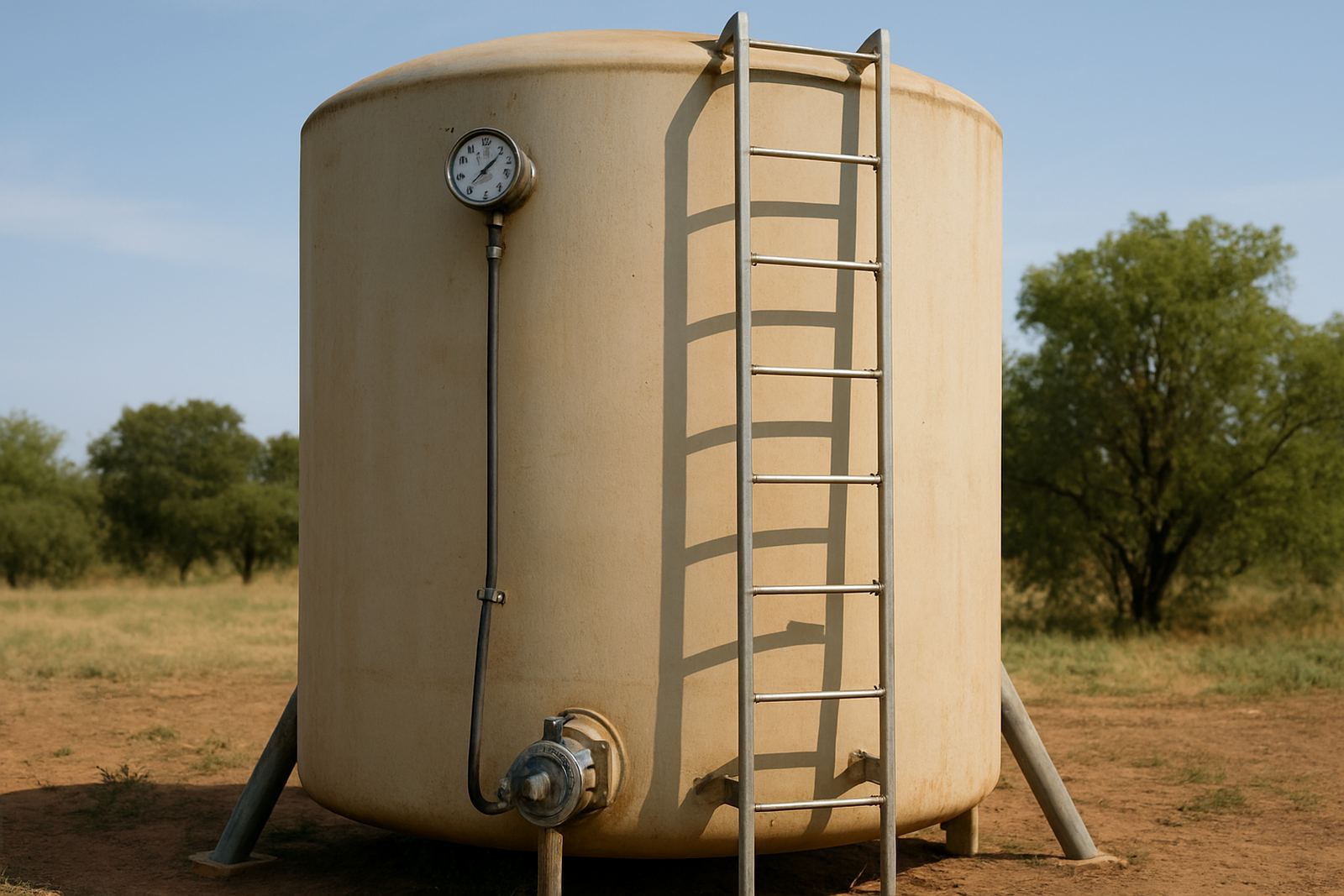
- If your tank runs dry too quickly, focus on sizing and daily demand, not only on the pump.
- If you are managing a larger site, factor in delivery access, maintenance schedules and municipal rules where relevant.
Planning before you buy
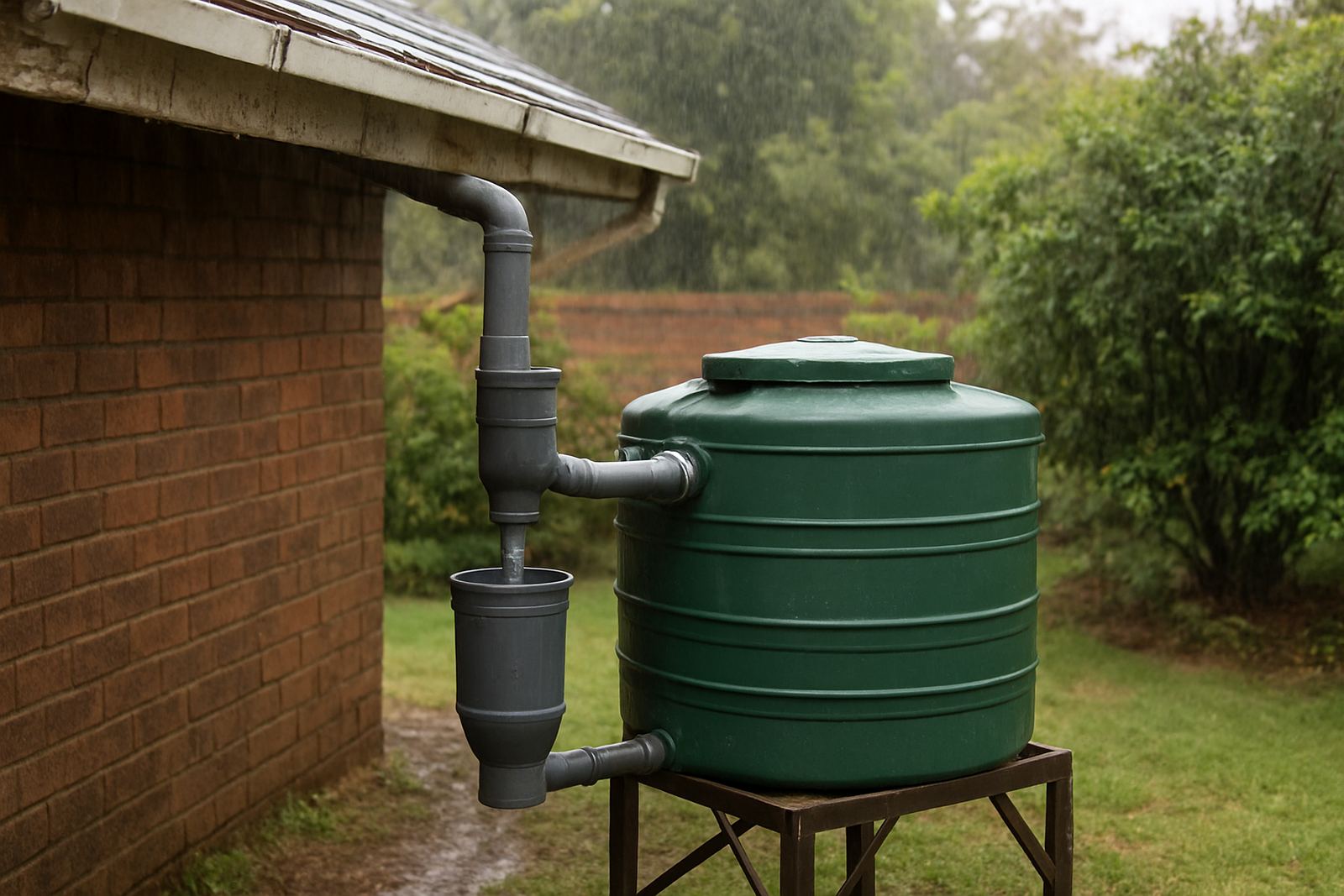
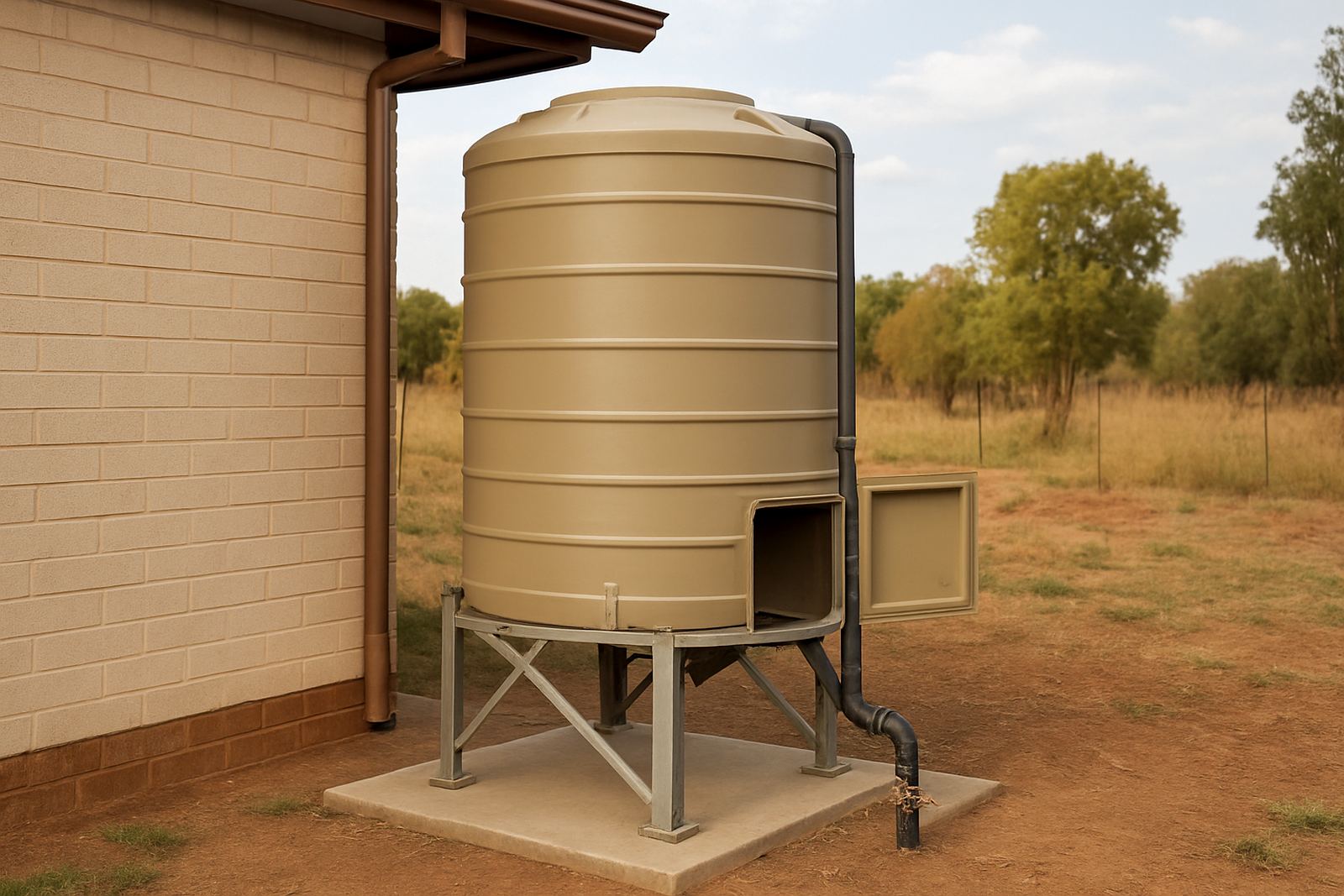
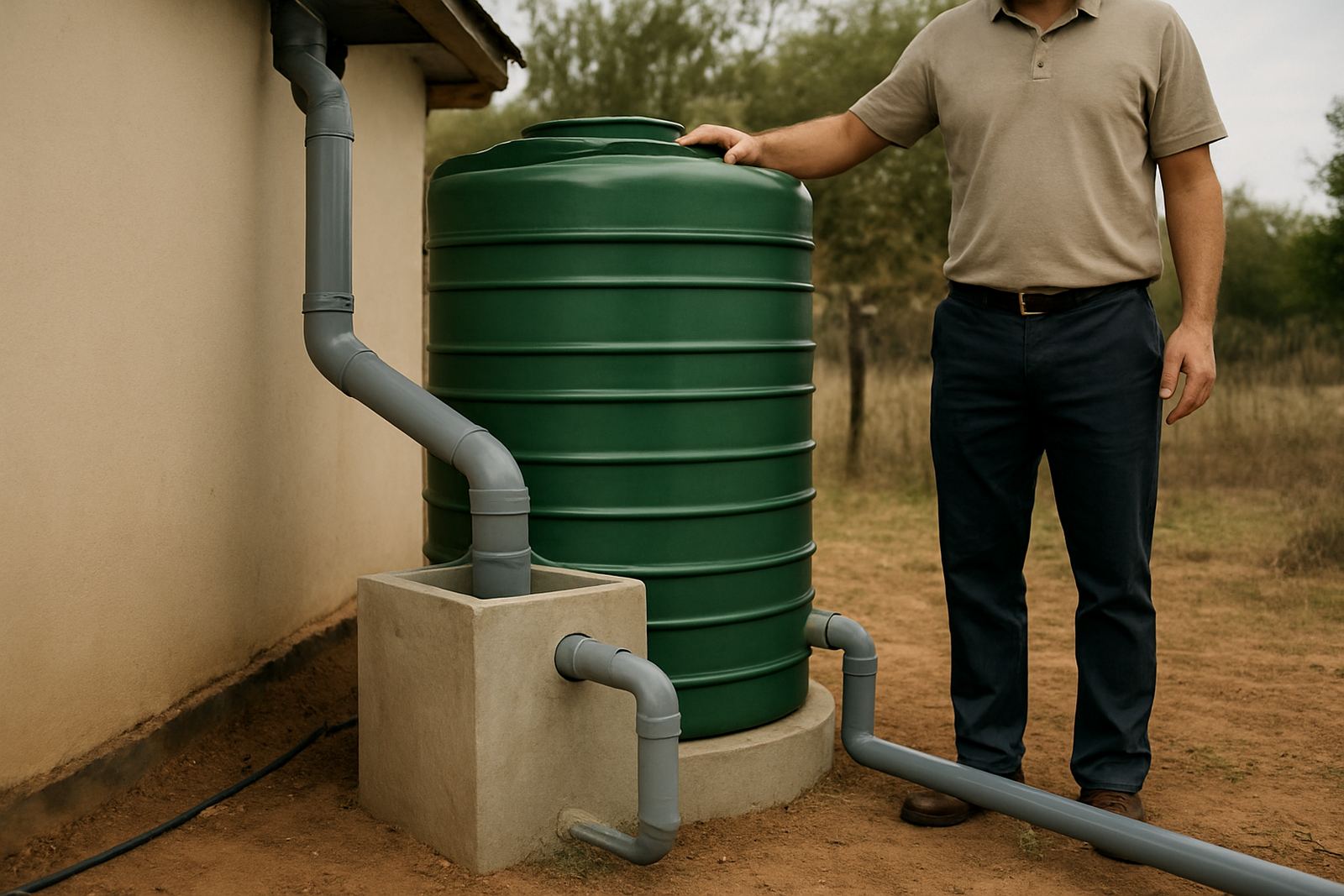
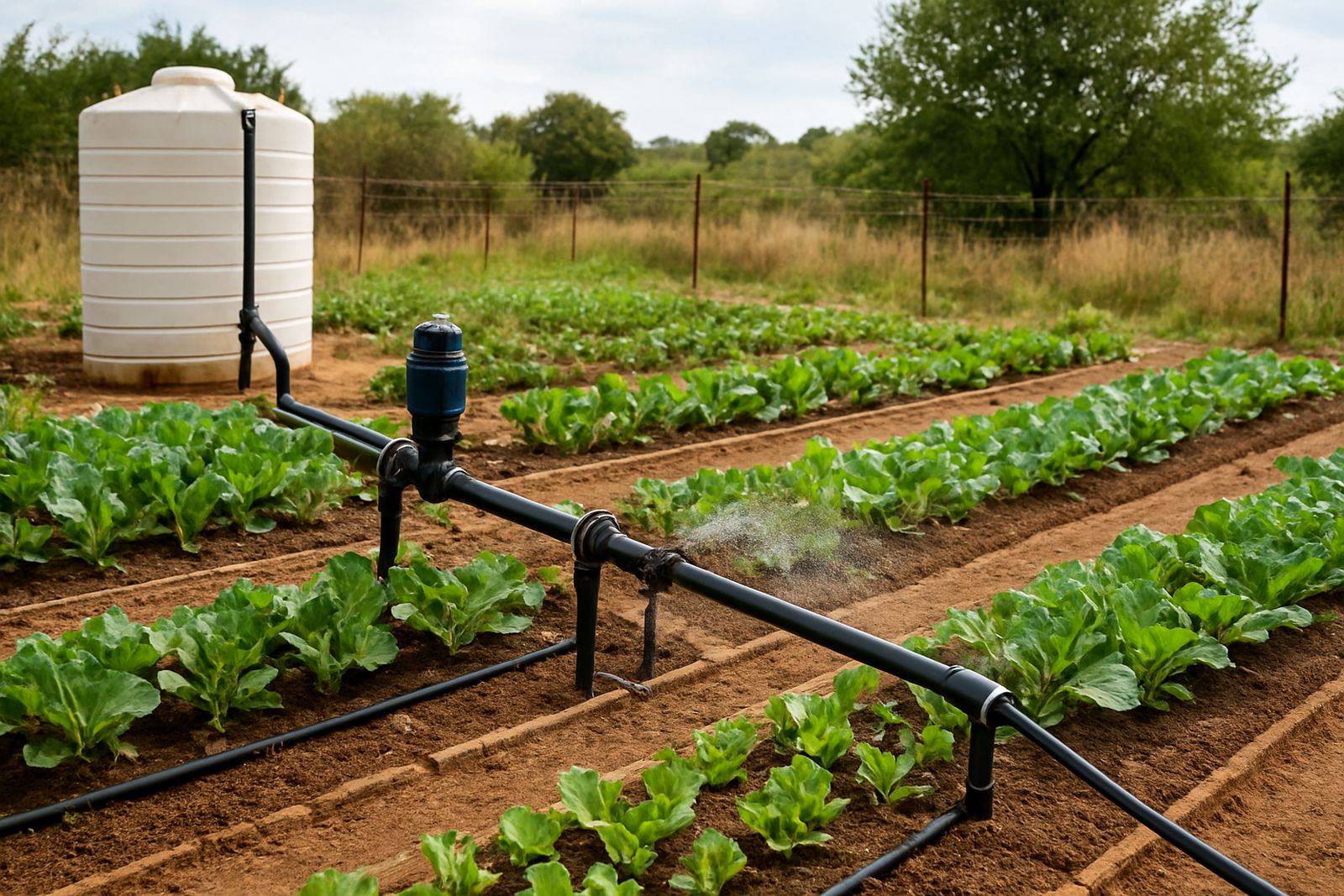
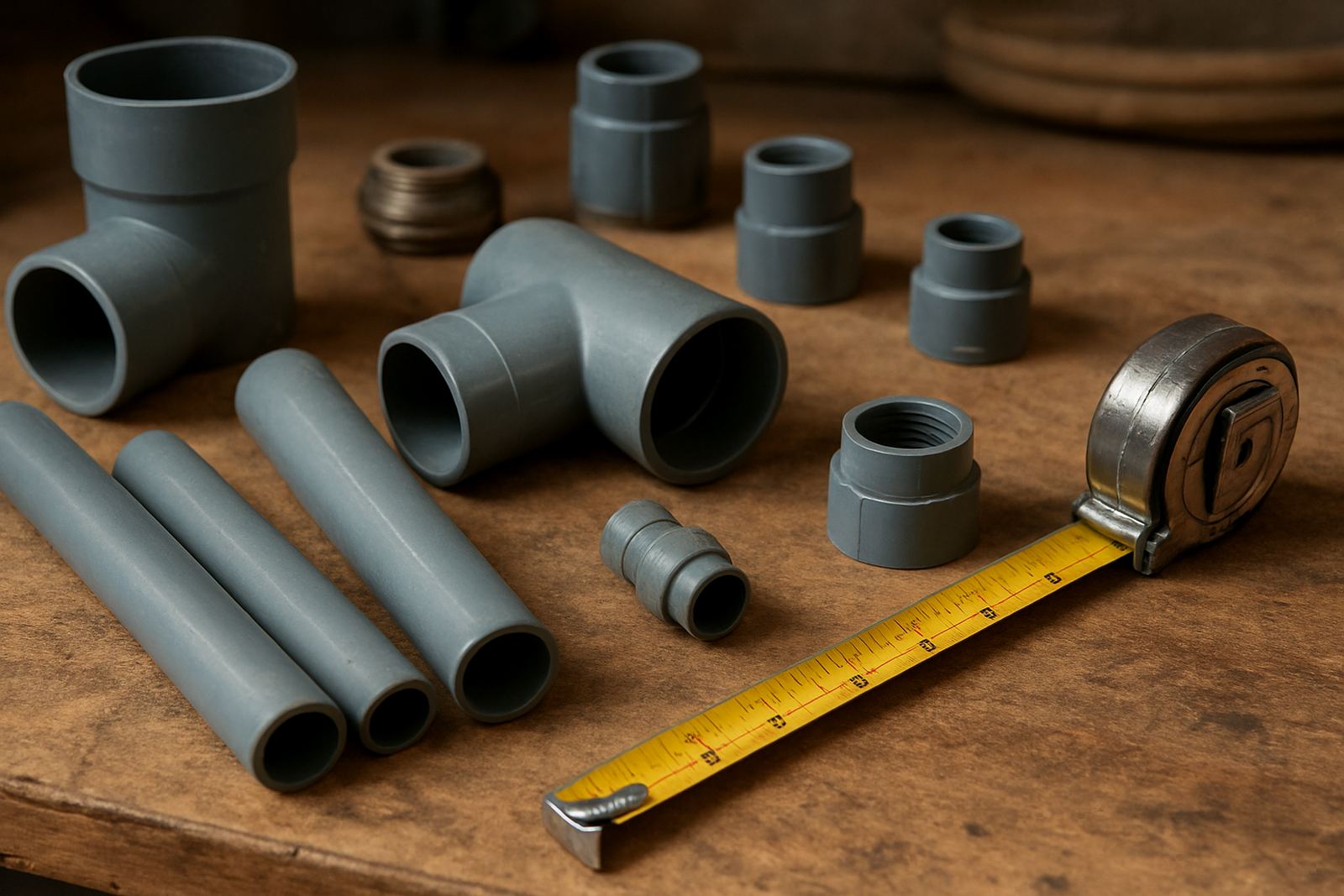
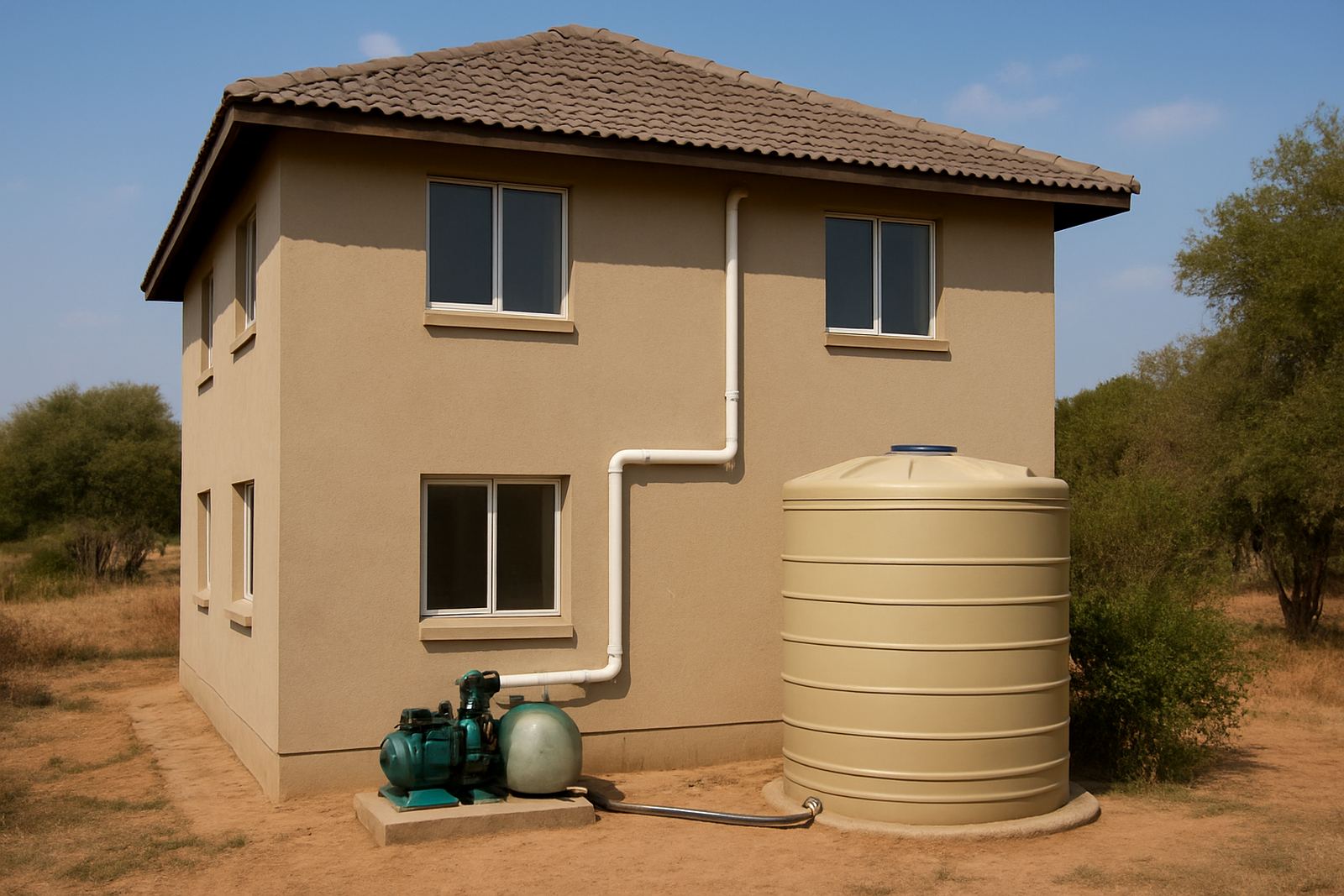
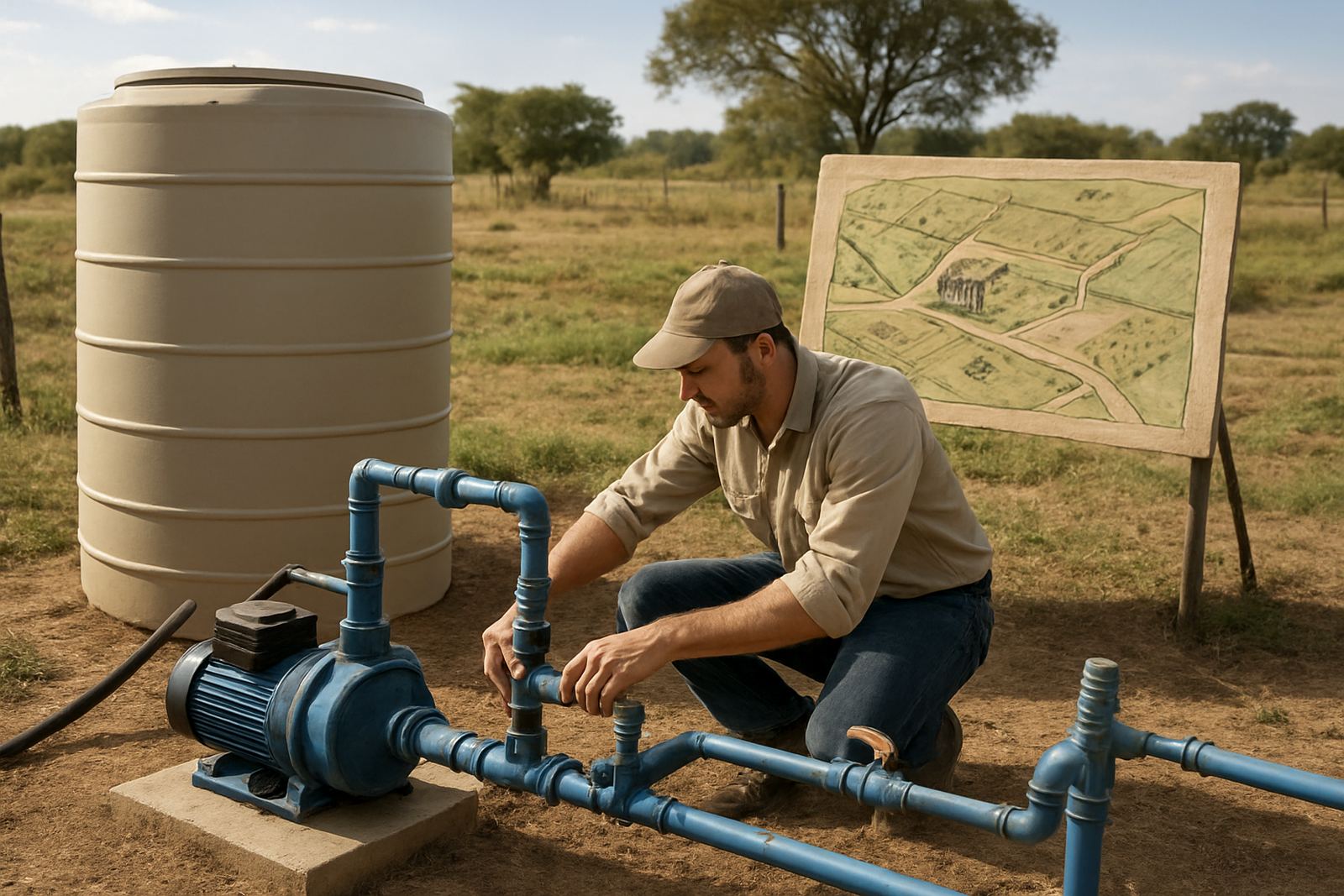
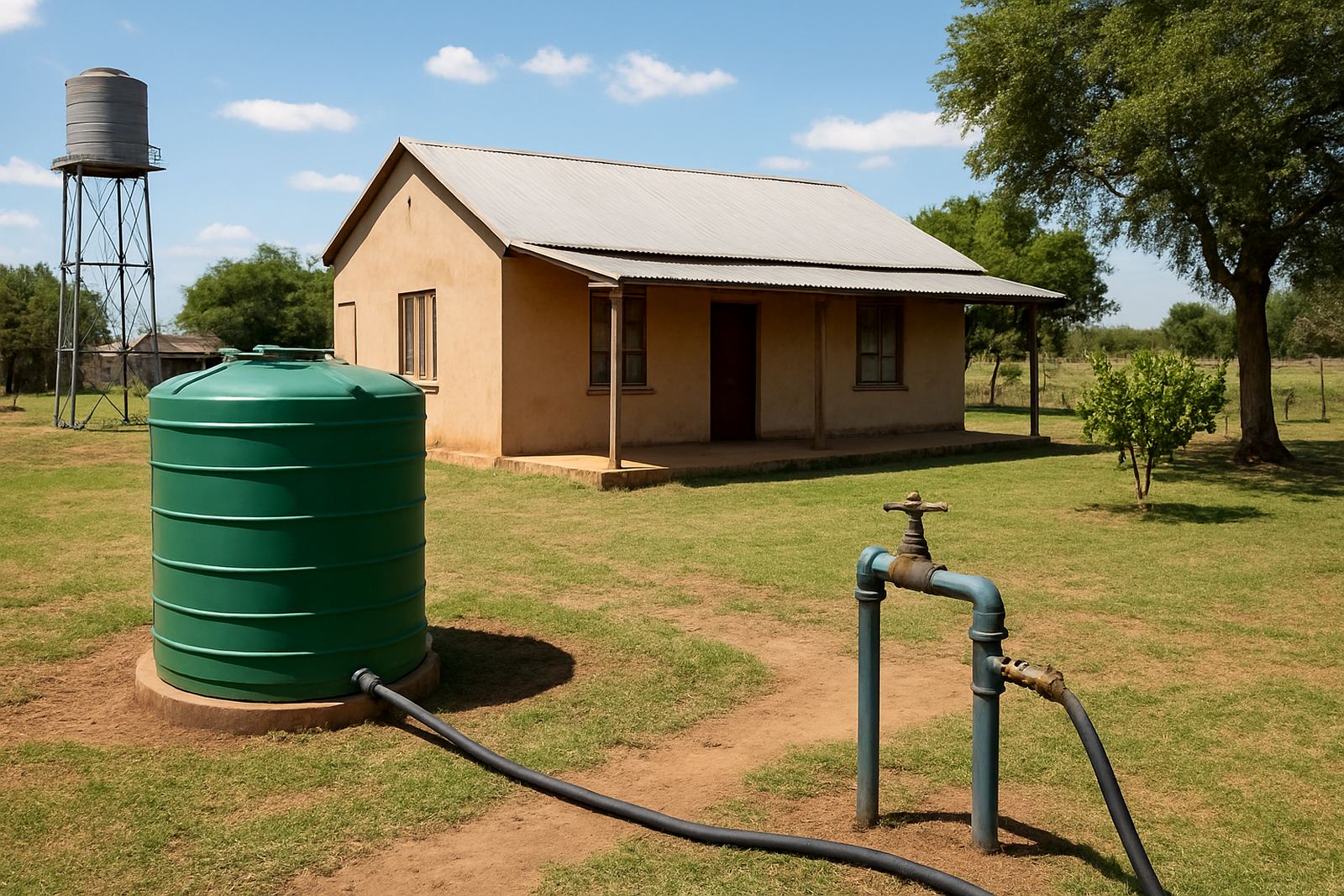
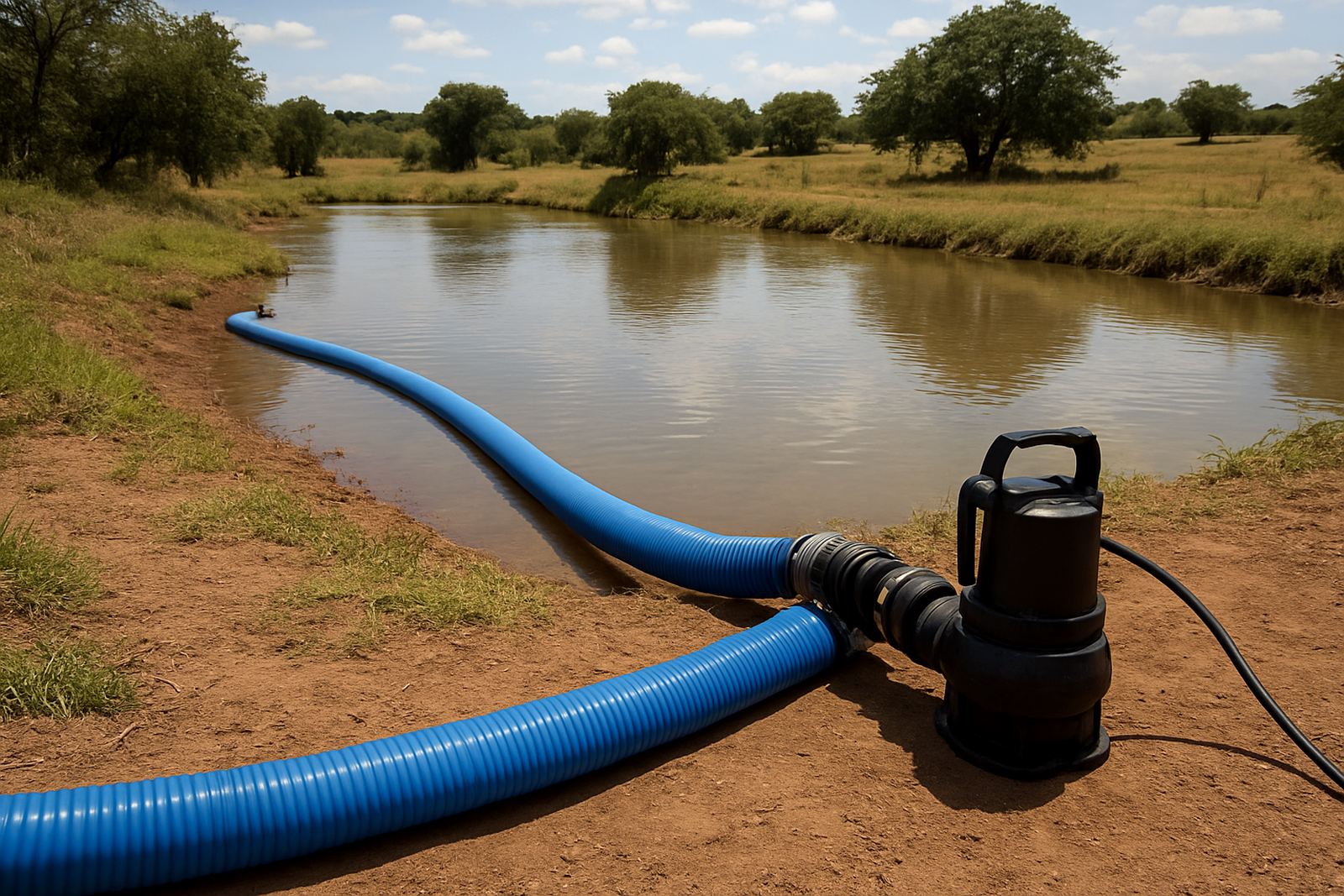
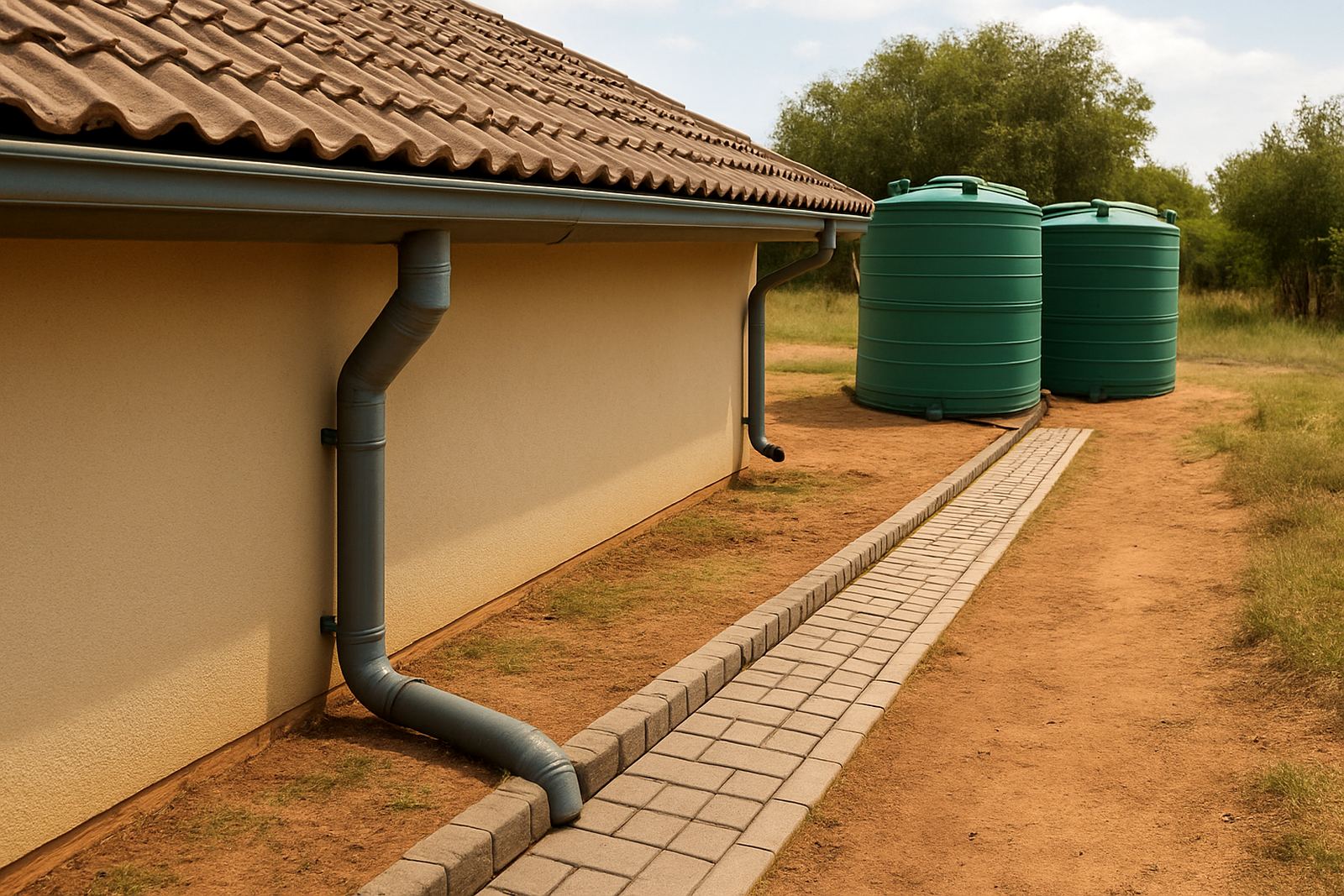
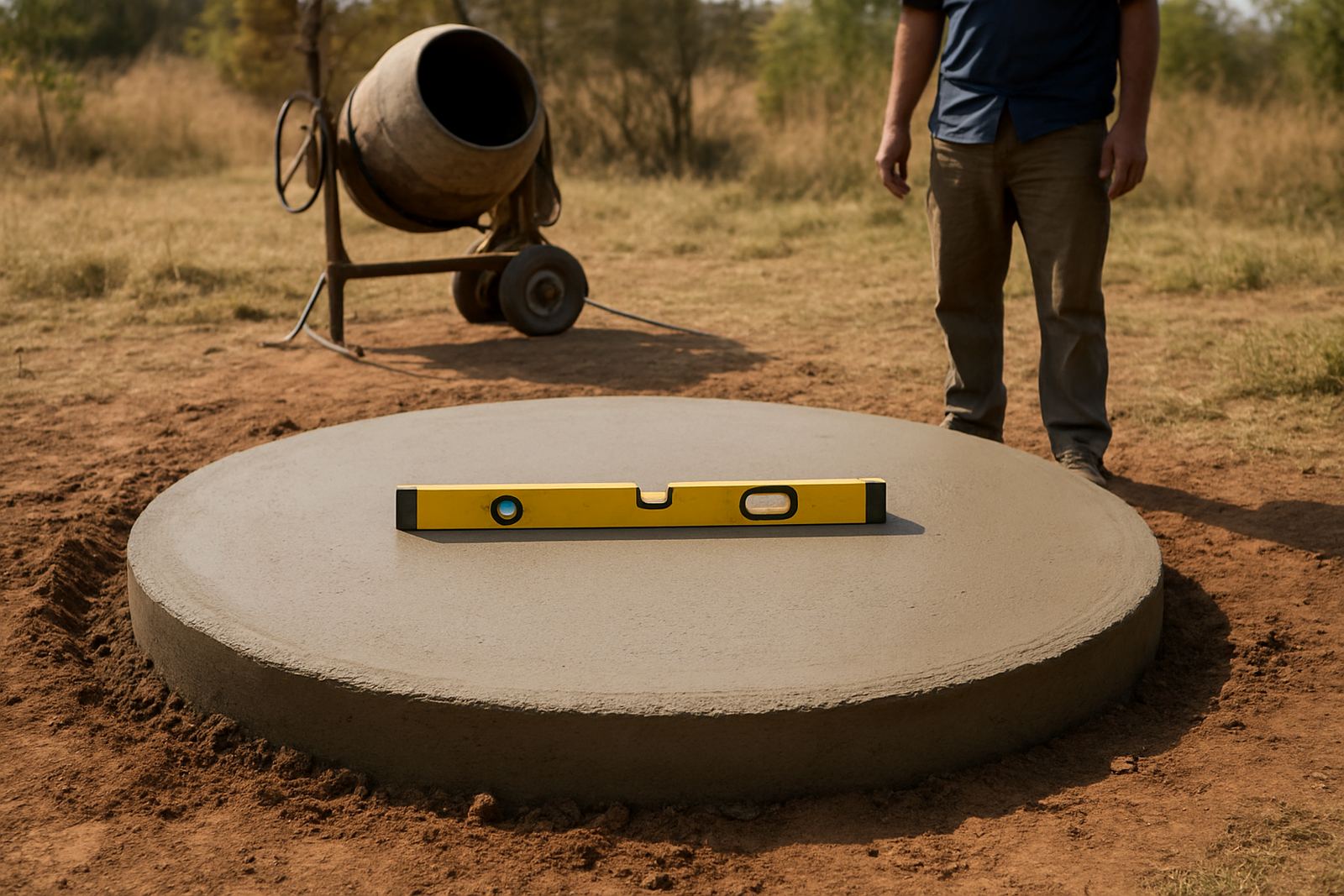
A system performs best when the planning is done properly from the start. Site assessments help to check space, access for delivery, pipe runs, water quality and the likely maintenance load. On farms, that can include distance to the pump point and the practical route for a service vehicle. In a home setting it may be about roof catchment, tank placement and keeping the installation tidy and safe.
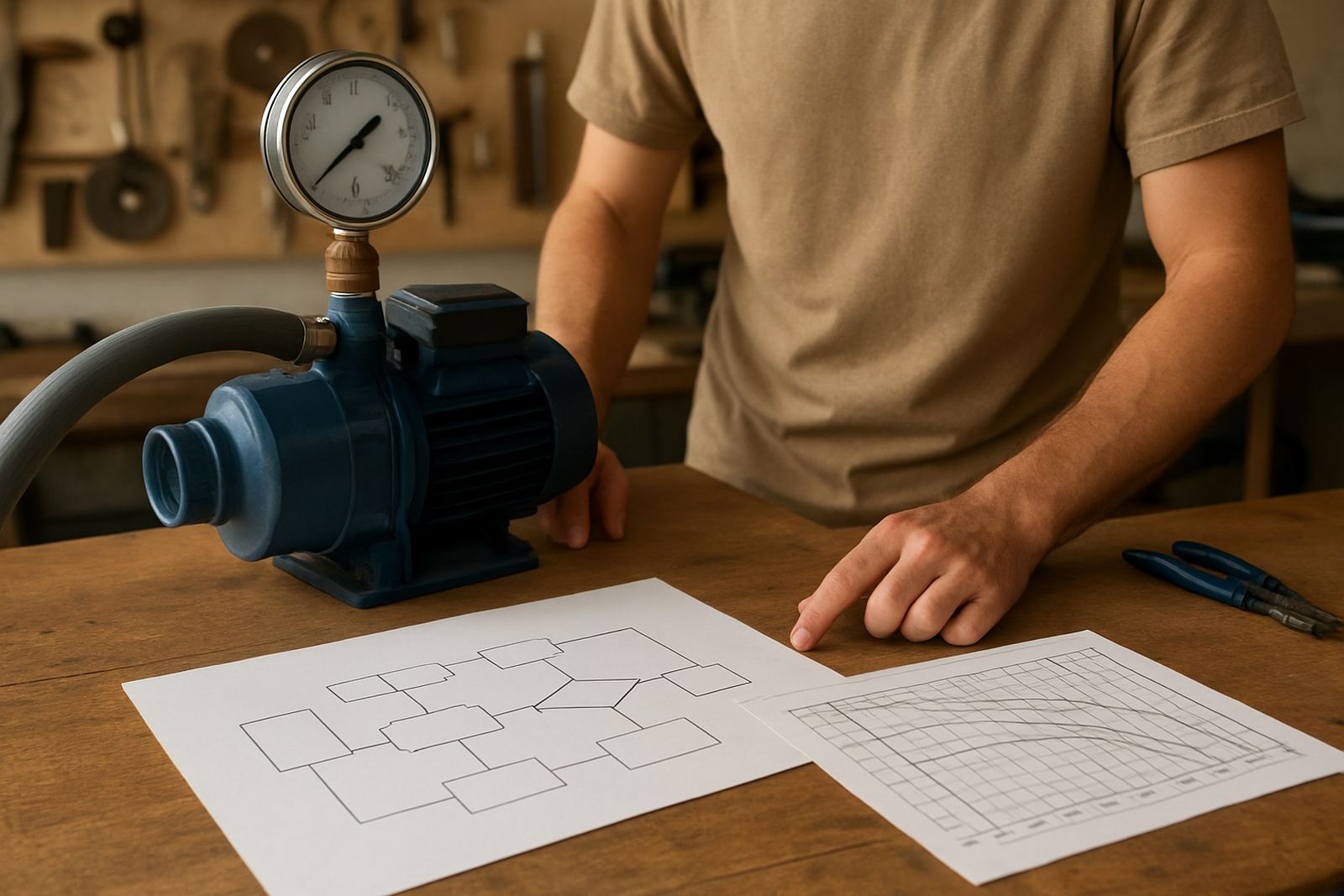
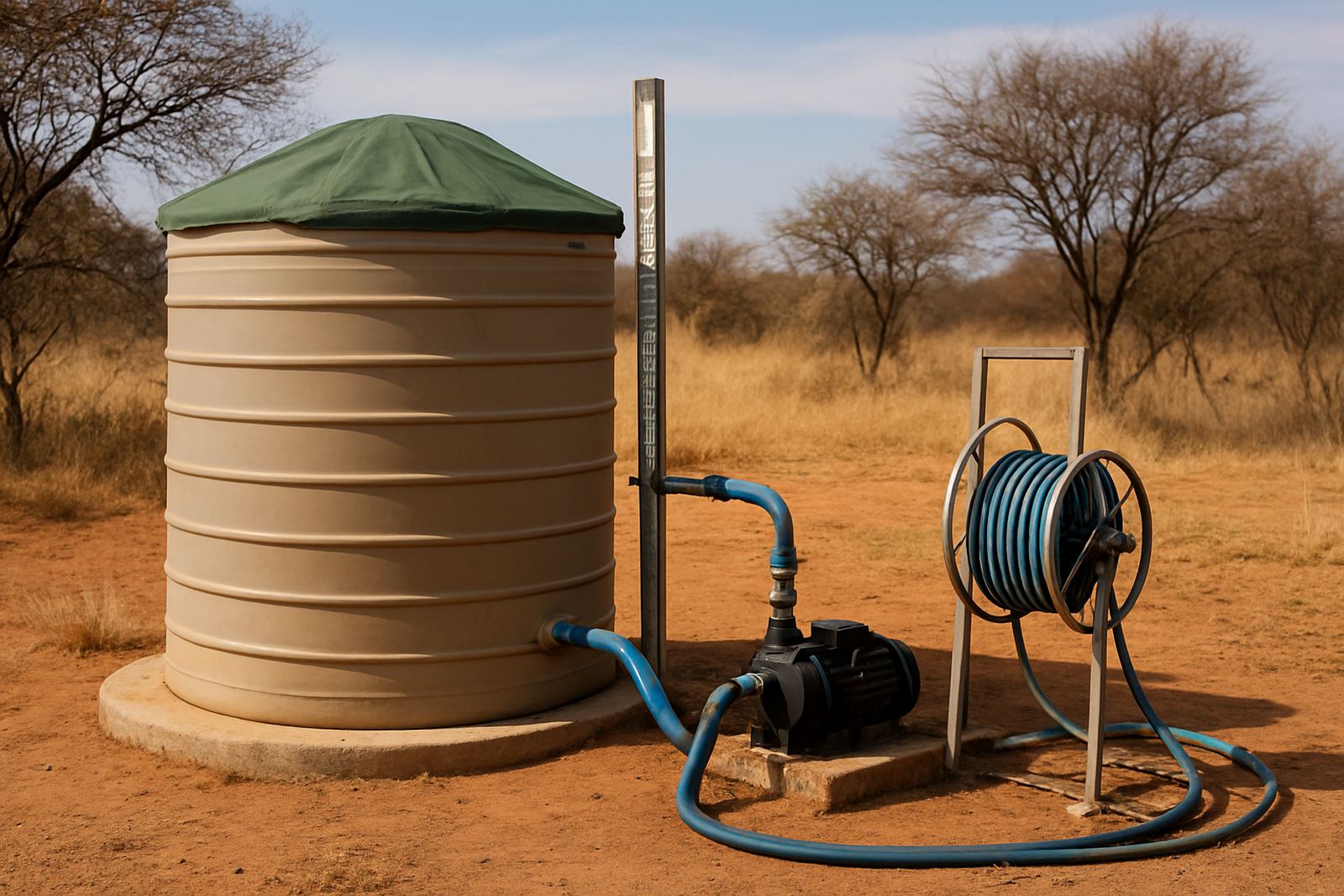
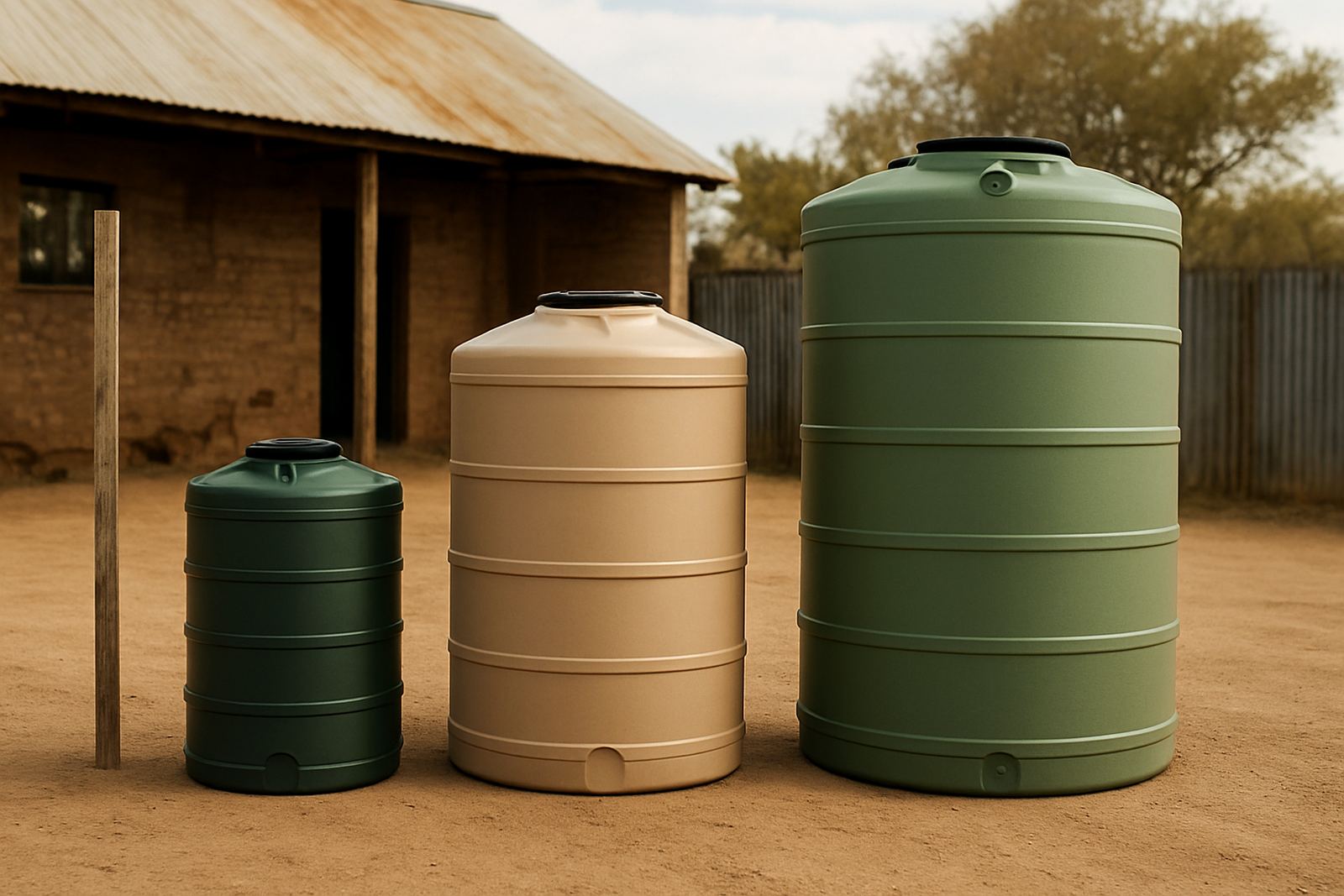
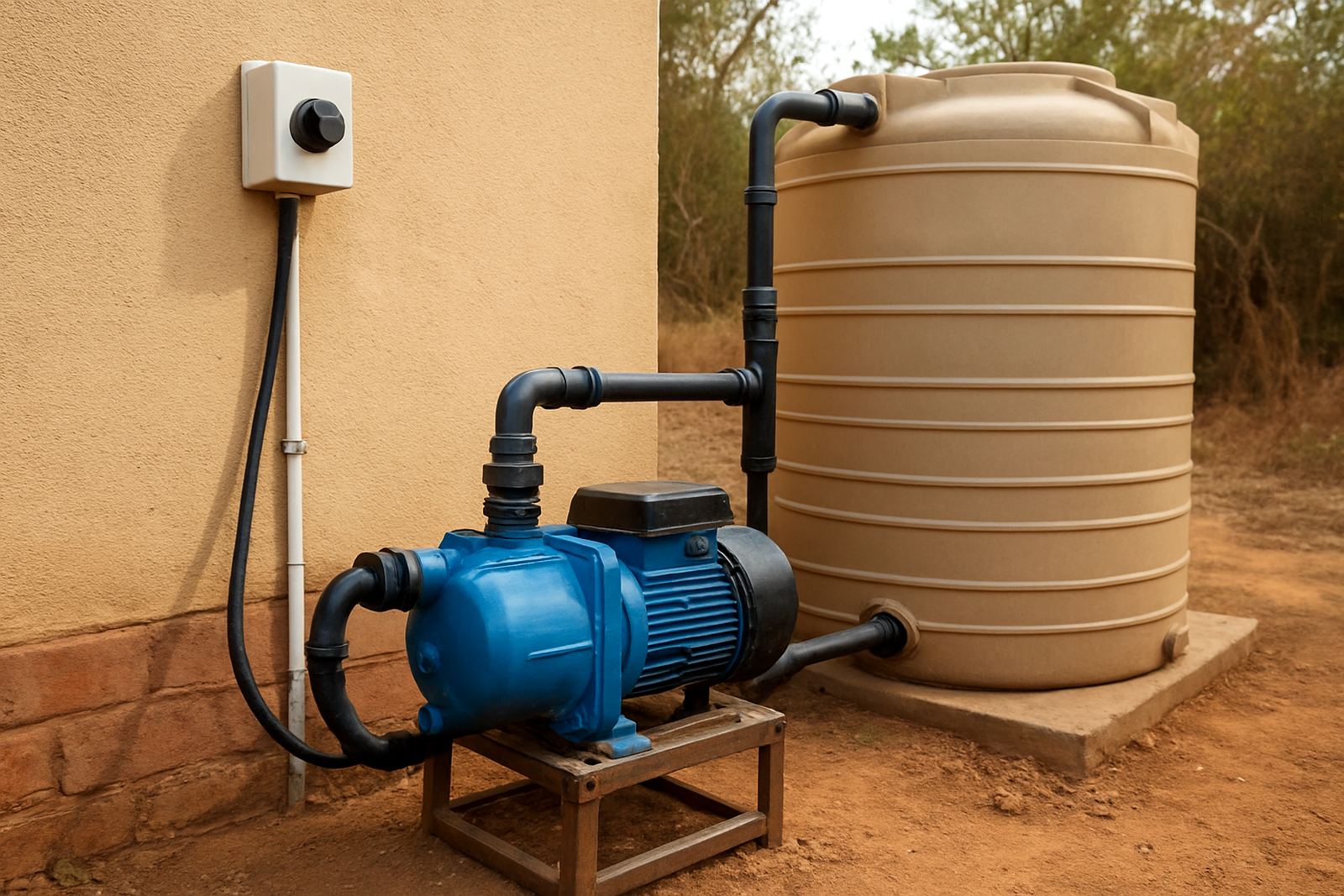
System sizing should match actual use, not just a rough guess. A family home, guest house and smallholding all use water differently, and the wrong kit can lead to pressure problems or needless cost. Our team often looks at storage volume, pump capacity, filtration needs and the sort of daily demand you expect in winter and summer, because those figures are never the same.
Keeping water clean and usable
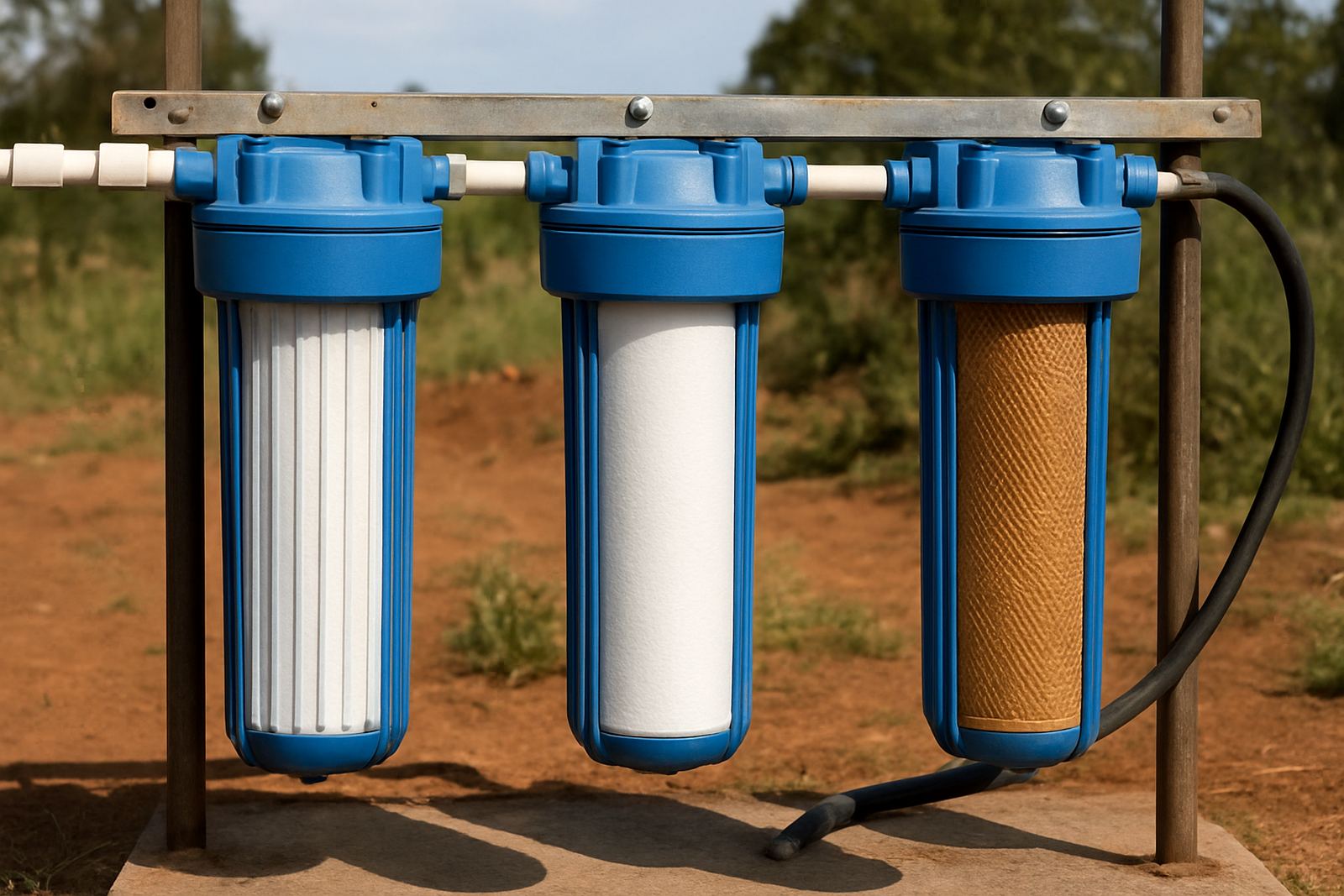
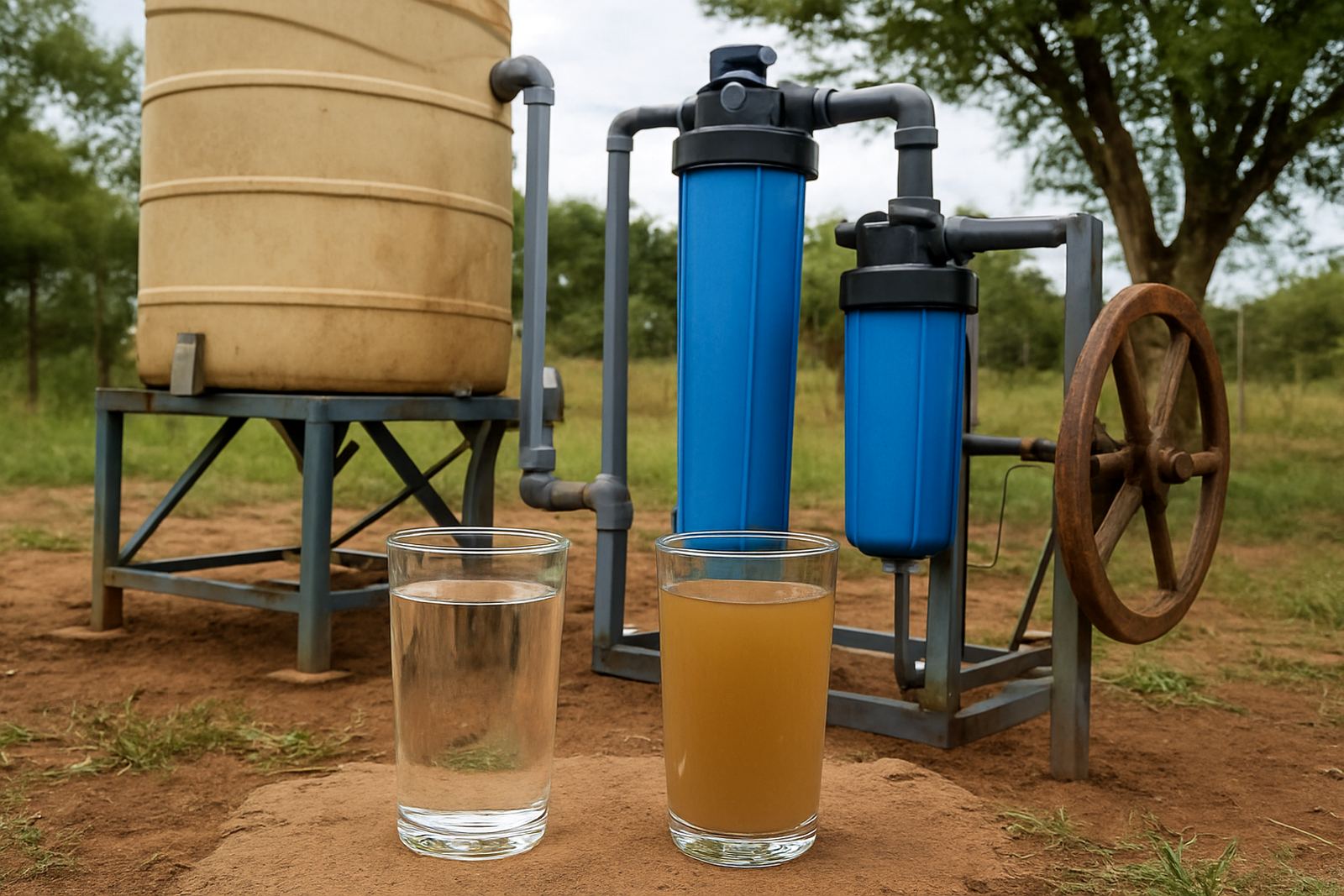
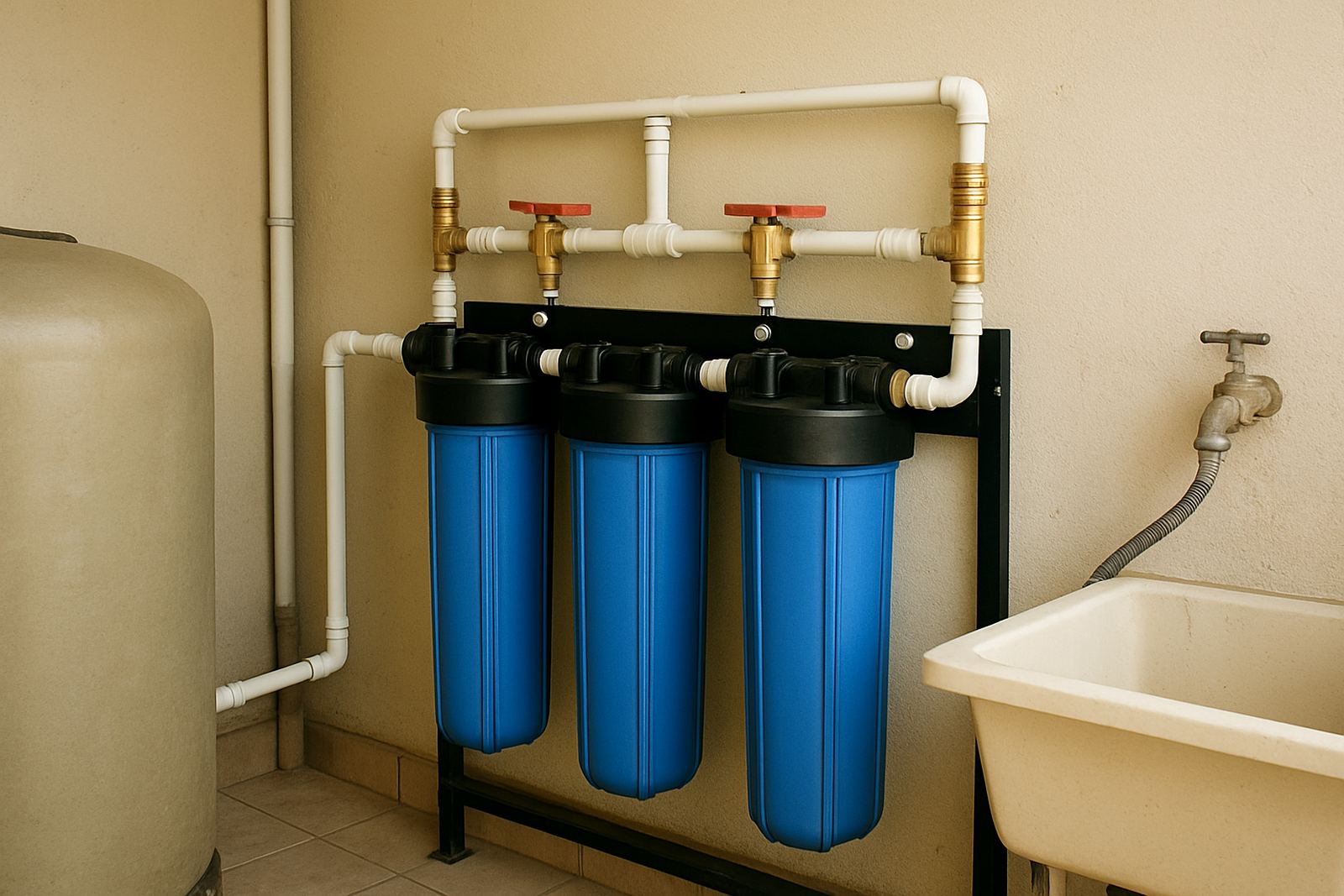
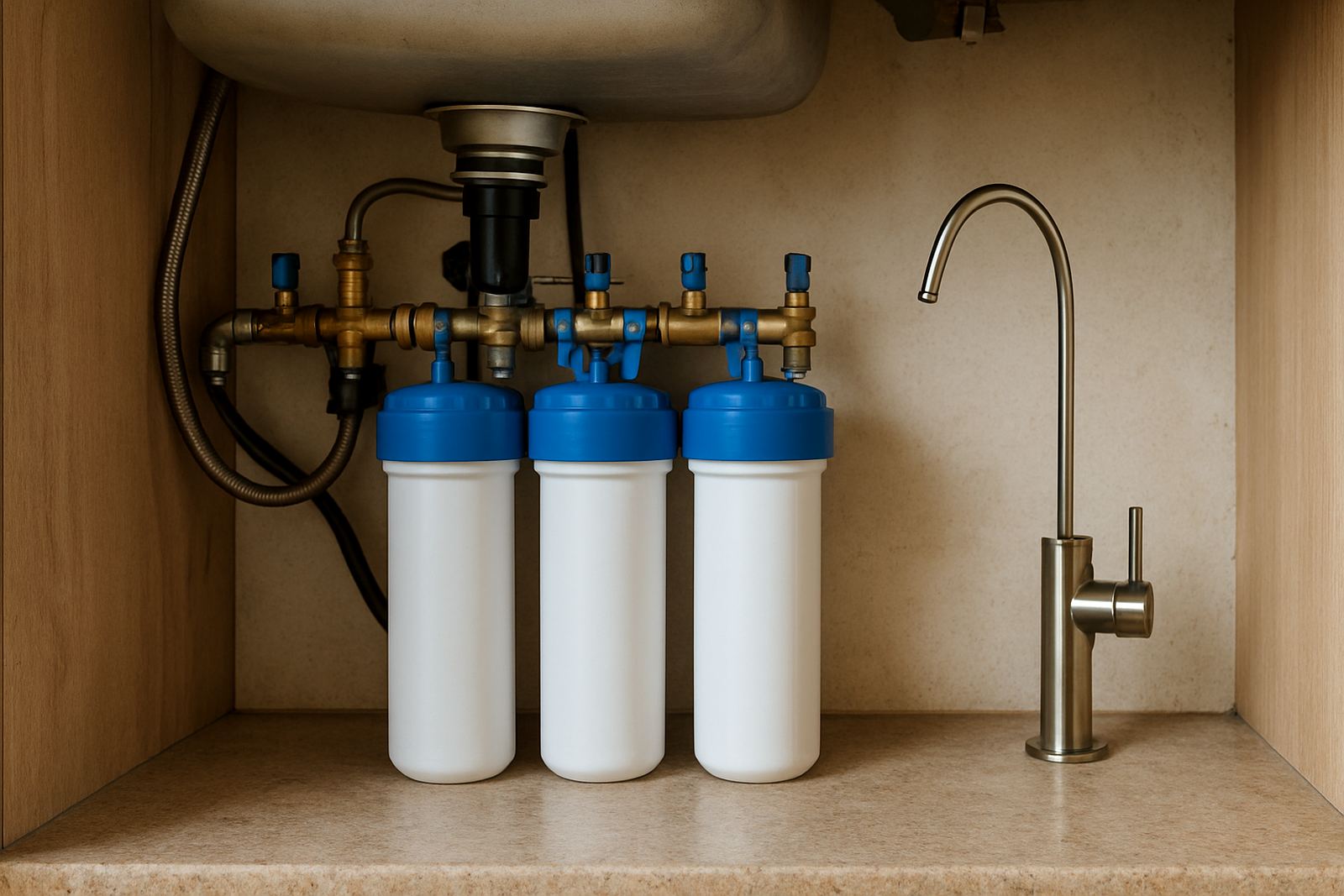
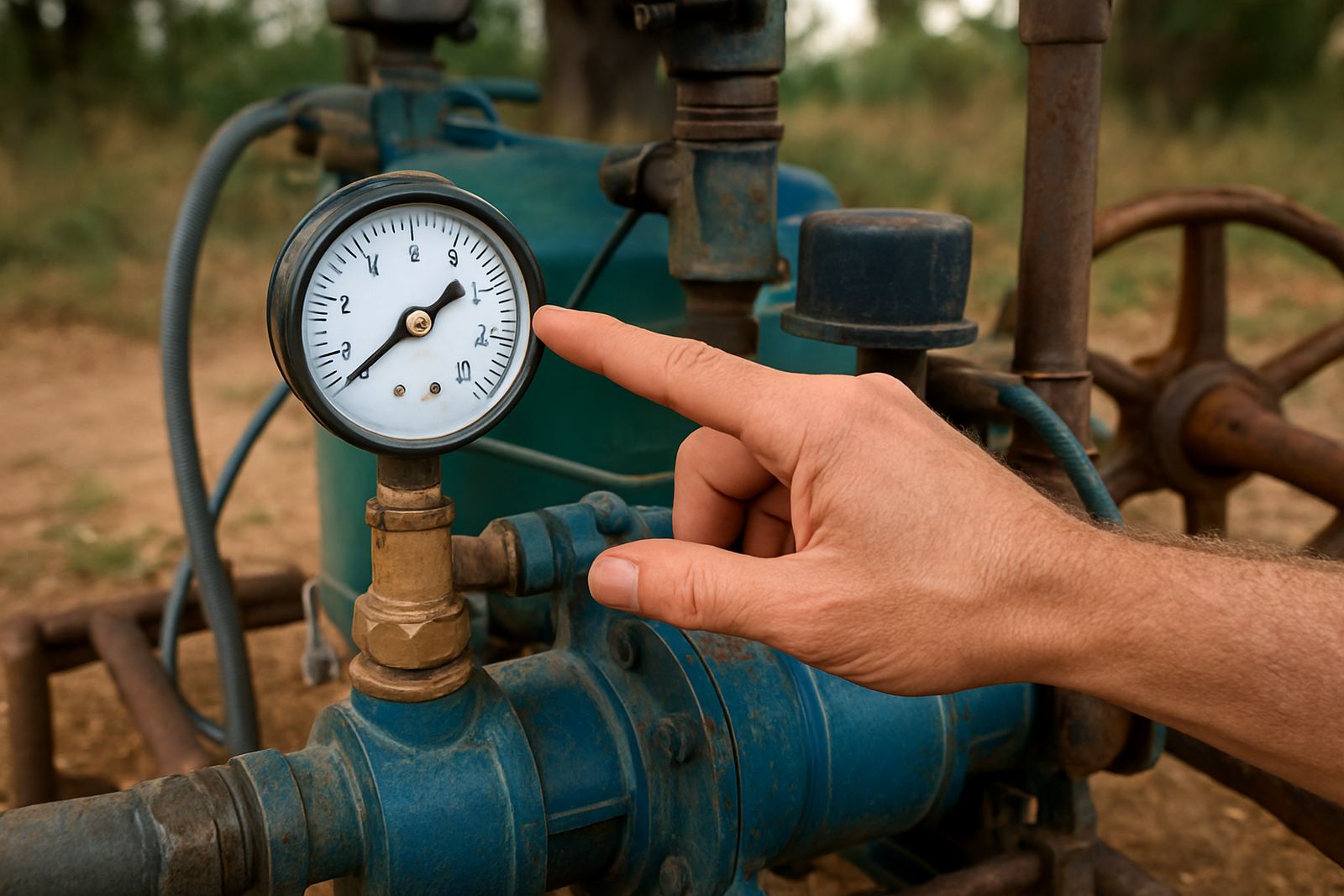
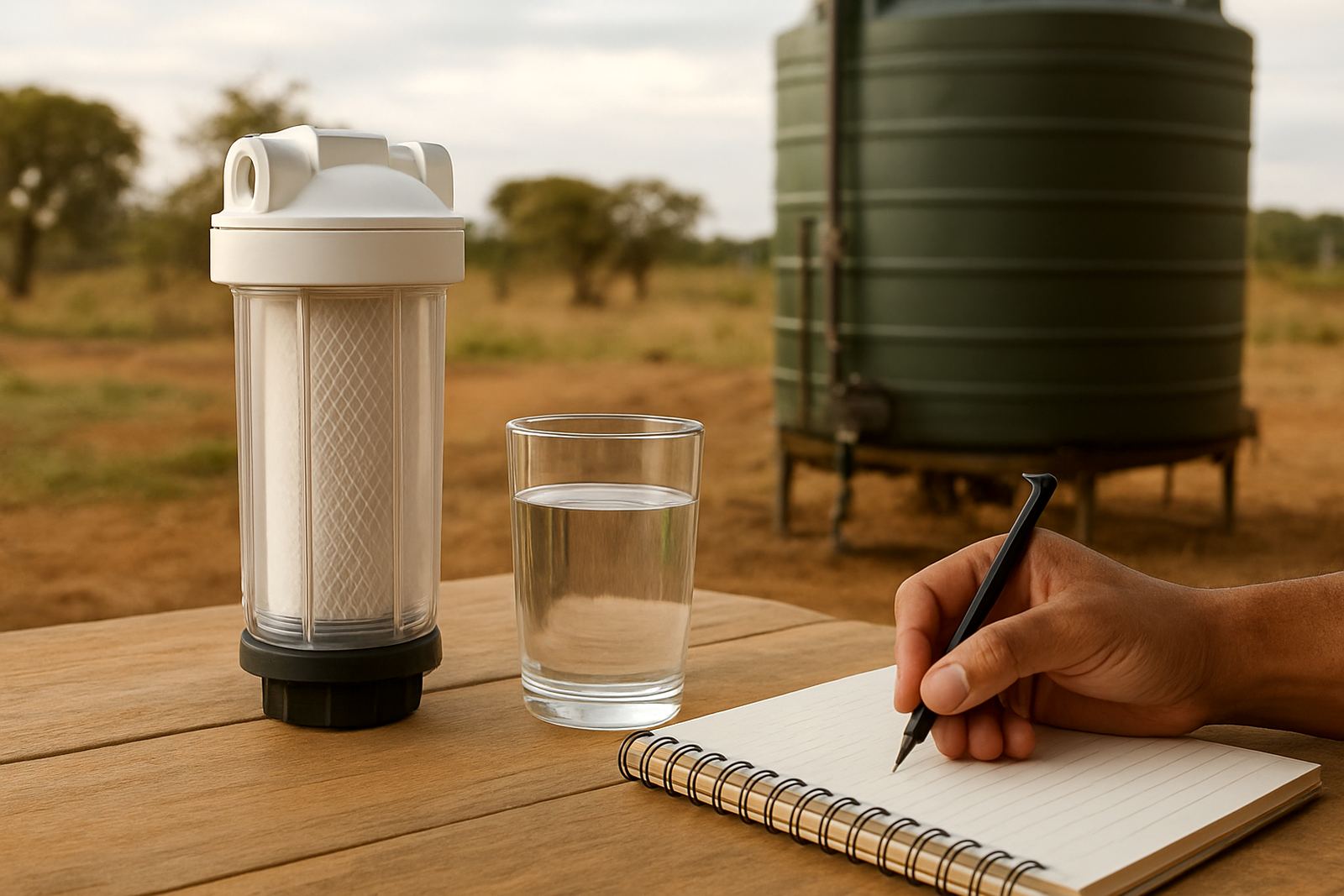
Clean water is not only about appearance. It affects appliances, irrigation lines, drinking points and long term running costs. Filter changes, tank cleaning and water testing all matter if you want the system to keep doing its job. If sediment or iron is left too long, it can block lines and make pumps work harder, which is bad for the motor and the electricity bill.
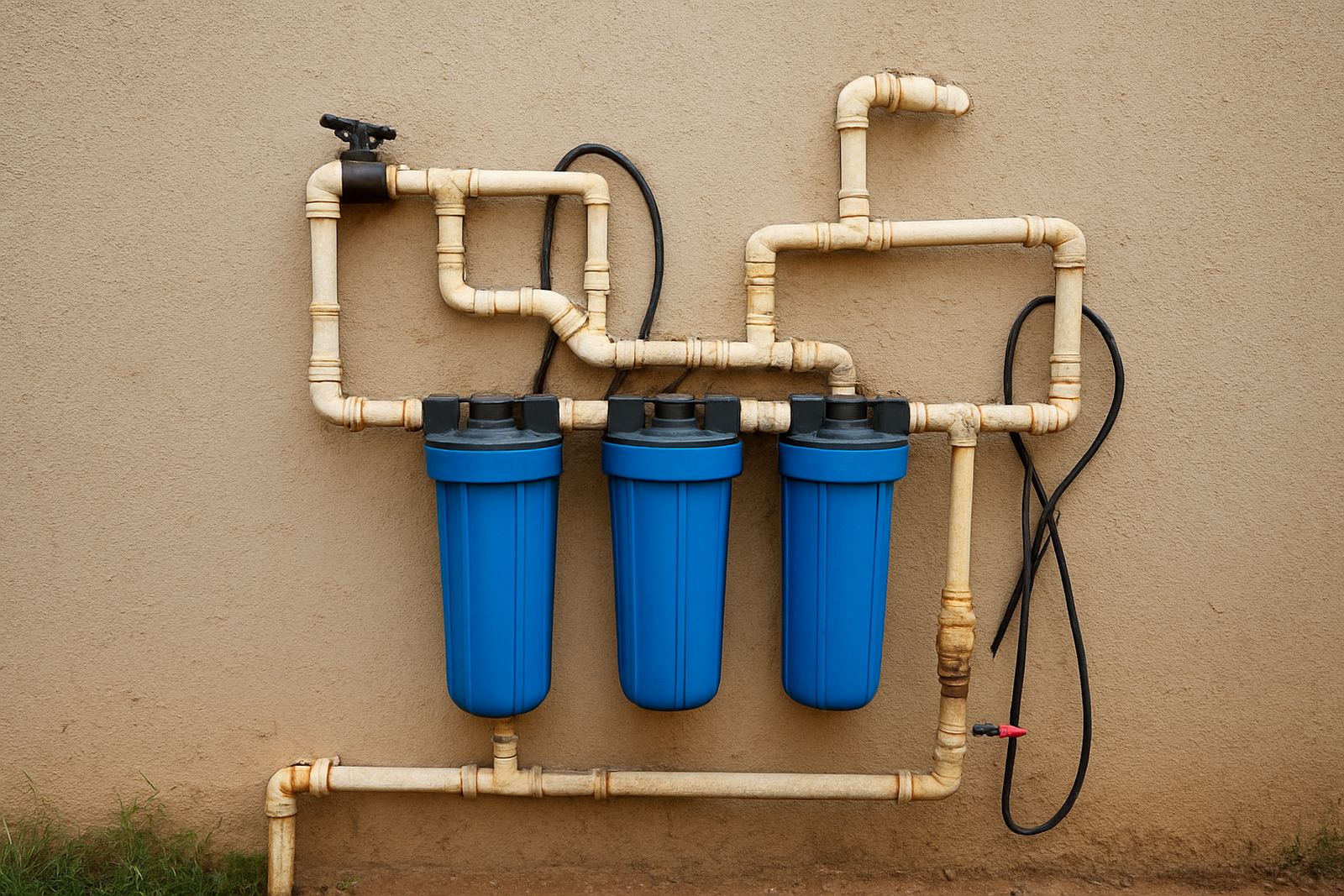
For homes near the coast, salt in the air can make fittings and housings age faster. In inland areas, borehole water may carry minerals that leave marks or scale, and that can show up in kettles, taps and geysers. A routine check now and then is cheaper than a full fault finding call later, no question.
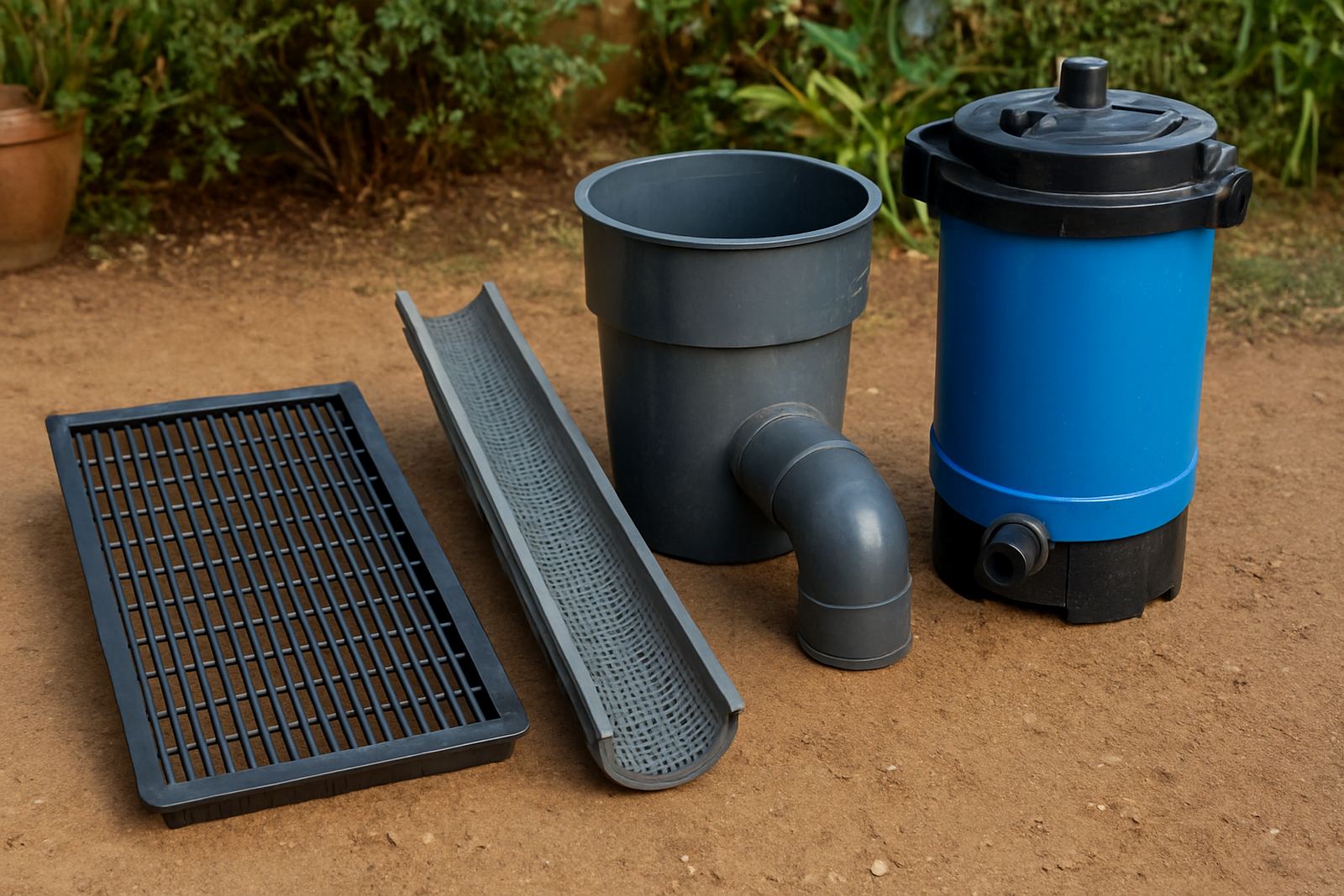
- Check filters at the intervals recommended for your usage level.
- Inspect tank lids and pipe joints for dust, leaks and insects.
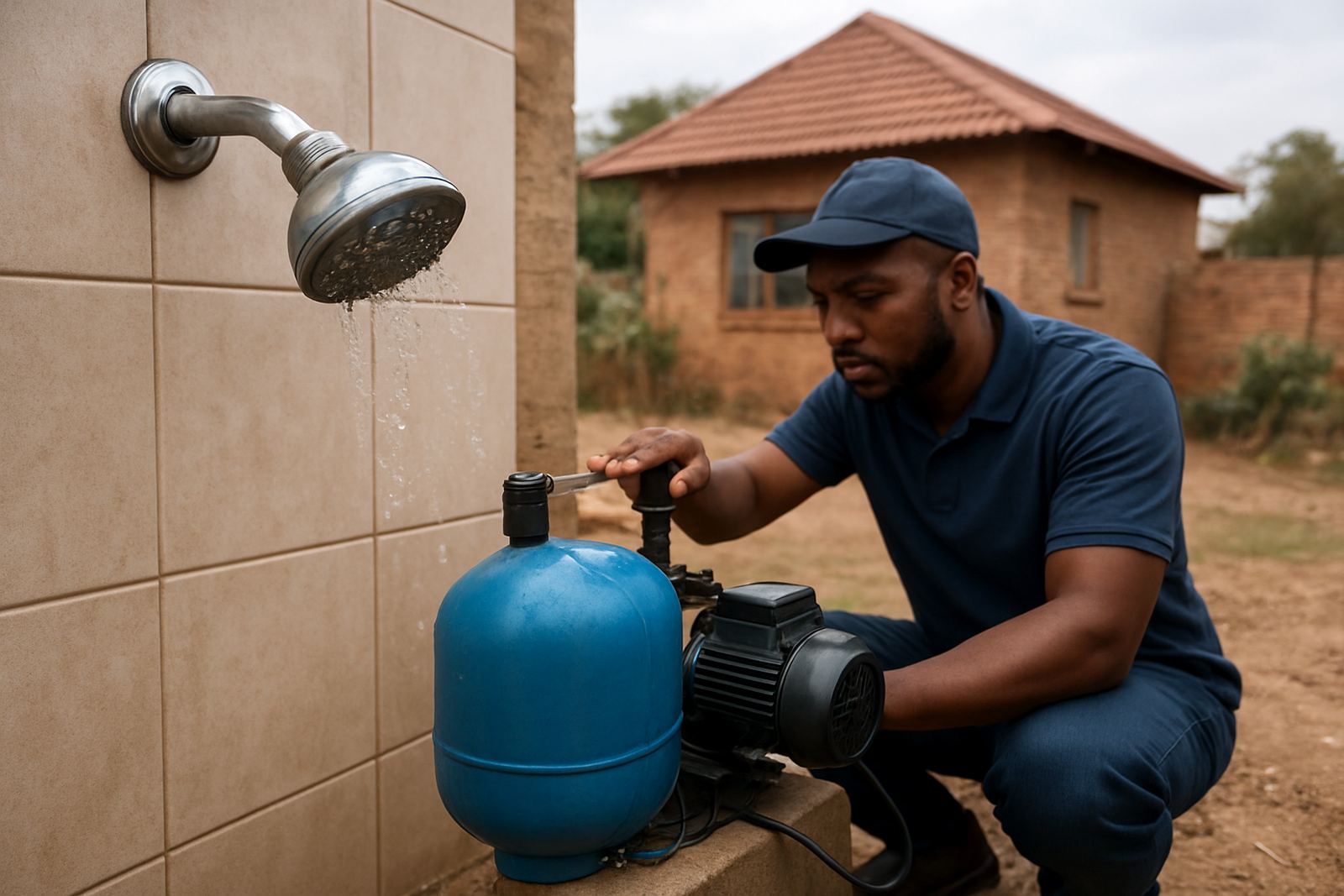
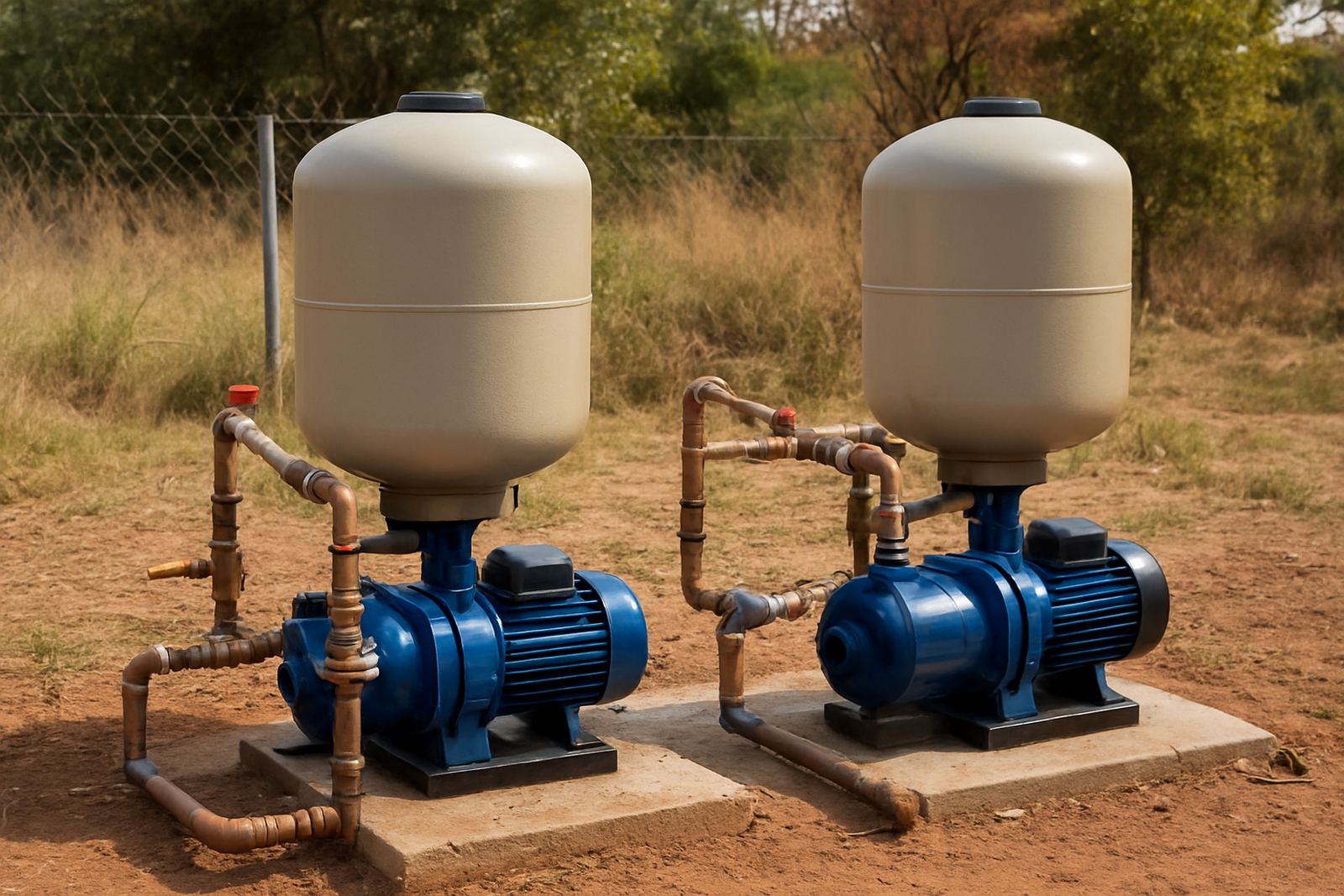
- Book pump servicing before a small fault turns into a breakdown.
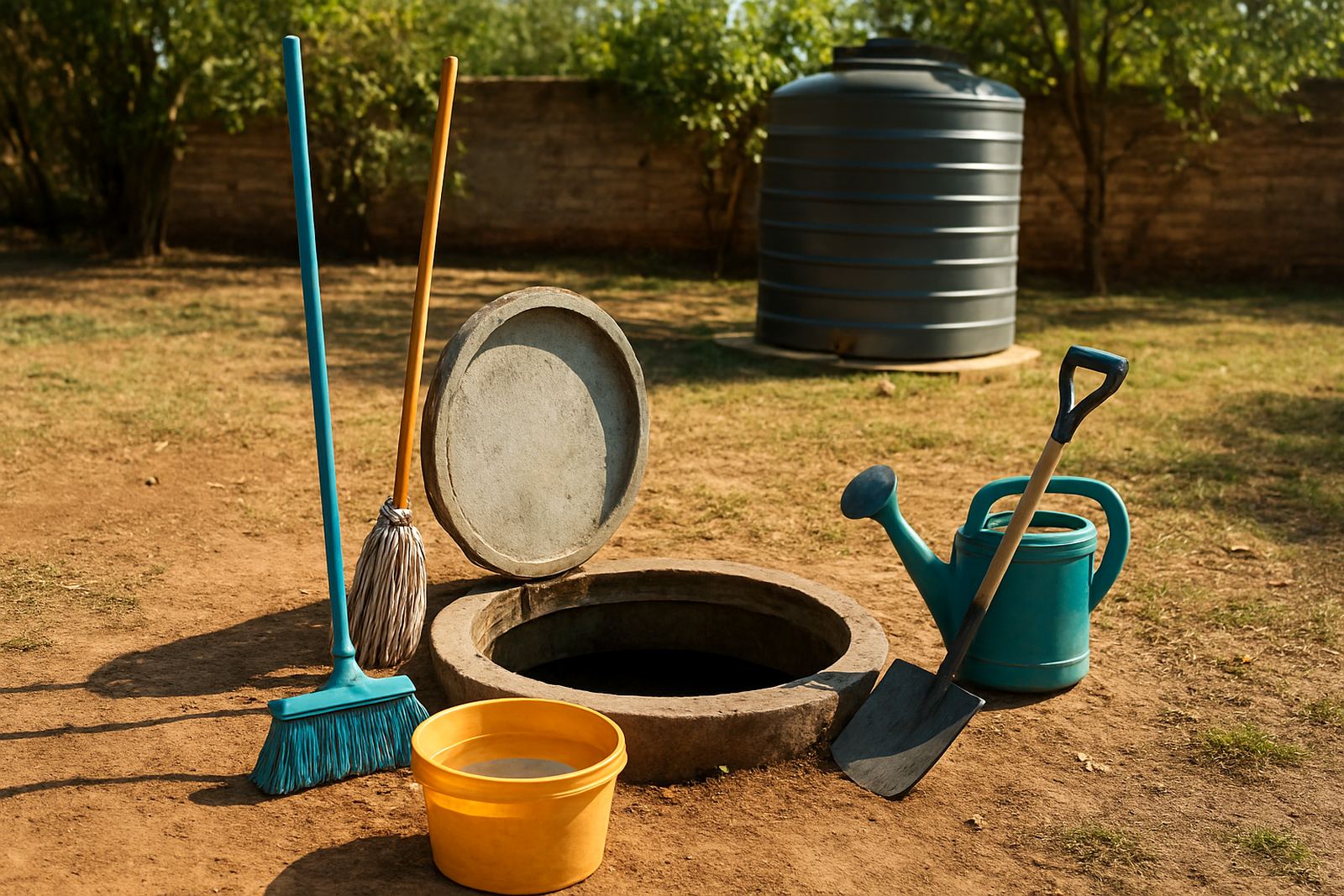
- Clean storage tanks on a set cycle, especially where sediment collects.
Water use during dry spells and power cuts
South African households and farms often have to plan around both dry weather and load-shedding. That means the smartest setup is usually the one that stores enough water, pumps it efficiently and keeps working when the grid does not. Annual maintenance helps here, because a system that is already under strain will show it quickly when demand rises.
It also helps to think about daily habits. Small changes in how you irrigate, wash equipment or fill holding tanks can save a surprising amount of water over a month. Even one or two careful adjustments can stretch supply and reduce unnecessary pump starts, which is useful for both the motor and the power bill.
Support for homes and farms across South Africa
Hydrated supplies and delivers kits from our Brits base to homes and farms across South Africa, including Pretoria, Hartbeespoort, Rustenburg, Bloemfontein, Paarl, Stellenbosch and Somerset West. Our work includes delivery coordination, kit assembly, installation support and commissioning checks, so customers can get a proper start with less guesswork.
If you want practical guidance, these articles are a good place to begin. Read the notes that match your source, your property type and your budget, then use the enquiry form on our contact page when you are ready to talk through the details. Pieter Johannes van der Merwe and the team will help you work out what makes sense for your site, and what can wait.
- For homes, focus on comfort, pressure and clean water on tap.
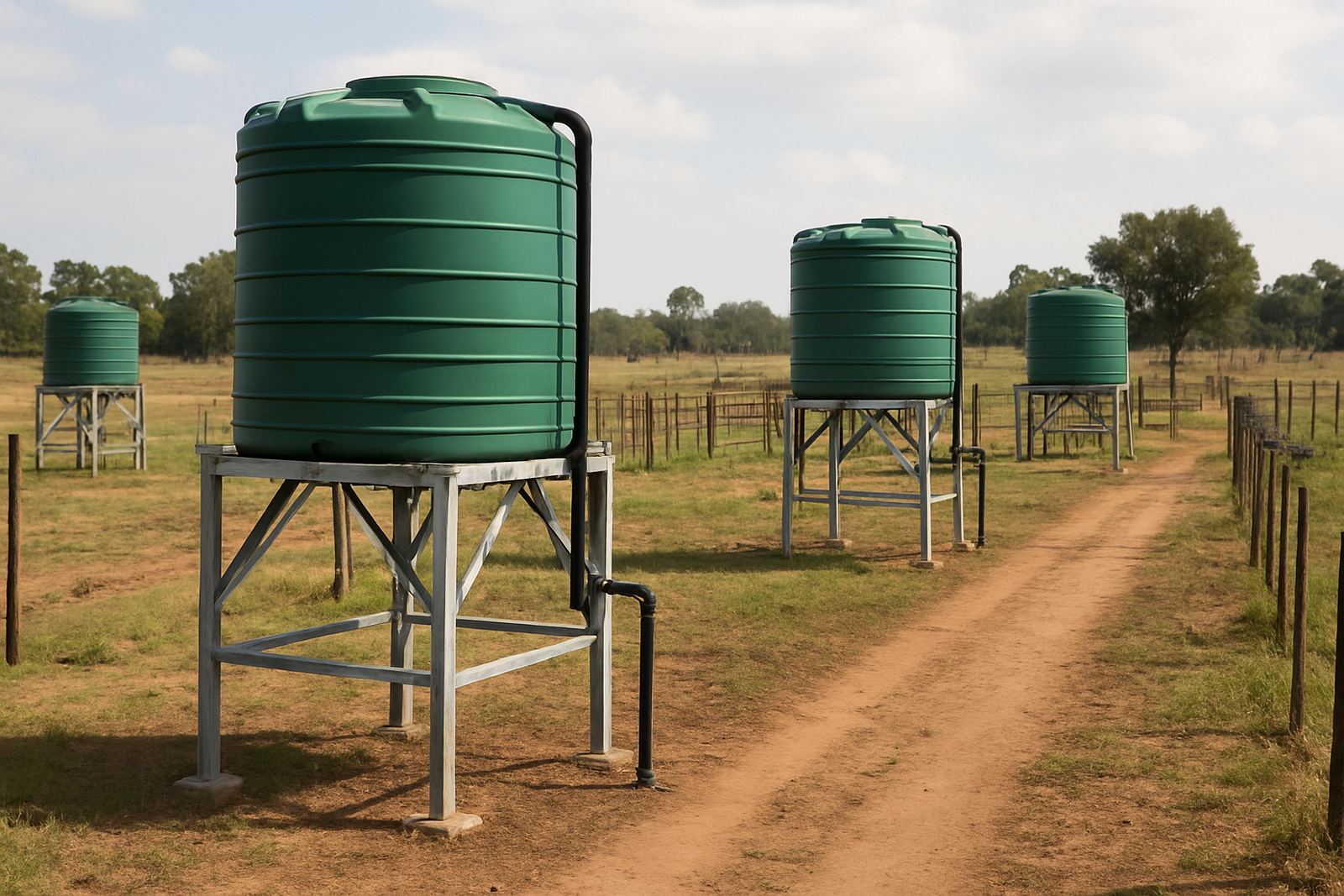
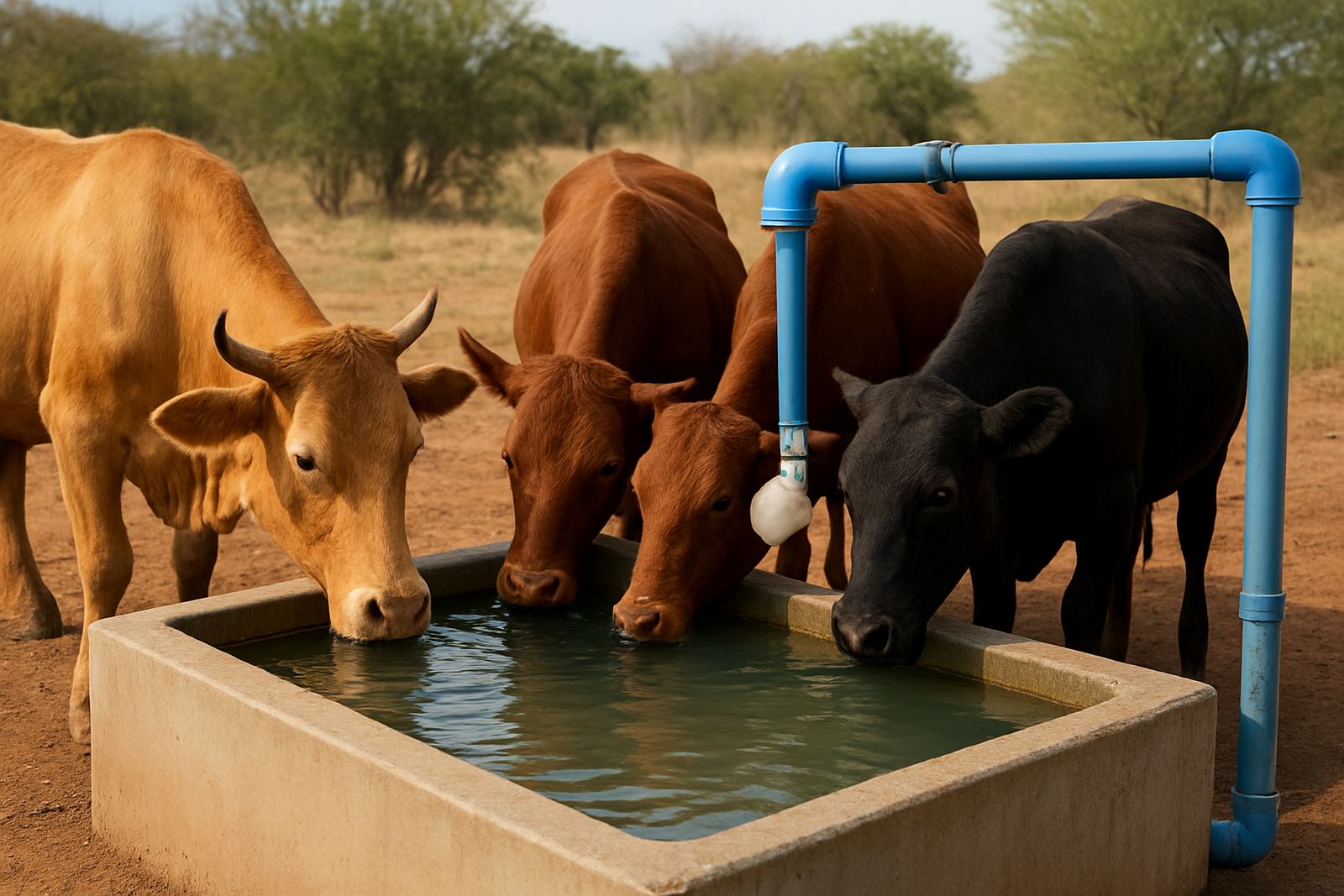
- For farms, focus on volume, access, durability and maintenance planning.
- For both, match the kit to real demand and local conditions.