What a change in taste is really telling you
Water should taste plain. If it suddenly tastes metallic, earthy, salty or like chlorine, the change is often linked to the source or to what is happening in the storage and delivery system. In many parts of South Africa, a borehole can run perfectly well for months and then start giving off a different taste after heavy rain, a pump service, tank cleaning issue, or a change in water table levels.
It helps to think of taste as an early warning. A new taste does not always mean the water is unsafe, but it does mean you should stop guessing and look at the full setup: borehole yield, tank condition, pipework, filter age and any recent maintenance. On farms around Brits and Hartbeespoort, for example, families often notice the change first in a kettle or a glass left overnight. That little clue can point to iron, sediment, algae or even a blocked filter cartridge.
Metallic, bitter or coin-like taste
A metallic taste often comes from dissolved iron, manganese or older pipework. In borehole water this is common enough, especially where the borehole is drawing from mineral-rich ground. If the taste is stronger after the water has stood in a tank, rust inside the tank, fittings or pipe sections may also be part of the problem.
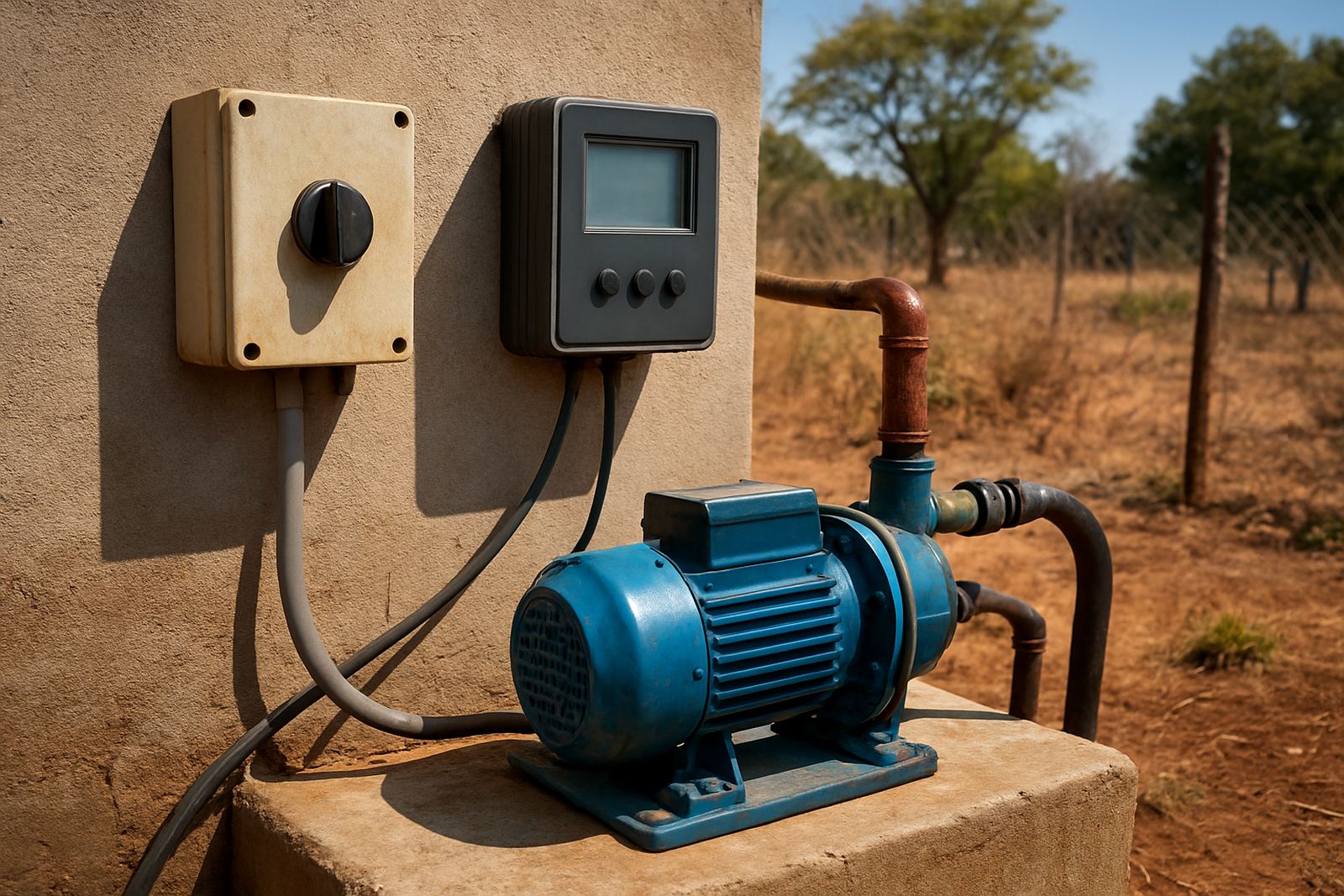
Some homes describe the taste as bitter or like coins. That can happen when pH is out of balance or when a treatment step is overdue. It may also show up after a pump has been running hard during load-shedding and then restarts, stirring up fine sediment. A proper water test will help separate the source from the system, which is what matters in the end.
- Check whether the taste is only at one tap or throughout the property.
- Look for rusty staining on taps, sinks, toilet bowls or tank fittings.
- Note if the taste gets worse after rain, power cuts or low tank levels.
Earthy, musty or swamp-like odours
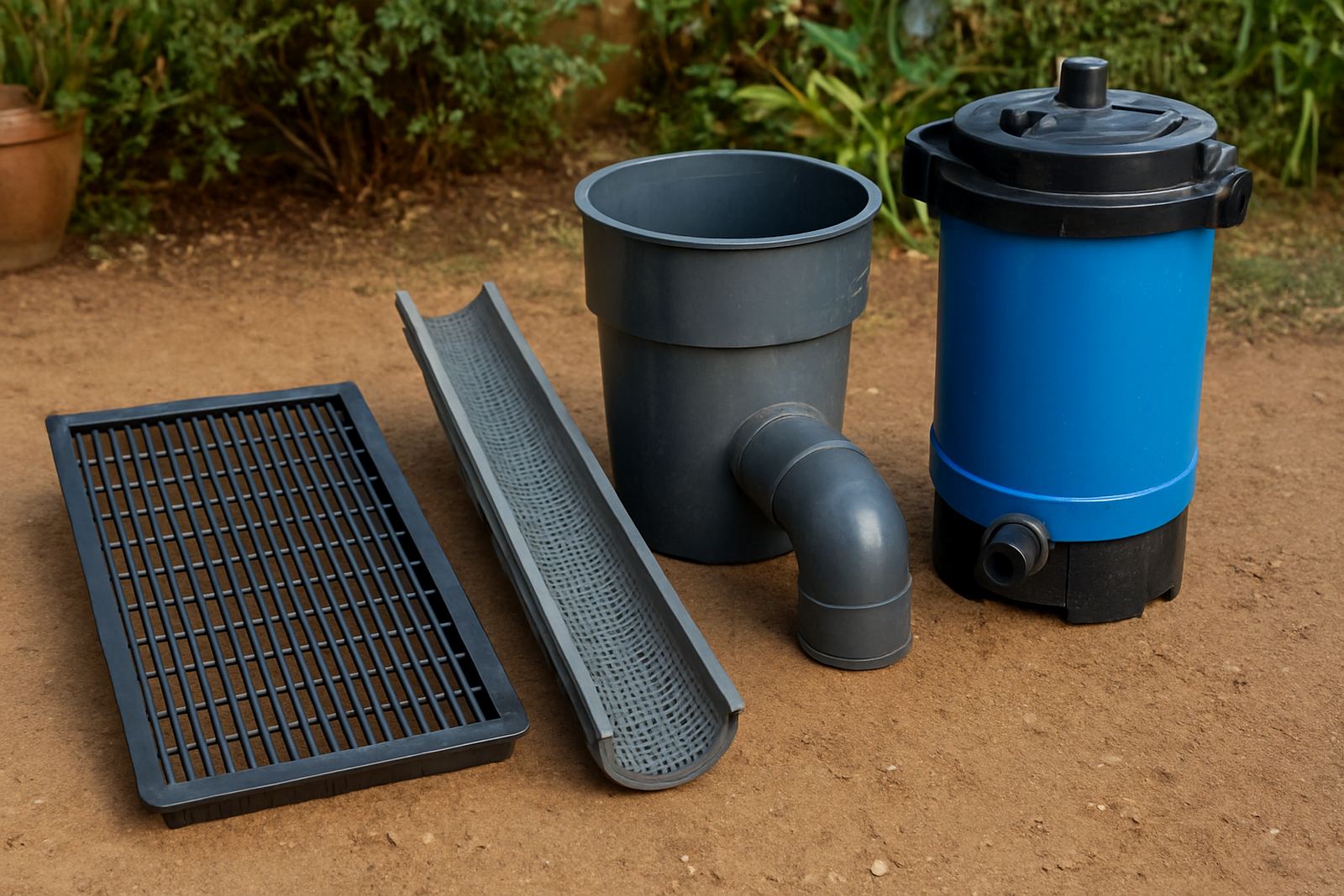
An earthy or musty smell often points to organic matter, algae growth or sediment sitting in a tank or line. This is more common in rain-tank systems, especially where the tank is exposed to sunlight or where the first-flush setup is not working properly. In warmer weather, the smell can become more obvious, and that can be a sign that cleaning is overdue.
If the water smells like a dam, wet soil or a wet mop, do not ignore it. A tank may need cleaning, the inlet may need inspection, or the filter may be holding too much debris. In Stellenbosch and Somerset West, where coastal humidity and heat can be rough on storage systems, we often see smells build up after a few weeks of poor circulation. The fix is usually practical, not dramatic, but it must be handled properly.
- Inspect tank lids, overflows and screens for insects, leaves and dust.
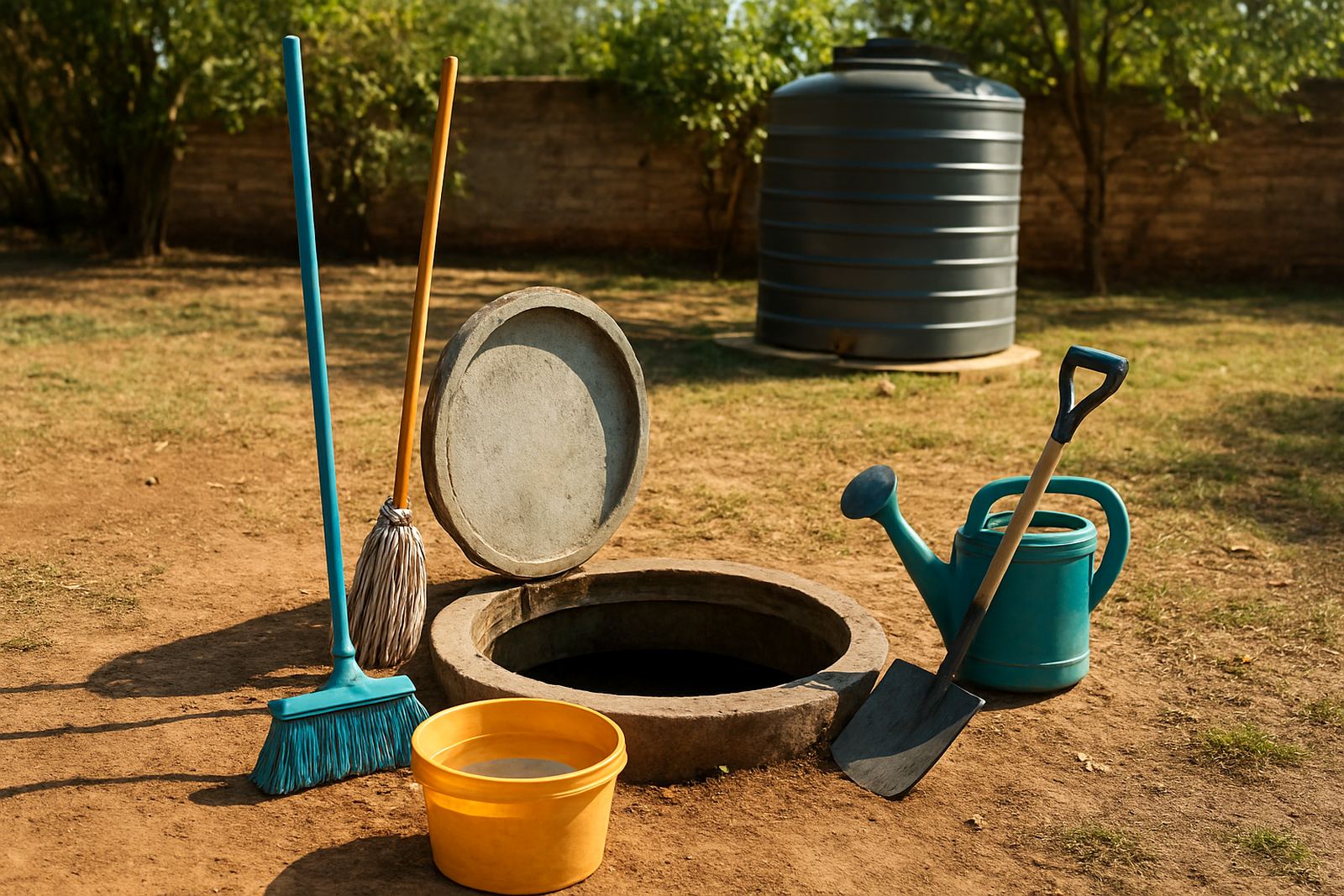
- Ask when the tank was last cleaned and whether sludge has collected at the base.
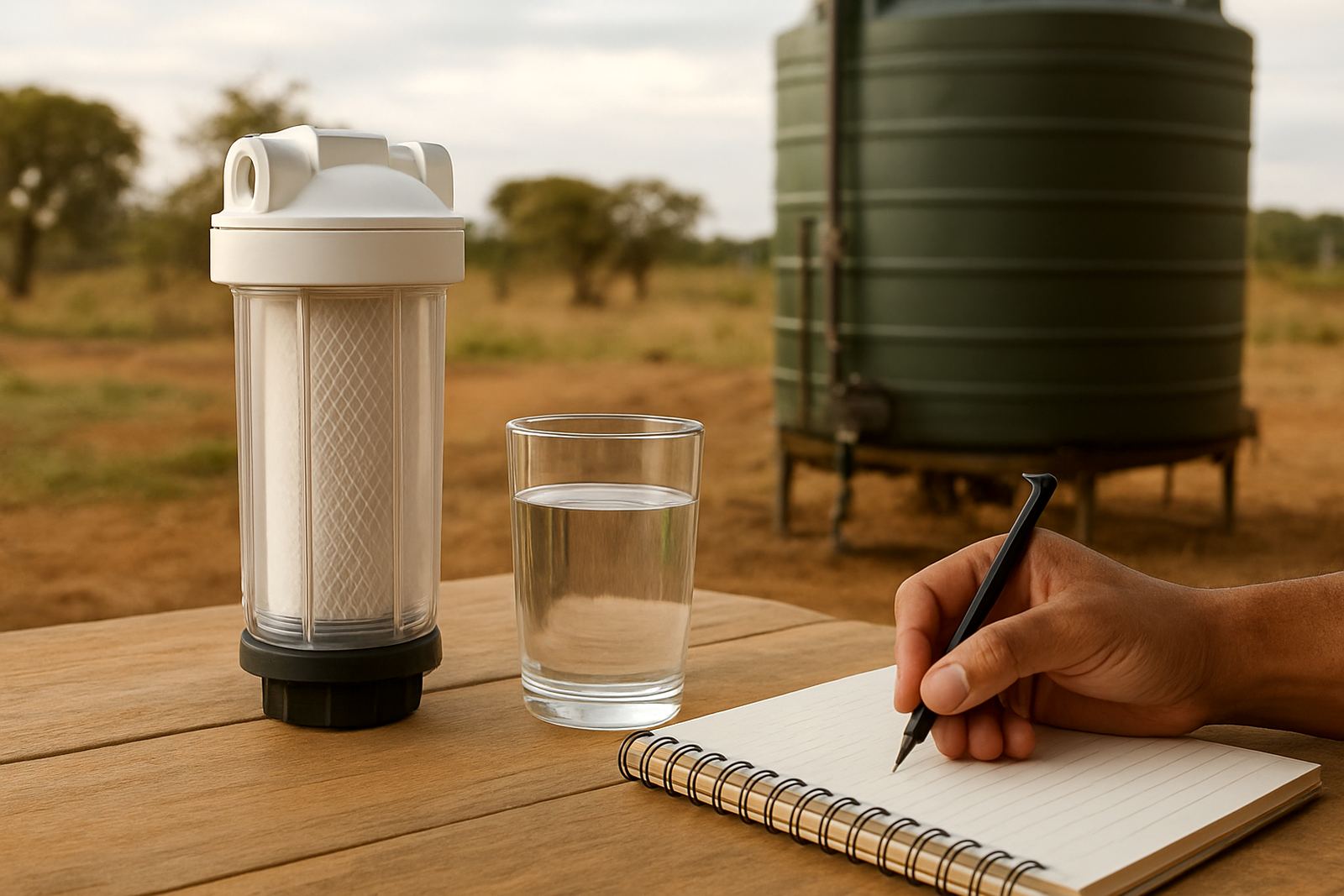
- Check if the filter media or cartridge has reached the end of its service life.
Chlorine, chemical or plastic-like notes
A chlorine smell can appear after disinfection, but if it is very strong or lingers, the dosage may be too high or the system may need flushing. In some cases, a plastic-like taste comes from new pipework, fittings, seals or a storage tank that has not been properly flushed before use. That is especially noticeable on a newly commissioned system.
When the water tastes like cleaner or smells chemical, it is worth checking whether someone has added treatment too frequently or whether a filter is no longer doing its job. It can also happen if rainwater has picked up residue from gutters, roof sheeting or the first flush diverter. For homes in Pretoria or farms outside Rustenburg, a quick inspection is often enough to narrow it down before anyone starts replacing the wrong part.
Salty, brackish or slightly sweet water
Salty or brackish water usually points to dissolved minerals. In coastal areas and in places with particular geology, groundwater can naturally carry more salts. If the taste is slightly sweet or flat, that may be a sign of treatment changes, very low mineral content, or water sitting too long in storage. The point is that taste alone cannot tell the whole story, but it does tell you where to look.
On a smallholding near the Western Cape coast, for instance, a family may notice the borehole water tastes saltier after a dry spell. Another property a few kilometres away may have no salt issue at all, just a blocked sediment filter making the water taste stale. That is why proper system sizing, testing and regular maintenance matter. One propertys fix is not always the next propertys fix, and that is where guesswork gets expensive.
- Test for salinity, iron, manganese and pH before changing treatment.
- Compare borehole water with tank water to see where the taste changes.
- Check if the issue appears after dry weather or heavy pumping.
What to do before the problem gets bigger
When water tastes off, start with the basics. Check whether the issue is in the source, the storage or the final point of use. If only one tap is affected, the fault may be local. If every tap tastes the same, the borehole or tank system needs a broader look. A simple water test can save a lot of time, and it helps you decide whether you need filter changes, tank cleaning, pump servicing or a full commissioning check.
At Hydrated, we work with homes and farms from Brits to Bloemfontein and across the Western Cape, so we see the same pattern often: people wait until the taste becomes obvious in tea, ice or cooking water. By then the system has usually been carrying the problem for a while. If the taste changes after rain, after a power interruption, or after a long dry stretch, get the system assessed soon. A small issue caught early is much easier to manage than a tank full of bad water.
- Book a site assessment if the taste changes suddenly.
- Arrange water testing before adding more treatment.
- Keep a maintenance record for filters, pump checks and tank cleaning.