Why booster pumps wear out faster than they should
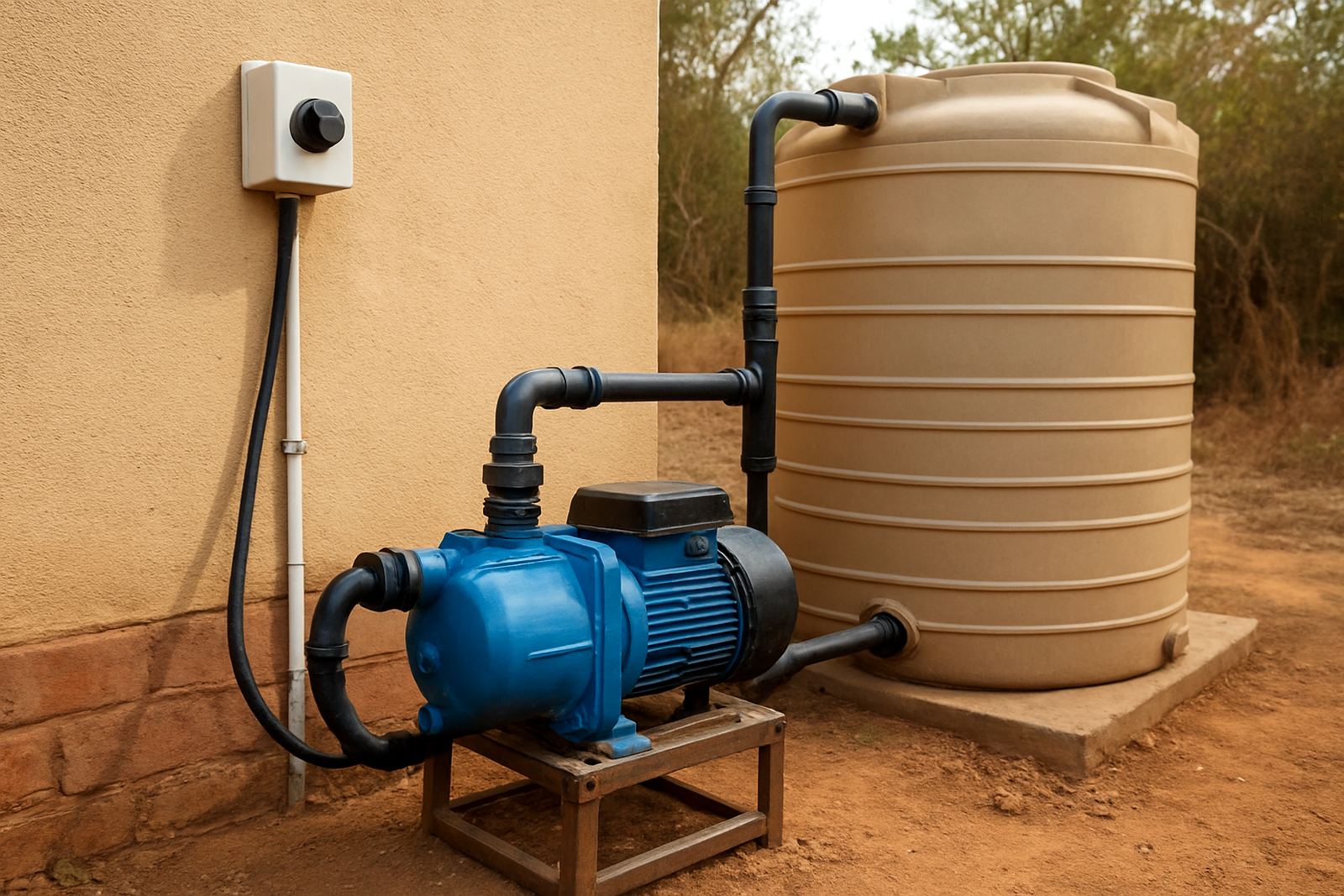
Most booster pumps do not fail because they are badly made, they fail because they are pushed too hard for too long. In homes around Brits and Hartbeespoort, the usual causes are low inlet pressure, blocked strainers, air leaks on suction lines, dirty filters, and power cuts that interrupt normal cycling. When a pump starts short cycling, humming without moving water, or tripping the breaker, it is usually telling you something upstream needs attention.
Pressure systems also take a knock from local water conditions. Borehole water can carry fine sand or iron staining, while rainwater systems may bring in leaves, grit, and roof dust. If the pump is asked to pull through a clogged line, the motor runs hotter and the seals wear sooner. That is why regular maintenance matters just as much as the installation itself.
Weekly checks that prevent bigger repairs
A quick visual check once a week can save a costly callout later. Look for leaks around fittings, listen for unusual rattling, and make sure the pump is not vibrating against the floor or wall. If the system is fitted near a damper area or in a small plant room, check for damp patches and corrosion on clamps and unions. In coastal towns such as Somerset West or Paarl, humidity can speed up rust on exposed parts, so a bit of early attention goes a long way.
Keep an eye on the pressure gauge if there is one. A healthy system should switch on and off at about the same points each time. If the needle hunts up and down, or the pump starts while nobody is using water, there may be a leak, worn pressure switch, or a failed non-return valve.
- Check for dripping fittings and wet pipe joints
- Listen for air in the line, especially after power outages
- Confirm that the pump is not switching on too often
- Look for rust, loose brackets, or damaged wiring covers
Filters and strainers need more attention than people think
Blocked filtration is one of the common reasons a booster pump struggles. When a pre-filter or strainer fills with grit, the pump has to work harder to draw water through. That extra effort can reduce flow at the tap and raise electricity use too. On rain-tank systems, filter checks may be needed after heavy wind or the first big summer storm because roof debris gets washed into the line.
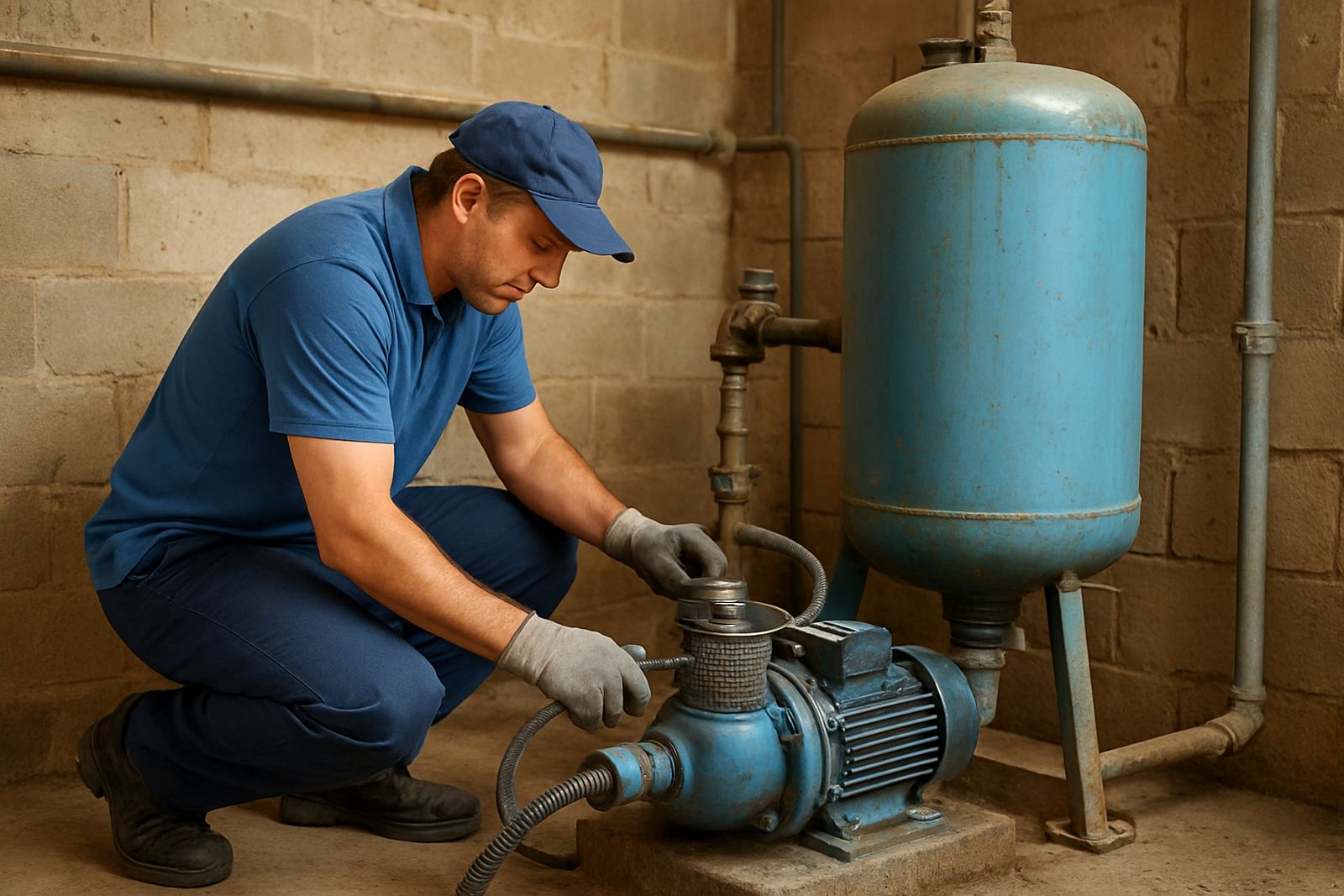
For borehole systems, the same rule applies after any change in water quality. If you notice cloudy water, sand in the housing, or a change in taste or smell, the filter should be inspected before the pump is blamed. A clean cartridge and clear strainer can restore pressure quickly, and in many cases the fix is simple. If filters are neglected, the pump motor and seals end up taking the strain and that leads to avoidable repair costs.
- Replace cartridges when pressure drops or flow slows noticeably
- Rinse washable elements as instructed by the system setup
- Inspect filter housings for cracks and worn O-rings
- Check that housings are tightened properly after service
How load-shedding and power issues affect the pump
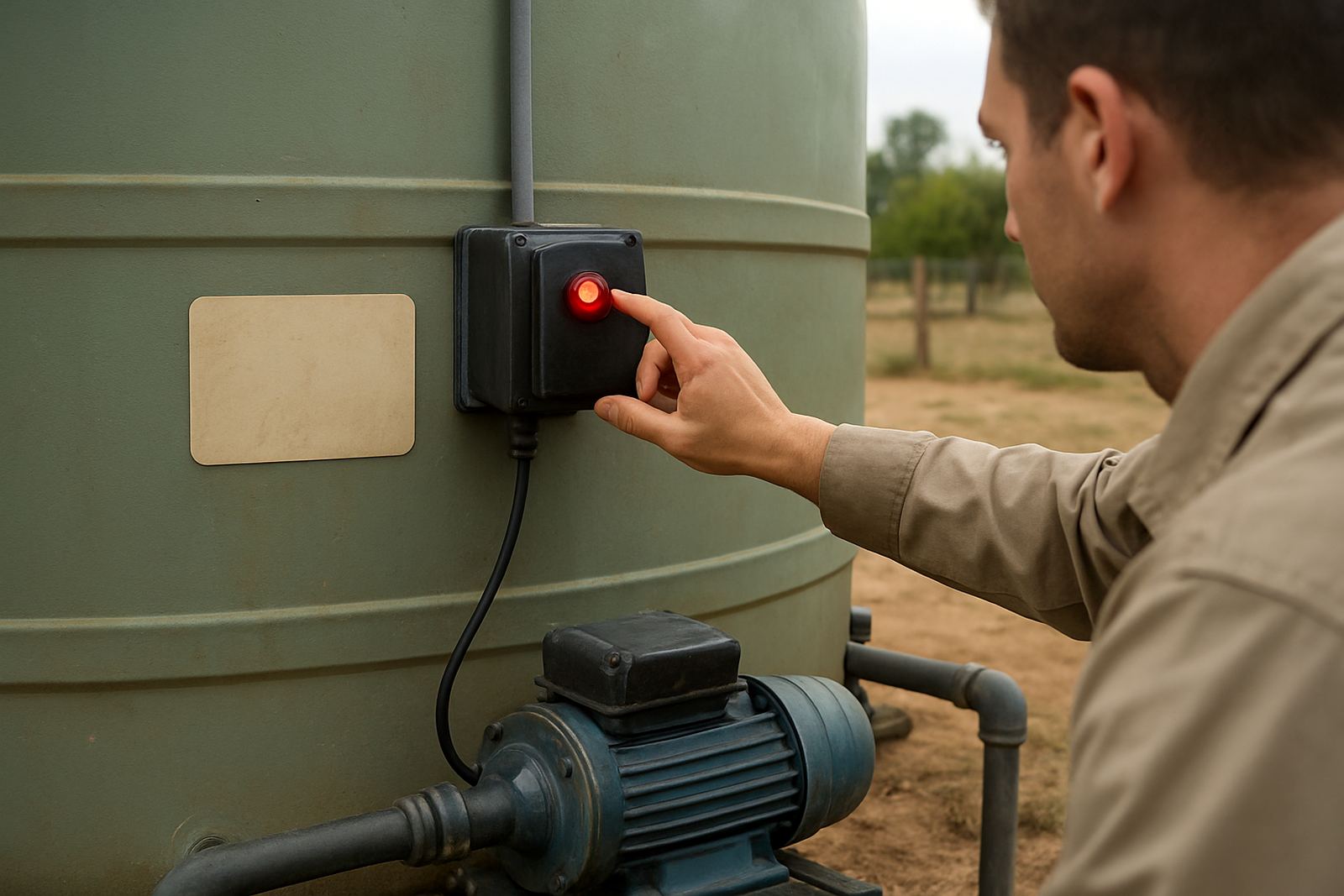
Domestic booster pumps do not enjoy repeated power interruptions. When electricity cuts out, then returns suddenly, the system may restart under uneven pressure and the motor can take a hard start. If there is a surge protector or control box in place, it should be checked as part of regular servicing. This is especially important in homes that rely on the pump for daily showers, irrigation timers or a small livestock line.
If a pump trips after load-shedding, do not keep resetting it again and again. First check that the tank has water, the valve is open, and the line is not blocked. A dry-run situation can burn out seals fast. In many cases a small fault becomes a bigger one because the unit is forced to keep trying. That is where proper commissioning checks and fault finding save time and money.
Noise, vibration and heat are early warning signs
A booster pump should sound steady, not harsh. Grinding, squealing or knocking may point to worn bearings, cavitation, loose fittings or a pump that is not seated properly. Excess heat around the motor housing can mean poor ventilation or a blocked line. If the pump is mounted in a cramped scullery or plant cupboard, make sure it has enough airflow and that cloths, boxes or stored items are not pressed against it.
One farm outside Rustenburg had a pressure system that kept losing performance by Friday afternoons. The issue turned out to be a small suction leak that opened up as the day warmed. Once the joint was resealed, the pump settled down and the water pressure stayed consistent through the week. It is a good reminder that even a tiny leak can create a big headache if nobody spots it early.
A sensible service routine for homes and farms
There is no need to wait for a breakdown before taking action. A simple service plan keeps the system in better shape and helps you budget for parts before they fail. For domestic systems, that might mean a filter change, pressure test, and visual inspection every few months. On farms or larger properties, the schedule may be tighter if the pump runs more often, handles longer pipe runs, or feeds multiple points at once.
Routine maintenance usually includes the following:
- Check pressure settings and switch cut-in cut-out points
- Inspect seals, unions, valves and electrical connections
- Flush lines where sand or sediment has built up
- Test water quality if the supply has changed
- Clean the tank or inlet side when contamination is present
- Book annual maintenance before peak summer demand
At Hydrated, we see the best results when owners treat booster pumps as part of the full water system, not a stand alone unit. If the source, filter and pressure controls all work together, the pump lasts longer and the water supply is steadier. That is practical maintenance, not guesswork.