

Choosing the right install for the water on site
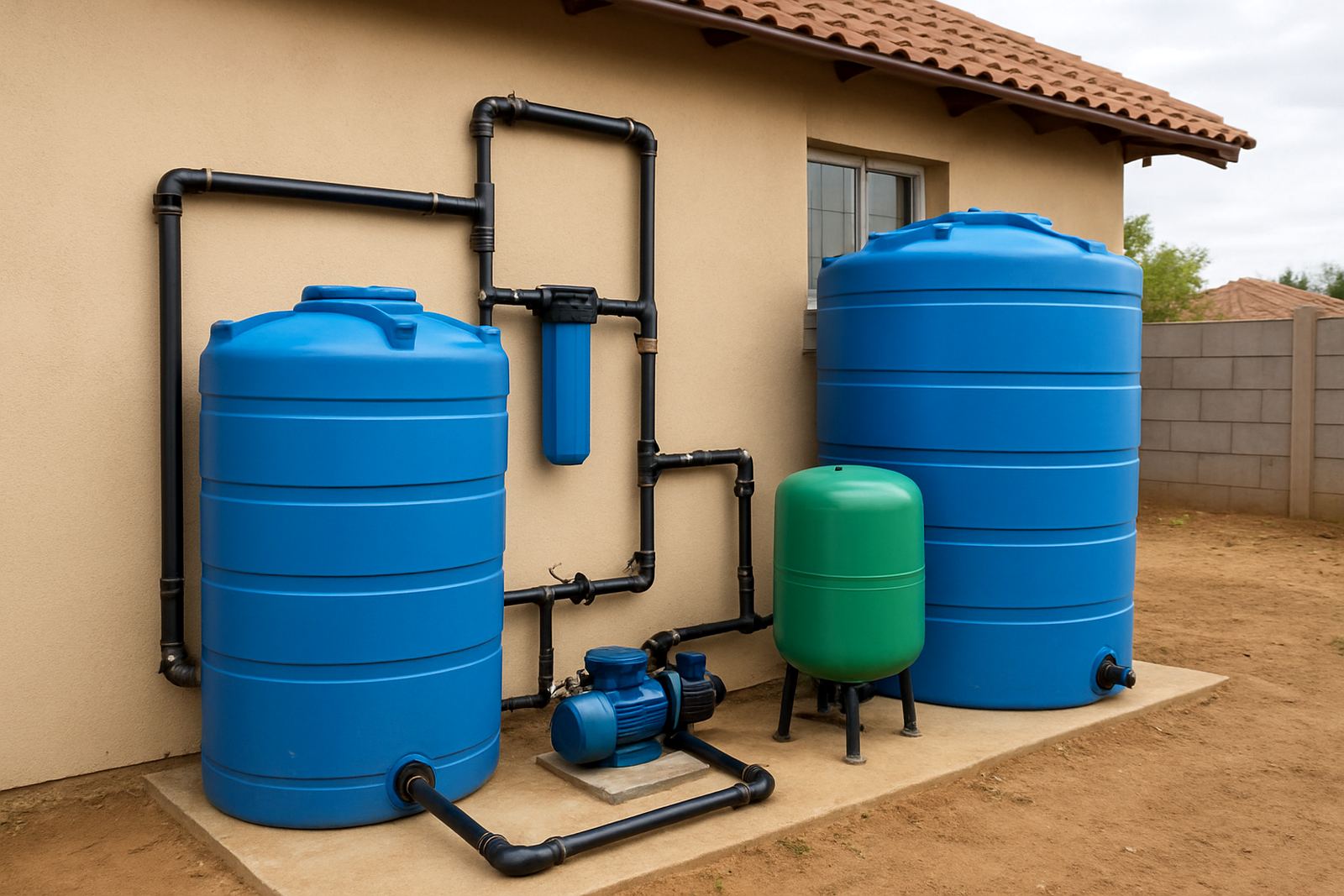
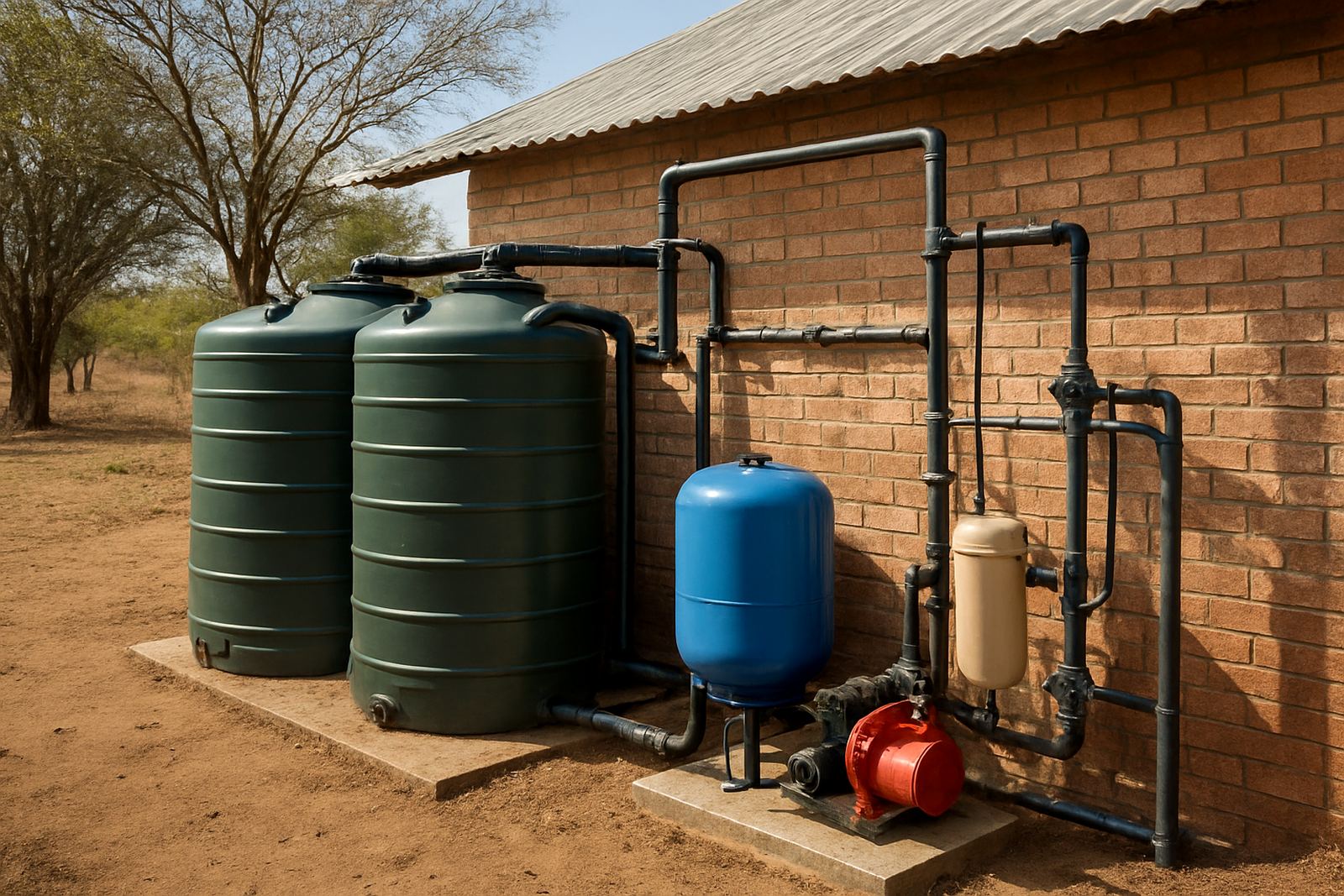
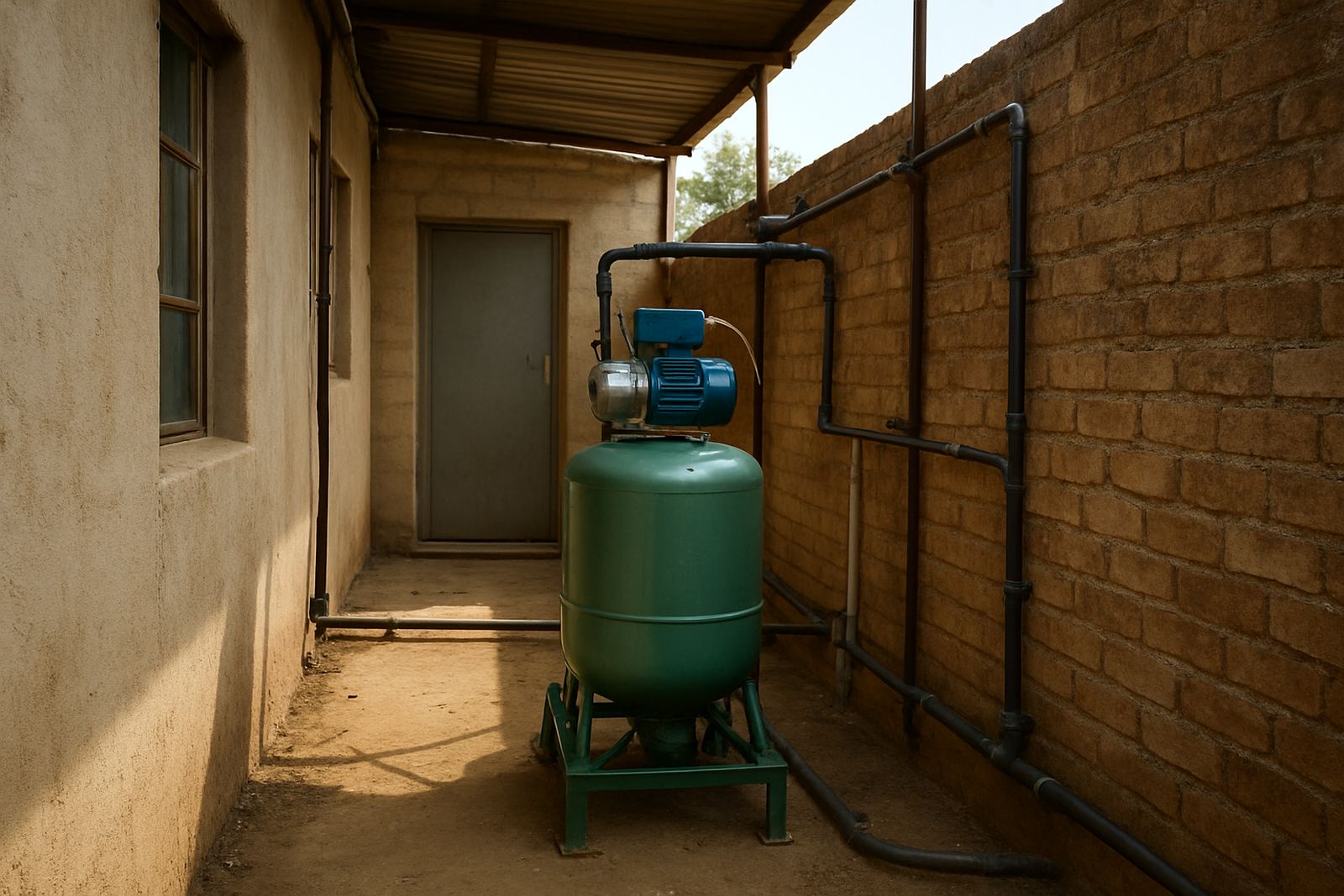
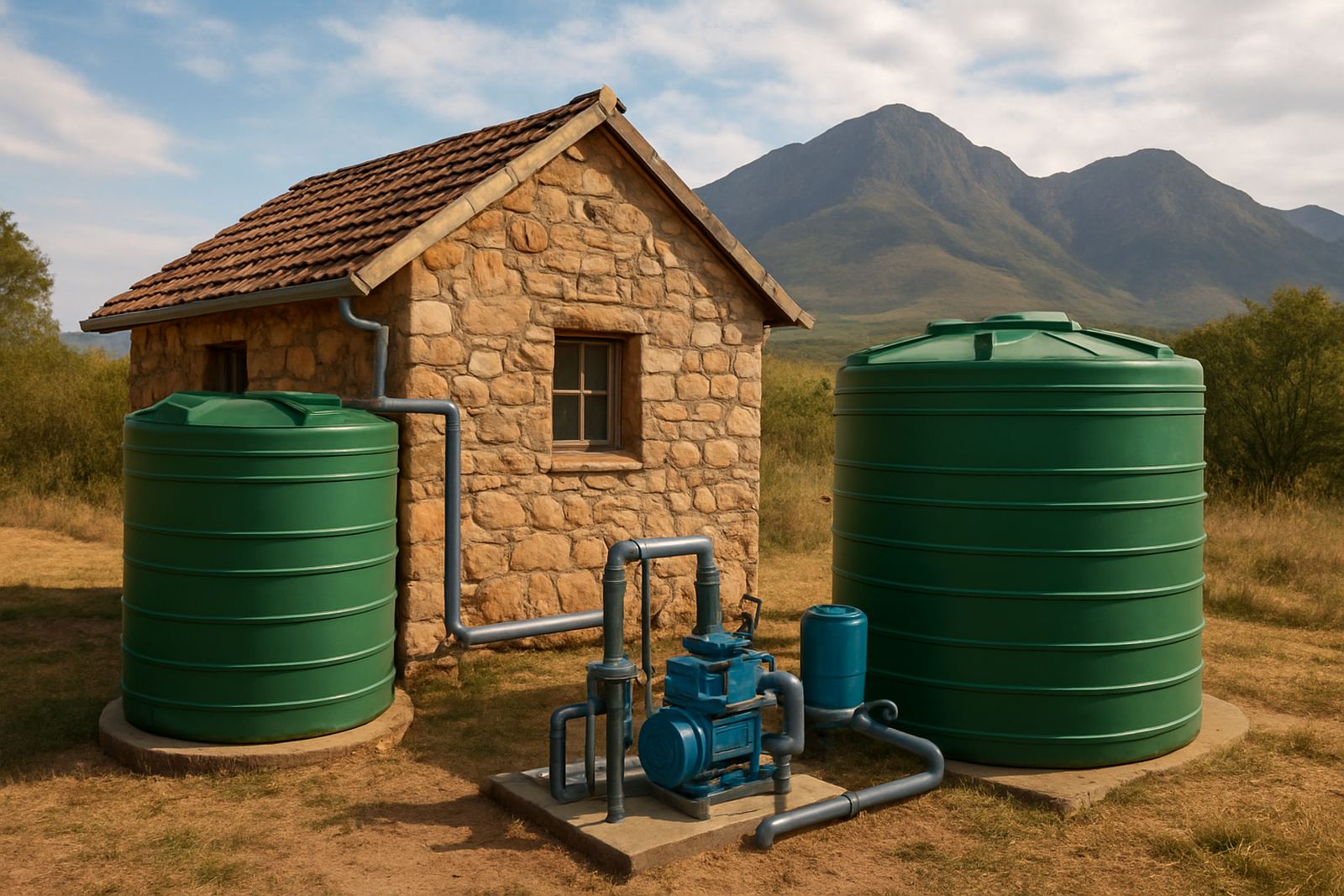
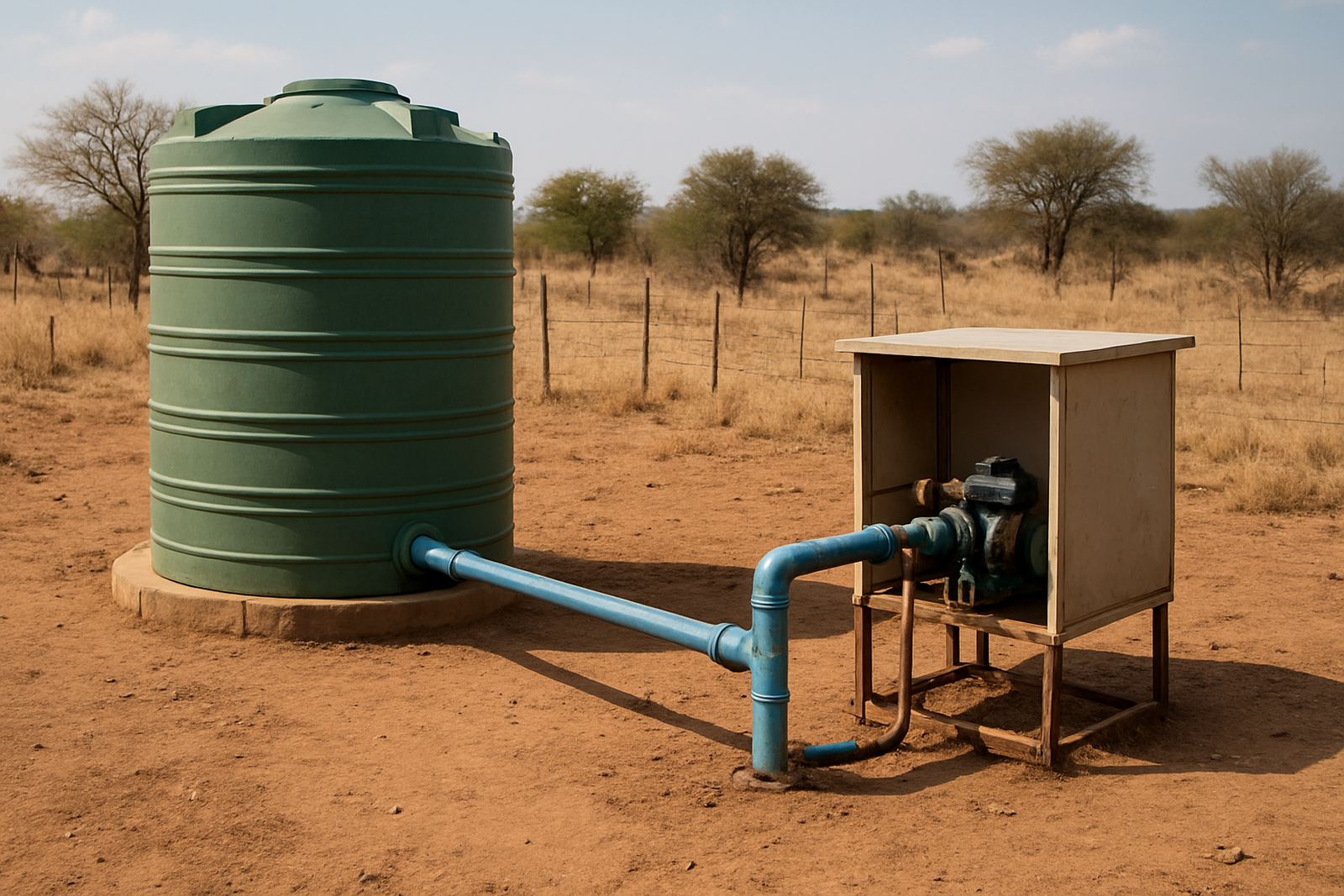
Every water install starts with the source, the demand and the space available. A family home in Pretoria may need a rain-tank system for garden use and backup supply, while a farm outside Rustenburg might need borehole equipment, storage and filtration to keep stock water moving through dry months. We look at borehole depth, roof area, tank position, pipe runs and how much water is needed each day.
The aim is not to over-spec the job or leave it undersized. A properly matched system uses less power, puts less strain on the pump and gives steadier pressure at the taps. It also makes maintenance easier later on, which matters when pumps are working through hot summers and water demand changes quickly.
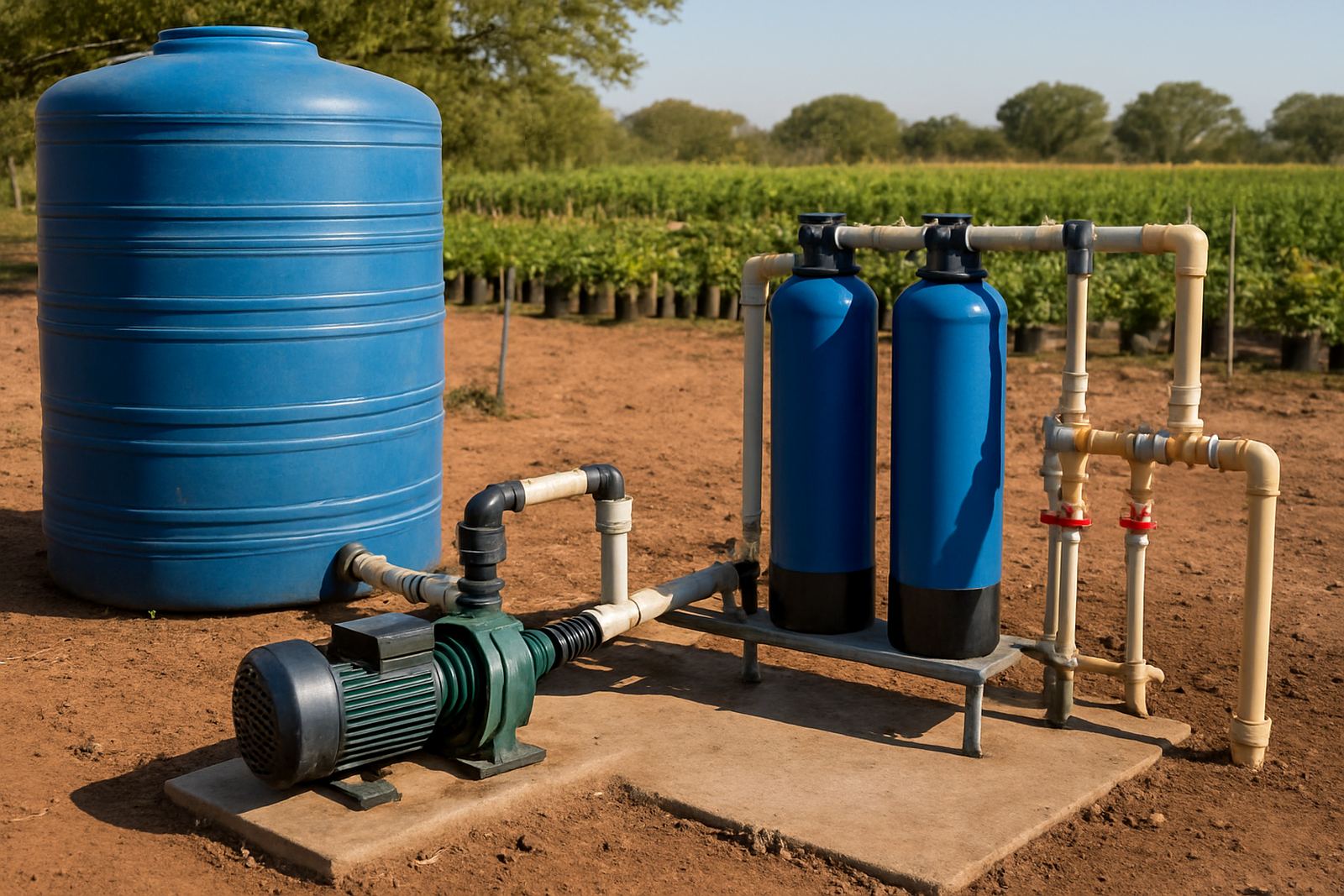
- Borehole kits for clean extraction and pressure control
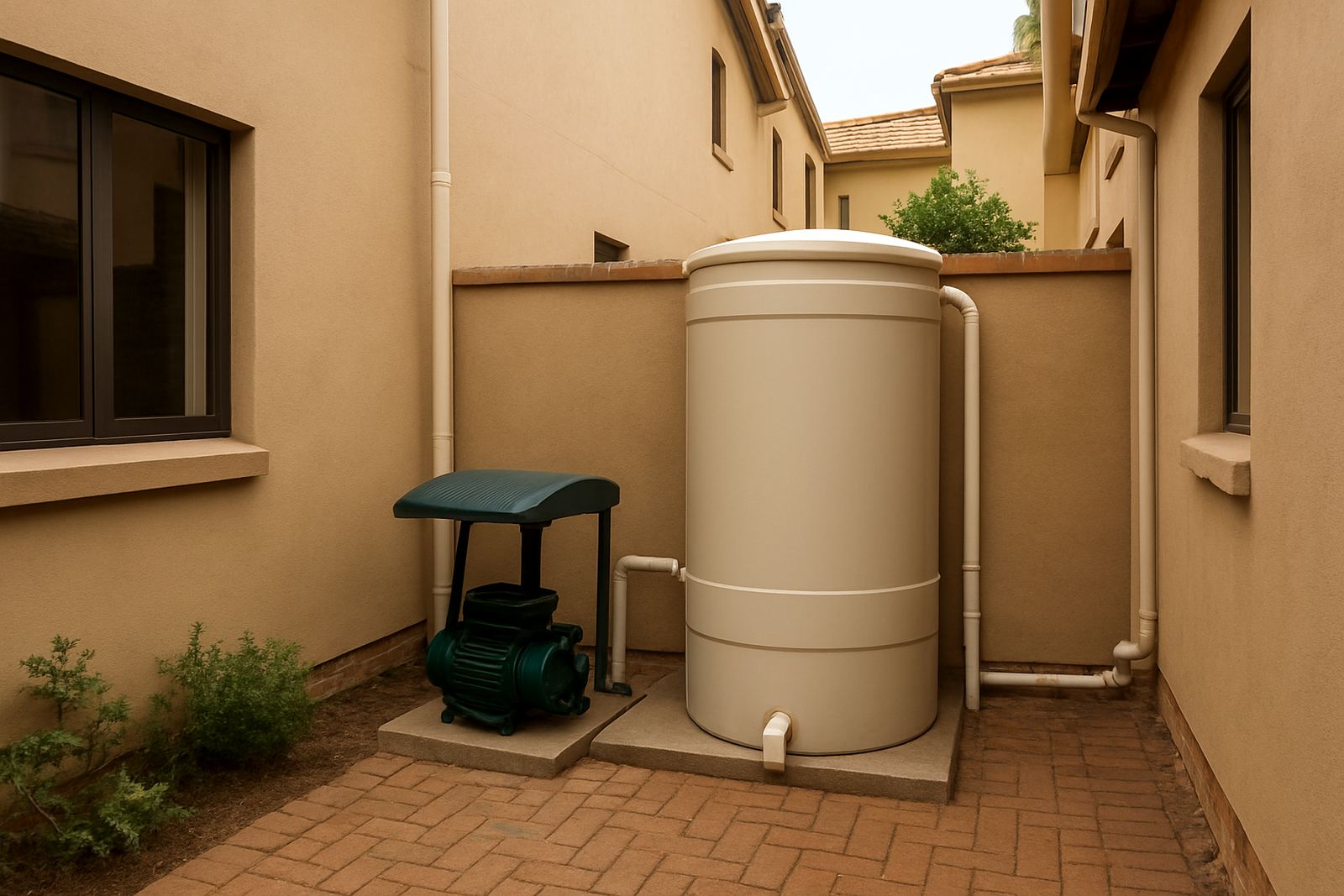
- Rain-tank kits for harvesting and backup supply
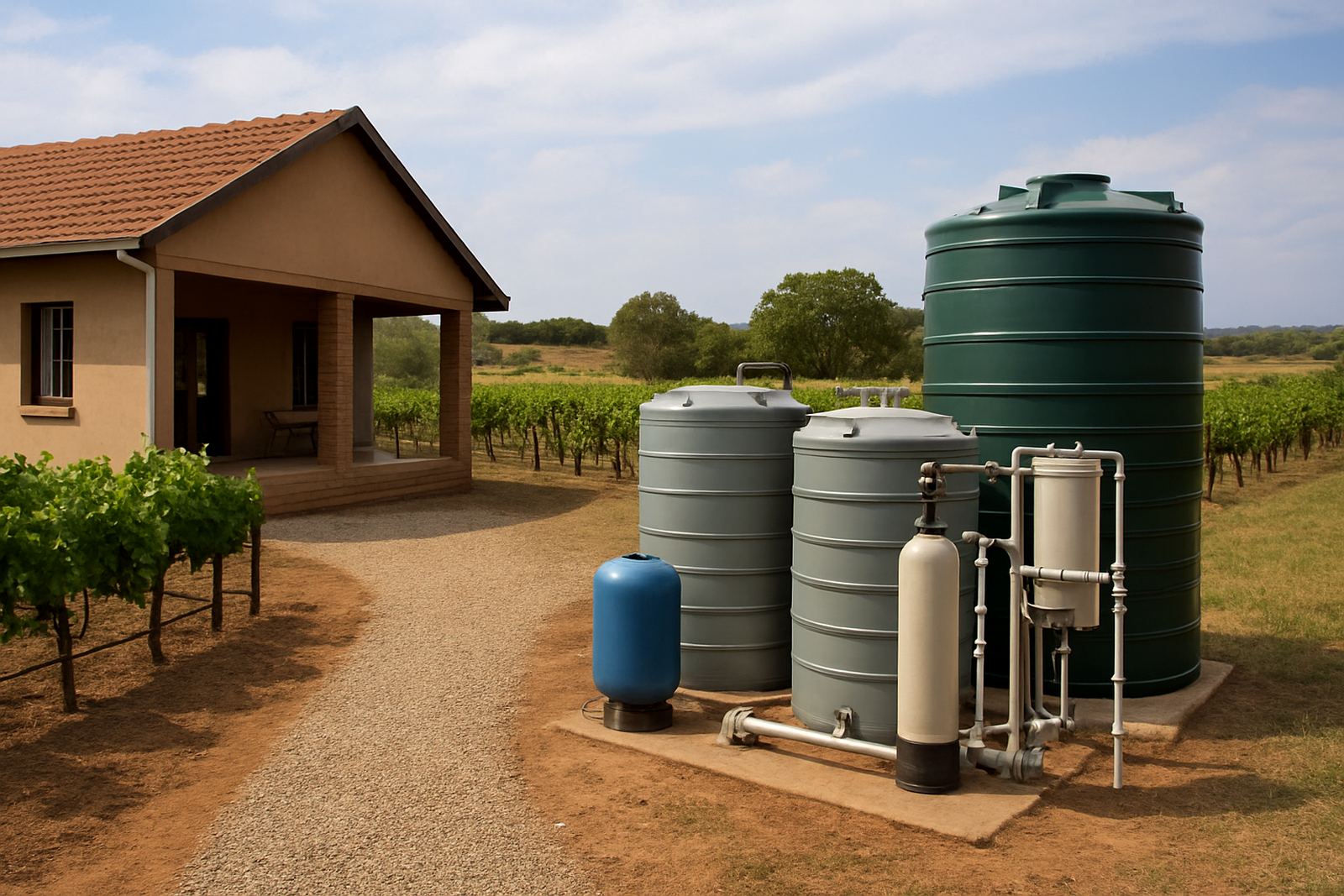
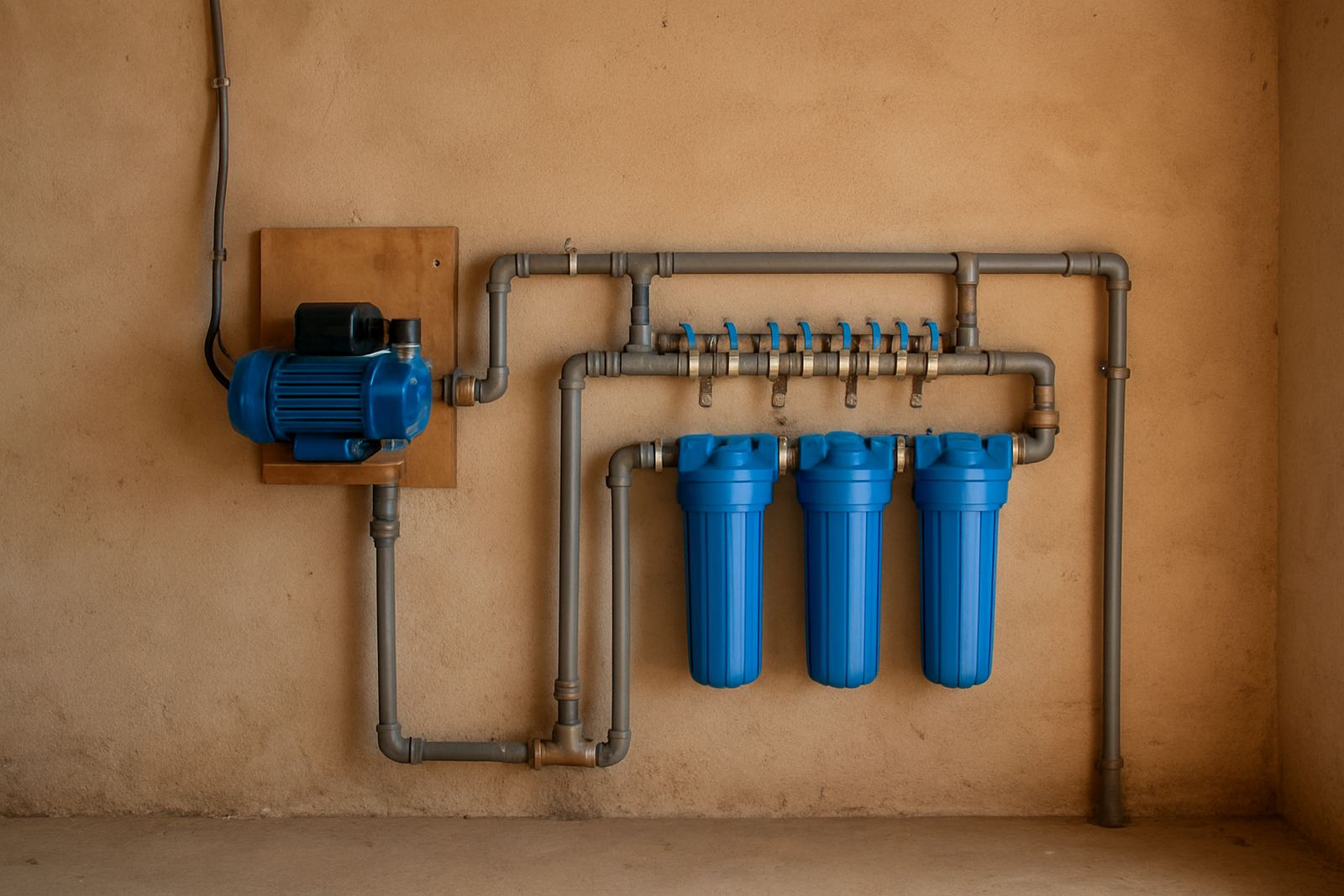
- Filtration kits for improving water quality before use
Home installs that work through load-shedding
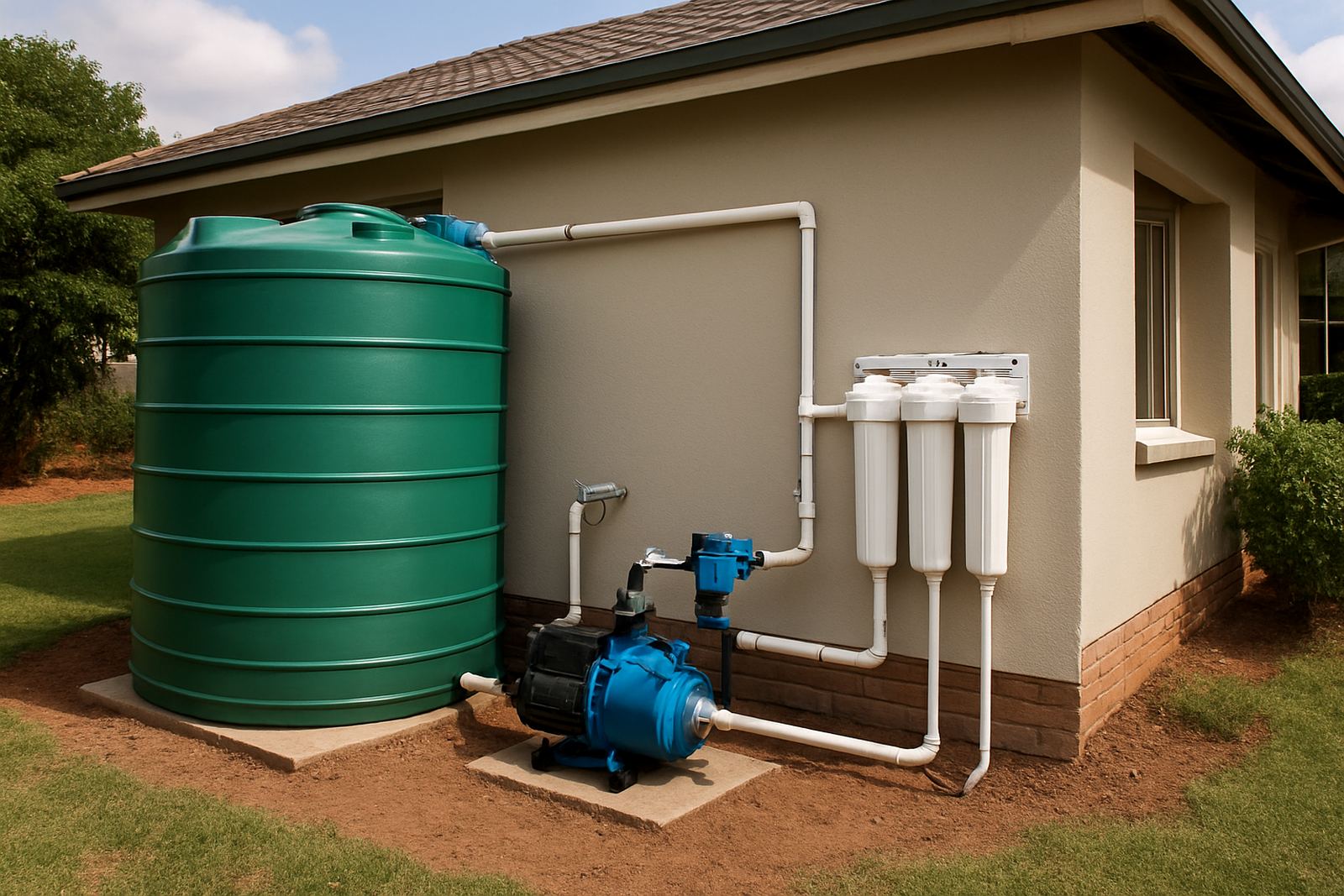
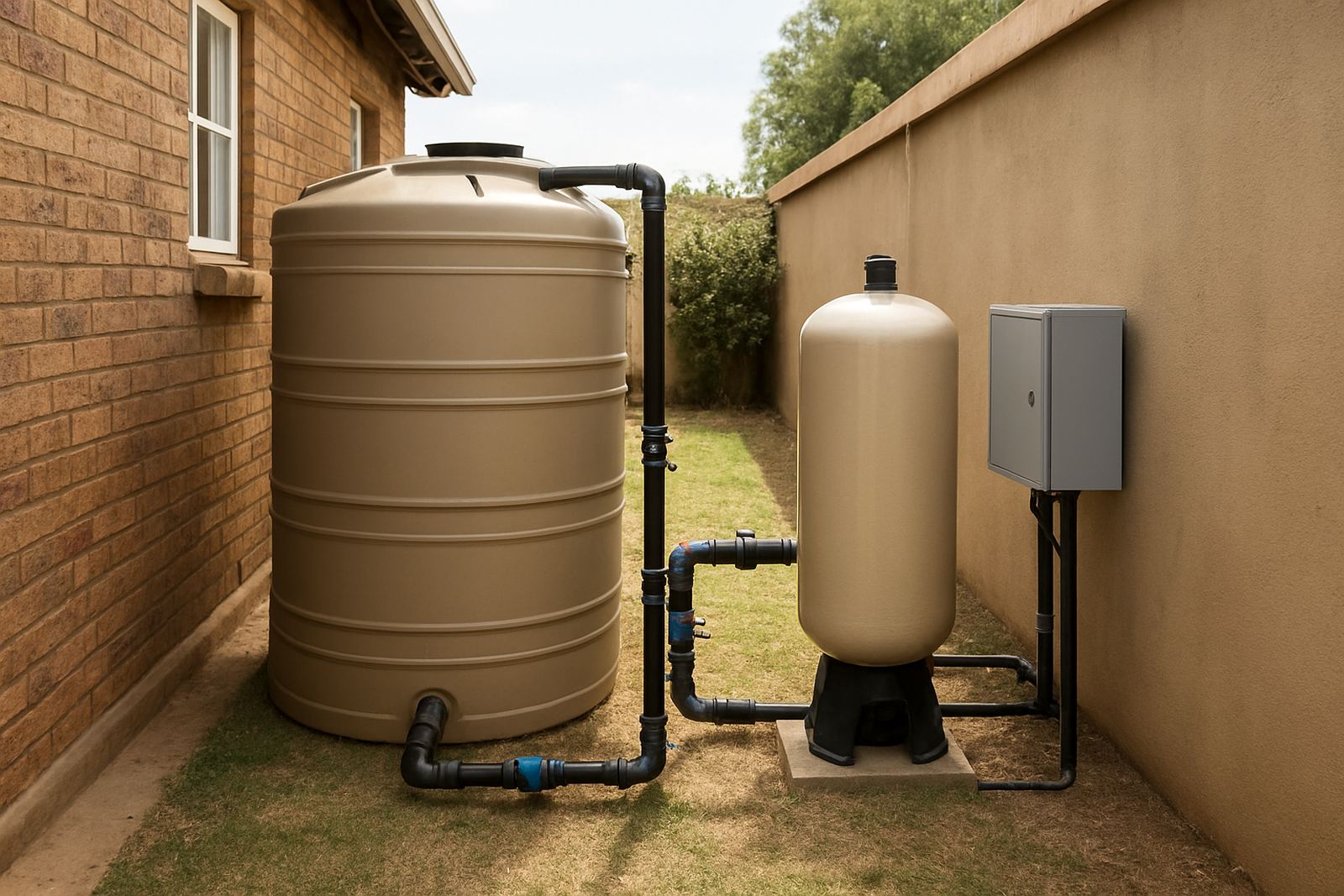
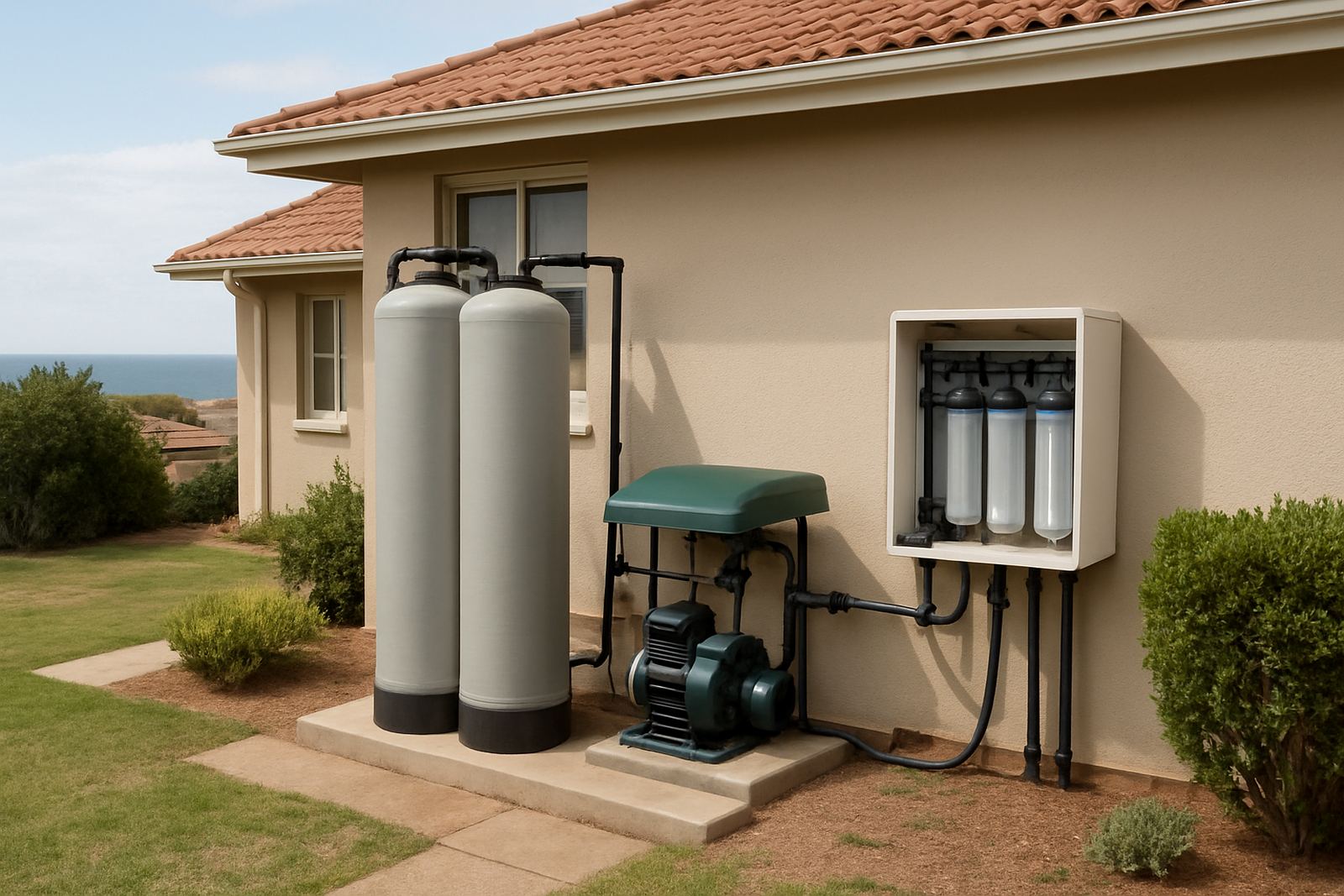
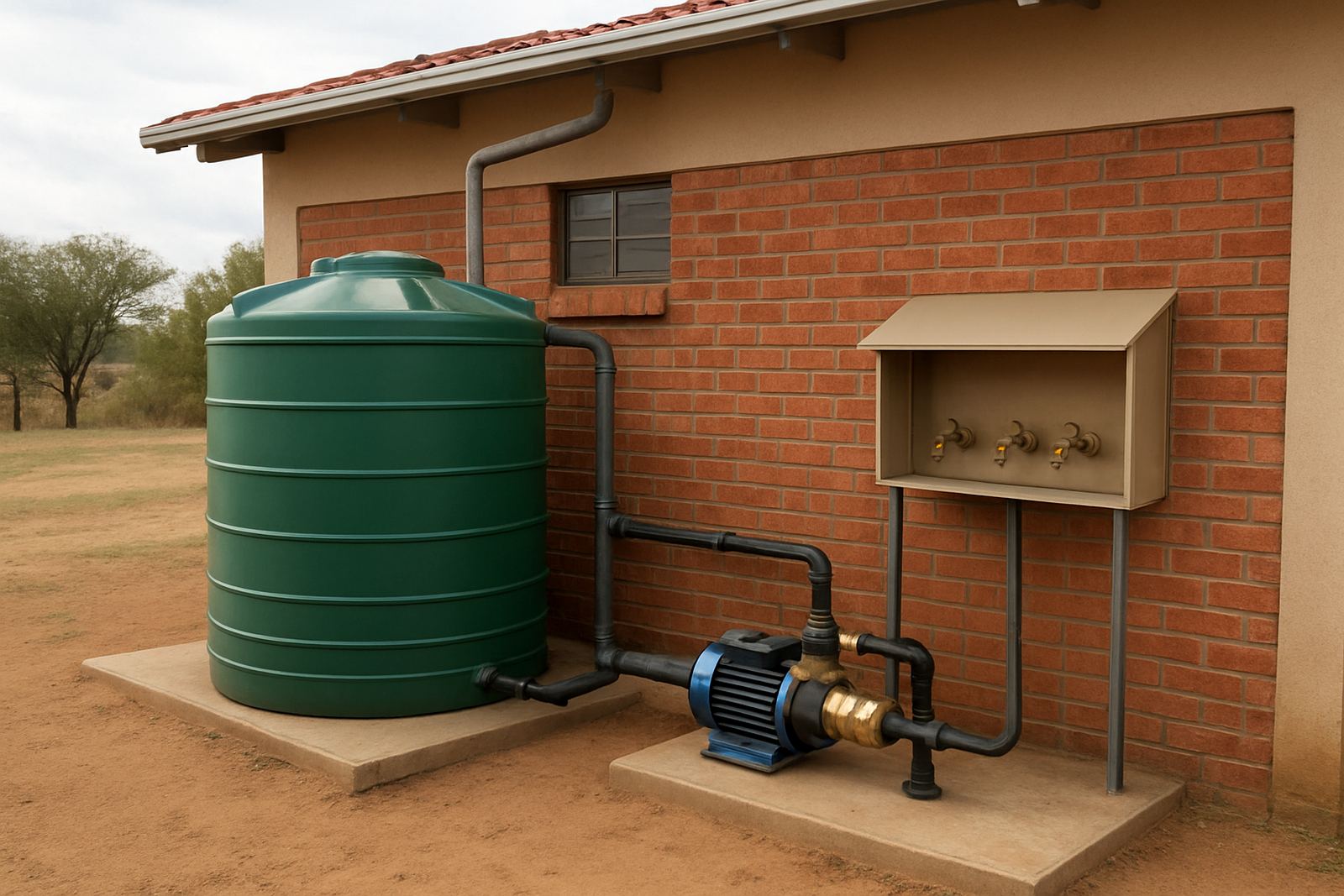
For homes, the focus is usually on reliable day-to-day supply for toilets, kitchens, washing and the garden. In areas like Hartbeespoort and Somerset West, homes often want a rain-tank or filtration setup that can carry them through municipal interruptions and load-shedding without fuss. The install must be neat, easy to isolate and simple to service.
We often plan for practical details such as pump access, overflow routing, float valves and filter housings that can be reached without moving half the yard. Where coastal humidity is a factor, as in parts of the Western Cape, we take care with corrosion-prone fittings and mounting points so the system lasts longer.
- Tank connections and pipework sized for the property
- Pressure control for showers, taps and garden lines
- Filter changes that can be done without a full shutdown
Farm water setups for longer runs and heavier use
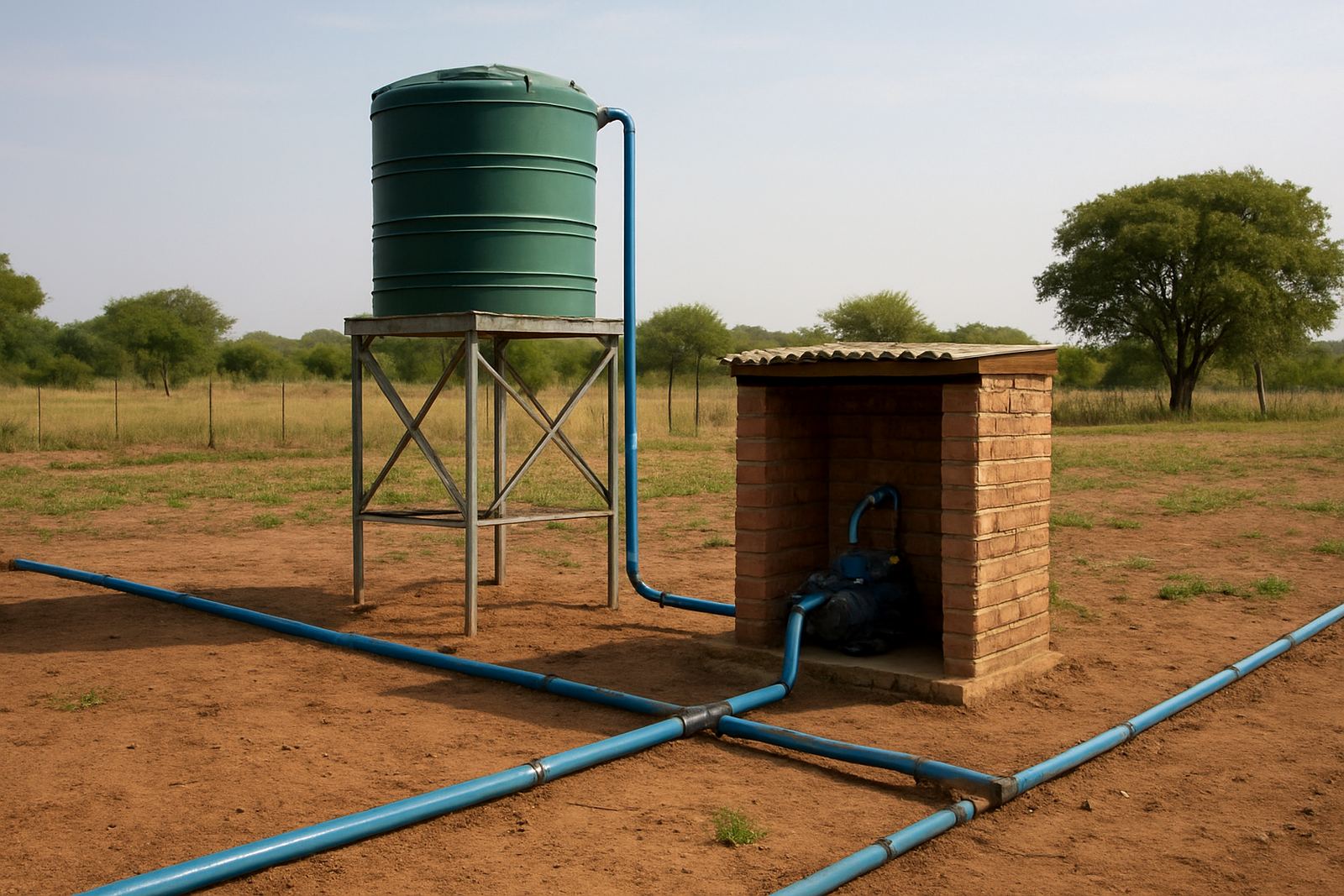
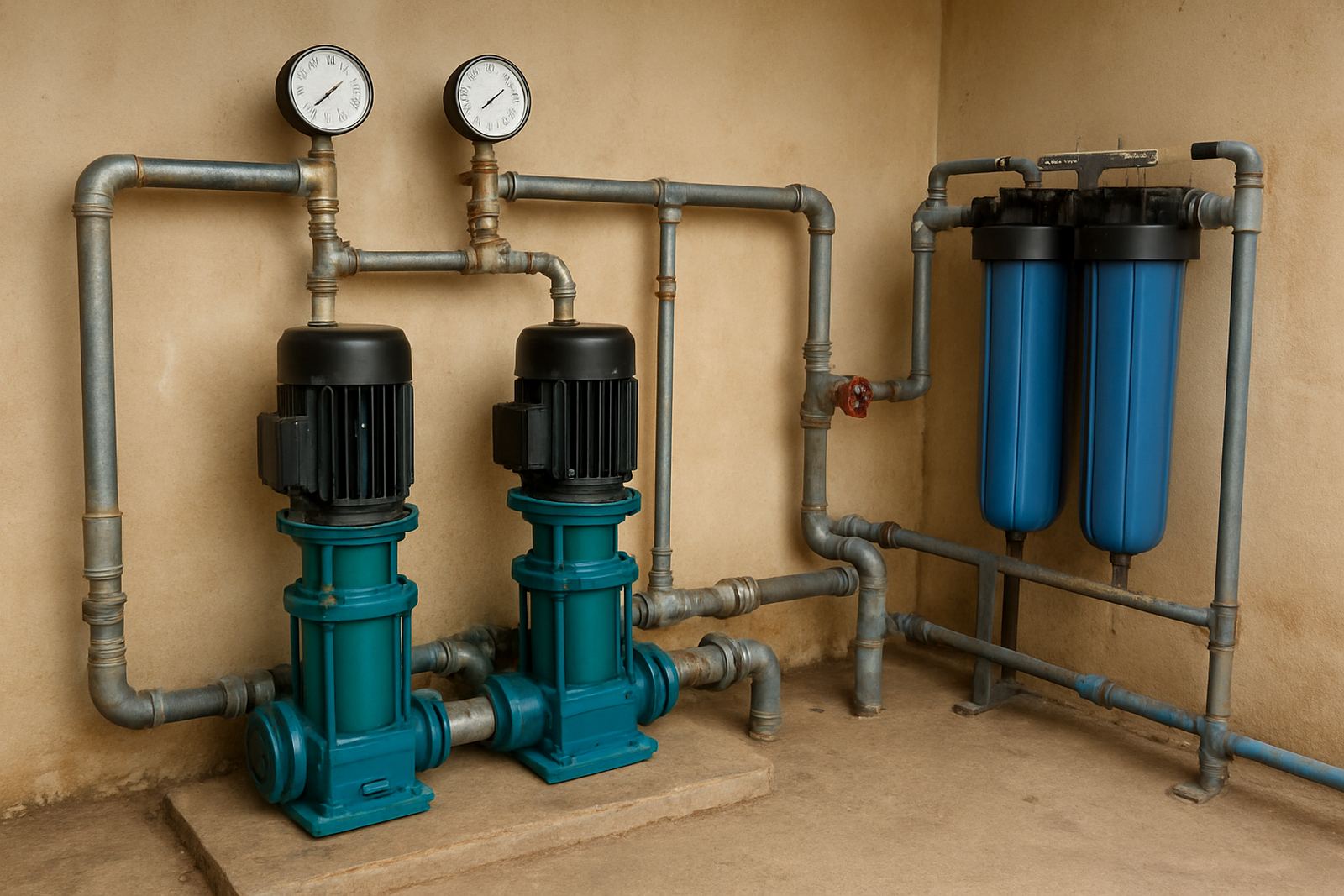
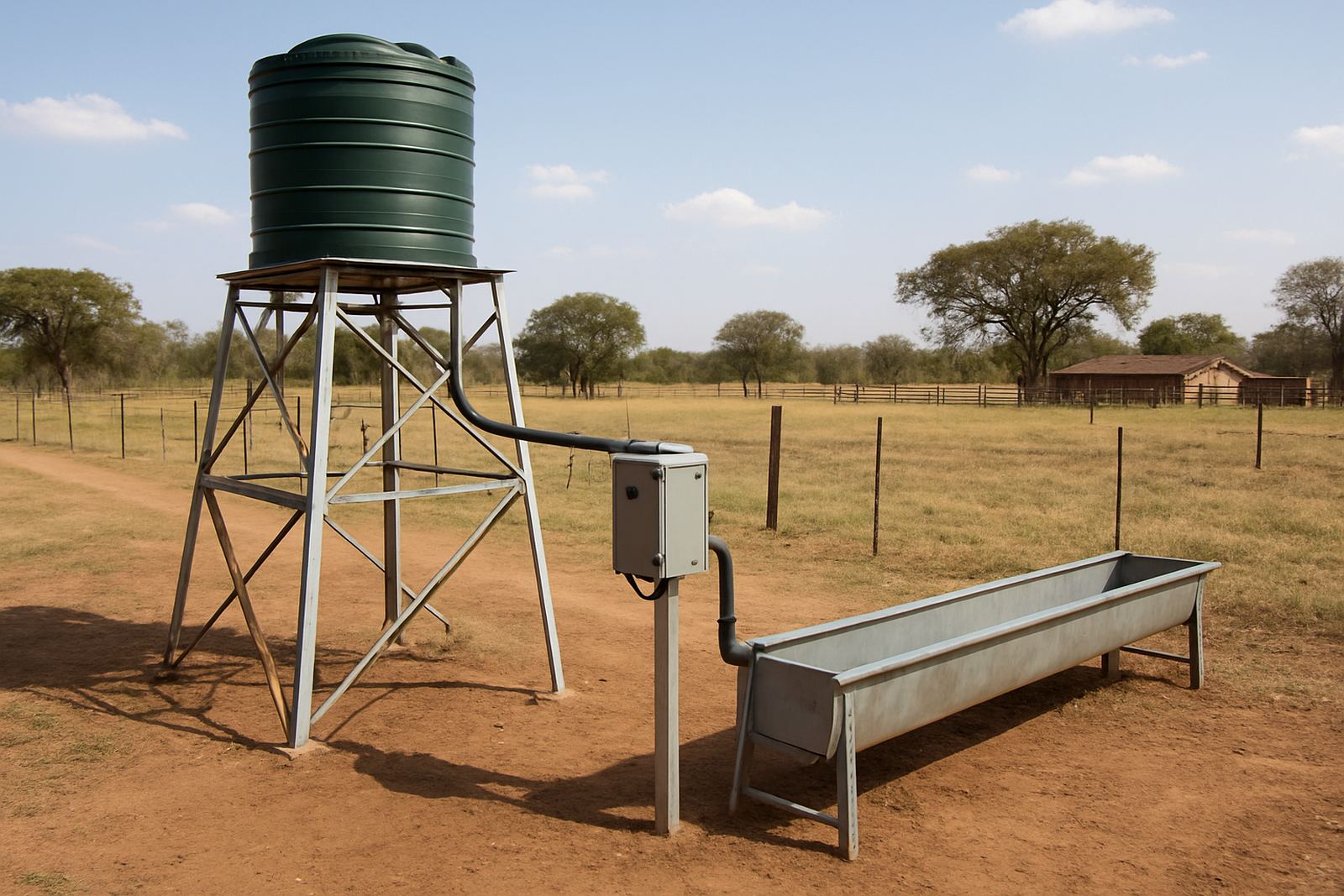
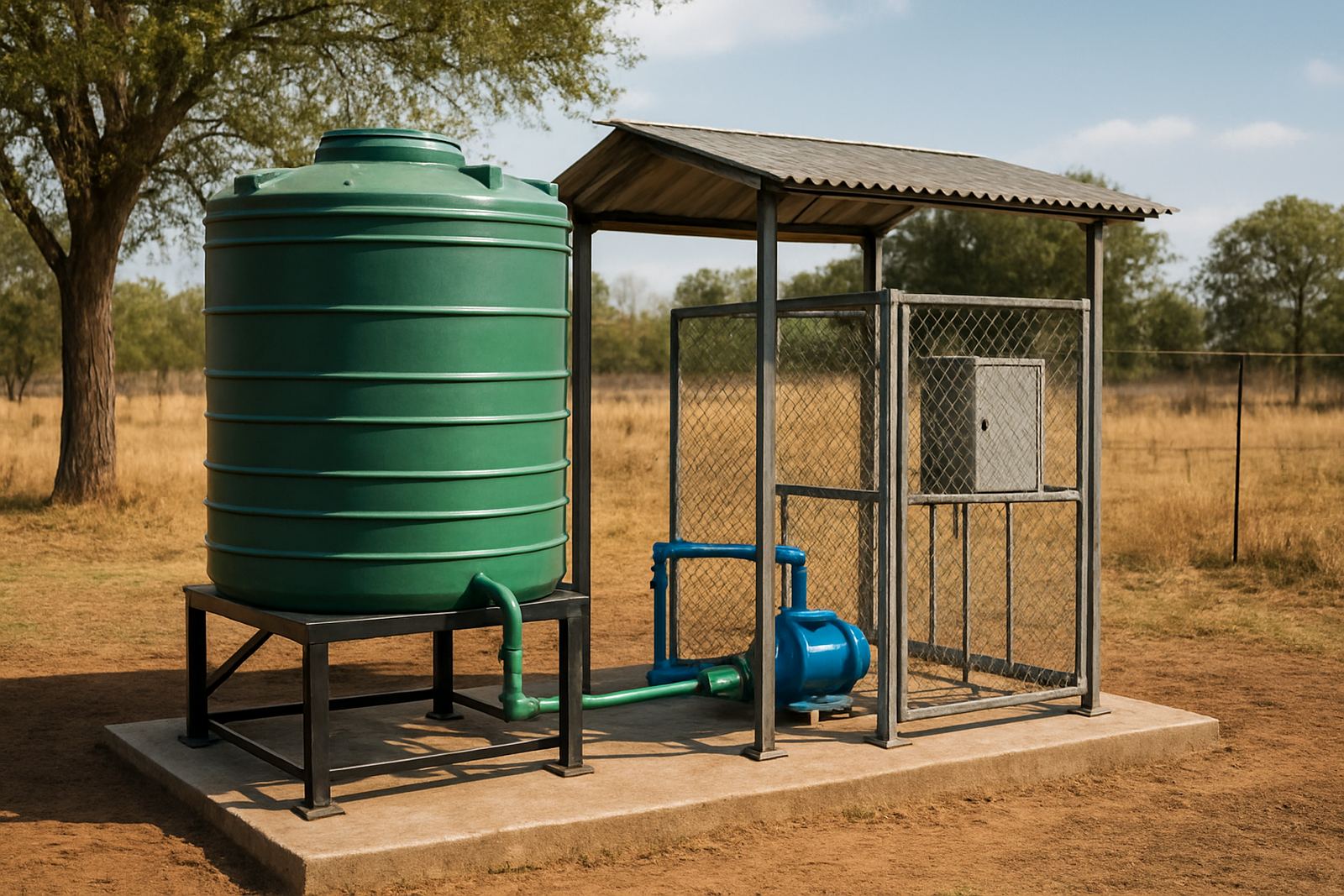
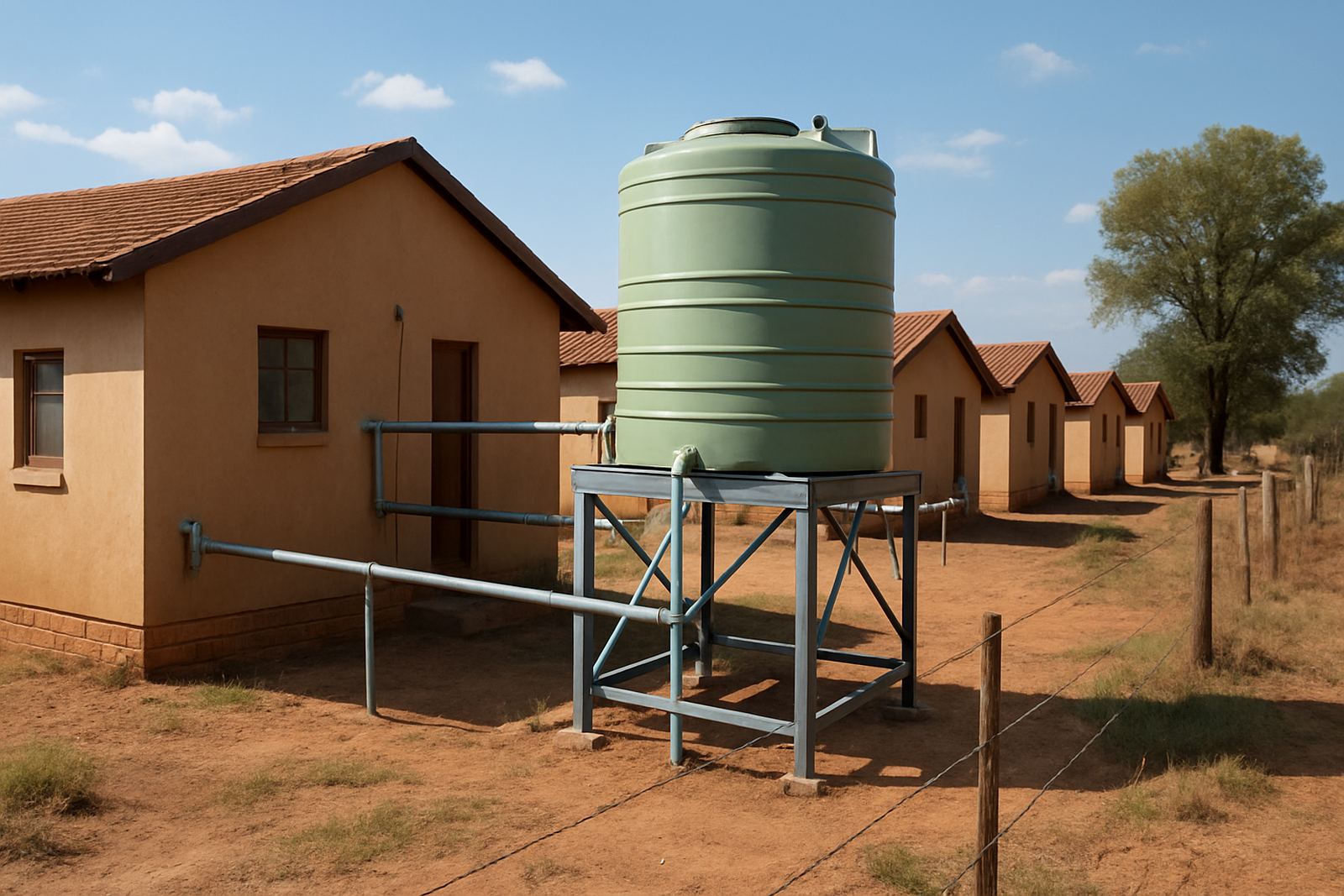
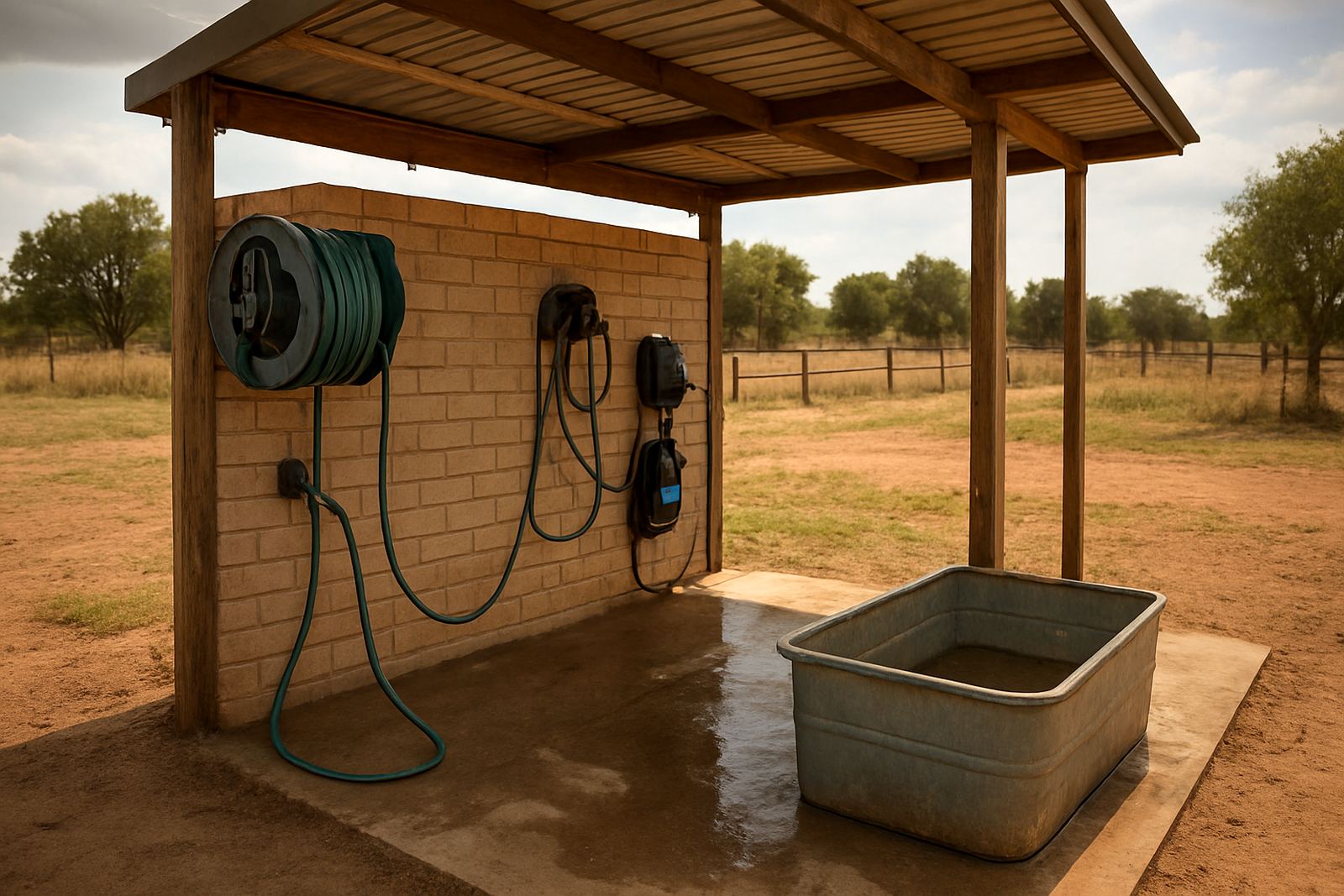
Farm installs usually need more planning because distances are longer and water use is heavier. A borehole feeding a reservoir may need staged delivery, while a filtration line might be added for livestock troughs, wash bays or packing areas. On larger properties outside Bloemfontein or on the edge of the Western Cape, pipe runs and elevation changes can affect the whole system.
We help size the kit so the pump and storage work together instead of fighting each other. That means checking flow rates, pressure loss and how often the system will cycle during the day. It also means planning for future growth, because farms often expand a line or add a tank later on and it pays to leave room for that now.
- Longer pipe runs with pressure loss taken into account
- Storage options for peak demand and backup reserve
- Install support for wash-down, irrigation and stock water
Water quality checks before the kit goes in
Water testing is a big part of doing the job properly. Borehole water can look clear and still carry sand, iron, hardness or other issues that affect fittings and filters. Rainwater can collect roof dust, organic matter and debris from gutters, so it is worth checking before deciding on the filtration stage.
We use the test results to guide the kit choice and the service plan. Sometimes that means a sediment stage first, then finer filtration later. In other cases, a simple maintenance schedule and tank cleaning routine is enough. Either way, it is better to know what the water is doing before you install the wrong equipment and have to redo it later.
What a typical installation support package includes
Hydrated supports the project from the first assessment through to commissioning checks. That keeps the work practical and tidy, whether the install is in Brits or further afield. Our team handles the parts that keep the system running once it is live, not just the delivery of the kit itself.
- Site assessment and system sizing
- Kit assembly and delivery coordination
- Installation support and commissioning checks
- Fault finding, pump servicing and annual maintenance
For many clients, the value is in having one plan for the whole system. The tank, pump, filters and pipework all have to match, otherwise the water point becomes a source of headaches instead of a solution.
Aftercare that keeps the water moving
Once the system is in use, small checks make a real difference. Filters clog, pumps lose prime, tanks collect sediment and fittings loosen over time. A quick service visit can save a bigger repair later, especially where the water has more grit or the system runs every day.
We also help with tank cleaning and routine checks for homes and farms across Pretoria, Rustenburg, Paarl, Stellenbosch and surrounding areas. If something changes in the supply or pressure drops off, the fault finding process starts with the basics so the issue is traced properly. That way the fix is based on what is actually happening, not guesswork.