Why home pressure drops when you need water most
Low pressure often shows up at the worst time, like early morning showers or when a washing machine starts filling. In many South African homes the cause is not the taps themselves, but a restriction somewhere in the line, the storage setup, or the pump supply. In Brits and Hartbeespoort we see this often after a dry spell, during load-shedding, or when a tank is running low and the system is struggling to keep up.
If the pressure is weak at one tap only, the problem is usually local to that fixture. If the whole house is affected, the issue is normally upstream and needs a wider check. That is where a proper site assessment helps, because a borehole, rain-tank, municipal line, or combined system all behave differently.
Check the simple causes before you replace anything
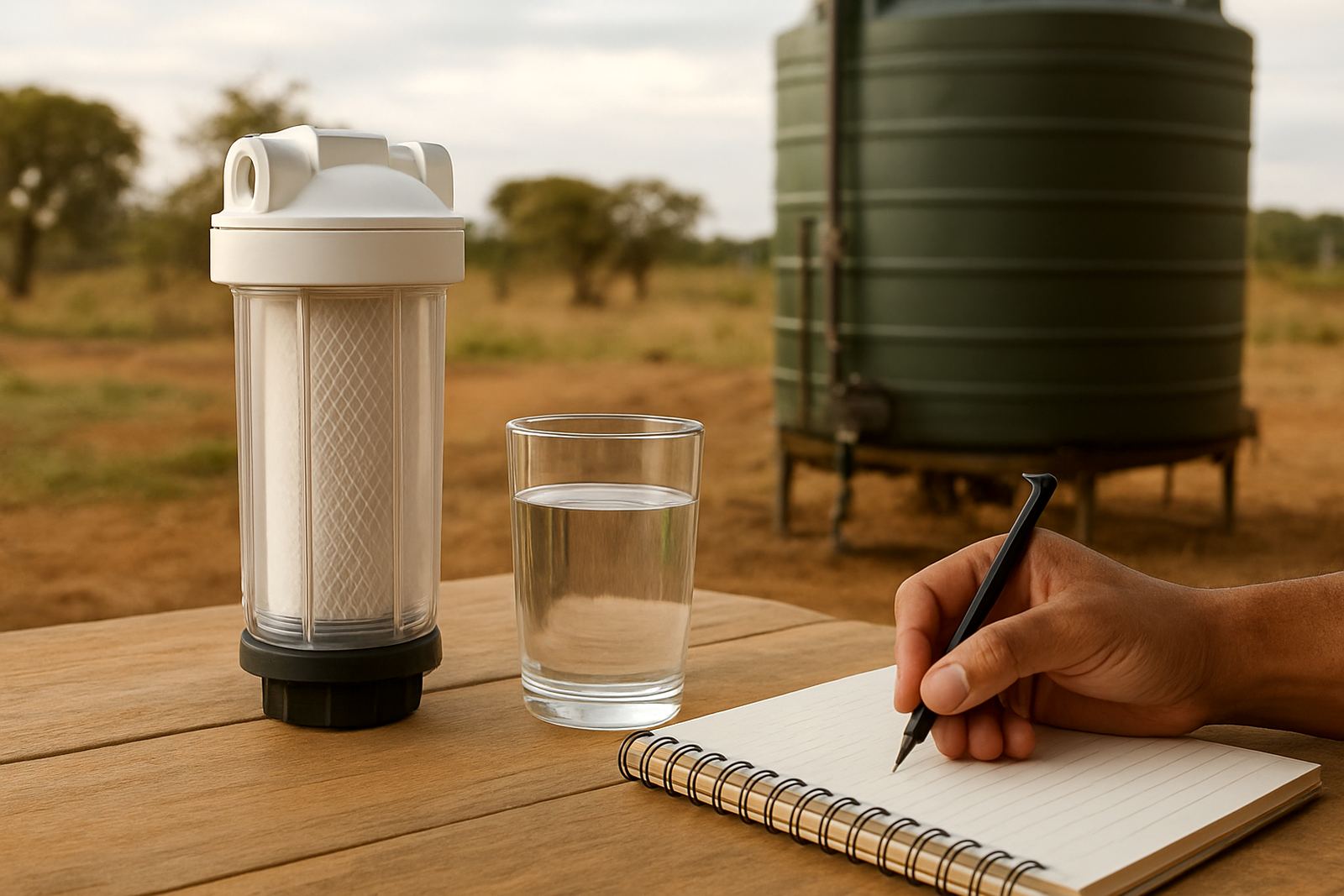
Before spending money on a new pump, it is worth checking the basics. A blocked strainer, a partly closed valve, air in the line, or a clogged cartridge filter can cut pressure more than most people expect. In coastal towns like Somerset West and Paarl, mineral build-up and fine sediment can also slow flow over time. Even a dirty shower head can make a whole house feel like it has poor pressure.
- Make sure all isolation valves are fully open.
- Check whether the tank is actually full enough to feed the system.
- Inspect filters for dirt, rust or scale.
- Look for leaks, dripping taps, or a pump that short-cycles.
- Listen for air in the pipes after power cuts or maintenance work.
If the problem started suddenly after a repair or switch-over, there is a fair chance a valve was left partly shut or a line picked up debris during the work.
When the pump is right but the system is wrong
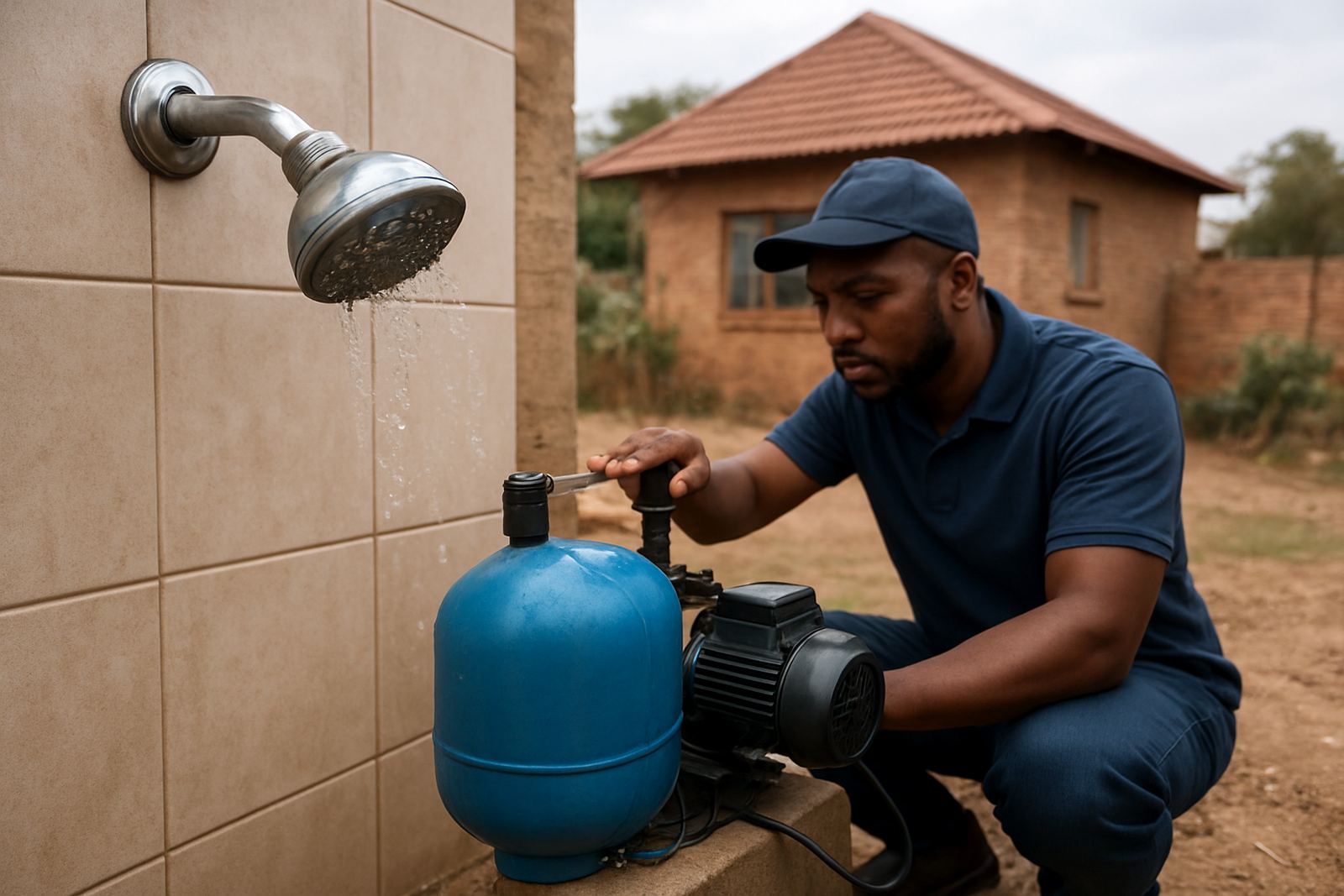
Some homes have a pump that is technically fine, but the system around it is not suited to the house. Pressure pumps need the right pipe size, the right placement, and the right controls. If the pipe run is too long, the pipe diameter too small, or the pump too far from the tank, pressure loss becomes noticeable upstairs or at the far end of the house. This is common in larger properties around Rustenburg and on smallholdings outside Pretoria.
A system also needs to match the way water is used. A single bathroom and a larger family home do not need the same setup. If two showers, a geyser and an irrigation line run at once, a small pump may struggle. The answer is not always a bigger pump, sometimes it is better system sizing and a cleaner layout.
- Confirm the pump size matches the number of outlets in the house.
- Check whether the plumbing includes unnecessary bends or narrow sections.
- Look at pressure settings and whether the pressure tank is holding correctly.
- Test whether the pressure falls only when multiple taps are open.
How rain tanks and boreholes affect household pressure
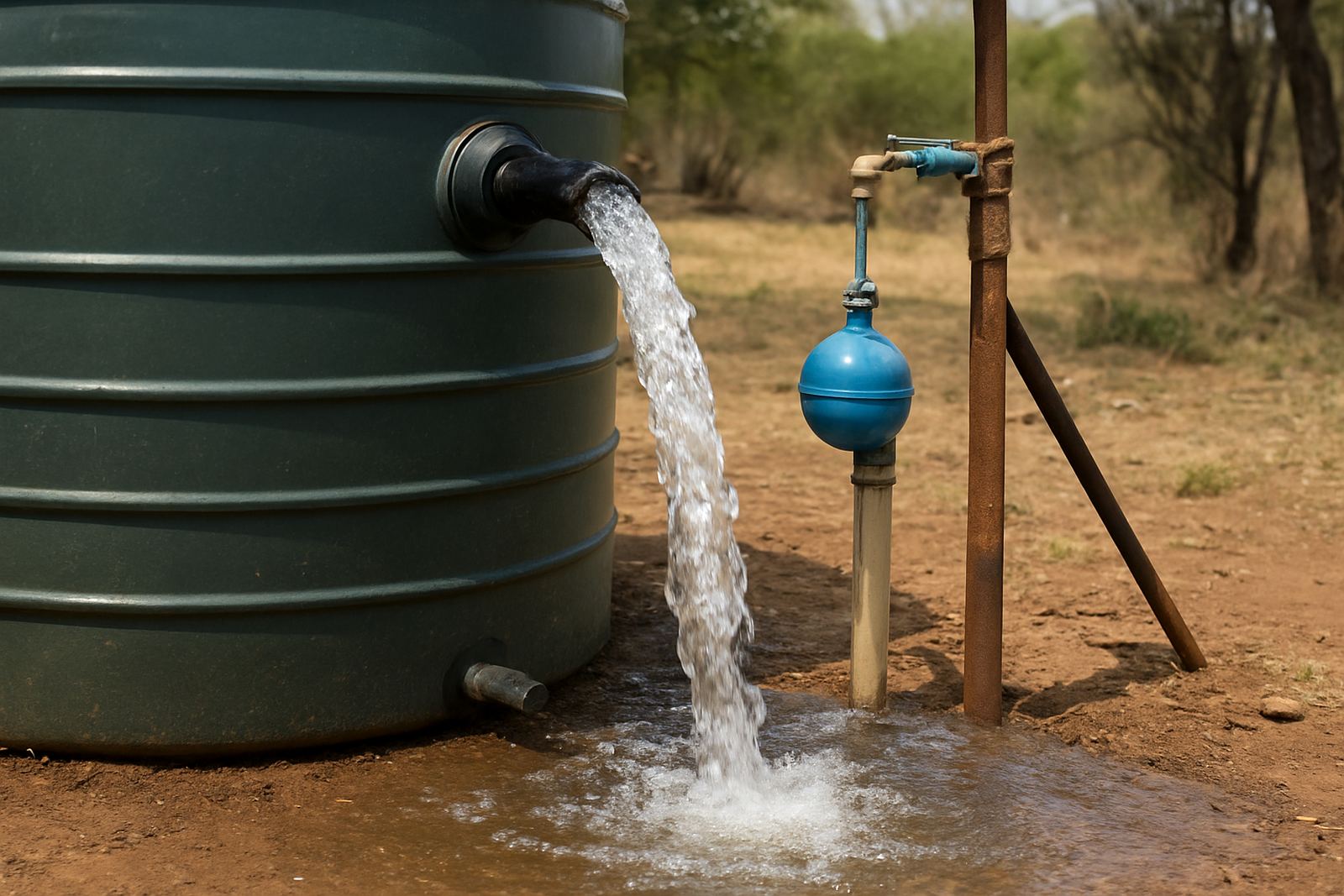
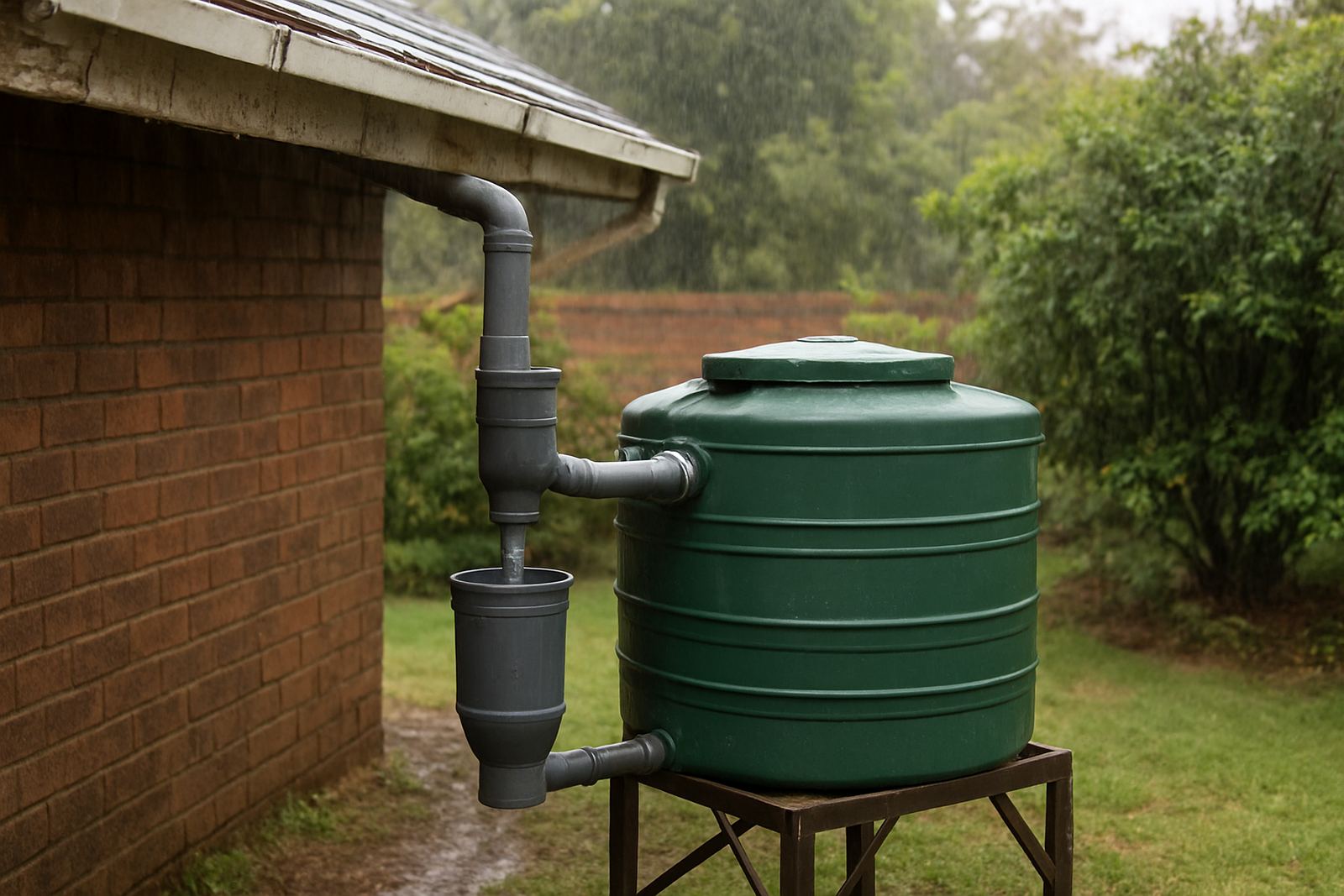
Homes that rely on rain tanks or boreholes need careful setup if they are going to feel comfortable day to day. A tank that feeds directly by gravity can work for basic use, but it will not give the same pressure as a properly sized pump system. Borehole water also needs clean intake, sound pump sizing, and filtration where needed, otherwise sediment can wear parts and reduce flow. That is especially relevant in farm areas where water quality can vary from one borehole to the next.
In practical terms, a household usually needs three things working together: enough storage, enough pumping capacity, and enough filtration to keep the lines clear. If one of those is undersized the whole system feels weak. A filter change or pump service can make a bigger difference than people expect, and in some cases a tank clean helps restore normal flow as well.
A local example from Brits with morning pressure problems
A family in Brits contacted us after their home pressure dropped badly every morning. The shower pressure was poor, the kitchen tap was slow and the washing machine was taking far longer than usual. The pump was still running, but it was cycling too often and the filters were packed with fine grit. They also had a valve that was not fully open after a recent maintenance job, which made the issue worse. Small things, but together they caused a proper headache.
After a system check we cleaned the filters, corrected the valve position, checked the pressure settings and inspected the pump for wear. The household did not need a full replacement. They needed the right fault finding, plus a maintenance plan so the same issue would not keep coming back after dry periods or power interruptions.
What usually fixes low pressure for good
The fix depends on the cause, but these are the outcomes we most often see on homes and small farms across South Africa:
- Filter changes where sediment or scale has built up.
- Pump servicing when the unit is worn, noisy or short-cycling.
- Pressure adjustment so the pump starts and stops properly.
- Tank cleaning where dirt or algae is affecting supply.
- System resizing when the pump or pipework is too small for the house.
- Commissioning checks after new installs or changes to the water source.
If the house is in a coastal or dusty area, or if the system runs through load-shedding without proper protection, a maintenance schedule matters just as much as the initial setup. That is the part many homeowners skip, then wonder why the pressure falls off again six months later.
When to call for an assessment instead of guessing
If pressure keeps dropping, if the pump sounds different, or if the issue affects the whole house, it is time for a proper assessment. That is especially important where a home depends on a borehole or tank and there is no reliable municipal backup. A good check looks at water source, pressure, filtration, pump performance and the condition of the storage system. It also helps to test the water itself if the problem may be linked to sediment or contamination.
Hydrated works with homes and farms from Brits, Pretoria and Hartbeespoort through to Rustenburg, Bloemfontein and the Western Cape. From site assessments and system sizing to installation support, pump servicing and annual maintenance, the goal is simple: get the pressure back to where it should be and keep it there, without unnecessary spending.