Why a treatment train works better than one cartridge alone
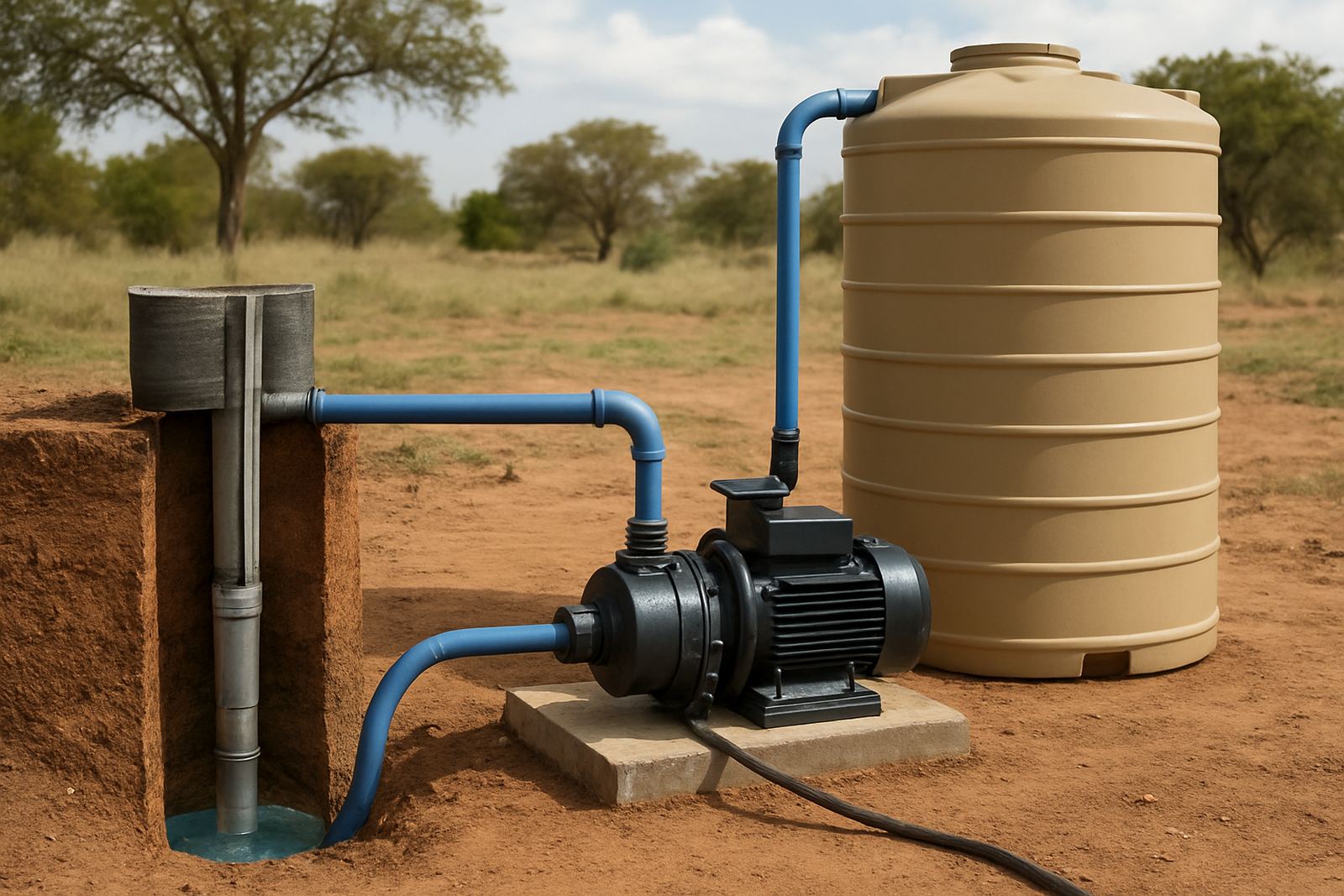
When borehole water or tank water is sent through just one filter, that cartridge has to do too much. A proper treatment train spreads the work across stages so each one can do its job properly and last longer. That matters in places like Brits, Hartbeespoort and Rustenburg where water quality can change after heavy rain, a pump service, or a dusty spell on the farm.
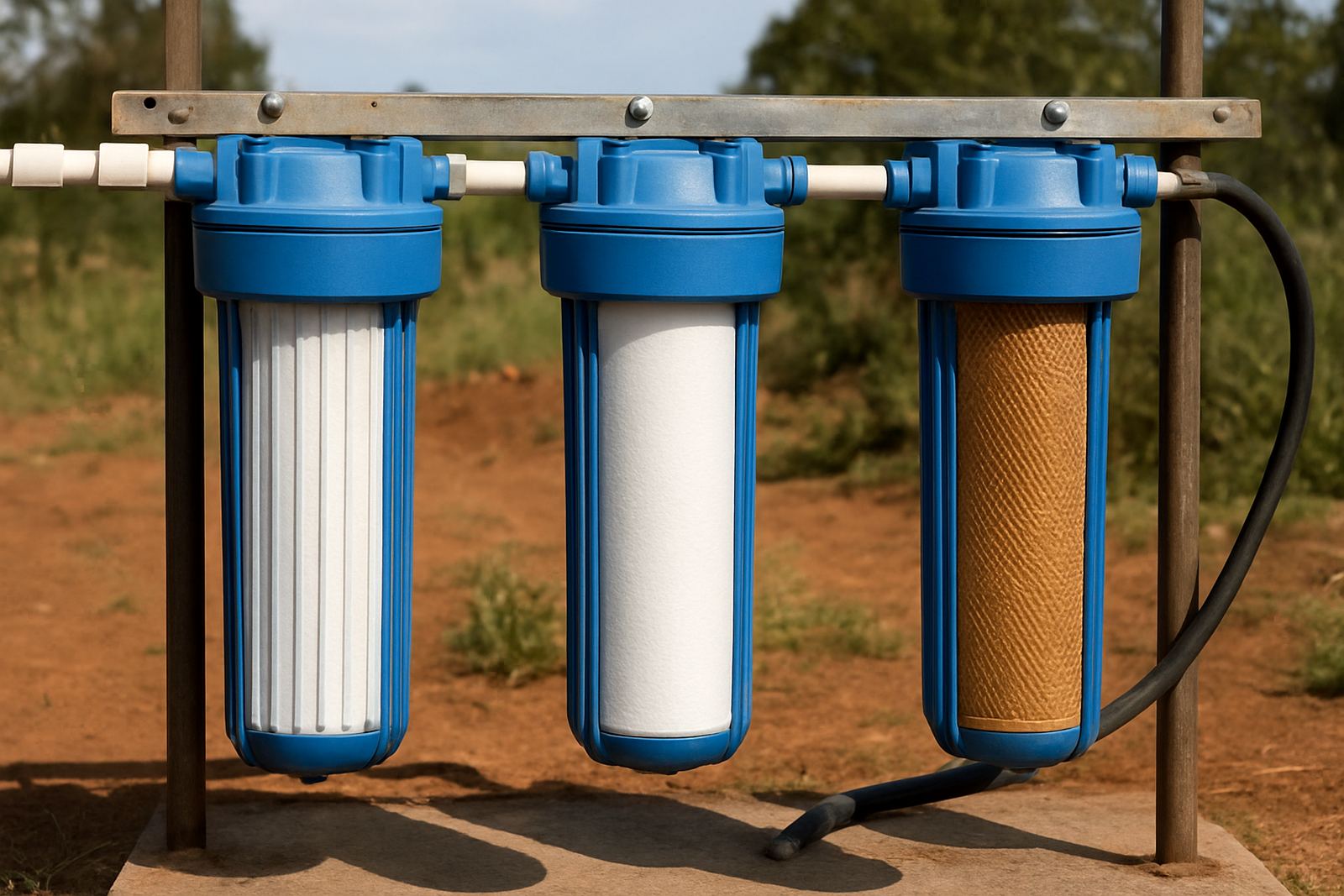
In simple terms, the first stage removes the bigger particles, the second stage deals with taste and odour, and the final stage tidies up the fine bits that are left. If the order is wrong, the finer cartridges block too quickly and pressure drops faster than it should. That leads to more callouts, more cartridge changes and more frustration when the taps start running slowly.
Sediment stages: the first line of defence
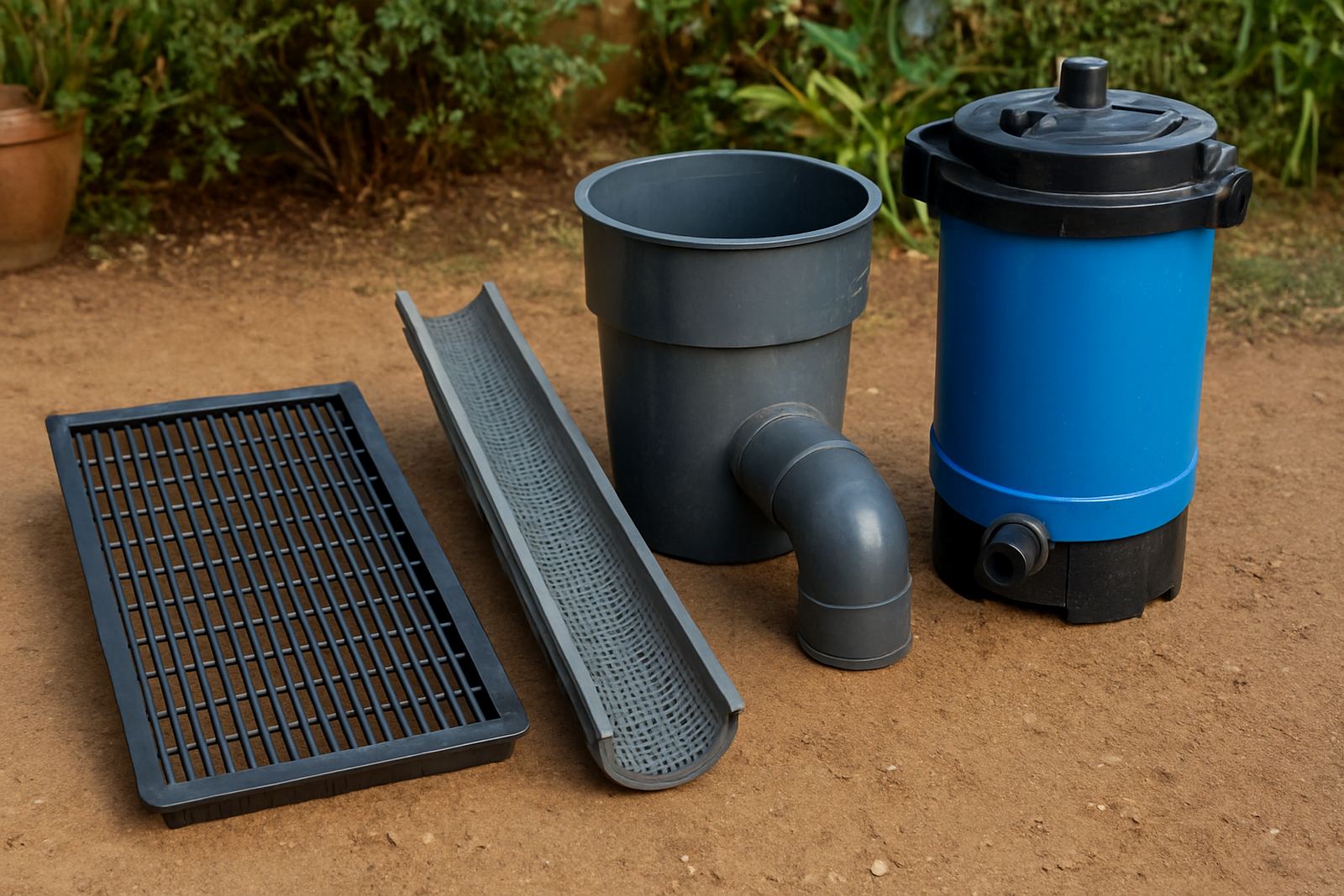
Sediment filters are built to catch sand, silt, rust flakes and other visible particles. In South Africa this stage is often the hardest working one, especially where boreholes draw from sandy formations or where storage tanks pick up dust during windy weather. Sediment stages are usually rated by micron size, with coarser filters handling the bigger debris first and finer ones dealing with smaller particles after that.
- Protects pumps, pressure switches and valves from grit
- Reduces blockages in later stages
- Helps stop cloudy water from reaching taps and appliances
- Useful after tank cleaning or borehole maintenance
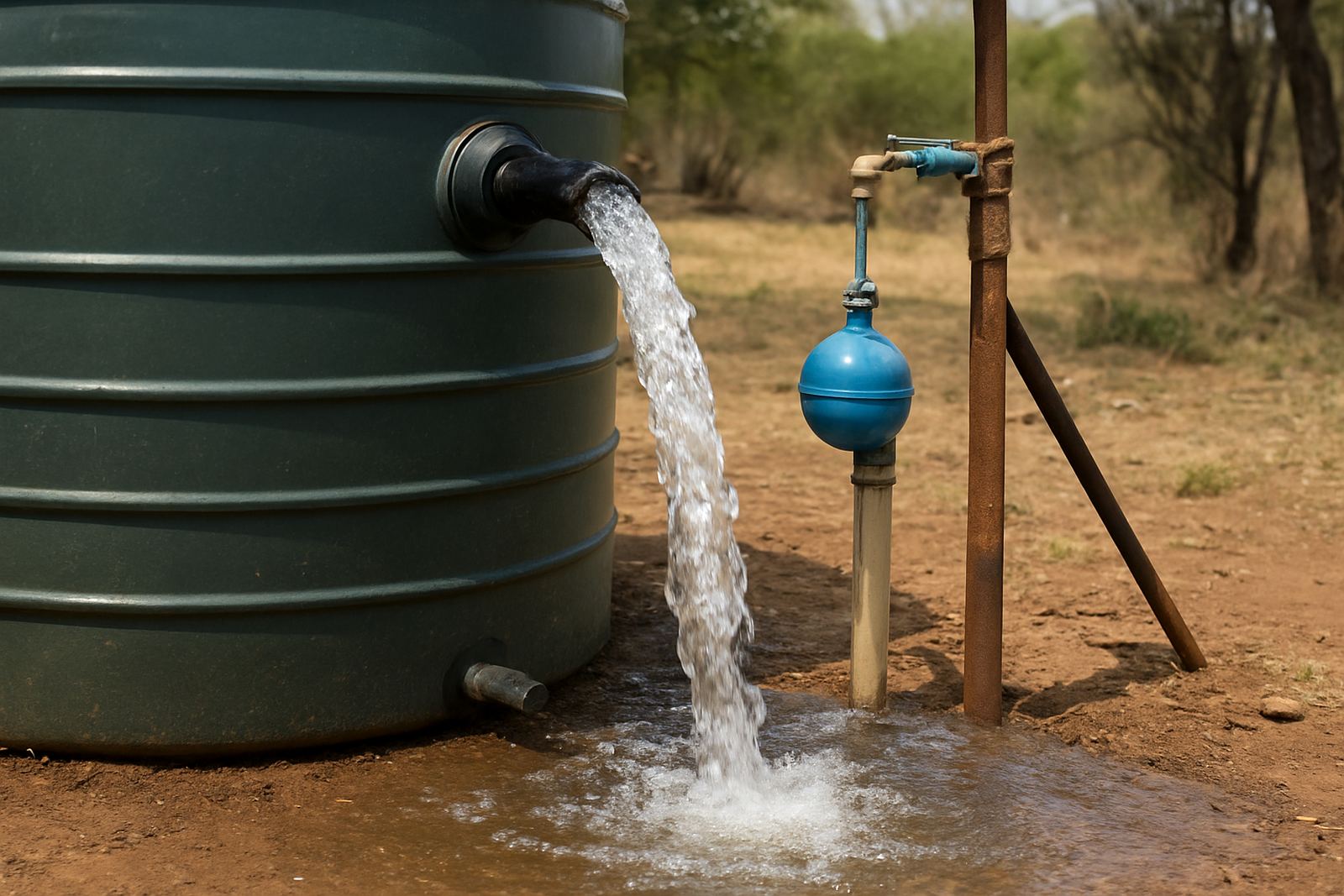
If water is visibly dirty after a storm, a sediment stage can fill up very quickly. That does not mean the system has failed, it means the first stage is doing its job. The trick is to size it correctly and check it often enough that it does not choke the flow.
Carbon stages: taste, smell and chemical cleanup
Carbon filters are used when water needs help with taste, smell and certain dissolved contaminants. They are common where tank water has a chlorine taste from municipal top ups, or where borehole water has a metallic smell. Activated carbon has a large internal surface area, which gives it plenty of contact points to absorb unwanted compounds as water passes through.
Carbon stages are not meant to replace proper water testing. They are one part of the train and they work best when sediment has already been removed. If they are fed dirty water, they clog up faster and can lose performance long before they should. On a farm outside Bloemfontein for example, a prefilter may take the dust load first, then the carbon stage can improve water for kitchen use without constant replacement.
- Improves taste and odour
- Can help reduce chlorine and related by products
- Often used before finer final filters
- Needs clean prefiltration to last properly
Polishing stages: the final clean before use
Polishing stages are the finishing filters in the train. Their job is to catch very fine particles that made it through the earlier stages and to give the water a cleaner final result before it reaches the point of use. These stages are common in kitchen lines, drinking water points and systems where the owner wants a higher level of clarity.
Polishing filters are not there to fix a badly designed system. They work best after the right sediment and carbon stages have already done the heavy lifting. In practical terms, this is the stage that can make the difference between water that looks acceptable and water that is fit for drinking at the tap. It is also the stage that often shows up most clearly when maintenance gets delayed, because the pressure drop becomes noticeable quickly.
How to choose the right order for your water
Stage order matters more than many people think. The usual rule is simple: remove the bigger solids first, then handle taste or dissolved issues, then finish with the fine polishing stage. If the sequence is wrong, you end up paying more for cartridges and using them up too fast. On a property in Pretoria with both municipal top up and rain water storage, the right order may be different from a remote borehole setup in the Western Cape, so it pays to assess the source properly.
- Test the water before choosing cartridge types
- Check the source: borehole, rain tank or blended supply
- Match micron ratings to the actual dirt load
- Allow for seasonal changes in rainfall, dust and pump drawdown
- Plan for easy access during load-shedding and maintenance
A system that works in winter may not behave the same way in summer. Coastal humidity, farm dust and a sudden increase in water use can all change how fast the stages clog. That is why sizing and spacing the stages correctly is worth the extra attention.
What maintenance tells you about each stage
When a filter train is maintained well, it gives away useful clues. A sediment stage that loads up quickly points to grit, sand or tank debris. A carbon stage that starts to underperform can indicate that the prefilter is not catching enough solids, or that the cartridge has simply reached the end of its useful life. A polishing stage that blocks too often usually means the earlier stages are not doing enough work.
For homes and farms around Brits and Hartbeespoort, the practical approach is to inspect pressure, flow and water appearance on a regular schedule. If water starts looking hazy, tasting off, or the tap flow drops, there is usually a stage telling you where the problem sits. Proper fault finding saves time because it avoids changing every cartridge just to guess at the cause.
Hydrated works with site assessments, system sizing, filter changes and water testing, so the train is set up for the actual water on site rather than a generic setup. That usually means fewer surprises and less waste over the year.