Why Water Planning Matters Before the Power Drops
When the power goes off, many borehole and filtration systems stop at the same time. That can leave a household with no water for toilets, cooking and washing, or a farm with no supply for livestock, cleaning and irrigation timing. In places like Brits and Hartbeespoort, where homes often rely on pumps and storage tanks, it helps to plan for the outage before the schedule changes.
The main risk is not only a dry tap. Pumps can struggle to restart if the pressure line has drained, filters can hold dirty water after a dirty source draw, and tanks can run low when everyone uses water at once. On smallholdings around Rustenburg or in the Western Cape winelands, a two hour outage can become a much bigger issue if the system is not sized to carry the load.
A proper load-shedding plan starts with knowing where your water comes from, how much you store and which parts of the system need electricity. That includes borehole pumps, booster pumps, UV or cartridge filtration, pressure switches and any automatic valves. If one part is overlooked the whole setup can stop working as expected.
Build Enough Storage For Daily Use
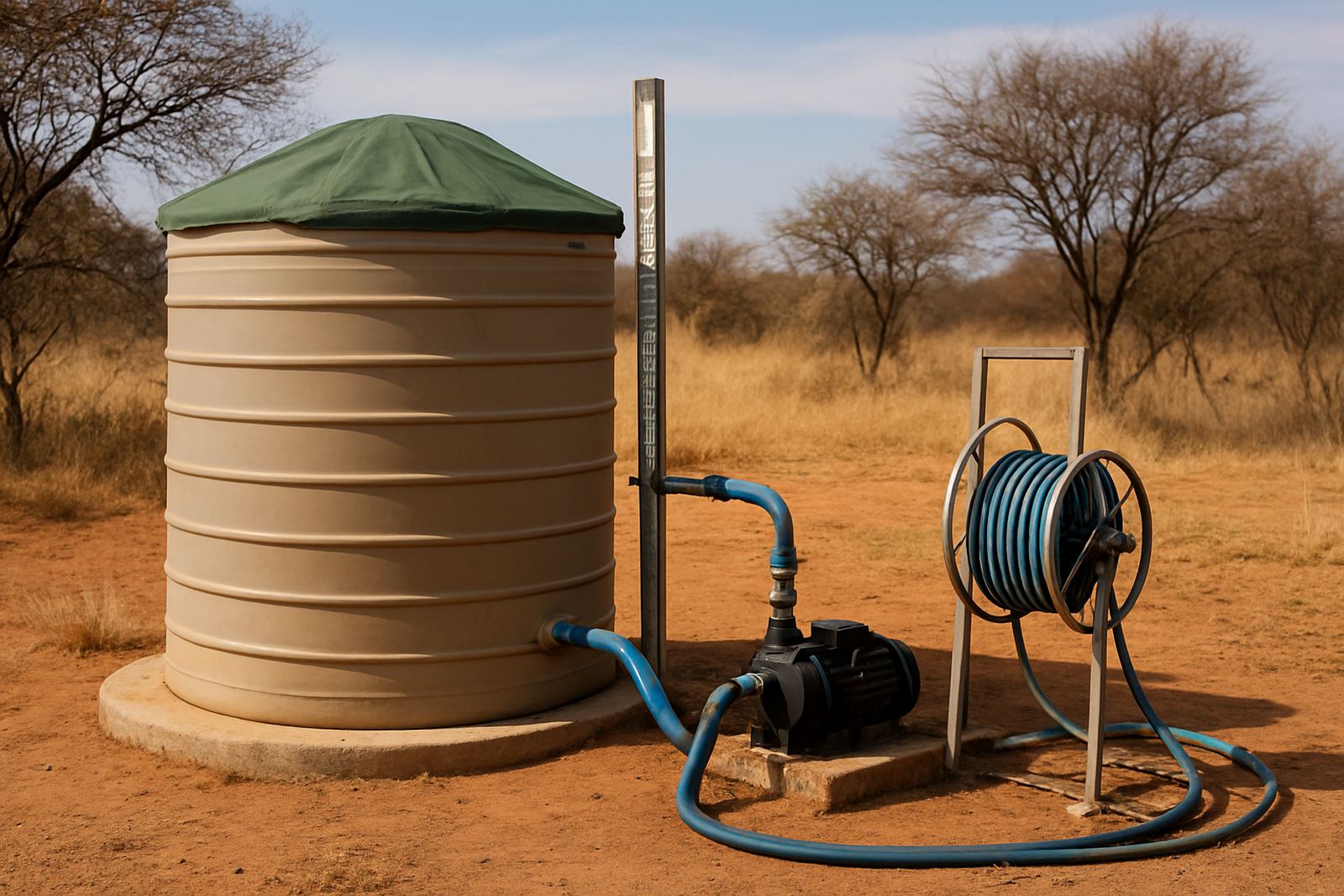
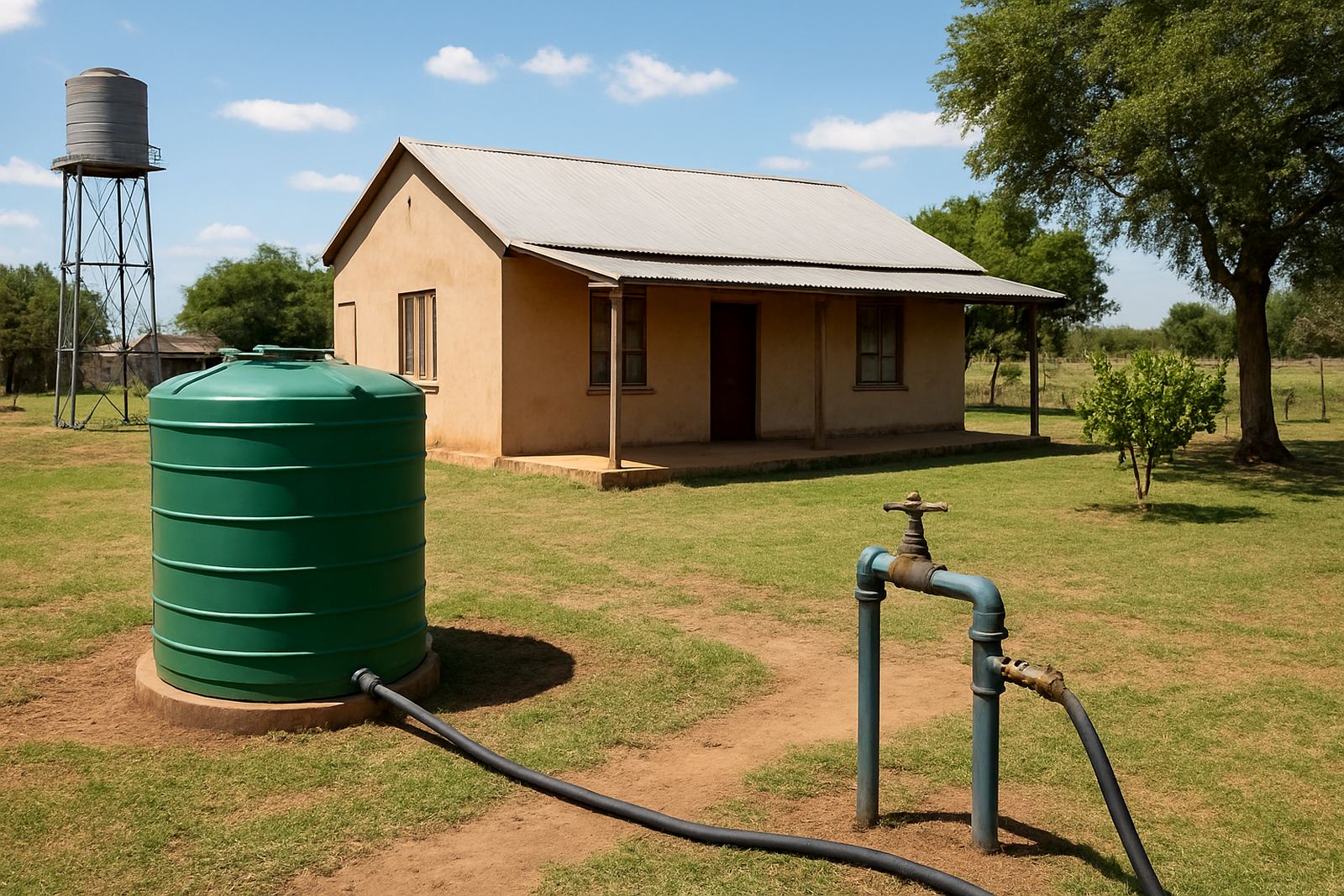
Storage is the first line of defence. A rain tank, buffer tank or dedicated storage line gives you water while the pump is off, and it also gives your system breathing room when demand spikes. For a family home in Pretoria, a modest tank may cover toilet flushing, hand washing and basic kitchen use through a short outage. A farm near Bloemfontein may need much more, especially where animals, staff ablutions and wash-down points all draw from the same source.
As a rule, work from actual daily use, not guesswork. Count the number of people on site, how many points use water at once, and whether you need reserve water for a whole day or only for short interruptions. If you use borehole water, confirm the pump can refill the tank fast enough once power returns. If you use rainwater, make sure the first flush and filtration line are maintained so the stored water stays usable.
- Keep tanks shaded or covered where possible to slow algae growth.
- Use a tank level indicator so you know what is available before peak use.
- Leave a small emergency reserve that is only used when the outage runs long.
- Check that overflow and venting are working so the tank does not contaminate itself.
Protect Pumps And Filtration During Outages
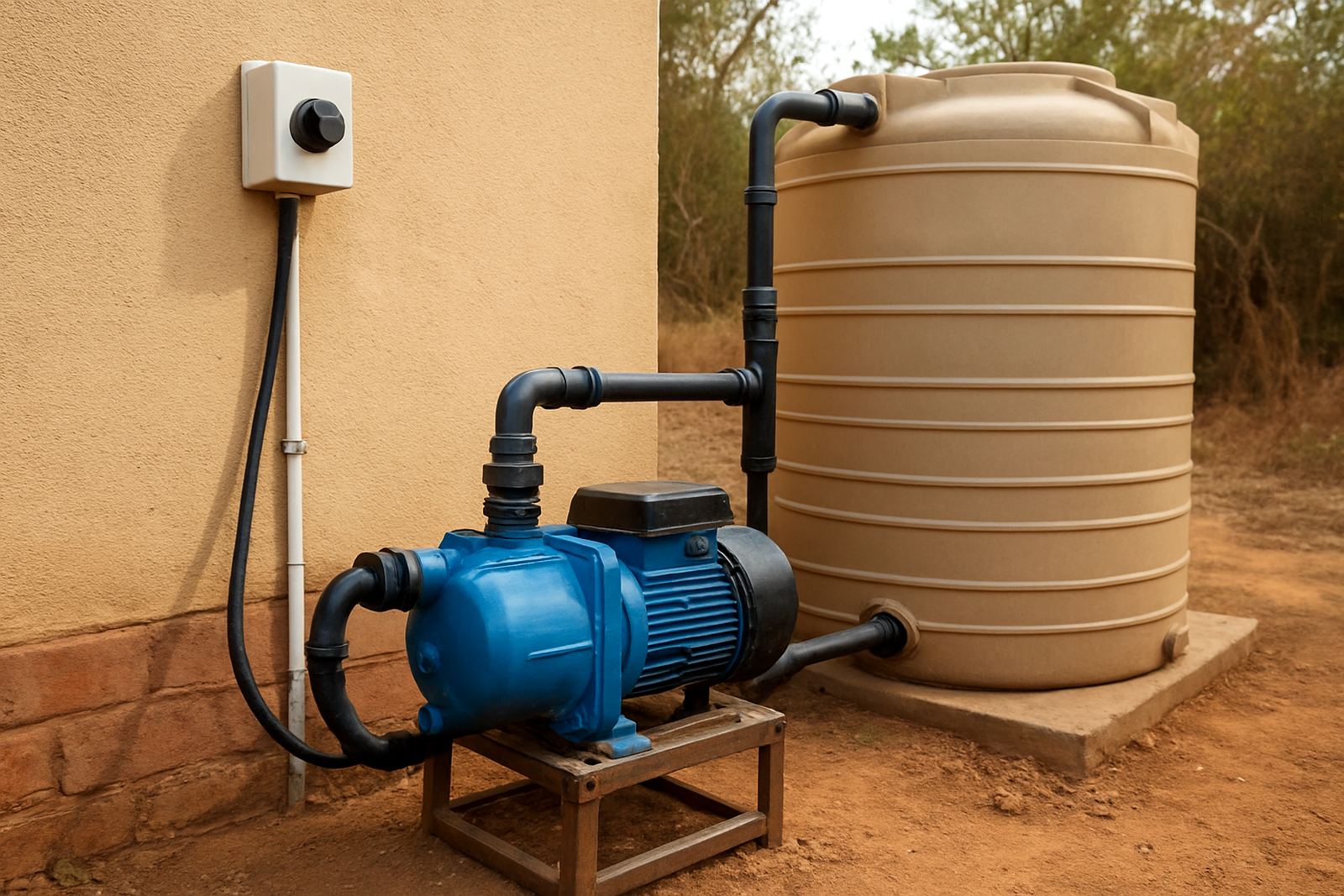
Pumps and filters need different treatment when the power cuts out. If a borehole pump is switched on and off repeatedly, it can overheat or start against poor pressure conditions. If filtration runs on pressure alone, the quality of water after a restart may be poor until the line settles. Coastal humidity in Somerset West and Paarl can also affect fittings, switchgear and exposed connectors, so a quick visual check matters.
Before load-shedding begins, look for leaks, noisy valves, blocked strainers and pressure drops. If the system has been running hard during summer, make sure the pump has not been cycling too often. A system that short-cycles is more likely to fail when the power returns. If your setup includes cartridge filters, keep a spare set on hand and note the change date. Dirty filters make restart problems worse and can reduce pressure through the whole line.
- Switch off sensitive equipment if your area has repeated power flickers.
- Keep spare seals, cartridges and a basic service kit on site.
- After power returns, let the pump come up slowly if your system uses a controller.
- Do not ignore unusual vibration or a burning smell after restart.
Safe Restart Steps After Power Returns
The restart matters as much as the shutdown. When power comes back, avoid opening every tap at once. Let the pump build pressure, then check one outlet at a time. This reduces airlocks and helps you catch a problem before it spreads through the line. If the system has been idle for some time, listen for hammering, cavitation or repeated start stop cycling.
For homes and farms using stored water, first run a short flush from a non critical outlet if possible. That clears any stagnant water from the line and gives you a chance to see whether the water is clear. If the water looks cloudy, has grit or carries a strong smell, hold off on use until it has been tested or the filters have been changed. That is especially important where water is used for food prep, milking areas or staff drinking points.
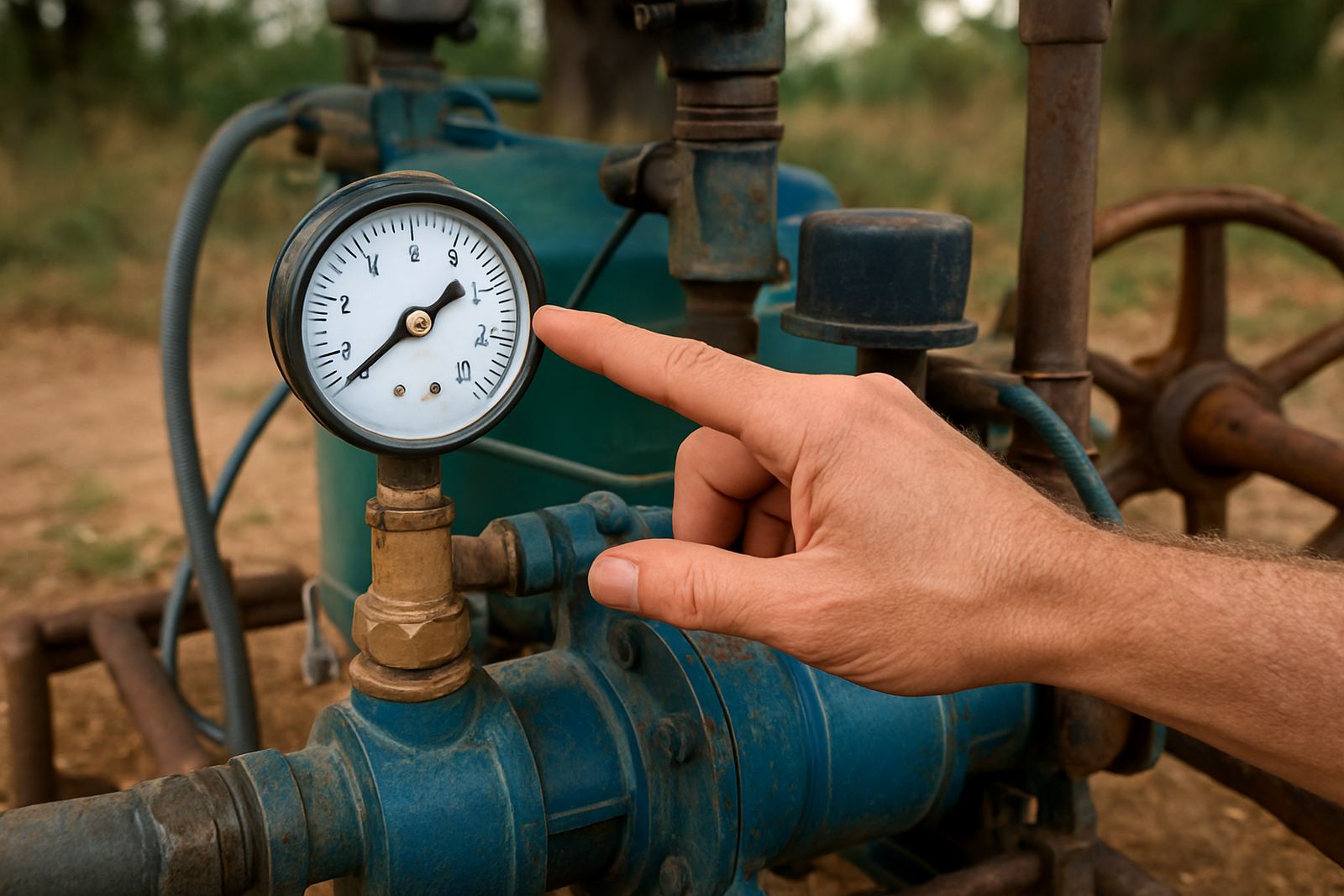
Keep an eye on pressure tanks and pressure switches after the restart. If the pump does not cut in at the right pressure, or if it runs continuously, stop and inspect the system. A small fault can turn into a burnt-out motor if it is left too long.
Use Local Conditions To Decide Your Backup Plan
The right backup plan depends on where you are and how you use water. In Hartbeespoort and Brits, many properties have boreholes feeding a home tank and a garden line. In Rustenburg and the surrounding mining belt, dust and heavy use can mean more frequent filter changes. In Bloemfontein, longer dry spells can make storage more valuable than continuous pumping. On the Western Cape side, wind, coastal salt and seasonal restrictions can all affect how a system is set up and maintained.
It helps to match the plan to the site rather than forcing one solution everywhere. A small home may need a tank, a correctly sized pressure pump and a clean filtration line. A farm may need separate lines for stock water and domestic use, plus a clear maintenance routine so one issue does not shut down the whole property. Municipal rules also matter when connecting rainwater, borehole and municipal supply, so the system should be arranged to avoid backflow and contamination.
- Separate drinking water from non potable use where practical.
- Label valves and isolators so anyone on site can operate them correctly.
- Keep a written restart checklist near the pump room or tank area.
- Review the setup before summer, not after the first outage hits.
Plan Maintenance Before The Busy Season
Load-shedding is easier to manage when the system has already been serviced. Annual maintenance can catch worn pump parts, blocked filters, loose fittings and dirty tanks before they cause a shutdown. Tank cleaning matters too, because sediment and algae can build up quietly and then move into the line when the water is drawn down during an outage.
If your system has not been tested recently, a simple water test can show whether filtration is doing its job. After a long dry period or a lot of power interruptions, check the water again and adjust the filter change schedule if needed. The point is not to overcomplicate things, just to make sure the system still does what you expect when the lights go out and come back on.
For households and farms that rely on one supply point, a pre-season check is usually cheaper than an emergency repair. A few hours of preparation can save a day of disruption, and in some cases prevent pump damage or water contamination. That matters when your site is busy and the taps need to keep working.
A Practical Example From A North West Property
Take a mixed-use property outside Brits with a borehole, storage tank and filtration line. During repeated load-shedding, the owner noticed the pump was restarting hard and the kitchen water was sometimes cloudy after power returned. The solution was simple but specific: check the tank drawdown, service the pump, replace the clogged filters and add a clear restart routine for the household.
Once the system was matched to actual use, the family had water through short outages and the restart process became routine. The owner also stopped running the pump too hard during the day, which reduced wear and helped the system recover faster after each interruption. It was not fancy, just practical and suited to the property.
That is the point of load-shedding preparation. If the water system is sized properly, maintained properly and restarted properly, power cuts become an inconvenience rather than a crisis.