
Why the first few litres matter on a South African roof
When the rain starts, the first water off the roof usually carries dust, leaves, bird droppings, soot, pollen and whatever has settled in gutters since the last shower. In places like Brits, Pretoria and Hartbeespoort, that build-up can be heavy after dry weeks and strong winds, so the first run-off is often the dirtiest part of the whole event.
A first flush device is fitted so those opening litres do not go straight into the tank. It gives you a simple layer of protection before storage, which is especially useful where tank water is later used for irrigation, toilet flushing, washing or through a filtration system for household use.
The idea is not complicated, but it makes a real difference. Instead of filling your tank with roof debris and then trying to remove it later, you let the first dirty water go elsewhere and keep the better-quality rainwater for storage. That means less cleaning, less strain on filters and better day-to-day water quality.
How a first flush device works in practical terms
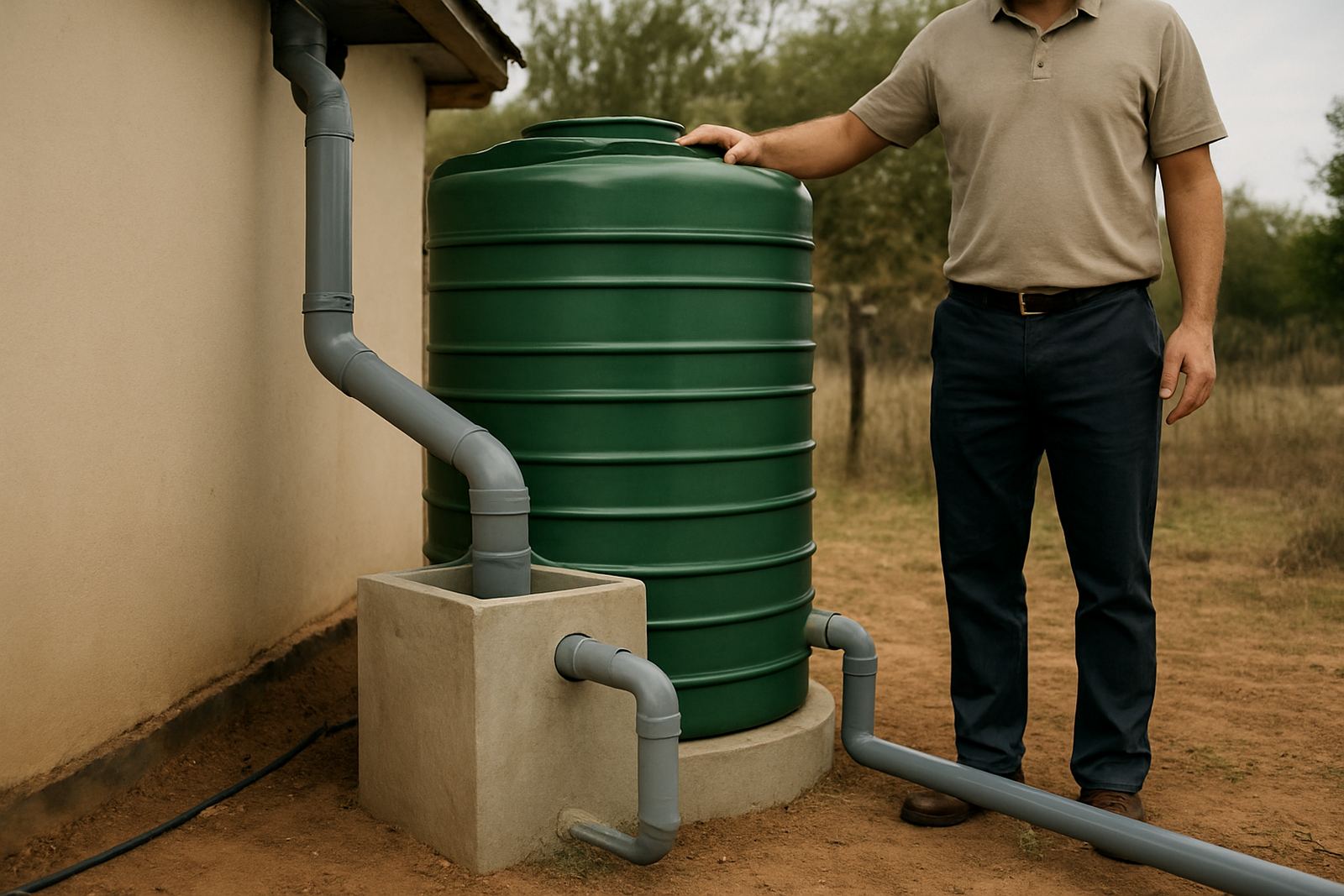
A first flush device is usually installed in the downpipe before the tank inlet. It captures the first portion of rainwater in a chamber or pipe section. Once that chamber is full, cleaner water overflows to the tank. After the storm, the chamber drains slowly or is emptied, ready for the next rainfall.
The size of the first flush section depends on roof area, rainfall patterns and how dirty the roof tends to get. A small home in Paarl may need a different setup from a farm shed outside Rustenburg with a large corrugated roof and nearby trees. If the catchment is dusty, windy or under birds roosting in the eaves, the first flush allowance may need to be larger.
- It diverts dirty initial run-off away from the tank
- It reduces sediment and organic matter in stored water
- It helps extend the life of filtration equipment
- It lowers the chance of blocked valves and dirty tank bottoms
- It is a low-maintenance addition when sized correctly
Cleaner tank water means fewer problems downstream
Once dirt is in the tank, it does not just disappear. It settles at the bottom, floats in fine particles or gets pulled into pumps and filters when water levels drop. Over time that can mean cloudy water, more frequent filter changes and extra servicing. In coastal areas such as Somerset West, where humidity can encourage biological growth, keeping the incoming water cleaner is particularly useful.
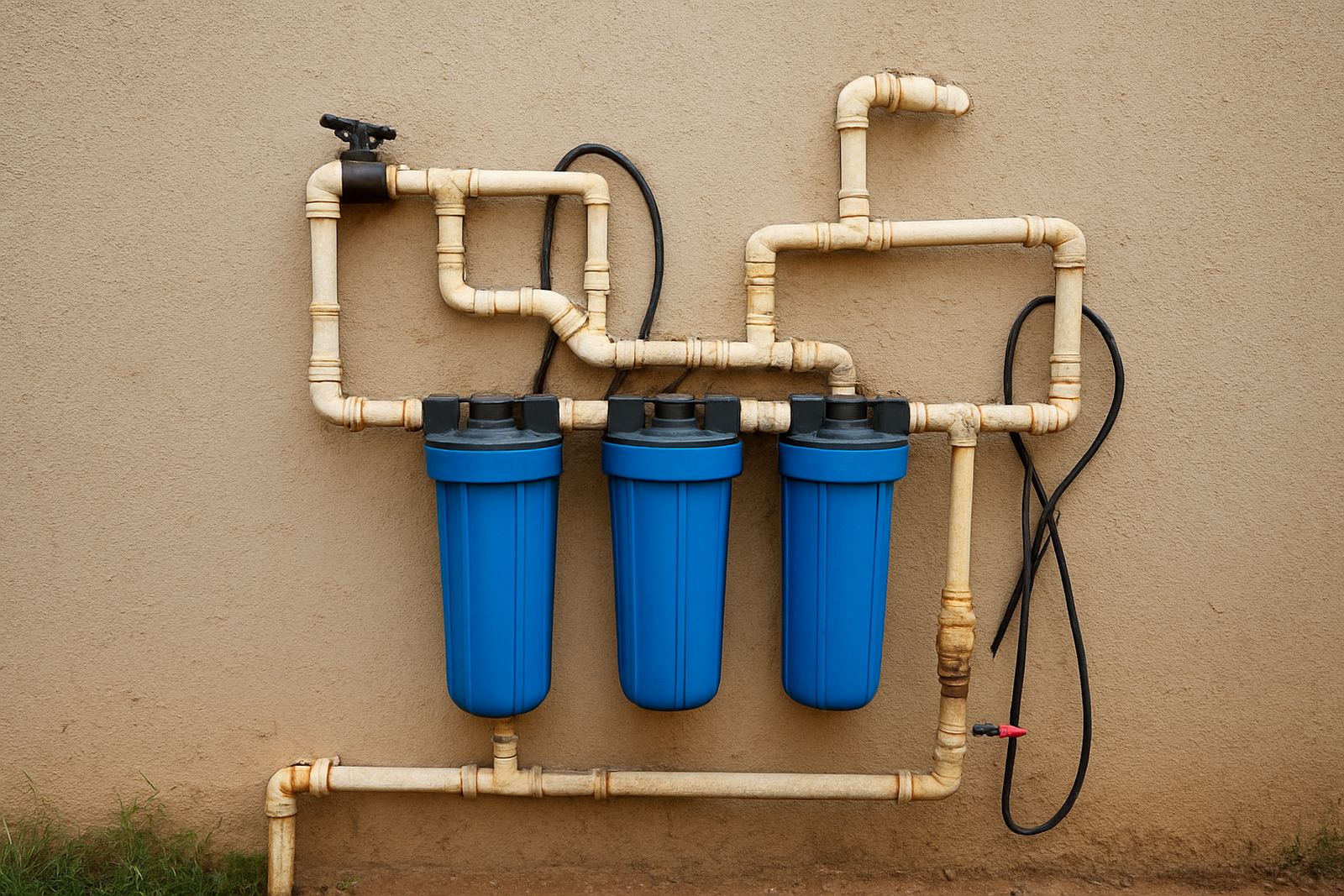
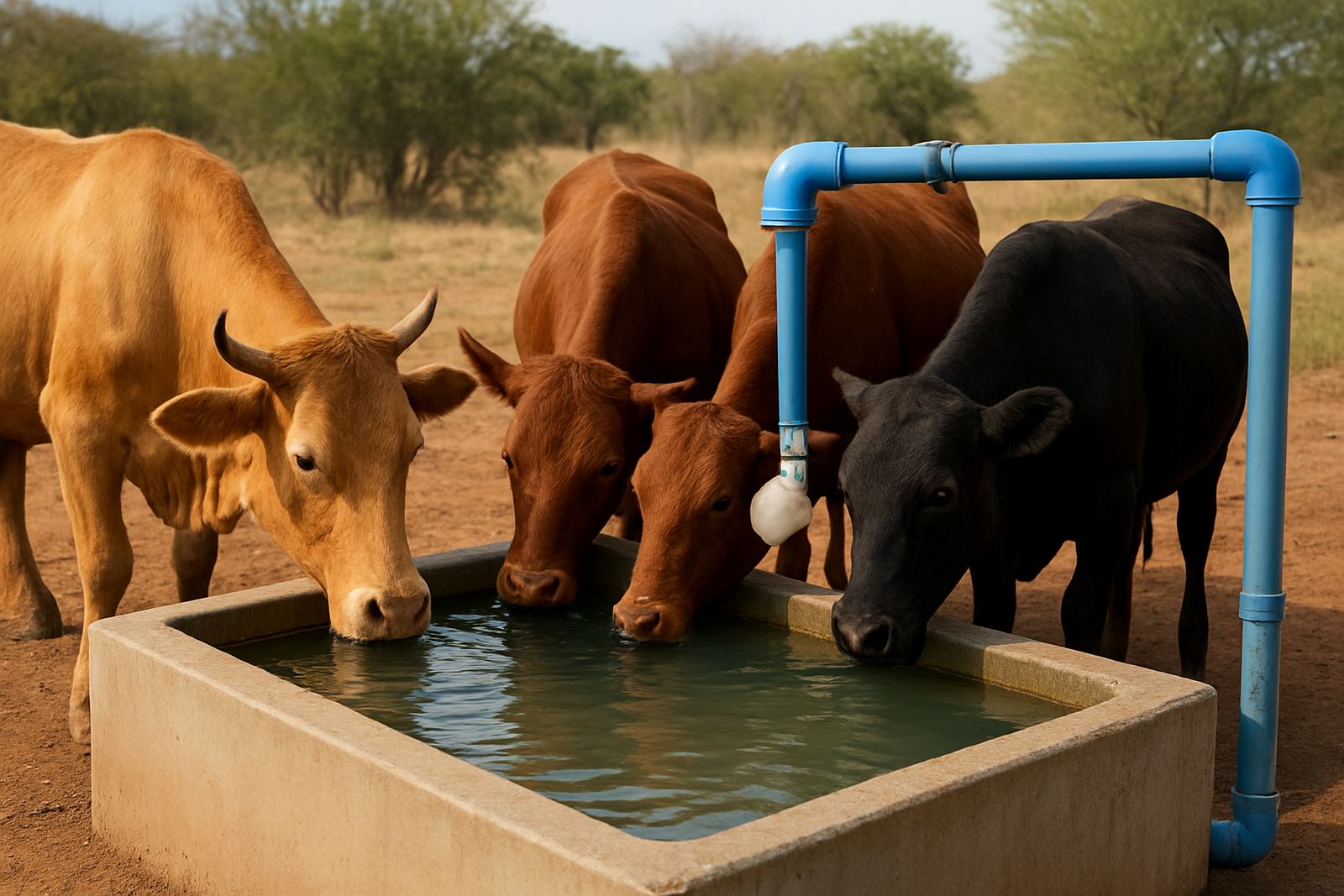
For households, cleaner stored rainwater can mean less staining in tanks and better performance from cartridge filters, UV units or other treatment stages. For farms, it can help protect drip irrigation lines and reduce blockages in micro-systems. It also makes tank cleaning easier because there is less sludge and debris left behind after a season of rain.
- Less sediment builds up at the bottom of the tank
- Pump strain is reduced because fewer solids reach the system
- Filter cartridges last longer between changes
- Water testing results are often easier to manage when the feed water is cleaner
Getting the sizing right for homes and farms
The biggest mistake is fitting a first flush device that is too small for the roof it serves. If the chamber fills too quickly, dirty water may still reach the tank before the roof has had time to wash through. If it is oversized, you may lose more water than needed with every rainfall. The correct balance depends on roof size, material, slope and local debris load.
At Hydrated, system sizing starts with a site assessment and the intended use of the water. A home in Pretoria with a small roof and garden use has different needs from a farm outside Bloemfontein using rainwater for washing equipment and keeping tanks topped up during dry spells. We also look at gutter condition, downpipe layout and where the first flush unit can be installed for easy maintenance.
For larger properties, it is often worth fitting separate first flush sections for different roof areas instead of sending all catchment water through one point. That approach can improve control and make servicing simpler, especially where one roof section gets more dust or leaf fall than another.
Simple upkeep keeps the device doing its job
First flush devices are generally low-maintenance, but they still need attention. If the chamber is blocked, does not drain properly, or fills with silt, it will not perform as intended. A quick check after storms is usually enough to pick up problems early. On farms, this is especially important after windy weeks, harvest activity or periods when birds and dust collect on roof surfaces.
Basic upkeep can be folded into annual tank servicing and pump checks. In many cases, the same visit that includes tank cleaning or filter changes can also cover the first flush unit. That keeps the system working as one package rather than a set of separate parts that only get attention when something fails.
- Check for cracks, leaks or stuck components
- Make sure the chamber drains fully between rains
- Remove leaves, mud and debris from gutters
- Inspect the downpipe connection for loose fittings
- Confirm the unit still matches the roof catchment size
A local example: rainwater in Hartbeespoort after a dry spell
After a long dry stretch in Hartbeespoort, the first decent rainfall can wash a lot of dust and roof grit into the downpipes. A home with a storage tank and a basic pump setup may see the difference straight away if there is no first flush device fitted. The water may look discoloured and the filter catches the dirt before the household can use much of it.
With a correctly sized first flush system in place, the early dirty water is diverted away from the tank, so the stored water stays cleaner from the start. That is useful where rainwater is used for garden irrigation, laundry support or backup supply during load-shedding and municipal interruptions. It is a small addition, but it can save a lot of trouble later, especially when the first storms after winter arrive suddenly.
For homeowners and farmers alike, the principle is the same: keep the worst of the roof runoff out of storage, then let the rest of the system work properly. It is a sensible way to get more value from every millimetre of rain, and it helps the whole setup last longer.