Why rain tanks need cleaning before the water turns cloudy
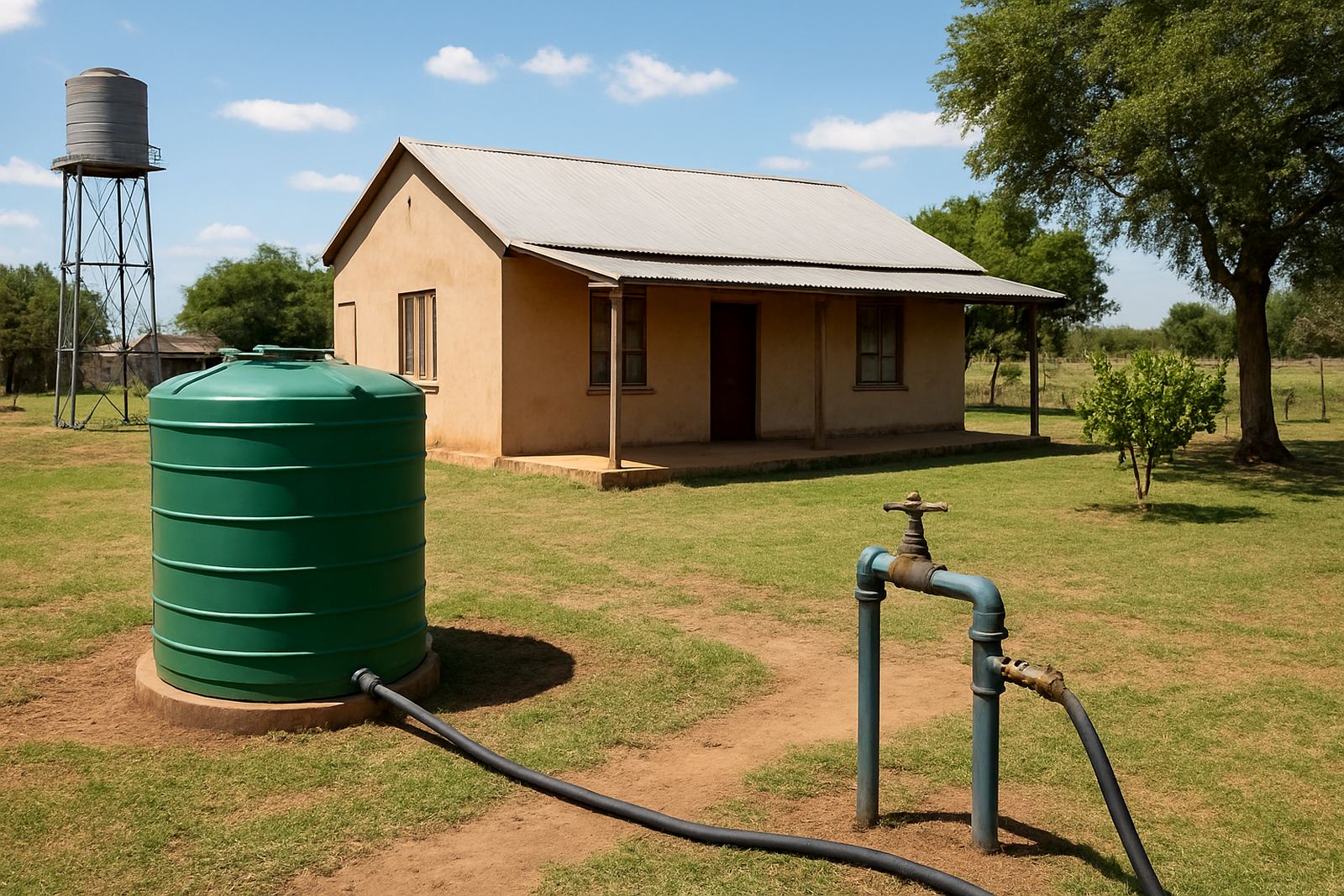
In South Africa, rainwater tanks work hard. Dust from dry spells, bird droppings, leaves, pollen and roof grit all wash into the first flush after a storm, then settle at the bottom of the tank over time. If that sediment is left in place, it can start to smell, reduce usable storage, and place extra strain on pumps and filters.
Cleaning is not only about appearance. A dirty tank can make household filtration work harder and can also affect irrigation systems, especially where emitters and small nozzles are involved. For farms and smallholdings around Brits, Hartbeespoort and Rustenburg, that matters because water use is often constant and there is little room for downtime.
As a rule, if you see a film on the water, notice sludge near the base, or hear the pump pulling air more often, it is time to inspect the tank. Waiting until the water looks bad usually means the build-up has already reached the outlet level.
How often should a rain tank be cleaned
There is no single interval that suits every property. A tank under mature trees in Paarl will collect more organic matter than one on an open stand in Bloemfontein, while coastal dust and humidity in Somerset West can also change how quickly growth appears inside the tank. The right schedule depends on roof size, rainfall, first flush diversion, and how much water you draw each week.
For most homes, an inspection every 3 to 6 months is practical, with a full clean once a year. On farms, or where the tank feeds a pump, filters, or livestock troughs, a quarterly check is often smarter. If your area has heavy windblown dust or long dry spells between rains, the tank may need attention sooner.
- Inspect after the first heavy rains of the season
- Check again after stormy periods with lots of leaf fall
- Clean sooner if you notice sediment, odour, or discoloured water
- Do not wait for pump faults to tell you the tank is dirty
Safe cleaning steps that protect the tank and the water
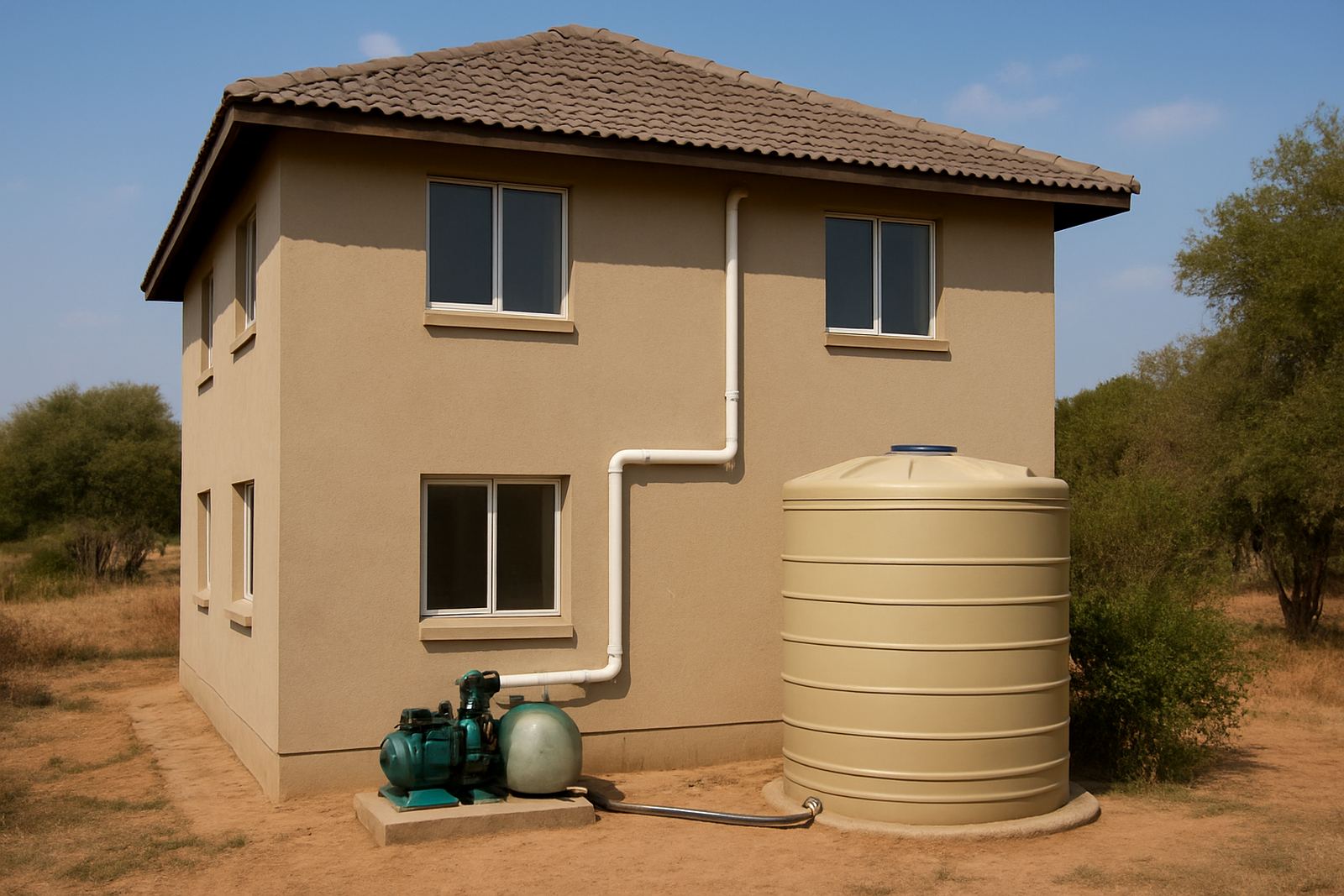
Cleaning a rain tank is not just a matter of emptying it and scrubbing the sides. The safest approach is to isolate the system, remove loose debris, clean the inner surfaces, and flush the outlet carefully so you do not stir up settled sludge again. If the tank is connected to a pump, switch off power at the isolator first and make sure nobody can restart it while work is under way.
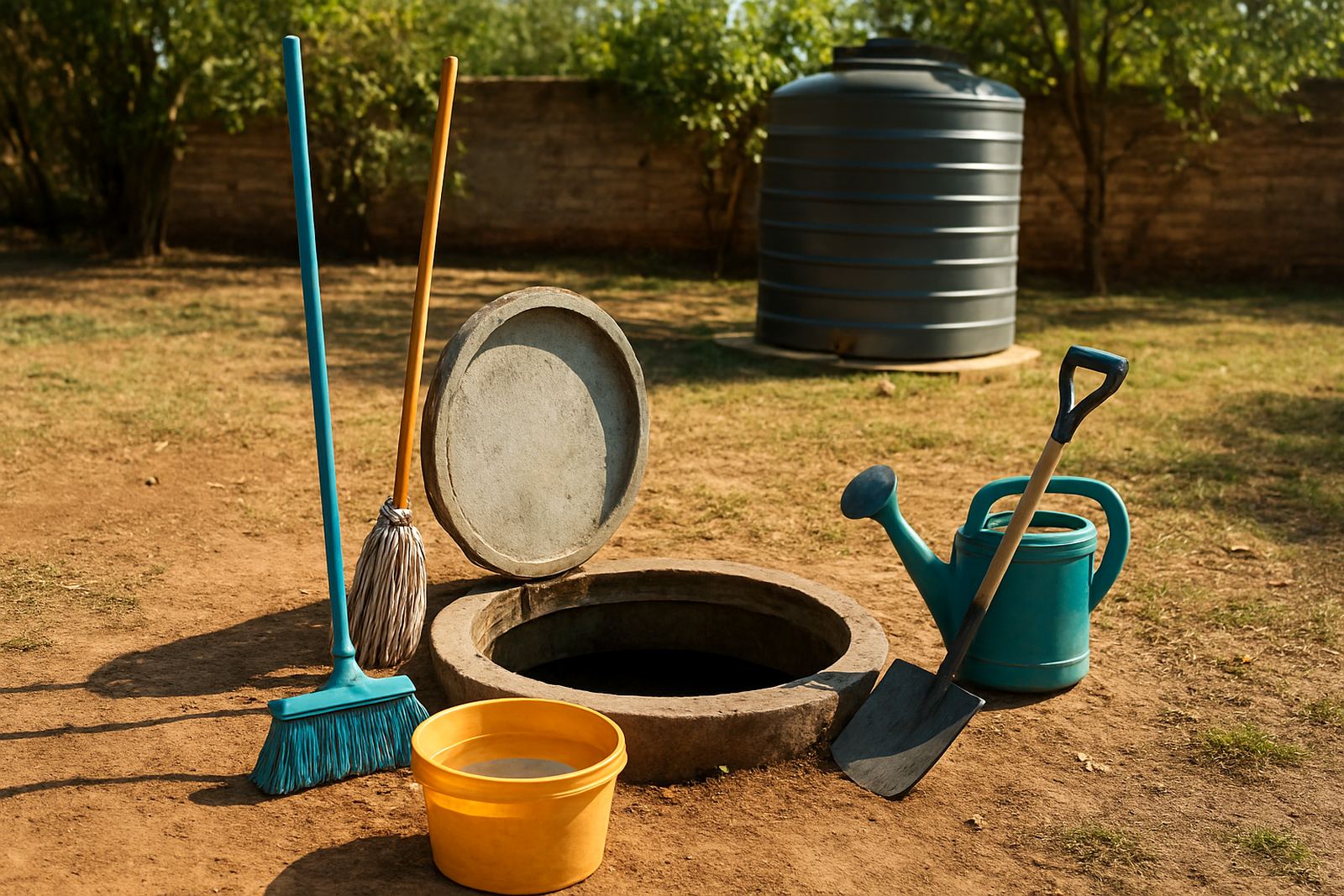
Use soft brushes and non-abrasive tools, because harsh scraping can damage plastic tanks or protective coatings. For most tanks, plain water and physical cleaning are enough. If a sanitising step is needed, it must be done carefully and rinsed properly before the tank is put back into service. Never mix cleaning chemicals, and never use a tank again until the rinse water is clear and the smell has gone.
- Turn off the pump and close the inlet valve if fitted
- Remove leaves, silt and sludge from the base first
- Scrub walls gently from top to bottom
- Flush outlets and filter housings before refilling
- Check lids, vents and seals for gaps while the tank is open
What to look for while the tank is empty
Once the water level is low, the tank tells you a lot. This is the best time to inspect for cracks, weak fittings, loose screens, rust on metal components, or damage to inlet and overflow points. In coastal areas and humid inland spots, fittings can corrode faster than people expect, especially if the tank has not been serviced in a while.
Look at the roof catchment line too. A tank often gets blamed for dirty water when the real problem is a blocked gutter, a broken leaf guard, or a first flush unit that is full of debris. If those parts are not cleaned at the same time, the tank will simply dirty up again after the next rainfall.
It is also wise to test the water if the tank supplies drinking water after filtration. Even if the tank looks clean, water quality can change quickly after contamination from birds, rodents, or dust. A proper check gives you a clear starting point for maintenance and helps you decide whether the problem is the tank, the roof, or the filter line.
A practical example from Brits after the first summer rains
A common situation in Brits is a home or smallholding that goes through winter with low usage, then gets the first good summer rain. The tank fills quickly, but the water turns dull within days because dry-season dust and roof debris were washed in all at once. The family then notices the pump cycling more often, and the filter cartridges clog sooner than expected.
When that happens, the fix is usually straightforward: clean the gutters, clear the first flush unit, empty the tank enough to remove settled sediment, then check the pump strainer and filter housings. On one property, the issue was made worse by a loose lid that let in fine debris during windy weather. Once the lid was sealed properly and the tank was cleaned, the water stayed clear for much longer. Small faults can cause a lot of grief, so it pays to check the whole system not just the tank itself.
How Hydrated supports tank cleaning, servicing and follow-up care
Rain tank cleaning is easier when it is part of a proper maintenance plan. Hydrated works with homes and farms from Brits, Pretoria and Hartbeespoort through to Rustenburg, Bloemfontein and the Western Cape, with support for system checks, filter changes, pump servicing and tank cleaning where needed. That matters when a tank is part of a larger setup, because the tank, pump and filters all affect one another.
If your system has recurring sludge, a weak pump draw, or water that is not lasting as long as it should, it may need more than a quick clean. A site assessment can help with system sizing, installation support, commissioning checks and ongoing maintenance so the tank is easier to manage through load-shedding, dry spells and seasonal storms.
For practical help, clients can reach us through the enquiry form on our contact page. From there, the right next step can be planned based on the tank size, usage pattern and water quality at the property.