Why stock water quality matters before the trough is half empty
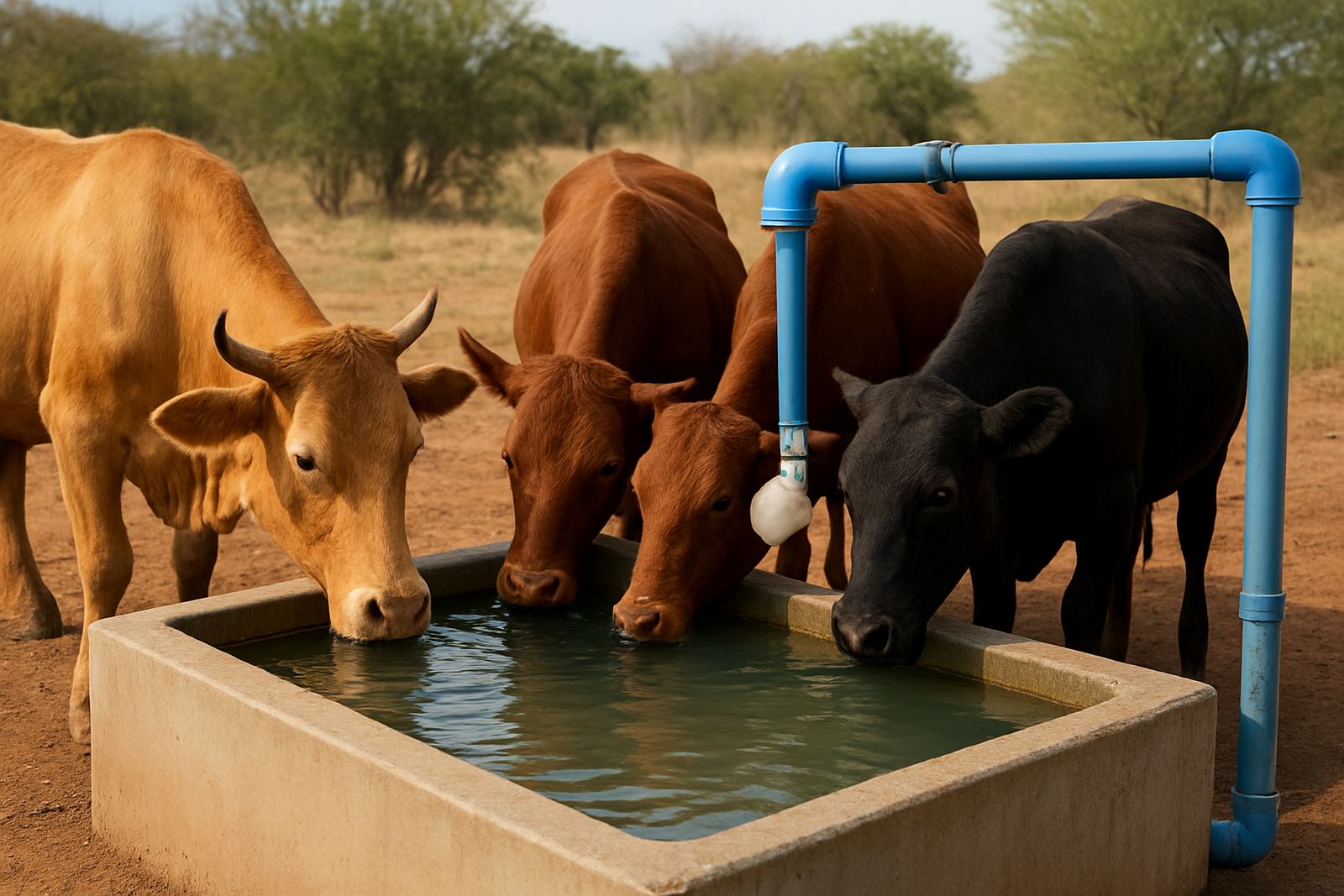
Livestock will drink what is available, but that does not mean the water is doing them any favours. When water carries silt, algae, iron, tannins, farm chemicals or animal droppings, stock often drink less or drink in bursts instead of steadily through the day. That can show up as slower weight gain, reduced milk yield, poor feed conversion and more time spent checking animals that do not seem right.
On mixed farms around Brits, Hartbeespoort and Rustenburg, water quality often shifts with the seasons. Summer storms can push mud into dams and tanks, while winter brings stagnant lines and more mineral build-up. If your cattle, goats, sheep or game are drinking from the same system every day, the water should be checked with the same care as feed storage or fencing. A clean trough is not a luxury, it is part of daily management.
The most common problems in borehole and tank water
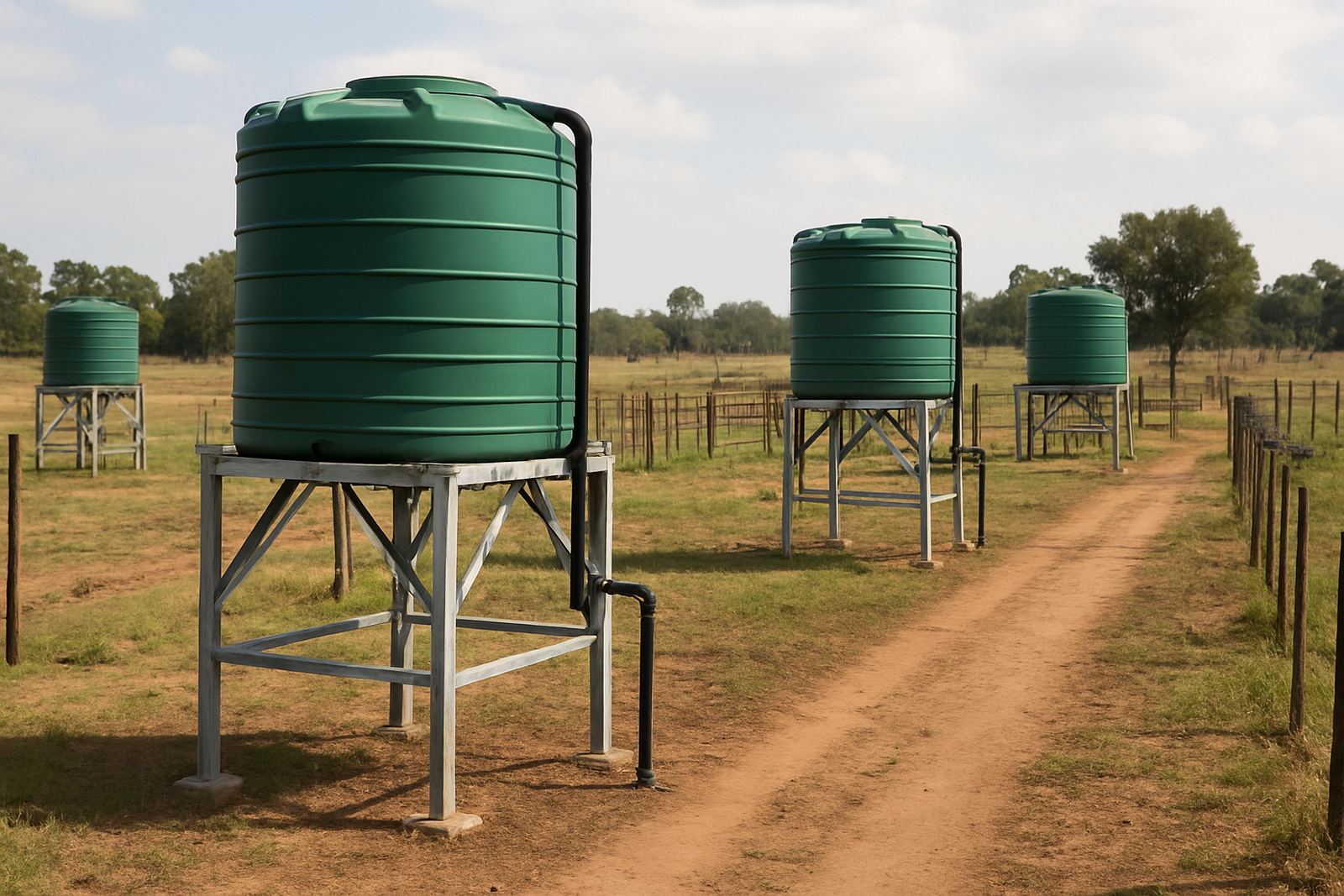
Most stock water issues are not dramatic. They build slowly and are easy to miss until the trough smells off or pumps start working harder than they should. Borehole water may carry dissolved iron, manganese, hardness or fine sand. Rain-tank water can pick up roof dust, bird droppings, leaves and organic matter from gutters and first-flush lines. In coastal areas such as Somerset West and Paarl, salty air and windblown dirt can also affect storage and exposed fittings.
Signs that the water needs attention often show up in practical ways. You may notice slimy trough walls, blocked float valves, a brown stain on fittings, or sediment collecting at the bottom of drums and tanks. In some cases the water looks clear but still smells earthy or metallic, which is why testing matters before guessing.
- Cloudy water after pumping usually points to sand or disturbed sediment
- Green growth in tanks and troughs usually means light and nutrients are getting in
- Rust staining and red-brown water can suggest iron problems
- Bad smell or slime can point to stagnant water or bacterial build-up
What to do on a working farm, not just in theory
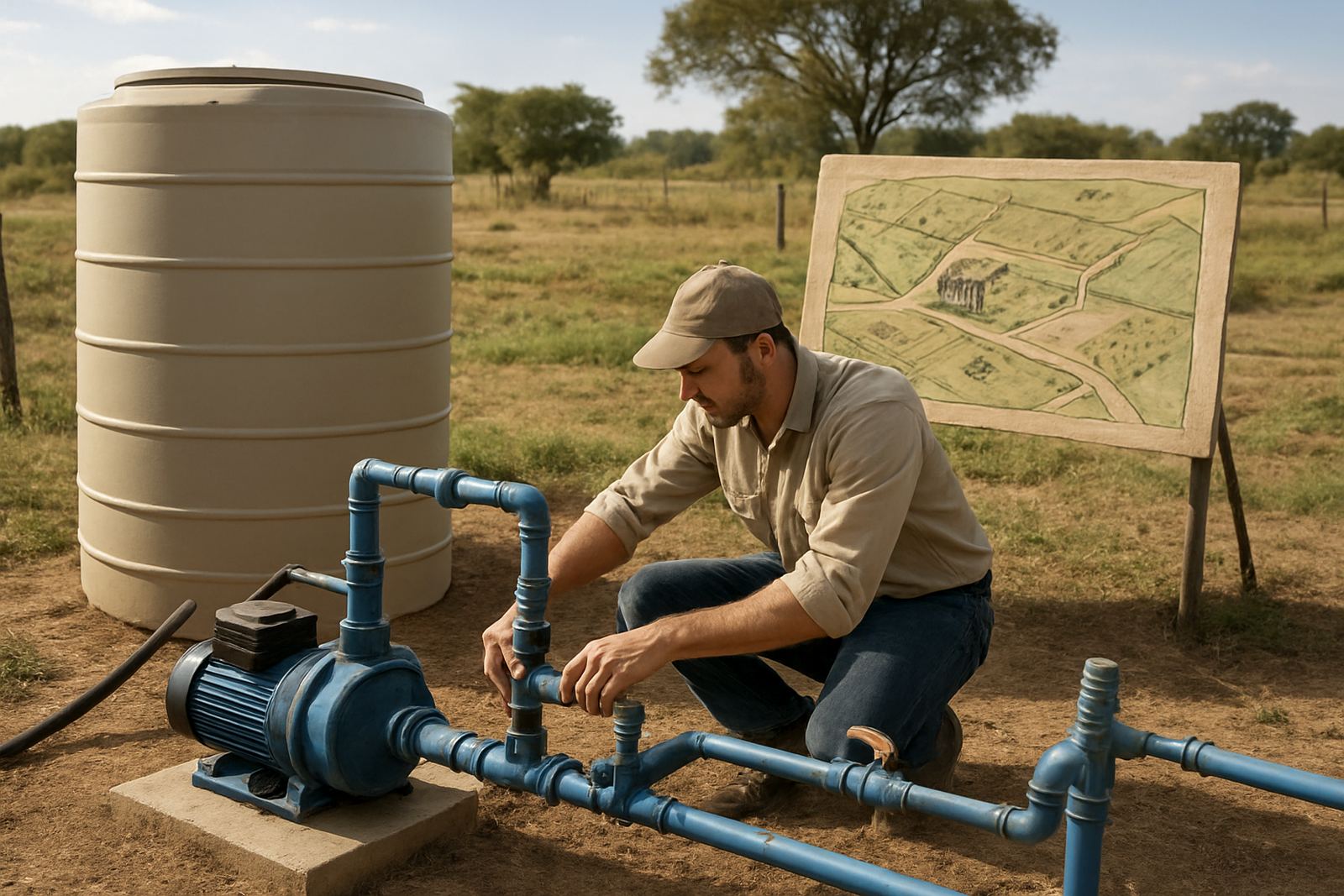
Good livestock water management starts with a simple routine. Check the source, move the water through a suitable filter, keep storage covered where possible, and clean the troughs often enough that sludge does not have time to settle. Where the water is drawn from a borehole, pump performance and pressure should also be monitored. A pump that is starting to fail can stir up sediment, run hot, or leave parts of the herd waiting too long at the trough.
For rainwater systems, gutters and first-flush units need regular attention, especially after dusty spells and bird activity. A tank that is full but dirty is still a problem. Many farmers also forget the last stretch of pipe and the outlet fittings. If a line has been sitting idle for a few days, the first water through should be flushed before animals drink it.
- Inspect tanks, filters and troughs at least once a week during dry months
- Flush stagnant lines after maintenance, power cuts or long weekends
- Clean troughs before slime becomes visible
- Replace filter media and cartridges on a planned schedule, not only when flow drops
Testing water gives you numbers, not guesses
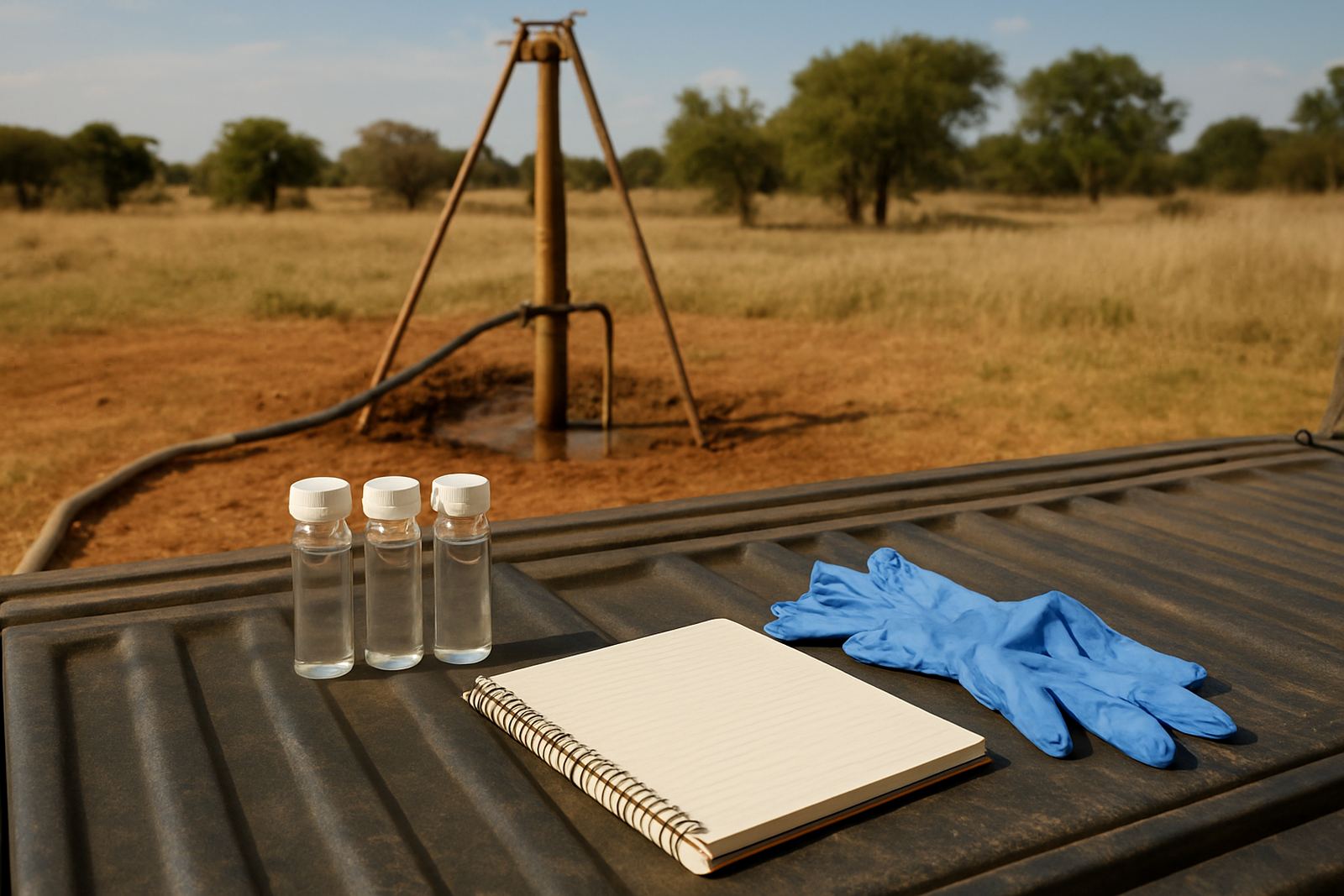
Farm water is often managed by habit, but testing gives a clearer picture. A basic water test can show pH, electrical conductivity, salinity, hardness, iron and bacteriological risk. That helps you decide whether you need sediment filtration, carbon treatment, disinfection or a change in storage practice. It also helps when you are comparing one borehole to another on the same property, because not every source performs the same way.
For farmers in Bloemfontein and the Western Cape, this is especially useful where water comes from different sources during the year. A rain-fed tank may look fine in May and then need a very different approach by late summer. If animals are showing unusual drinking behaviour, it is worth checking the water before spending money on feed changes or veterinary follow-up. The answer is sometimes in the tank, not the herd.
Test results are also useful when planning new infrastructure. If the borehole water is hard or carries fine sediment, the right filter stages can be built into the system from the start. That is cheaper than fixing repeated blockages later.
How cleaner water helps daily farm management run better
When water quality improves, the whole routine becomes easier. Animals drink more consistently, trough cleaning takes less time, and pump faults often reduce because the system is not fighting debris all the time. That matters on farms where labour is stretched and loadshedding can already interrupt pumping, pressure and filtration cycles. A system that is clean and sized properly is simply easier to live with.
There is also a practical link between water quality and record keeping. If you are tracking stock condition, calving, lambing or feed intake, clean water removes one of the variables. You are less likely to mistake a water issue for a feeding issue. On larger operations, better water control can also reduce wastage where trough overflows, leaks or blocked valves are costing litres each day.
In and around Brits, one cattle farm shifted from irregular tank cleaning to a planned monthly routine with filters, trough checks and pump servicing. The owner said the biggest change was not only the water itself but the time saved each week. Fewer small emergencies meant more time for feeding, dipping and moving stock. That kind of improvement is modest on paper but very real in practice.
Choosing the right setup for your herd and your site
There is no single water setup that suits every farm. A smallholding near Pretoria may need a simple borehole kit with filtration and a few troughs, while a larger livestock unit outside Rustenburg may need a more carefully planned system with storage, pressure control and maintenance access. The right answer depends on herd size, daily demand, water source, pipe runs and how far the water has to travel across the property.
Before ordering equipment, think about these points:
- How many animals drink from the system each day
- Whether the source is borehole, rain tank or a mix of both
- How often the water will need filter changes or tank cleaning
- Whether power cuts affect pumping times on your farm
- How easy it is to access tanks, valves and troughs for maintenance
At Hydrated, the focus is on practical water systems that suit South African conditions, from farm use in the North West to delivery into Pretoria, Hartbeespoort, Bloemfontein and the Western Cape. The aim is straightforward: help you move, clean and use water in a way that supports the stock you depend on.
A simple maintenance habit saves a lot of trouble later
Livestock water quality is not a once-off job. It is a routine of checking, cleaning and testing that protects animal health and keeps daily operations steadier. The good news is that most of the work is manageable if it is done consistently. Clean gutters, clear filters, clean troughs, and a tested source can prevent a long list of problems that are far more expensive to fix later.
If your farm water has not been checked in a while, start with the basics. Look at the source, inspect the storage, test the water and clean the points where animals drink. Small improvements usually make a bigger difference than expected, especially when stock depends on the same system every day. A few minutes of attention now can save hours of trouble later, and a lot of unnecessary stress.