
Why smallholdings need a different water plan
A smallholding is not a suburban home and it is not a full-scale commercial farm either. It sits in the middle, which means the water system has to cope with showers, kitchen use, washing down yards, irrigation, stock troughs and maybe a tank for backup when municipal supply is unreliable or load-shedding interrupts pumping.
That mix changes the way you size the system. A family of four may use one part of the day while a garden tap or sprinkler runs in the early morning and the workshop needs water later. If you add a few hectares, a veggie patch or horses, the peak demand can shift quickly and a small pump that seems fine on paper can fall short by lunch time.
- Domestic demand: showers, toilets, laundry and kitchen use
- Outdoor demand: garden irrigation, yard cleaning, livestock watering
- Backup demand: storage for outages, pump interruptions and dry spells
Start with the source, not the pump
Many people begin with the pump size, but the source matters first. A borehole should be tested for yield and water quality before the rest of the system is fixed in place. Rainwater can be a valuable supplement, but in dry months you still need enough storage and a practical way to move water where it is needed.
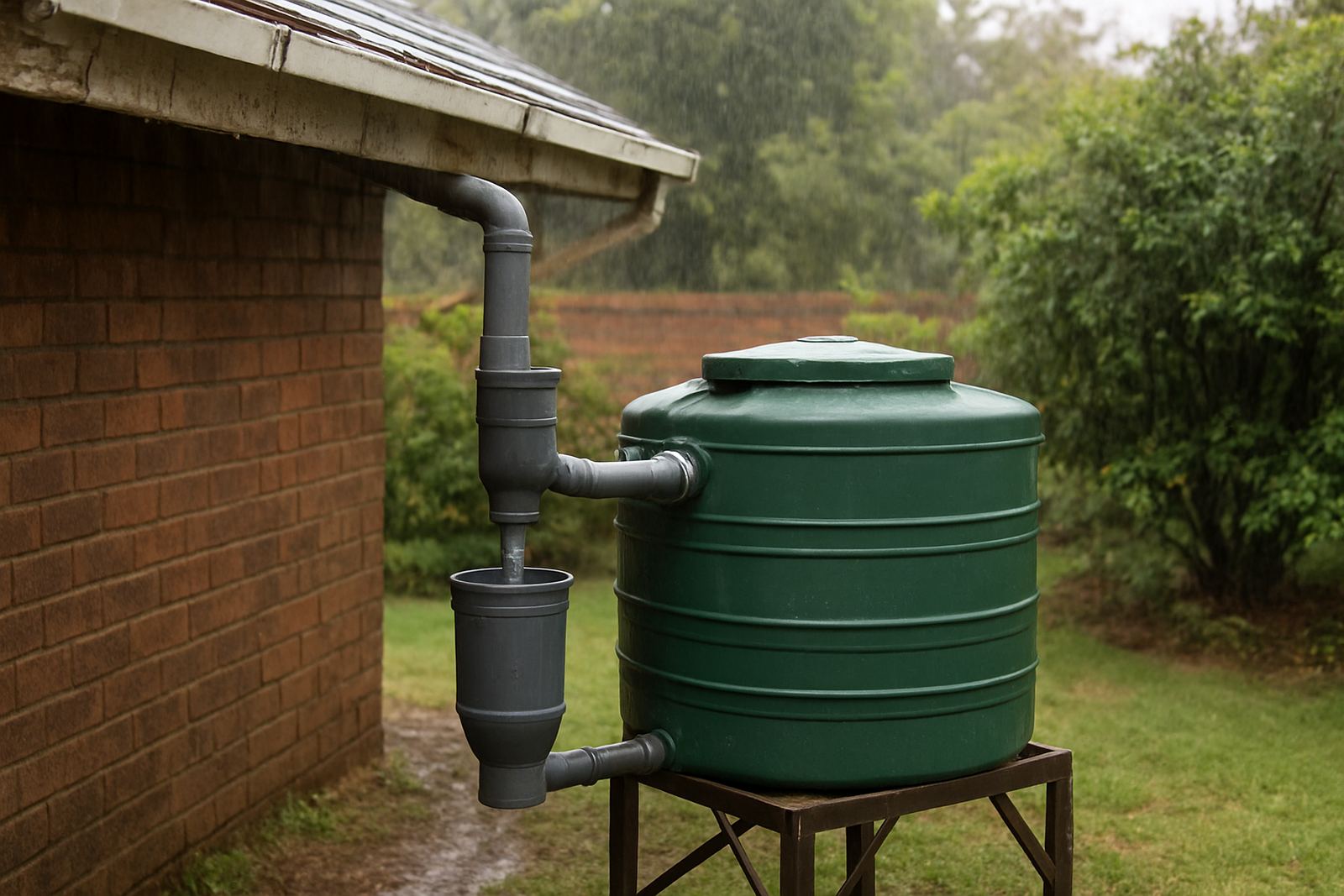
For smallholdings around Brits, Hartbeespoort and Rustenburg, a borehole often carries the base load for the house and tanks. In places with strong seasonal rain like the Western Cape, a rain-tank system can do a lot for gardens and washing tasks, yet a filter and storage plan is still needed because roof dust, bird droppings and first-flush water can affect quality.
- Check borehole yield before choosing tank size or pump capacity
- Match tank storage to daily demand and dry-season cover
- Test water for iron, sediment, bacteria or taste issues
It is tempting to overspec everything, but that drives up cost and power use. A better answer is to size each part properly so the system works every day not only in ideal conditions.
Domestic comfort and farm work can share one system
A good smallholding setup allows the house and outdoor work to share one supply without constant pressure swings. That means a pressure tank, sensible pipe sizing and proper zoning if the garden, stock area and home are all on the same line. It also means thinking about what must keep running during an outage and what can wait until the pump is back on.
One common mistake is treating all taps the same. A kitchen tap, a sprinkler line and a trough fill point do not need the same pressure or flow. By separating demand points, the system stays steadier and the pump is less likely to cycle too often which shortens its life.
- Keep household taps on a stable pressure line
- Use separate lines or valves for irrigation and livestock
- Include shut-off points for easier fault finding
On a working property, small details matter. If the delivery vehicle cannot reach the tank stand, or the pump room is cramped and damp, servicing becomes harder and costs go up over time. Good planning at the start saves a lot of trouble later.
Filtration is not optional when the water has to do more
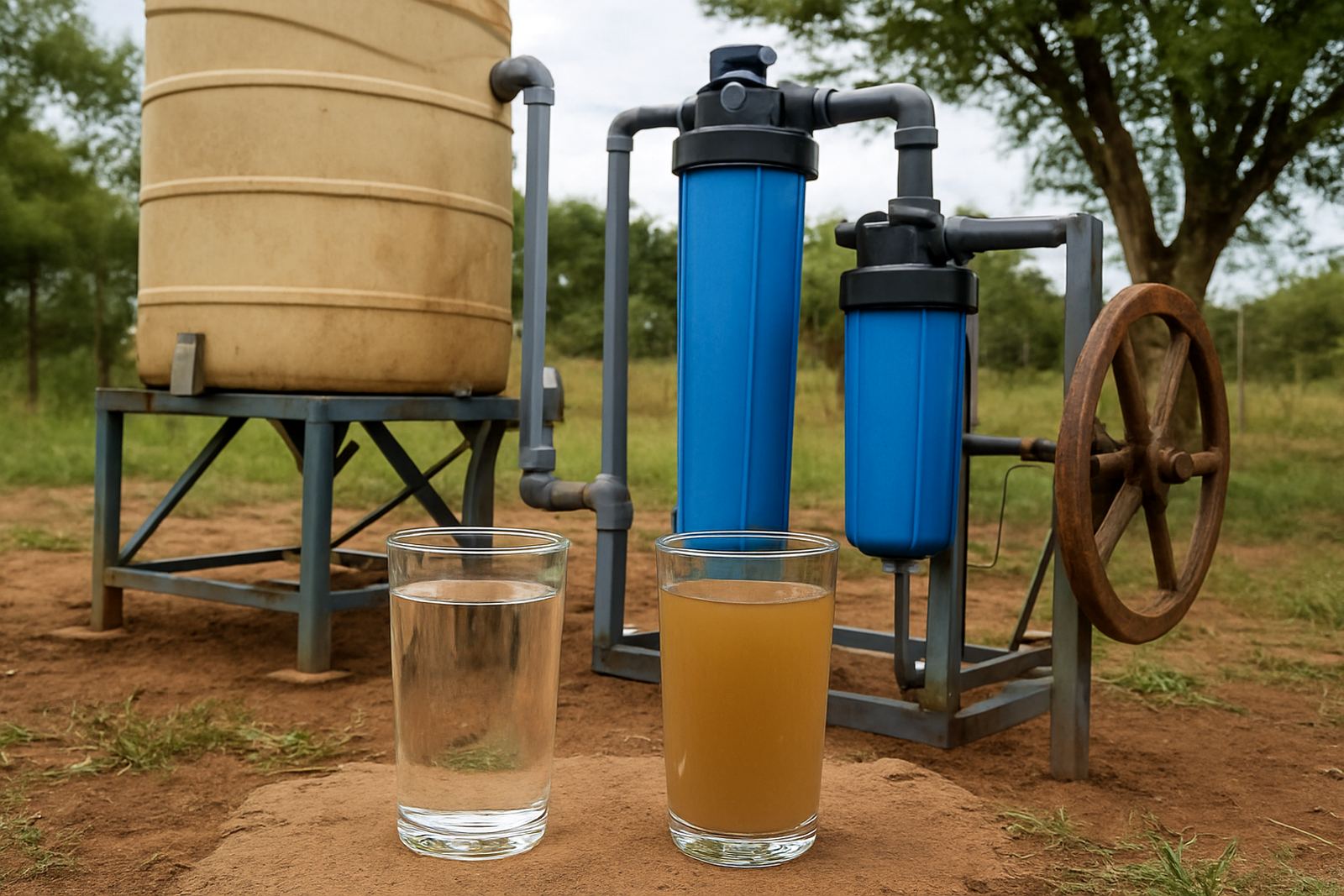
Smallholdings often need water for people and for equipment. That means filtration is not only about taste, it is about protecting pipes, valves and pump parts. Sediment, sand and mineral build-up can block sprinklers, strain washing machines and reduce the lifespan of heaters and fittings.
Where water is used for drinking or food preparation, the filtration stage must be chosen carefully. A basic sediment filter can handle grit, while finer filtration is used where clarity and smell are a concern. If the water is drawn from a borehole, regular testing is the sensible way to know whether treatment needs to change.
- Use sediment filtration to protect pumps and plumbing
- Add finer filtration where household use requires cleaner water
- Plan for easy filter changes so maintenance does not get skipped
In coastal areas like Somerset West and Paarl, water storage also needs attention to heat, algae and tank cleanliness. A covered tank and regular cleaning help keep the system in better condition. Skipping these checks can cause trouble quickly, especially when water stands for long periods.
Power cuts, weather swings and storage gaps
Across South Africa, the practical challenge is not only supply but reliability. Load-shedding can stop pumps at the wrong time, summer heat can lift demand, and winter dry spells can leave tanks lower than expected. A smallholding setup should be able to ride through those changes without panic.
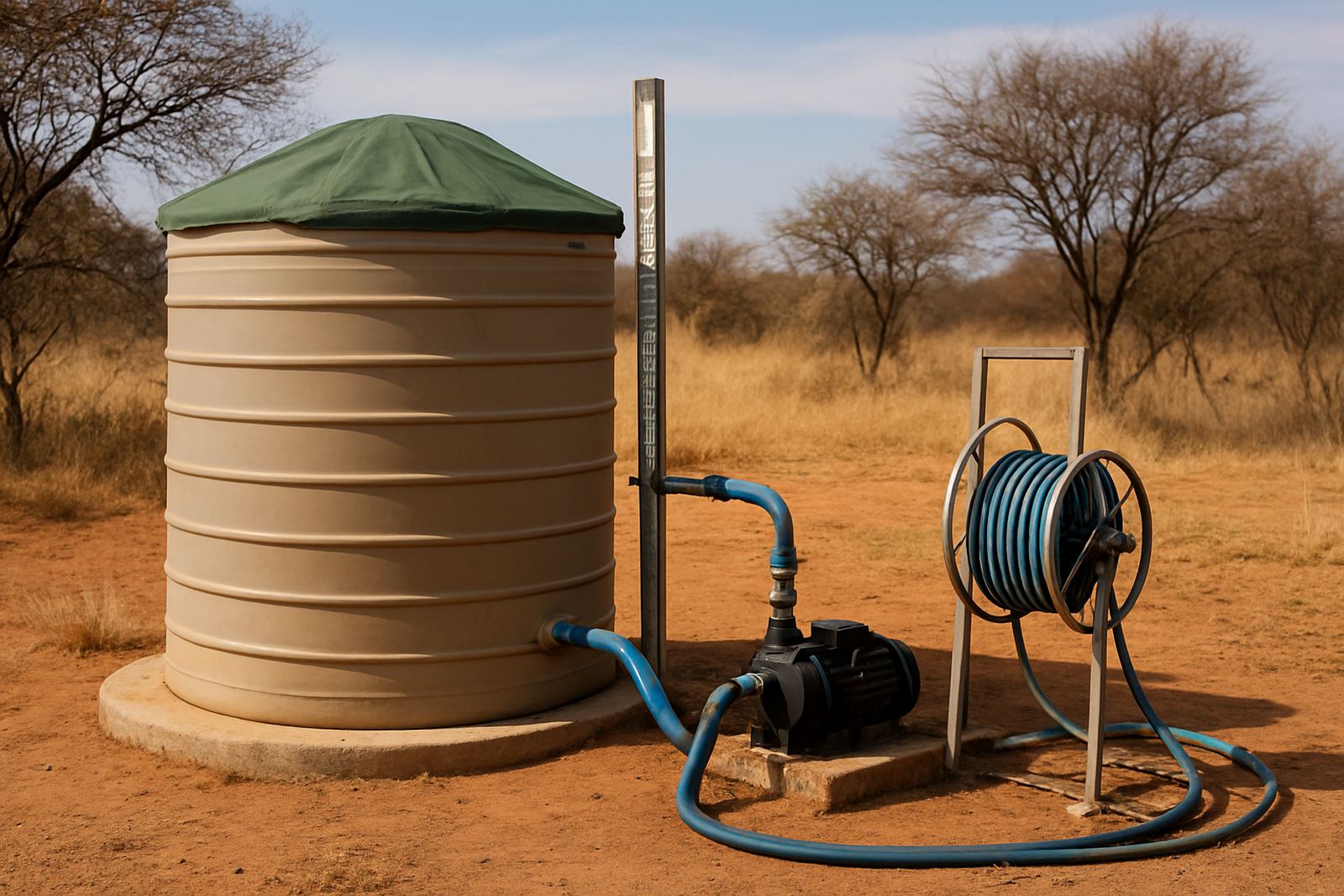
Storage is the buffer. It gives you time when the borehole is off, when electricity is out, or when rain has not come for a few weeks. But storage only helps if it is connected to the right controls. Float switches, pressure switches and proper pump protection can stop dry running and prevent damage when the level drops too far.
- Use storage to bridge outages and peak use periods
- Fit protection against dry running and low water levels
- Inspect switches and controls during annual maintenance
For farms near Bloemfontein or the North West where conditions can swing from very dry to heavy rain, maintenance is not a once-off job. A simple inspection before the season changes can catch leaks, weak fittings or a pump that is starting to lose pressure.
A practical example from a smallholding outside Brits
Consider a mixed-use smallholding outside Brits with a family home, a few horses, a vegetable patch and a workshop. The owners wanted enough water for daily living, but also reliable supply for cleaning stables and watering plants during the heat of summer. Municipal water was not dependable enough on its own, so the setup had to do more than just fill a tank.
The solution was a borehole supply with storage, filtration and clear separation between domestic and outdoor lines. That allowed the household to keep normal pressure indoors while the outdoor taps handled heavier use at different times of day. The system also included service access for filter changes and pump checks, which is a small thing until the first fault appears.
- Household supply kept stable for daily use
- Outdoor lines set up for heavier, timed demand
- Service points planned for easier maintenance
What made the difference was not one big part but the way all the parts worked together. The system was sized around real use, not guesswork. That is usually the point where smallholding owners see the most value, because they stop chasing leaks, pressure drops and cloudy water every other week.
What to ask before you buy a kit
Before choosing a borehole, rain-tank or filtration kit, ask what the property actually needs on an average day and on a bad day. The answer should include household use, outdoor use, seasonal change and the local water source. It should also include who will install, test and maintain the system after delivery.
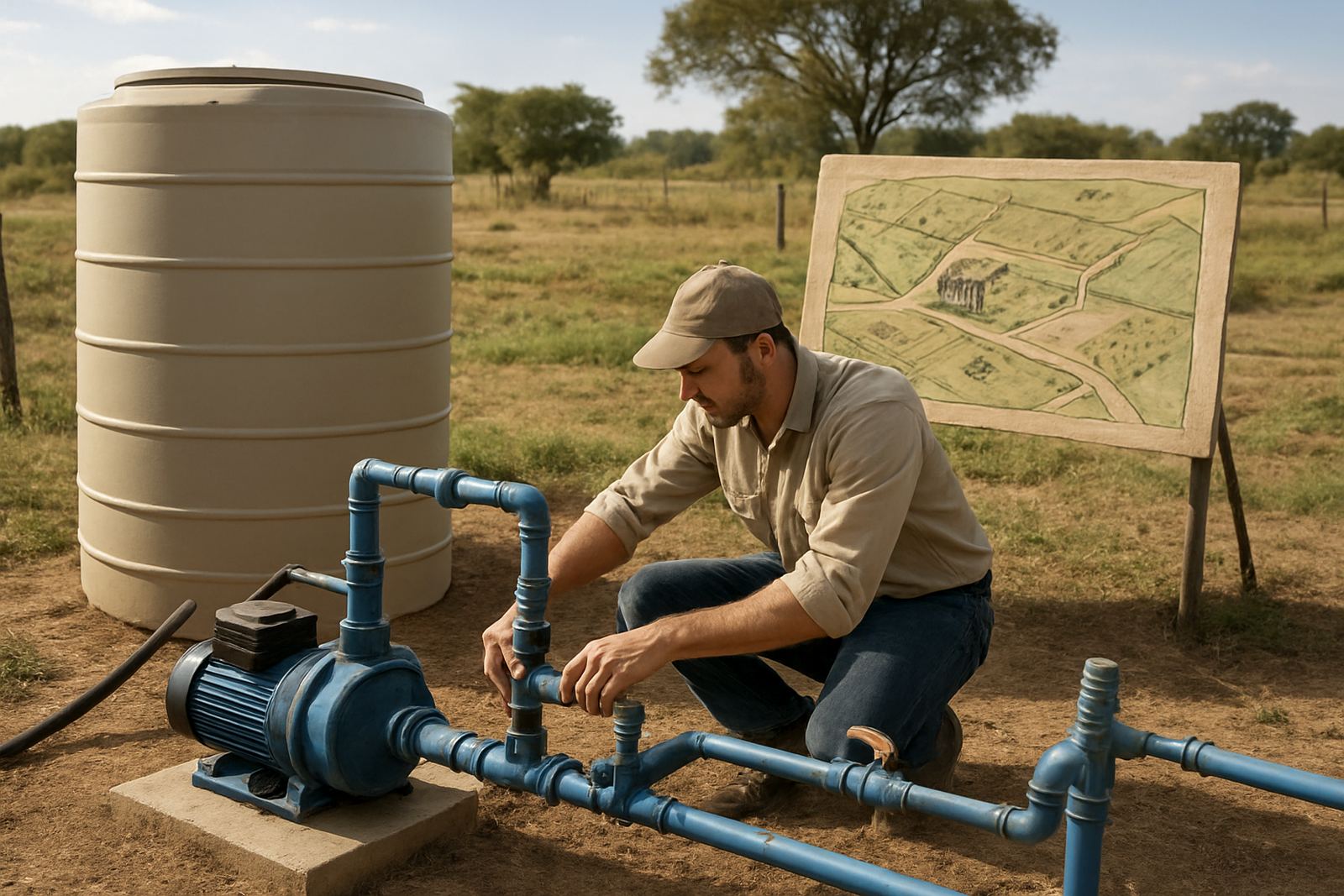
At Hydrated, the process starts with site assessments, system sizing and kit assembly, followed by delivery coordination and installation support. For smallholdings, that practical order matters because no two sites are the same. A setup for Hartbeespoort may differ from one in Rustenburg or the Western Cape, depending on the source, distance, elevation and daily demand.
Good water planning is not about buying the biggest tank or the strongest pump. It is about matching supply to use so the property keeps working, rain or shine. And if the water is treated well from the start, the whole place runs easier, with less waste and fewer callouts.