
Why a check valve matters in a South African water system
A check valve is fitted to stop reverse flow. When a pump stops, water in the line wants to fall back through the pipe or drain away, especially on vertical borehole lines and long runs to tanks or houses. Without a check valve, that backflow can cause pressure loss, water hammer, pump short cycling and extra strain on fittings.
In places like Brits, Hartbeespoort and Rustenburg, where many properties rely on boreholes and storage tanks, this small part helps keep the system steady during load-shedding or brief outages. It also helps prime the line in certain setups, so the pump does not have to start from scratch every time.
Think of it as a one-way gate in the plumbing. It does not create pressure on its own, but it protects the pressure you already have. On farms and homes alike, that matters when you are trying to keep a tank topped up and a filtration line stable.
Where a check valve belongs in the system
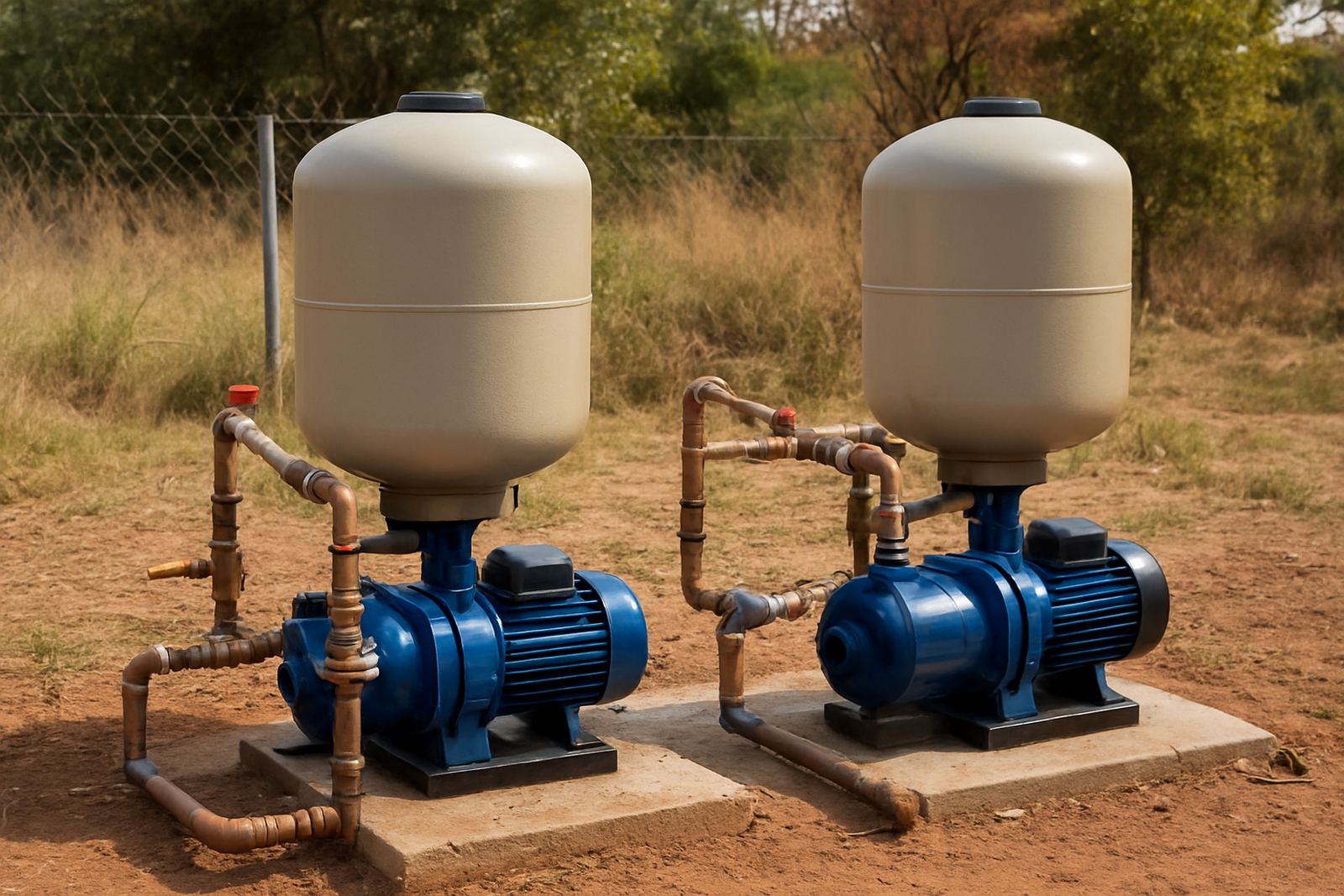
Placement depends on the layout, the pump type and the pipe length. In many borehole systems, a check valve sits near the pump or is built into the pump line so water cannot drain back into the borehole. On booster systems, it may be installed on the discharge side to hold pressure in the line.
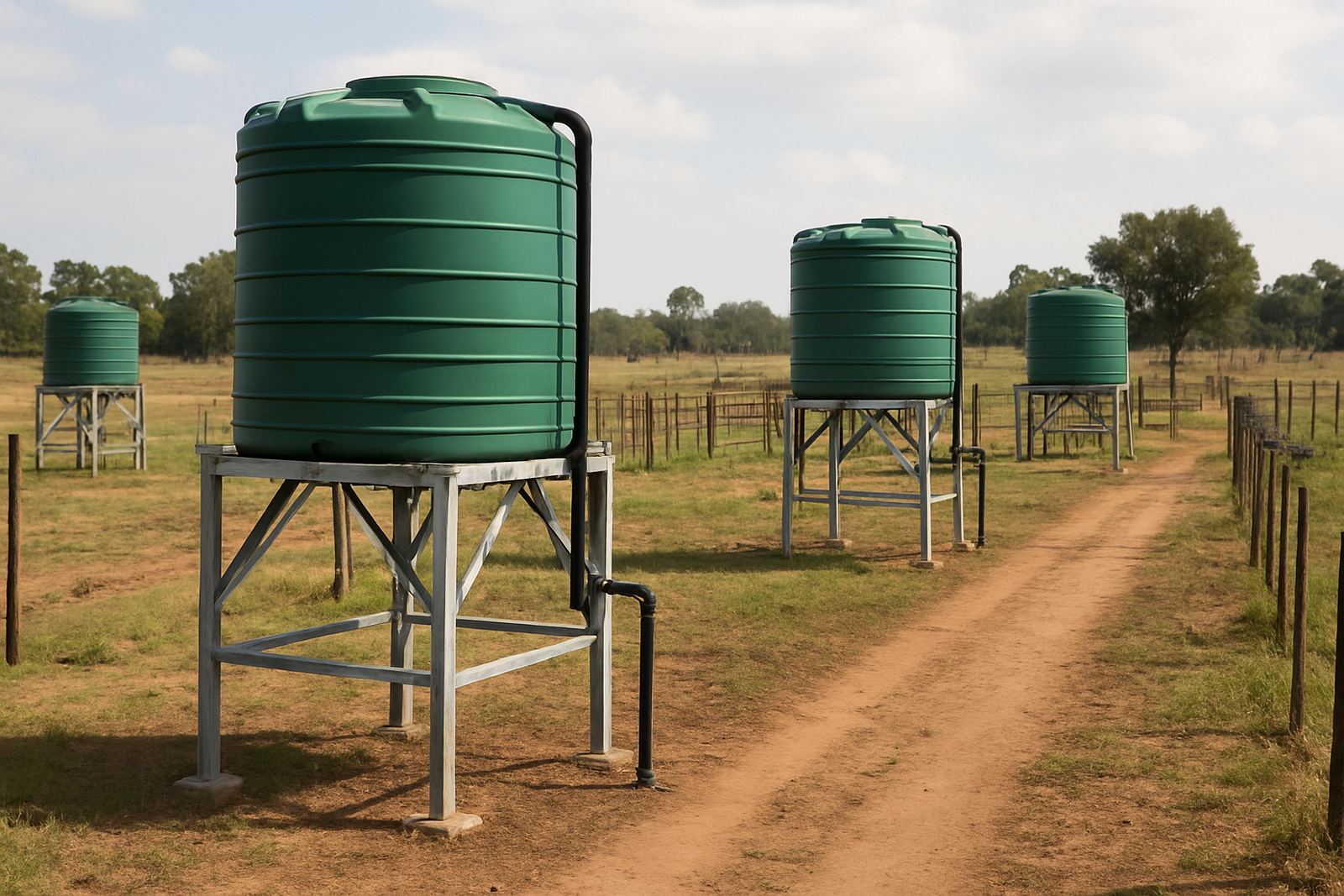
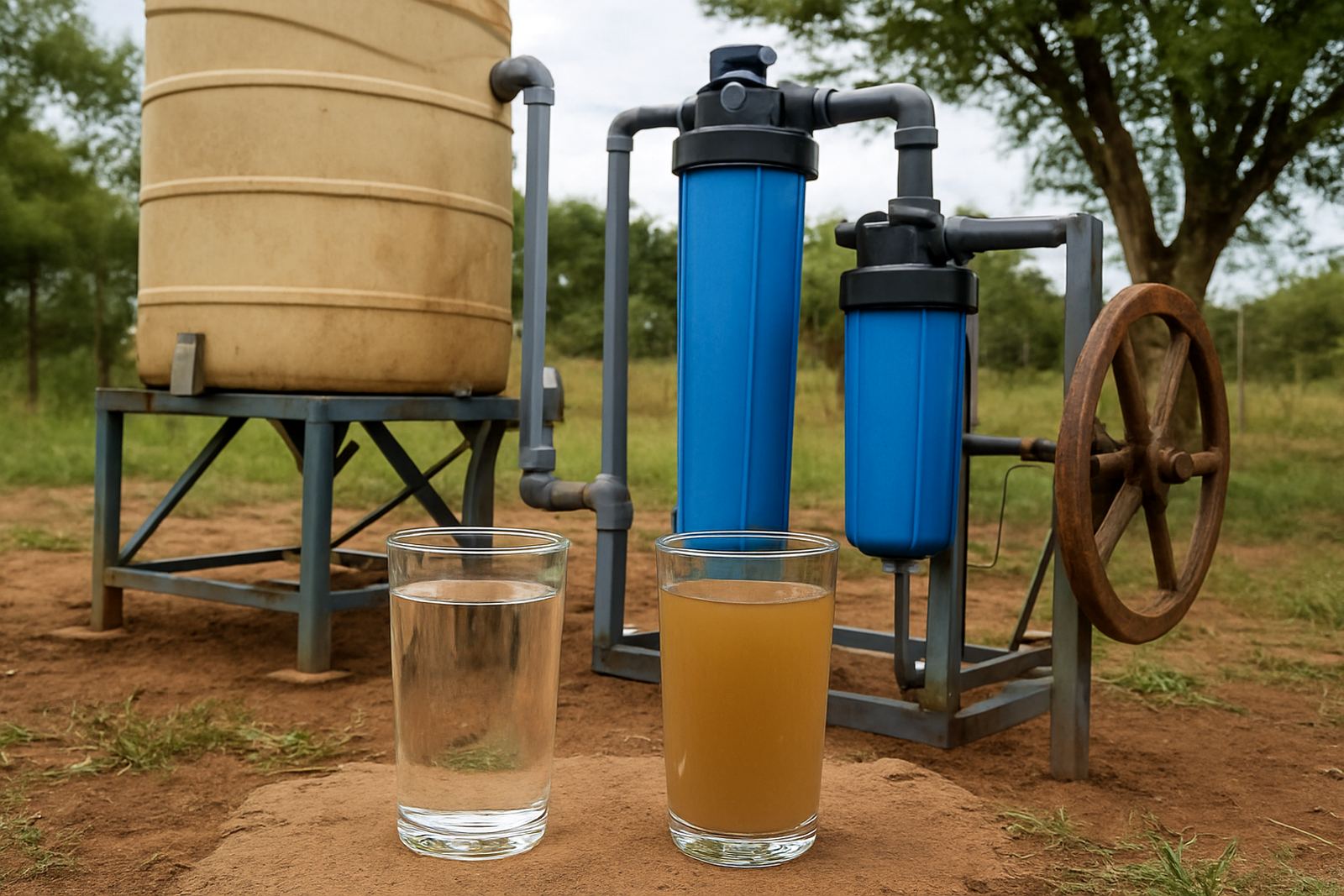
For rain-tank systems, a check valve can help stop backflow from the house plumbing into the tank line, especially where a transfer pump or pressure pump is used. In filtration setups, it may be fitted to keep treated water from moving backwards through the filter media or membrane housing. That protects the system and keeps readings more stable during maintenance.
- At the borehole pump outlet to prevent water draining back down the shaft
- On the discharge side of a pressure pump to hold line pressure
- Before or after treatment equipment where reverse flow would disturb the system
- On long delivery lines where the water column needs to stay in place
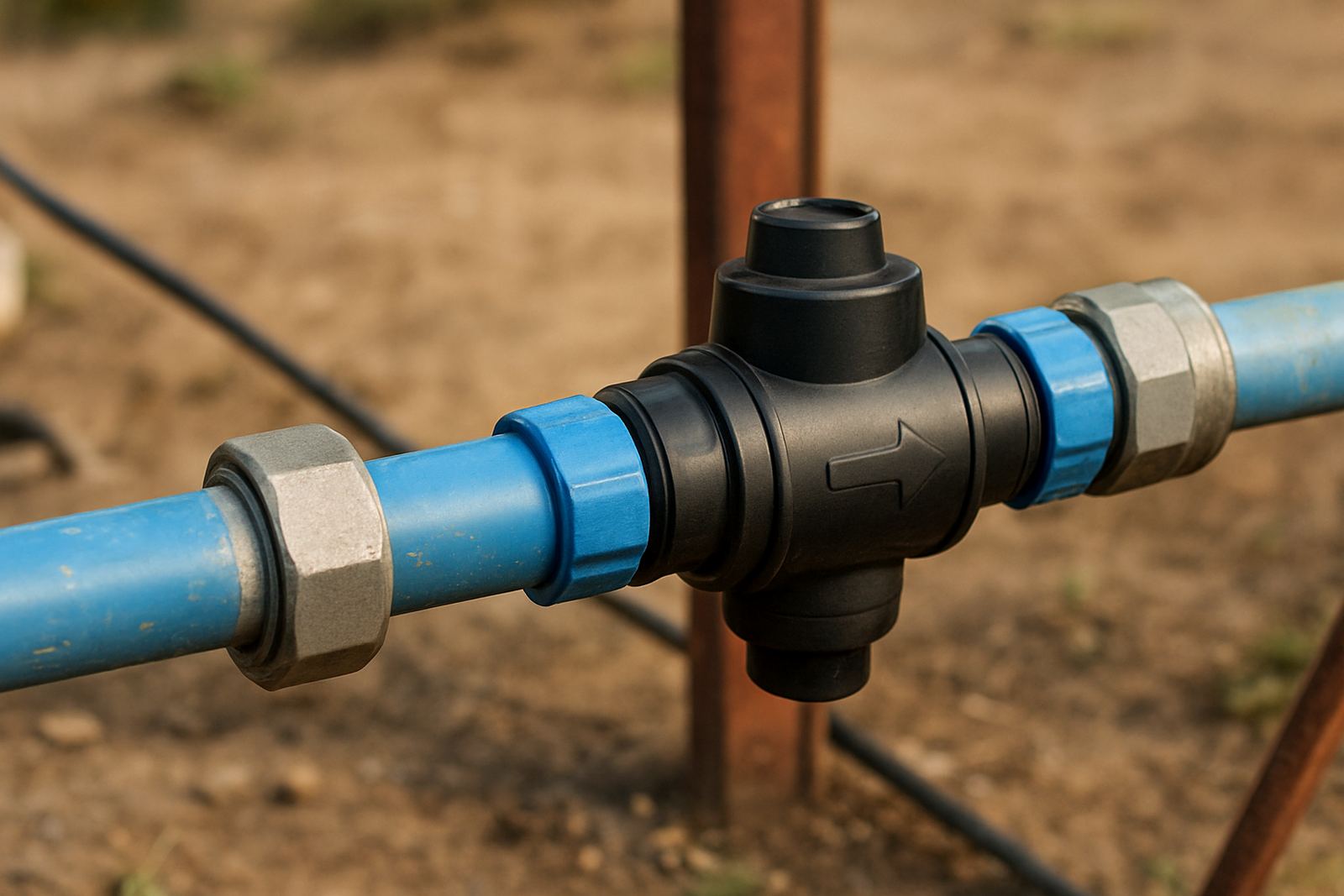
If the valve is fitted in the wrong position, it can cause noise, restriction or premature wear. The direction arrow on the valve body must match the flow direction. That sounds basic, but it is one of the most common faults we see during site assessments.
What a check valve prevents day to day
The main benefit is preventing backflow, but the knock-on effects are just as important. A system without proper non-return protection can lose prime after each shutdown, which means the pump has to work harder on restart. That is hard on motors, seals and pressure switches. It can also cause water hammer, which sounds like banging pipes and can loosen fittings over time.
Here is what a correctly placed check valve helps prevent:
- Water draining back into a borehole or tank line
- Loss of pressure in the house or irrigation system
- Reverse spin or strain on pump components
- Air entering the line after shutdown
- Noise and pipe movement when the pump stops suddenly
In coastal areas such as Somerset West, Paarl and Stellenbosch, where humidity can be high, keeping the system stable also reduces the chance of repeated wet-dry cycling around fittings and unions. That does not sound dramatic, but over time it helps the whole installation last longer.
Signs the valve is missing, faulty or fitted badly
When a check valve is failing, the system often tells you. Pressure may drop quickly after the pump switches off. The pump may start more often than it should. You might hear a chattering sound in the line, or notice that the system takes longer to recover after a power cut. In some cases, water can even run backwards through the pump body.
Look out for these common signs:
- Pressure gauge falls to zero too fast after shutdown
- Pump restarts every few minutes without water use
- Gurgling or knocking in the pipework
- Air at taps after the system has been off
- Uneven flow from filters or irrigation zones
It is worth checking whether the valve is blocked by grit, scale or debris. In borehole water, fine sand and mineral build-up can affect the valve seat. A quick fault finding visit can save a pump from unnecessary wear, and sometimes the fix is as simple as cleaning or replacing a worn insert.
How check valves fit into borehole, rain-tank and filtration kits
Hydrated supplies kits for homes and farms, so the valve choice and position depend on the system. A borehole kit may need one arrangement, while a rain-tank setup feeding a house in Pretoria may need another. A filtration system in Bloemfontein can call for different pressure protection to suit the flow rate and filter stages.
During system sizing and kit assembly, the valve needs to be matched to pipe size, flow rate and expected pressure. A valve that is too small can restrict flow. One that is too light for the job may not seal properly. For farm use, where delivery distances can be longer and tank levels change through the day, the installation should also allow for maintenance access. You do not want to strip half the line just to replace a small part.
In many cases, a good installation plan includes more than one protective item. A check valve may work alongside pressure control, isolation valves and a filter arrangement that makes it easy to do annual maintenance. That is practical on both smallholdings and full-scale agricultural sites.
A simple local example from a farm outside Brits
A common callout in our area is a borehole feeding a storage tank, then a pressure pump supplying the house and staff quarters. On a farm outside Brits, the owner noticed the pump starting too often after outages. The tank was filling, but the line kept draining back and the pressure dropped overnight.
After a site assessment, the system was checked for valve placement, pipe slope and possible air leaks. The issue was not the borehole yield at all. The check valve near the discharge line was worn and not holding backflow properly. Once it was replaced and the line re-commissioned, the pump cycle stabilised and the pressure stayed in place much better through the night. That saved power and reduced wear on the pump.
This is why check valve purpose is not just theory. On real South African sites, the right placement can make the difference between a system that keeps up and one that wastes time, water and money.