
Why upstairs and far taps lose pressure
When water has to travel further, rise to a second floor, or pass through too many bends and small pipes, pressure drops. In many North West homes the problem shows up after a rain-tank is added, or when a borehole line feeds a house, a cottage and an irrigation point from one line.
People often blame the pump first, but the real issue can be friction loss in the pipework, a clogged filter, or a pressure setting that was never matched to the house. In coastal areas like Stellenbosch or Somerset West, scale and sediment can also build up faster if the water treatment is not checked regularly.
- Long pipe runs reduce pressure at the furthest tap
- Small pipe diametre causes flow restriction
- Too many filters or elbows can slow delivery
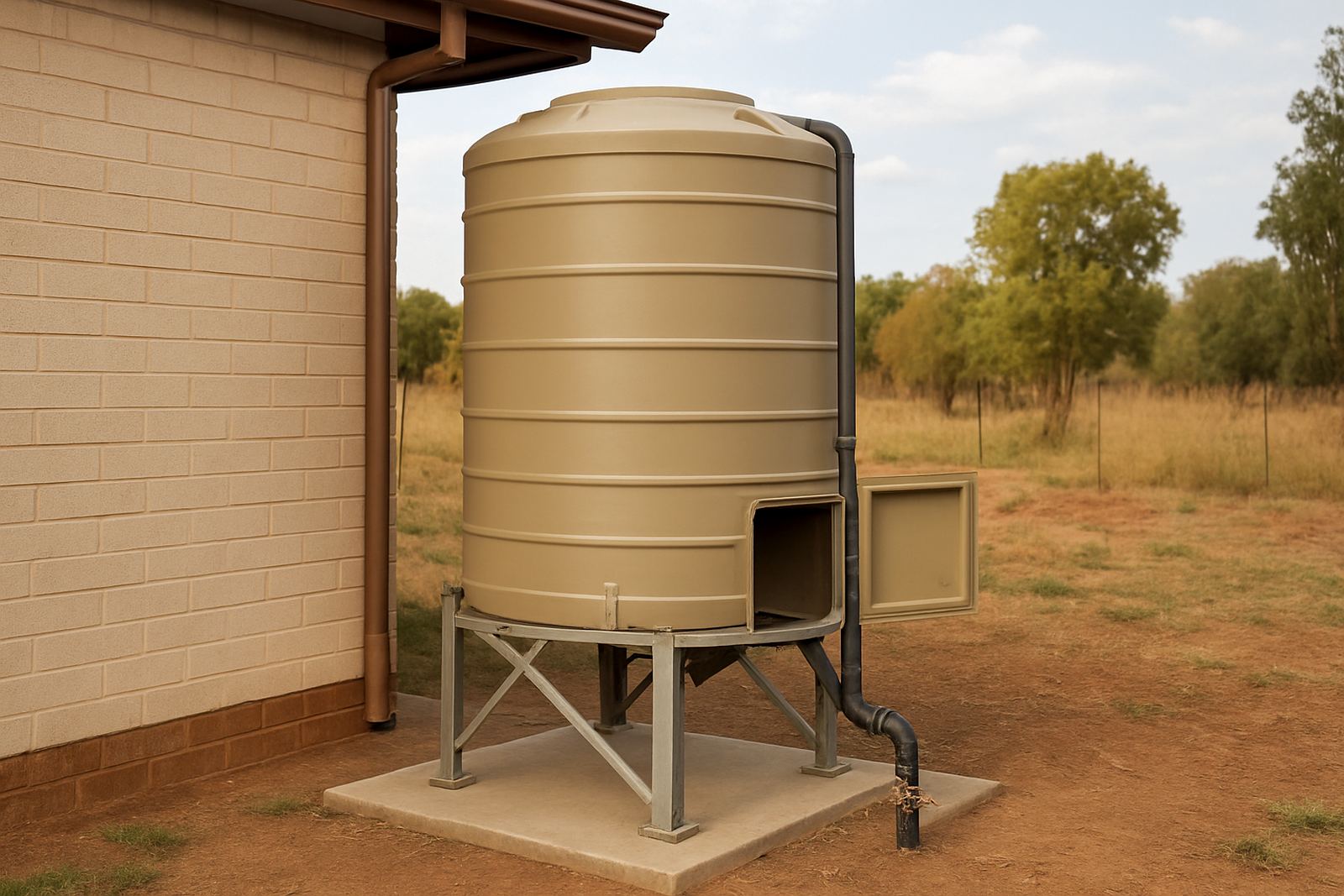
- A tank placed too low gives less natural pressure
Start with the system you already have
Before buying extra equipment, it helps to look at the full water path from source to outlet. A simple site assessment can show whether the issue is the pump, the tank height, the pressure switch, or the way the lines are split between bathrooms, kitchen and garden use. This is especially useful in homes with upstairs bathrooms and a detached flatlet.
At Hydrated we often find that a small change to system sizing can do more than a bigger pump. For example, a 25 mm line on a short run may be fine for one tap, but not for a house with two showers running at once. On farms outside Rustenburg or Brits the same rule applies when a domestic line shares supply with animal troughs or wash-down points.
- Check the pipe size from tank or borehole to the house
- Look for filters that are overdue for changing
- Test pressure at the highest bathroom and furthest tap
- Confirm whether the current pump is meant for domestic use or transfer only
Pump options that help lift water upstairs
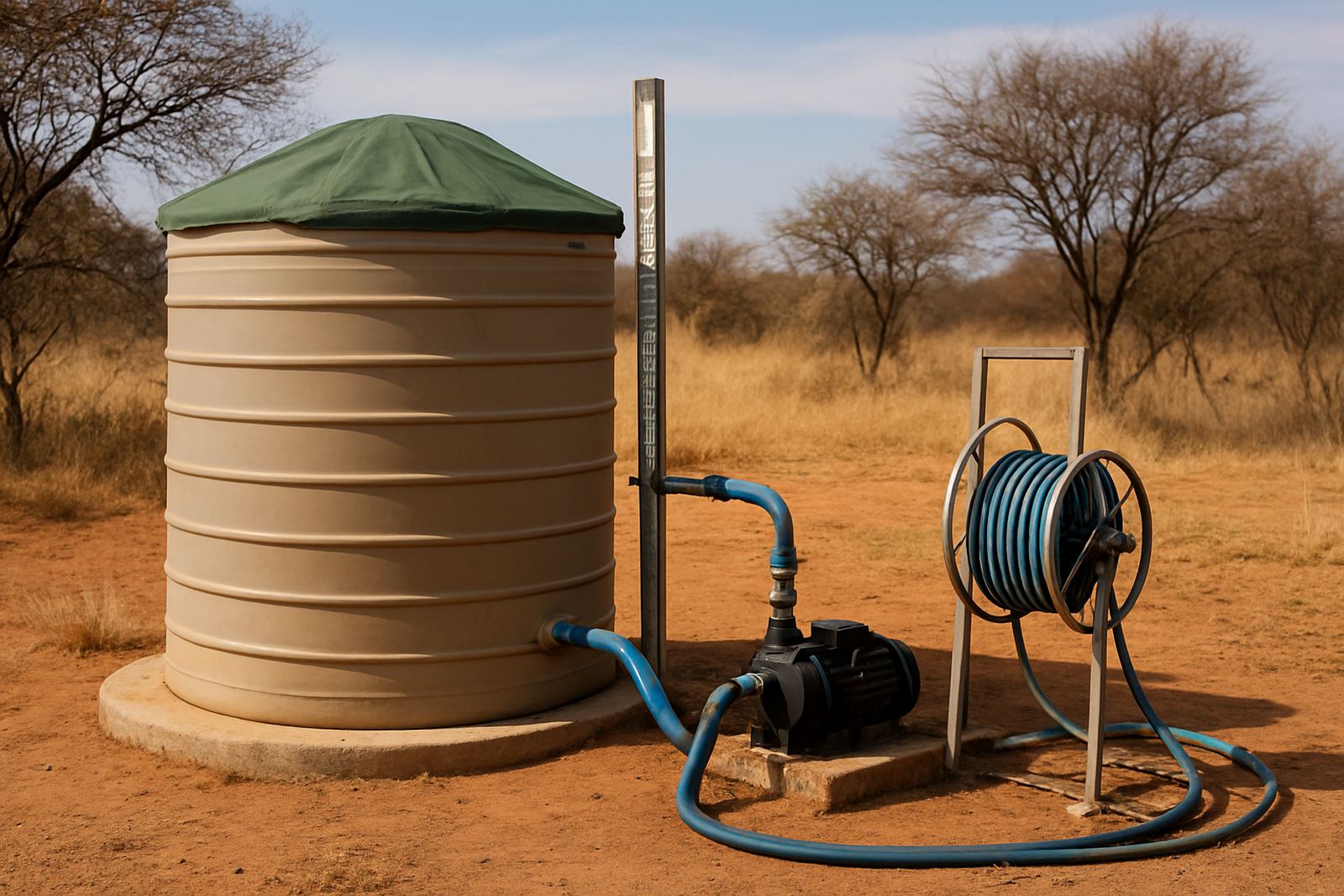
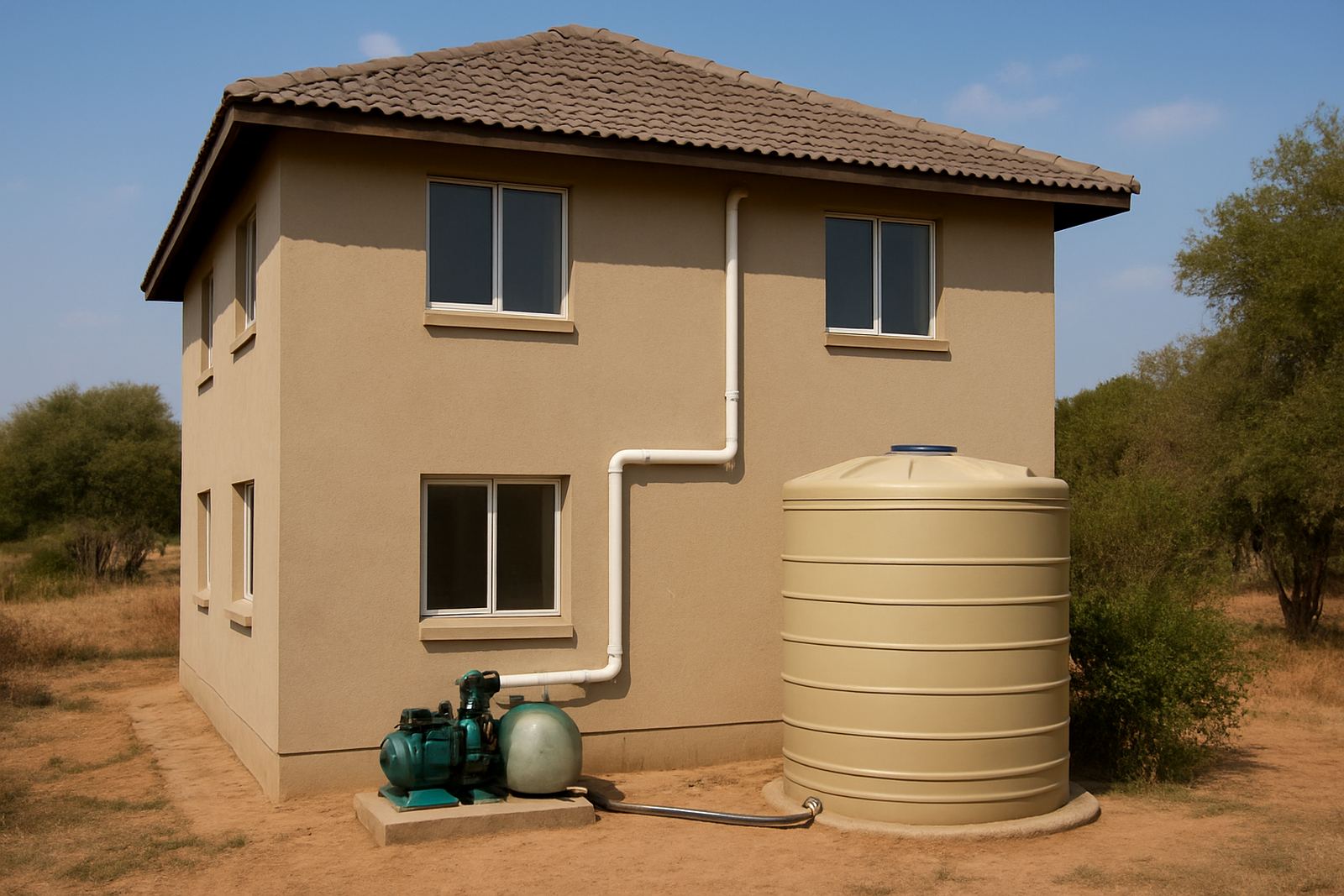
If the house depends on a borehole or rain-tank, a pressure pump is often the cleanest answer. The right unit will maintain steady pressure so the shower on the first floor does not turn into a trickle when someone opens a tap downstairs. For larger homes, a booster setup can also help keep pressure more even across the property.
The main thing is not to oversize blindly. A pump that is too strong can cause noisy pipes, short cycling and unnecessary wear. A properly matched kit with a pressure controller and pressure vessel can keep the system calmer, and it usually handles load-shedding better if the storage side is planned well.
- Pressure pump for normal home use with upstairs bathrooms
- Booster pump where the supply already exists but pressure is low
- Pressure vessel to reduce rapid on-off cycling
- Dry-run protection for borehole systems that may run low
Tank height, pipe size and layout matter more than people think
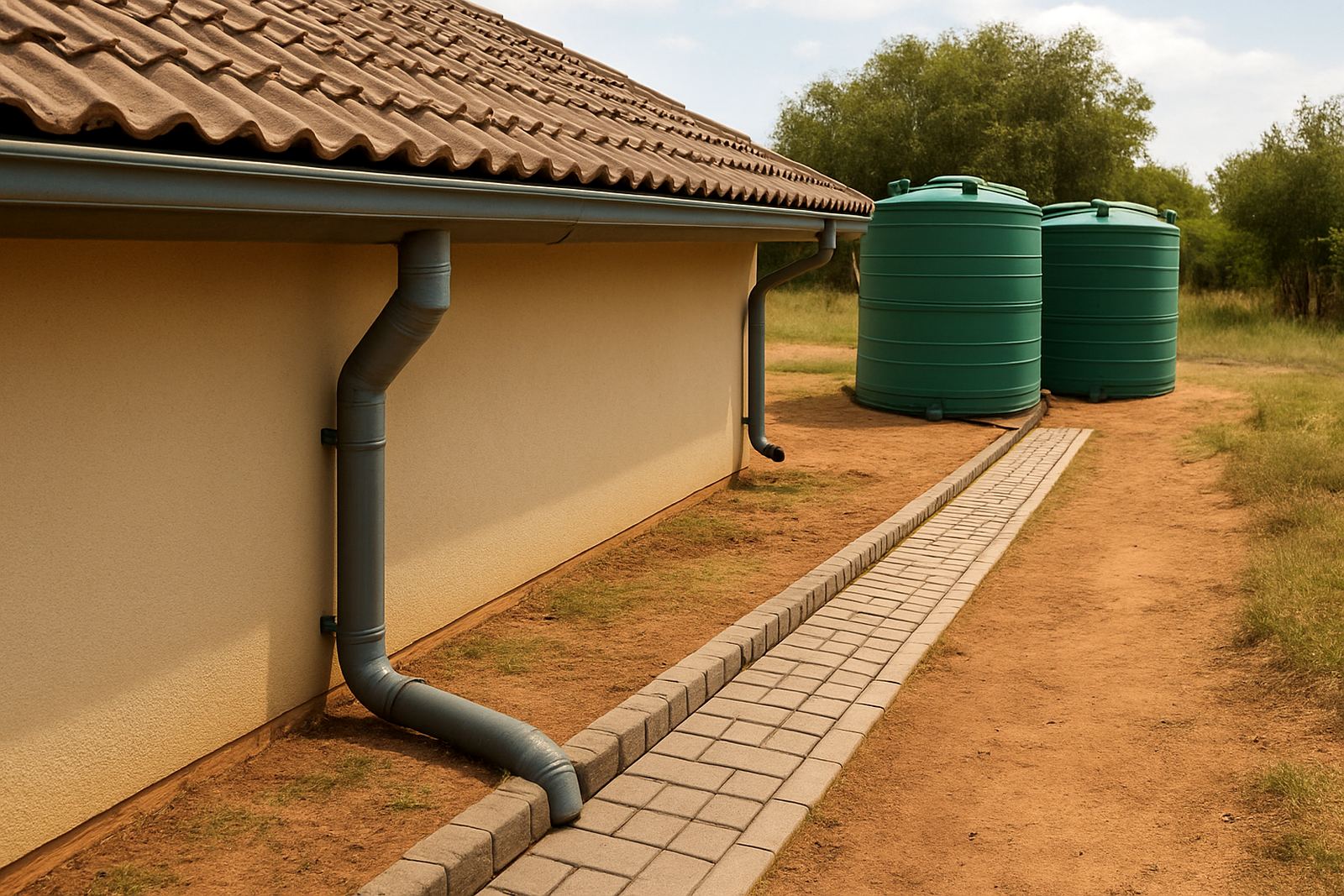
Gravity can help, but only if the tank is high enough and the pipework is laid out properly. A rain-tank at ground level will not naturally push water upstairs with much force, so it usually needs a pump. If the line has several tees, narrow joins or long horizontal sections, pressure loss increases. This is where careful kit assembly and installation support save a lot of frustration later.
For homes in Hartbeespoort and Pretoria, where gardens and domestic use often share the same supply, separating lines can make a big difference. A dedicated line to the house with the right pipe diameter and a separate line for outside taps, is often the better choice. On a farm near Bloemfontein, the same planning helps keep household pressure steady even when the yard taps are used.
- Use a larger main line where the run is long
- Keep bends and extra joins to a minimum
- Separate domestic and irrigation points where possible
- Allow for future demand, not only current use
Filters, water quality and maintenance keep pressure steady
When pressure drops suddenly, a blocked filter is one of the first things to check. Sediment, iron and fine sand can build up fast in borehole systems, and tanks can collect debris after heavy rain. If the water is not tested and the filter media not maintained, the system may be doing more work than it should. In humid coastal areas, fittings and housings also need regular inspection so they do not seize or corrode.
We often recommend a basic annual maintenance plan for homes and farms that rely on stored water. It helps with pump servicing, fault finding, tank cleaning and filter changes before the pressure issue becomes a bigger repair. That is especially useful for households that need reliable showers before work, or for farms where staff housing must keep running during municipal interruptions.
- Change filters on schedule, not only when flow drops
- Inspect pressure settings after servicing
- Clean tanks before sediment reaches the pump
- Test the water after any major repair or line change
A practical North West example
A family outside Brits had a borehole system feeding a double-storey house, a guest room and an outside tap. The upstairs shower was weak, but the issue was not the borehole itself. The main line was too small for the run, the pressure switch was set low and the filter cartridge was already choked with fine sand. After a site assessment, the system was re-sized, the pressure controls were adjusted and the filter arrangement was improved. The upstairs shower improved straight away, and the kitchen tap stopped surging when other taps opened.
That is a common pattern across Pretoria, Rustenburg and the Western Cape too. The fix is usually a proper match between demand, pipework and pressure control, not just one bigger part. Once the system is planned for the actual house or farm layout, daily use becomes easier and the water supply feels far more dependable.
When to ask for a proper site check
If upstairs bathrooms still struggle after a small adjustment, it is time to look at the whole setup. A proper site check can confirm the correct pressure range, the right pump type, and whether the tank, filters and pipe layout need changes. It can also show if the property needs commissioning checks after an installation or an old system needs fault finding before more parts are added.
Hydrated supplies and delivers borehole, rain-tank and water-filtration kits across South Africa from our Brits base, including Pretoria, Hartbeespoort, Rustenburg, Bloemfontein, Paarl, Stellenbosch and Somerset West. If you are trying to get better pressure to an upstairs bathroom or a distant outlet, the smartest step is to size the full system properly from the start. It saves water, electricity and a lot of repeat call-outs.