When a single tap needs better water
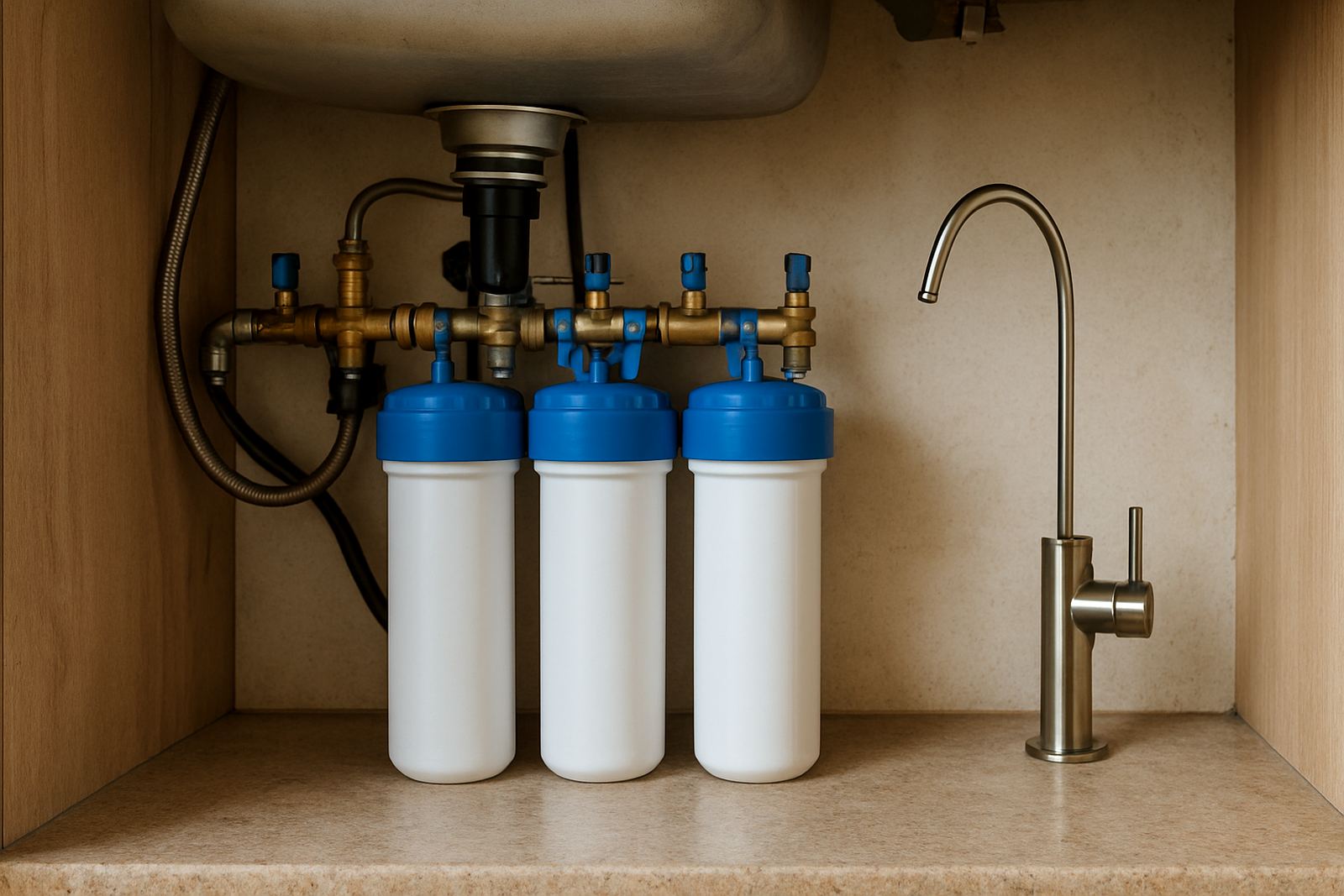
Point of use filters are fitted at one outlet or one small group of outlets, usually under a kitchen sink, in a prep area, or at a drinking station. They are used where the aim is to improve water quality for drinking, cooking and ice making without changing the whole property water system.
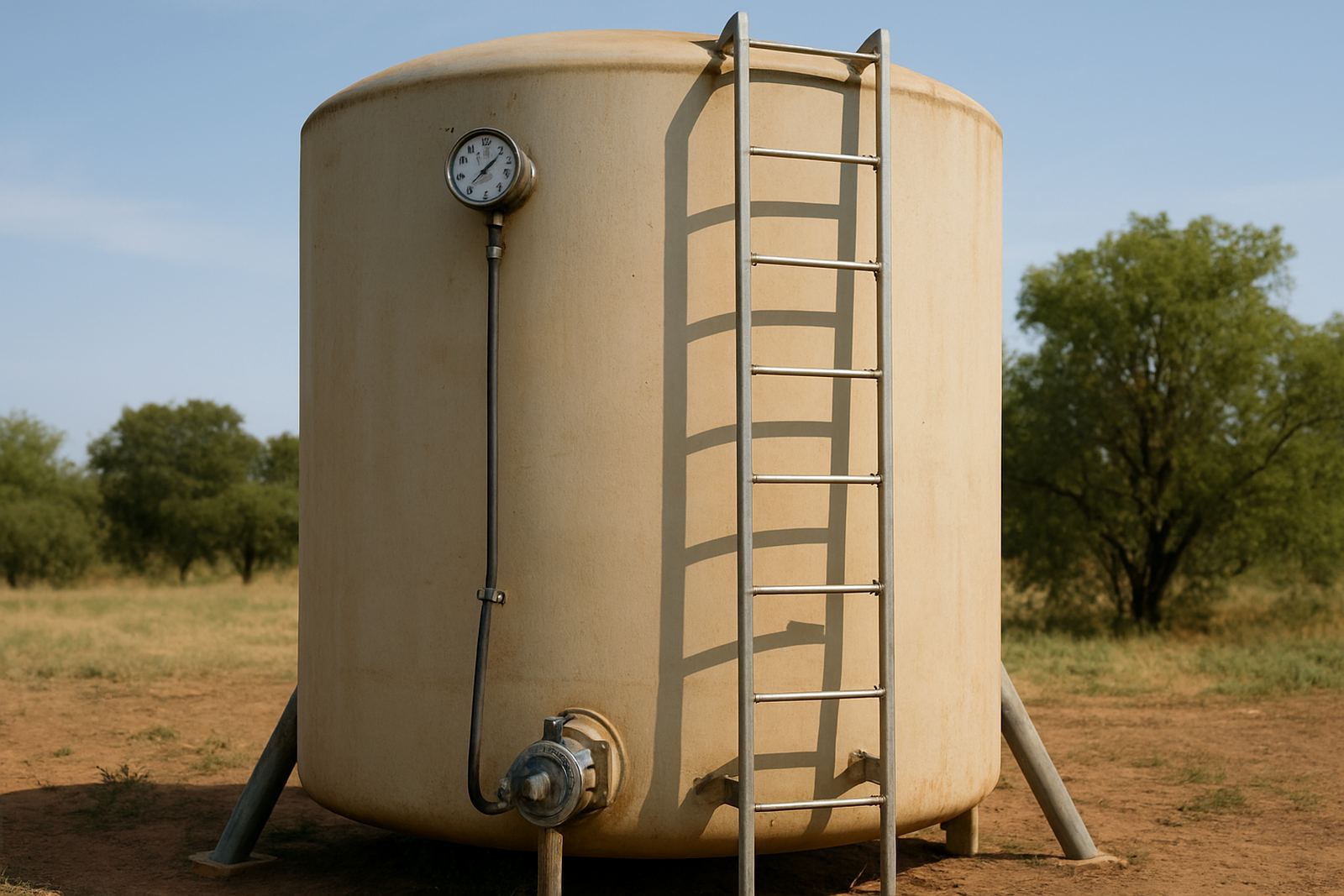
This makes sense when your borehole water is otherwise usable for washing and irrigation, but still needs treatment before it goes into a kettle or glass. It also works well on a farm where the main tank water is fine for general use, yet a staff kitchen or packing area needs cleaner water. In Pretoria and Hartbeespoort we often see this approach on properties that already have storage tanks but dont want to install a full-house system just for one tap.
- Best for drinking water at one sink
- Useful where the source water is variable through the year
- Lower cost than treating every tap
- Easier to service during load-shedding and pump downtime
Why under-sink filtration often beats whole-house treatment
Whole-house filtration can be the right call for some sites, but it is not always the most practical option. If the main issue is taste, odour, sediment or localised contamination at a kitchen tap, then point of use filtration is usually the cleaner solution. You are not paying to treat water that will only be used for toilets, paving or irrigation.
Under-sink units are also easier to protect from heat, dust and sunlight, especially in the Western Cape where coastal humidity can affect fittings and fittings left in direct sunlight can age quickly. A compact system installed properly, with the right pressure and shut-off valves, is easier to maintain and less likely to be bypassed later.
- Less pipework and fewer points of failure
- Can be installed in homes with limited space
- More practical for kitchens in rented homes or staff housing
- Good option when municipal rules or building layout limit larger changes
What a practical point of use system includes
A proper setup is more than just a cartridge under the sink. The right kit depends on whether you are trying to reduce sediment, improve taste, remove chemicals, or make borehole water safer for drinking. On some sites the answer is a staged arrangement with pre-filtration first, then finer treatment at the tap.
For homes and small commercial kitchens, the system often includes a sediment stage, carbon stage, and where needed a finer polishing stage. In some cases UV may be added where the water source and test results justify it. The key is matching the kit to the actual water quality, not guessing. A quick water test can save a lot of wasted money later on.
- Sediment filters for sand, rust and fine particles
- Carbon filters for odour and taste improvement
- Finer polishing filters for clearer drinking water
- Optional UV where disinfection is needed
Good applications in homes and small businesses
Point of use filters suit kitchens, granny flats, offices, guest houses and farmhouses where the drinking water demand is concentrated in one place. They are also useful where a property has rain tanks or borehole water and only one or two outlets need treated water. That keeps servicing simple and makes filter changes less disruptive.
For a family home in Brits, for example, you might have borehole water feeding the whole house, with a point of use filter at the kitchen sink for drinking and cooking. In Rustenburg or Bloemfontein, the same idea can work on a small guest unit or staff canteen. The rest of the property still uses untreated or lightly treated water for general use, while the drinking point gets the extra protection it needs.
- Kitchen sinks and sculleries
- Staff tea points and canteens
- Small guest houses and lodges
- Farmhouses and caretaker units
What to check before choosing a filter
Before fitting any localised system, the source water must be checked. Borehole water can change after heavy rain, long dry spells or pump problems, and tank water can pick up sediment from roof debris, algae or old pipework. If the wrong filter is fitted, it may clog too fast or fail to remove the problem you are actually dealing with.
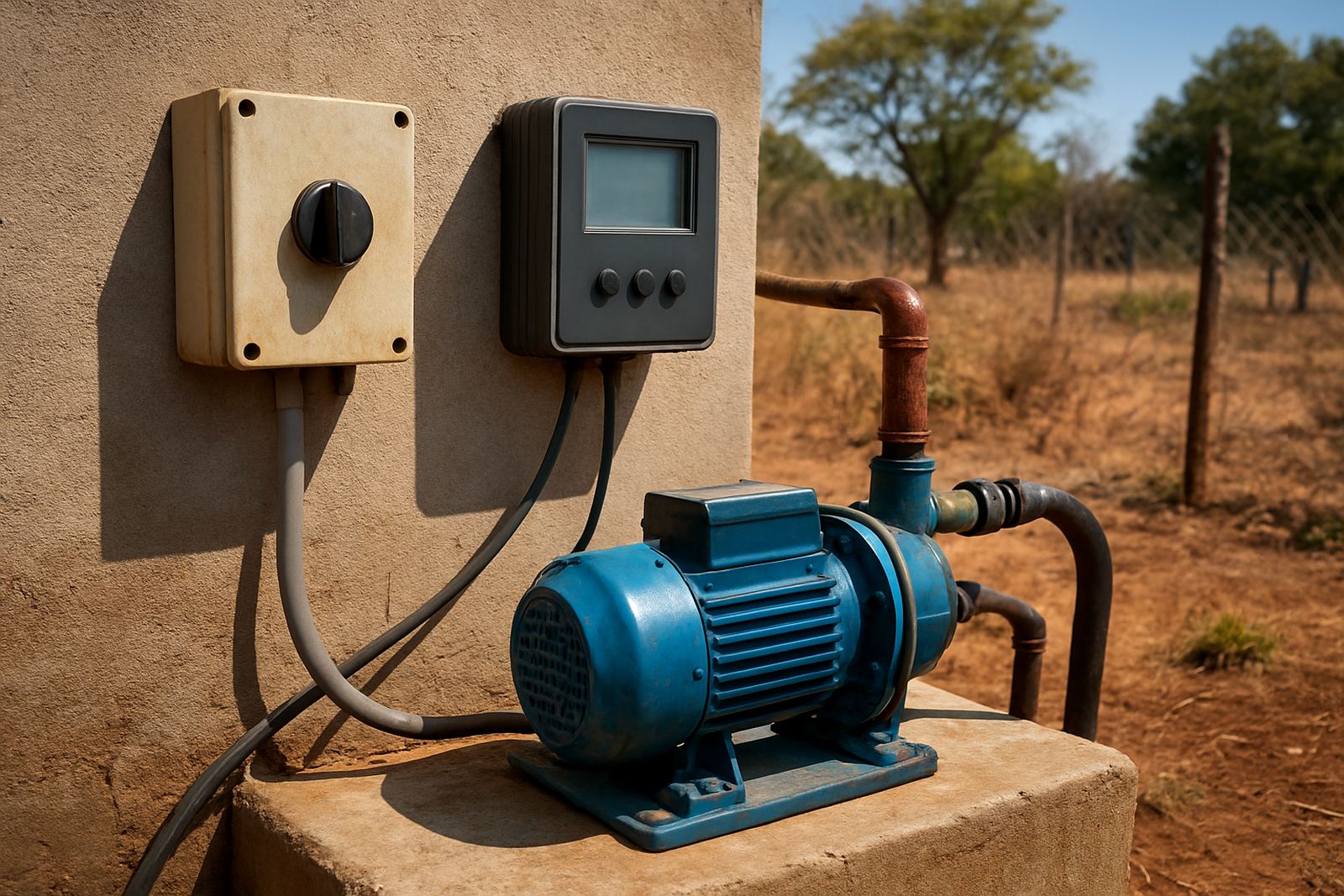
We look at the source, flow rate, available pressure, space under the sink and how often the filter will need changing. If the property runs on a pressure pump, it helps to know how the system behaves when the power goes off and back on. A filter that works well in a calm household may struggle on a farm with irregular demand and longer pipe runs.
- Water source: borehole, rain tank or municipal supply
- Pressure and flow at the tap
- Available space under the sink
- Expected filter change intervals
Servicing matters more than most people think
A point of use filter only stays effective if it is serviced on time. In South Africa, dust, sediment and power interruptions can all shorten filter life. A cartridge that looks fine from the outside can still be past its best, especially where water quality changes between seasons. Thats why routine checks are part of the job, not an afterthought.
For homes in the North West and along the coast, we normally recommend a clear maintenance plan that covers filter changes, housing inspections and water testing at intervals that suit the site. If a system is left too long, taste can change, flow can drop, and pressure may suffer at the tap. That is avoidable with a simple service schedule.
- Replace filters before flow drops too far
- Check housings for cracks and seal wear
- Test water again after source changes
- Record service dates so the next change is not missed
A practical choice for South African water use
Point of use filtration is not about doing everything everywhere. It is about putting the right treatment at the right tap, which is often the most sensible way to manage water cost and quality. If your goal is clean drinking water from a single sink, this approach is usually easier to install, easier to maintain and easier to budget for.
Hydrated supplies and supports point of use filter kits for homes and farms across Pretoria, Hartbeespoort, Rustenburg, Bloemfontein and the Western Cape, with site assessments, system sizing, commissioning checks and follow-up support where needed. When the rest of the property does not need full treatment, a localised filter can do the job neatly and reliably.