
Why tank level monitoring matters before the dry patch hits
A full tank gives peace of mind, but the real value comes from knowing how much water is left at any moment. For a home in Brits, a smallholding near Hartbeespoort or a farm outside Rustenburg, that knowledge helps you plan around irrigation, livestock, washing machines and municipal interruptions.
When people only check the tank by eye, they often find problems too late. A tank can look half full from one angle and nearly empty from another, especially on tall cylindrical units. If the borehole pump trips during load-shedding or a valve sticks after a rainy spell, you want a warning before the tank runs dry not after.
Simple monitoring methods that work on South African properties
You do not always need complicated controls. The best method depends on the size of the tank, how far it sits from the house, and whether the property is coastal, dusty or exposed to heat. In places like Somerset West or Paarl, sunlight and dust can affect fittings, while inland farms often deal with long pipe runs and voltage dips.
- Float markers give a quick visual reference for basic domestic tanks.
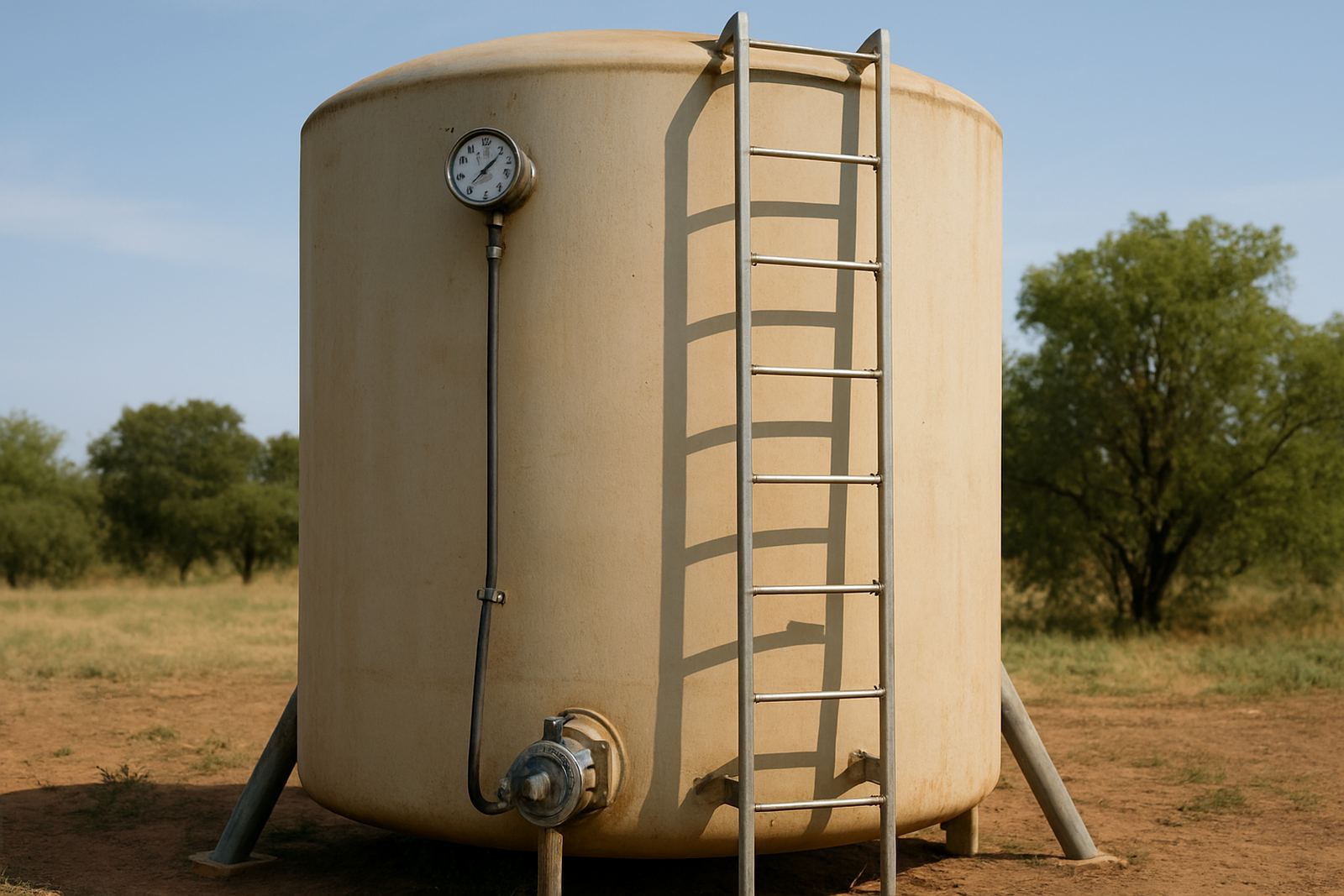
- Clear level tubes show water height through a side line, useful on larger tanks.
- Digital sensors can report low, medium and full levels for more accurate tracking.
- Alarm units can alert you when levels fall below a set point.
- Timed inspection rounds help if you have more than one tank on site.
For many homes, a simple clear level indicator is enough. For a farm with multiple storage tanks, a combination of sensor and manual checks works better, because one missed reading can affect stock water, crop planning and cleaning schedules.
Set warning levels for your real daily use
Many tank problems start because the warning point is set too low. A family of four does not use water the same way as a guest house or an irrigation line. If you know your average daily use, you can set a sensible alert point and avoid running on fumes.
As a rule, keep enough reserve for at least one full day, and more if your area has regular interruptions. In Bloemfontein, where dry periods can stretch on, a higher reserve makes sense. On the West Coast and in the Western Cape, wind, evaporation and long delivery times can also affect how much backup you need. A bit of planning now saves a lot of trouble later.
- Households should allow for baths, laundry, cleaning and drinking water.
- Small farms should include livestock needs, garden use and basic washing.
- Guest properties should factor in peak occupancy and laundry cycles.
- Remote sites should keep extra reserve if access roads become difficult in bad weather.
What to watch for when the level drops too fast
A tank that empties faster than expected usually points to a specific issue. It might be a cracked pipe, a valve leak, a pump fault or simply more demand than the system was sized for. This is where regular checks matter, because a small leak can waste hundreds of litres before anyone notices.
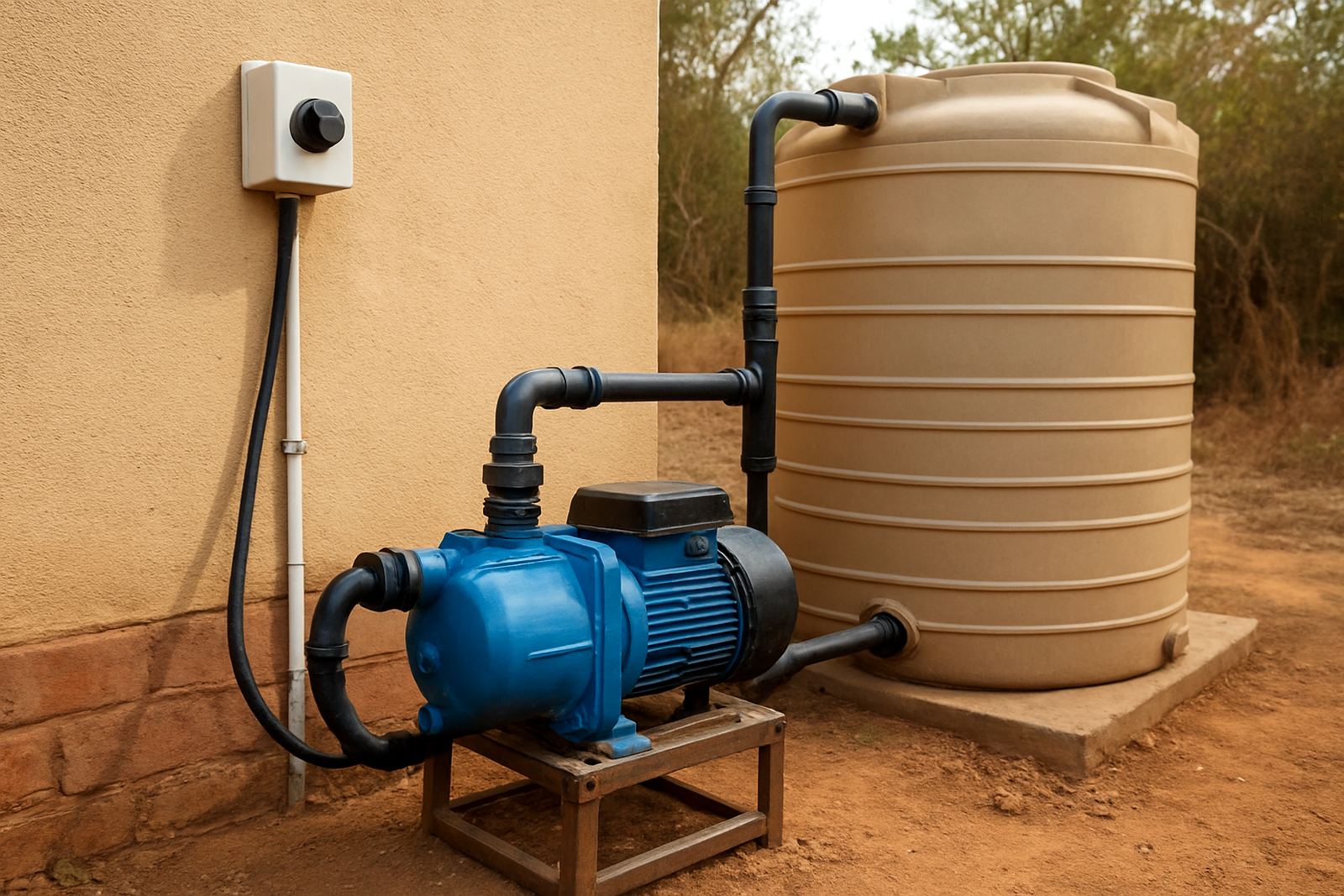
Look out for damp soil around fittings, air in the lines, odd pump cycling, or a tank that refills much slower than usual. If you have a filtration kit, check whether the filters are clogged, because blocked filters can create pressure drop and make the system seem weaker than it is. Sometimes the issue is mechanical, sometimes it is just poor timing, but either way it needs attention quickly.
Practical monitoring habits for homes, farms and guest properties
The best routine is the one people actually follow. A good habit is to check tank levels at the same time every day, usually early morning before the day starts running. On farms, it helps to assign one person to log levels and spot changes in use. At guest houses and rental properties, the caretaker or maintenance team should know the normal range so anything unusual is picked up fast.
Short, regular checks work better than waiting for a crisis. If your property uses borehole water, rainwater or a mix of both, keep a simple record of when tanks fill and how quickly they drop. That pattern tells you a lot about pump performance and seasonal demand. It can also help if you are planning maintenance before the busy months arrive.
- Check the tank level at the same time each day for a reliable pattern.
- Note sudden drops after storms, outages or heavy irrigation use.
- Test float switches and alarms during routine maintenance.
- Keep a small logbook or phone notes for weekly readings.
When to bring in support for sizing, servicing and testing
If your tank levels are always low, your system may be undersized for the property. That is common on expanding homes, new farms and sites that have added extra bathrooms or equipment over time. The fix may involve better storage, pump servicing, or adding monitoring points so the system matches actual demand.
Hydrated works with homes and farms across South Africa from Brits and Pretoria to Rustenburg, Bloemfontein and the Western Cape. Our team handles site assessments, system sizing, commissioning checks, pump servicing, fault finding, water testing and annual maintenance. If the tank level is a mystery, we can help sort it out and keep water management simple.
For many clients the right setup is not the fanciest one, just the one that tells the truth about what is in the tank. That honesty saves time, water and rand over the long run.