
Wrong filter size for the real water demand
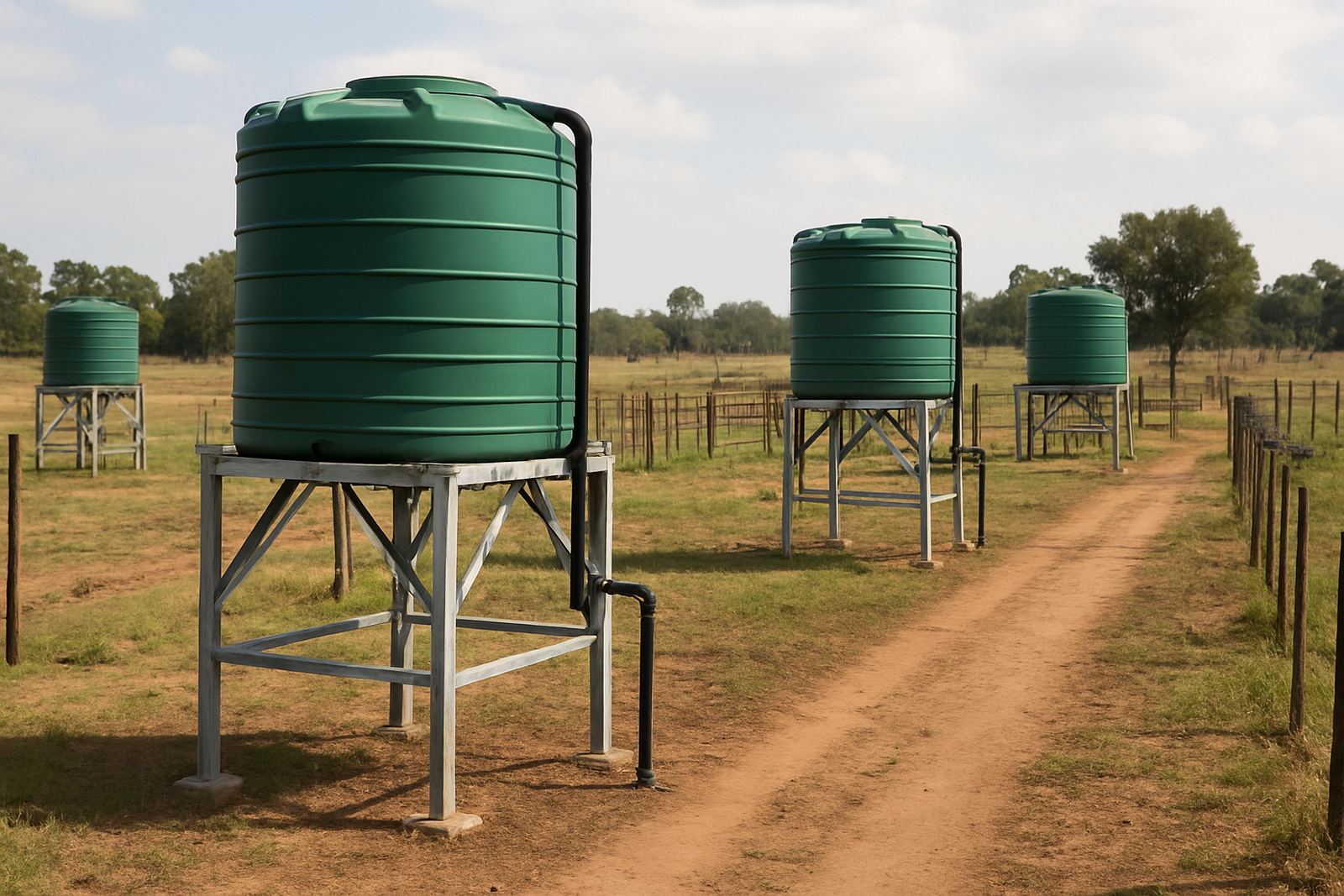
One of the biggest mistakes is choosing a filter by price alone and not by the actual litres per day the property uses. A small household in Pretoria may only need basic point of entry treatment, but a farm near Brits with irrigation top-up, staff housing and a pump system needs a different setup altogether. If the filter is too small it clogs quickly, drops pressure and forces the pump to work harder than it should.
When sizing a system, we look at peak flow not only average use. That matters when taps, geysers and garden lines run at the same time. It also matters for borehole water that carries fine silt after rain or during seasonal changes. A correctly sized kit gives the water time to move through the media properly instead of rushing through and leaving particles behind.
- Check daily water use, not just tank capacity.
- Match the filter to peak flow in litres per minute.
- Allow for future demand if a cottage, flatlet or staff quarters may be added.
- For farms, plan for washdown points and livestock troughs as well.
Skipping a proper water test before installation
Another common error is fitting a filter without first testing the water. Borehole water in Rustenburg can behave very differently from rain-tank water in Somerset West or Stellenbosch. One source may need sediment removal first, while another needs help with taste, smell or dissolved minerals. If you guess, you may end up with a system that removes the wrong problem and leaves the real one untouched.
Water testing tells you whether you are dealing with iron, manganese, turbidity, chlorine, bacteria risk or just general sediment. It also helps decide where the filter should sit in the line. Sometimes the right answer is a staged system, with one unit taking out grit and another polishing the water before use. Without that sequence the main filter blocks too fast, and the owner keeps buying cartridges that should have lasted longer.
- Test raw water before buying any kit.
- Retest after heavy rain or borehole pump repairs.
- Keep a record of changes in smell, colour and pressure.
Installing the filter in the wrong place on the line
Filter placement sounds simple but it causes a lot of trouble. Some systems are installed too close to the pump, others too far from the storage tank and some are fitted after branches in the pipework where only part of the property gets treated water. The result is uneven flow and poor protection for the rest of the line. On farms, this can mean that the house gets clean water while the prep area or nursery does not.
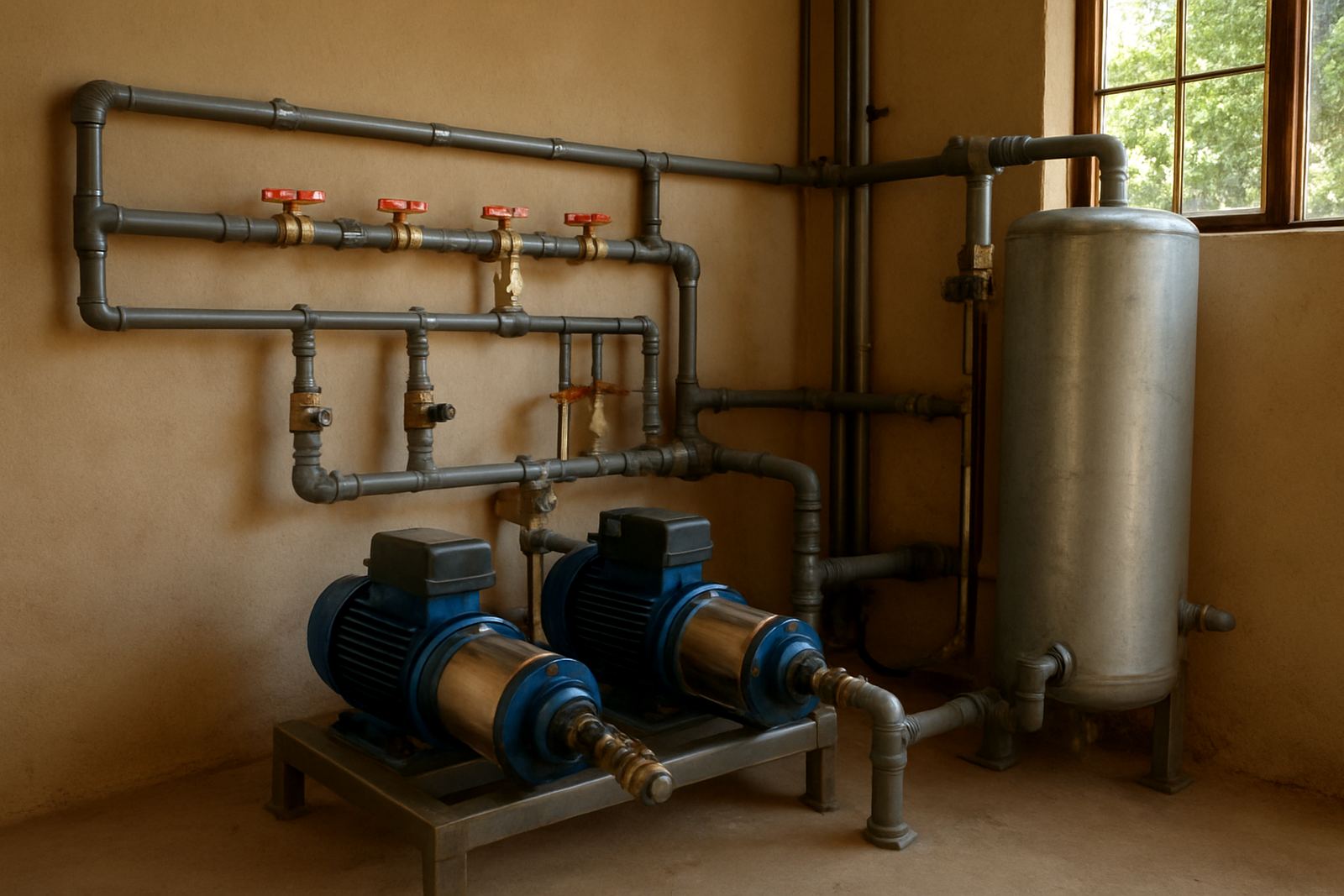
The best position depends on the full layout. A rain-tank system may need pre-filtration before water enters the tank, then finer filtration after the tank before it reaches taps. A borehole setup often needs sediment protection close to the source, plus a separate final stage where drinking or kitchen water is drawn. If the pressure tanks, non-return valves and bypass points are not arranged properly, maintenance becomes a headache.
- Keep access clear for cartridge changes and cleaning.
- Install pressure gauges where they can actually be read.
- Use bypass valves so water can still flow during servicing.
- Make sure the filter is fitted on the correct side of the pump and tank, as specified for the system.
Neglecting pre-filtration for sandy or silty water
Sediment is the silent problem. It does not always make water look terrible at first, but it will block cartridges, wear pump seals and reduce the life of finer filters downstream. In North West areas, especially where boreholes draw from sandy formations, we often see people fit only a fine cartridge and wonder why it plugs up every few weeks. The issue is not the cartridge, it is the missing first stage.
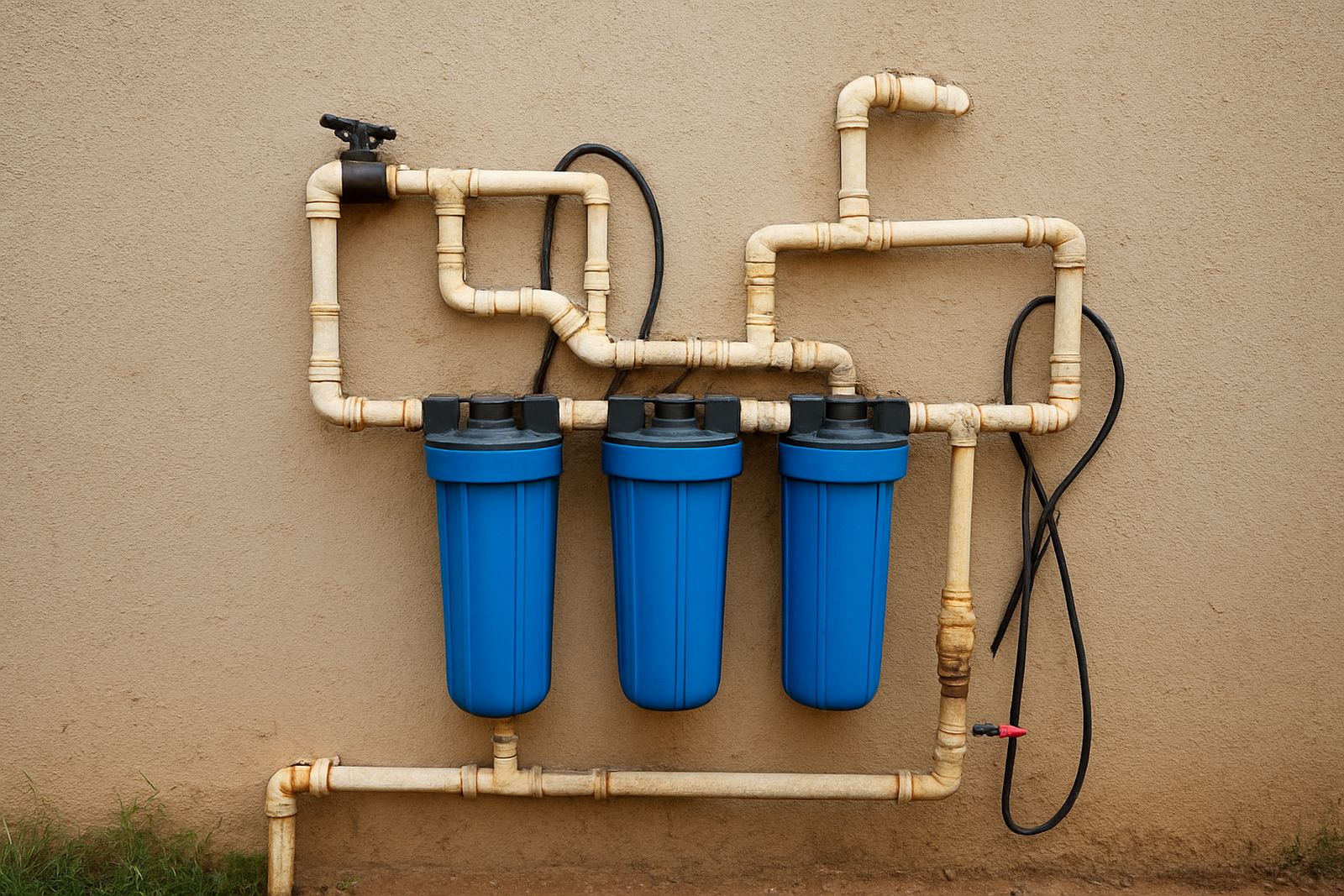
Pre-filtration is the job of taking the heavy load out early. That may mean a screen, spun sediment cartridge or a washable pre-filter depending on the source. If there is visible grit in a glass after the tap runs for a minute, the system needs more than a single fine filter. It is better to catch the dirt before it reaches the kitchen or irrigation filters, otherwise the whole line carries the cost.
- Use staged filtration for boreholes with sand or silt.
- Plan for the first flush after pump start-up.
- Clean or replace pre-filters before they collapse flow.
Waiting too long to service cartridges and housings
Many owners only think about the filter when the water tastes off or the pressure has already dropped. By then the cartridge may be packed solid, and the housing can be holding dirt that should have been cleared earlier. Routine service is not only about changing parts. It is also about checking seals, inspecting cracks and making sure the housing is not under strain from pressure changes or poor tightening.
In coastal areas such as Somerset West and Paarl, humidity and airborne grit can shorten service intervals, especially if tanks sit in the sun and dust builds up around fittings. On farms, a power cut can restart a pump against a dirty line and push debris into the system. A simple service schedule prevents many of these issues and keeps the filter working at the rate it was designed for. We often say if you cannot remember the last change, it is already overdue.
- Set a calendar reminder for cartridge changes.
- Inspect O-rings and housings every service.
- Watch for a pressure drop, not just visible dirt.
Ignoring the pump, tank and power side of the system
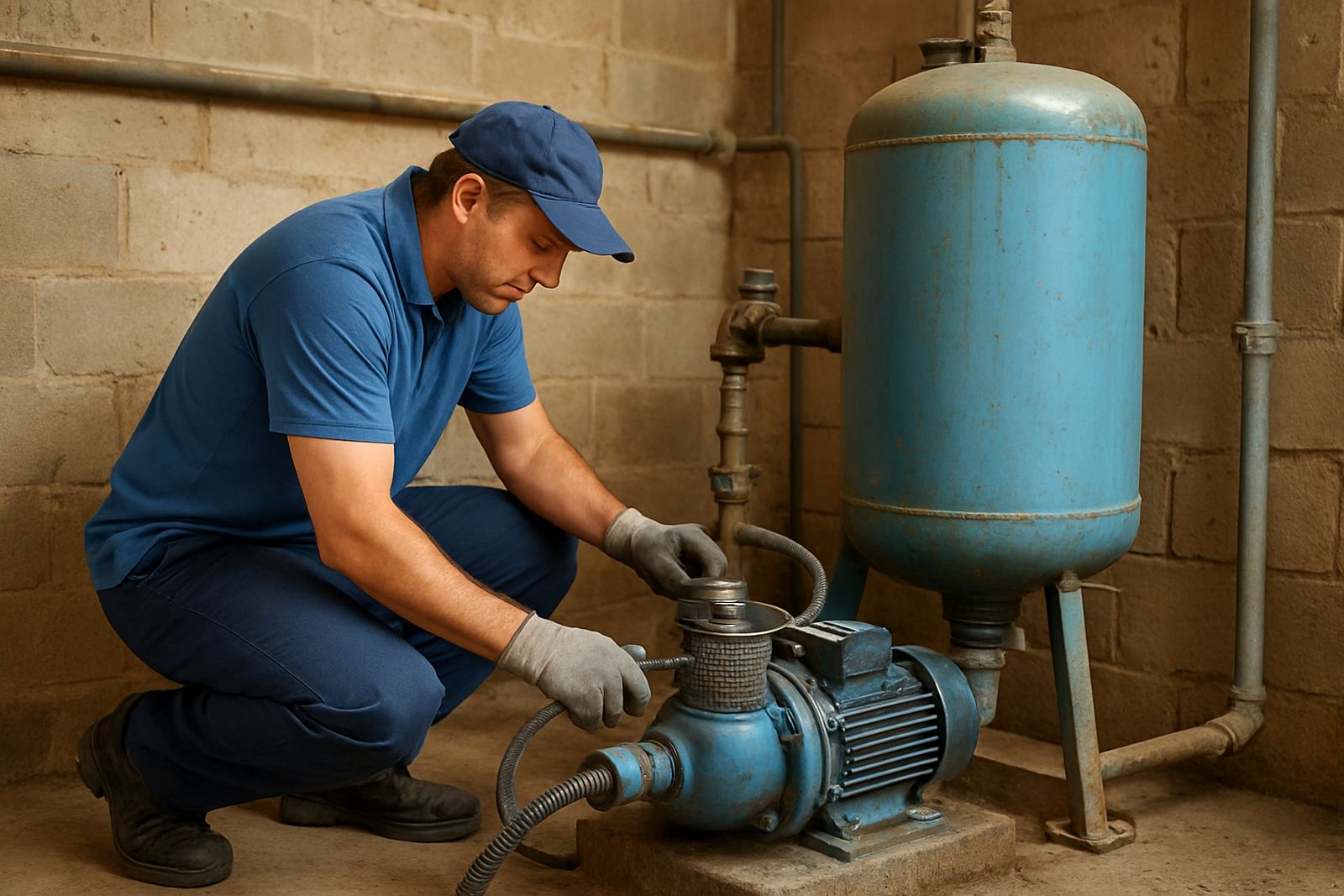
A filtration kit does not work in isolation. If the pump cycles too often, if the tank has sludge at the bottom or if load shedding causes pressure spikes and dry running, the filter takes extra strain. People sometimes blame the cartridge when the real issue is elsewhere in the system. A dirty tank can send settled muck straight into a new filter, and a weak pump can create low pressure that stops the media from doing its job properly.
This is where the whole water system must be checked together. Commissioning checks should confirm that the pump starts and stops correctly, the tank is clean, the valves are working and the filter sees stable flow. In Hartbeespoort and around Bloemfontein, we often find that a maintenance visit uncovers one fault that has been causing a chain reaction. Sort the source of the problem and the filtration side becomes much easier to manage.
- Check tank cleanliness before blaming the filter.
- Inspect pump pressure and switching behaviour.
- Protect the system from dry running during outages.
- Use annual maintenance to catch small faults early.
A practical local example from a mixed-use property
A property outside Brits had a borehole, a small irrigation line and a house supply all running from the same storage tank. The owner had fitted a fine cartridge only, expecting it to handle everything. Within weeks the flow dropped and the kitchen tap started pulling off brownish water after each outage. The problem was not one thing, it was several small mistakes combined.
We tested the source water, added proper pre-filtration, repositioned the system for easier servicing and cleaned the tank. After that, the cartridge life improved and the pressure stayed steadier during busy periods. It was a simple fix in the end, but only because the full setup was looked at properly. That is the lesson with filters: the equipment may be good, yet if the sizing, placement or maintenance is off by a little bit, performance falls away quickly.
For homes and farms across Pretoria, Rustenburg, Bloemfontein and the Western Cape, the safest approach is to size the kit for the water, not just the pipe. Then maintain it before there is a visible problem. That saves money, protects pumps and keeps the water supply dependable through dry spells and the usual South African power cuts.