What the gauge is really telling you
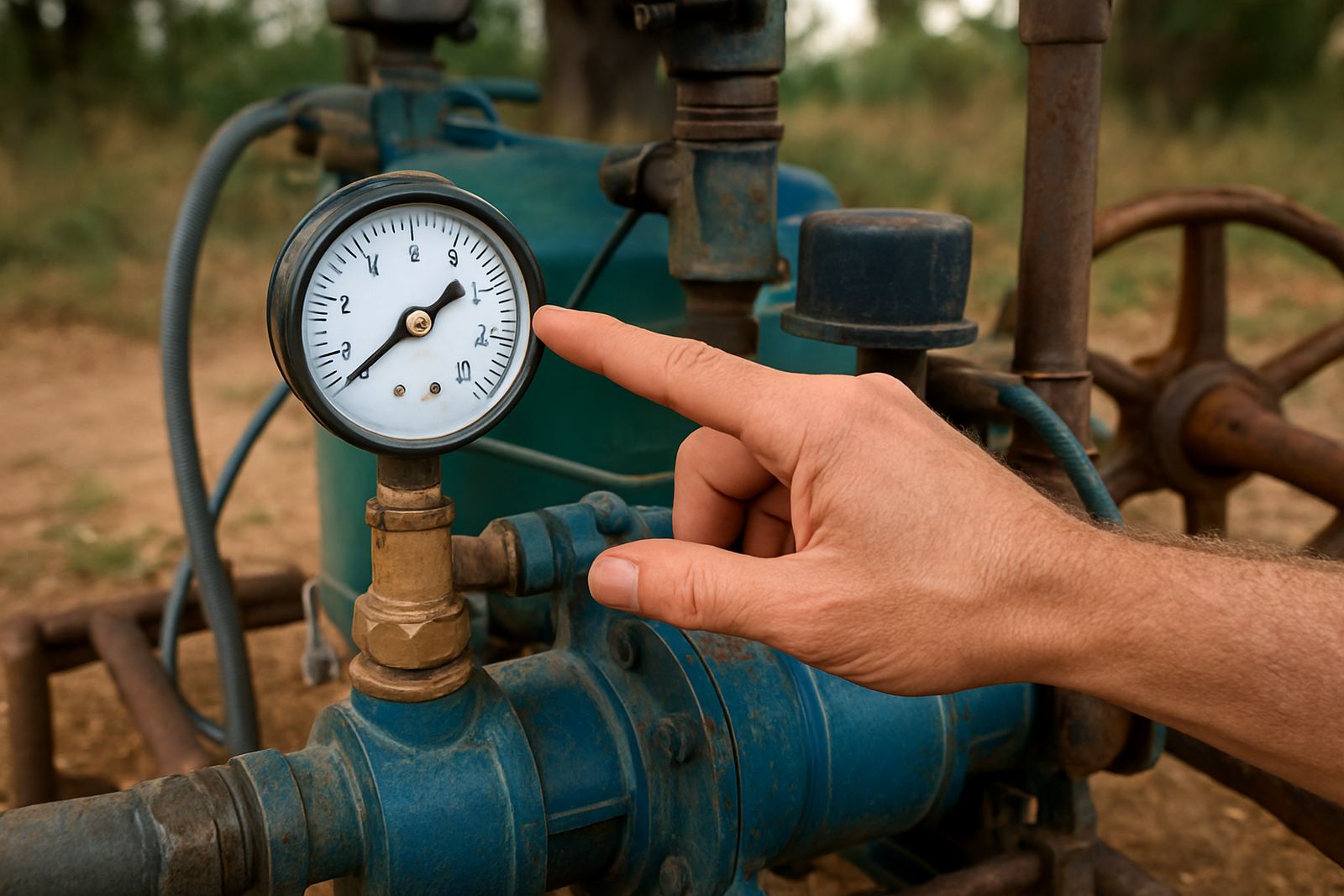
A pressure gauge measures how much pressure is moving through the pipework at that point in the system, usually shown in bar. On a borehole or rain-tank setup, that reading helps you see whether the pump is building pressure properly, whether a filter is clogging, or whether there is a leak somewhere after the tank or pump. It is a simple part, but it gives you a very clear warning when things start going off track.
Most home systems in South Africa will sit somewhere around 2 to 4 bar during normal use, though that can vary depending on the pump, pipe size and how far the water must travel. A farm system may run differently again, especially where there are long lines, storage tanks, irrigation points, or higher delivery demand. The key is not the exact number alone, but whether the reading matches what your system normally does.
Normal pressure changes you should expect
Not every movement on the gauge is a fault. Pressure usually rises when the pump switches on, then drops a bit when taps, sprinklers or filtration points are opened. If you have a pressure tank, the needle should move in a fairly steady pattern instead of jumping wildly. A slow change is usually fine, but sudden swings often point to air issues, a blocked line, or a failing switch.
- Low pressure at all taps may mean the pump is underperforming or a filter is blocked.
- High pressure that keeps climbing can point to a faulty pressure switch or a closed valve.
- A needle that shakes or pulses may indicate trapped air, cavitation, or a damaged gauge.
- Pressure that drops fast after the pump stops can suggest a leak, valve problem, or backflow.
If you are unsure, note the reading when the system is off, when it starts, and when water is flowing normally. That gives you a much clearer picture than checking just once.
Pressure readings on borehole and rain-tank systems
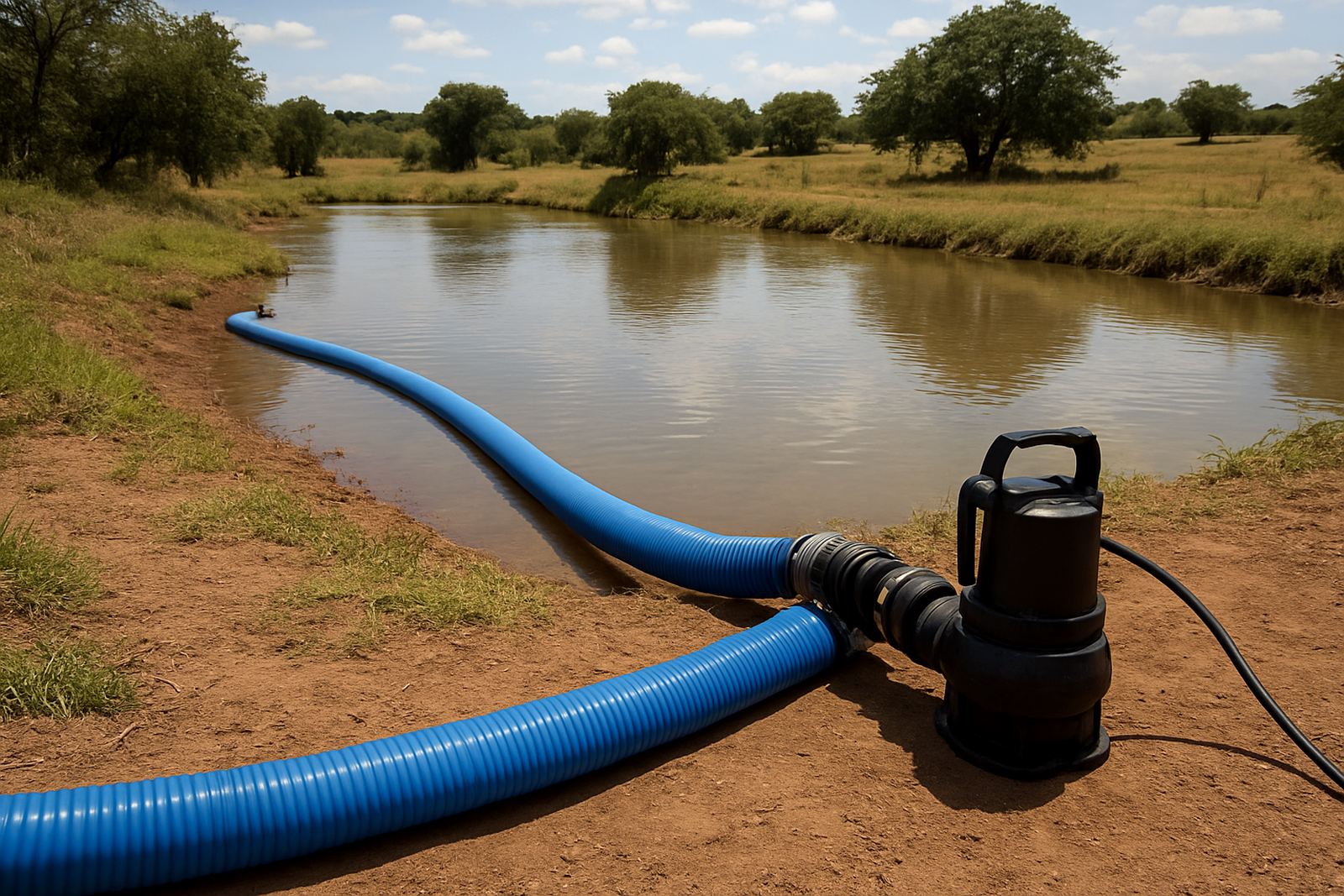
Borehole systems often show pressure changes when the water level in the borehole drops or when the pump starts pulling air. In areas like Brits and Hartbeespoort, where water conditions can vary from one property to the next, that reading is a useful early warning. If the gauge sits lower than usual and the pump runs longer than normal, the problem may be at the source, not at the tap.
Rain-tank systems work a bit differently. After a dry spell, fine debris can build up in the tank or filter basket and reduce flow. In coastal areas such as Stellenbosch or Somerset West, humidity and organic growth can also affect filters and fittings, especially if the system is not serviced regularly. If the gauge climbs up before water flow slows down, your filter may be clogging and need attention.
- Check the gauge after heavy use, not only when no water is being drawn.
- Compare the reading across morning and evening use to spot pressure loss.
- After filter changes, record the new normal reading for future reference.
Signs that the gauge is warning you about a fault
A pressure gauge is most useful when it starts showing a change from the normal pattern. If the pump is cycling on and off too often, the gauge may be showing a pressure drop caused by a leak or a faulty pressure vessel. If the reading is sitting at zero but the pump is running, there may be no water reaching the pump, a blocked suction line, or a serious fault in the system.
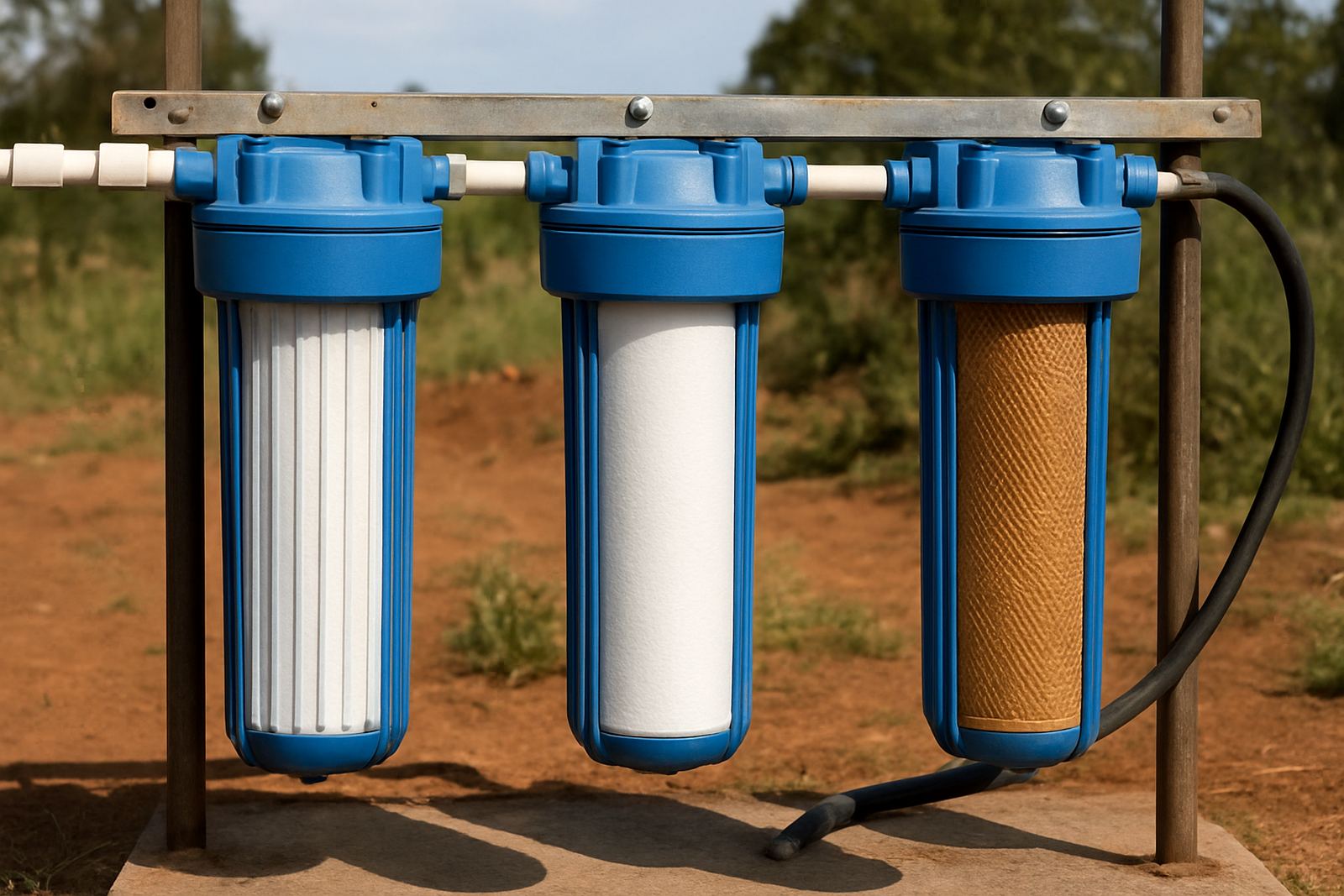
On filtration systems, a rising pressure difference before and after the filter often means the element is clogged. That is one of the easiest faults to spot early. You may also notice noisy pipes, water hammer, or taps that feel weak at the same time. Those are all signs that the gauge should not be ignored.
- Zero or very low pressure with the pump running needs quick checking.
- Repeated short cycling can damage the pump over time.
- A gauge with condensation inside may no longer be giving a reliable reading.
- If the needle stays stuck, the gauge itself may need replacing.
A practical check you can do at home or on the farm
Start by looking at the gauge when the system is off, then again when a tap or sprinkler is opened. Write down both numbers and compare them with how the system usually performs. If the pressure is outside the normal range by more than you would expect, check the obvious items first: valves, filters, visible leaks, and whether the pump is switching properly. Small issues like a partially closed valve can create a much bigger problem than people realise.
In Pretoria, for example, a homeowner may think the pressure pump is failing when the real issue is a dirty pre-filter after a run of dusty weather and load-shedding related interruptions. The gauge showed higher pressure before the tap, but flow at the tap was poor. Once the filter was changed and the line was bled, the reading settled back to normal. That is why it helps to read the gauge together with what the water is actually doing.
When to call for help before the problem grows
Call for support if the gauge keeps dropping, if the needle is erratic, or if the system is losing pressure faster than you can explain. The same applies when a borehole pump is running dry, a rain-tank system is pulling air, or a filter keeps blocking soon after cleaning. Pressure problems can wear out pumps, waste electricity, and leave a home or farm without water when it matters most.
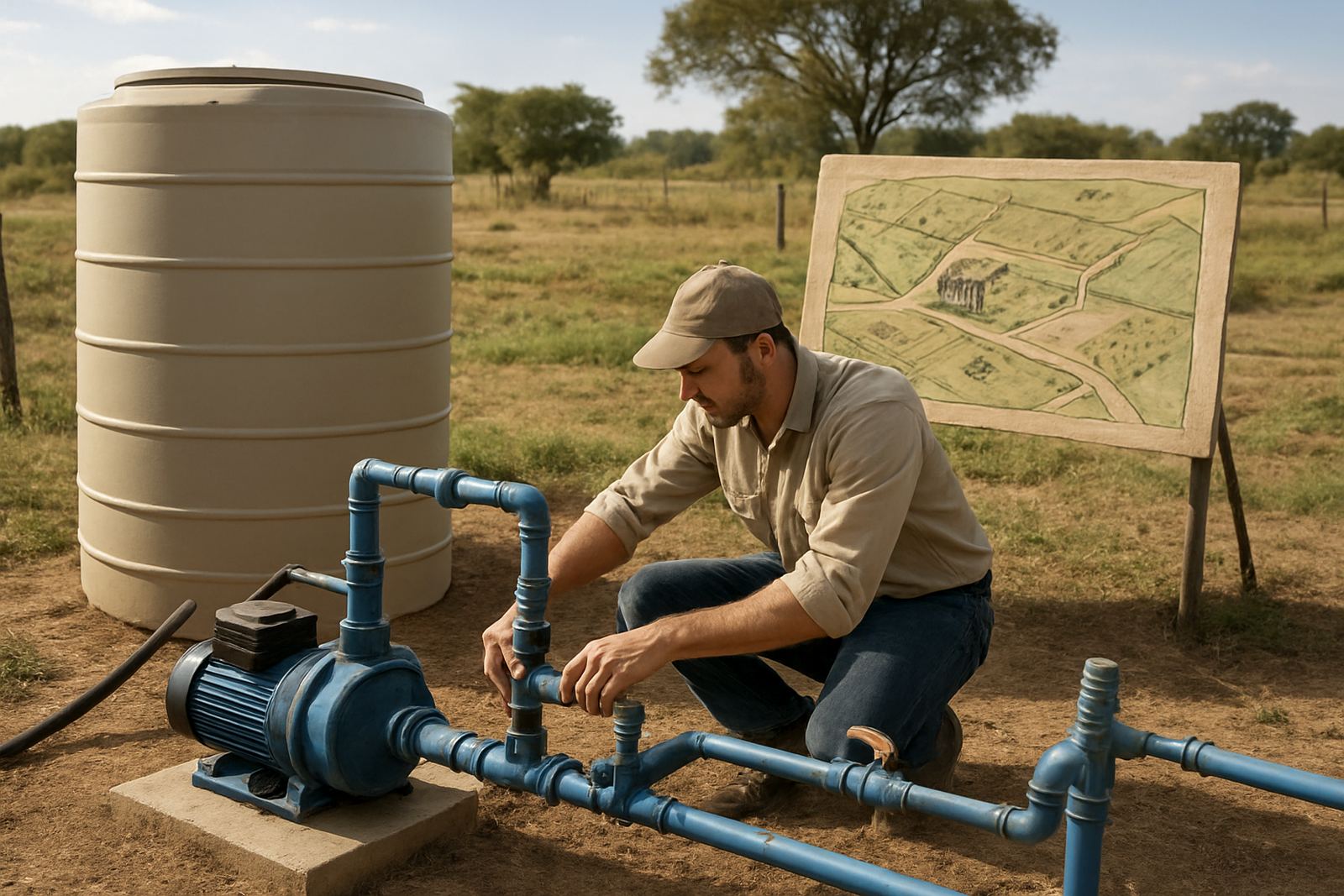
Hydrated works with borehole, rain-tank and filtration systems across Brits, Pretoria, Rustenburg, Bloemfontein and the Western Cape. A proper site assessment, correct system sizing, and a quick commissioning check can prevent many of the pressure problems people only notice after the water has already gone weak. If you want to keep the system steady through dry months, municipal restrictions, or day-to-day demand, the gauge is one of the first places to look.