What a borehole system actually does
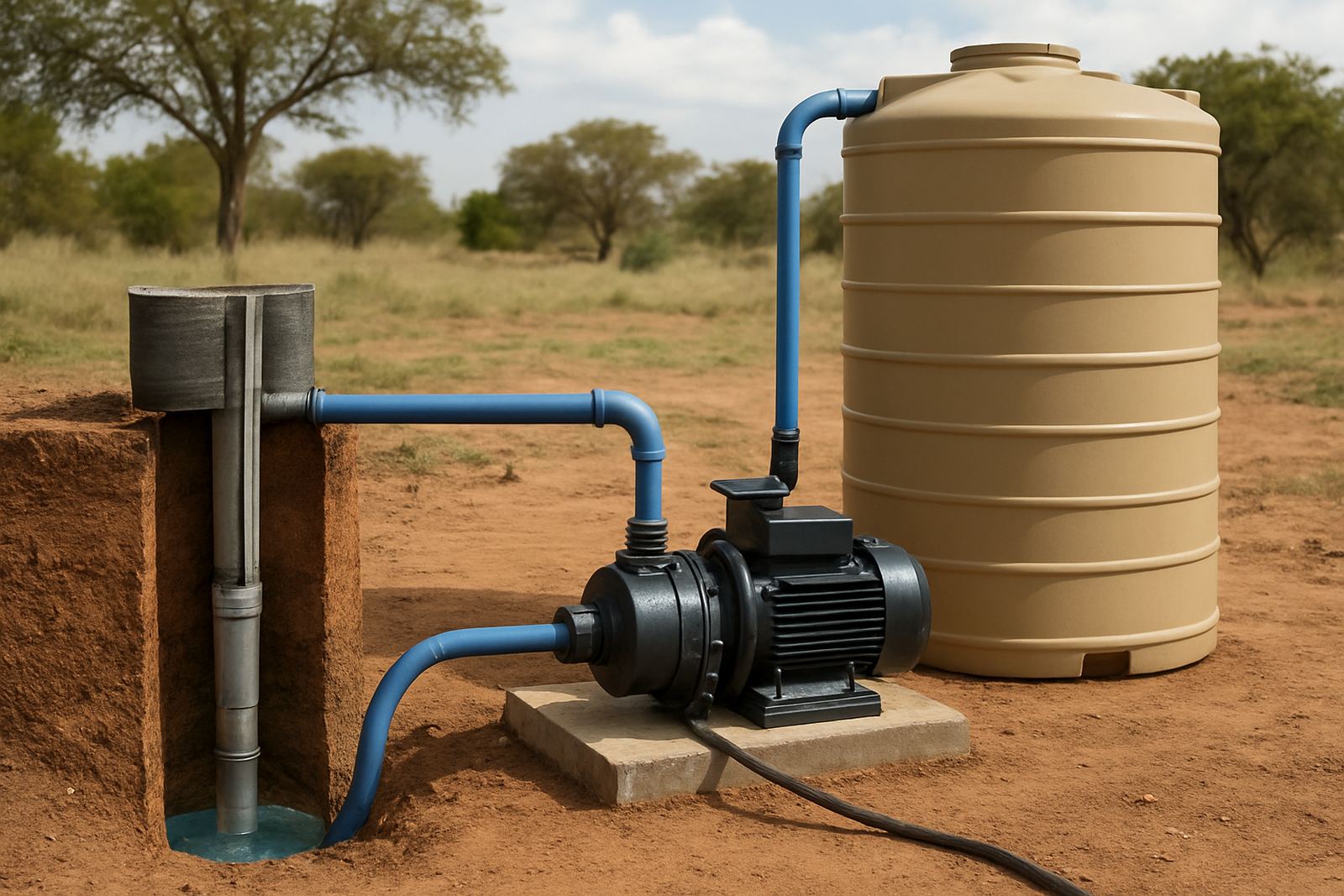
A borehole is a drilled source that brings groundwater up from below the surface. On a home, that water may feed taps, garden lines, toilets, or a storage tank. On a farm, it may support livestock troughs, irrigation, washing points, or a full reticulation system. The borehole itself is only the start. What makes it useful is the equipment around it.
Most systems include a pump, pipework, electrical controls, a pressure or storage tank, and some form of filtration. In many parts of South Africa, especially where load-shedding and municipal interruptions are a regular issue, people use a borehole as backup as much as a main supply. In Brits and the surrounding North West, that can be the difference between running a household smoothly and keeping stock watered on time.
The main parts you need to understand
If you are new to boreholes, it helps to think of the system in layers. Each part has a job, and if one part is undersized or poorly matched, the whole setup can struggle.
- Borehole casing and screen: Keeps the hole open and helps control the entry of water and sand.
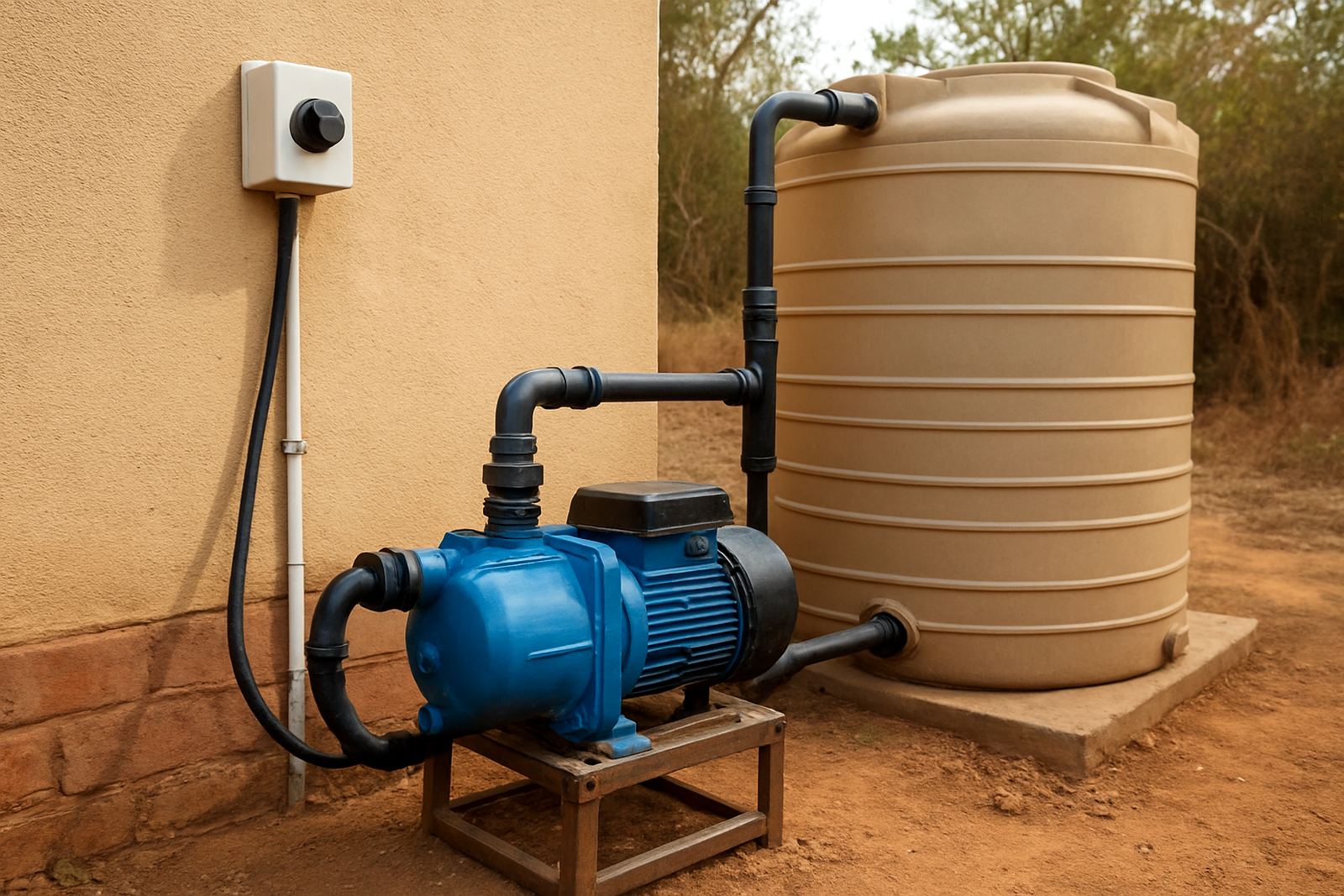
- Submersible or surface pump: Moves water from the borehole to your tank or pressure system.
- Control box and protection: Manages start-up and protects against dry running or electrical faults.
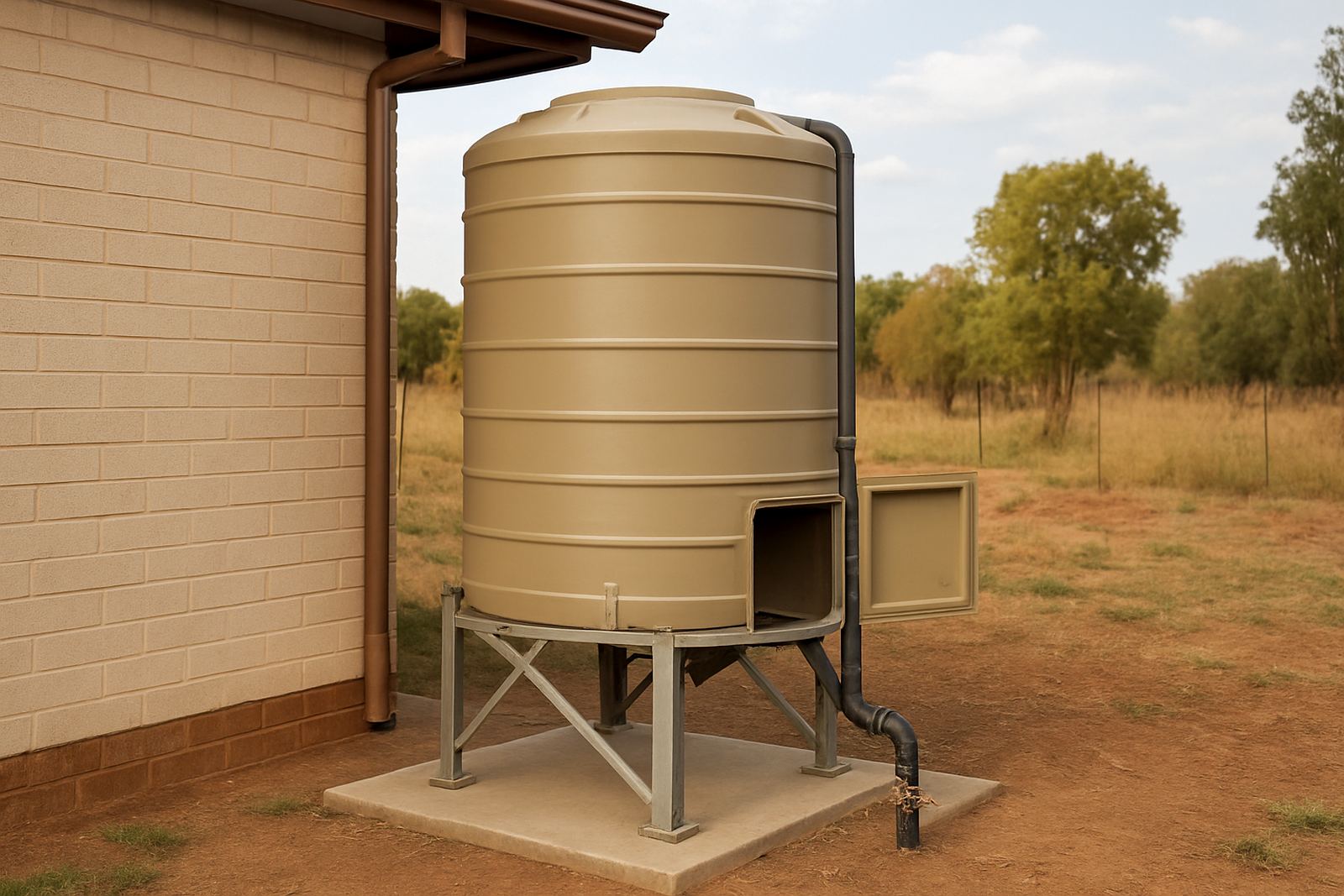
- Storage tank or pressure tank: Holds water for later use and reduces pump cycling.
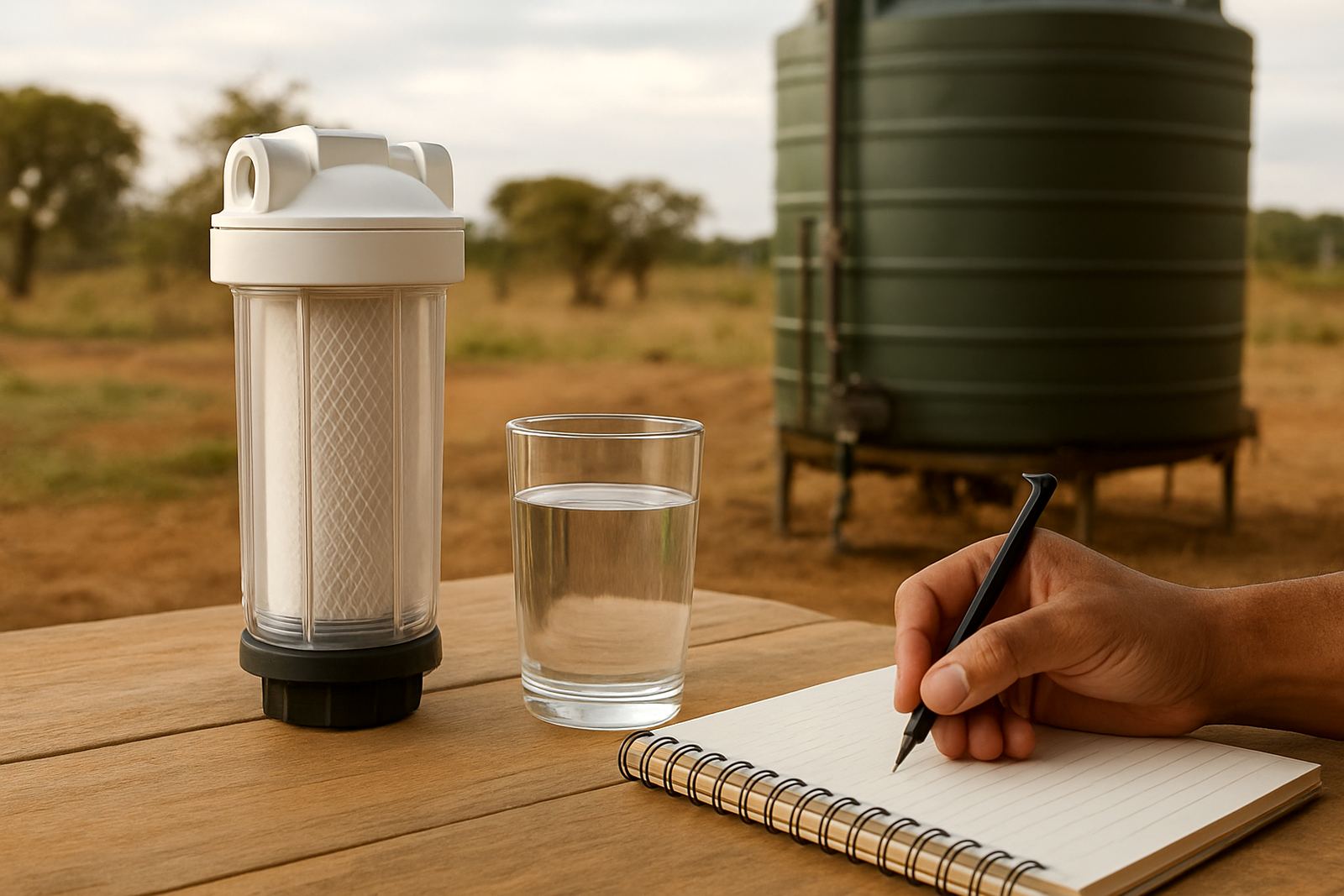
- Filtration: Removes silt, iron, odour, sediment, or other issues depending on the water test.
- Pipes and valves: Carry water safely to the point of use.
For a small home in Pretoria, a compact system may be enough. For a mixed farm outside Rustenburg, the design often needs higher flow, longer pipe runs, and more than one point of use. That is why system sizing matters before anything is installed.
Why water testing comes before equipment choice
Not every borehole produces clean water straight away, and not every water problem is visible. A good water test can show hardness, iron, acidity, sediment, and in some cases signs that treatment is needed before the water is safe for household use. If you skip this step, you might buy the wrong filter and still end up with staining, blocked nozzles, or water that tastes off.
On the coast, especially in places such as Somerset West or Paarl, humidity and mineral content can affect storage and pipework in different ways than inland sites. In dry inland areas near Bloemfontein, boreholes may be relied on more heavily through hot months, so a test and a sensible treatment plan are worth the effort.
Hydrated supports customers with water testing, system sizing, and filter choices so the equipment fits the water on site, not just the idea of what the water should be.
How homes use borehole water differently from farms
A home system is usually about consistency. People want steady pressure for showers, washing machines, garden taps, and toilets. That means a borehole setup often needs storage, filtration, and pressure control. A farm system has different pressure points. It may need to move more water, across longer distances, sometimes to multiple tanks or troughs at once.
For example, a smallholding near Hartbeespoort may need a borehole feeding a 5 000 litre tank for domestic use, while a farm in the Western Cape may need a larger storage volume and a system that can support irrigation schedules. The same borehole principle applies, but the layout changes. A setup that works for one house can fail quickly if it is pushed to serve a bigger property, and thats where a proper site assessment saves money.
- Home systems often focus on pressure, water quality, and quiet operation.
- Farm systems often focus on volume, durability, and longer run times.
- Both need maintenance, especially where sand or mineral build-up is common.
Rain tanks and boreholes can work together
Many owners assume they must choose between a borehole and a rain tank. In practice, the two can work very well together. Rainwater can reduce borehole use for garden irrigation, cleaning, or non-drinking purposes. A borehole can then provide the steady supply you need when rain is patchy or absent.
This is useful in towns where water restrictions can shift quickly, or where storage is important during dry spells. A well planned setup can direct roof water into a rain tank first, then use borehole water when the tank is low. That approach spreads demand across the system and can reduce wear on the pump. It also gives households and farms more control over water use during summer peaks.
In practice, the right mix depends on roof size, catchment area, storage capacity, and how much water you need each week. The right setup has to be worked out from the property, the storage and the weekly water demand.
What regular maintenance keeps a borehole running
Boreholes often fail slowly, not all at once. You may notice weaker pressure, cloudy water, unusual noise, a pump that starts too often, or filters that clog quicker than before. Those are signs to check the system before a small issue becomes a breakdown.
Routine maintenance usually includes filter changes, pump servicing, fault finding, tank cleaning, and annual checks on fittings and electrical controls. If the borehole is used hard during dry months, or if the water has a lot of sediment, maintenance may need to happen more often. Coastal properties also need to watch fittings and connections for corrosion.
- Check water pressure and flow at set intervals.
- Watch for sand, rust, or a change in taste or smell.
- Inspect tank levels and float switches.
- Listen for pump noise that sounds different from normal.
- Keep electrical parts dry and protected.
These simple checks can save a great deal of trouble, especially when a household or farm depends on the system every day.