

Choose the Water Source That Fits Your Property
Not every property needs the same kit. A borehole, rain tank or combined system each solves a different problem, and the right choice depends on water availability, roof area, storage space and how many people or stock need supply each day.
If you are in Pretoria, Brits, Hartbeespoort or Rustenburg, we often see a need for backup supply during load-shedding and municipal interruptions. In Bloemfontein and Western Cape areas, coastal humidity, wind, and seasonal rainfall also affect the final setup. A proper guide helps you match the source to the site before you buy.
How to Size a Kit Without Paying for Extras You Do Not Need
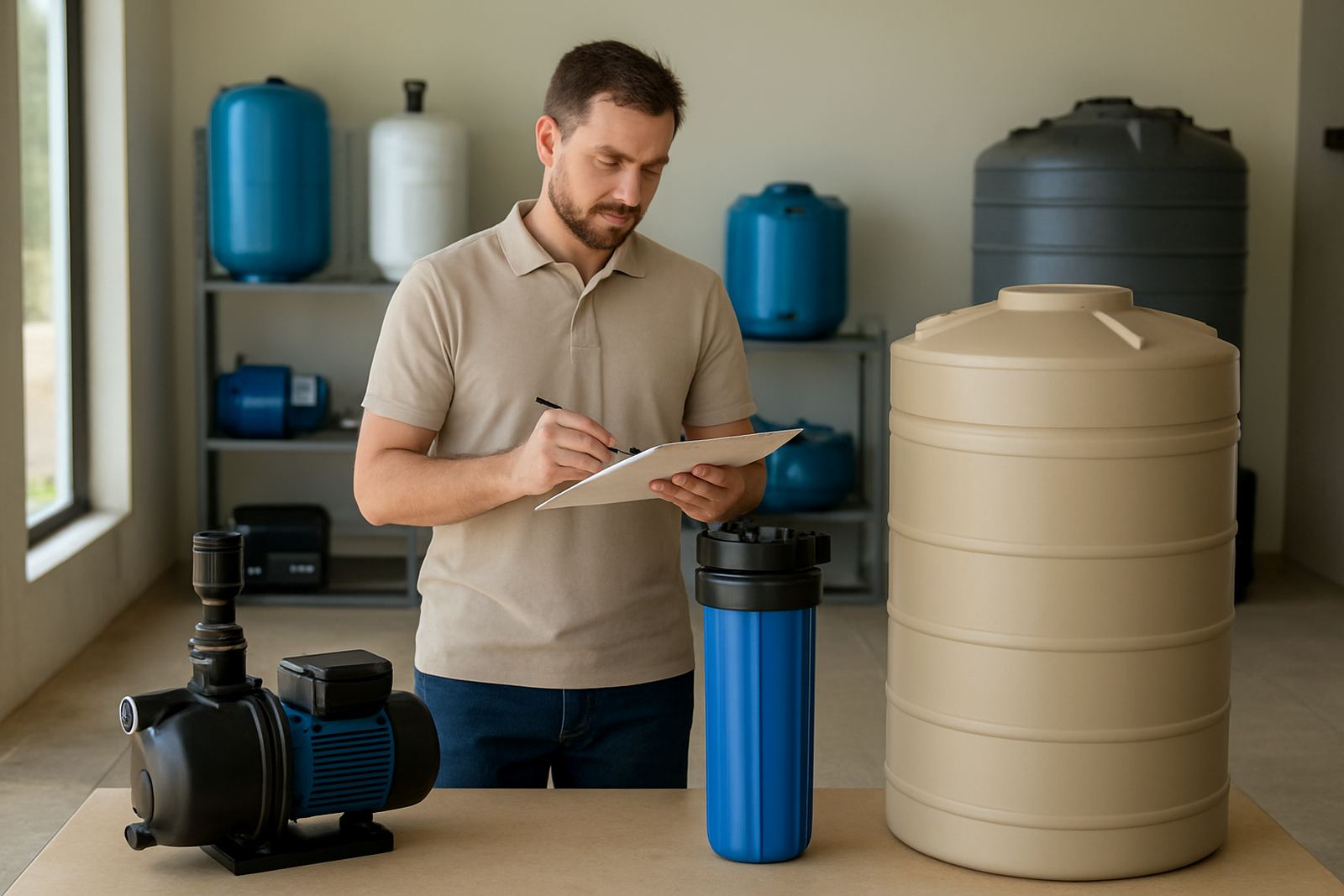
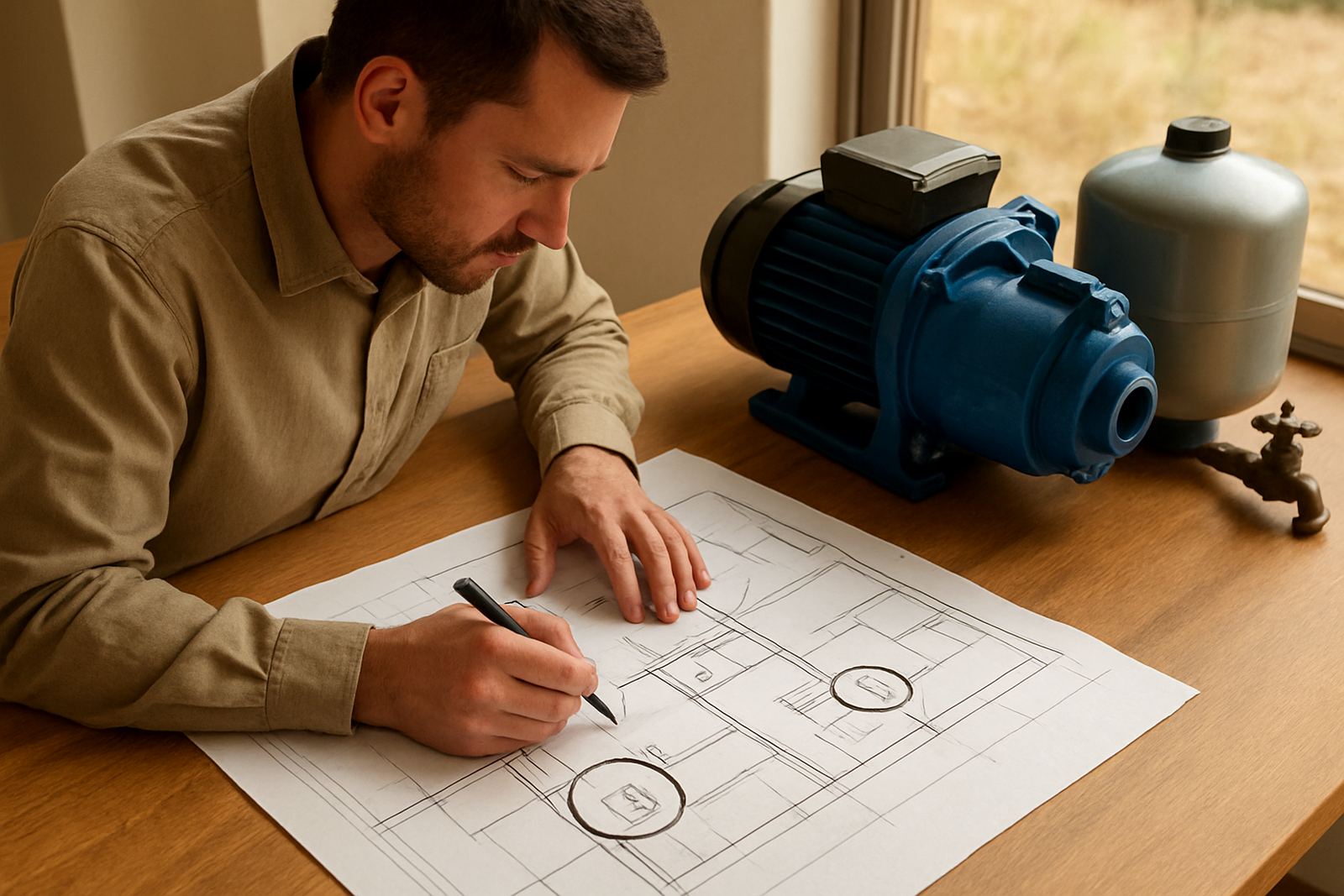
Sizing is where many buyers save or overspend. A small household may need a compact pump, basic filtration and a modest tank, while a farm yard or guest property may need higher flow, stronger filtration and larger storage. We look at daily use, peak use, lift height, pipe runs and pressure targets before recommending a kit.
- Number of taps, bathrooms or irrigation points
- Distance from tank or borehole to the main use point
- Pressure needed for appliances, sprinklers or livestock troughs
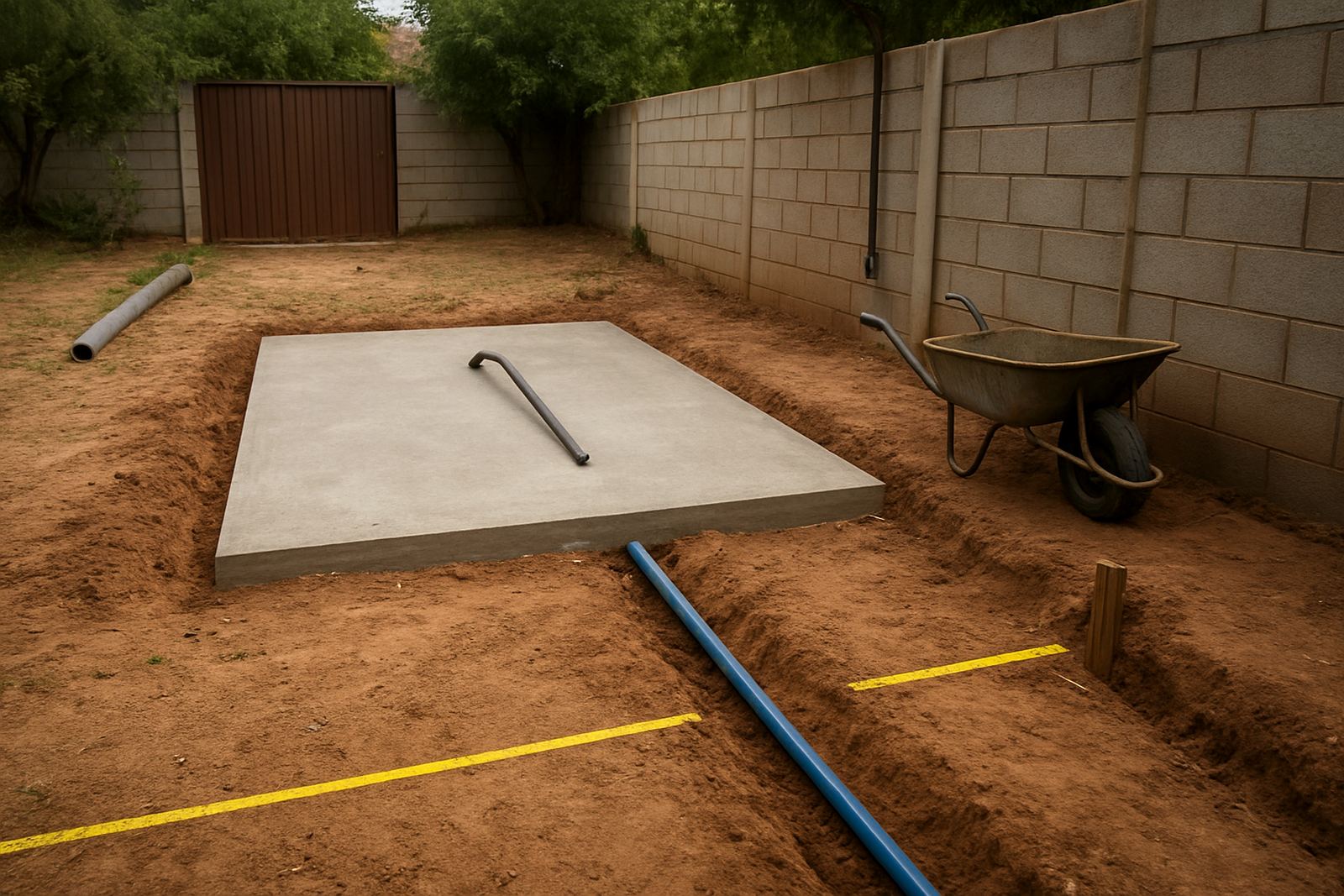
- Available space for tanks, filters and pump equipment
Good sizing also reduces wear. A pump that is too small runs flat out, while an oversized unit can cycle too often and waste power. In many cases, a clean layout with the right pipe diameter is as important as the pump itself.
What to Include in a Borehole Kit
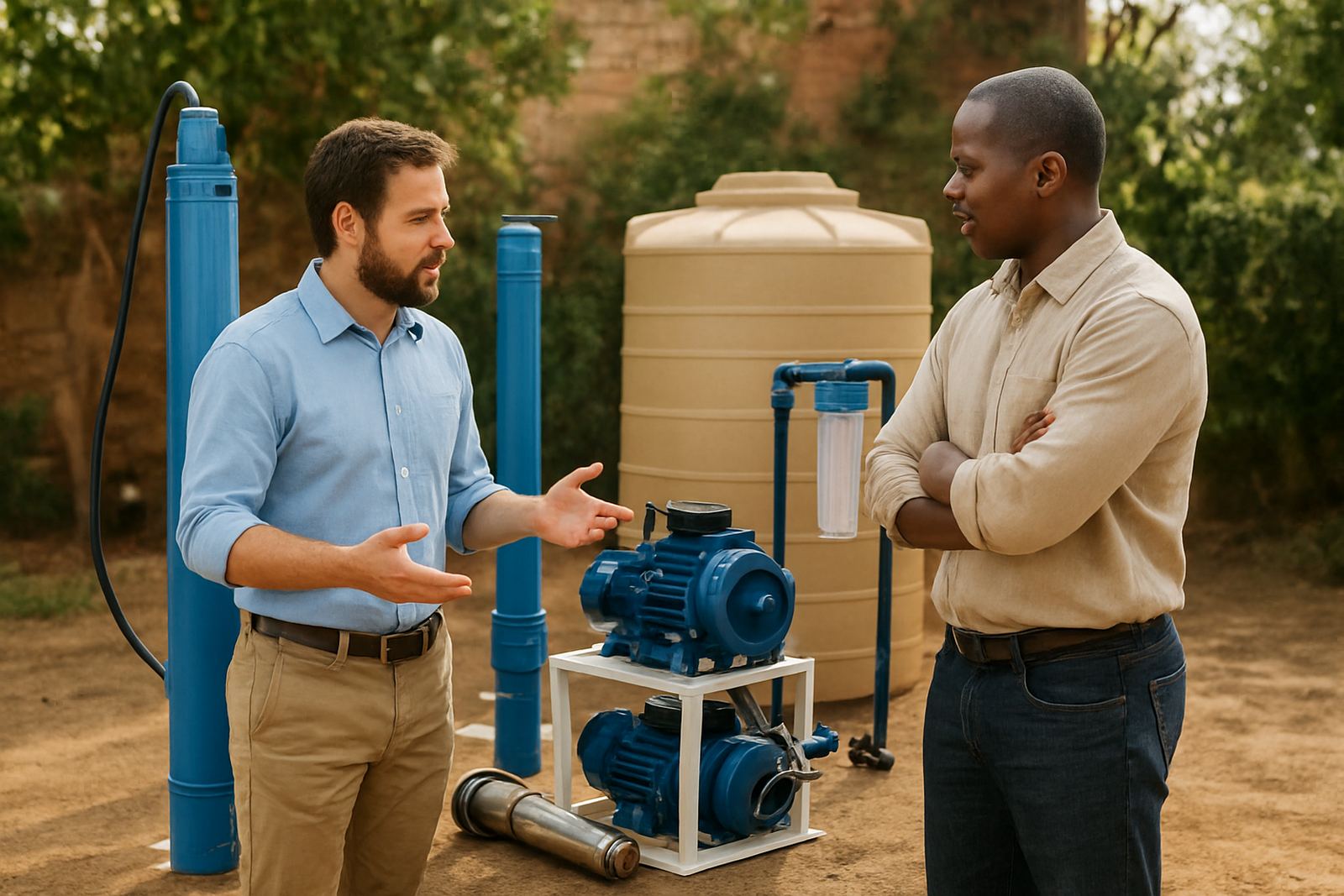
A borehole setup normally needs more than a pump. The right kit should cover pumping, protection and basic control so the system can run safely and be maintained without drama. On properties where water quality changes with the seasons, we also check whether iron, sediment or sand will need extra filtration.
- Pump matched to depth and yield
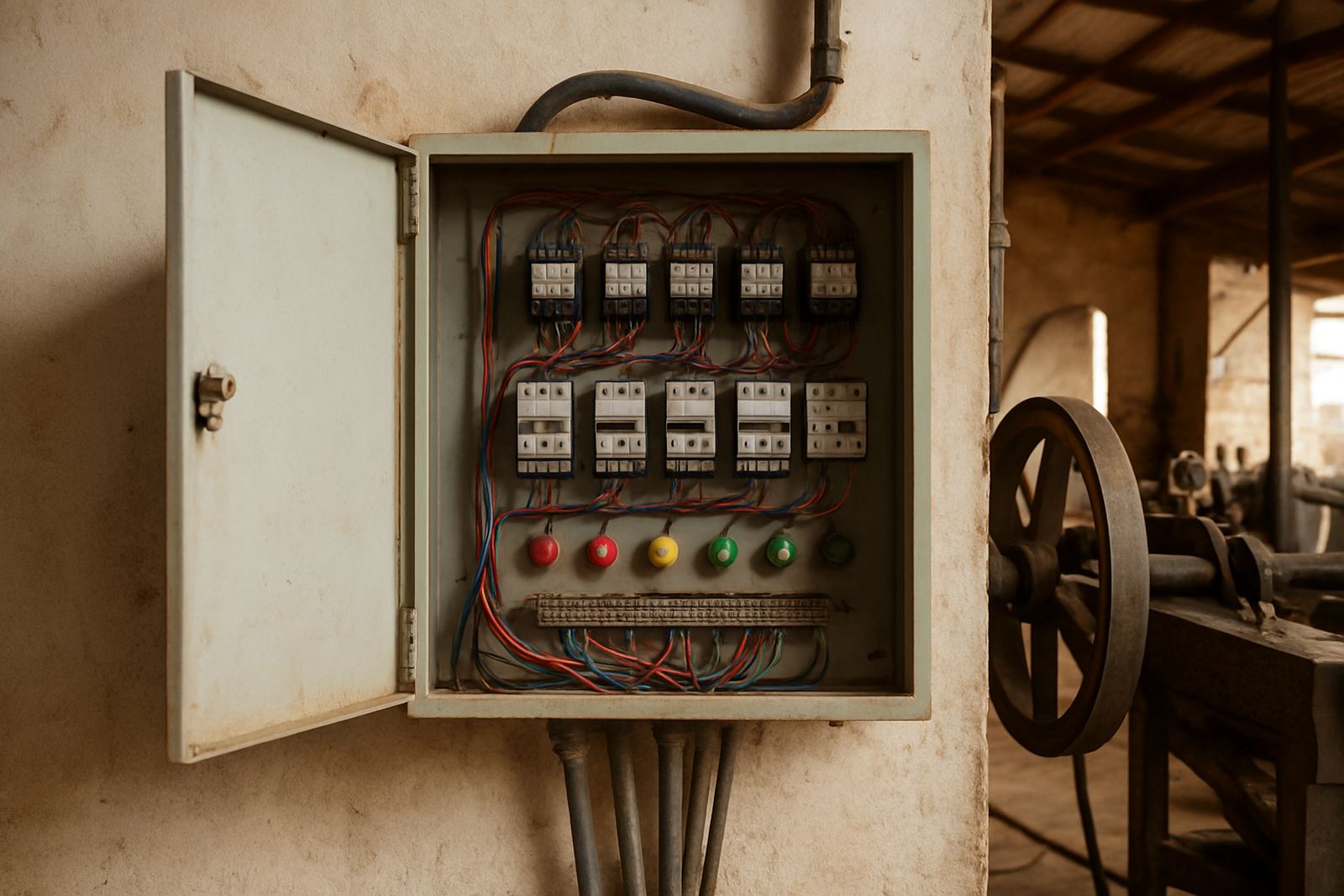
- Control gear and dry-run protection
- Pipe, fittings and cable sized for the run
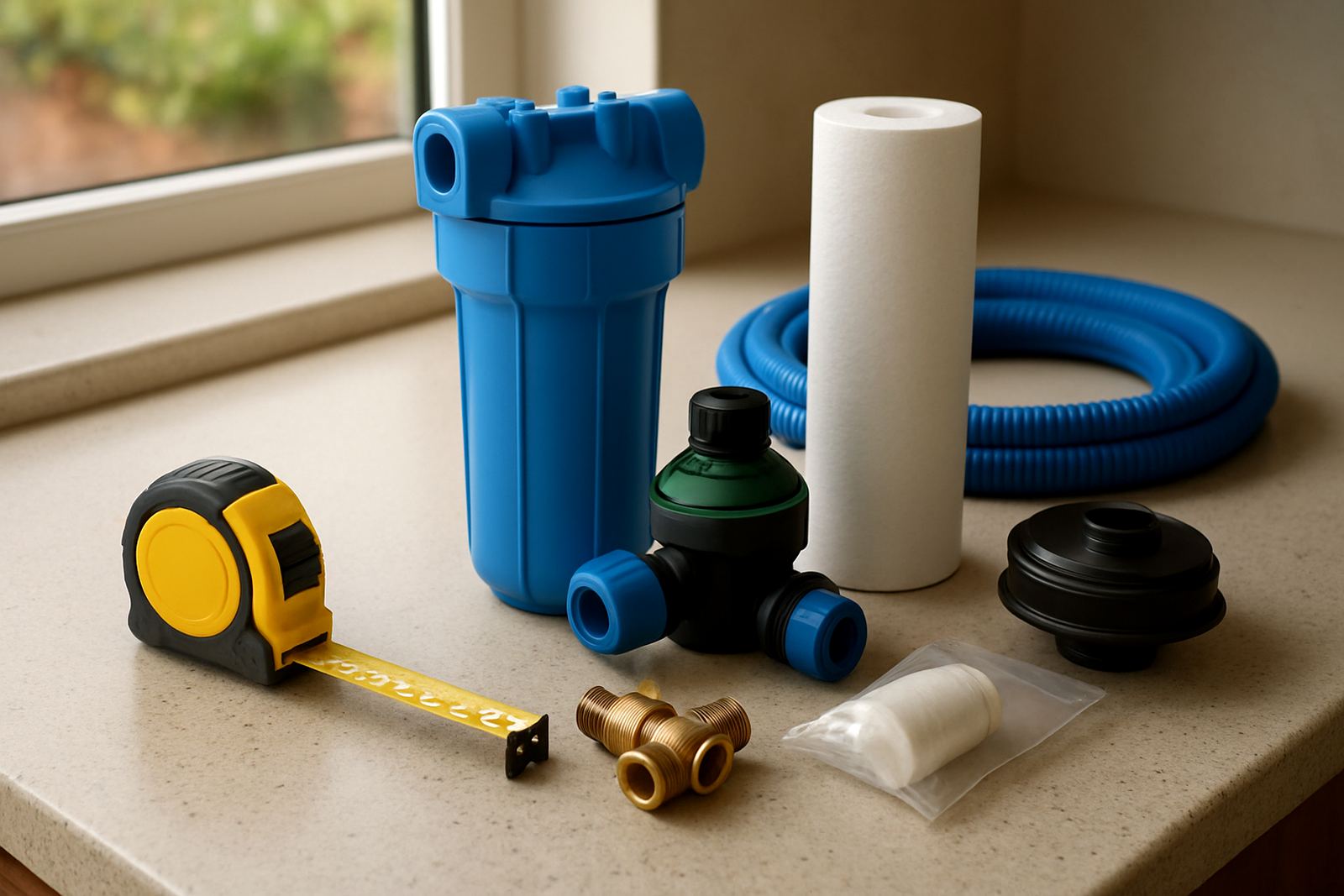
- Filter housing where water carries grit or colour
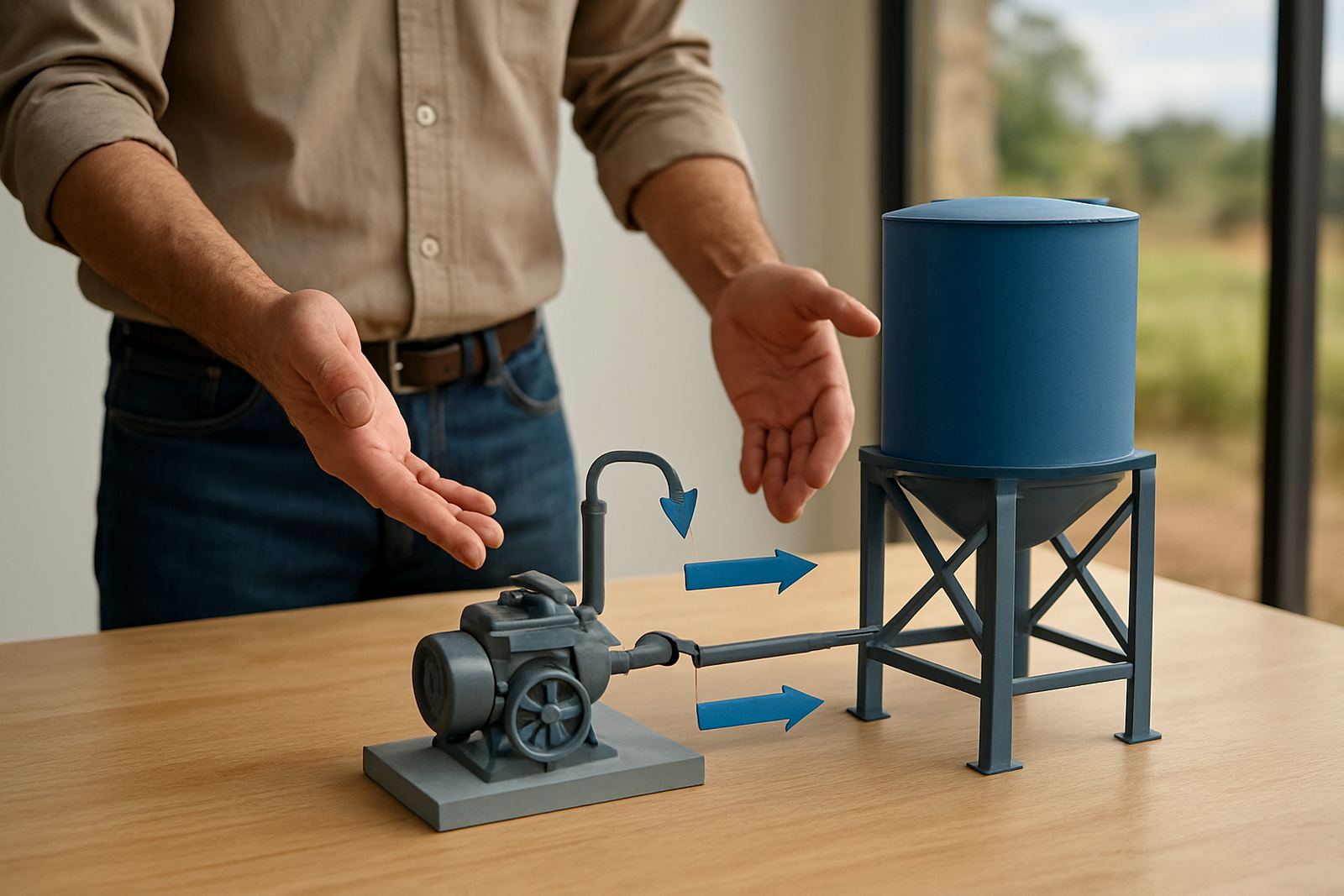
For farm use, a borehole kit may also need storage tank connections and a way to manage pressure across several points. That is especially useful where the borehole feeds a house, staff accommodation and an outdoor tap at the same time.
Rain-Tank Guidance for Homes and Smallholdings
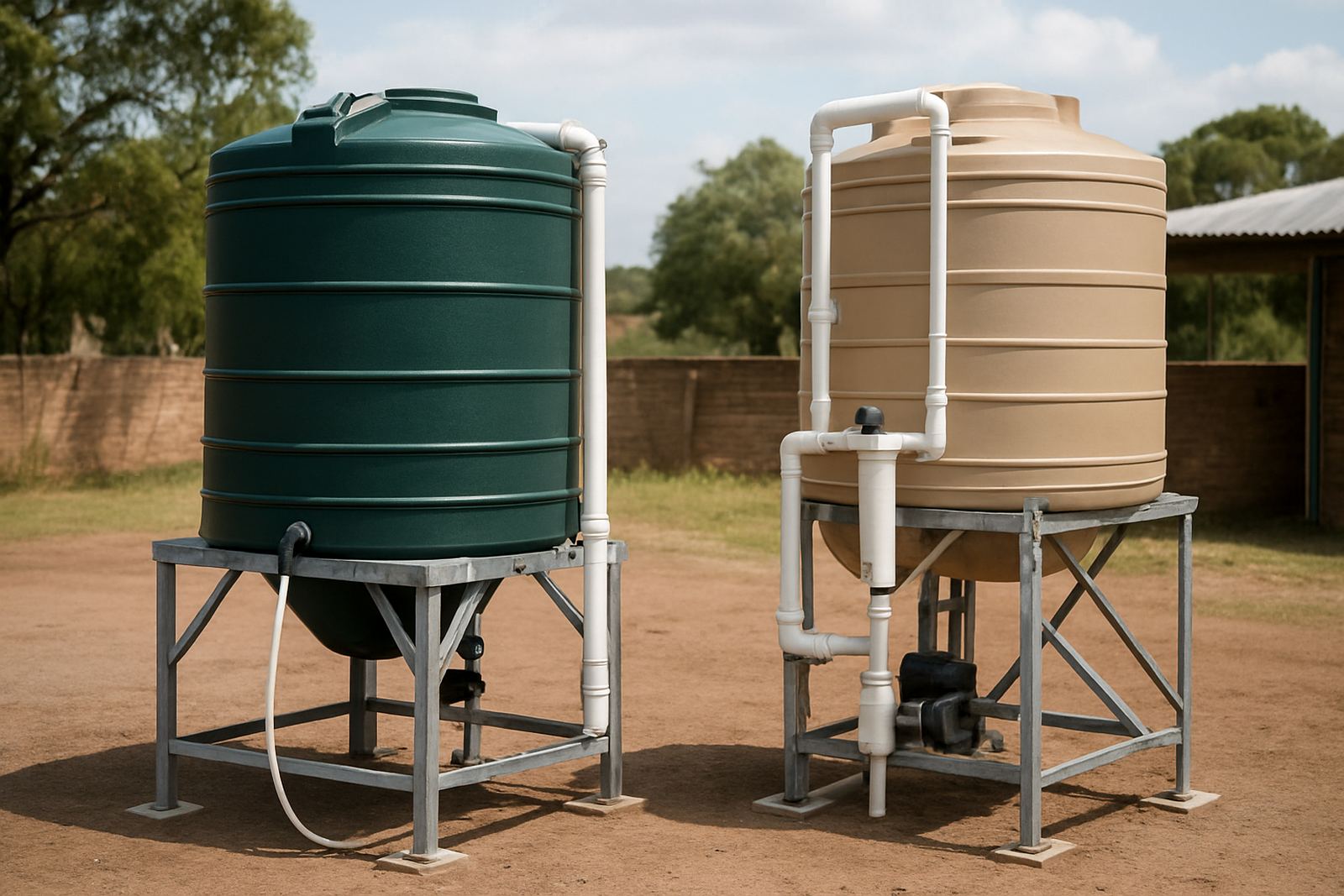
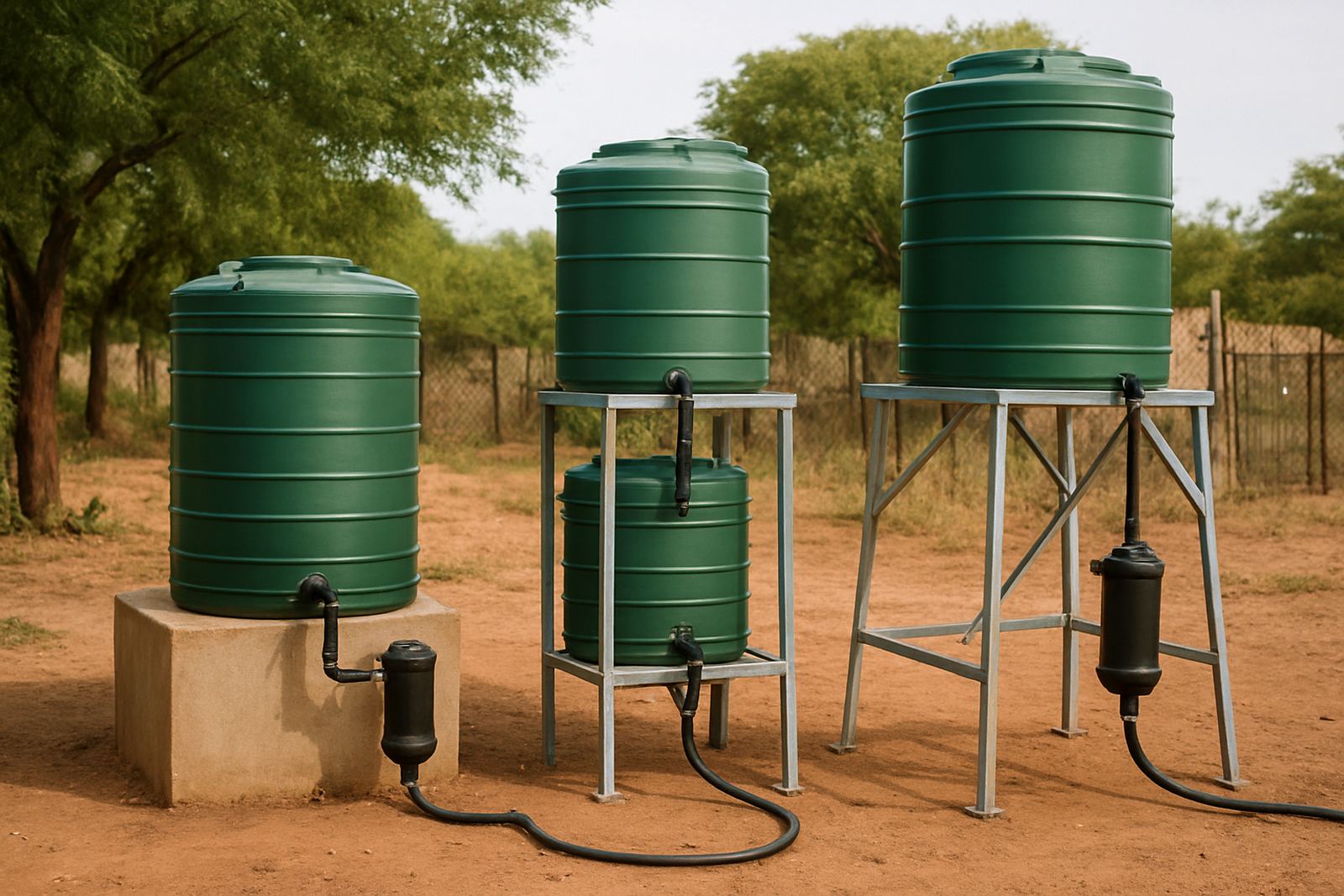
Rain harvesting works best when the roof area, guttering and tank capacity are planned together. A tank that is too small fills and empties quickly, while a tank that is too large may never turn over enough to keep water fresh. We help buyers decide on tank size, first-flush control and the right pump for garden use or backup household supply.
In windy areas and along the coast, tank placement and pipe support matter. A tidy installation also makes cleaning and maintenance easier later on, which saves time when the tank needs a wash or the filter needs changing.
Filtration Guides for Cleaner, Safer Water
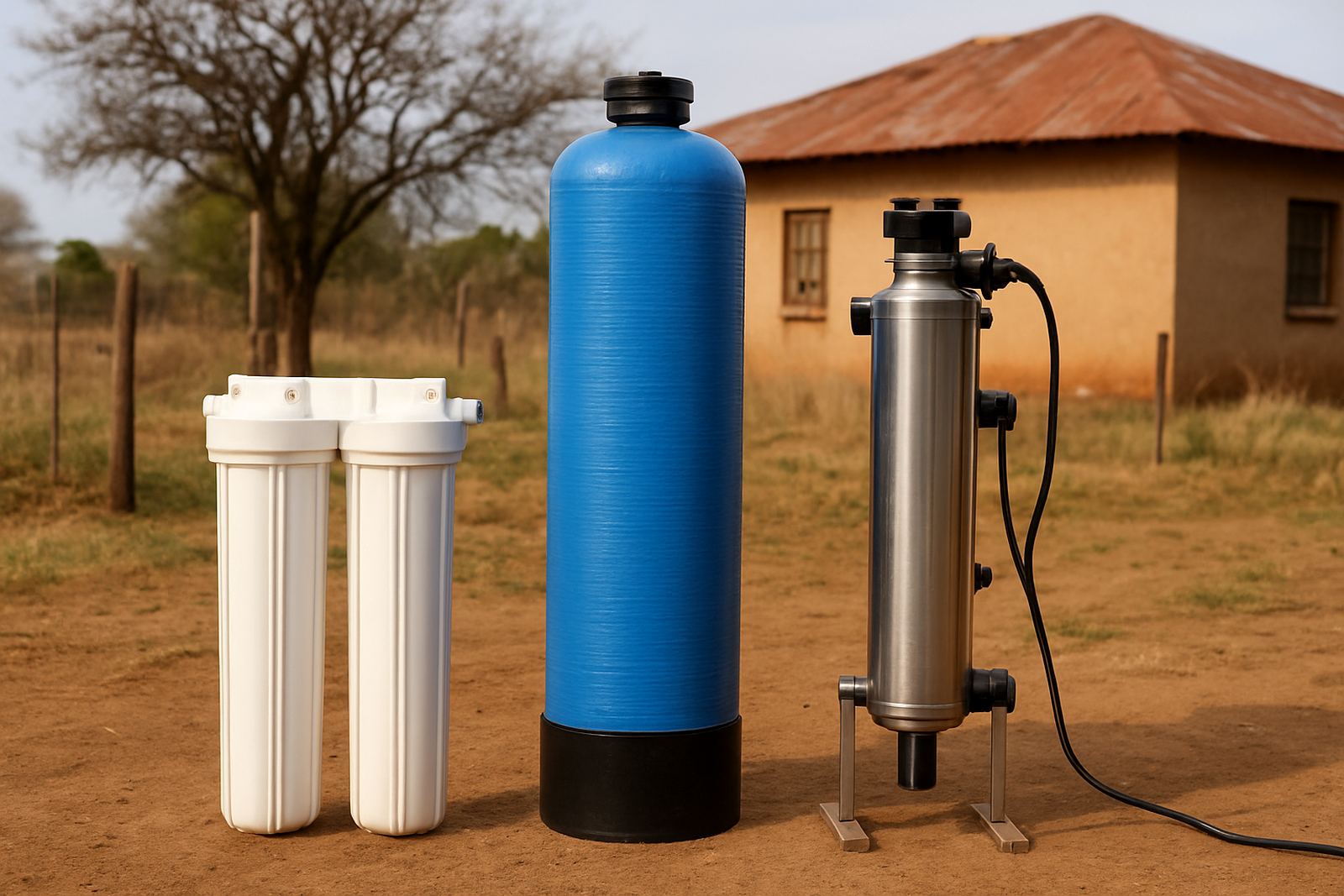
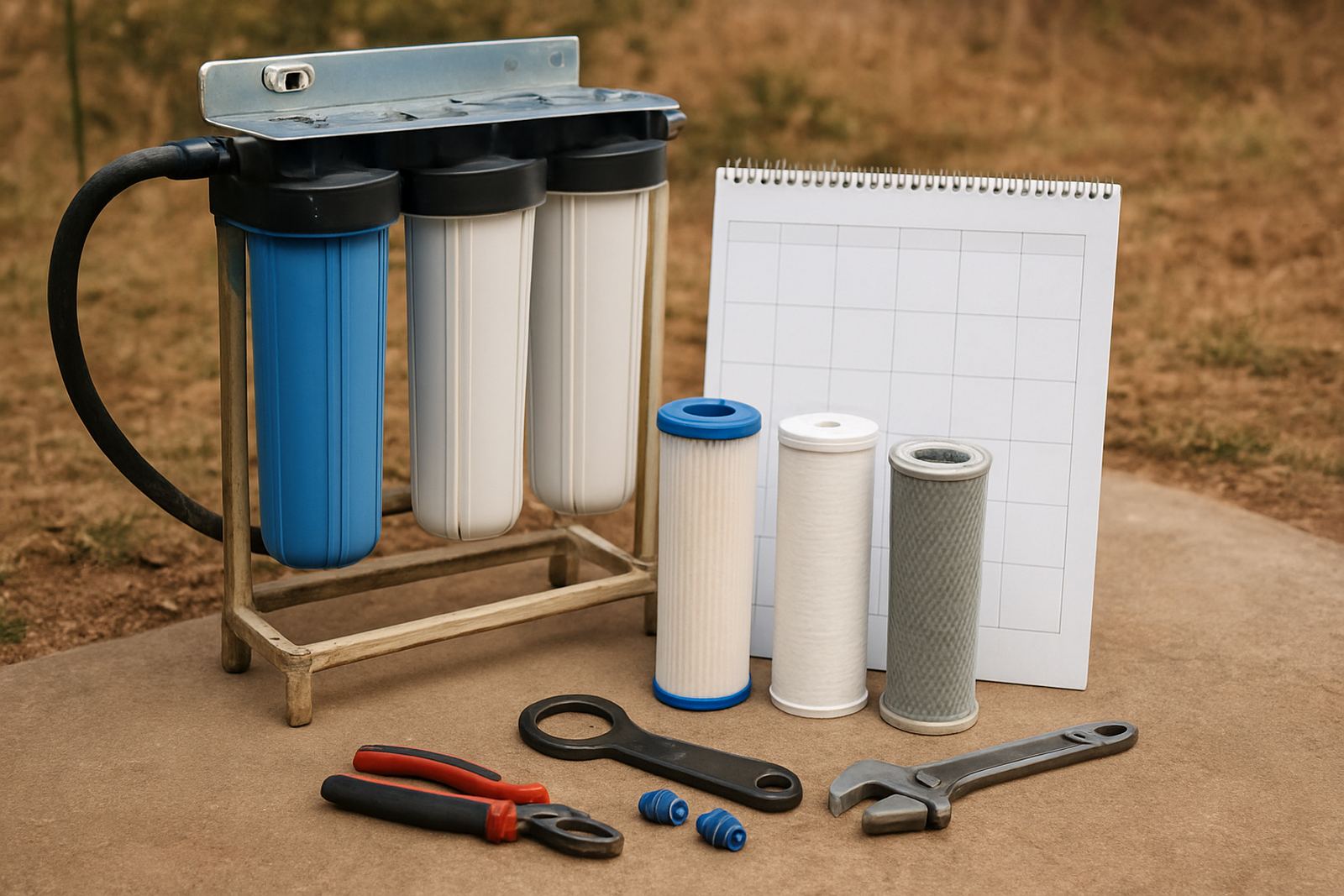
Water filters are chosen for the problem at hand. Sediment filters help with sand and rust, carbon filters improve taste and odour, and finer stages may be needed where water is used for drinking or sensitive equipment. In some areas a basic filter is enough, while other sites need a staged setup with regular checks.
Our guides explain what each filter does, how often it should be changed and how to spot early signs of clogging. If water looks cloudy after rain or borehole drawdown, do not wait until flow drops to a trickle before you act.
Plan for Installation, Service and Long-Term Use
A good kit should be practical to install and easy to keep running. That means clear access to valves, filters and pump equipment, plus space for future servicing. We also help clients plan for annual maintenance, tank cleaning, pump servicing, fault finding and water testing, so the system keeps working after the first delivery.
- Commissioning checks after installation
- Filter changes and scheduled maintenance
- Fault finding for low pressure or poor flow
- Water testing when source quality changes
For buyers across South Africa, from Brits and Pretoria to Paarl, Stellenbosch and Somerset West, the aim is the same: choose once, install properly and keep the water moving. A small mistake in layout can cause pressure problems later, so it helps to plan the full system upfront.