Start With What You Need Water To Do
Before you compare pump sizes, write down the actual jobs the system must handle. A small home in Brits with a single bathroom needs very different performance from a smallholding outside Hartbeespoort with a stock trough, garden lines and a storage tank on a stand. The pump must match the daily demand, not a guess based on the biggest model available.
Look at how water is used in a normal day. Is it for taps, toilets, irrigation, washing, animal water, or topping up a tank? If several points can run together, the pump must cope with that combined demand without dropping pressure too much. A pump that is too small may still move water, but the flow will feel weak and the motor can work harder than it should.
- One bathroom home: usually lower flow and moderate pressure needs
- Medium family home: allow for showers, washing machine and outside taps
- Farm use: plan for longer runs, higher lift and multiple draw-off points
- Tank transfer: size for fill rate and not only for end-use pressure
Flow Rate Is Only One Part Of The Answer
Flow rate is the amount of water the pump can move, usually measured in litres per minute or litres per hour. It sounds simple, but the quoted flow is only accurate at a certain working point. Once the pump pushes water through pipes, valves and filters, the actual flow changes.
A common mistake is choosing a pump because the label shows a high flow number. If the system needs pressure as well, that number drops as the pump works against resistance. This is why a homeowner in Pretoria may get good flow at the tank but poor performance at the shower once the water passes through filters and a long pipe run.
- Short pipe runs need less force to maintain flow
- Filters and valves add resistance and reduce output
- Multiple taps open at once increase demand quickly
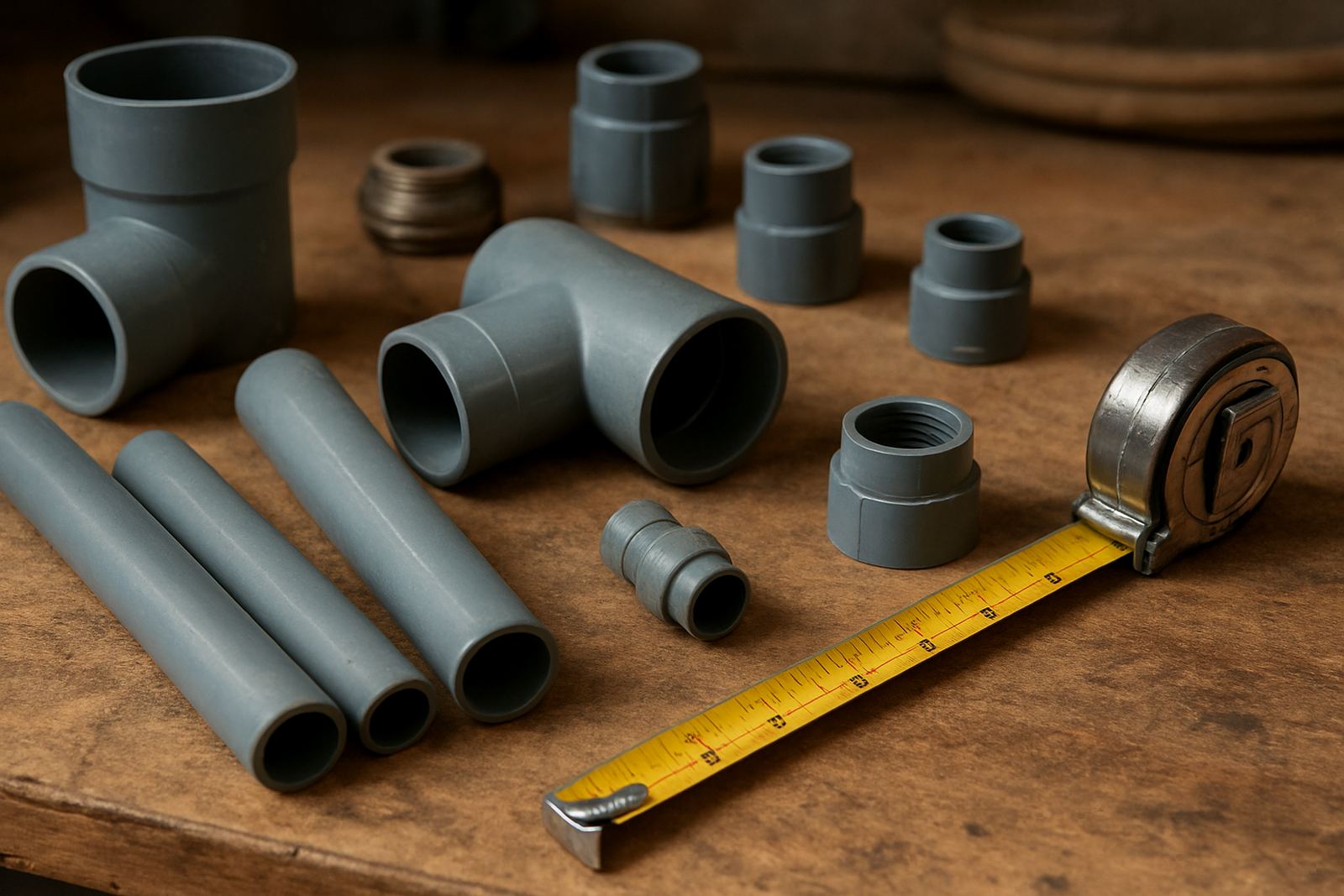
- Pipe size can support or restrict the water moving through the line
Pressure Matters When Water Must Climb Or Travel Far
Pressure is what pushes water to where it needs to go. If the tank is on the ground and the house is on a higher point, the pump must overcome the height difference. The same applies on a farm where water must travel from a borehole to a reservoir and then on to a use point several metres away. Distance and height both eat into performance.
For every metre of lift, the pump has to work harder. Long runs also create friction loss inside the pipe. That is why a setup in Rustenburg with a long driveway line can need a different pump from a similar home in Bloemfontein even if the daily water use looks the same on paper. The route matters as much as the litres.
When pressure is too low, sprinklers underperform, showers feel weak and some filtration units do not work properly. When pressure is too high, fittings wear faster and you risk leaks at joints. Balanced pressure is usually better than chasing the highest possible reading.
Pipe Length, Height And Fittings Change The Result
People often ask for pump size as if there is one correct answer. In reality, the size depends on the full system layout. The same pump can behave very differently with a 20 metre run of thick pipe compared with a 90 metre run made up of narrow pipe, elbows and a filter housing. Small changes add up quickly.
That is why a proper site assessment is so useful. If the borehole is in a low spot, the tank is on a stand, and the house is another level higher, you need to add those heights together. Then factor in pipe size, bends, non-return valves, filters and the number of outlets. Miss one of those pieces and the pump choice can be off by a fair margin.
- Measure horizontal distance and vertical lift
- Check pipe diameter from source to use point
- Count bends, valves, filters and pressure switches
- Allow for future use, not only current use
Borehole, Rain Tank And Filtration Setups Need Different Thinking
A borehole pump, a rain tank transfer pump and a pressure pump for filtered water are not the same job. A borehole system often has to lift water from depth and may need help filling a storage tank before the water is used. A rain tank setup is usually about moving stored water to taps, toilets or irrigation lines with steady pressure.
Filtration also affects the choice. Some filter sets create more resistance, especially when the cartridges are nearing service time. If the pump is only just big enough on day one, the flow may drop later as the filters load up. For homes and farms in coastal areas like Paarl, Stellenbosch and Somerset West, good filtration matters because salt air, dust and seasonal debris can affect water quality and fittings over time.
For borehole water in the North West, water quality can also influence the setup. Sediment, iron or other particles may mean a pre-filter or settling arrangement is needed, which in turn affects pressure needs. It is not only about the pump, it is about the whole line from source to tap.
A Practical Example From Brits To Hartbeespoort
Take a family home in Brits with two bathrooms, a washing machine and a garden line. The borehole fills a 5 000 litre tank, then a pressure pump feeds the house. If the pump is undersized, showers lose pressure when someone opens a tap outside. If it is oversized, the system can cycle too hard and wear out fittings quicker than expected.
Now compare that with a smallholding near Hartbeespoort that must also push water to a staff area and a livestock trough. The water may travel farther, rise higher and run through more fittings. In that case the same pump that works for the house may not be enough for the full property. The better option is often to size the system for the worst case, not the easiest one.
That is where careful system sizing helps. A good plan looks at demand, tank size, pipe route, delivery distance and whether the site needs a backup plan for power cuts. In South Africa, that last part matters. When load-shedding starts, a pump that is too demanding can become a problem fast, so matching the size to the real use case saves trouble later.
What To Check Before You Order A Pump
If you want a system that runs properly from the start, gather the facts before ordering. A few measurements and usage details make a big difference. It saves time on installation and reduces call-backs later on. Even a small typo in the numbers can throw the sizing off, so double check everything before you commit.
- Daily water use in litres or an honest estimate of household demand
- Distance from source to use point in metres
- Height difference between water source, tank and outlets
- Number of taps, showers, troughs or irrigation points
- Type of filtration and whether it needs a pressure pump
- Power supply conditions and backup plans for outages
If you are not sure, it is better to ask for a sizing check than to guess. A pump that suits your setup will fill tanks properly, hold pressure through the day and reduce strain on the rest of the system.