Why borehole water needs checking before use
Many people assume clear borehole water is clean water, but clarity only tells you so much. Borehole water can carry sand, silt, iron, manganese, hardness minerals, bacteria, and in some areas even sulphur smells or salty taste. If the water is being used in a home, guest house, nursery, dairy or farm packing area, those issues can affect health, plumbing and equipment life.
A proper water check starts with a sample and a look at the whole setup. The pump, borehole yield, storage tank, pipe sizes and daily use all matter. In a family home in Hartbeespoort, for example, the water may be fine for showers and washing but still need treatment before drinking. On a farm outside Bloemfontein the issue may be scale build-up in irrigation lines or filters blocking too quickly after rain runoff enters the borehole area.
- Check for visible sediment, colour and smell.
- Test for bacteria, hardness, iron and pH where needed.
- Match the treatment to the end use, not just the source.
Common borehole water problems we see in the field
Different towns and soil types bring different water problems. Around Brits and Rustenburg, iron staining and scaling can show up on taps, geysers and toilet cisterns. In coastal or near-coastal areas such as Somerset West or Paarl, some boreholes carry more dissolved minerals and can leave deposits on fittings. After heavy rain, fine grit and turbidity can rise, especially where the borehole is not properly sealed or the surroundings are dusty.
There is no single cure for every borehole. The treatment must solve the actual problem, otherwise you spend money and still get poor results. A system that removes sand may not touch bacteria. A carbon filter may improve taste but it will not soften hard water. That is why site assessment and system sizing matter before anything is assembled.
- Sand and silt: cause cloudy water, blocked valves and worn pump parts.
- Iron and manganese: cause staining on basins, laundry and paving.
- Hardness: leads to scaling in geysers, kettles and drip systems.
- Bacteria: may require disinfection and ongoing monitoring.
The treatment stages that usually make sense
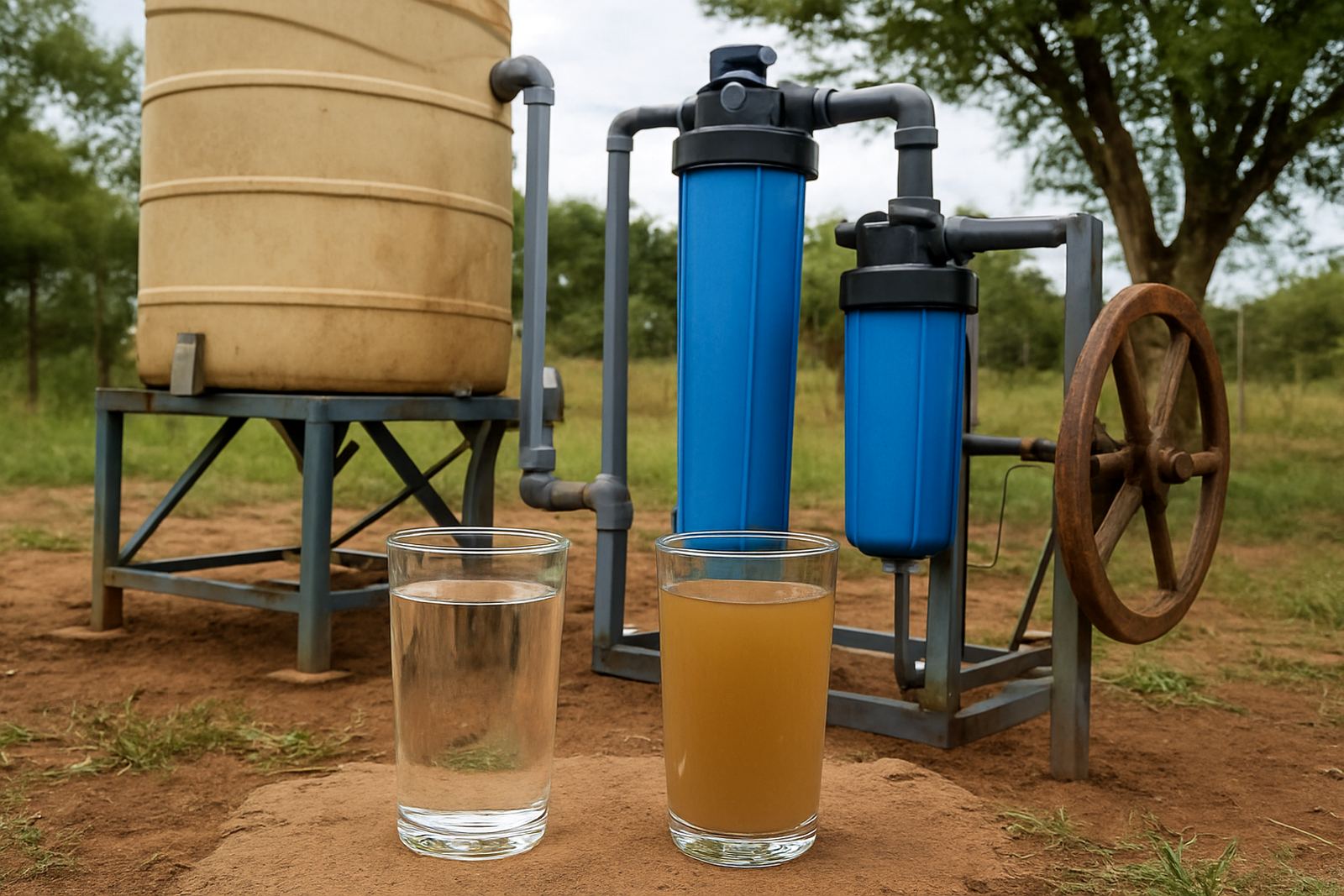
Most borehole treatment systems are built in stages so each part does one job well. The first stage is usually sediment removal. That can be a spin-down unit, a mesh filter or a cartridge filter, depending on the grit load. After that, some systems need iron removal or softening, then carbon filtration for taste and odour, and finally disinfection if the water is for drinking or food preparation.
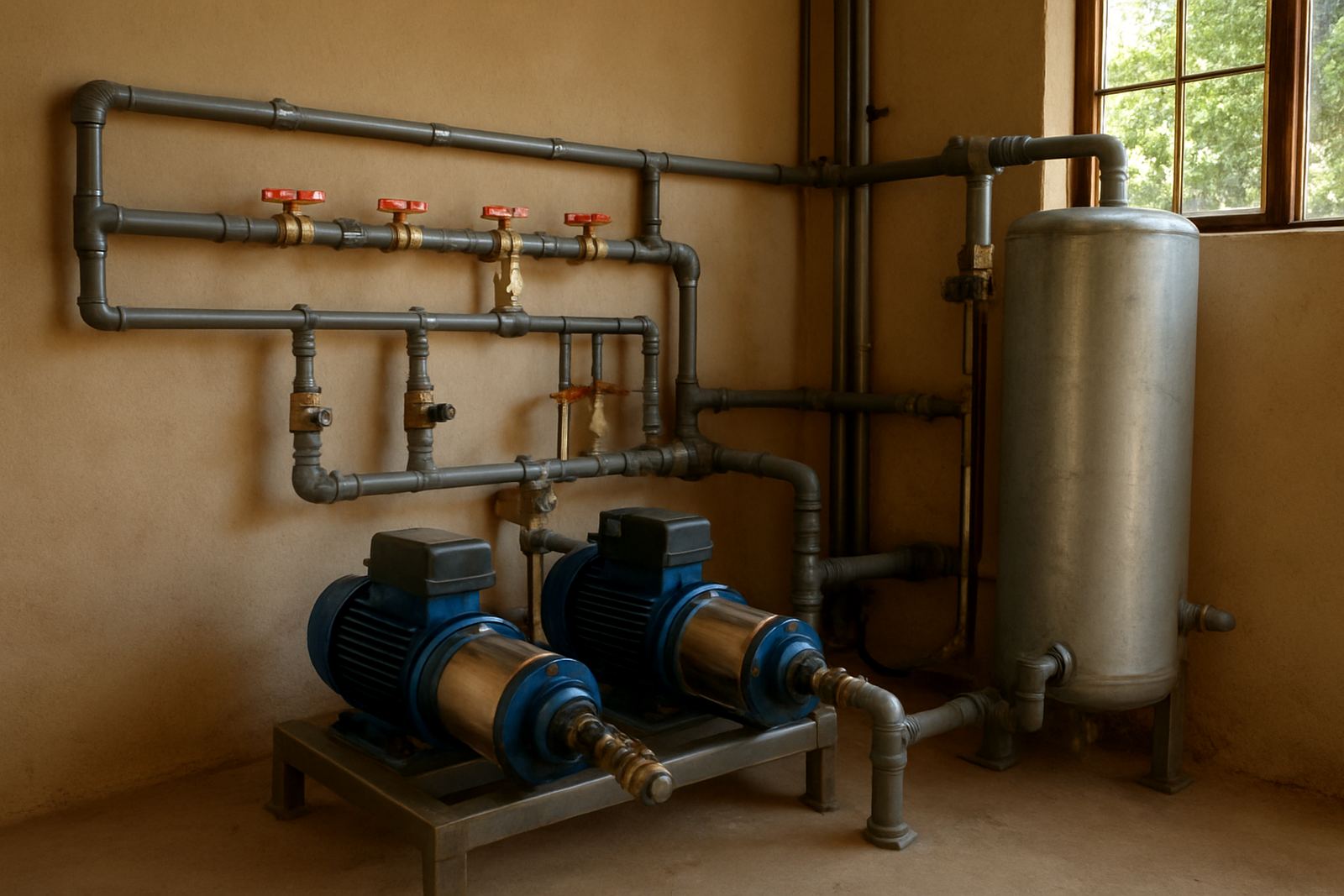
For a smallholding in Pretoria, the setup might be simple: sediment filtration, carbon, and UV or chemical disinfection after a proper test. For a larger farm near Bloemfontein, the system may need bigger housings, pressure control and bypass lines for maintenance. When water use changes from season to season, the treatment must be set up to cope with peak demand, not just winter use.
- Stage 1: remove sand, rust and fine particles.
- Stage 2: tackle iron, manganese, hardness or taste issues.
- Stage 3: disinfect when the water is for direct human use.
- Stage 4: keep the system serviceable with easy filter changes.
What safe drinking water usually involves
When borehole water is intended for drinking, the aim is not just to make it look better. It needs to be consistently safe and suitable for daily use. That often means water testing first, then adding the right treatment in the right order. If the water has bacteria, a single filter will not solve the problem. If the water is hard, a purifier alone will not stop scale in the geyser.
In homes across Hartbeespoort and Somerset West, we often see systems that work well for a while and then slow down because no one planned for maintenance. Filters clog, pressure drops and the water quality changes with the seasons. Commissioning checks help catch those issues early, and annual maintenance keeps the system performing properly. A little planning saves a lot of trouble later, especially during load-shedding when pumps and pressure systems are already under strain.
- Test the water before choosing disinfection or softening equipment.
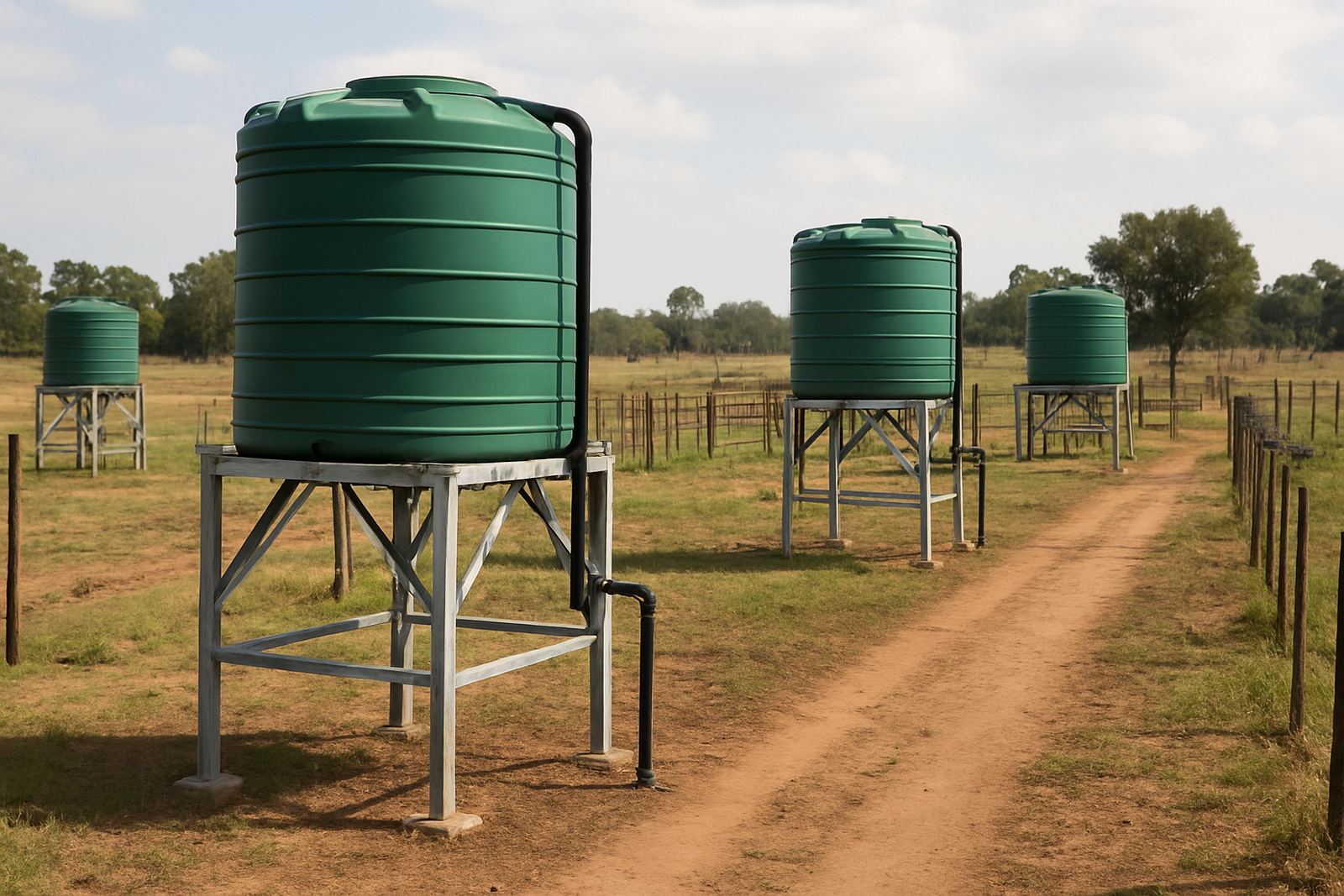
- Allow for safe storage if supply is intermittent.
- Keep spare filter elements on hand for busy periods.
How farms and households use treatment differently
Homeowners usually want clean water for drinking, cooking, laundry and bathing. Farmers may need water for livestock, spray mixes, packing lines, cooling, washing equipment or irrigation. Those uses do not all need the same treatment level. In some cases one system can serve both needs, but often the safest and most cost-effective option is to split the supply after the main treatment point.
A poultry unit near Rustenburg may need very good filtration and regular pump servicing to protect drinkers and lines. A house in Brits may only need a smaller kit with sediment removal, carbon and disinfection. The key is to avoid over-treating water where it is not needed, while not under-treating the part that people or animals rely on. Practical systems are easier to maintain and less likely to fail unexpectedly.
- Domestic use: focus on taste, safety and scale control.
- Livestock use: focus on flow, cleanliness and consistent supply.
- Irrigation: focus on sediment control and line protection.
- Processing areas: focus on testing and regular monitoring.
Maintenance keeps treatment working after installation
Borehole treatment is not a once-off job. Filters need changing, tanks need cleaning, pumps need checking and water quality can shift after storms, long dry spells or borehole work nearby. Coastal humidity, dust and rural power interruptions all put extra strain on equipment. If a system is left too long without attention, the water may start to smell, pressure may drop, or fine particles may pass through again.
Regular maintenance does not have to be complicated. A clear service schedule makes it easier to stay ahead of problems. For clients in Pretoria, Bloemfontein or the Western Cape, we often recommend annual checks at minimum, with more frequent attention where the water carries more sediment or the usage is heavy. Fault finding early is far cheaper than replacing a burned pump or cleaning out blocked lines later.
- Change filters before they become a restriction.
- Check pump performance, pressure and flow rates.
- Clean tanks and inspect for algae, sediment or cracks.
- Retest water after any major system change or repair.
A practical local example from Brits
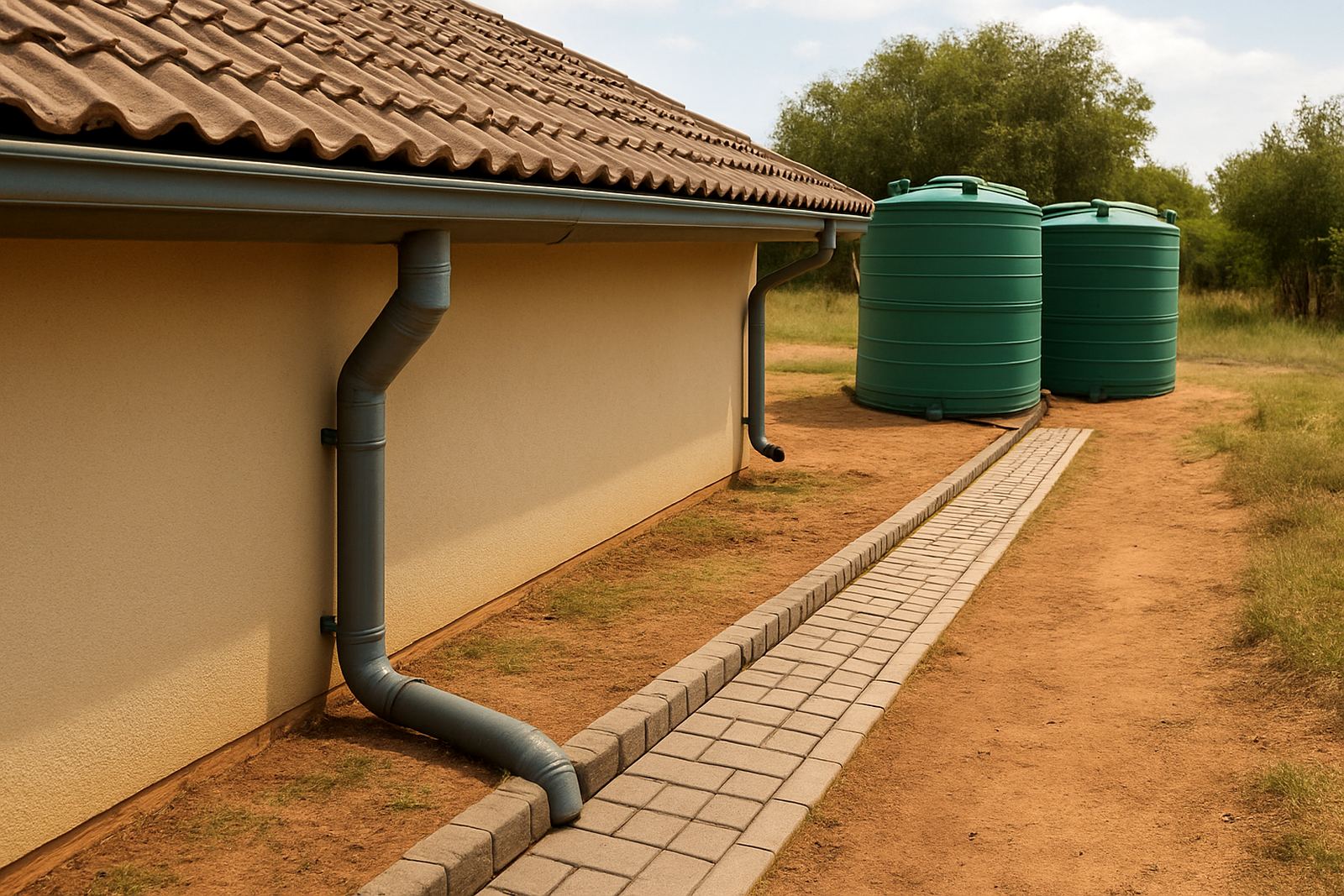
One common setup in Brits starts with borehole water feeding a storage tank, then moving through sediment filtration, carbon and disinfection before reaching the house. If the borehole shows iron staining and a bit of cloudiness after windy days, the first stage removes grit, the second improves taste and odour, and the last stage helps with safety. The homeowner gets cleaner water without overcomplicating the system.
That same approach can be scaled for a farm outside Hartbeespoort or a small business near Pretoria. The details change, but the logic stays the same: test first, size the system properly, and plan for maintenance. Hydrated supports site assessments, system sizing, kit assembly, delivery coordination, installation support, commissioning checks, filter changes, pump servicing, fault finding, water testing, tank cleaning and annual maintenance across South Africa.
When borehole water is treated in the right stages, it becomes far more useful and predictable. That gives families and farms a steadier supply and less worry when municipal water is unreliable or when load-shedding affects pumps and pressure systems.