
Start with the source water, not the tank
Most sediment problems begin before the water even reaches the tank. On farms around Brits, Hartbeespoort and Rustenburg, boreholes can pull fine sand after pumping tests, pump repositioning or seasonal changes in the aquifer. Rainwater systems see a different problem: leaves, dust, roof grit and bird droppings wash in with the first flush after a dry spell. If you treat the tank as the first point of defence, the whole system ends up doing more work than it should.
A proper site assessment helps identify where the dirt is coming from and how much of it you need to stop at source. In some cases the solution is as simple as raising the intake point, adding a better screen, or changing the way roof water enters the tank. In other cases, especially on agricultural sites, you need a staged approach with a coarse filter first and a finer filter later. That way the pump is not forced to move sludge and the filtration kit is not asked to handle material it was never meant to catch.
- Check whether the dirt enters through the borehole, roof, gutter or tank inlet.
- Inspect the first flush from rain water after a dry week or dusty wind.
- Look for silt build-up near the bottom of tanks and in pump strainers.
- Match the intake protection to the actual particle size, not a guess.
Use a first-flush line on rain tanks
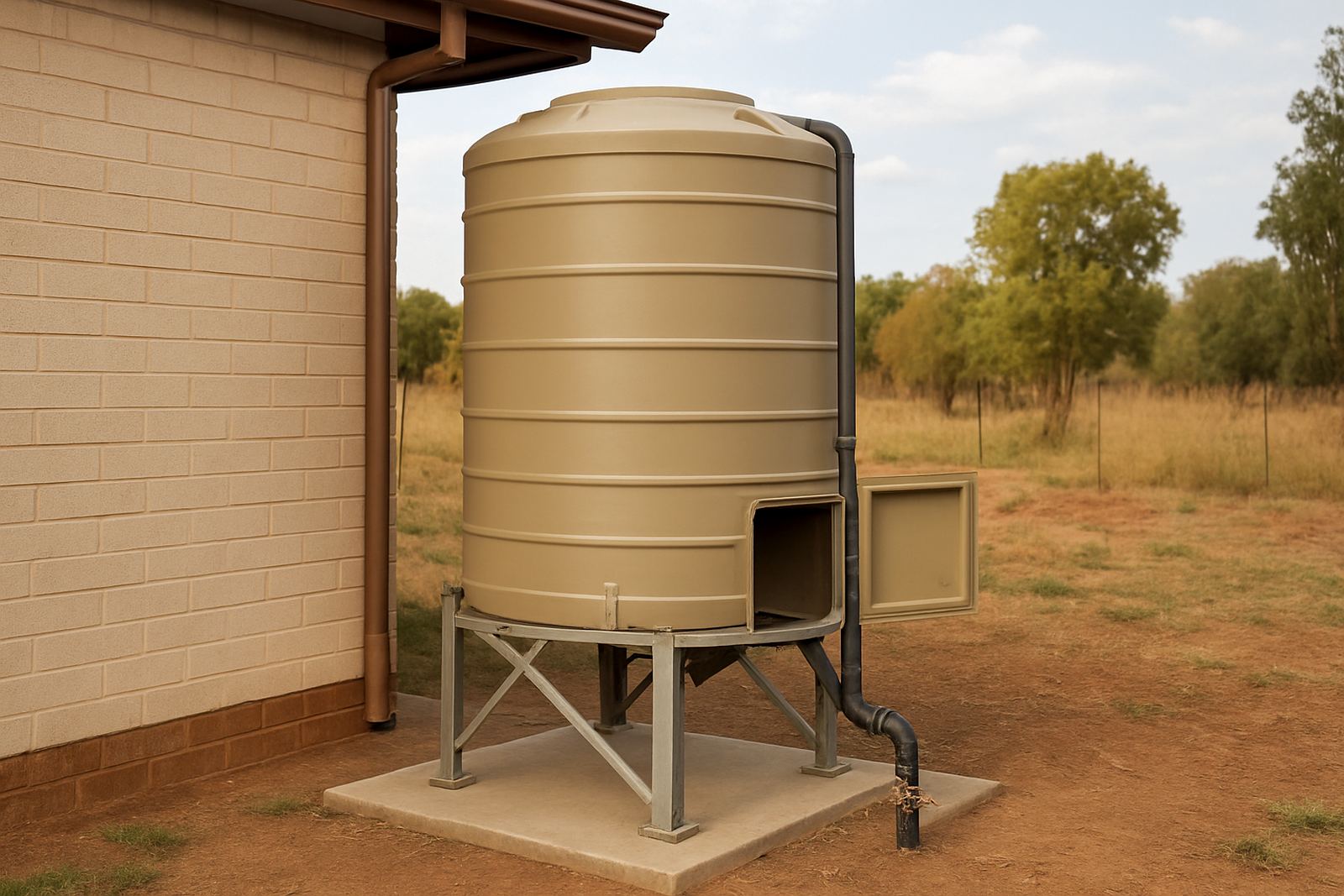
Rainwater is clean only when the roof and gutters are clean. A first-flush device diverts the dirtiest water away from the tank at the start of rainfall, which is important in towns like Pretoria, Paarl and Somerset West where roofs collect dust, pollen and fine grit between storms. Without that initial diversion, the first few litres can carry enough sediment to stain the tank base and shorten filter life.
For homes and light commercial use, the first-flush setup should be sized to the roof area and local rainfall pattern. A small roof might only need a modest diversion, while a larger home, workshop or pack shed can need much more. The outlet must also be easy to clean. If it blocks up, the dirty water just bypasses the system and goes straight into storage. That is why we always check gutter fall, downpipe position and overflow routing during system sizing.
- Clean gutters before the rainy season starts.
- Fit mesh guards where leaves and seed pods collect.
- Make sure the first-flush chamber can drain properly after each rain.
- Keep tank inlets covered so wind-blown dirt does not fall straight in.
Choose the right pre-filter before the pump
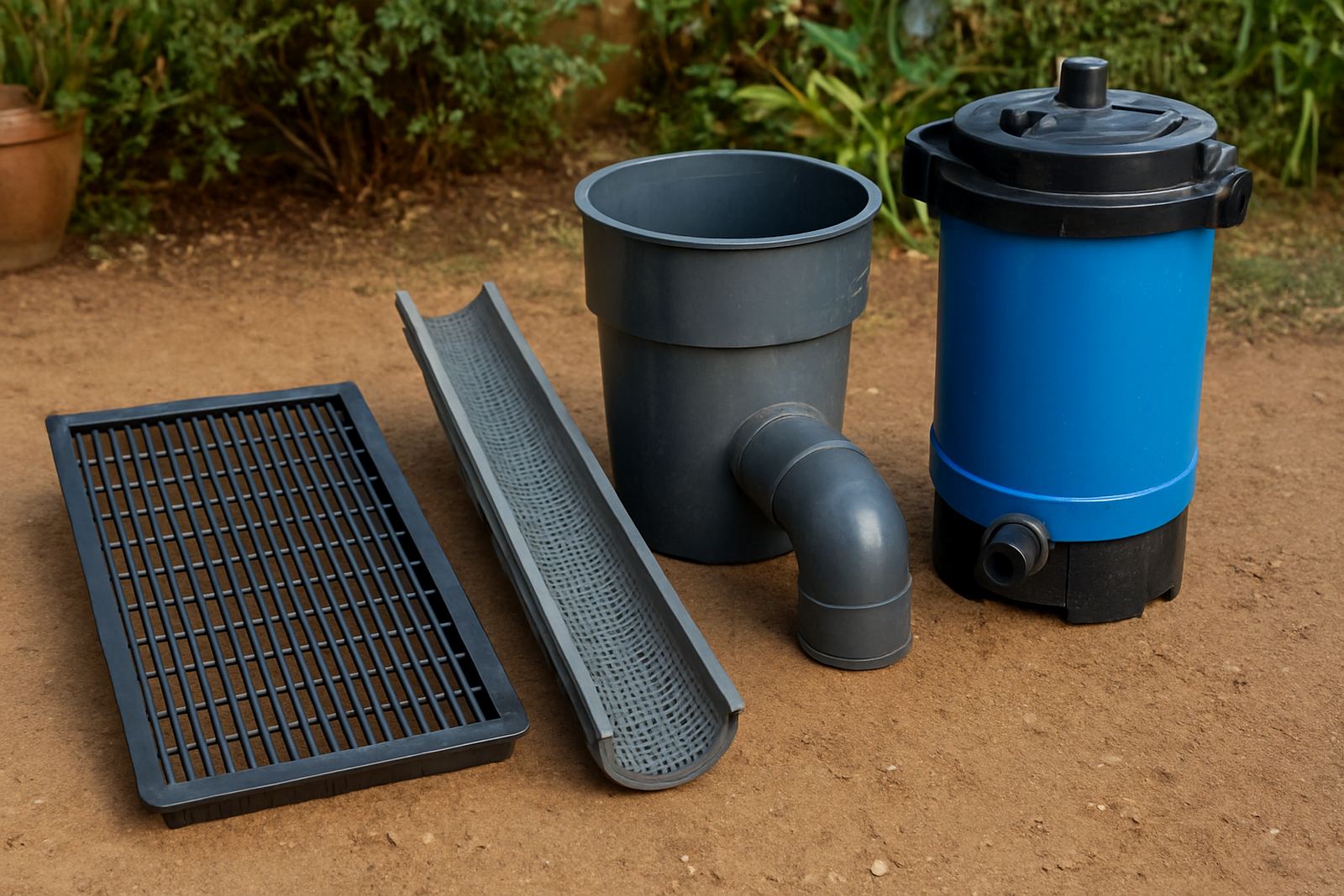
Whether the water comes from a borehole or a rain tank, the pump should not be the first component to meet every grain of sand. A pre-filter or strainer protects the pump and makes later filtration easier. This matters even more during load-shedding, when pumps may start and stop more often and sediment can settle in pipework before the next run. The wrong pre-filter, or none at all, often means more wear on seals, more blocked impellers and more interruptions.
The best setup depends on flow rate, water quality and how often the system is used. A household in Hartbeespoort with moderate tank storage needs a different arrangement from a mixed-use farm outside Bloemfontein. Some systems need a simple washable strainer, others need a staged filter with sediment cartridges, screen units or bag filters. The key is to keep the pressure drop low enough for the pump while still capturing the grit that causes damage.
- Install a coarse pre-filter before finer cartridges.
- Use washable elements where sediment load is heavy.
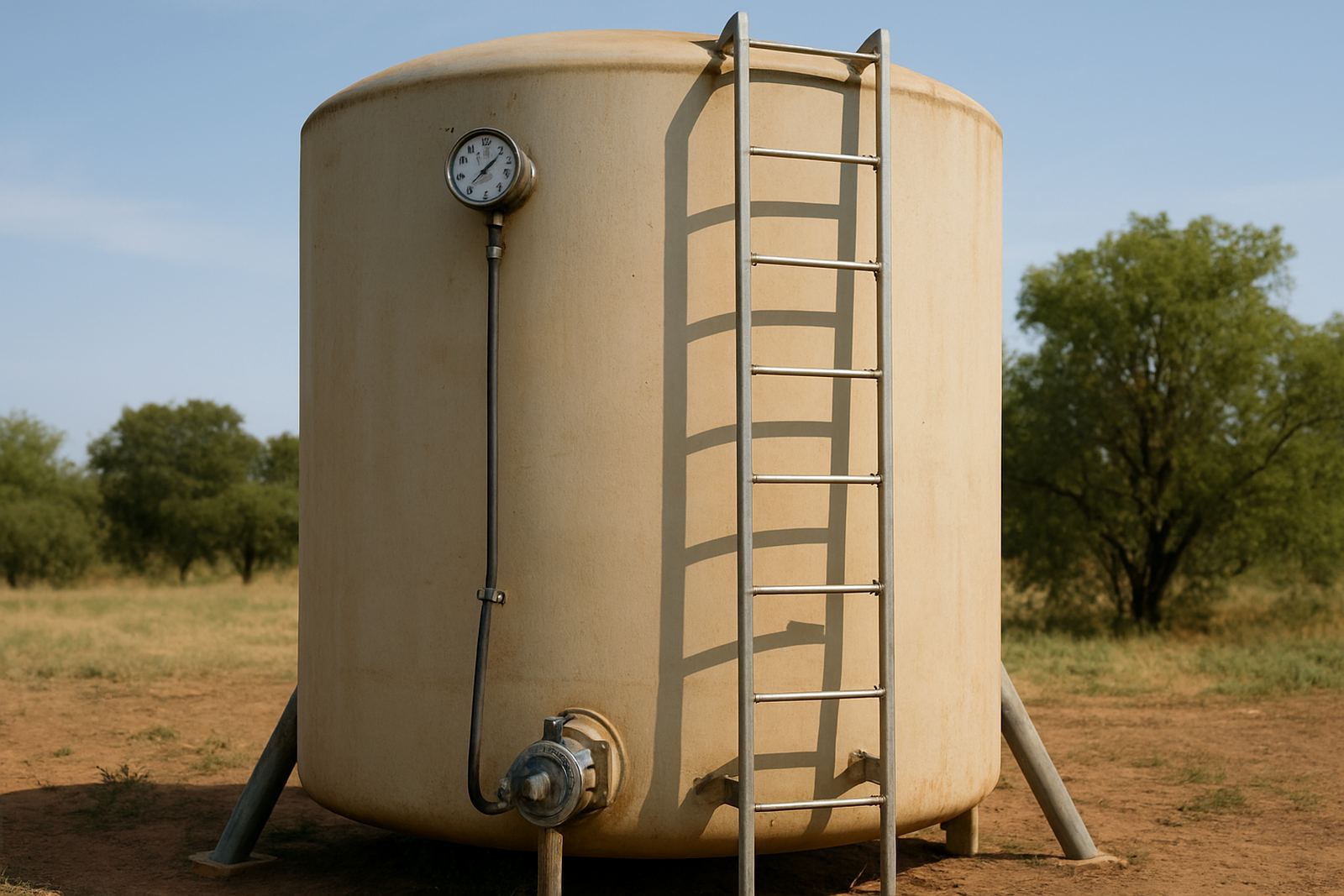
- Check pressure gauges so you know when a filter is clogging.
- Keep spare cartridges on site if the water source is very sandy.
Tank placement and plumbing details matter more than people think
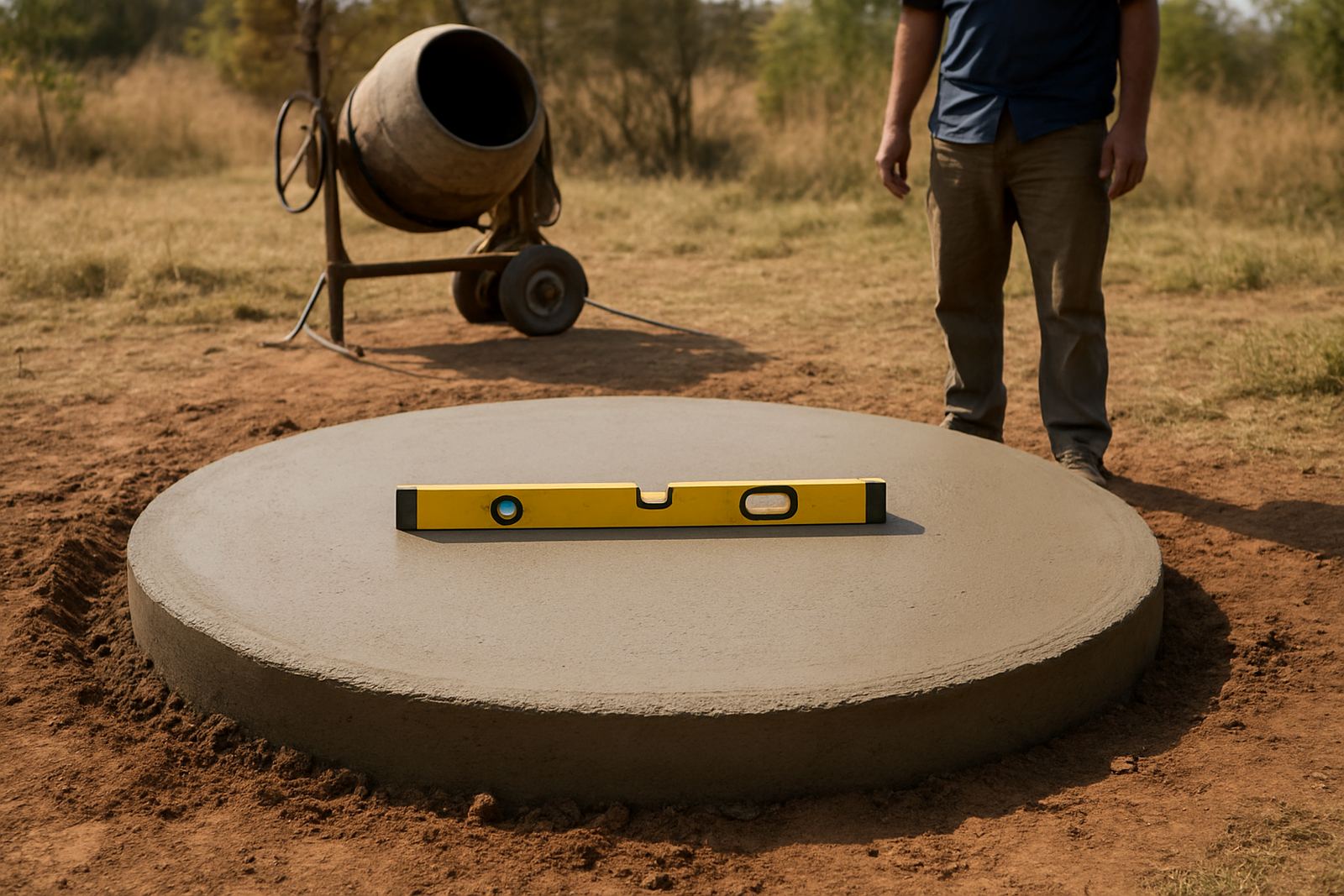
Many sediment complaints are not about the water source alone. The way a tank is installed can either help solids settle harmlessly or keep them moving through the system. Tanks should be level, properly supported and fitted with an inlet that slows the incoming water enough to avoid stirring up settled grit. If the inlet blasts straight down into the base, the tank acts like a mixing drum and all the dirt stays in suspension.
On coastal properties in the Western Cape, humidity and windborne dust can create a different pattern of contamination. Fine particles enter through vents, loose lids and open overflows. On inland sites, heavy rain can wash mud into standpipes and around tank pads if drainage is poor. Good plumbing detail includes a raised base, screened vents, sealed lids and overflow pipes that discharge away from compacted soil. That helps keep the area cleaner and makes tank cleaning easier when it is due.
It also helps to label valves clearly and keep maintenance access open. If a valve is buried behind crates, panels or stored equipment, routine checks get skipped and sediment builds up unnoticed. A clean installation is easier to service and usually lasts longer, plain and simple.
Plan maintenance before the filters choke
Sediment control is not a once-off job. Filters, strainers, tanks and pump chambers all need routine attention if you want the system to keep performing. In practice, that means setting a maintenance schedule based on the water quality at the site, not a generic calendar only. A borehole that carries fine grit may need frequent filter changes, while a rain tank used seasonally may need tank cleaning after the first heavy rains.
Regular checks should include flow rate, pressure, cartridge condition and the state of the tank base. If the water starts slowing down or looks cloudy after a quiet period, do not wait for a full blockage. Early fault finding is cheaper than replacing a damaged pump or dealing with fouled filters across the whole line. At Hydrated, we often see that a simple annual plan saves clients more than emergency repairs, especially where the same system must support both home use and irrigation.
- Test water clarity and pressure at set intervals.
- Replace or clean filters before they collapse under load.
- Flush tanks and line ends if you see settled sediment.
- Book pump servicing before peak use periods, not after a breakdown.
A practical example from Brits and the surrounding farms
A smallholding outside Brits recently had recurring pump issues after every windy spell. The borehole water was carrying fine sand, and the existing filter was too fine for the load. The owner was changing cartridges often, yet the tank still collected silt and the pressure kept dropping. After a site assessment, the setup was adjusted with a better pre-filter, a revised inlet arrangement and clearer maintenance intervals. The result was less clogging, steadier flow and fewer interruptions during dry weeks.
That kind of fix is common because the problem is usually not one single fault. It is often a mix of sediment source, poor intake design and delayed maintenance. Once those are addressed together, the system becomes easier to manage and water quality improves. For homes, schools, small farms and larger agricultural sites, the aim is the same: keep grit out before it reaches the parts that cost the most to repair.
If you are planning a borehole, rain-tank or filtration setup, it is worth getting the sediment control right from day one. It can save you money and time fast, and it helps every part of the system work the way it should.