
Start With A Test Before You Buy Any Filter
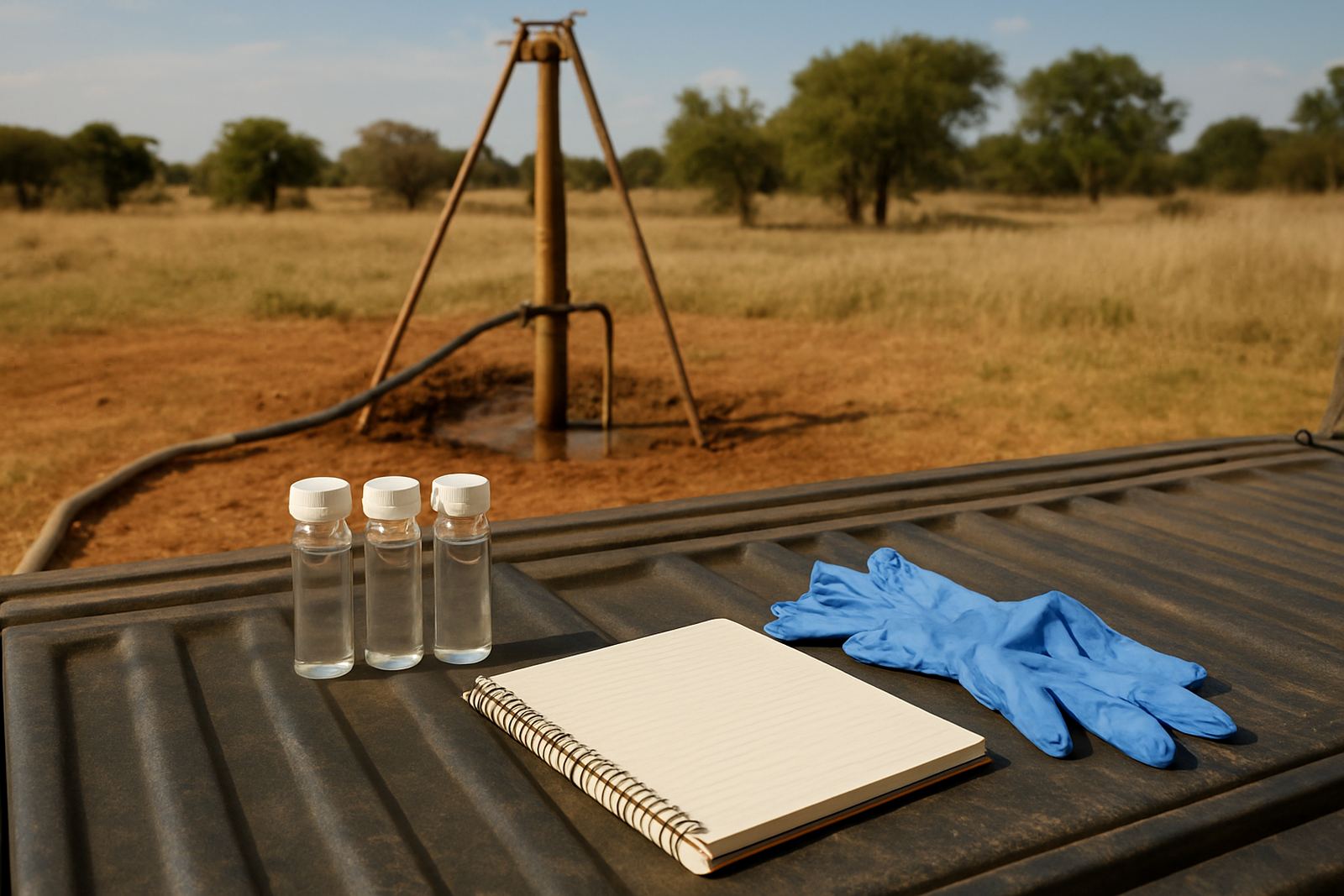
If you are setting up a borehole system, rain-tank supply, or a household filtration kit, the best time to test is before you spend money on treatment. Water from different areas can vary a lot, even between two stands a few streets apart in Brits or Hartbeespoort. A borehole might have high iron, hardness, or sand, while rainwater may pick up dust, leaves, bird droppings, and roof residue.
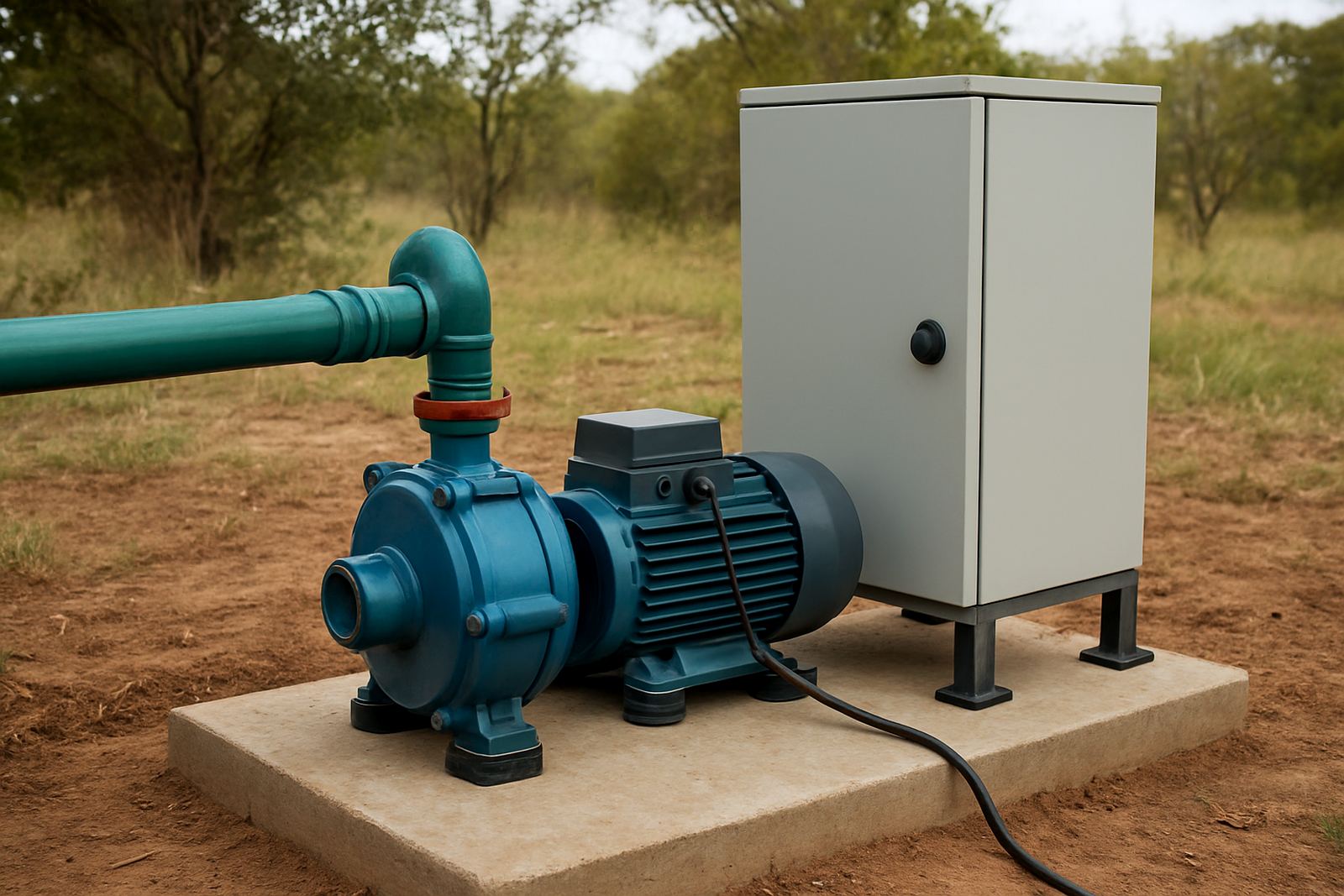
A basic test tells you what you are dealing with, which means the filter can be sized properly from day one. That matters because a filter chosen for mud will not solve dissolved minerals, and a system built for drinking water may not be enough for irrigation or livestock use. Testing first keeps the setup practical, especially where load-shedding can interrupt pumping and you want the system to work cleanly every time it runs.
- Test before installing a new borehole or rain-tank filtration kit
- Test before changing from municipal water to an alternative source
- Test when you want to match filtration to a specific use, like drinking, washing or irrigation
Test Again After Heavy Rain, Repairs, Or A Dry Spell
Water does not stay the same through the year. After heavy rain, surface run-off can seep into a borehole recharge area or wash extra dirt into a tank. After a long dry spell, concentrations of salts and minerals can rise. If a pipe cracks, a tank lid comes loose, or a pump line is repaired, the water quality can also change quickly. You may not see the difference with the eye, but the filter may clog faster or your water may start to smell off.
This is where regular checks save time. In coastal areas like Paarl, Stellenbosch, and Somerset West, humidity and dust can affect tank hygiene and stored water. In colder inland areas, water that sat unused for weeks can go stale and develop sediment. A quick test after a change in weather or system performance helps you decide whether you need sediment control, carbon filtration, UV treatment, or just a service and clean out.
- Test after flooding or very heavy rain
- Test after repairs to pipes, pumps, tanks, or roof catchment systems
- Test after a long period of no use, especially at farms and holiday homes
When Taste, Smell, Or Staining Starts To Change
People often wait too long because the water still looks acceptable. But if tea starts tasting metallic, laundry comes out dull, taps show brown or white stains, or a tank smells musty, it is worth testing straight away. These signs often point to iron, manganese, hardness, bacterial growth, or organic matter. The problem may be small at first, but it gets worse as filters load up and storage conditions change.
On farms around Rustenburg or outside Bloemfontein, a change in smell can also be linked to stagnant lines or a poorly ventilated tank. In homes, cloudy water after a power cut may mean a pump drew up sediment from the bottom of the source. Testing helps identify whether the issue is with the source, the storage, or the filter itself. That way you are not changing cartridges every few weeks for no reason.
- Metallic taste can point to iron or corrosion
- White scale on kettles and geysers often points to hard water
- Brown stains and cloudy water usually call for sediment control and a source check
Before A New Installation On A Farm Or Smallholding
Farm water systems need a different approach from a single home. Livestock troughs, packhouses, irrigation lines, staff accommodation, and a home kitchen may all need different water quality. If you test early, you can decide what must be treated and what can be left alone. That keeps the system simpler and cheaper to maintain.
For example, a smallholding near Brits may have borehole water that is fine for irrigation but too hard for appliances and unsuitable for drinking without extra treatment. On the same property, rainwater from a shed roof may be ideal for washing down equipment, but not for the main kitchen line unless it is filtered properly. Testing lets you split the system where needed, instead of forcing one filter to do everything.
- Test when setting up a new borehole for mixed farm use
- Test when adding a rain-tank line to an existing property
- Test when one property serves both household and agricultural needs
When The Filter Is Doing More Work Than It Should
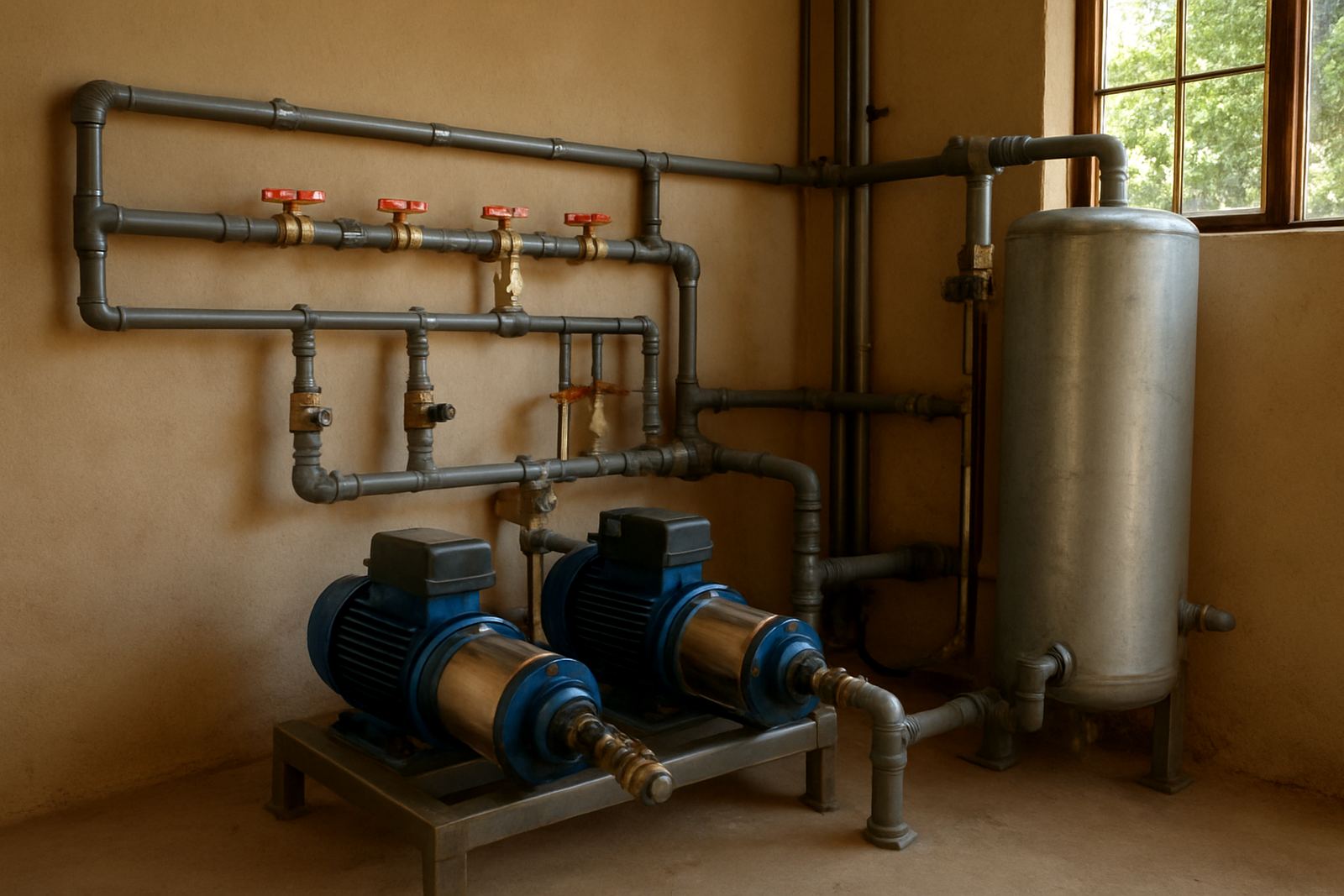
If cartridges block fast, water pressure drops, or a pump runs longer than before, the water source may have changed or the filter may no longer suit the job. It is tempting to keep replacing parts, but that can become expensive quickly. A proper water test shows whether the system needs a different sediment rating, extra carbon, softening, disinfection, or better pre-filtration before the main unit.
This is a common issue in places where supply is shared between tanks and boreholes. A client may think the pump is failing, when actually fine silt is entering after wind or maintenance work. Or the water may have enough dissolved minerals that a standard cartridge is simply not enough. Testing gives a clear starting point for fault finding, and it helps during commissioning checks after a new install. It also reduces guesswork for annual maintenance, which is useful when you are trying to keep the place running through peak heat and load-shedding.
In short, if maintenance costs are creeping up, the water should be tested before another round of part swaps. Small changes in the source can have a big effect on the system, and the problem is not always where people first expect it.
Use The Test To Choose The Right Filter, Not Just Any Filter
The value of testing is not the report alone. It is what you do with it. A good result helps you decide whether you need sediment filtration, activated carbon, UV, chlorination support, scale control, or a full system adjustment. It also shows whether the water is safe for drinking, suitable for domestic use after treatment, or better kept for washing and irrigation only.
At Hydrated, that is why water testing sits alongside system sizing, kit assembly, delivery coordination, installation support, and fault finding. A homeowner in Pretoria may need a different setup from a farm outside Rustenburg or a property in the Western Cape with high seasonal use. The test gives the facts, then the filtration plan can follow those facts instead of assumptions.
- Use the test to match the filter to the actual water problem
- Use the result to plan servicing and replacement intervals
- Use follow-up tests after installation to confirm the system is working as expected