
Start with the obvious signs at the tank
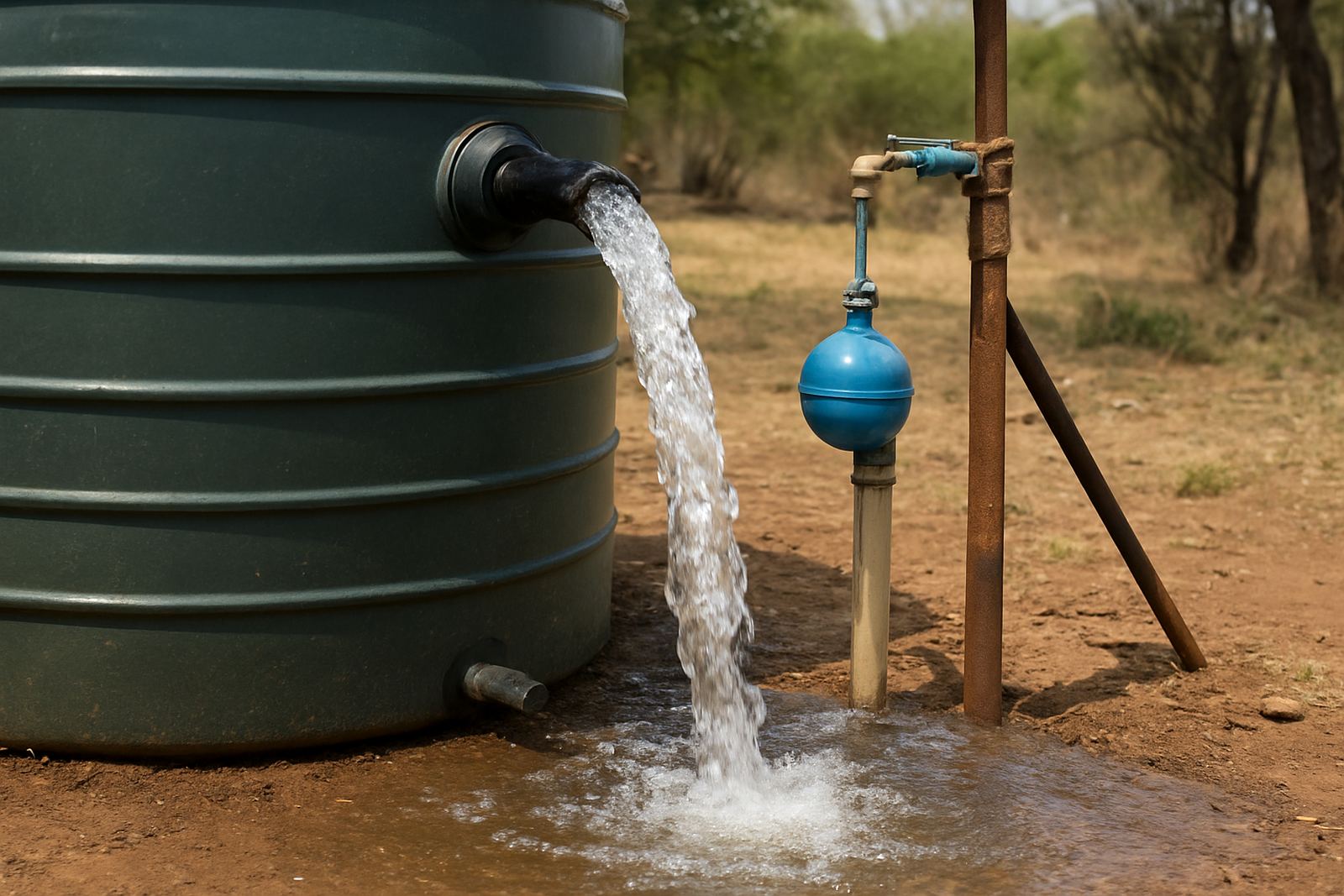
When a tank overflows, begin with what you can see from the ground. Check whether water is spilling from the top outlet, running over the lid, or escaping from an overflow pipe that should normally stay dry. Those details matter because they tell you if the tank is receiving too much water, or if the level control has stopped doing its job.
In many cases the fault is not the tank itself but a small part attached to it. A stuck float valve, a misaligned inlet, a blocked overflow pipe or a pump that will not switch off can all cause the same result. If the tank is outdoors in places like Brits, Hartbeespoort or Rustenburg, dust and wind-blown debris can make the problem worse after one windy weekend.
- Look for water marks around the lid and fittings.
- Check if the overflow pipe is cracked, loose or blocked.
- Confirm whether the pump is still running after the tank is full.
- See if the water level is rising above the float valve position.
Float valves and level controls fail more often than people think
The most common reason for overflow is a float valve that has jammed, worn out or been installed at the wrong height. If the float cannot move freely, it will not shut off the incoming water. On some systems the arm catches on the tank wall or a pipe bracket, especially after a recent service or cleaning.
Mechanical parts also age faster in harsh conditions. In coastal areas like Somerset West or Stellenbosch, salty air can speed up corrosion on metal components. In hotter inland areas, UV exposure and heat can make plastic parts brittle. A simple inspection can show whether the valve needs adjustment, cleaning or replacement.
- Lift the float by hand and listen for the water to stop.
- Check that the arm moves without rubbing against other parts.
- Inspect seals for mineral build-up or sand.
- Replace damaged parts before the tank overfills again.
Pump settings and backup systems need a proper check
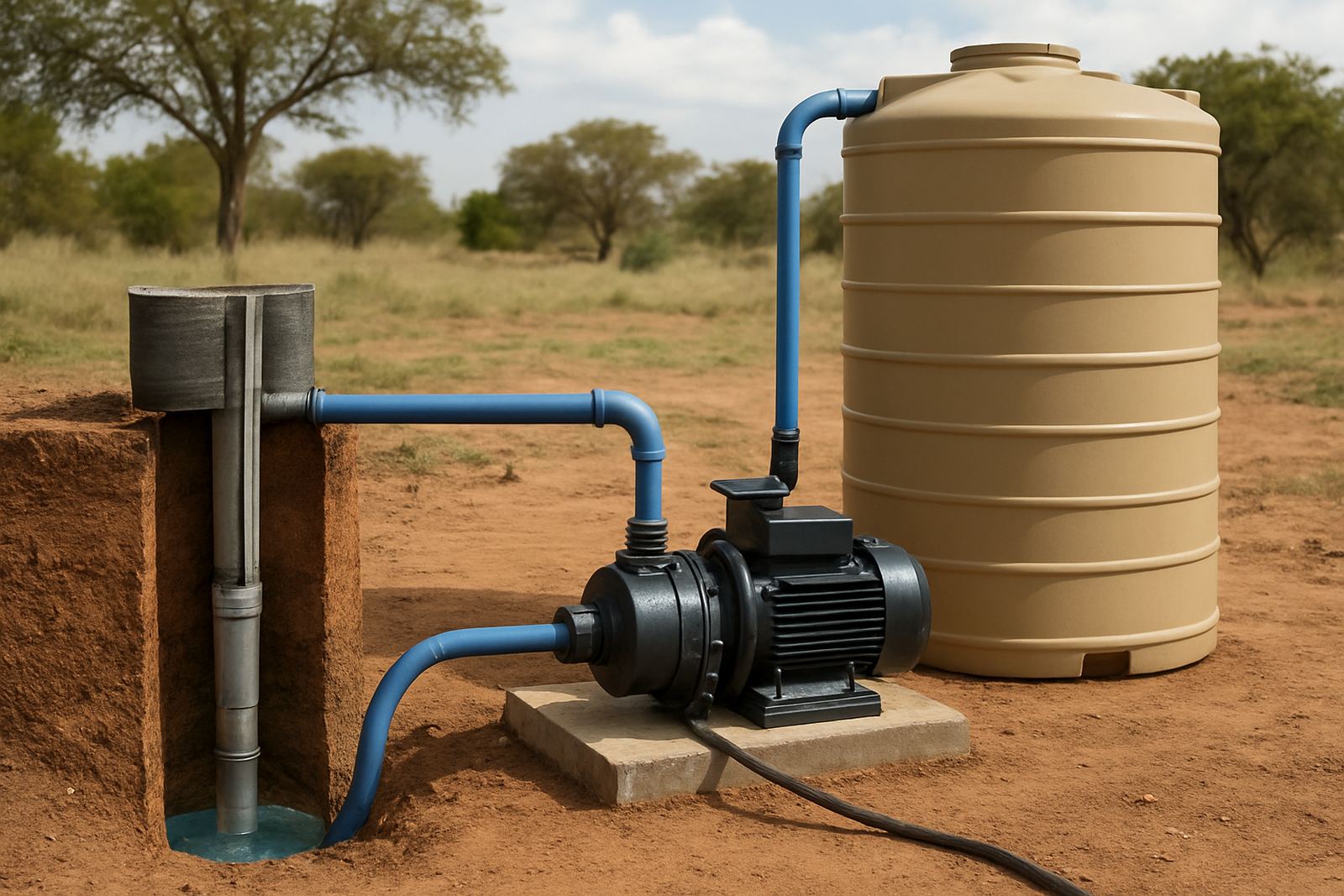
Where a pump fills the tank, the overflow may come from poor control rather than high water demand. A pressure switch or level sensor that is set too high can keep the pump running after the tank should already be full. In some farm setups, a borehole pump may also be pumping harder than the storage tank can take if the control panel has been altered or repaired without a proper test.
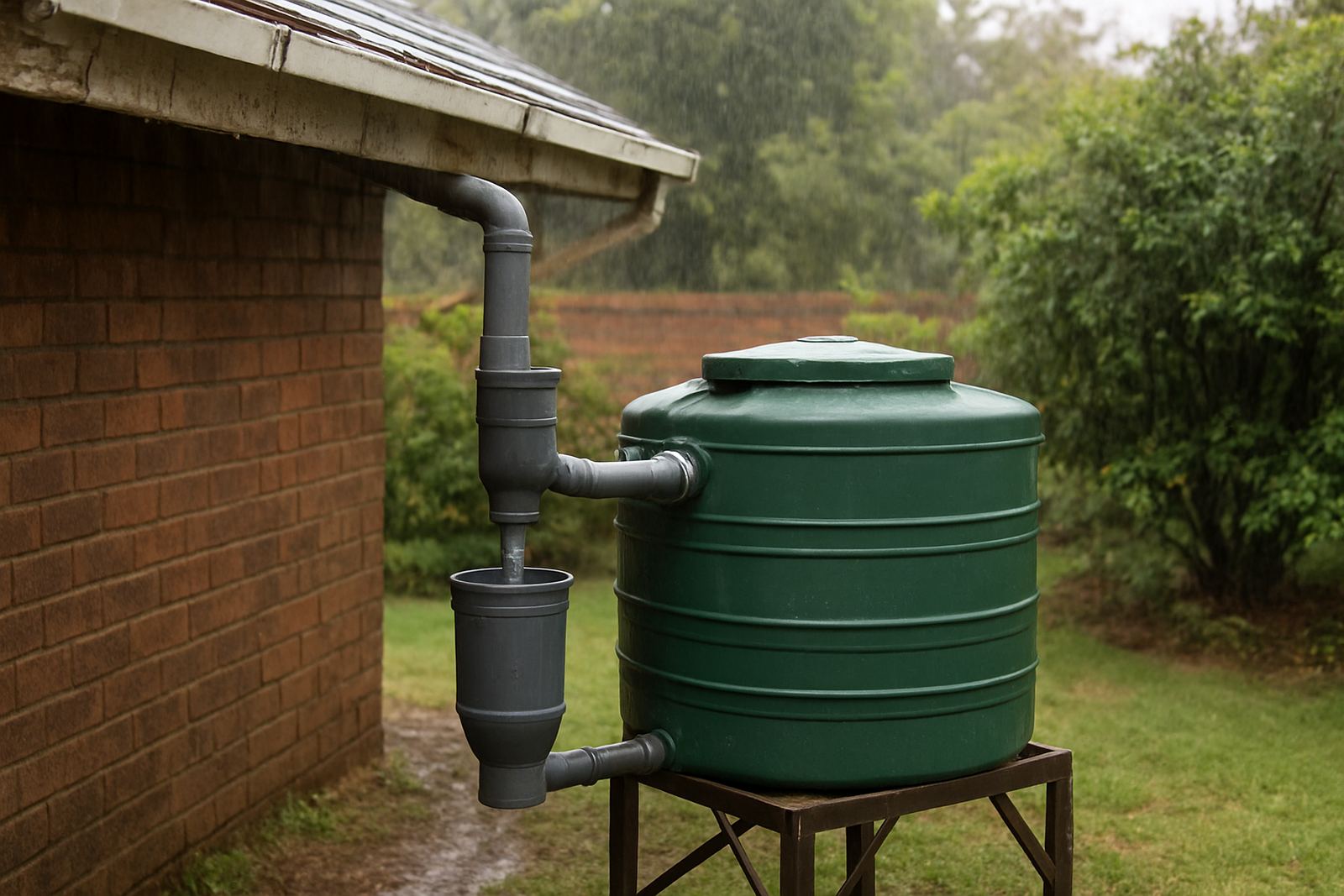
Load-shedding can add another layer of trouble. When power cuts interrupt the cycle, the system may restart in a way that confuses the controls and leaves the pump running longer than expected. That is why a proper commissioning check matters after any repair or power-related fault. If the tank is filling from a rain system, the first heavy storm after a dry spell can expose a weak control setting very quickly.
- Check whether the pump switches off at the correct level.
- Test level sensors after a power interruption.
- Inspect the control box for signs of water damage or loose wiring.
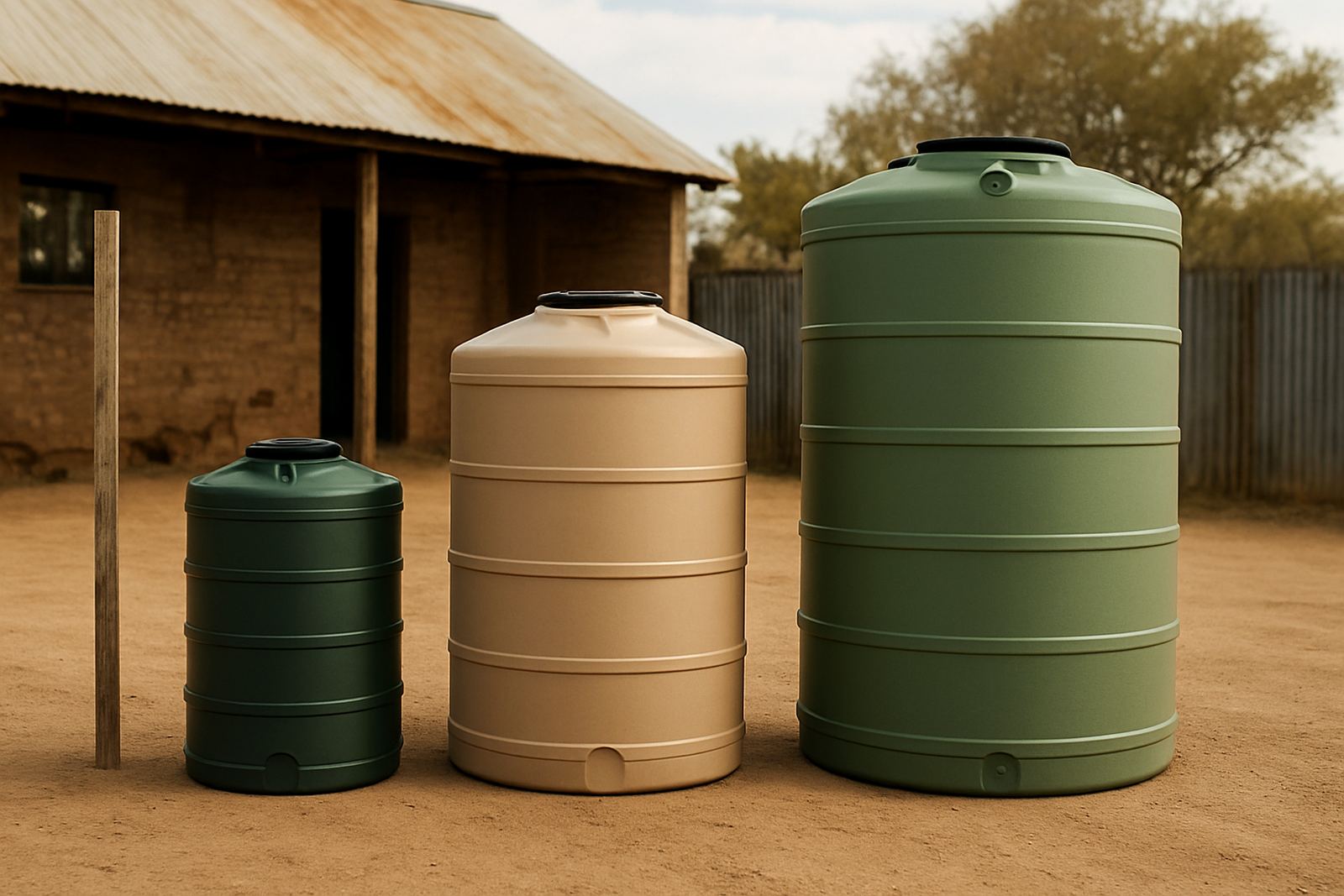
- Confirm that the pump capacity matches the tank size and inlet rate.
Blocked filters and pipes can force water the wrong way
Water does not always overflow because too much is entering the tank. Sometimes a blocked filter or clogged pipe slows the outlet side so badly that water backs up into the system. This is common where rainwater carries leaves, roof grit or bird droppings into first-flush units and pre-filters. If the system has not had regular cleaning, the water can take the path of least resistance and spill where it should not.
We often see this on domestic rain-tank setups and on farm storage systems with long pipe runs. Sand and iron deposits can reduce flow through fittings, and algae can build up inside tanks that stay in full sun. In one Hartbeespoort job, a family thought the tank was overfilling, but the real issue was a choked filter basket that made the inlet behave erratically. Once cleaned, the level settled properly again.
- Clean pre-filters and strainers before checking bigger components.
- Flush pipes where sediment has settled.
- Look for kinks or low points that trap debris.
- Schedule tank cleaning if slime or silt is visible inside.
Drainage around the tank matters as much as the tank itself
Even when the cause is small, overflow water can create a bigger problem if the site is poorly drained. A tank on soft ground may tilt slightly, which changes how the inlet and overflow line up. On sloped plots, water can run towards foundations, washing away soil and leaving the base unstable. That is one reason a level concrete or compacted stand is worth the effort.
Municipal rules and estate requirements can also affect where overflow is allowed to go. In some areas, you may need to direct discharge into a proper stormwater route and not onto a neighbour’s property or a public walkway. If the tank is near paving or a driveway, the extra water can stain surfaces and create a slip hazard. Small issue maybe, but it becomes a real mess after a few hours of steady overflow.
- Check that the tank stand is level and sound.
- Make sure overflow water is directed safely away from buildings.
- Confirm that discharge does not flood paths, driveways or shared boundaries.
- Inspect the ground for erosion after heavy rain.
When to stop guessing and get the system tested
If you have checked the float, pump, filters and drainage and the tank still overflows, the problem may be deeper in the system. Fault finding should include the inlet pressure, valve operation, pipe sizing and any hidden leaks that are making the controls behave badly. On larger farm systems, a small fault upstream can cause repeated overflow at the tank even though the tank hardware looks fine.
A proper assessment usually starts with site conditions, then moves through system sizing and the working parts one by one. That is the practical way to avoid replacing parts that are still usable. For homeowners in Pretoria, and for farms between Bloemfontein and the Western Cape, it also means fewer return trips and less water wasted while the real fault is being tracked down. The goal is simple: a tank that fills cleanly, stops at the right point, and stays ready for use.
What to do before you ask for help
Before sending in a request, note what the tank is doing, when the overflow starts and whether the problem follows rain, pumping, or power cuts. If you can, take a few clear photos of the inlet, overflow pipe and tank stand. Those details help narrow down the cause quickly and save time on site.
For most homes and farms, the first response is still the same: clean what is easy to reach, check the float movement, and confirm the pump is behaving as it should. If the tank overflows after every storm or every refill cycle, the system needs a proper look. Catching it early usually means a smaller repair bill and less wasted water.