Why control method matters when water must keep moving
On paper, a pump is a pump. In real use, the control method changes everything. A manual setup needs someone to switch the pump on and off, check tank levels, and keep an eye on pressure. An automatic setup uses sensors, floats, pressure switches or timers to do that job for you, which matters when load-shedding, long irrigation runs, or a full work day get in the way.
For a small home in Brits with a 2 500 litre rain tank, manual switching can be enough if the household is home most of the day. For a farm outside Rustenburg, where a borehole may feed troughs and storage tanks over several hours, automatic control usually saves time and reduces mistakes. The best option is not the fanciest one, it is the one that fits the way you actually use water.
What manual control does well and where it falls short
Manual control is simple. You turn the system on when you need water and off when the tank is full or the task is done. That keeps costs lower and can make fault finding easier because there are fewer parts in the control chain. If the system is basic, and the user is close by, manual operation can work very well.
But manual systems depend on people. If someone forgets to switch off the pump, a tank can overflow or a borehole pump can run dry. If power returns after load-shedding while nobody is around, the system may start running at an awkward time. In a busy home or an agricultural setting, that sort of lapse can become an expensive habit.
- Lower upfront cost
- Simple to understand and repair
- Works well where someone is on site
- Needs more checking and attention
- Higher risk of overflow or dry running if left unattended
Manual control suits owners who want direct control and do not mind checking the system daily. It can be a practical choice for a garden tank, a small workshop, or a backup line used only a few times a week.
How automatic controls protect pumps and save time
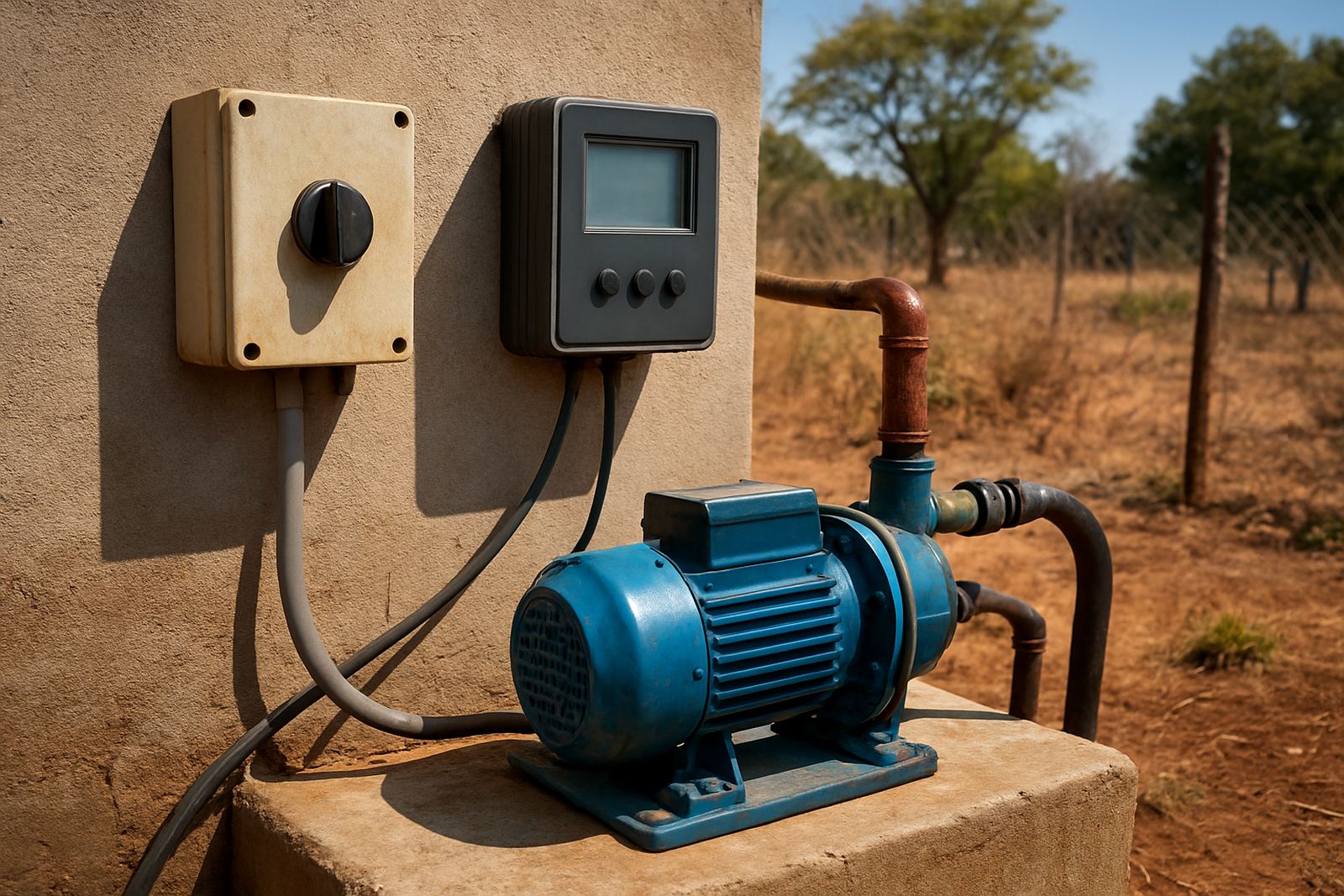
Automatic control is built to react to conditions without someone standing by the tank. Float switches can stop filling once a tank is full. Pressure controllers can start and stop a pressure pump when taps are opened or closed. Timers can run irrigation at set hours, which helps when power is cheaper or when the crop needs water before sunrise. In some cases a dry-run protection device adds another layer of safety if the borehole level drops.
That extra control is useful in coastal areas too, where humidity can affect electrical parts, and in places where people travel often between farms, plots and town. Around Paarl and Stellenbosch, for example, a wine farm may need a system that cycles at specific times and does not depend on a person remembering every switch. In Hartbeespoort, where many properties use a mix of rain tanks and boreholes, automation can keep the supply steady when the house is empty during the day.
- Reduces overflow and dry-running risk
- Fewer manual checks needed
- Useful for boreholes, pressure systems and irrigation
- Can improve consistency during power interruptions
- Needs correct setup and periodic servicing
Automatic controls do have parts that need proper sizing and installation. A sensor placed badly or a pressure setting that is not matched to the pump will cause cycling, short runs or unnecessary wear. That is why system sizing matters before any controls are fitted.
The right choice for a house, smallholding or farm
The best control method depends on three things: how much water you store, how often you use it, and who will manage the system. A single-family home with a rain tank and a backup filter may only need a basic float and a manual override. A smallholding with stock water and a vegetable patch may benefit from an automatic borehole fill system plus manual bypass for maintenance. A larger farm will often need a mixed setup with alarms, dry-run protection and a clear switching plan.
Here is a practical rule of thumb: if water failure would only be inconvenient, manual can be enough. If water failure would stop work, damage equipment or leave tanks empty for days, automatic is usually the safer choice. That is especially true where municipal rules limit tanker use, or where a property must rely on stored water during dry spells.
We often see owners in the North West start with manual control, then move to automatic once the system grows. A second tank gets added, the pump runs more often, and suddenly there is no one free to stand and watch the level. At that point, a controller is not a luxury, it is a practical fix.
A local example from Brits and what it showed
A common setup in Brits is a borehole feeding a 5 000 litre tank for household use and garden irrigation. The owner may want to keep things simple, so the first setup is manual. It works fine in the beginning. Then the family starts using more water in summer, the pump runs after load-shedding ends, and the tank overfills because nobody hears it running. A few weeks later the motor trips again because the borehole level dropped lower than expected.
After changing to an automatic float control with dry-run protection, the system became much easier to live with. The pump now stops when the tank is full and shuts down before damage can occur. The owner still has a manual override for servicing and fault checks, which is useful when sediment builds up or a filter needs changing. That sort of balance is often the sweet spot.
The lesson is straightforward: manual control may look cheaper on day one, but automatic control can save money over time by reducing wear, overflow losses and call-outs. It also frees the owner to focus on farm work, travel, or family life without constantly checking water levels.
What to check before you decide on a control system
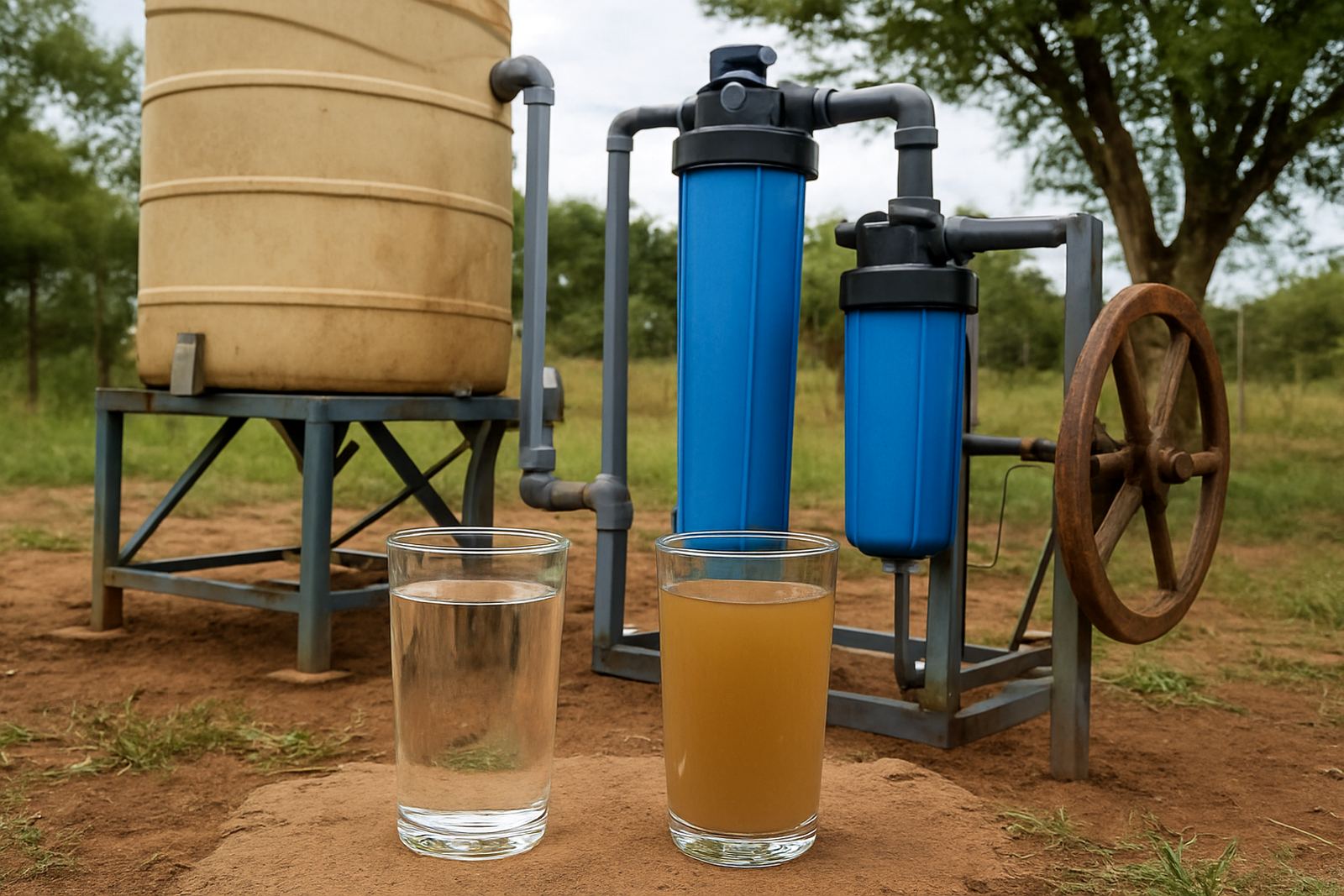
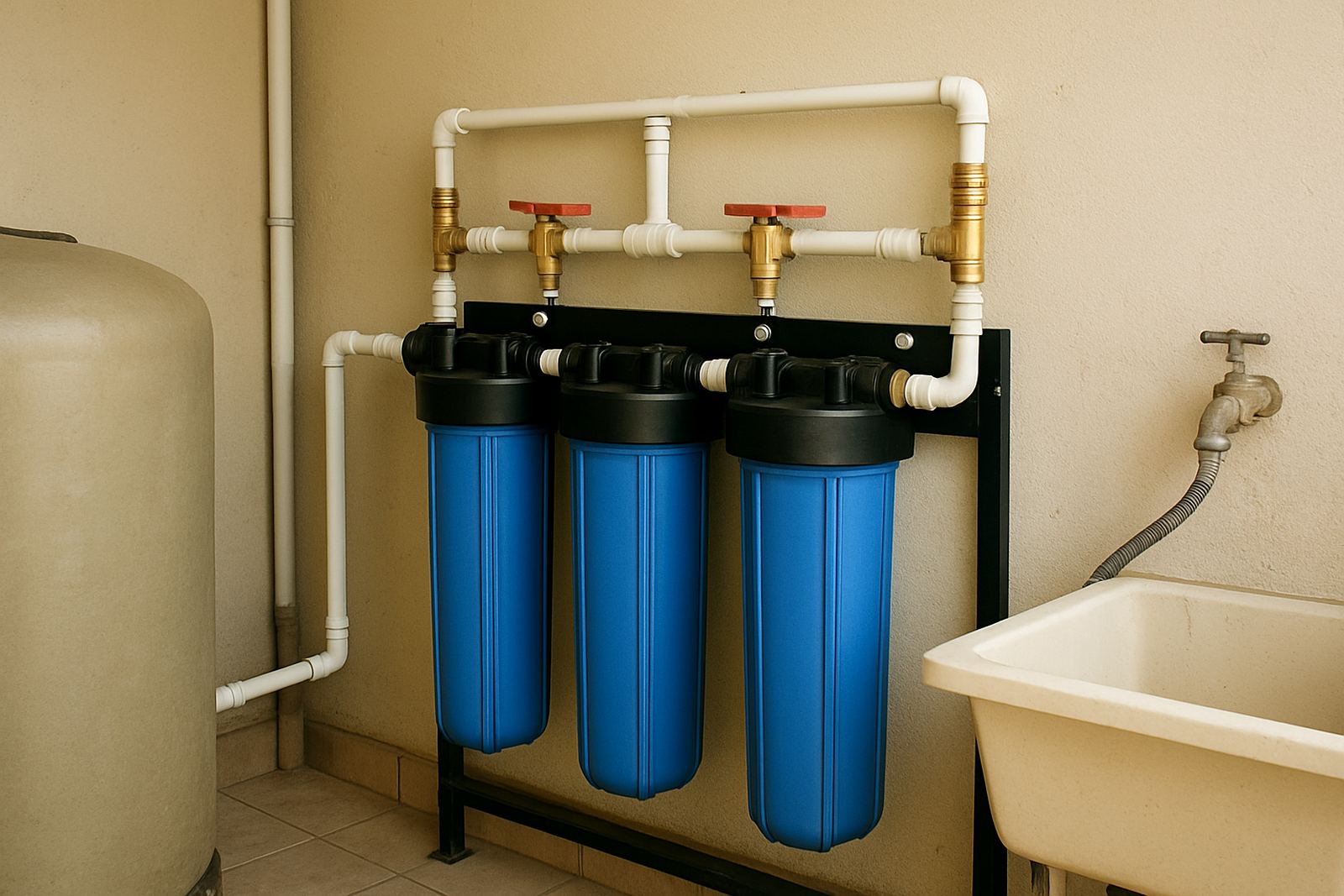
Before choosing manual or automatic, look at the full system, not just the switch. The pump size, borehole yield, tank size, pipe run and filter arrangement all affect how the controls should work. If the system includes a filtration line, for example, pressure changes may need to be managed so the pump is not forced to fight against a blocked cartridge or a dirty screen.
Useful questions to ask include:
- Who will operate the system every day?
- How often does the pump need to run?
- Is the water source a borehole, rain tank or both?
- Will the property be empty during the day or weekends?
- What happens during load-shedding or long dry periods?
If the answer to any of those questions is uncertain, a proper site assessment is worth doing. A good assessment helps match the control method to the real water demand, not just the theory. That is how you avoid paying twice, once for the wrong parts and again for changes after install.
A practical middle ground usually works best
For many South African homes and farms, the best answer is not fully manual or fully automatic. It is a hybrid system. Manual bypass gives the owner control during maintenance or unusual conditions, while automatic protection handles the everyday running. That setup gives flexibility without making the system complicated.
At Hydrated, we see this often across Pretoria, Rustenburg, Bloemfontein and the Western Cape. The right control choice depends on the property, the users and the water source. If the controls are matched properly, the system stays easier to manage and less stressful to live with. And that is the point, really, clean water on tap without constant worry.
When you need help deciding
If you are unsure whether a manual or automatic setup will suit your place, it helps to look at the whole picture before buying parts. A small home, a cattle property, and a guesthouse all need different control logic. The same goes for filtered rainwater and borehole supply. One system may need a float switch, another may need a pressure controller, and another may need both.
Hydrated helps customers with site assessments, system sizing, kit assembly, delivery coordination, installation support, commissioning checks and ongoing maintenance. If you are comparing options for a new build, an upgrade, or a pump that keeps tripping, the right control method can make all the difference.