
Why pipe diameter changes everything
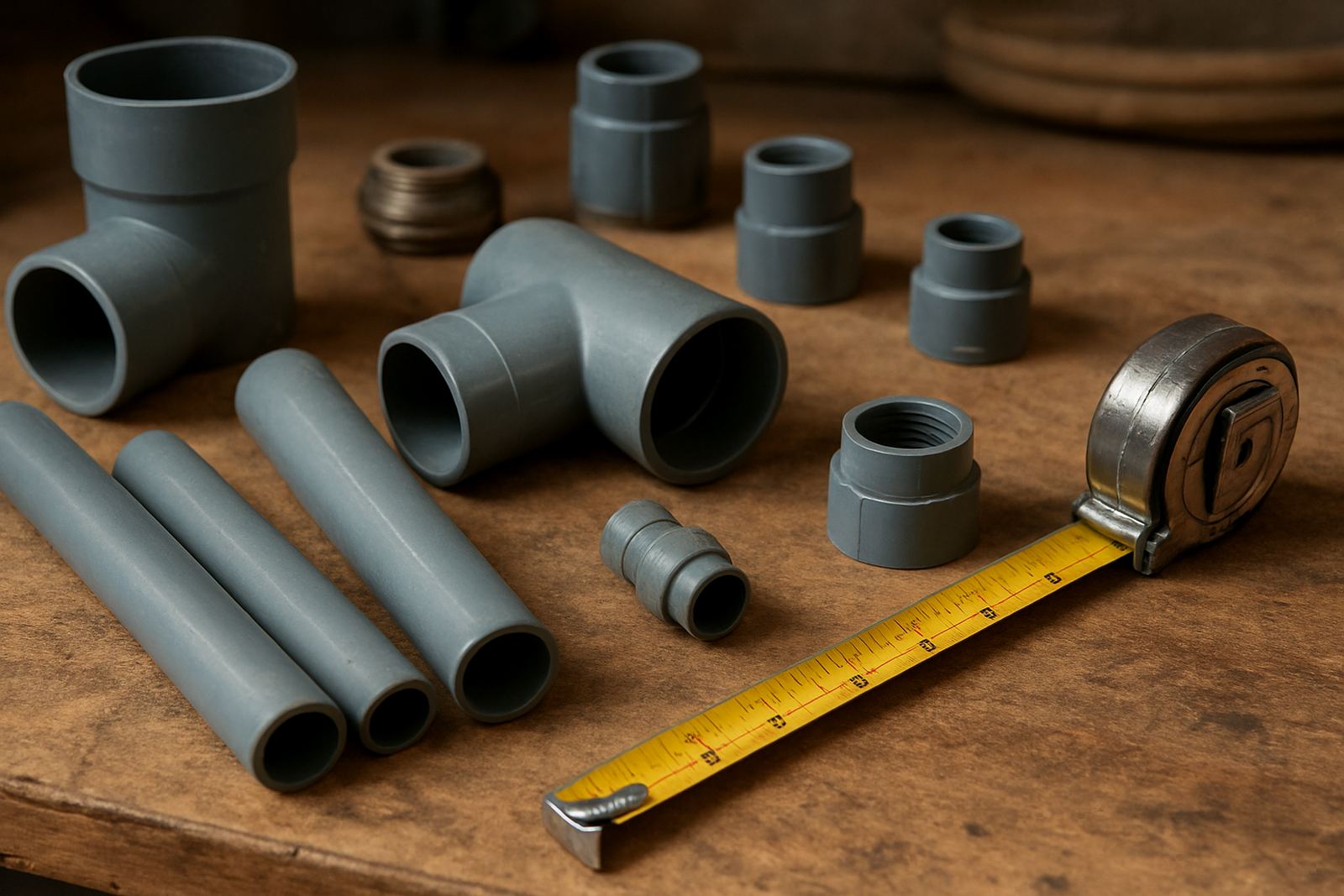
When water moves through a pipe, the diameter sets the pace. A narrow pipe pushes water faster, which increases friction loss and makes the pump work harder. A wider pipe reduces resistance, but if it is oversized for the job it can cost more and make commissioning less efficient. The goal is not the biggest pipe, its the right pipe for the flow you actually need.
In borehole and rain-tank systems, pipe sizing affects more than pressure at the tap. It changes how stable the system feels when a pump starts, how much energy it uses, and how much wear the fittings see over time. In places like Brits and Hartbeespoort, where many properties run long supply lines to tanks, gardens or outbuildings, the wrong diameter can show up as weak showers, slow tank filling or uneven irrigation.
Flow rate, friction loss and real-world pressure
Every litre per minute has to travel through elbows, valves, filters and straight pipe. Each part adds resistance. Friction loss is what happens when that resistance steals pressure from the moving water. The longer the line and the smaller the pipe, the greater the loss.
For a home system, you might only need enough flow to run a few taps at once. For a farm, the demand can jump quickly when a trough line, wash bay and filtration unit all come on together. If the pipe is too small, the far end of the system is the first place to suffer. A good sizing check looks at the full route, from the pump or tank to the last outlet, not only the first few metres.
- Short runs with modest flow can often use smaller pipe sizes without trouble.
- Longer runs, higher flow and more bends usually need a larger diameter.
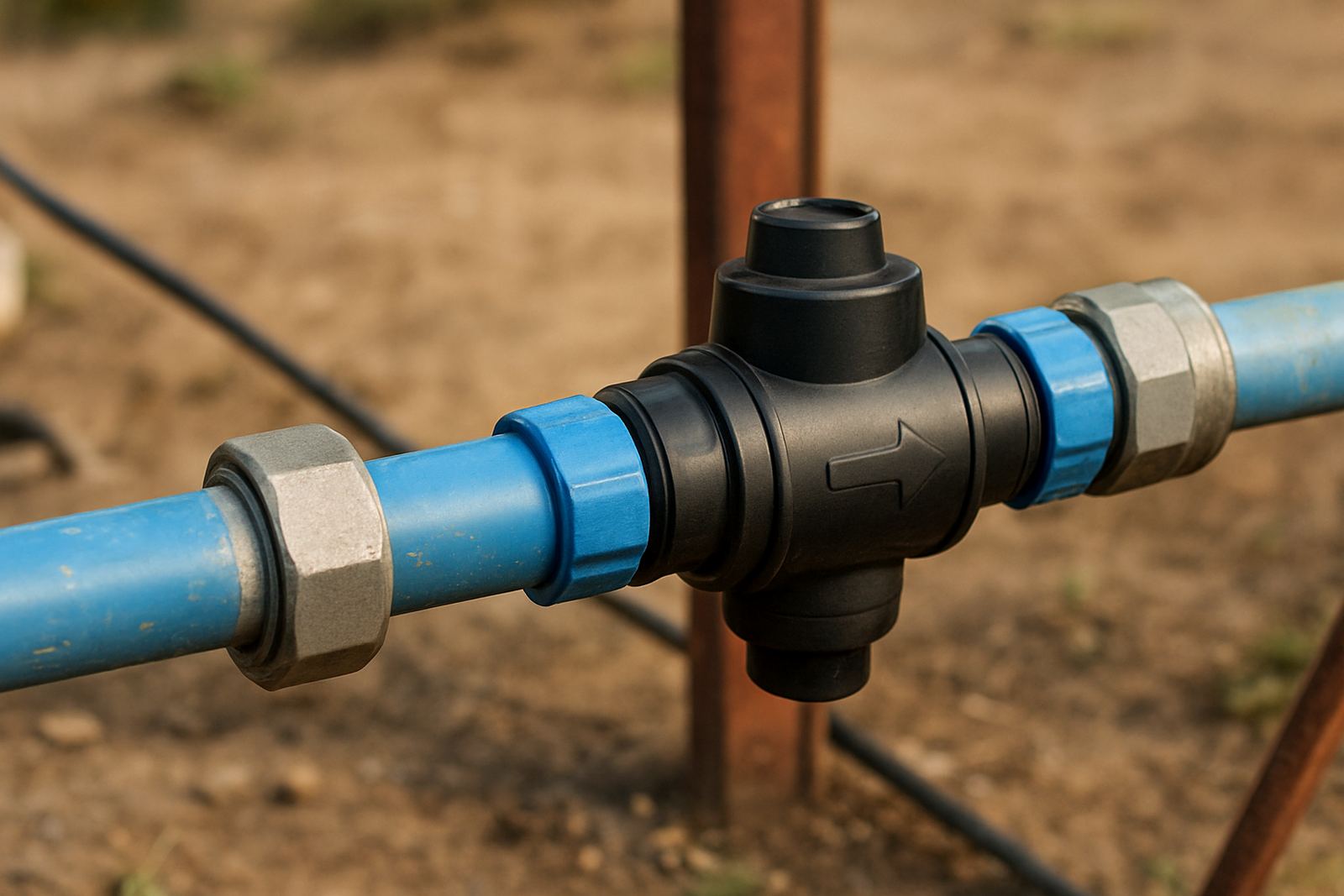
- Filters, non-return valves and reduced fittings all add resistance, so they must be counted in the calculation.
Borehole supply lines need extra care
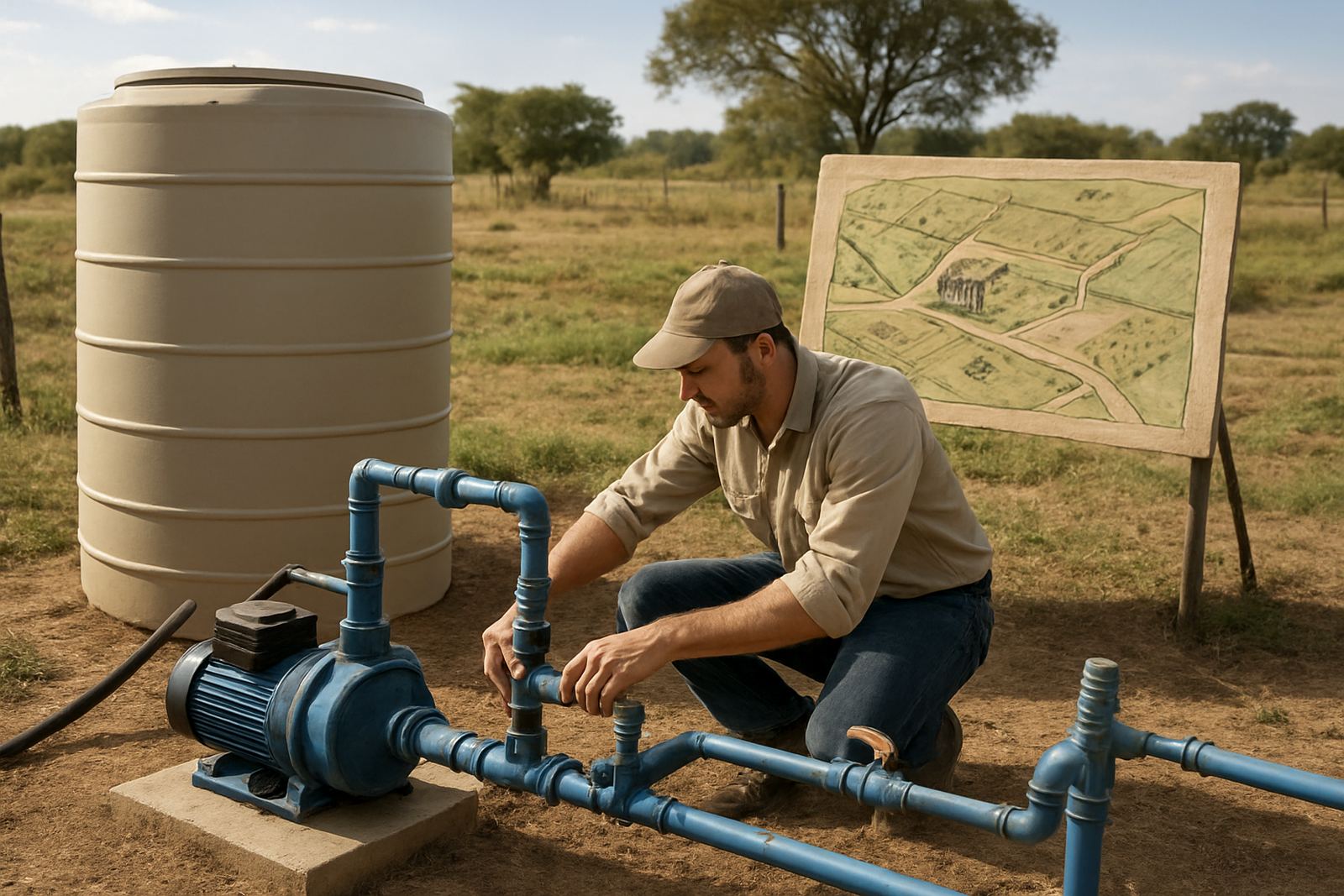
Borehole systems are especially sensitive because the pump has to lift water before it can deliver it to storage or use points. If the rising main or delivery line is undersized, the pump may still move water, but it will do so under more strain. Over time that can affect bearings, seals and motor life. On some sites the issue only appears when the borehole is pumped at full demand in summer, which makes it harder to spot early.
As a simple rule, a borehole system should be sized around the pump curve and the actual delivery distance. Depth, static water level, tank height and the number of bends all matter. A line that works well for a 1,000 litre tank close to the pump may be too small for a second tank or a longer run to a kraal or packhouse.
- Check the borehole depth and delivery height before choosing pipe size.
- Allow for future upgrades if a second tank or extra irrigation zone may be added.
- Use fittings and pipe pressure ratings suitable for the pump output and site conditions.
Rain-tank systems and gravity flow
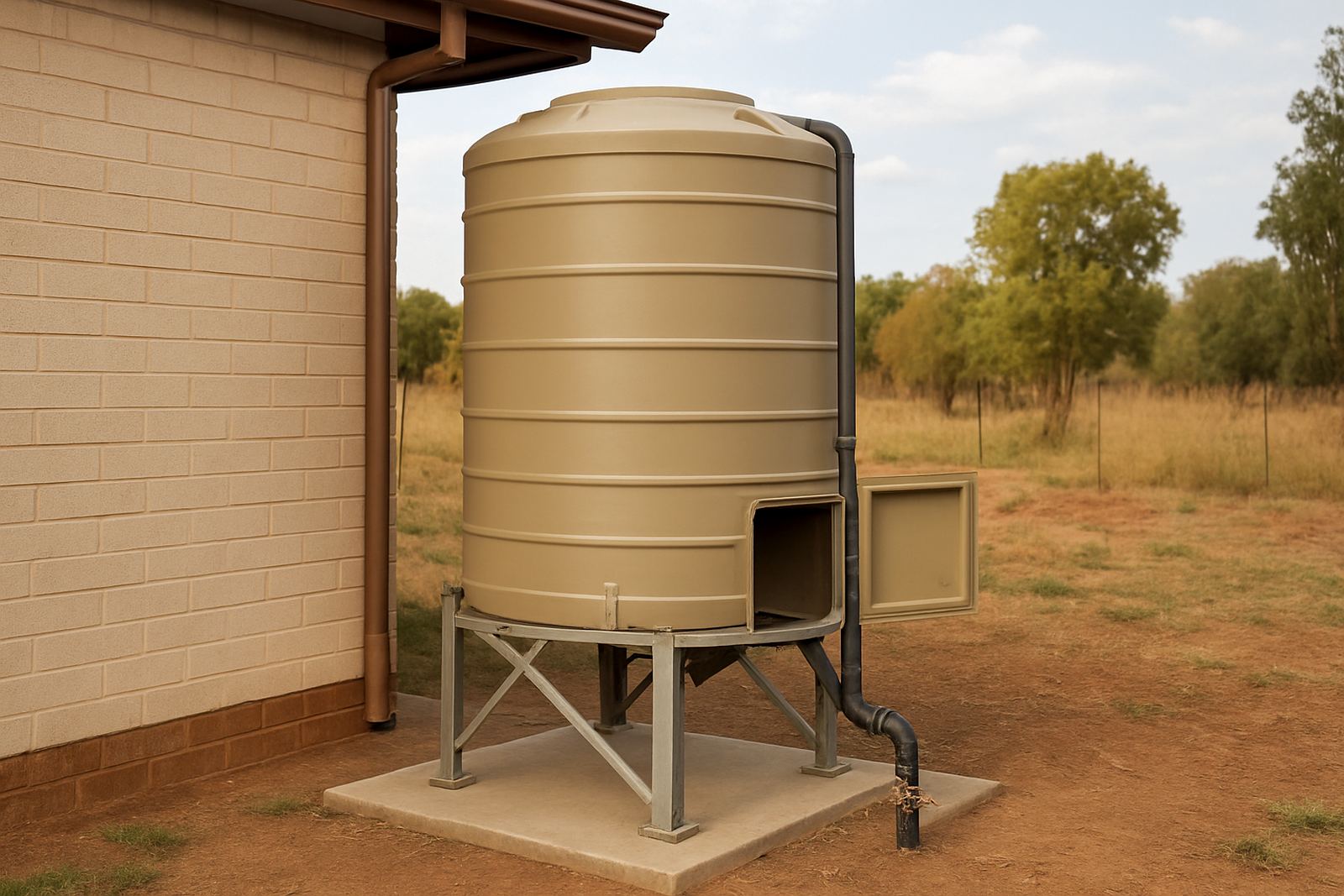
Rain-tank systems can look simple, but pipe sizing still matters. If the tank sits above the usage point, gravity can do useful work, yet a narrow outlet line can still choke flow. In coastal areas like Somerset West and Stellenbosch, corrosion resistance and dependable flow are both important because fittings and exposed components must cope with moisture and changing weather. Inland, dust and heat can also affect valve performance and filter loading.
Where a pump boosts water from the tank, choose pipe sizes that suit the pump duty and the expected draw-off rate. A small line on a tank-fed system often causes pressure drop at the worst moment, such as when a gardener opens a hose and a kitchen tap runs at the same time. That is why the outlet, filter housing and main line should be planned as one system, not separate parts.
A practical sizing check for homes and farms
If you are deciding between two pipe sizes, think through the full use case. How far must the water travel? How many outlets will run at once? Is the system for drinking water, washing, livestock or irrigation? Each answer changes the demand. For filtration systems in Bloemfontein or Rustenburg, the line after the filters may need to be larger than people expect because some filter stages already create pressure drop.
At Hydrated, sizing starts with the site conditions, then moves to the kit, pump and storage layout. That approach avoids guesswork and helps keep the system stable during load-shedding and peak use periods. A careful installation today can save a lot of trouble later, especially where water is moved across a yard, to a shed or up to a first-floor bathroom.
- Measure the full pipe run, not just the straight distance on a plan.
- Count bends, valves, filters and elevation changes.
- Match pipe size to the actual flow rate, not to what looks neat or familiar.
When to ask for a site assessment
If your system has low pressure, frequent pump cycling or uneven flow between outlets, pipe size may be part of the problem. It can also be the cause when a tank fills too slowly or a filter arrangement keeps blocking the line. In these cases a site assessment helps identify whether the issue sits in the pipe diameter, the pump selection, or the layout itself. Small changes can make a big difference, but only if they are based on the right measurements.
For homes and farms in Pretoria, Brits, Hartbeespoort, Paarl or Stellenbosch, local conditions matter too. Distance, altitude, municipal restrictions and water quality all affect the final setup. A system that is properly sized will run steadier, use less energy and need fewer call-backs. That is the aim, every time.