Why winter needs a separate water plan
Many households and farms only think about water when the taps slow down, but winter is usually when pressure shows up first. The ground dries out, storage drops and smaller inflows into tanks or dams can leave you short before the season is over. In places like Brits and Hartbeespoort, winter winds and low humidity can also push up evaporation from open storage, so what looked full in May can be very different by August.
A winter plan is not only about getting more water. It is about using what you already have in a more controlled way. That means checking where water comes from, how much is stored, how fast it is used, and whether the system can cope when municipal supply is uneven or a borehole pump is under more load. For farms, this also matters for livestock, washing, and any crop watering that cannot be delayed.
Start with a proper stocktake of your water use
Before winter sets in, work out where every litre is going. A household in Pretoria may use borehole water for the house and rainwater for the garden, while a smallholding near Rustenburg may rely on a tank and a borehole to keep stock water available. The point is to measure the daily demand, then compare it to the storage and refill rate you actually have.
Track the main usage points for a few days. This gives you a practical picture of winter demand, not just a rough guess. If the figures are tight, you can reduce pressure before the cold weather arrives and avoid making rushed decisions later.
- Note average daily use for toilets, showers, laundry and outside taps.
- Check tank capacity in litres, not just the size in metres or the shape of the tank.
- Record how long your borehole takes to recover after pumping.
- Look for leaks in float valves, pipe joints and toilet cisterns.
- Set aside a backup supply for animals, cleaning and essential household use.
Make storage work harder without wasting water
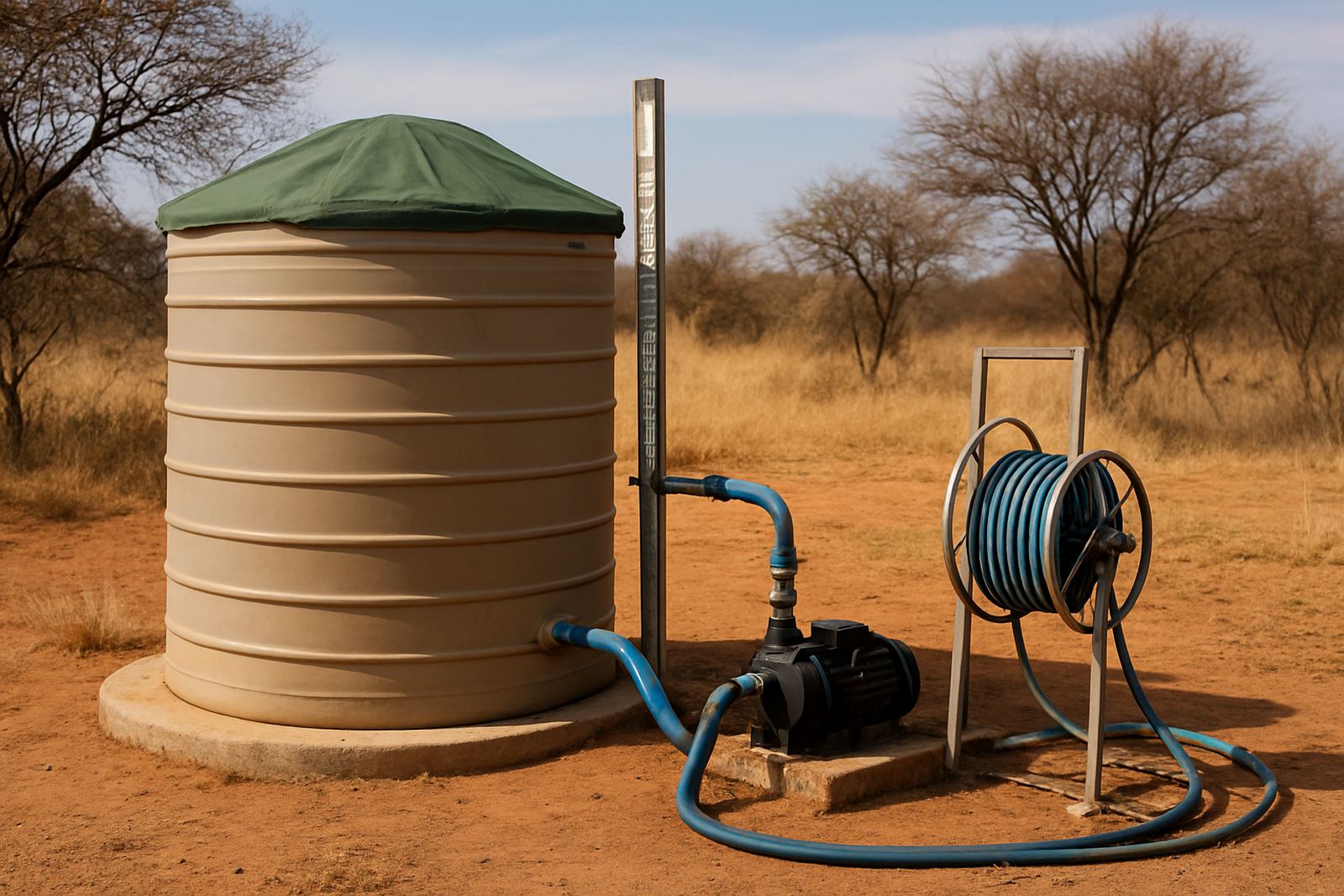
If you have rain tanks, winter is the time to protect every drop. Clean the roof catchment area, gutters and first flush parts before the dry season deepens. Leaves, dust and bird droppings can contaminate the first water into the tank and load the filters faster than expected. On coastal or high-humidity sites in places such as Paarl, Stellenbosch and Somerset West, algae and slime can also build up faster in warm sunny spots, so tank condition matters even when rainfall is low.
Keep tanks sealed where possible and check that lids, screens and overflows are secure. Open storage attracts dust and insects, and in windy inland areas it can collect more debris than people realise. If the tank is feeding the home, make sure the delivery line and pressure setup are in good order so you are not losing water through slow drips or small faults that go unnoticed. A small leak can waste more water over a week than a family expects, and it is often the sort of thing that goes unseen.
- Clean gutters and first flush units before winter rains taper off.
- Inspect tank lids, screens and overflow lines for gaps.
- Flush sediment from the base of the tank if buildup is visible.
- Check that pump pressure does not short cycle during low demand periods.
Borehole checks that save trouble in mid-winter
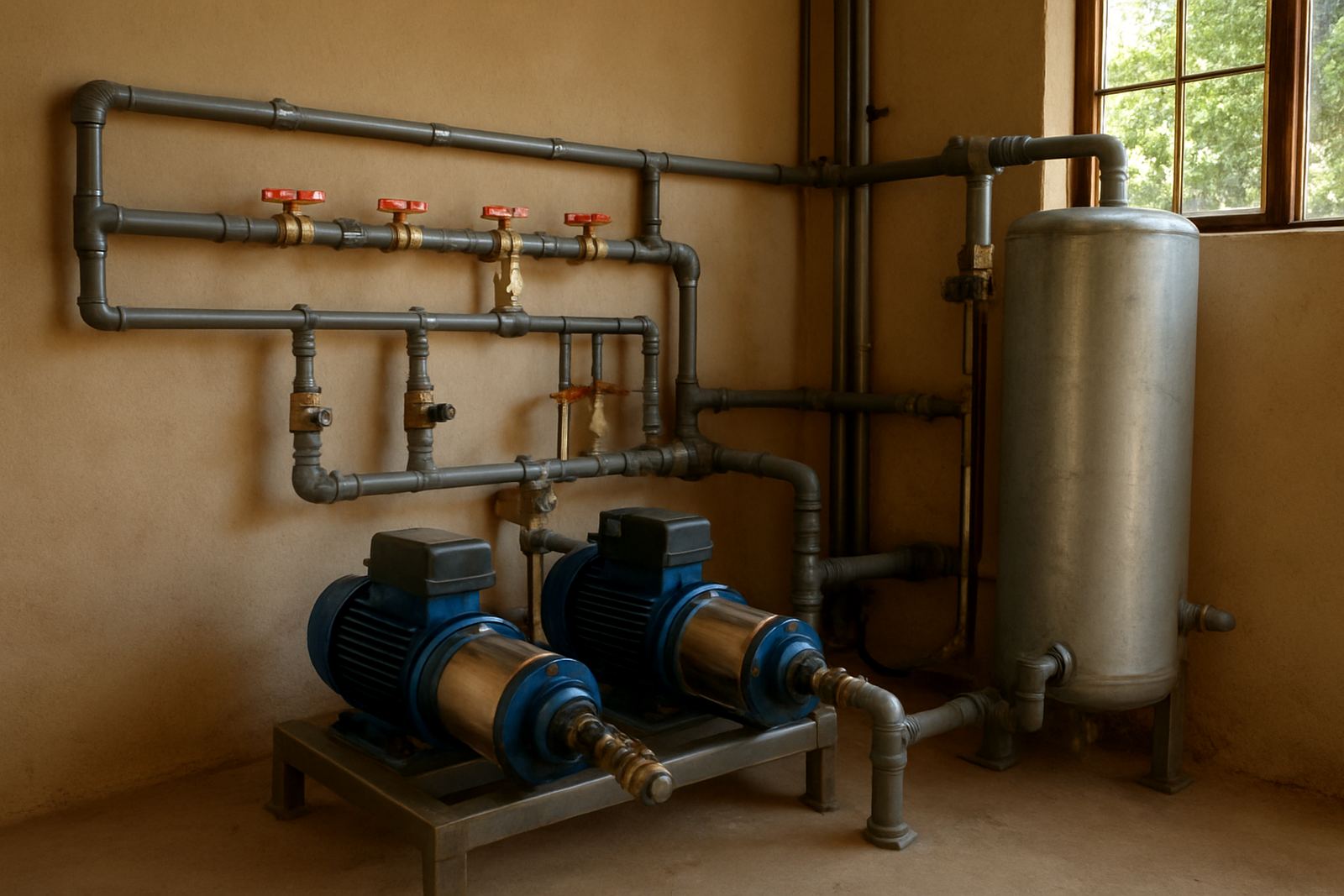
Boreholes often carry more of the winter load because municipal supply can become less predictable and garden demand may still continue. That makes the pump, fittings and filtration parts worth checking early. If the pump is running longer than normal, making unusual noise or cutting out under load, do not wait until a cold front and a dry spell hit at the same time.
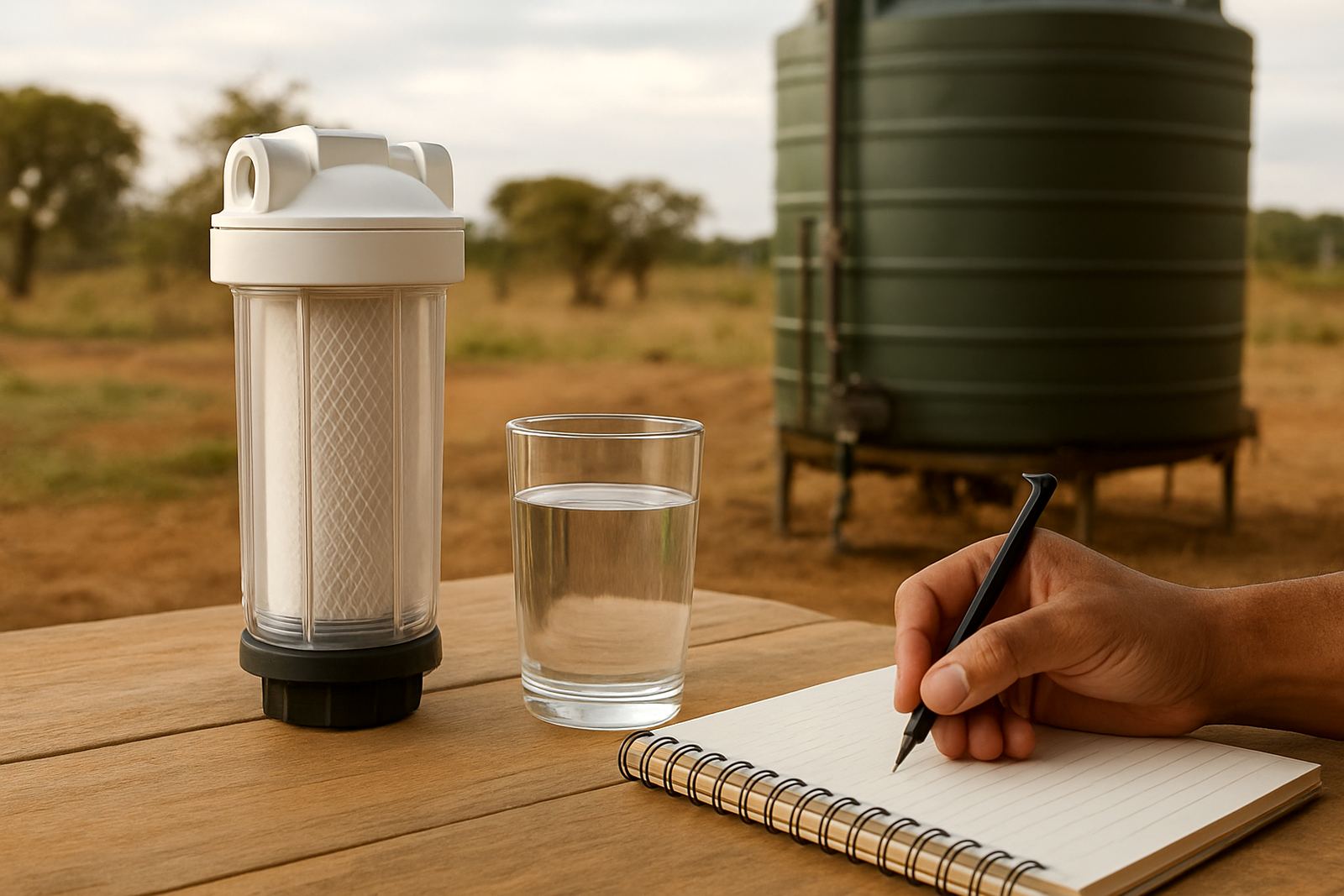
A winter inspection should cover water level, pump performance, pressure control and filtration. It is also a good time to test the water, especially if the borehole supplies drinking water. Iron, sediment and changing mineral levels can affect taste and clog filters. In some parts of the North West, sandy or silty conditions can increase wear on components, so a quick check now can prevent a bigger repair later.
If you are using a borehole for both home and farm, separate the essential use points where possible. That way, if the system needs servicing, you can still keep priority lines going for drinking water or stock. This is a simple step but it makes a big difference when supply is tight and there is no room for downtime.
Filtration and water quality need winter attention too
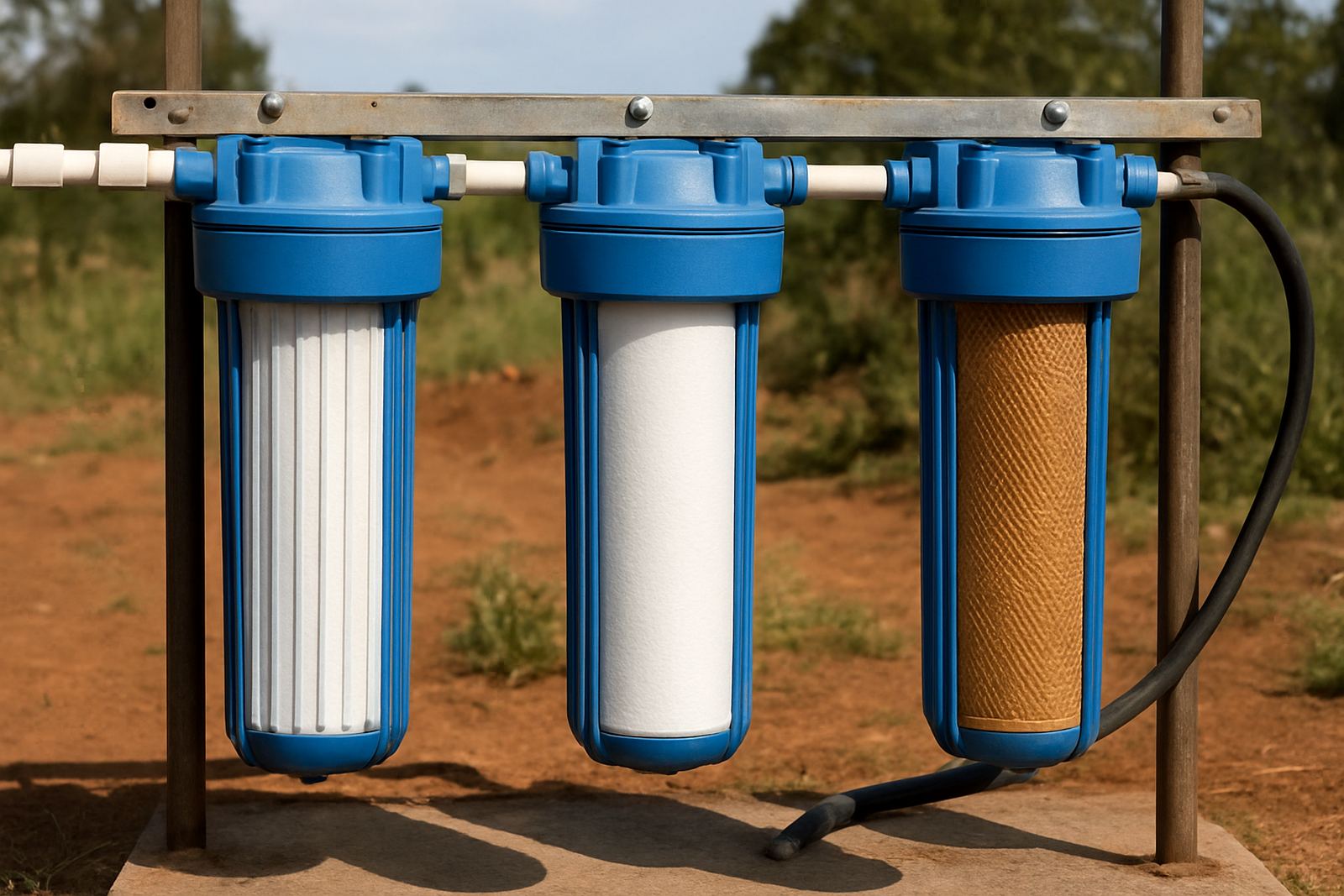
Winter water planning is not only about quantity. Quality matters just as much when storage sits longer and water moves more slowly through a system. Filters that were fine in summer can clog faster once tanks collect extra dust or borehole water starts carrying more sediment. If flow drops, the problem is often a filter element that needs changing rather than a pump fault.
For homes and farms alike, a set filtration schedule helps keep the system steady. Use water testing to guide what needs attention instead of changing parts blindly. If the water shows heavy sediment, iron staining or unusual odour, deal with the cause not only the symptom. That may mean a filter change, a tank clean, or a fault-finding visit on the pumping side.
- Change filter elements before they choke flow during peak winter use.
- Test borehole water if it is used for drinking or food preparation.
- Watch for staining in sinks, toilets and tanks as an early warning sign.
- Plan tank cleaning before sediment builds up too far.
A local example from Brits and the nearby farming belt
A mixed-use property on the outskirts of Brits may have a borehole feeding the house, a rain tank for garden irrigation and a separate line for the stock area. In summer the setup can seem generous, but by late winter the owner may notice pressure dropping and the tank sitting lower than expected. After a site assessment, the problem is often not one issue but a mix of storage, filtration and usage habits.
One common fix is to match the system size to actual winter demand and then set a clear maintenance routine. That can include cleaning the tank, servicing the pump, confirming the commissioning settings, and changing filters before the dry spell gets worse. With a bit of planning, the same property can move through winter with fewer interruptions, less waste and far less stress for the people using it every day.
Build your winter checklist before the dry spell tightens
The best time to prepare for winter water stress is before it becomes visible. Once the storage is low and the pump is working harder, you are already behind. A simple checklist helps you act early and keep the system reliable through the colder months. It also makes annual maintenance easier because you can spot small issues before they become expensive problems.
For homeowners, that may mean checking pressure, testing water and cleaning filters. For farms, it may mean planning delivery coordination for replacement parts, keeping a spare filter set on hand and scheduling pump servicing before the busiest winter stretch. If you are in Pretoria, Rustenburg, Bloemfontein or the Western Cape, the same principle holds: winter is easier when the water system is ready before the first shortage shows up.
When the plan is clear, you use less water by accident, store more of what you catch and keep your supply steadier through the season. That is the practical value of winter water planning, and it pays off whether you manage a family home or a working farm.