Start With the Water Source and the End Use
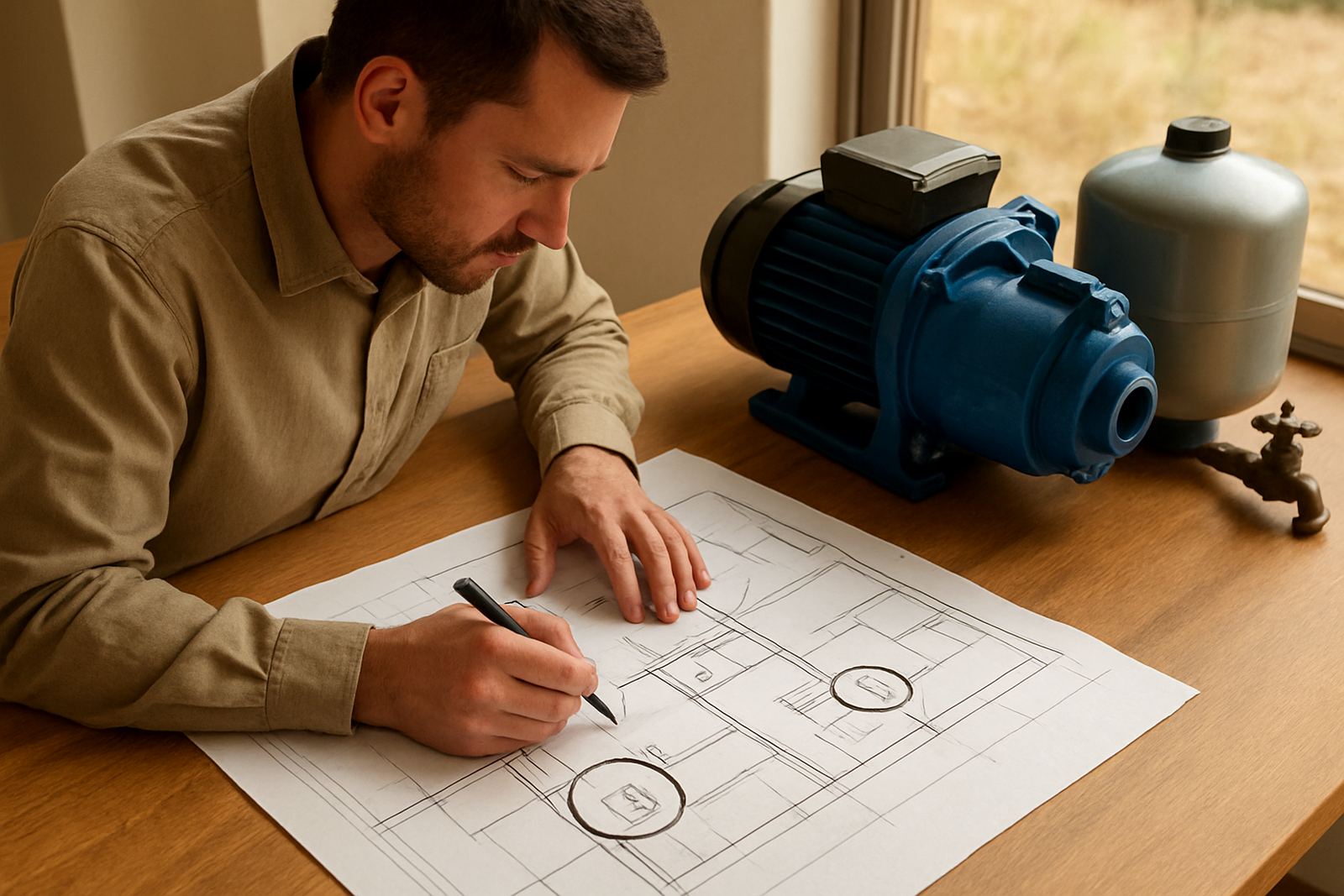
The right kit for a borehole in Hartbeespoort is not always the same as the one for a rain tank in Stellenbosch. Borehole water often carries sand, iron, manganese, hardness or a slight sulphur smell, while rainwater usually needs leaf debris removal, fine sediment control and hygiene protection after dry spells. The first step is to decide what the water will do, because a washing machine, a shower, a kitchen tap and a farm trough do not need the same level of treatment.
For homes, the usual goal is clear water for washing and drinking, with better taste and less scale on geysers and appliances. For farms, the focus may be protecting drip lines, preventing pump wear, keeping stock water cleaner, or treating water for a packing room. If you are unsure, start with a basic water test and a visual check of the source water after heavy rain and after a dry week. That tells you a lot about what filtration must handle.
- Identify the water source: borehole, rain tank, or municipal backup blend
- List the end use: drinking, cooking, bathing, irrigation, livestock, or equipment protection
- Check visible issues: sand, staining, odour, cloudiness, slime, or scale
- Note flow needs: one tap, full house, farm line, or pressure system
Match the Filtration Stages to the Problem
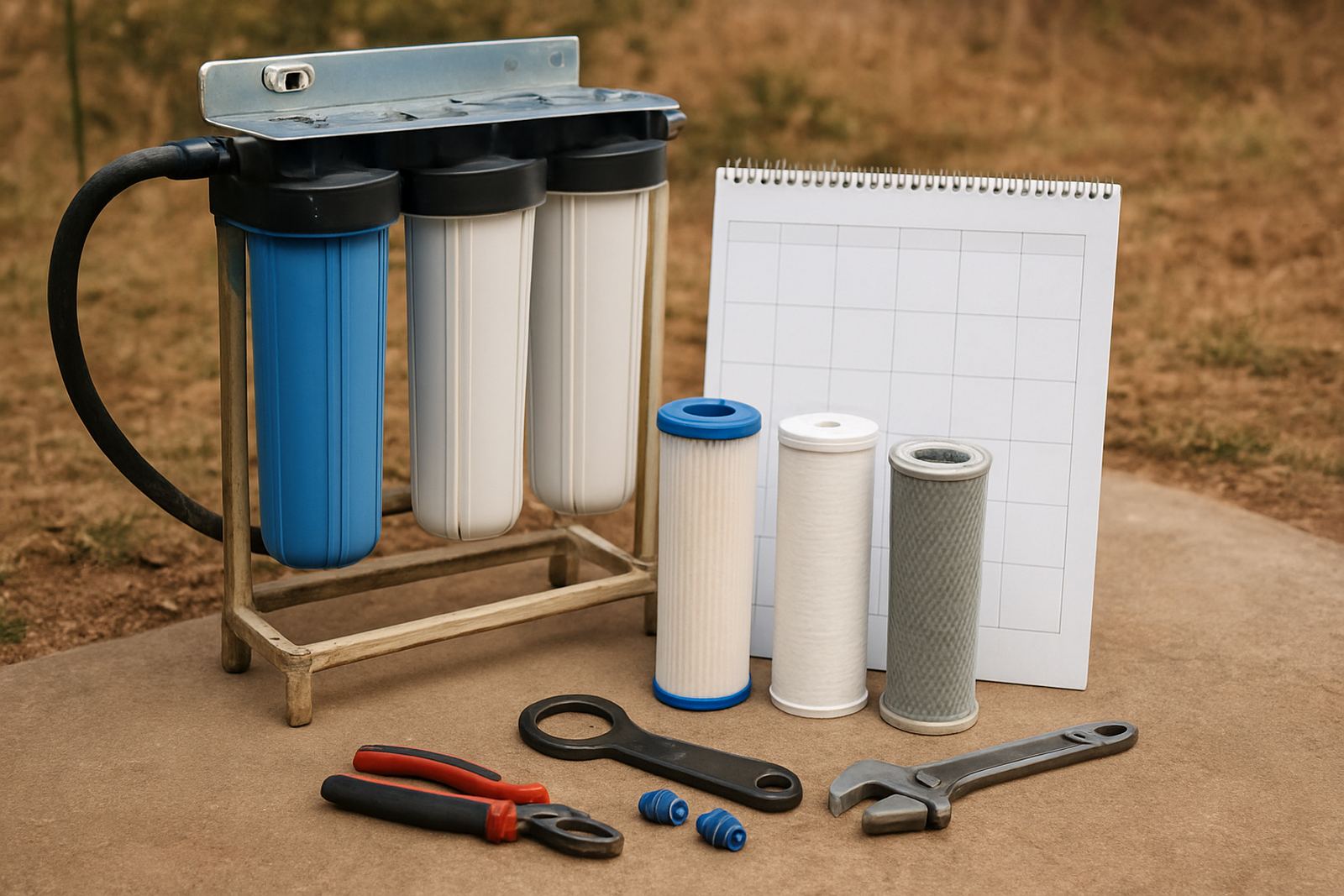
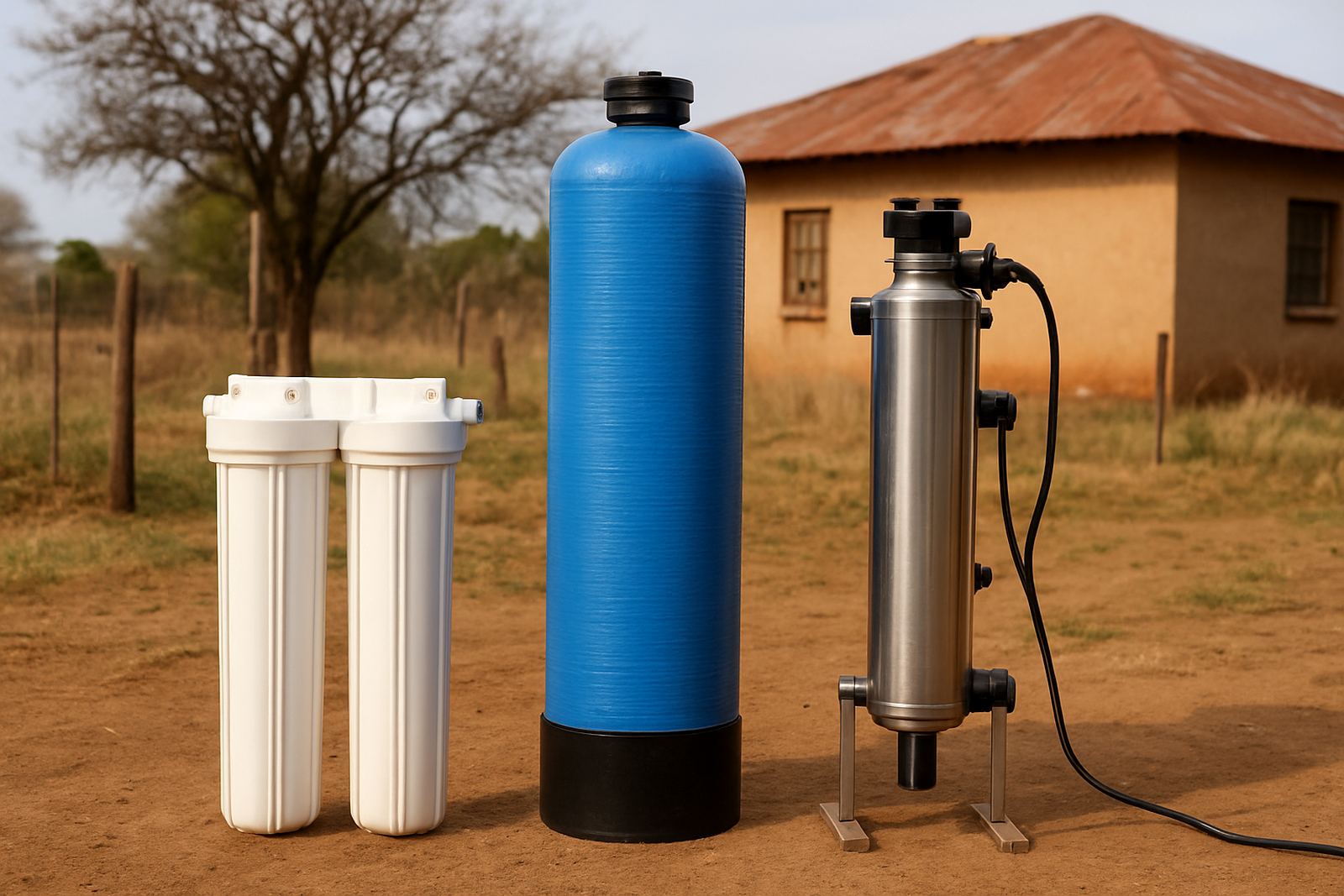
A good kit usually works in stages. The first stage removes larger particles like sand, silt and rust. The second stage deals with finer sediment and improves clarity. The third stage, if needed, targets taste, odour, iron, or bacteria control. You do not always need every stage, and adding more stages than necessary can cause pressure loss and more maintenance than you want.
As a simple guide, start with sediment protection, then add treatment for the specific issue you have. If the water is only slightly cloudy, a coarse and fine sediment stage may be enough. If the water has a strong smell or visible staining on basins and toilets, you may need additional treatment. On farms near the coast or in humid areas, corrosion and algae growth can affect tanks and housings too, so the kit should be selected for the setting as well as the water quality.
- Sediment stage: for sand, silt, rust and general debris
- Fine filtration stage: for improved clarity and protecting taps, valves and appliances
- Special treatment stage: for taste, smell, staining or microbiological concerns
- Pressure and flow check: to avoid weak flow after installation
Know the Difference Between Home and Farm Requirements
Home systems are usually sized around daily family demand, bathroom use and kitchen supply. A small household in Brits may need a compact kit that fits in a neat plant area and can be maintained without too much fuss. Larger homes or properties with pool top-up, staff housing or backup tanks need more capacity and better bypass planning, especially during load-shedding when pressure pumps may cycle more often.
Farm systems often need tougher housings, higher flow and easier access for service. If the kit feeds a borehole pump house, irrigation line or animal drinking point, it must cope with dust, vibration and long operating hours. In these cases, it is wise to include isolation valves and service points so the system can be cleaned without shutting down the whole site. Small planning choices make a big difference on busy properties.
- Home kit: lower flow, compact layout, simple cartridge changes
- Farm kit: higher flow, stronger housing, easier service access
- Backup planning: bypass line, isolation valves and spare cartridges
- Environment check: coastal humidity, dust, heat and power interruptions
Use Water Testing to Avoid Guesswork
Guessing is expensive. A quick water test can help confirm whether you are dealing with sediment only, or whether there are dissolved minerals and hygiene concerns that need a different approach. Water testing is especially useful before fitting a kit for a new borehole, after tank cleaning, or when a property changes from seasonal use to full time use. If the water has changed colour or smell after rain, test again, because source conditions can shift quite quickly.
At a minimum, check clarity, odour, taste where appropriate, and any staining on white ceramics or stainless fittings. If the supply is for drinking, add a microbiological check where needed. For irrigation, look at sediment load and how the water behaves in filters, drippers and valves. A test result gives you a proper basis for system sizing and stops people from buying the wrong cartridges first time round.
- Test before installation if the source is new or unproven
- Test after heavy rain, borehole servicing, or tank cleaning
- Test again if staining, smell or blocked filters become frequent
- Keep a record so future filter changes are based on real conditions
Check the Practical Details Before You Order
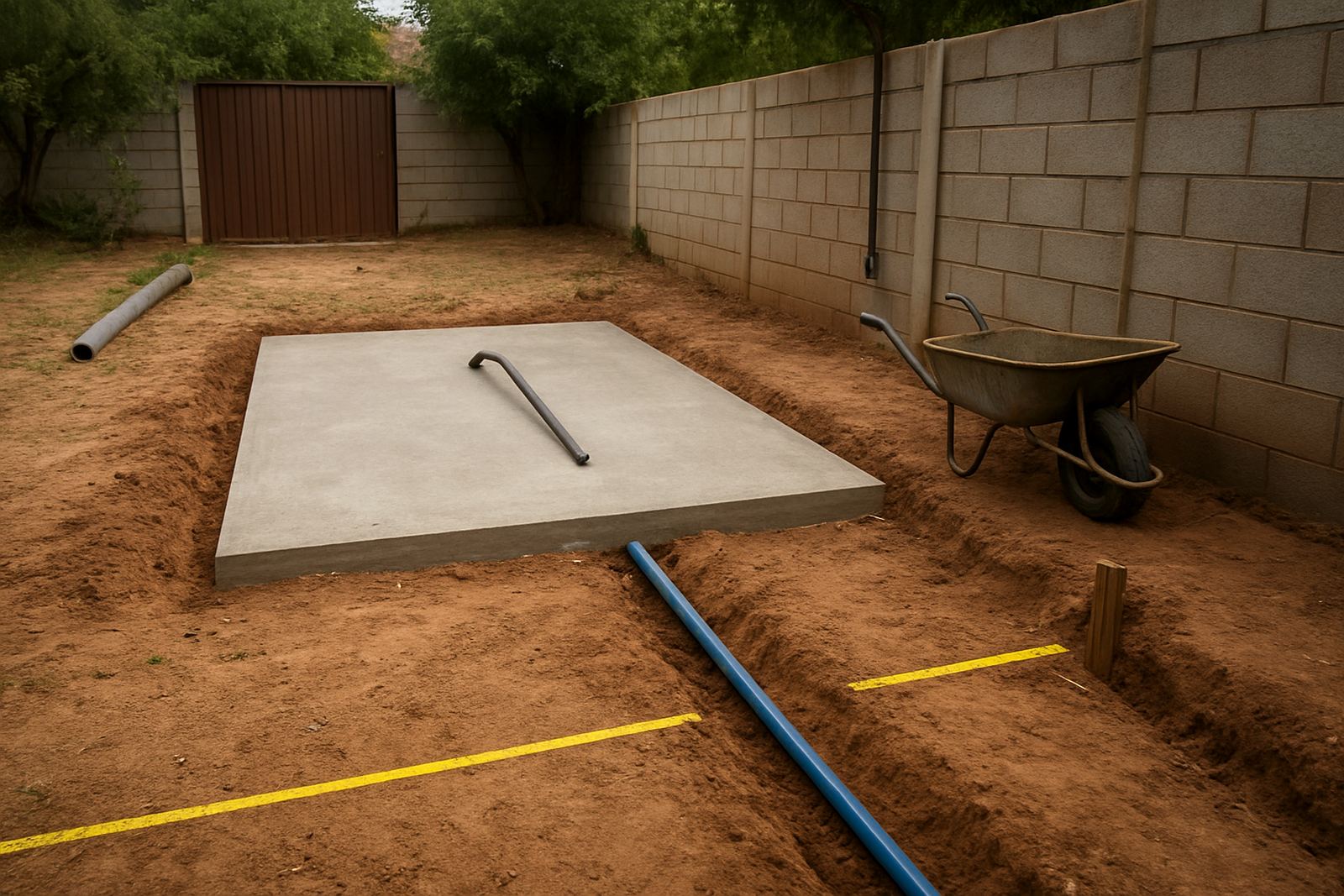
Once you know the water issue and the use case, check the practical details of the installation area. You need enough space for housings, valves and cartridge removal, plus a clean and sheltered position where direct sun will not crack fittings or overheat the water. In places like Rustenburg and Bloemfontein, dust can build up quickly, so mounting height and access matter. On the Western Cape side, wind and coastal humidity can influence enclosure choice and corrosion prevention.
Also confirm the pipe size, inlet and outlet direction, pressure range and where the system will be drained for maintenance. If the kit is going into an existing pump line, make sure the pump can handle the extra resistance. A well matched filter kit should improve water quality without causing nuisance pressure loss or constant bypassing. If you need it for municipal rules or a specific site requirement, keep the paperwork and test records tidy.
- Measure available wall or floor space before ordering
- Confirm pipe size and pressure range
- Allow space for cartridge changes and flushing
- Plan for drainage, bypass and shutoff access
When to Choose a Basic Kit and When to Go Further
A basic kit is often enough when the goal is to remove sediment and protect equipment. That suits many rain tank setups and some boreholes with clean, stable water. If the water is for drinking, kitchen use, or sensitive appliances, a stronger multi stage kit may be the better call. For farms or larger homes, the right choice usually comes down to daily draw-off, the number of users and how much servicing you are willing to do.
If you are in Pretoria, Hartbeespoort, Paarl, Stellenbosch or Somerset West and you want a filter kit that is sized properly from the start, use a simple rule: begin with the water problem, then match the flow, then confirm maintenance access. That order saves time, saves money, and gives you a system that can actually be kept running. Hydrated helps with site assessments, system sizing, kit assembly, delivery coordination, installation support and follow-up maintenance so the kit you choose is the kit that fits.
If you are still unsure, compare your water against a short checklist and speak to a specialist before you buy. It is far easier to choose the right stage order now than to keep replacing cartridges later because the water conditions were never matched properly.