What a control panel actually does in a water system
A control panel is the point where the pump, float switch, pressure switch and protection devices work together. In a borehole or rain-tank setup, it helps decide when the pump should run, when it should stop, and when it should stay off because something is not right. That matters whether you are supplying a house in Brits or keeping troughs filled on a farm outside Rustenburg.
Most panels also protect the motor from low voltage, overcurrent and dry running. In areas where load-shedding or voltage dips are common, that protection is not a nice extra. It helps reduce damage to the pump, wiring and pressure tank, and can save you from costly callouts later.
The main parts you will see inside the panel
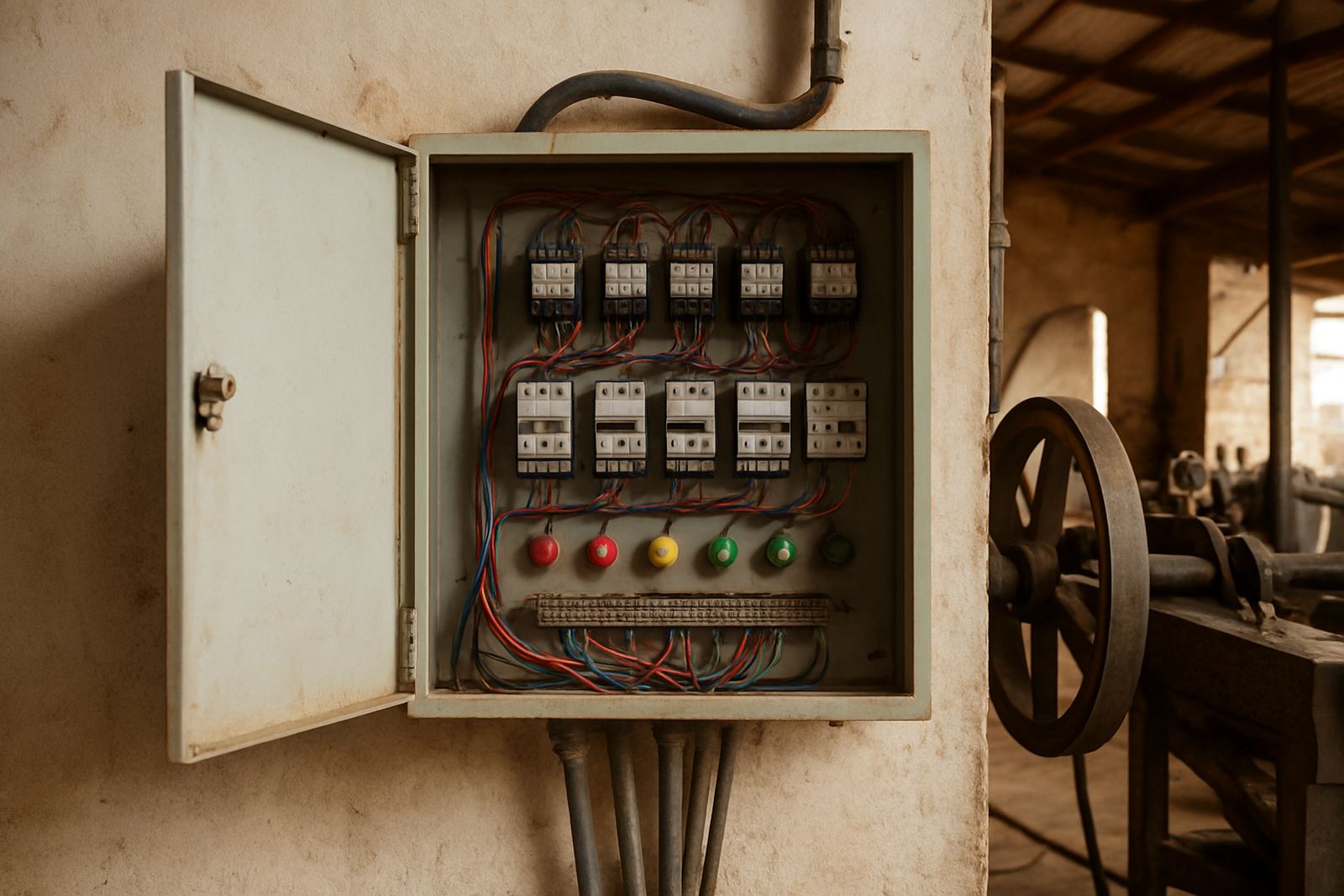
Not every control panel looks the same, but the same basic parts appear again and again. If you open the enclosure carefully and the power is isolated, you will usually find contactors, overload protection, indicator lights, fuses or breakers, relays and terminal blocks. Some systems also have timers, dry-run sensors or level controls for tanks and boreholes.
- Power switch or isolator: cuts power for safe servicing.
- Breaker or fuse: protects the circuit from short faults.
- Contactor: switches the pump on and off.
- Overload relay: trips if the motor draws too much current.
- Float or level input: tells the system when water is available or when a tank is full.
- Indicator lights: show power, run and fault status.
If the panel is in a humid coastal area like Somerset West or Paarl, check that the enclosure closes properly and that no condensation is building up inside. A loose gland or cracked seal can lead to corrosion and strange faults, sometimes before you see any visible damage.
How a simple borehole or tank cycle should work
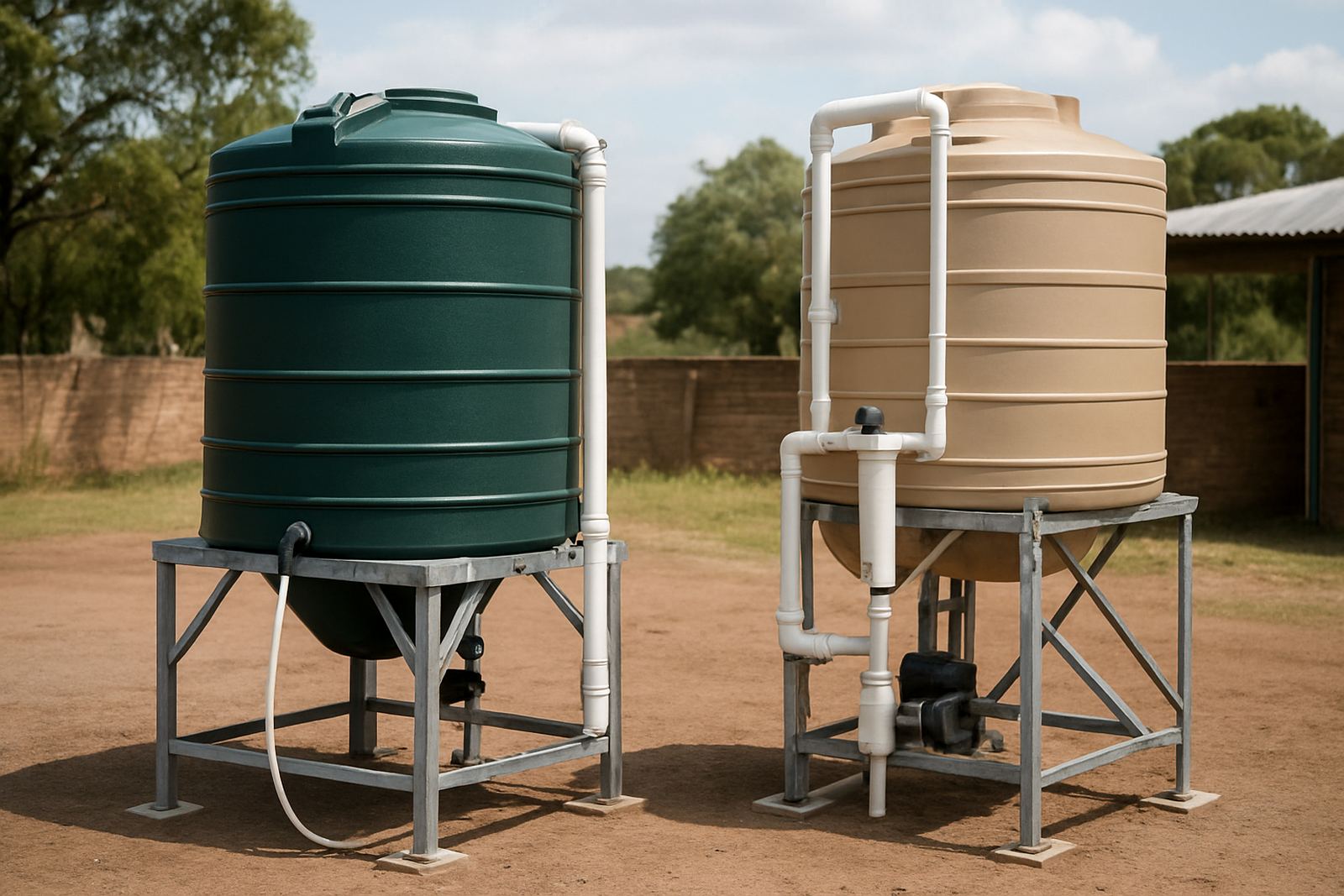
In a basic setup, the control panel receives a signal from a float switch, pressure switch or water level probe. If the tank is low and the borehole is ready, the panel energises the contactor and the pump starts. When the tank reaches the set level, the signal changes and the pump stops. In a pressure system, the pump may start when taps are opened and stop when pressure recovers.
This is the part many new users misunderstand. The panel is not just a switch box. It is watching the system conditions and making decisions. If the borehole runs low, the panel should stop the pump rather than let it run dry. That one action can prevent a lot of trouble, especially on properties with sandy boreholes or long cable runs across the yard.
Basic checks you can do before calling for help
If the system is not working, start with simple checks before assuming the pump has failed. Make sure the main isolator is on, confirm that the breaker has not tripped and look for any fault lights. Check whether the tank is actually calling for water. Sometimes the issue is at the float switch, a loose connection or a blocked sensor, not the pump itself.
- Confirm supply power and check whether other circuits are live.
- Look for a trip on the breaker or overload.
- Check if the tank level is low enough to trigger the pump.
- Inspect visible wires for damage, loose terminations or signs of heat.
- Listen for the contactor clicking when the system should start.
- Smell for burnt insulation or look for moisture inside the enclosure.
If the panel trips repeatedly, do not keep resetting it over and over. That can turn a small electrical fault into a bigger repair. On farms near Hartbeespoort or Bloemfontein, we often find that a bad connection or worn contactor is the real cause, not the motor itself.
Warning signs that point to a control problem
Some faults appear slowly. The pump may start late, stop too early or run for longer than normal. You may hear buzzing from the panel, see lights flickering or notice that the motor starts but then cuts out after a few seconds. A warm cabinet, burnt smell or blackened terminals are also red flags.
If your water pressure keeps changing, or the system works one day and then not the next, the panel should be checked along with the pump and water source. Fault finding is about looking at the whole setup, not only one part. In many cases the issue is a mix of age, dust, vibration and moisture, plus a bit of switchig wear from daily use.
For homes, the usual complaint is inconsistent pressure or a tank that never fills properly. For farms, the problem is often higher motor load, longer pipe runs or repeated starts and stops. Either way, the control gear should be matched to the pump size and the actual duty cycle, not just fitted and forgotten.
Keeping panels in good shape through the year
Regular maintenance helps control panels last longer and behave properly. That is especially important where dust, heat and seasonal storms are part of daily life. Before summer, check that the enclosure is clean and dry. Before winter or the rainy season, inspect seals, glands and cable entries. If you have a backup supply or solar arrangement, test the changeover so you know it works when needed.
- Wipe dust from the enclosure exterior and vents.
- Check for rust, loose screws and damaged seals.
- Test float switches and level controls.
- Inspect terminals for heat marks or corrosion.
- Record fault trips and note when they happen.
- Schedule annual maintenance before peak demand periods.
Good records help. If the same fault comes back every few weeks, you may be dealing with a pressure issue, a wiring fault or an undersized component. A proper service can save time and keep the system reliable through load-shedding and heavy use.