Start With The Water Source And The Job Size
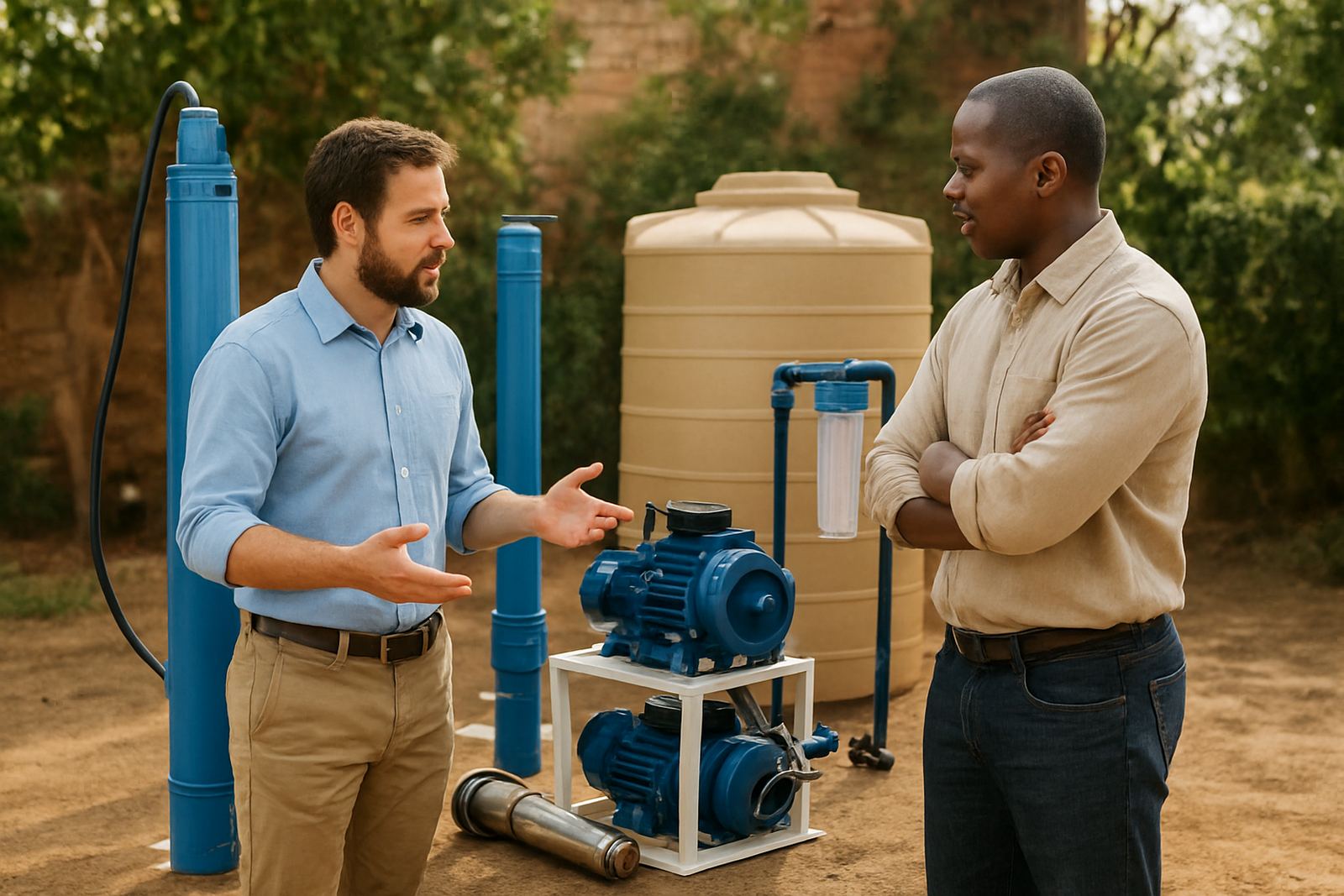
The first cost driver is where the water comes from. A borehole kit usually needs pumping hardware, pipework, fittings, electrical parts and, in many cases, a storage tank to keep supply steady. A rain-tank kit is often simpler, but the roof area, gutter condition, first-flush parts and filtration all matter. If the water is for drinking, irrigation, livestock or general household use, that changes the parts list and the budget.
For homes in Brits, Pretoria or Hartbeespoort, a small garden and household top-up setup may need a very different size to a farm yard or a guest property. The more water you need each day, the larger the pump, storage and treatment package usually becomes. A proper site assessment saves money because it helps avoid buying parts that are too small or larger than needed.
- Type of source: borehole, rainwater, or both
- Daily water demand: household, farm, livestock, or irrigation
- Water quality: clean, sandy, salty, or discoloured
- Storage need: day tank, buffer tank, or larger reserve
Know What Is Included In The Kit Price
When comparing water kit prices, check exactly what is included. Two kits can look similar on paper but differ a lot once fittings, cable, pressure control, filters and mounting parts are added. Some customers only need the core hardware, while others want a fuller package with assembly and delivery arranged to site.
For a borehole installation, the price may include the pump, pipe, cable, float switch, safety gear, valves and fittings. For a rain-tank kit, the budget may include tank connectors, filters, first-flush diverters and a pump for transfer to the house or irrigation line. If your site has long pipe runs, uneven ground, or a separate pump room, the cost will usually move up. A missing valve or a short cable can cause extra trips and delay the job, so it pays to plan properly from the start.
- Pump or pump set
- Tank and connection fittings
- Filters and treatment media
- Electrical gear and controls
- Delivery, installation support, and commissioning checks
Budget For Storage, Pressure And Backup
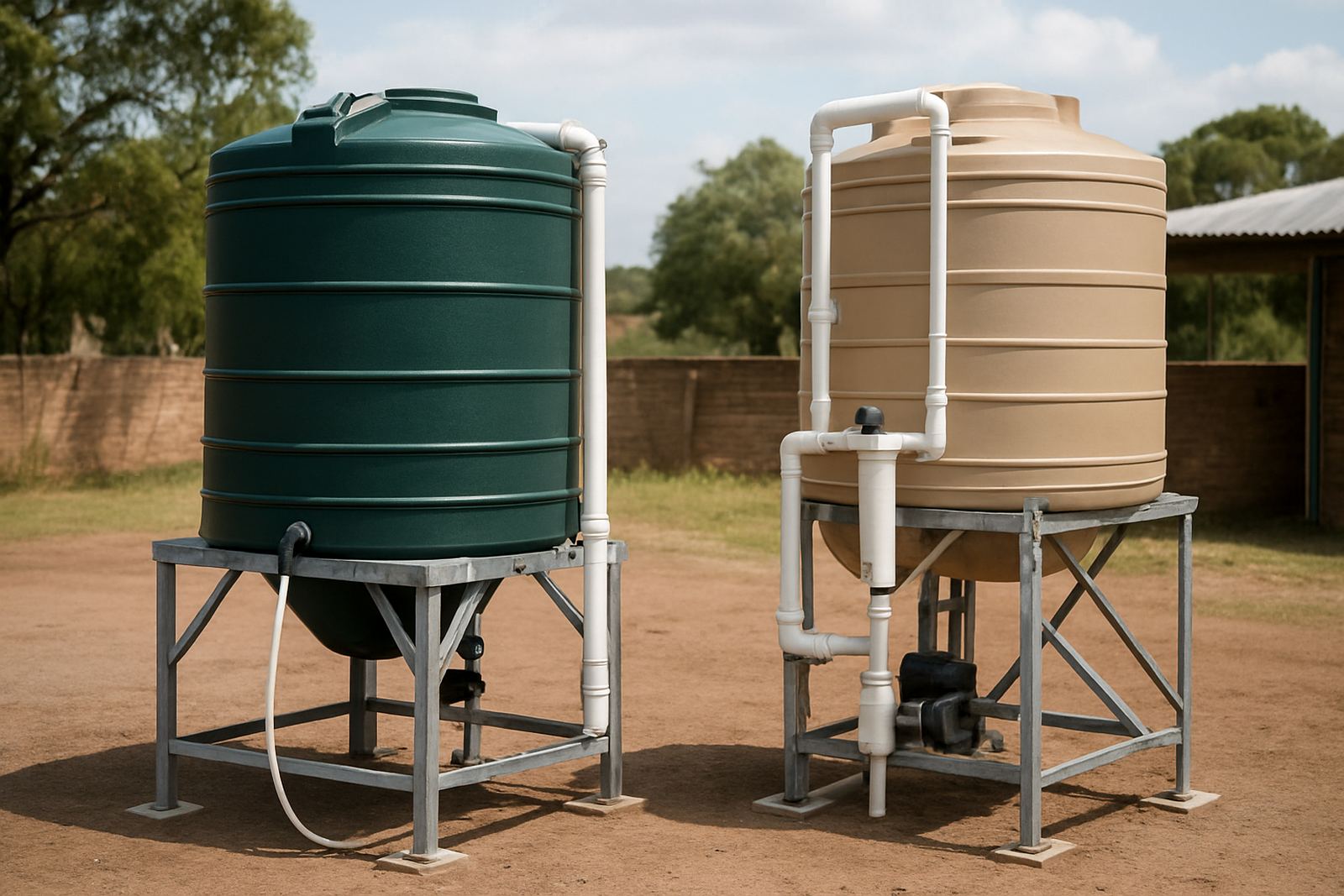
Storage is often the part people underbudget. A tank does more than hold water, it gives you a buffer when the pump is off or when municipal pressure drops. In areas with load-shedding, a storage tank can keep taps working when the power is down, provided the system is set up correctly. If you want strong pressure at showers, troughs or kitchen points, you may also need a pressure pump and a controller.
It is also worth budgeting for backup power planning. Some properties need a solution that can restart safely after an outage without damaging the pump. Others may need protection against dry running, especially where borehole levels move through the seasons. In coastal areas like Somerset West or Paarl, fittings and tanks may need extra attention because humidity and corrosion can shorten service life if the materials are not suited to the site.
- Tank size matched to daily use and dry periods
- Pressure pump where gravity feed is not enough
- Controls for dry-run protection and cut-out safety
- Back-up supply planning for outage periods
Filter And Testing Costs For Safer Water
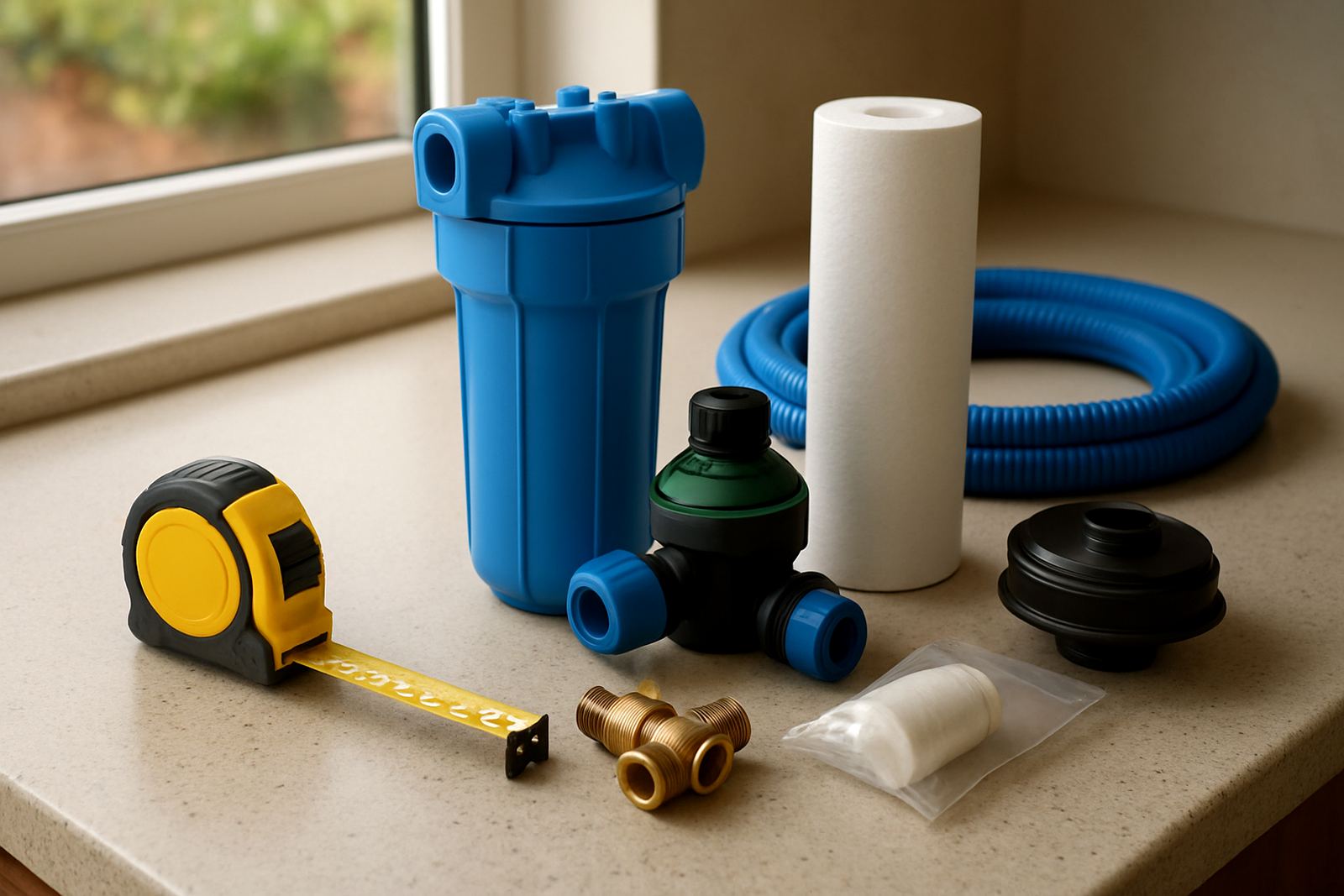
Water treatment can be a small add-on or a major part of the budget depending on the source. Rainwater usually needs sediment filtration and sometimes extra treatment for drinking points. Borehole water may need iron removal, sediment control, taste correction or more advanced filtration, depending on the test results. If the water will be used for a family home, a guest property or food preparation, testing is money well spent.
A basic water test can show whether the water has sand, tannins, iron, or other issues that affect how the kit should be set up. Once the result is known, you can choose the right filter stages and avoid buying parts that are not needed. Annual filter changes and tank cleaning should also be part of the budget, not an afterthought. It is cheaper to maintain a system than to sort out blocked lines or poor water quality later, and it saves a lot of headache.
- Water testing before final kit selection
- Sediment and carbon filtration where needed
- Special treatment for iron, odour or taste issues
- Routine filter changes and tank cleaning costs
Plan For Delivery, Installation Support And Local Conditions
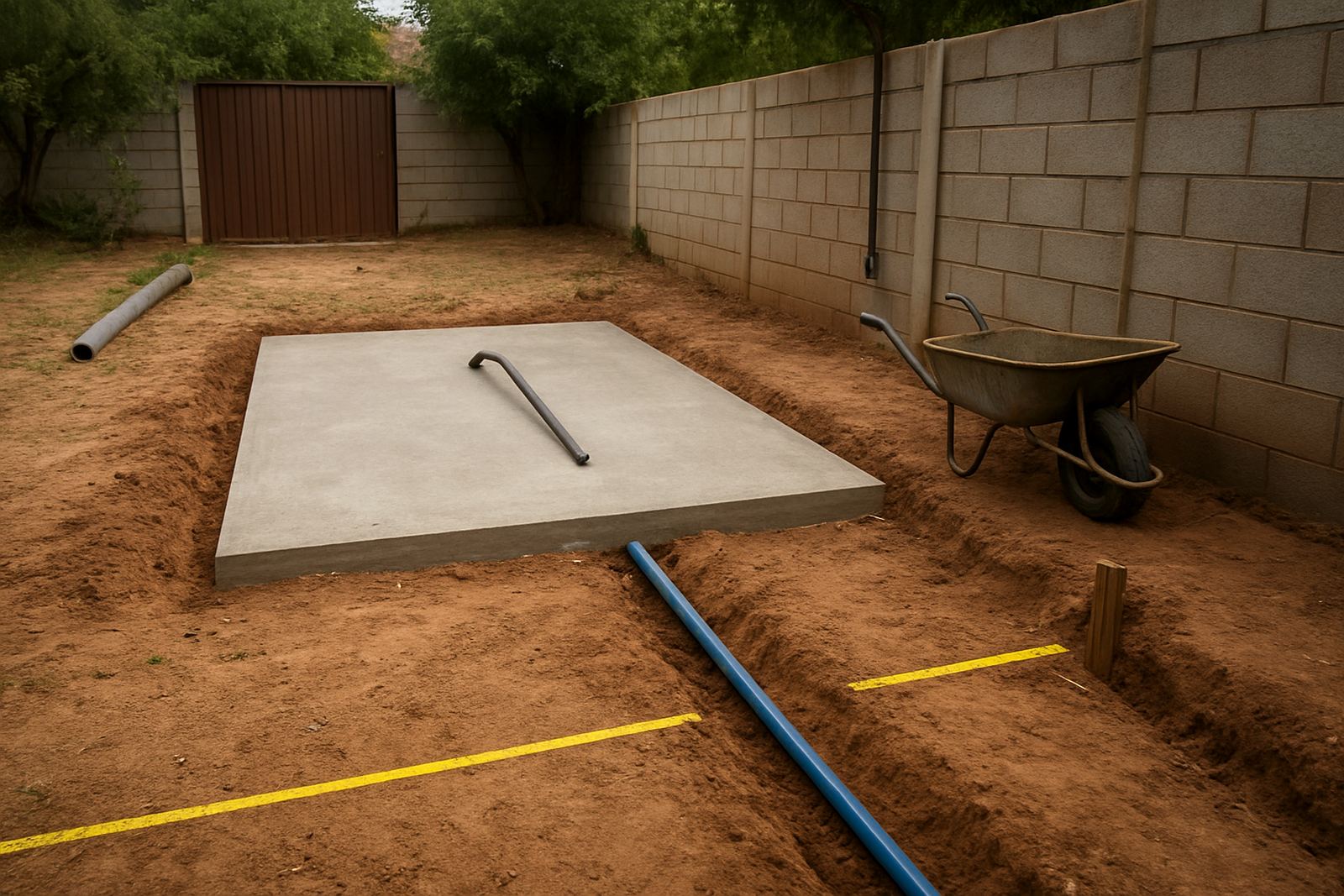
Delivery and site access can change the total cost more than people expect. A property with a narrow driveway, soft ground, steep access, or long offload distance may need extra planning. In rural North West areas around Brits and Hartbeespoort, or larger sites near Rustenburg and Bloemfontein, the route from the road to the tank pad or pump point should be measured before anything is ordered. This keeps the job moving and avoids rework.
Municipal rules, HOA requirements and water-use limits can also affect the system choice. In some places, tanks need careful placement for safety and appearance, and borehole work may need separate compliance steps. If you are adding a filtration system or tank on a farm, think about access for future maintenance as well. A system that is hard to reach ends up being harder to service, which costs more over time.
Typical planning items include:
- Access for delivery vehicles and offloading
- Space for tank base, pump area and pipe runs
- Local by-laws or estate rules that affect placement
- Clear maintenance access for filter changes and servicing
Use A Step-By-Step Budget Checklist Before You Order
A simple checklist helps you seperate the must-have parts from the nice-to-have extras. Start with the water source, then work through demand, storage, treatment and power. Once those items are clear, ask for a quotation that shows the main hardware and the support items separately. That makes it easier to compare options and keep the budget under control.
At Hydrated, the practical approach is to size the system to the site, not the other way round. Whether the job is a home in Pretoria, a farm near Rustenburg, or a coastal property in the Western Cape, the same basic process applies: assess the source, confirm the water quality, match the pump and tank, and add the treatment only where it is needed. That way you get a kit that suits the property and the budget.
- Confirm the water source and daily demand
- Check the site for access and installation space
- Test the water before choosing filters
- Decide on tank size and pressure needs
- Include delivery, commissioning and maintenance
- Set aside a small contingency for fittings or changes