Start With What The Water Must Do
Before you choose a pump or tank, write down the job the system must handle. A home in Brits with a few bathrooms and a garden has a very different demand from a smallholding near Hartbeespoort or a farm outside Rustenburg. The same applies in the Western Cape where summer irrigation can push daily use up fast, while winter use may drop off sharply.
Start by listing the fixtures or points of use. Think taps, toilets, showers, laundry, livestock troughs, irrigation lines and any filtration equipment that needs pressure to work properly. Once you know the peak demand, you can size the pump to deliver enough flow without running flat out all day, and choose a tank that stores enough water for load-shedding, dry spells or municipal interruptions.
- Count all water points that may run together
- Note which points need steady pressure and which can run in turns
- Check whether the system is for backup, daily supply or irrigation support
- Allow for higher use in hot months and during dry periods
Match Pump Output To Real Demand
Pump output is usually judged by flow rate and pressure. If the pump is too small, the tank refills slowly and the system can struggle when several taps open at once. If the pump is too large, it may cycle too often, waste power and wear out sooner. Good matching is not about buying the biggest pump, it is about choosing the right output for the pipe run, water source and storage size.
As a rule, the pump should refill the tank within a practical time, not battle for hours. On a borehole system, the borehole recovery rate matters just as much as the pump size. A pump that can move 3 000 litres per hour is not helpful if the borehole only safely yields 1 200 litres per hour. For rainwater systems, the roof catchment and first flush setup also affect how much water reaches the tank, and how often the pump must run.
- Check the source yield before selecting pump size
- Allow for friction loss in long pipe runs and bends
- Match pressure to the highest point or furthest outlet
- Use the smallest pump that meets the actual duty, not a guess
Choose Tank Size For Buffer And Security
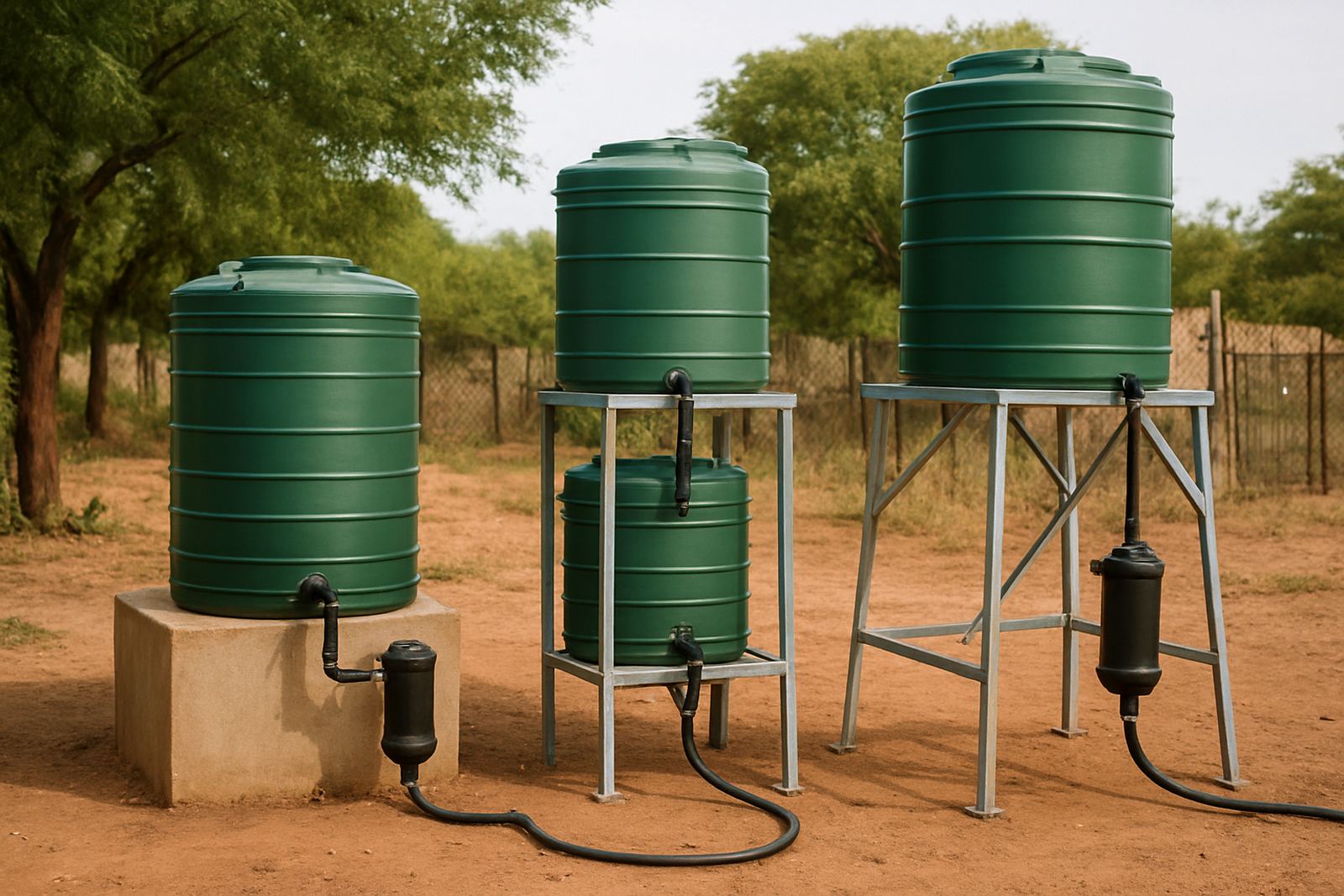
Tank size gives you breathing room. The tank does not create water, but it stores enough to keep the site going when the source slows down or electricity is off. For a home, a smaller tank may be enough to bridge short interruptions. For farms and larger properties, extra storage can keep stock watering and irrigation going for longer, especially where delivery lead times or weather can affect supply.
There is no single tank size that suits every site. A family home in Pretoria may use a modest storage volume for backup, while a small farm near Bloemfontein may need a much larger tank for livestock and crop support. Coastal areas like Paarl, Stellenbosch and Somerset West also need storage that handles humid conditions and UV exposure well, because fittings and covers take more strain over time.
- Use at least one day of backup for homes where water interruptions are common
- Use more storage where the site depends on irrigation or livestock
- Keep enough freeboard for pressure control and safe operation
- Make sure the base can support the filled tank weight
Balance Refill Speed With Daily Usage
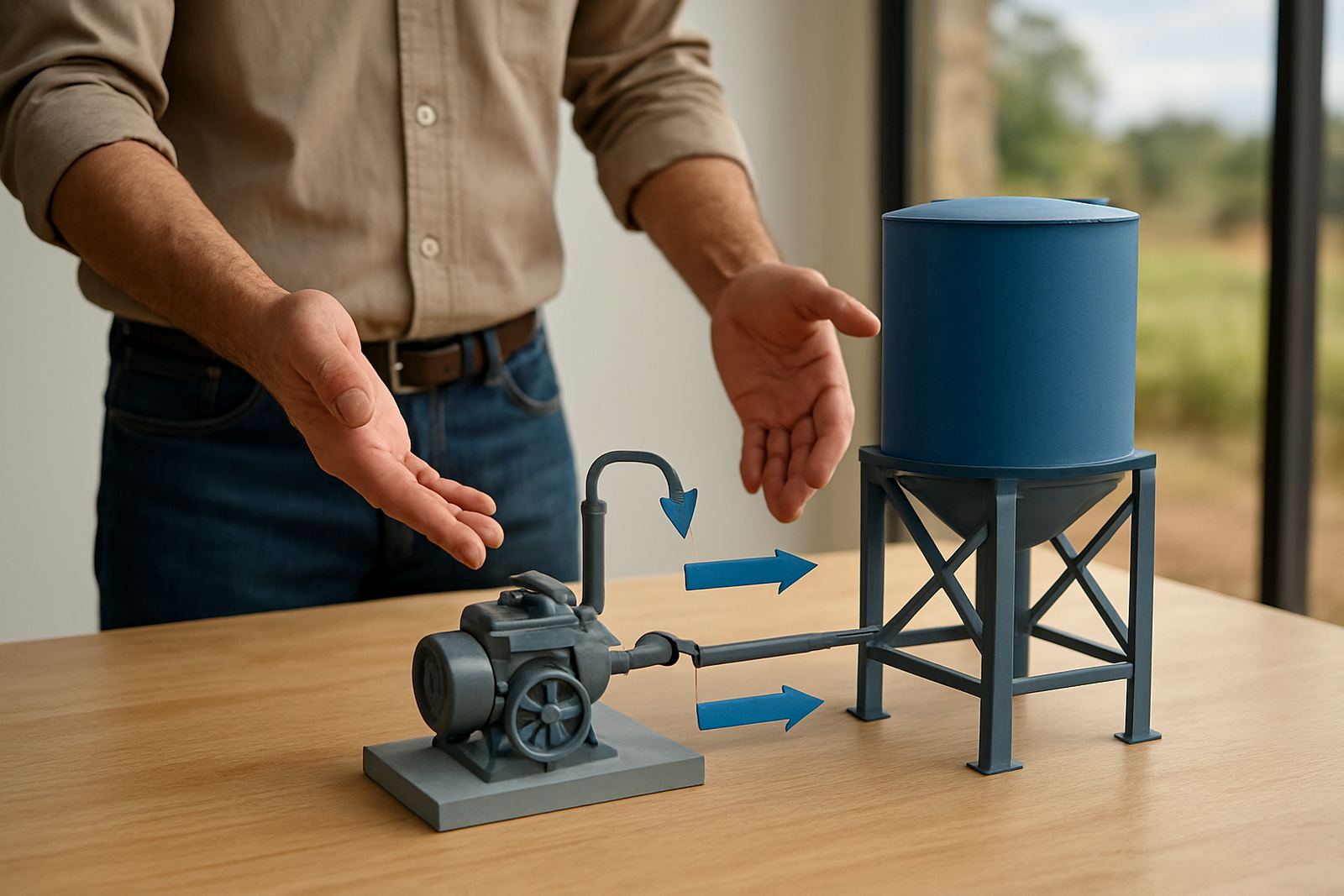
The best system is balanced. If the pump refills too slowly, the tank sits low and the system feels unreliable. If the tank is far too small for the pump, water moves through too quickly and the pump starts and stops often. That is hard on the motor, controller and fittings. Balanced design means the tank should absorb demand swings while the pump runs in sensible cycles.
On many domestic systems, a pressure switch or controller works best when the tank and pump are sized together from the start. On larger installations, the balance may include a booster pump, pressure vessel or separate irrigation zone. This is where site assessment matters. A proper look at elevation, pipe length, daily usage and power backup can prevent costly changes later. A quick rule is this: if the pump seems to be working all the time, or the tank is emptying faster than expected, the balance is off.
- Long pump run times often point to undersized output or poor source yield
- Frequent on and off cycling often points to poor storage balance
- Low pressure at distant taps may mean the pump is under-specced
- Overflowing tanks can mean the refill rate is too aggressive for the setup
Use The Right Parts Around The Pump And Tank
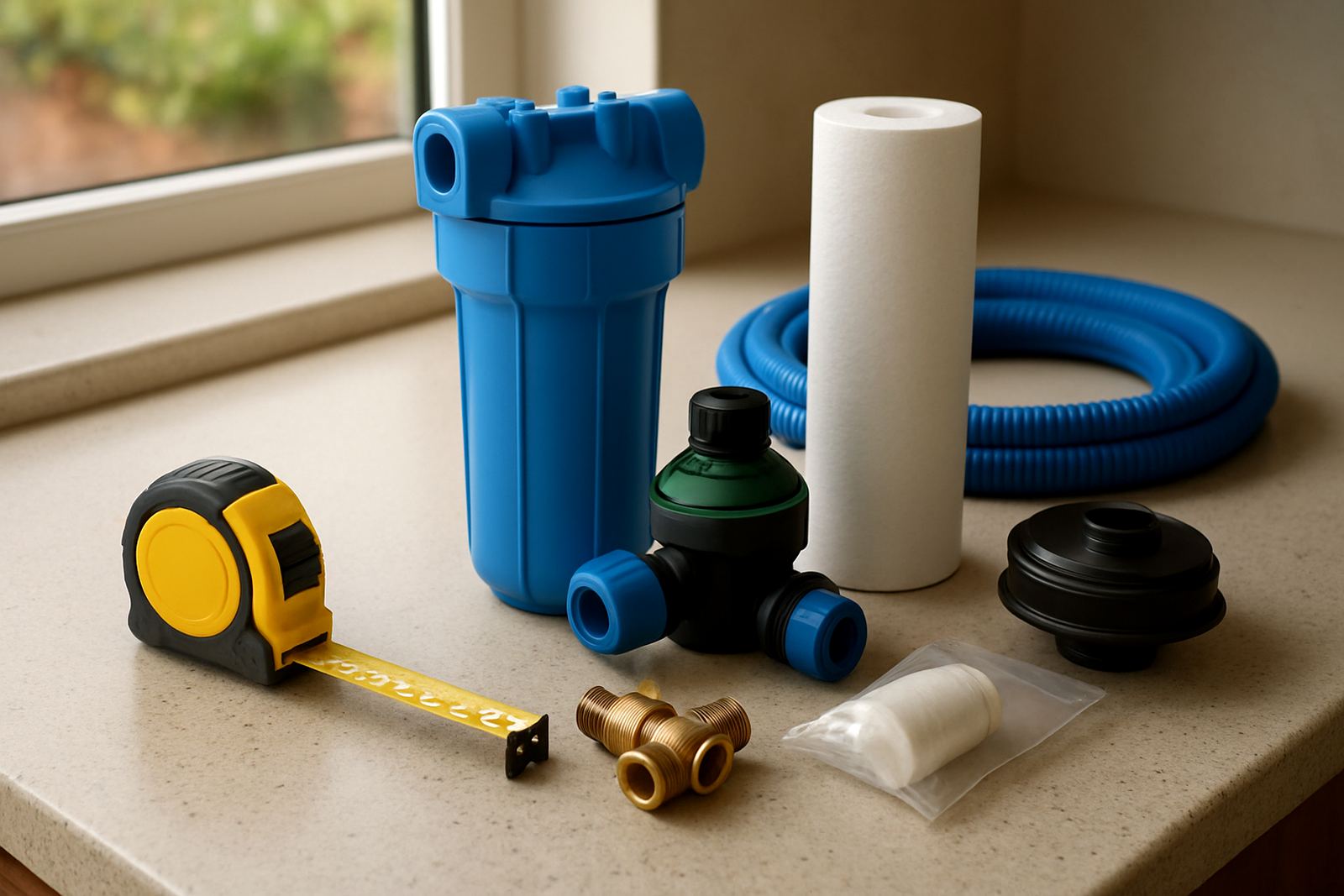
Matching pump and tank is only part of the job. Valves, float switches, filters, pipe diameter and cable sizing all affect how the system performs. A well-sized pump with poor plumbing can still disappoint. A tank with no proper inlet control can overflow or draw in dirt. In borehole systems, sand and fine silt must also be considered, especially where the water table shifts after rain or seasonal use.
For filtration systems, pressure needs to remain steady enough for the cartridges or media to work properly. Too little pressure can reduce flow through the house, while too much pressure can shorten the life of fittings. Where municipal rules apply, check whether backflow protection, overflow discharge and tank positioning meet local requirements. This is especially important in dense areas or where tanks are installed close to boundaries.
- Fit the correct pipe diameter for the expected flow
- Use proper float control to protect the tank from overflow
- Install pre-filtration where borehole or rainwater has debris
- Check that electrical protection suits outdoor and damp conditions
Use A Simple Sizing Checklist Before You Order
Before you place the order, work through a checklist so the right pump, tank, filters and fittings all make it onto the same job. This helps whether you are in Brits, Rustenburg, Hartbeespoort or further afield. It also saves time during delivery coordination and installation support, because the right parts arrive together. If the project is for a farm, include storage for peak season. If it is for a home, include backup for load-shedding and water interruptions.
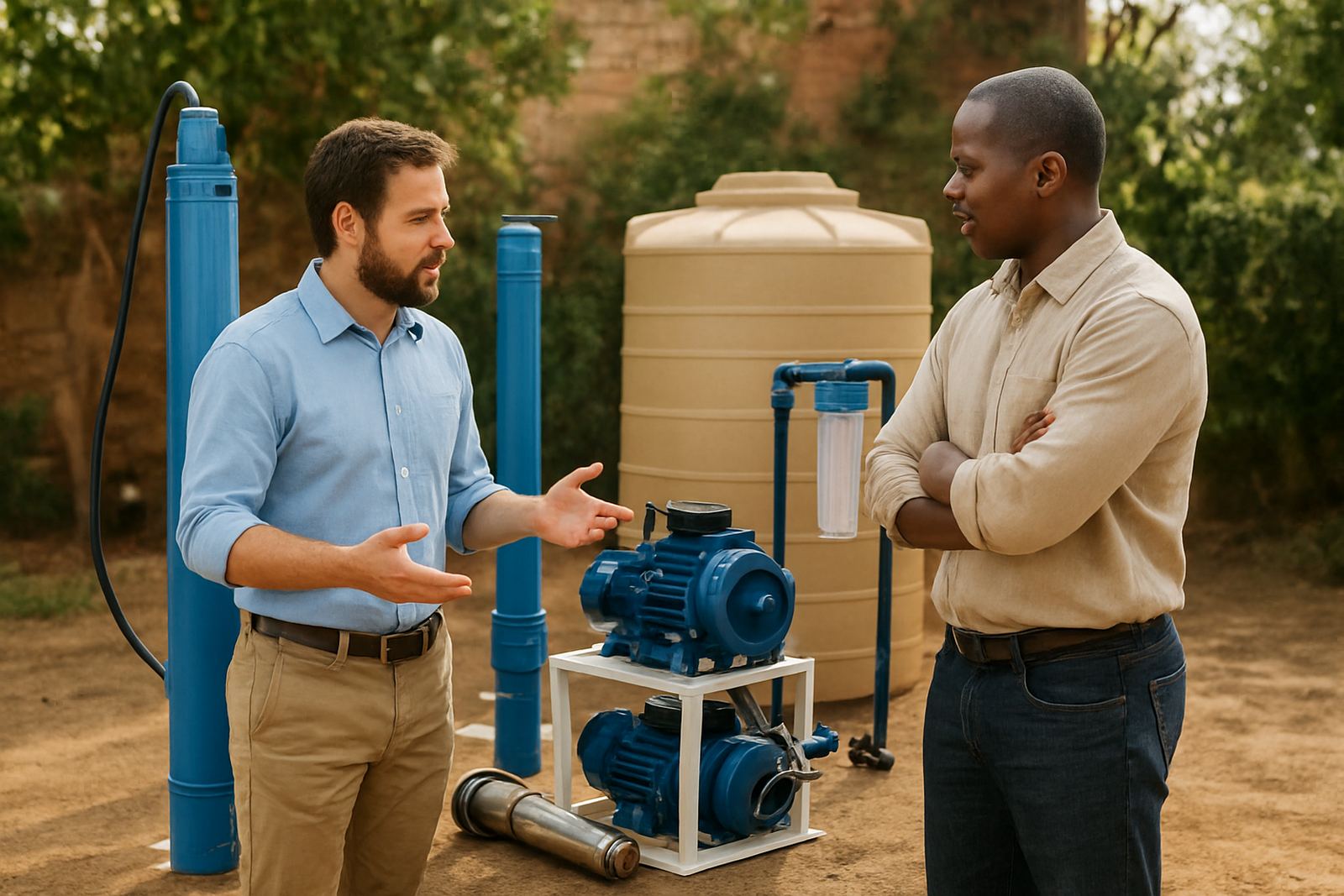
Hydrated supports site assessments, system sizing, kit assembly, delivery coordination, installation support, commissioning checks, water testing and annual maintenance. That means the pump, tank and filters can be planned as one working system, not separate items bought at different times. A little planning now can prevent a noisy pump, poor pressure and a tank that is always either too full or too empty.
- Source type: borehole, rainwater or municipal backup
- Daily demand: home, livestock, garden or irrigation
- Peak demand: which points may run together
- Storage target: hours or days of backup needed
- Power conditions: normal supply, inverter or generator support
- Water quality: sediment, hardness, odour or bacteria risk
When the pump and tank are matched properly, water use becomes simpler to manage and the whole site feels easier to run.