Start With The Borehole Depth And Water Level
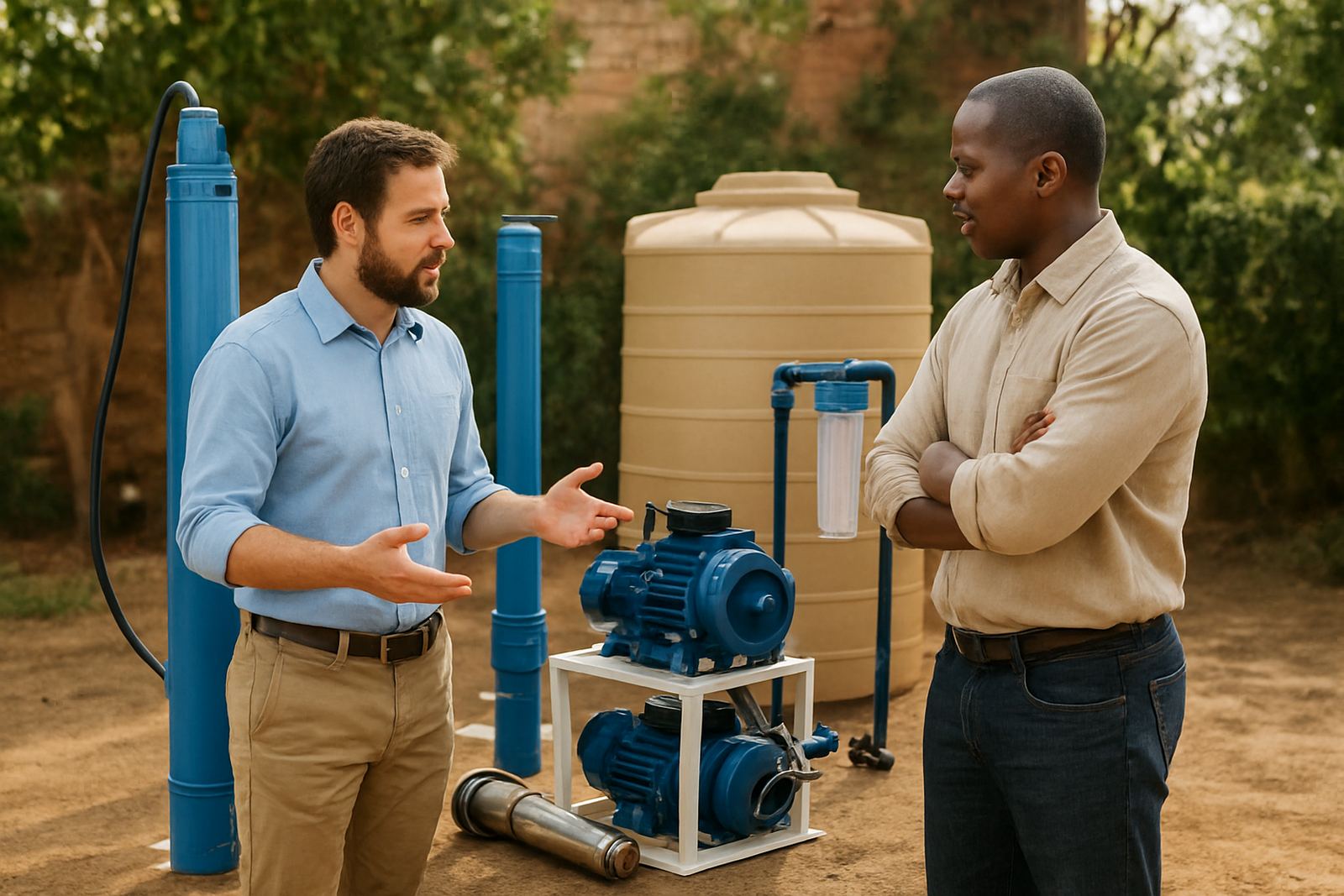
The first step is to know the borehole depth, the static water level and the pumping level. These figures tell you how hard the pump must work and how much head it must push against. A kit for a shallow domestic borehole in Brits is very different from one set up for a deeper farm borehole outside Rustenburg or a higher-demand system in the Western Cape.
If you do not have current borehole test data, get it before ordering. A pump that is too small will struggle to lift water, while one that is too large can cycle badly and waste power. In sandy or fractured ground, water levels can shift through the year so the safe choice is based on the worst-case level, not only the best rainy season reading.
- Measure the borehole depth in metres.
- Record the static water level after the borehole has rested.
- Ask for the pumping level at your expected flow rate.
- Check whether the borehole casing and drop pipe sizes will suit the kit.
Match The Kit To Daily Water Demand
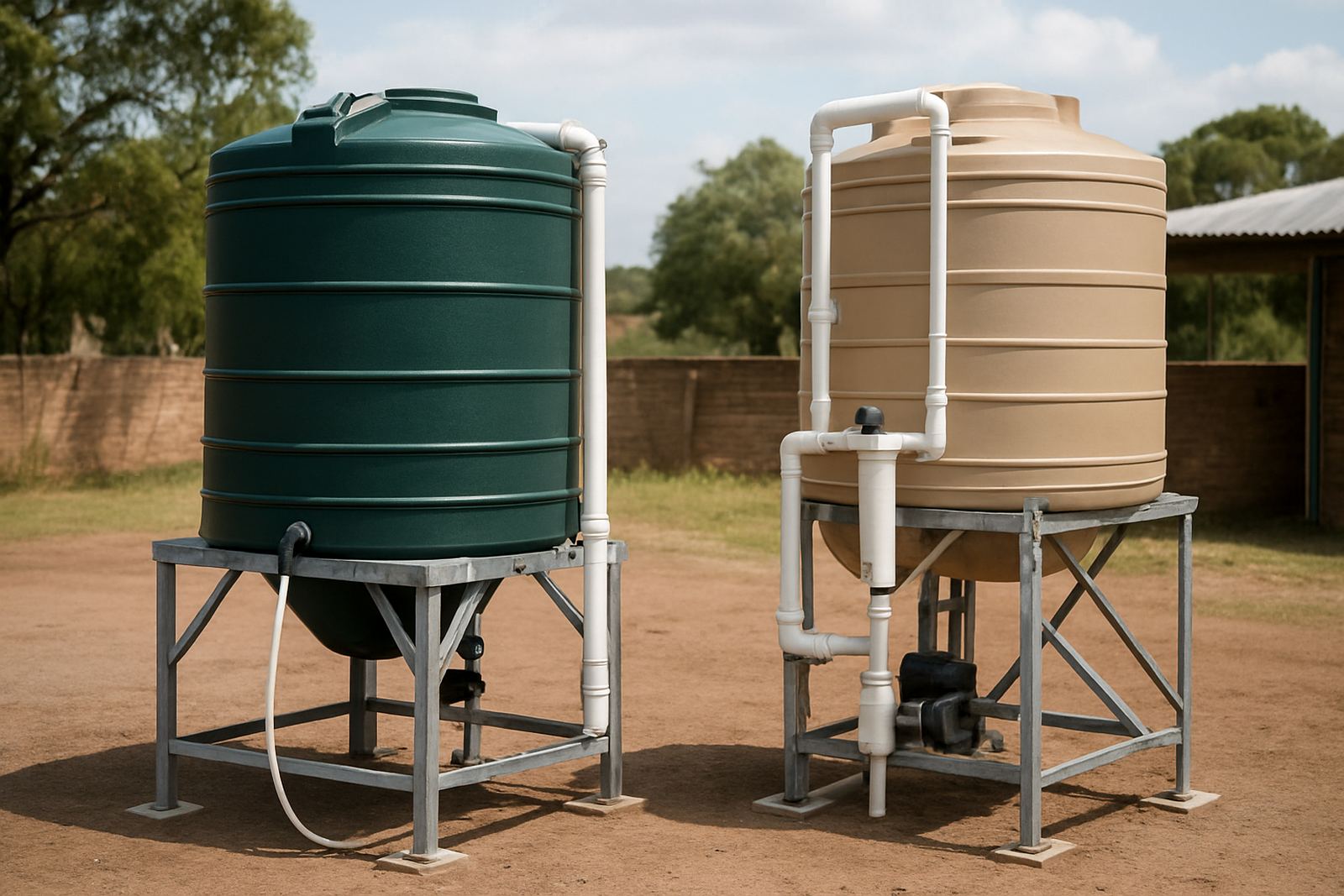
Your daily demand should guide the pump size, tank size and filtration parts. A family home with 4 to 6 people, a garden and a few household appliances usually needs less than a smallholding with livestock, drip lines or washing equipment. Think about peak use as well, not only the daily total, because several taps may run at once.
For homes in Pretoria, Hartbeespoort and Paarl, pressure consistency often matters more than very high flow. On farms near Bloemfontein or Somerset West, the kit may need to handle longer run times and higher draw-off. If the system also fills storage tanks, the kit should recover at a pace that keeps up without switching on and off too often, which can shorten pump life.
- Count the number of people, bathrooms and points of use.
- List irrigation zones, troughs and appliances that need water.
- Decide whether the borehole feeds directly or fills storage first.
- Allow extra capacity for summer demand and dry spells.
Choose Pressure Based On How The Water Will Be Used
Pressure is a practical decision, not just a technical one. Low-pressure systems can work well for tank filling and basic household supply, while higher-pressure setups suit longer pipe runs, filters and sprinkler lines. If the water must travel through a house, across a yard or up to a loft tank, pressure loss becomes important very quickly.
We often see buyers focus on pump flow alone and overlook friction in the piping, valves and filters. That is where a proper system sizing check helps. A kit should be selected with enough pressure reserve for normal use, but not so much that pipes, fittings and appliances are pushed harder than they should be. In coastal areas like Stellenbosch and Somerset West, corrosion control also matters when selecting parts and fittings.
- Identify the highest point the water must reach.
- Allow for pressure loss through filters, elbows and long pipe runs.
- Check whether the taps, toilets or irrigation fittings need steady pressure.
- Confirm if a pressure tank or control unit is needed.
Pick The Right Filtration And Water Treatment Parts
Not every borehole needs the same filtration. Some water needs only basic sediment removal, while other sources may need finer filtration because of silt, iron, taste issues or staining. A practical kit should match the water test results and the intended use, whether that is drinking water, washing, livestock or irrigation. That saves money and avoids installing parts you do not need.
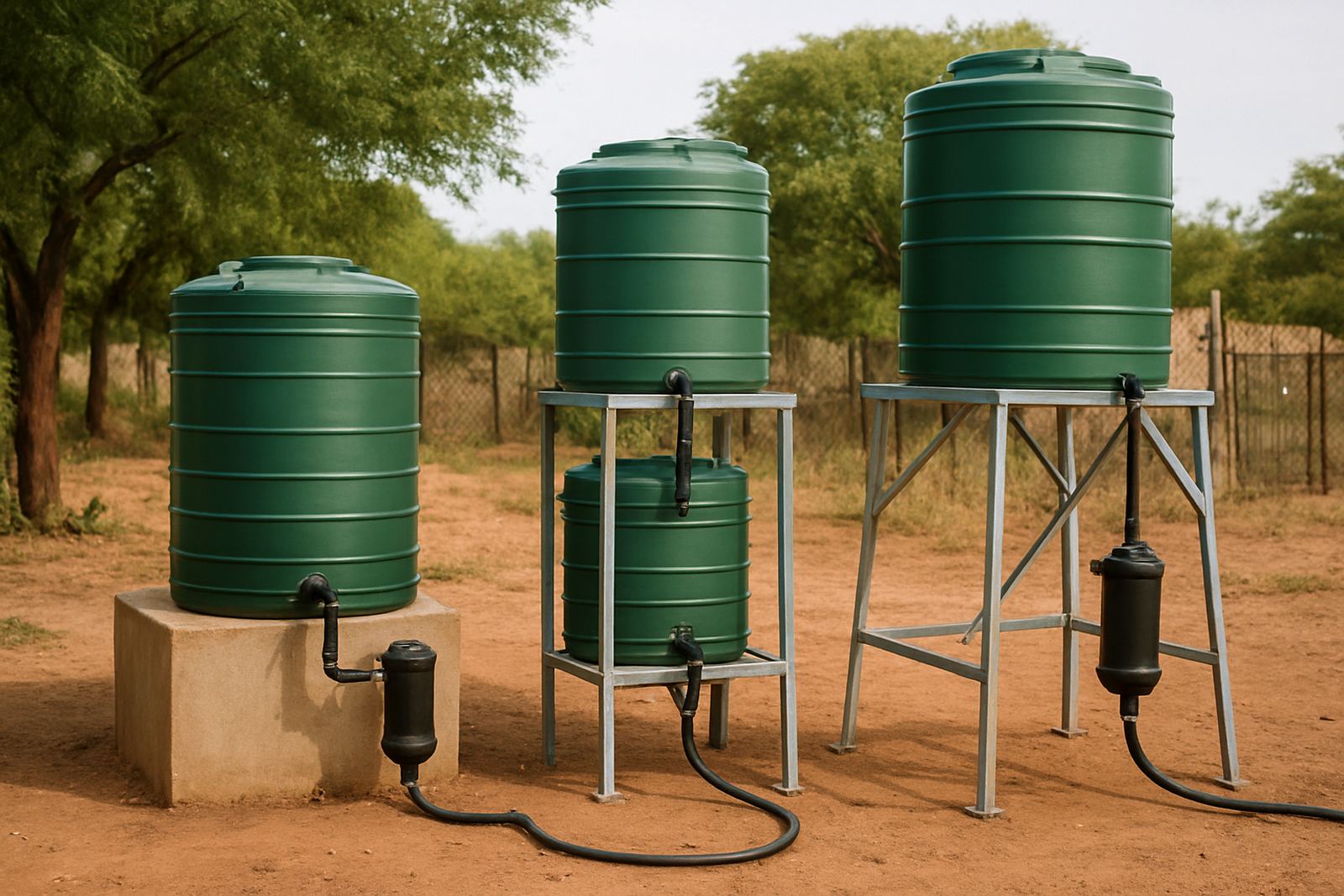
For rain-tank systems, debris, leaf matter and first-flush handling are often the main concerns. For boreholes, screen condition and water quality can change over time, so filter changes and water testing should form part of the plan. If the water is used indoors, do not skip the testing step even if the water looks clear, because clarity alone does not tell the full story.
- Test the water before selecting filters.
- Choose sediment, carbon or finer treatment only where needed.
- Plan for filter changes that are easy to access and service.
- Check whether the water is for household use, livestock or irrigation.
Make Sure The Kit Suits Your Power And Control Setup
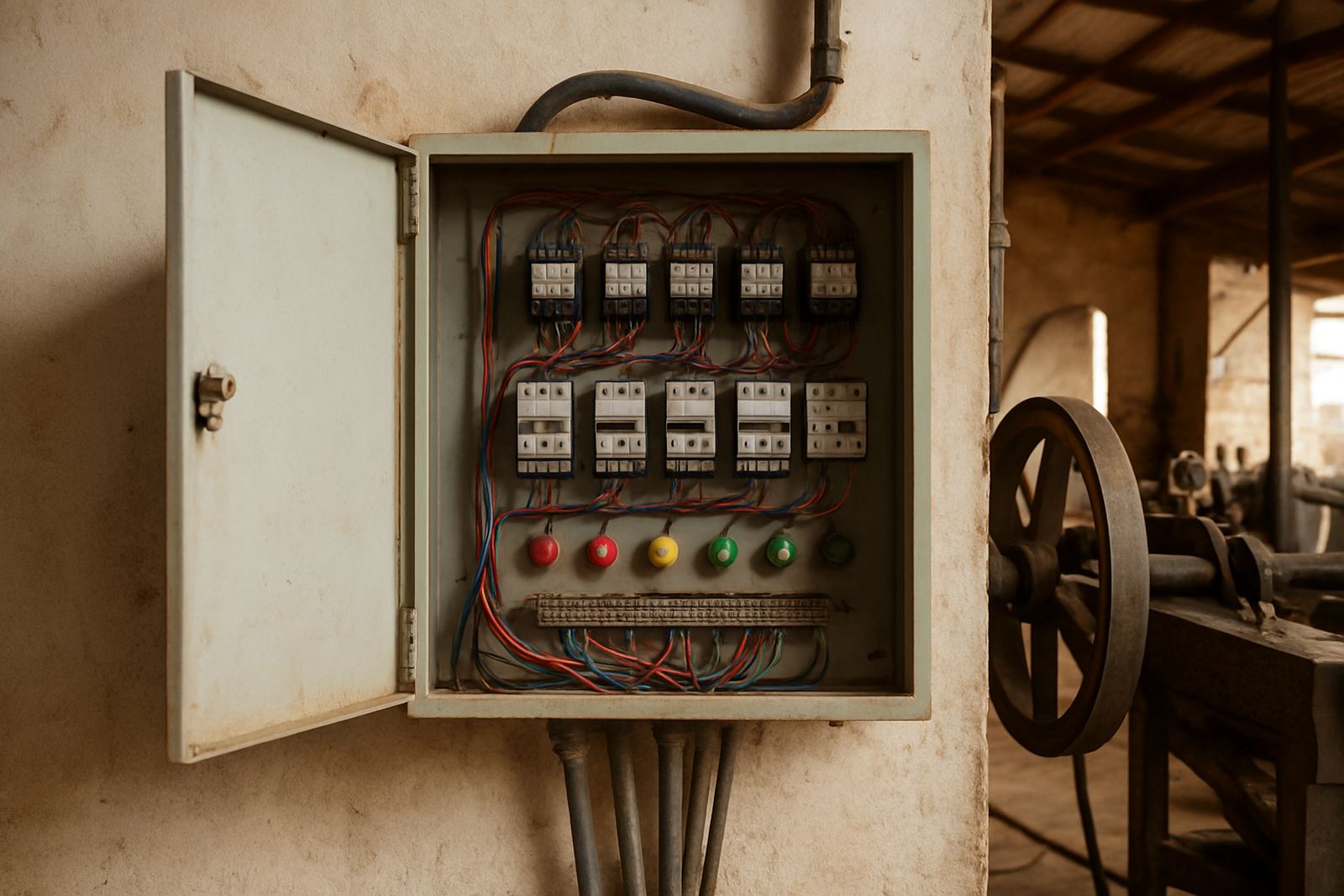
South African power interruptions make control equipment just as important as the pump itself. The right kit should suit your available power supply, starting current and any backup plan you have in place. If the borehole must work through load-shedding, you need to know how it will restart and whether the system will protect the pump from dry running or repeated starts.
Where the borehole is linked to a storage tank, level control and commissioning checks are essential. These checks help make sure the pump cuts in and out properly, the float valves work and the system does not overfill. For more complex installations, fault finding and pump servicing should be easy to arrange later, because a small control issue can stop the whole setup from working, especially on farms far from town.
- Confirm the starting and running power needs.
- Check if the system needs dry-run protection or level sensors.
- Allow for backup operation during load-shedding.
- Keep the controls simple enough for daily use and maintenance.
Use This Borehole Pump And Tank Checklist Before You Order
Before placing an order, gather the main facts and compare them against the kit specification. This prevents guesswork and helps keep delivery, installation support and commissioning on schedule. If you are ordering for a home in Brits, a smallholding in Hartbeespoort or a site in Rustenburg, the same checklist applies, even if the layout and water demand are different.
A proper borehole kit should be chosen for the long term. Think about future water use, annual maintenance and how easy it will be to replace filters or clean the tank later. A bit of planning now can save a lot of trouble when the dry season arrives and everyone needs water at the same time.
- Borehole depth and water level confirmed
- Daily demand estimated in litres or cubic metres
- Pressure requirement checked for taps or irrigation
- Water test results available
- Power supply and backup plan noted
- Access for delivery, installation and servicing allowed for
If you are unsure between two kit options, choose the one that fits your actual water data rather than the one that simply looks bigger on paper. That is usually the safer and more cost-effective route.