Start with the upkeep question, not only the water volume
A system can deliver the right litres per day and still be a poor fit if the upkeep is too heavy for your household or farm team. In Brits, Hartbeespoort and the surrounding North West areas, dust, heat and long dry spells all add to maintenance demands, while coastal homes in Paarl, Stellenbosch and Somerset West must plan for humidity, salt air and faster corrosion on exposed fittings.
Start by asking who will be responsible for routine checks, how often the site is visited, and whether you want simple manual upkeep or a system with more components that need scheduled attention. A smaller, simpler layout is often easier to manage during load-shedding and busy seasons, even if the initial setup looks less fancy on paper.
- Who will inspect the tank, pump and filters each month?
- Will the site be occupied daily, or only on weekends and during harvest?
- Can spare parts be stored safely on site?
- Do you need a layout that still works if power is off for several hours?
Check the parts that wear out first
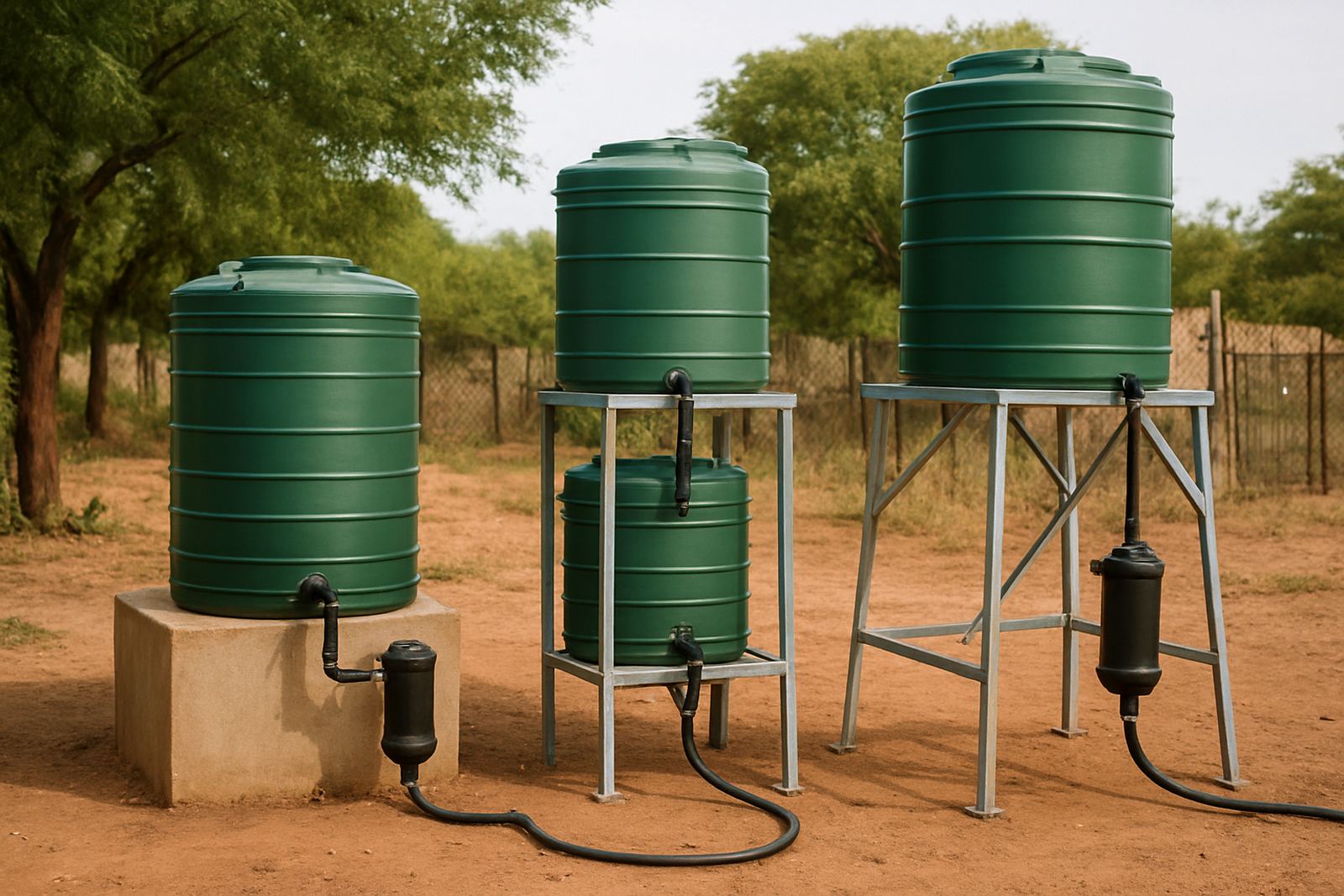
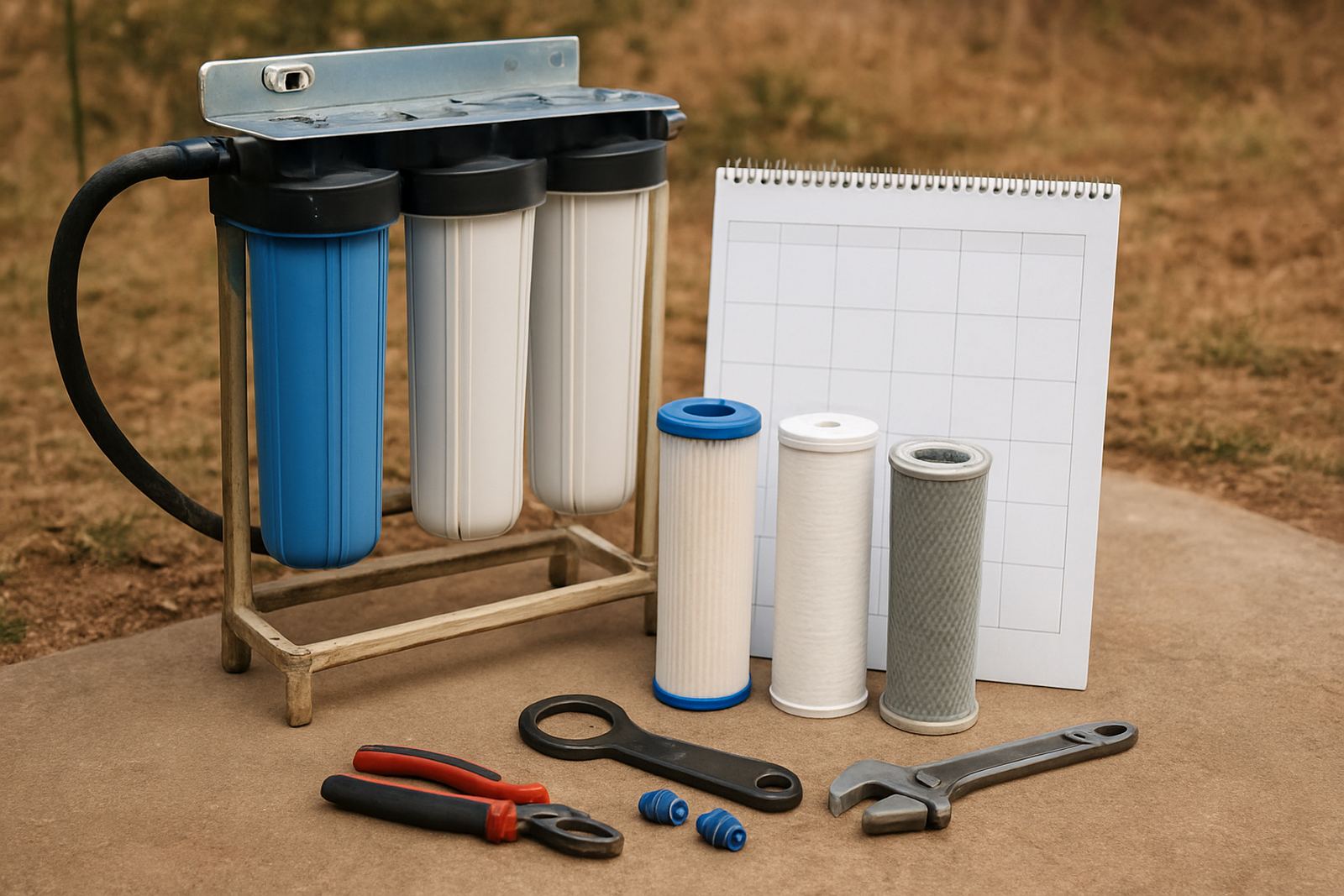
Every water system has a few items that need more attention than the rest. Borehole pumps need checking for pressure changes, electrical issues and signs of sand or silt. Rain-tank systems need leaf guards, first-flush parts and tank cleaning. Filtration systems need cartridge changes, media replacement or backwashing depending on the type selected.
When comparing layouts, list the parts that will be replaced regularly and ask how easy they are to reach. A filter that is difficult to open, or a pump installation that requires a full shutdown every time, can mean extra labour and delays. That matters on farms outside Rustenburg or Bloemfontein where travel time between sites can add to the cost of each visit.
- How often do filters need changing, in months not just in theory?
- Can the tank be drained and cleaned without moving other equipment?
- Are the valves, unions and seals locally available?
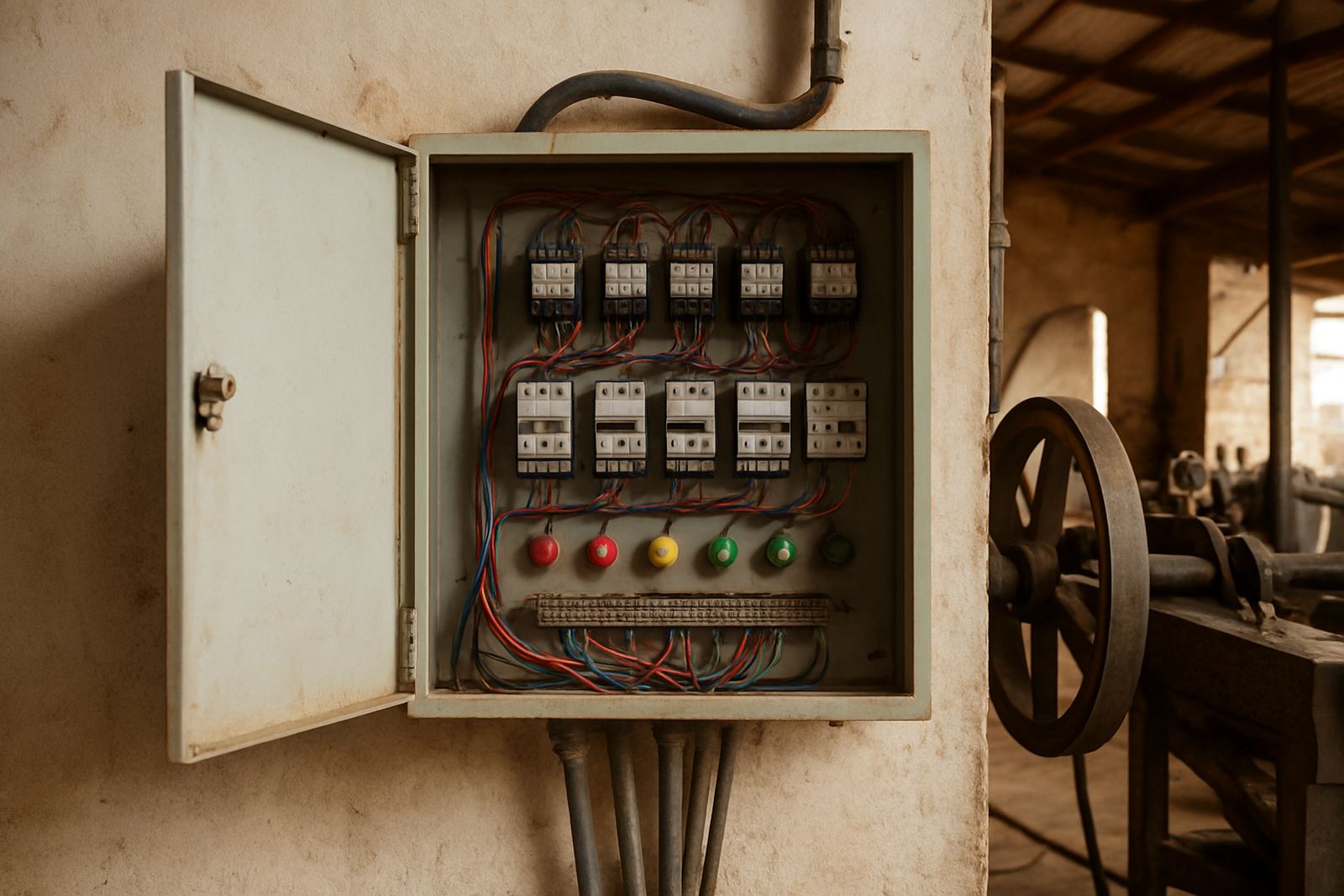
- Is the control gear protected from dust, weather and unauthorised handling?
Match maintenance to the site, not the brochure
A good layout on one property may be a headache on another. A small home in Pretoria with limited yard space may need a compact tank position and shorter pipe runs so inspections are easy. A farm near Hartbeespoort might need stronger access around the pump area for service vehicles. In the Western Cape, exposed installations may need extra care around corrosion and UV damage, especially where tanks and fittings sit in full sun.
Consider local rules too. Some municipal areas have guidance on tank placement, overflow control and stormwater discharge, while agricultural sites may need different planning for runoff, fencing and safe access. It is worth checking these points before finalising the layout because moving a tank or changing pipe routes later can add cost and downtime.
Also look at the daily reality on site. If the property relies on one caretaker only, the upkeep must be straightforward. If the system serves multiple units, a lodge, packhouse or irrigated lands, then the maintenance plan should include clear steps for each part of the setup.
Use a simple comparison before you decide
It helps to compare two or three system options in a basic table before signing off. Put the maintenance load next to the water performance so you can see the trade-offs clearly. Some layouts cost less upfront but need more frequent attention, while others cost a bit more and save labour over time.
Use this checklist when comparing options:
- Routine cleaning frequency for tank, filters and strainers
- Expected pump servicing intervals
- Number of replaceable parts and their cost
- Need for electrical checks, pressure checks or flushing
- Access for service during rain, mud or high heat
- Whether the system can be isolated section by section
If one option only looks cheaper because maintenance has been overlooked, it usually becomes the more expensive choice within the first year or two. A proper comparison keeps the decision practical.
Plan for water quality changes through the year
Water quality changes with season, source and storage conditions. Borehole water can shift after heavy rain or a dry spell. Rainwater may bring in more leaves, dust or roof residue after the first storms. Stored water in a tank can also develop smell or sediment if turnover is slow. That means the upkeep plan should not be based on one perfect sample taken once.
For homes and farms, regular testing is useful before and after any change to the system. If you are using the water for drinking, washing produce or protecting equipment, filtration needs may be higher than expected. A small change in taste, smell or pressure can point to a maintenance issue early, before damage gets worse.
- Test source water before installation and again after a few weeks of use
- Check for sediment after the first rains and after long dry periods
- Keep a record of filter changes and cleaning dates
- Watch for pressure drops, cloudy water or noisy pump operation
Build maintenance into the final system layout
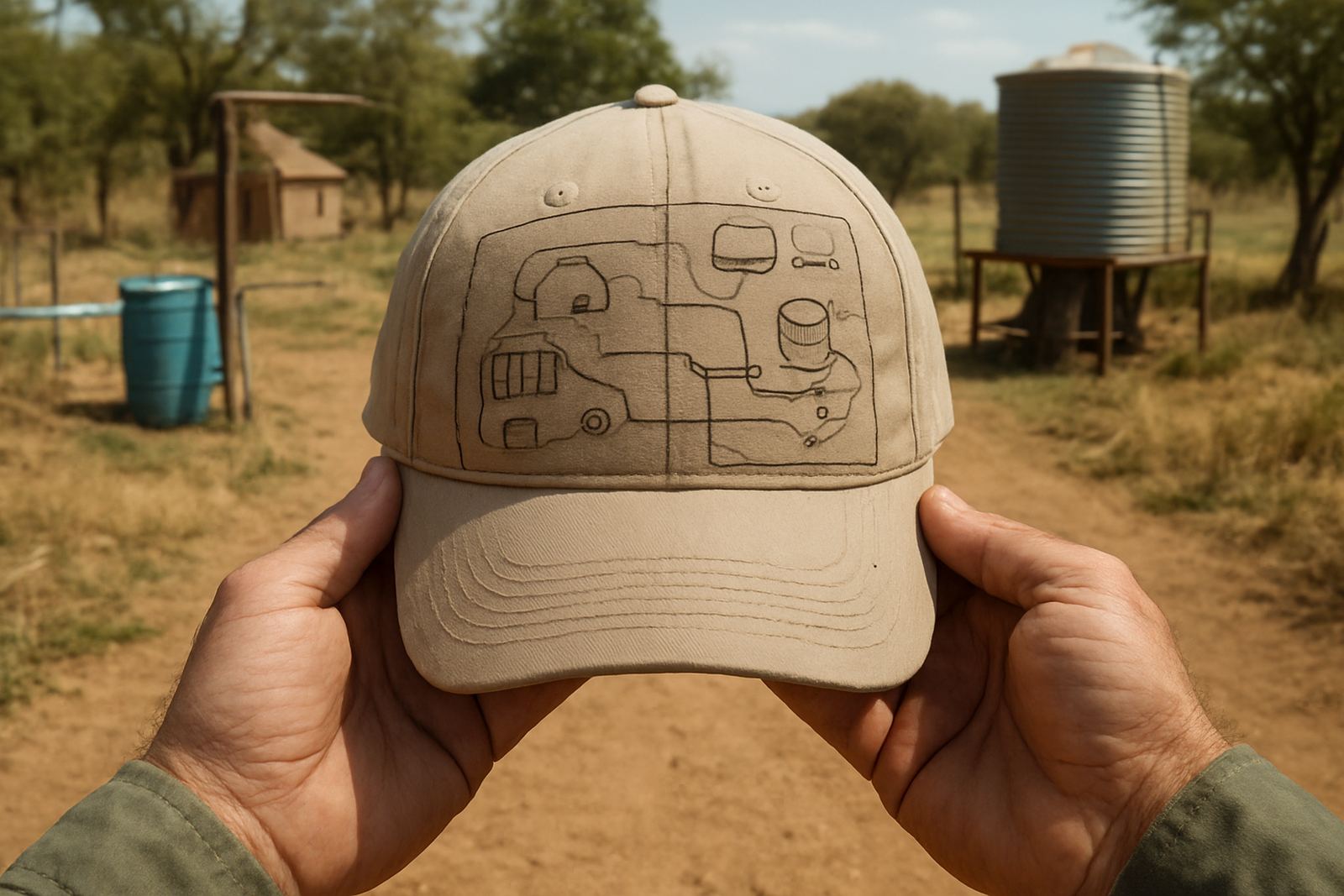
The best time to solve maintenance problems is before the system is installed. Leave room around tanks, pumps and filters so a technician can reach everything without stripping pipes apart. Add isolation valves where needed, use clear labelling, and keep service points easy to open. That makes future work faster and cheaper, especially where travel to site takes time.
At Hydrated, we help clients compare upkeep needs during site assessments, system sizing and kit assembly. We also look at practical details like delivery access, exposure to sun and dust, and whether the system will be used daily or only part of the time. A well-planned layout should be easy to live with, not a burden after the first season.
Before you settle on the final system, ask one last question: will this still be manageable in 12 months when the tank is dusty, the filters need changing, and the rain has stopped? If it still looks workable in those conditions, the system is probably suited to your property.