
Start With Daily Use, Not Tank Size Alone
The first step is to work out how much water your household, staff or stock actually uses in a day. A small home in Pretoria may manage on a single tank for garden irrigation and backup supply, while a farm near Brits or Rustenburg may need a larger arrangement that can carry several days of demand. Think about showers, laundry, cleaning, animal troughs and any irrigation points that run at the same time.
Storage should also match the way your water arrives. If you collect rainwater, the tanks must cope with wet months and dry spells. If you draw from a borehole, the system should allow the pump to recover between cycles. In coastal towns like Somerset West and Paarl, people also need to plan for algae, warmer water and salt in the air near fittings, so placement matters as much as volume.
One-Tank Setups: Simple to Install and Easy to Monitor
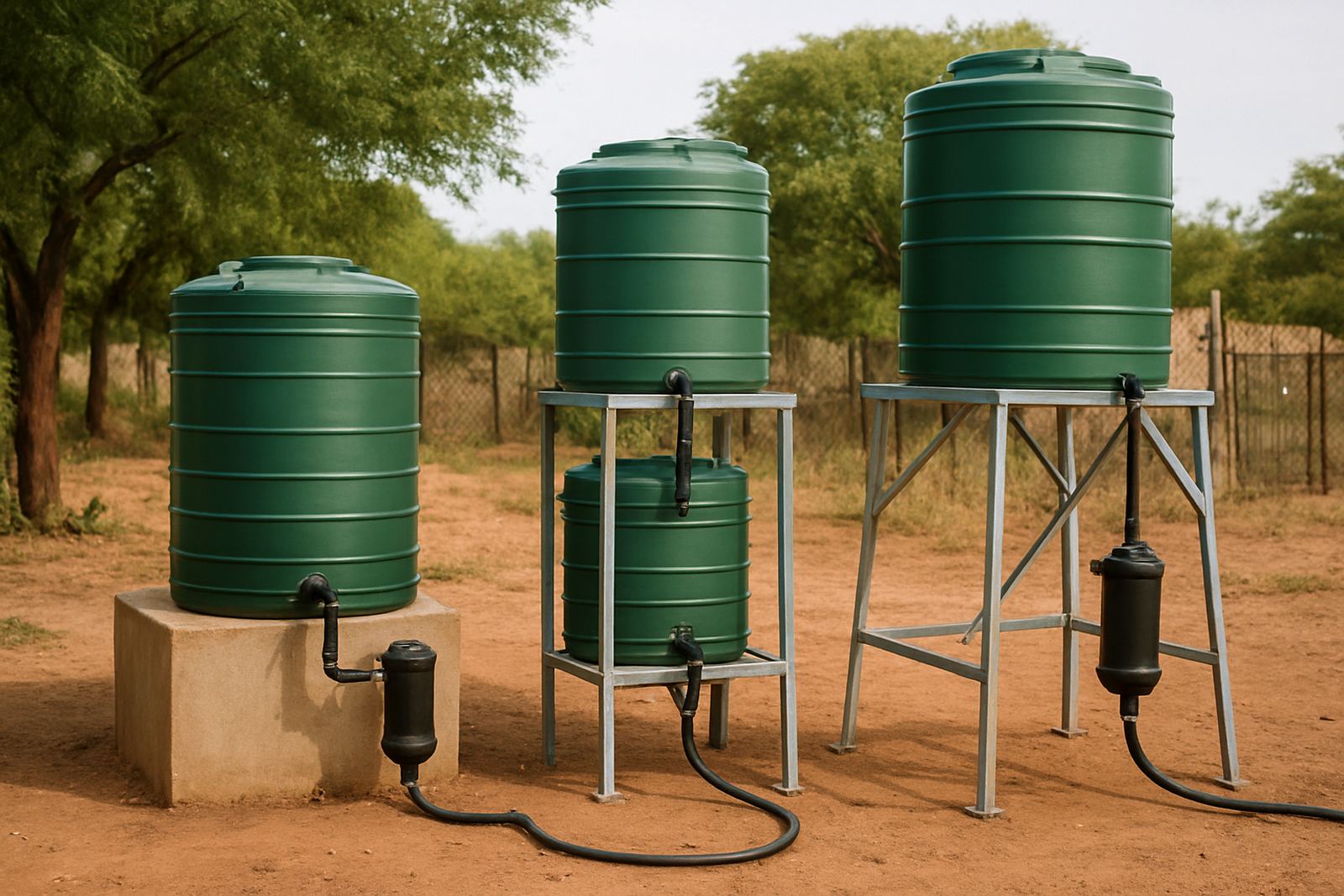
A single tank is often the easiest option for a home, cottage or small holding. It keeps the pipework straightforward, reduces installation time and makes routine cleaning simpler. If your site has limited space, one tank may be the best fit, especially where a municipal by-law or boundary line limits where you can place storage.
This option works well when demand is steady and you want a clear view of water levels. It can also suit properties that rely on backup water during load-shedding, because there are fewer valves and fewer joints to inspect. The trade-off is that one tank gives you no built-in reserve if the tank needs maintenance or if demand spikes suddenly.
- Best for low to moderate daily use
- Good where space is tight
- Lower maintenance than a multi-tank system
- Simple level checking and cleaning
Linked Tanks: More Capacity Without One Very Large Tank
Linked tanks are a practical choice when you need more storage but do not want a single oversized tank on one stand. Two or more tanks can be connected so they fill and draw down together, which helps spread weight and makes transport easier to site. This is useful on farms outside Bloemfontein or larger homes in Hartbeespoort where water use changes through the week.
The main advantage is flexibility. If one tank must be isolated for cleaning or repair the others can still hold water. Linked systems also give you room to add capacity later, which is helpful when a household grows or an irrigation area expands. The system does need proper balancing, though. If the tanks are not set level, one may empty before the others and that can create uneven wear.
- Useful for growing demand
- Allows staged expansion later
- Better reserve if one tank is taken out of service
- Needs careful pipe balancing and level stands
Elevated Storage: When Pressure and Gravity Matter
Elevated storage lifts water above ground so gravity can assist with pressure. This can be useful where you want water to move to taps, troughs or a simple distribution line without relying only on a pump. On some sites around Rustenburg and the Western Cape, elevated storage helps keep water available during outages, especially when power cuts interrupt pumping at the wrong time.
That said, elevated arrangements must be planned carefully. The stand must handle the full weight of a tank plus water, and the footing should suit the soil. Wind, access for cleaning and safe ladder use all need attention. If the stand is too high for the pressure you need, you may still need a booster pump for showers or long pipe runs.
For many properties, elevated storage works best as part of a wider system rather than on its own. It can serve as a header tank after borehole pumping or as a gravity-fed reserve for a home or farm office.
A Quick Comparison Checklist Before You Choose
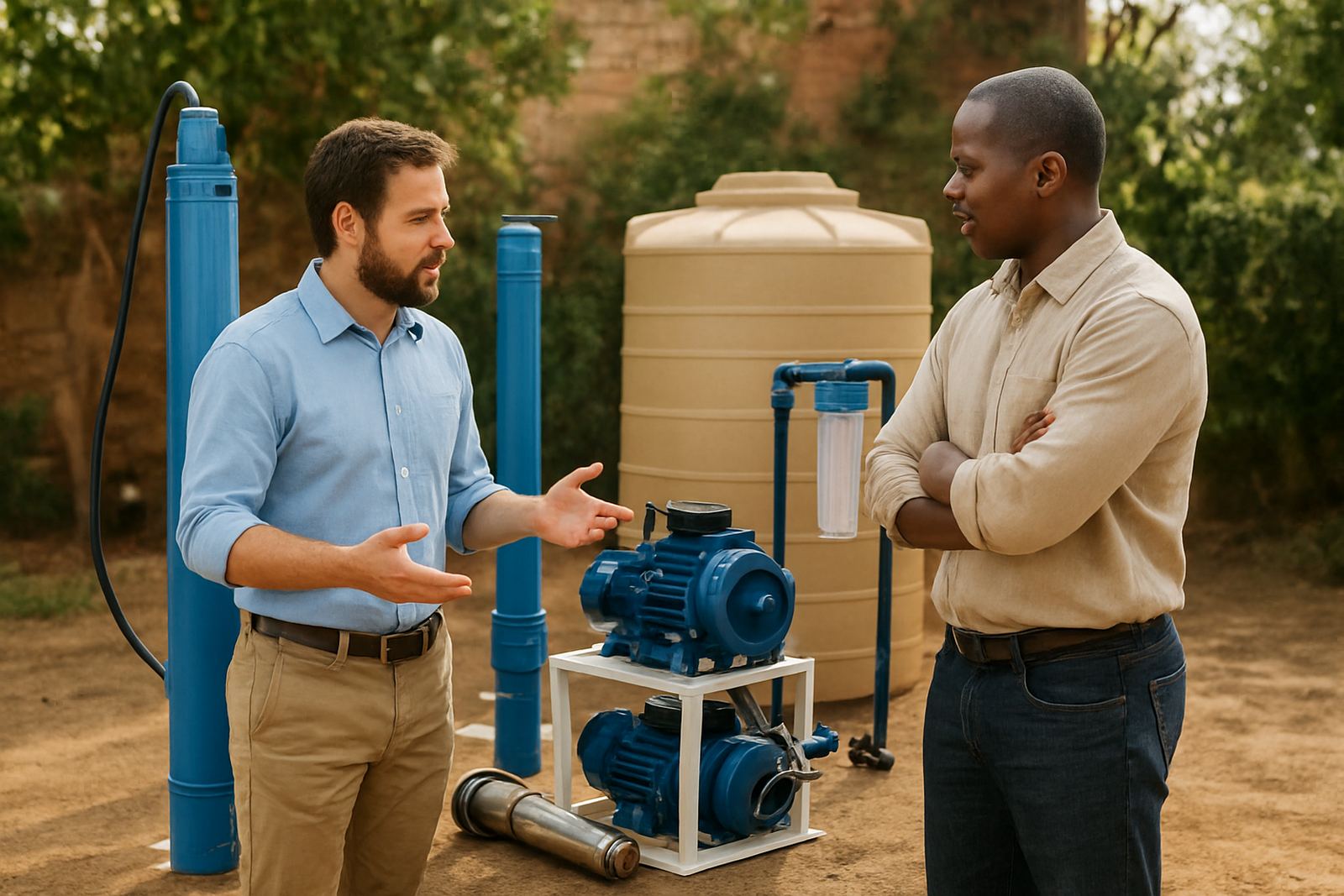
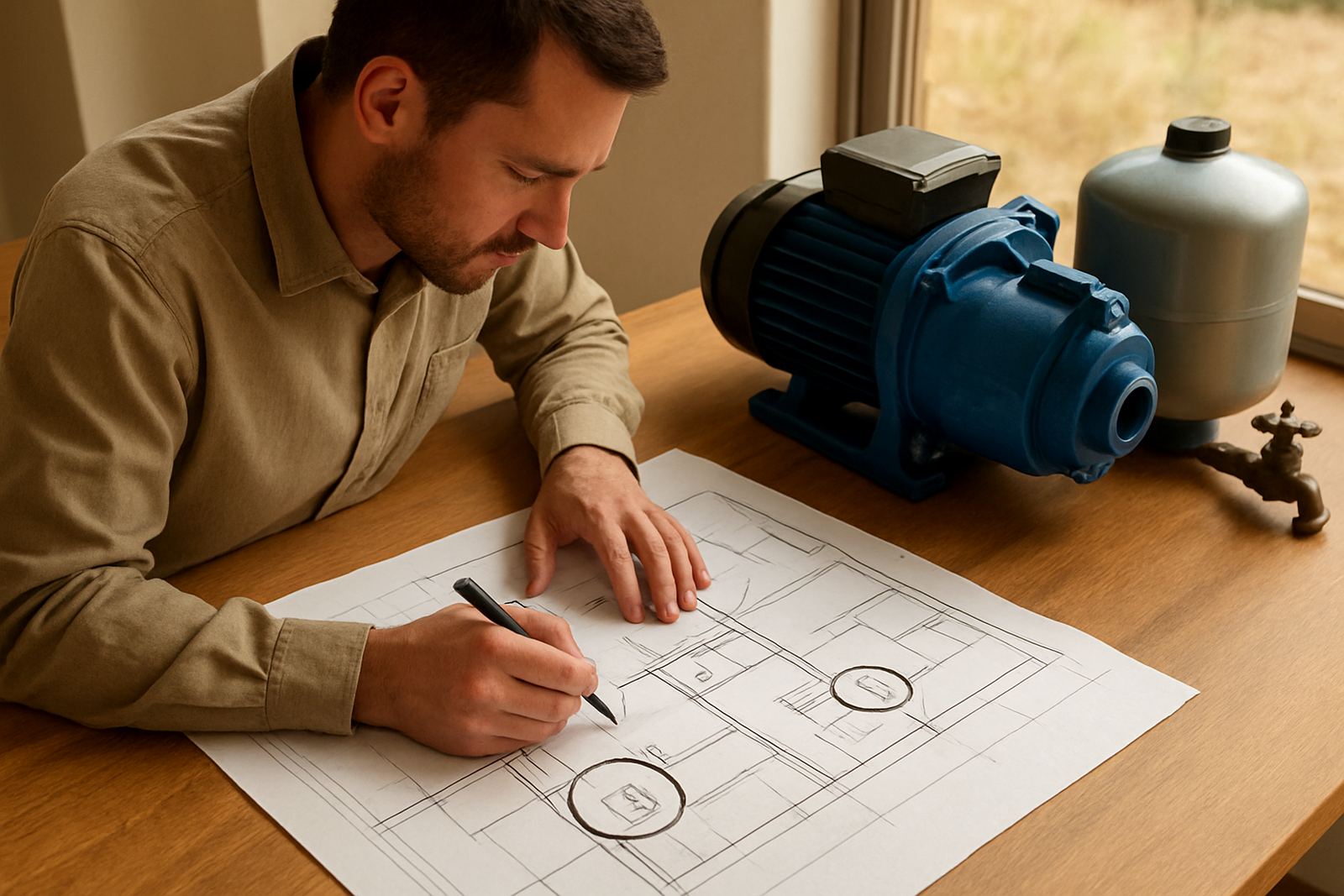
Use this checklist on site before you order any kit. It saves costly changes later and helps with proper system sizing. If you are unsure, a site assessment can confirm whether the pipe route, foundation and pump output suit the storage plan you want.
- How many litres do you use on an average day?
- How many days of backup do you want?
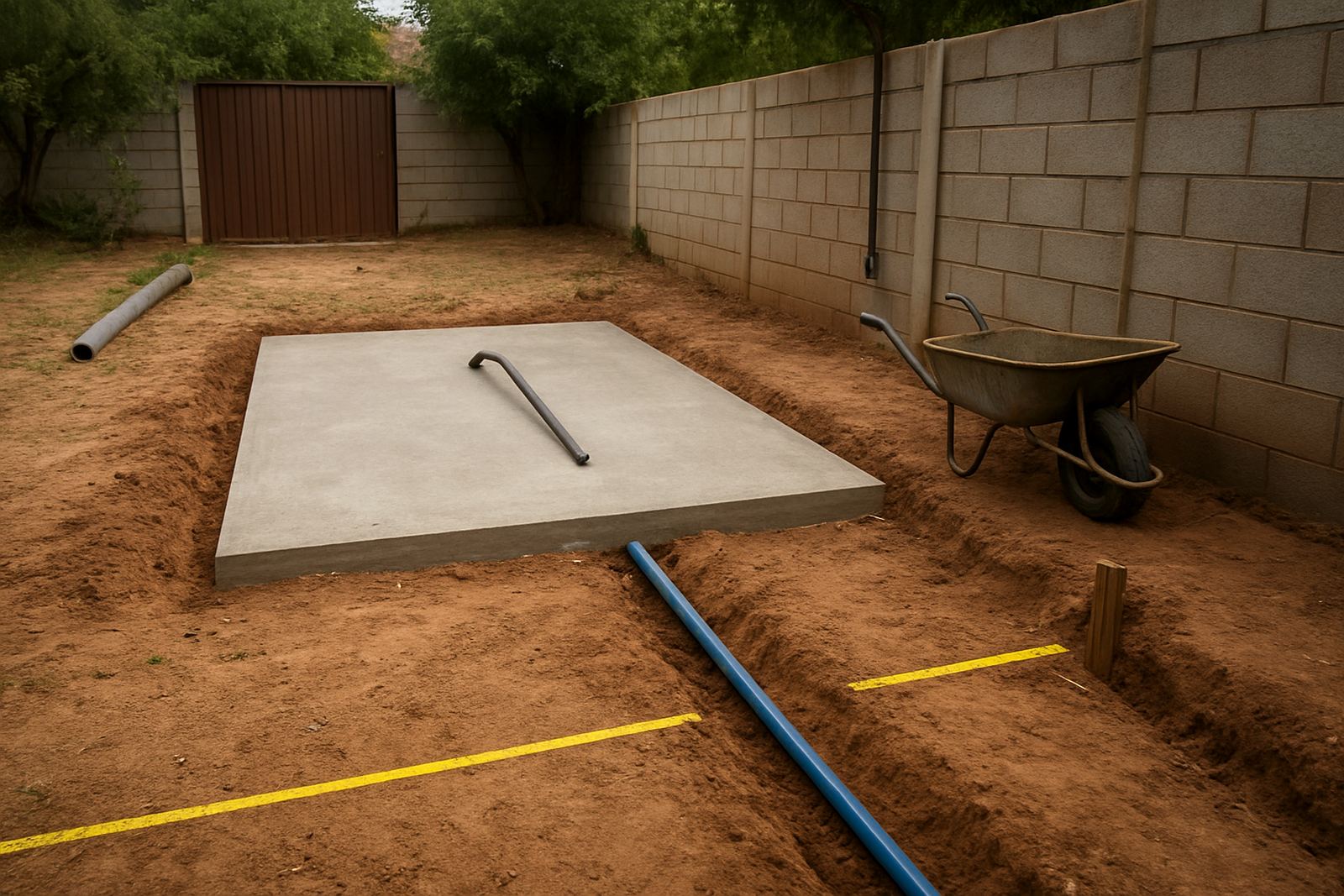
- Will the tank sit on level ground or a stand?
- Is the site exposed to strong wind, heat or coastal humidity?
- Do you need gravity feed, pump pressure or both?
- Can vehicles or tractors still move around the tank area?
- Will municipal rules or boundary setbacks affect placement?
If your answer to any of these points is uncertain, do not guess. A tank that is too small or badly placed will cost more in the long run, and it often shows up first during peak use or when the power goes off.
What To Check After Installation
Once the storage system is in place, the first week is the time to watch for leaks, uneven fill levels and pressure changes. Check the tank base, fittings, overflow route and any float valves. For linked tanks, confirm that water moves evenly between tanks and that no tank is staying full while another drains too quickly. On borehole systems, listen for short cycling, which can point to poor sizing or a pump issue.
It is also worth setting up a simple maintenance routine. Clean the tanks, check filter changes, and test the water if you are using it for drinking or food prep. In dusty inland areas and on farms with long delivery lines, sediment build-up can happen faster than expected. A small amount of regular care prevents larger faults later, and keeps the system ready when you need it most.
For homes and farms that need help with planning, delivery or commissioning checks, getting the layout right from the start makes a real difference. The best setup is the one that suits your site, your daily use and the way water moves through the property.