Why the nursery needed a better water path
The site was running a propagation area with high water demand and a need for more consistent delivery to benches, trays and hand-watering points. The client wanted a system that would take pressure off daily watering routines, reduce sediment entering the lines and make it easier to manage water quality during busy growing cycles.
George can be hard on equipment because of coastal humidity, changing temperatures and the occasional strong wind that brings dust into open work areas. The nursery also needed a setup that would be easy to service without shutting down the whole watering schedule. That meant fewer moving parts, clear isolation points and a filter arrangement that could be checked quickly between shifts.
What we needed to work around at the nursery site
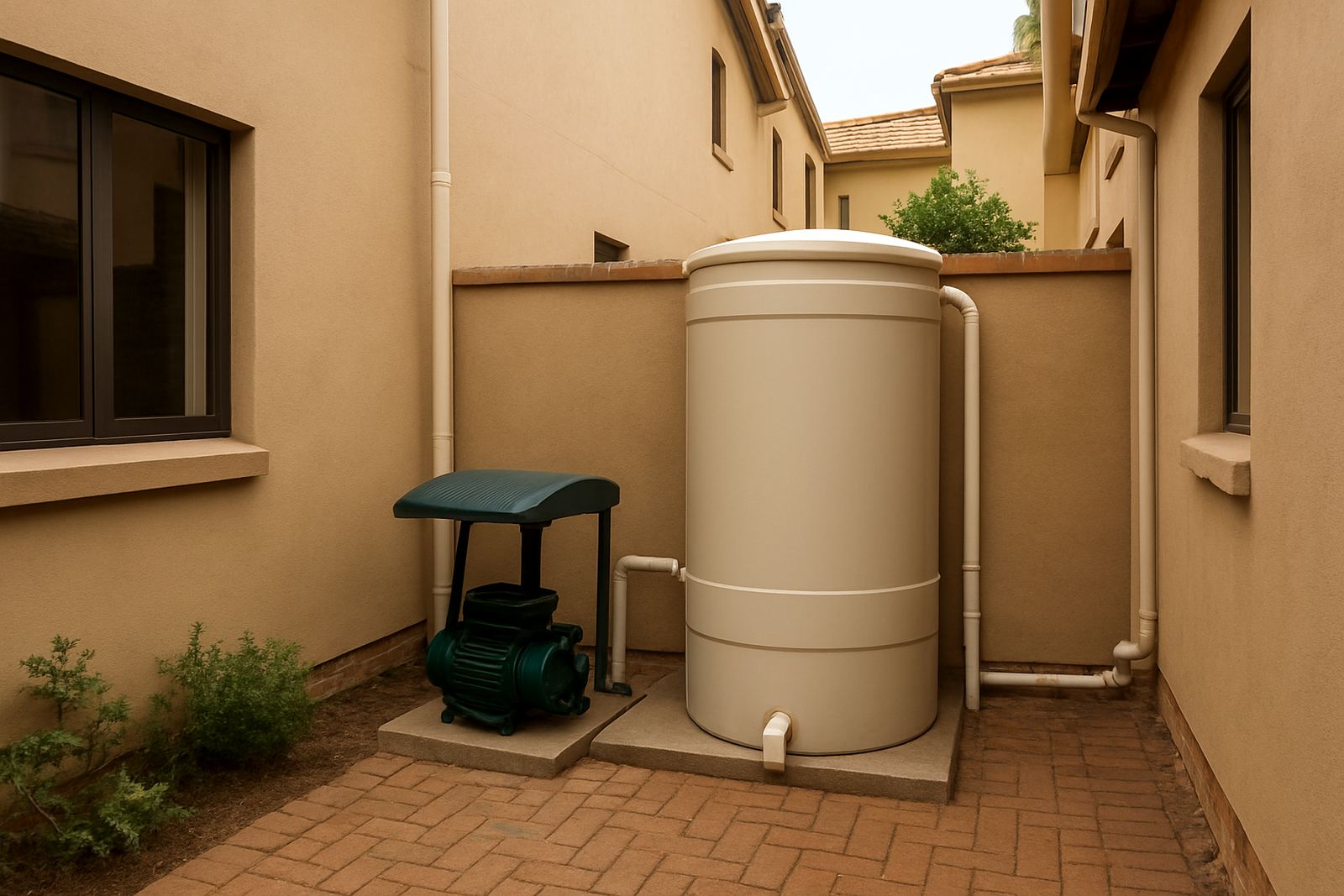
The main constraint was space. The transfer and filtration area had to fit into a working nursery without blocking access for staff, trolleys or daily plant movement. We also had to keep the pipe runs neat and practical so the team could reach valves, filters and pump fittings without climbing over trays or stock.
Water quality was another factor. Propagation water needs to be clean enough for fine nozzles and sensitive young plants, so the system had to deal with grit and general sediment before it reached the watering points. The client did not want unnecessary complexity, just a dependable plantroom style arrangement that could be understood and maintained by the team on site.
- Limited installation space around active propagation bays
- Need for good access to filters and valves for routine cleaning
- Sediment control to protect nozzles, lines and watering equipment
- Low interruption to normal nursery operations during installation
The kit and equipment we supplied
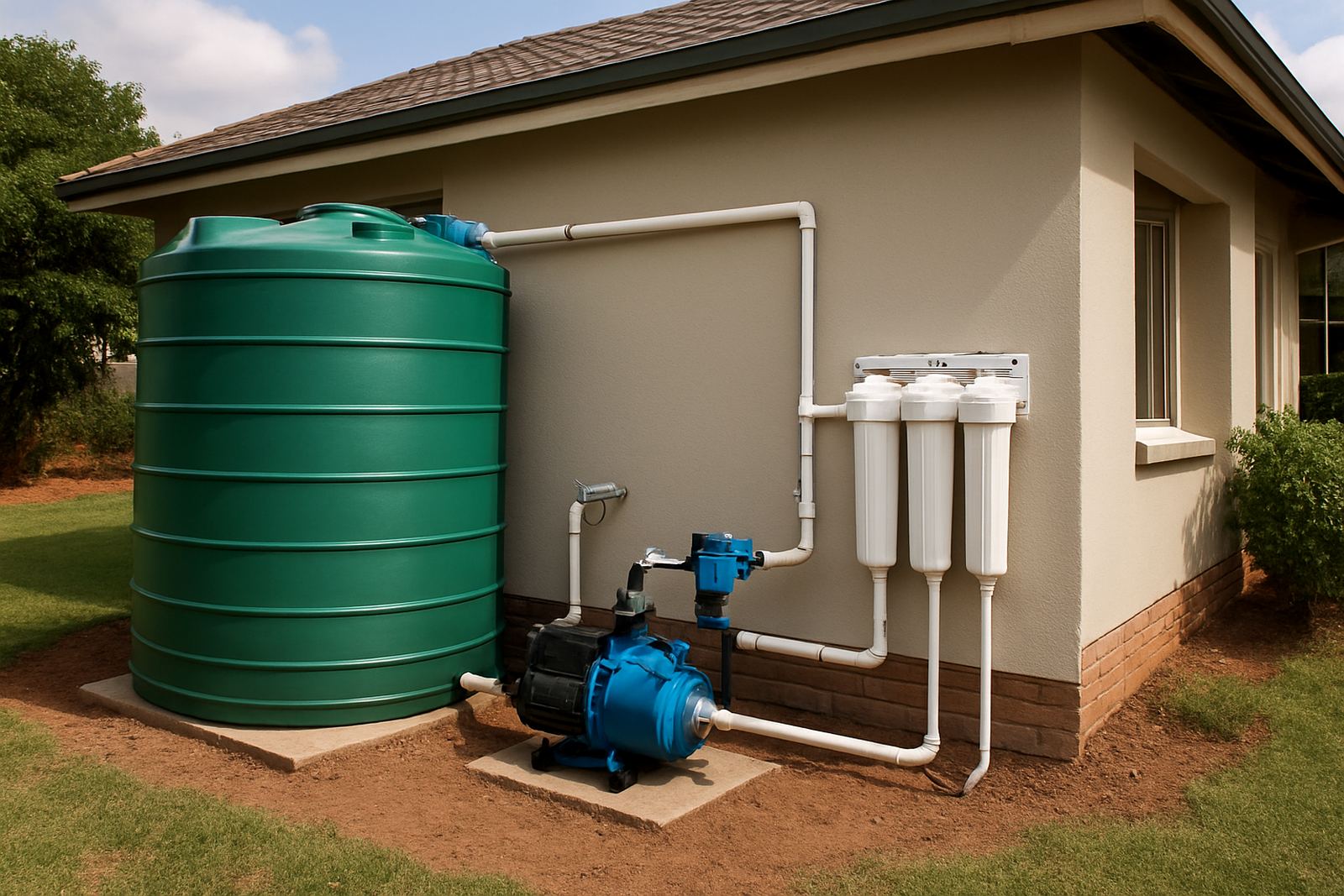
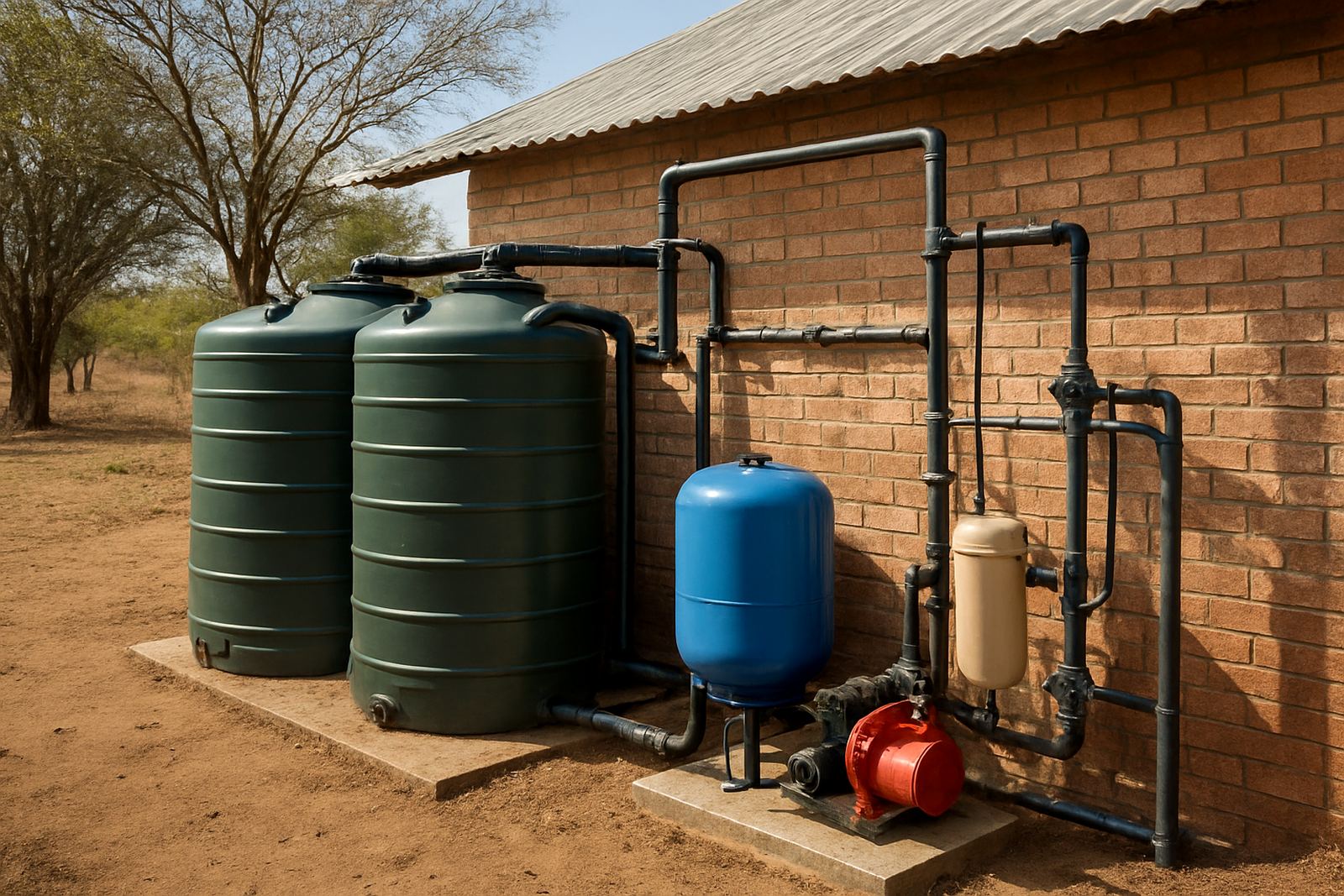
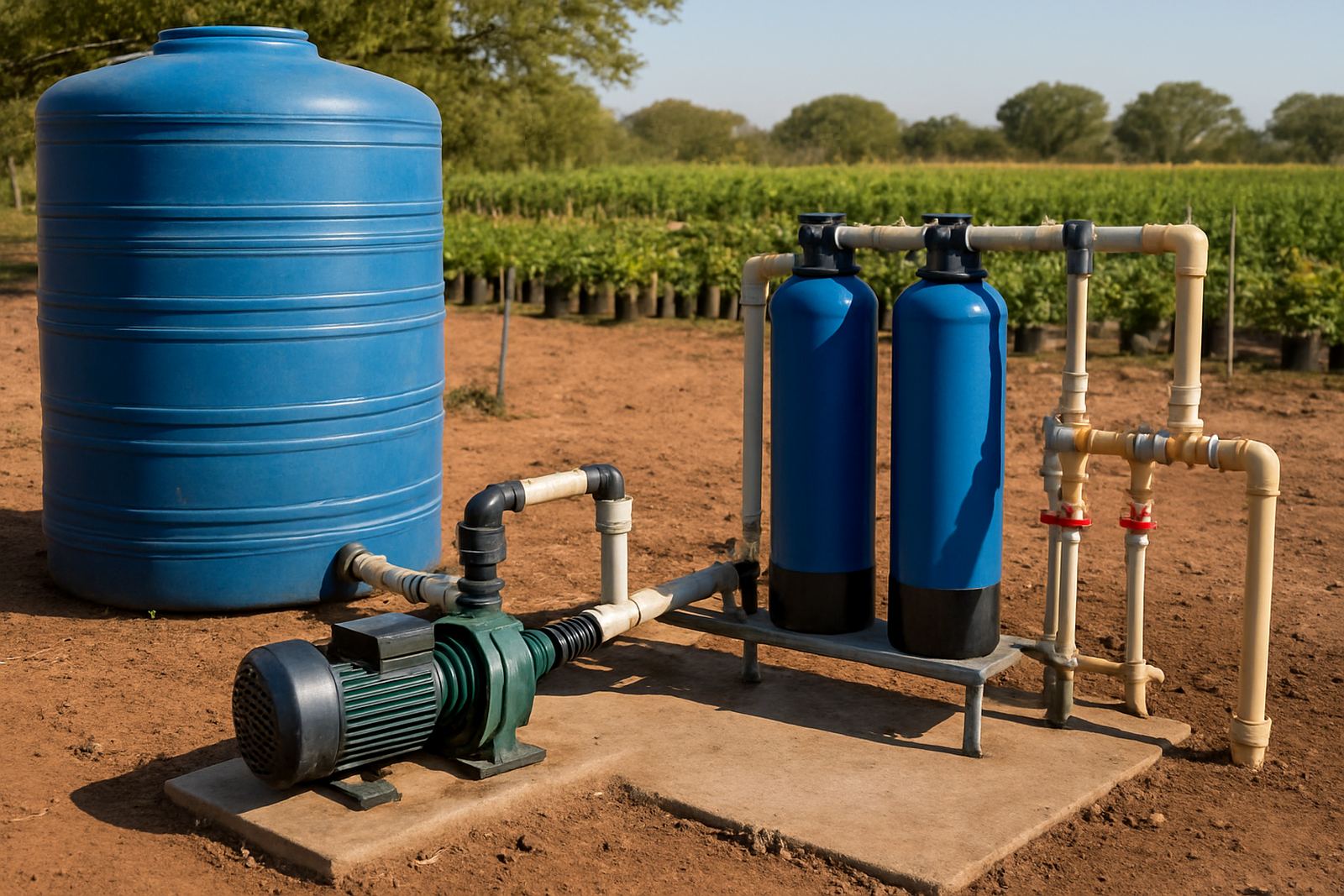
We supplied a transfer and filtration package sized for the nursery's watering pattern and daily operating hours. The layout included a transfer pump, pre-filtration, a fine filtration stage and the fittings needed to tie the system into the nursery's existing water points. We also included isolation valves, unions and pressure-rated pipework to make future maintenance easier.
The final arrangement was selected to suit propagation watering rather than general domestic use, so the emphasis was on steady flow, filter protection and service access. Where needed, we set up the system so the filters could be cleaned without draining the full line. That saves time, especially when watering windows are short and staff are juggling a lot of tasks.
- Transfer pump sized for nursery duty
- Multi-stage filtration for sediment removal
- Pressure-rated pipework and fittings
- Isolation valves for quick servicing
- Commissioning checks to confirm flow and pressure
How the installation ran over three weeks
The project was completed over three weeks. In week one we confirmed the site layout, checked the water points and mapped the route for the pipework and filtration assembly. In week two the kit was delivered, assembled and installed with the pump, filters and key connections placed for easy access. In week three we completed commissioning checks, watched the system under working conditions and made the final adjustments needed for daily use.
Because the nursery was active throughout the job, we worked in stages so normal operations could continue. The handover included practical guidance on filter cleaning, line checks and simple fault finding. That way the staff had a clear routine from day one, not just a box of parts and a drawing. It was important to keep the system straightforward, because a nursery team needs water that works every morning, not a setup that demands constant tinkering.
What changed after the system went live
Once the transfer and filtration setup was commissioned, the nursery had cleaner water at the points that matter most. The line pressure became more predictable and the team could water propagation areas with less worry about blockages or uneven flow. The system also made day to day upkeep easier because the main service points were all in one place.
For a propagation operation, the real value is in consistency. Seedlings and young plants do not cope well with irregular watering or clogged nozzles, so a cleaner supply helps keep routines steady. The client could also see when filters needed attention, which reduces surprise downtime and helps with planning during busy production periods.
- Cleaner water feeding propagation routines
- More consistent delivery to watering points
- Less interruption from blocked lines and fittings
- Simple routine maintenance for the nursery team
What we would repeat on a similar nursery project
We would do the same thing again on another nursery site: keep the layout practical, keep access open and size the system around how the team actually waters plants. On projects like this, the best result usually comes from careful planning at the start and a tidy finish that is easy to maintain over time. No fancy extras, just a setup that does the job properly.
We would also keep the commissioning process hands-on. Testing flow, checking for leaks and confirming filter performance under working conditions matters more than theory, especially on sites where water use changes through the week. If the site has high sediment or seasonal changes in supply, we would make sure the filtration stages are chosen with that in mind from the start.
Key facts
| Client type | Nursery propagation site |
|---|---|
| Town | George, Western Cape |
| Project timeline | 3 weeks |
| Core system | Water transfer and filtration |
| Main purpose | Support clean, steady propagation watering |
| Service included | Site assessment, kit assembly, installation support and commissioning checks |