
What our water testing covers
Our water testing service focuses on the checks that matter most when you want to know if water is safe, usable, and fit for your system. We test samples from boreholes, rain-water tanks, storage tanks and pumped supply lines, then compare the findings against common use needs such as drinking, washing, irrigation, livestock and general household supply.
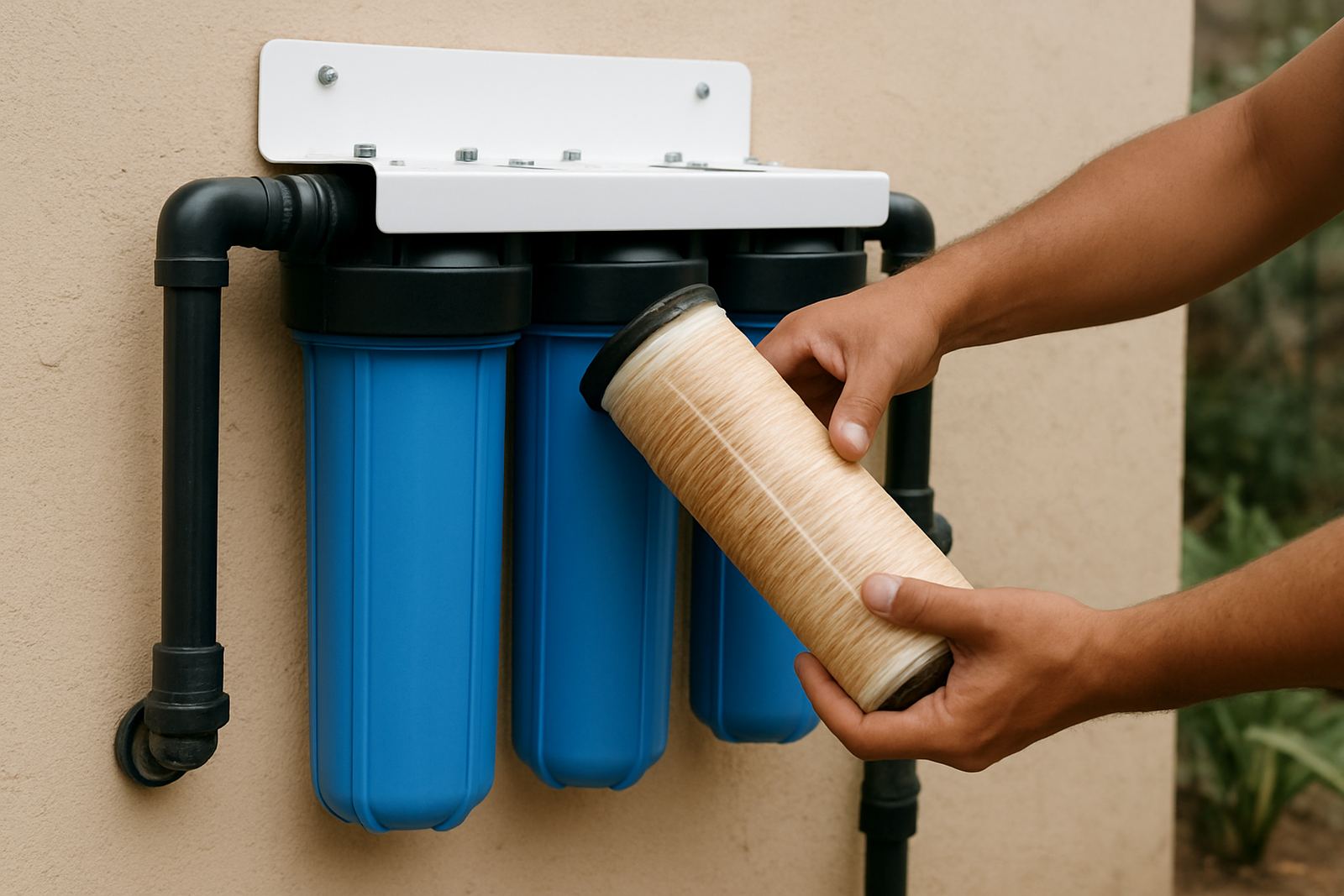
The basic service is designed to flag the most common issues we see in North West, Gauteng and coastal areas, including sediment, staining, taste problems, smell, algae growth, and filtration problems after long power cuts or heavy rain. It is not a full laboratory report, but it is a practical starting point for deciding whether you need sediment filters, carbon filtration, iron removal, disinfection or a change in maintenance intervals.
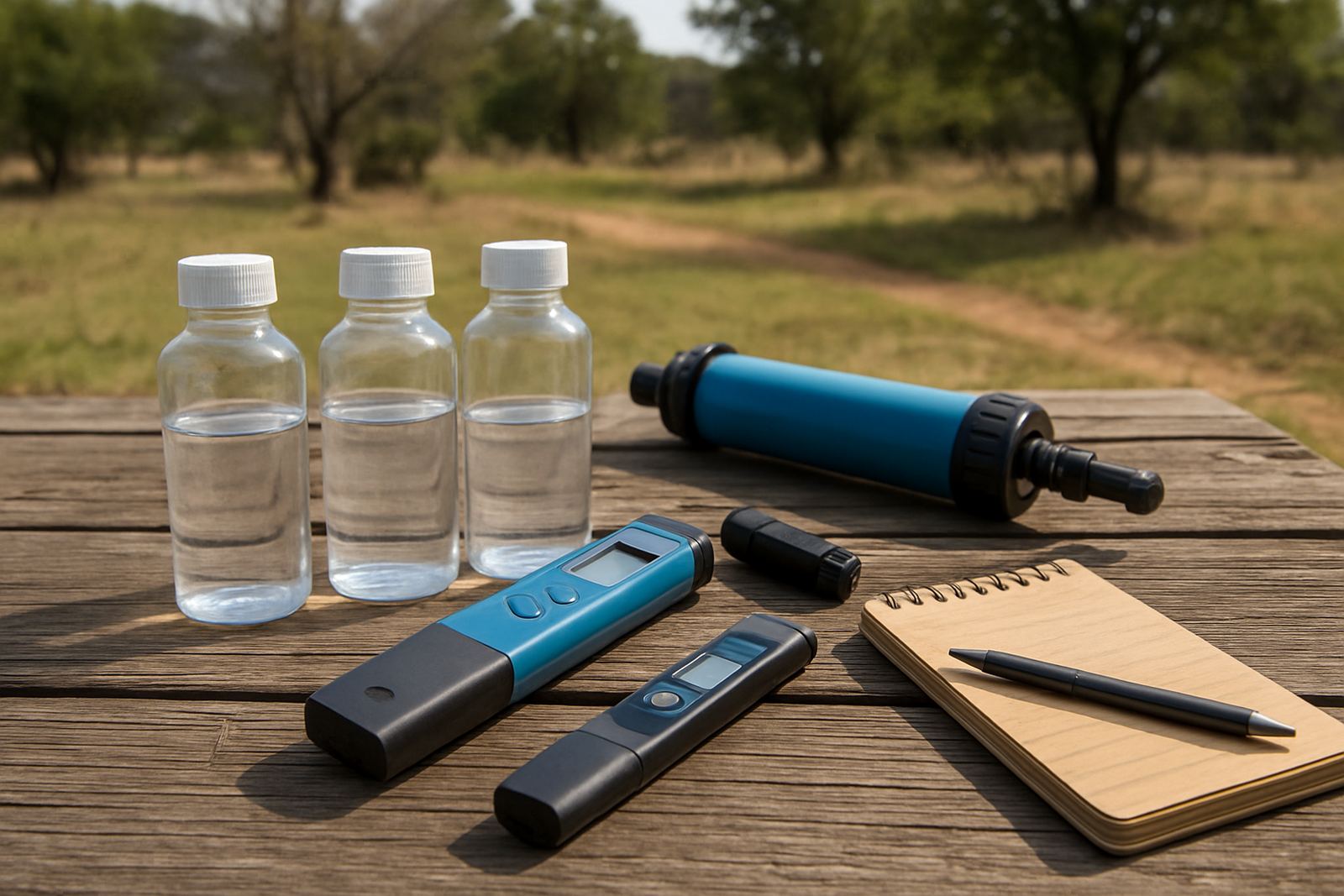
- Clear visual check for colour, clarity and odour
- Basic pH and conductivity readings
- Simple screening for sediment and debris
- Water use guidance based on the source and application
How the testing process works
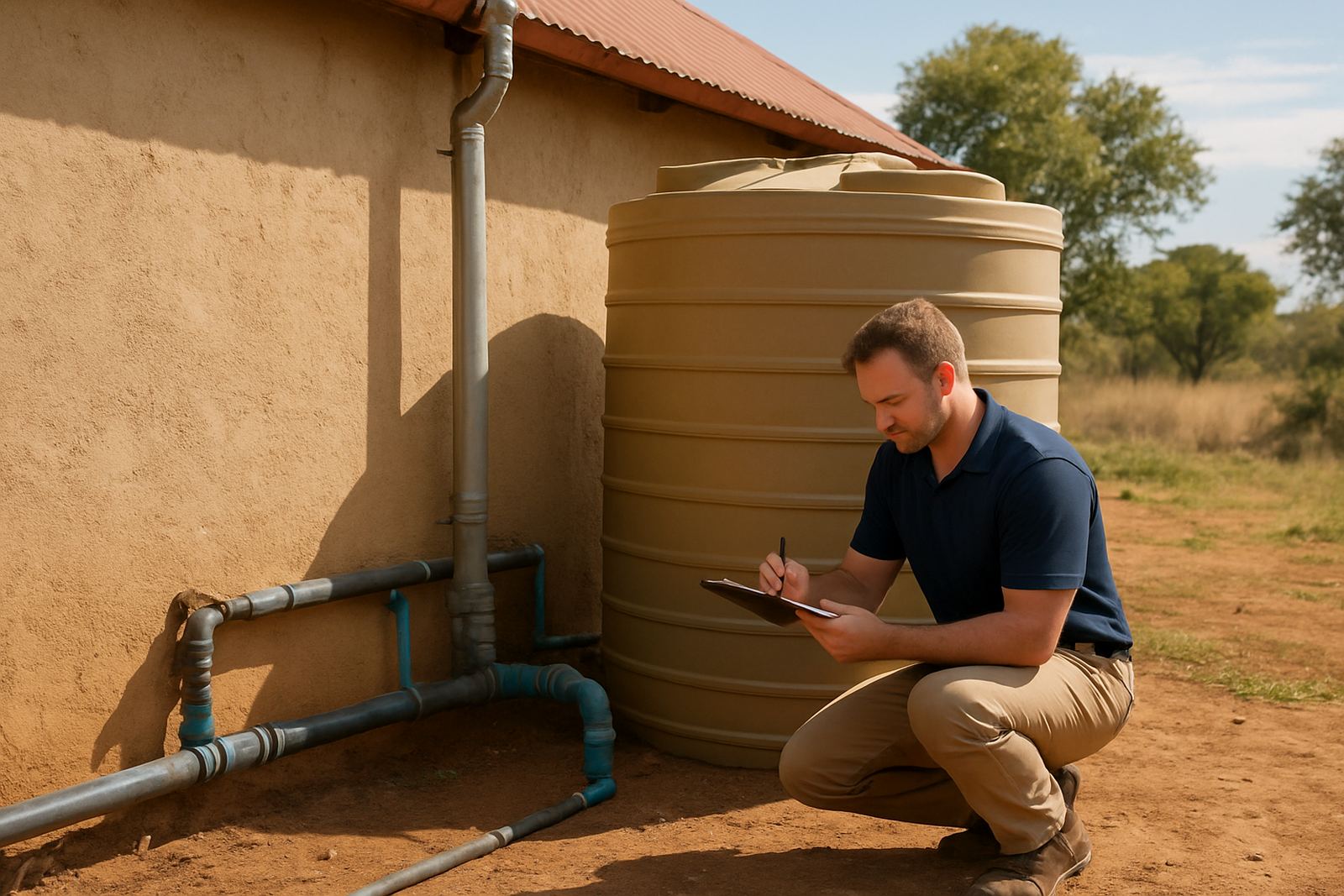
The process is straightforward. We begin with a short discussion about where the water comes from, how it is used, and what symptoms you have noticed. That can include cloudy water after rain, scale in kettles, blocked sprinkler nozzles, algae in a tank, or a metallic taste in borehole water. We then advise how to collect the sample, or arrange a site visit where required.
Once the sample is received, we complete the basic checks and record the results in plain language. If the readings show a likely treatment need, we point you toward the most suitable next step. In many cases, the findings are enough to guide a filtration choice without wasting money on the wrong kit. For farms and larger household systems, we can also suggest where to test again after maintenance or pump repairs.
- Step 1: Share the water source and problem symptoms
- Step 2: Collect or deliver the sample as directed
- Step 3: Receive the basic results and recommendation
- Step 4: Match the findings to a filtration or treatment option
Typical turnaround and what affects it
Turnaround depends on sample access, location and the level of checking needed. For standard basic testing, most results are available within 1 to 3 working days after the sample arrives. If a site visit is required in Pretoria, Hartbeespoort, Brits or Rustenburg, the timing may shift slightly depending on route planning and project load. Deliveries and site work in Bloemfontein and the Western Cape are handled by arrangement.
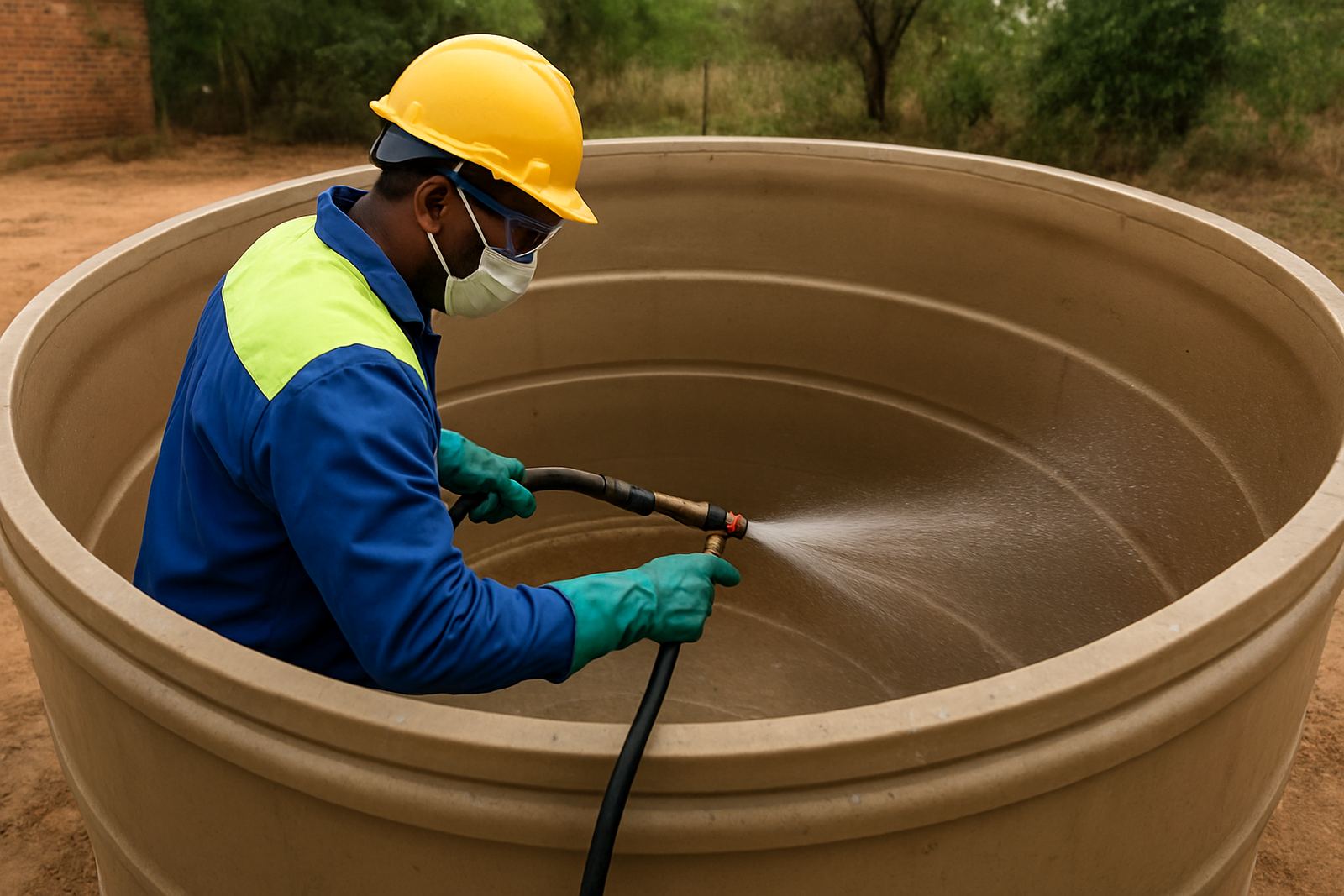
Where water is being used for a new borehole, a recently cleaned tank, or a system that has been off during load shedding, it is wise to test before making treatment changes. Waiting too long can mean extra wear on pumps, filters and taps. In coastal towns, higher humidity and windblown debris can affect tanks and roof catchment water, so seasonal checks are worth it.
If the sample shows unusual readings, we will say so clearly and explain what the result means in practice. No one wants a fancy answer that does not help the property owner, and that is why we keep the feedback practical.
Pricing approach for homes and farms
We price water testing according to the source, the number of samples, the location, and whether the job is part of a larger system check. A single household sample from a rain tank is priced differently from a multi-point farm check with borehole and storage tank samples. If you are only after a basic guide for filtration choices, we keep the service lean and cost-aware.
For customers who need testing before installation, after a pump service, or ahead of annual maintenance, we can bundle the assessment with other work to reduce travel and repeat call-outs. This is often useful for smallholdings outside Brits, peri-urban properties near Pretoria, and farm clients who want to cover a few points in one visit. We quote on the actual scope, not a one-size-fits-all rate.
- Single-source household checks
- Multi-sample farm and estate checks
- Testing linked to filtration, pump or tank work
- Quoted per job according to site and sample count
When to test your water again
Water should be checked again whenever conditions change. A new borehole pump, recent tank cleaning, first rains after a dry spell, or a change in smell or colour all justify another sample. We also suggest repeat testing after filter changes, disinfection, major repairs, or if the system has been standing unused for a while.
As a general guide, households relying on borehole or tank water should test at least once a year, and more often if the supply is used for drinking or if the property has known sediment or iron issues. Farms and larger sites may need shorter intervals, especially where water feeds livestock, washing lines, spray systems or irrigation lines that can block quickly. A bit of monitoring saves money later, and helps you spot changes before they become a problem.
Book testing through our enquiry form
To arrange water testing, send your details through the enquiry form on our contact page and tell us your location, water source and the issue you are seeing. We support customers across Brits, Pretoria, Hartbeespoort, Rustenburg, Bloemfontein, Paarl, Stellenbosch and Somerset West, with supply and delivery coverage across South Africa.
Hydrated works from Brits on water systems for homeowners, farmers and property managers who need borehole, rain-tank and filtration support. Our team includes operations, technical sales, project coordination, installation support and logistics planning, so the process stays organised from the first check to the final recommendation.
- Homes with borehole or rain-tank supply
- Farms needing basic water quality guidance
- Properties with filter failures or scale build-up
- Sites where water use has changed after repairs or outages
Key facts
| Test type | Basic water quality screening for boreholes, rain tanks and stored water |
|---|---|
| Common checks | Colour, clarity, odour, pH, conductivity and visible sediment |
| Sample formats | Single household sample or multi-point farm sampling |
| Typical turnaround | 1 to 3 working days after sample receipt |
| Pricing method | Quoted per job according to source, sample count and location |
| Recommended interval | At least once a year, or after water changes, repairs or heavy rain |