When a Tank Needs Cleaning
Tank cleaning is not only about appearance. In North West and many coastal areas, warm weather, dust, wind and long standby periods can leave sludge on the bottom of the tank and a film on the walls. If water starts tasting stale, flow becomes uneven, or the tank lid has not sealed properly for a while, cleaning should be booked before the build-up affects pumps, filters and the quality of water going out to the house or irrigation point.
We commonly assist with polyethylene storage tanks, rainwater tanks and borehole holding tanks ranging from 2 500 litres to 10 000 litres, with larger farm installations handled case by case. A tank that is cleaned every 6 to 12 months usually stays easier to maintain than one left for several seasons, especially where iron, fine sand or organic matter is present.
What the Cleaning Service Includes
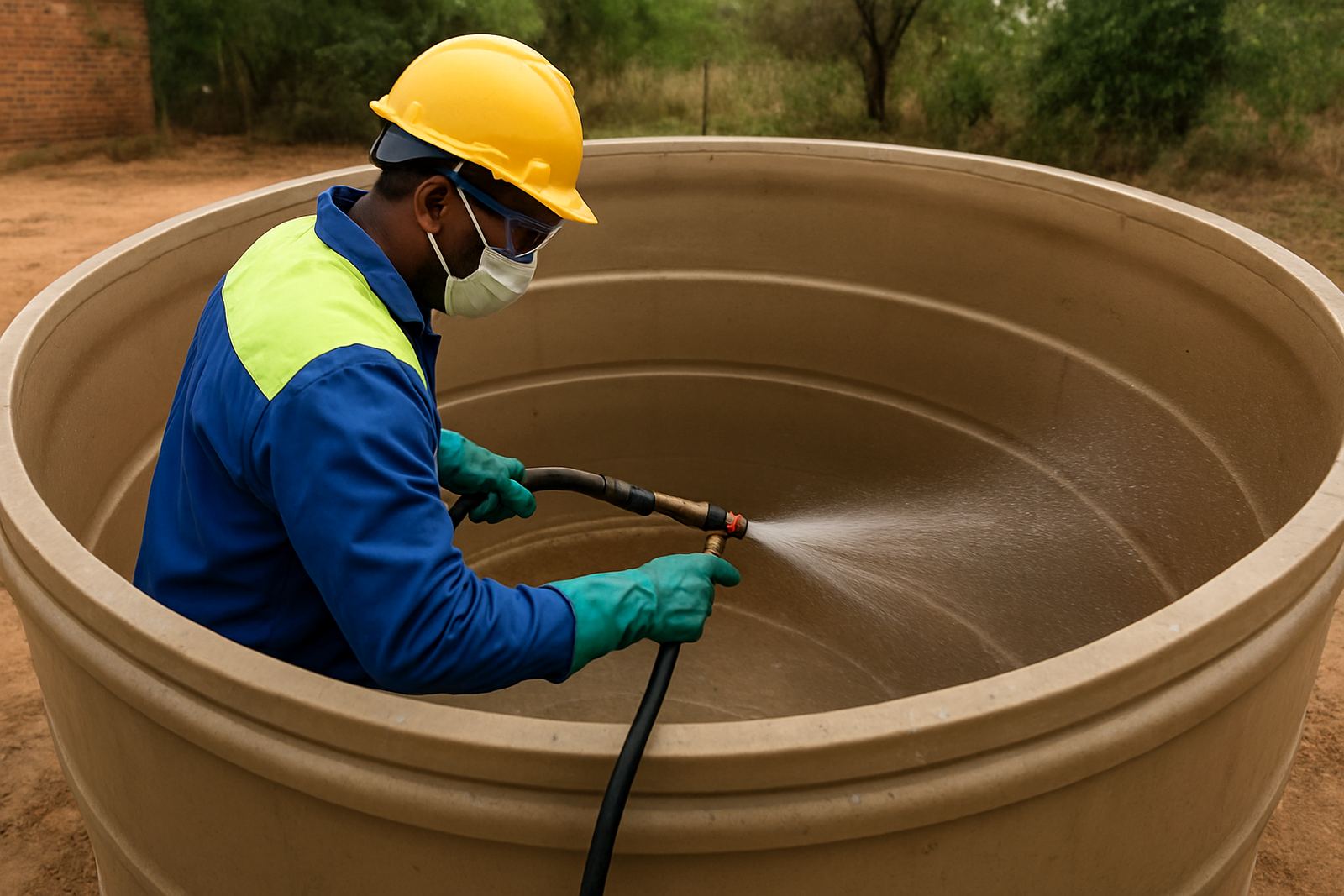
Our cleaning support focuses on removing settled solids, surface growth and stagnant residue without leaving the tank overly wet or contaminated. We work with the system around the tank as well, so the service is practical and not just a quick wipe-down.
- Drain-down planning and safe isolation of the tank
- Manual removal of sludge, silt and loose debris
- Scrubbing of internal walls and floor where accessible
- Rinse-out and washdown using suitable cleaning methods
- Inspection of inlet, outlet, overflow and lid condition
- Basic checks on valves, fittings and nearby pipework
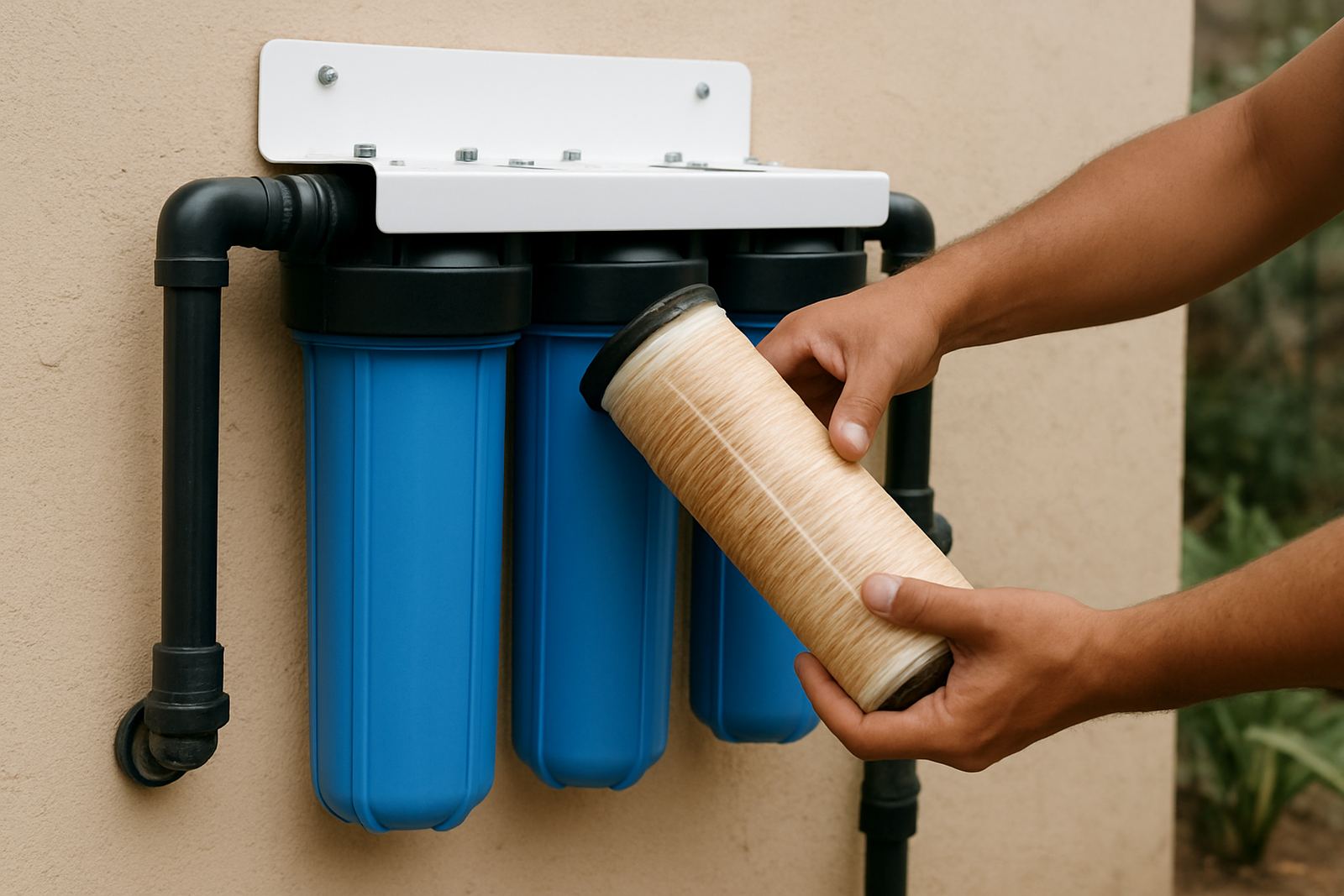
- Advice on filter changes, tank covers and cleaning intervals
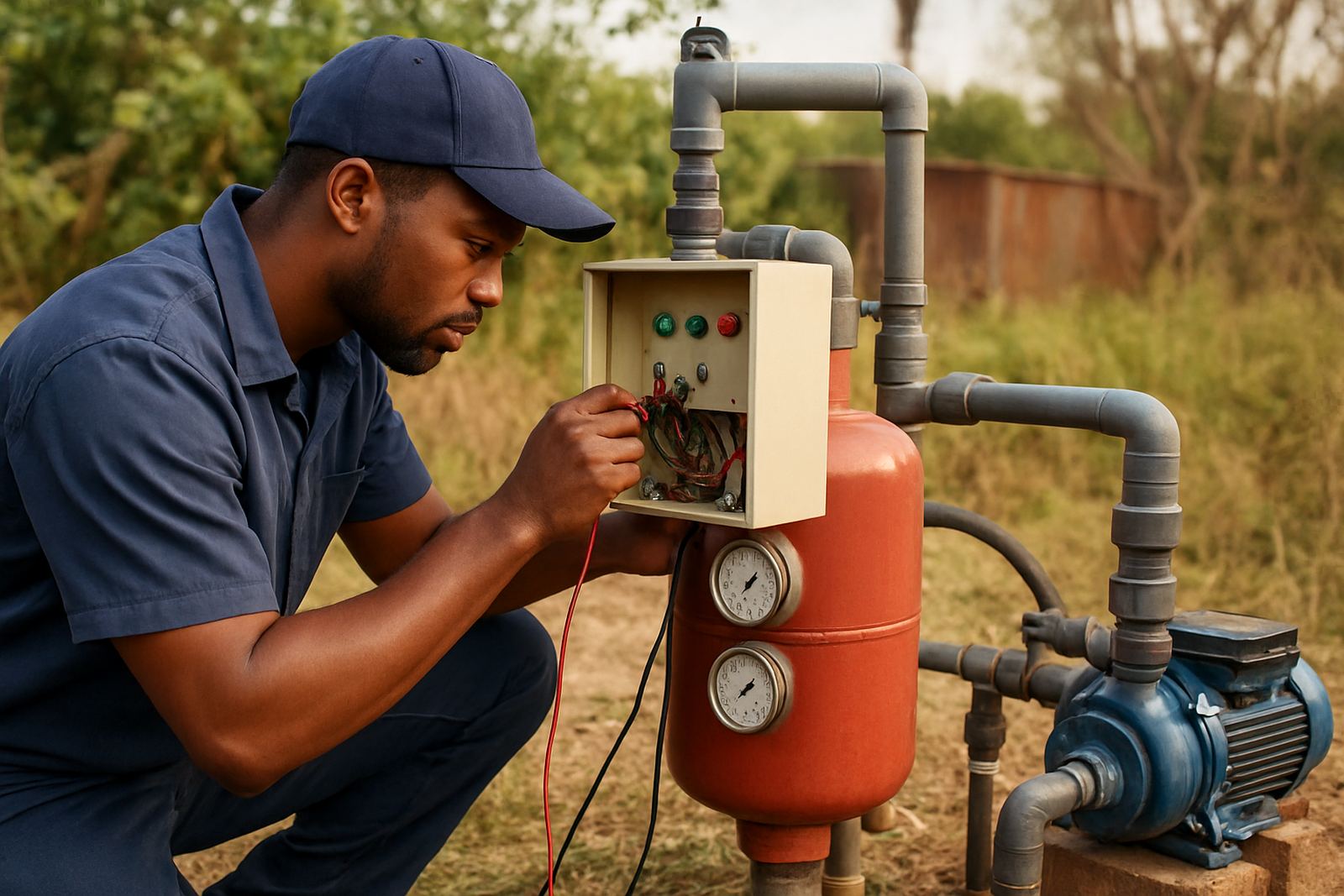
If required, we can also coordinate follow-up support such as water testing, pump servicing or filter replacement so the system is ready for use again.
Step-by-Step Cleaning Process
The process starts with a site assessment or a short intake discussion so we understand tank size, access, water source and whether the tank is fed by a borehole, municipal supply or rainwater harvesting system. From there, the team plans the safest way to empty and clean the tank while keeping disruption to a minimum.
- Confirm tank type, capacity and access points
- Arrange the cleaning date and isolate the tank
- Drain water to a suitable level for safe entry or reach
- Remove sludge, algae and sediment from the inside
- Rinse and inspect fittings, lid seals and overflow points
- Refill, recommission and confirm normal flow
On farms, we often plan around irrigation windows and livestock demand so the cleaning does not interrupt watering at the wrong time. In suburbs, especially where water pressure is limited or load-shedding affects pump cycles, we try to keep the turnaround tight and organised.
Turnaround Times and Site Planning
Turnaround depends on tank volume, how dirty the tank is, the water source, and whether there is easy access for drain-down and refilling. A single household tank may be completed on the same day, while a larger farm installation may take longer if there is heavy silt or if multiple tanks are linked together.
For most domestic systems, expect a straightforward clean to take a few hours once the tank is isolated and drained. For bigger sites, or tanks with thick sediment from boreholes in sandy ground, we may need a longer window. Where municipal by-laws or estate rules affect drainage points, we plan the work with that in mind. That avoids hassle and keeps the job moving properly.
- Small domestic tanks: same day in many cases
- Medium systems: allow half a day to a full day
- Farm or linked tanks: allow longer depending on access and buildup
Pricing Approach and What Affects the Cost
Pricing is quoted after we know the tank size, access conditions and level of contamination. We do not use a one-size-fits-all price because a clean 2 500 litre tank with good access is very different from a 10 000 litre tank with heavy sediment, tight positioning or multiple fittings to inspect.
The main cost factors include tank capacity, whether the tank must be fully emptied, how much manual cleaning is needed, travel distance from Brits or one of our service areas, and whether additional items such as filter changes or pump servicing are requested at the same time. This way, customers pay for the actual work needed, not extras that do not apply to their system.
Where practical, we combine tank cleaning with annual maintenance so the site gets one organised visit instead of several separate callouts. That can save time and keep the system in better condition through the dry months.
Keeping the Tank Cleaner for Longer
Good maintenance makes a big difference between cleaning visits. A tank with a proper lid, screened overflow, sound first-flush setup and working pre-filtration will usually stay cleaner for longer than one left open to dust, insects and stormwater wash-off. In hotter regions and on coastal properties, algae can start faster, so the water should be checked more often.
As a practical guide, many homes benefit from cleaning once a year, while farms and sites using raw borehole water may need cleaning every 6 months or sooner if sediment is visible. If the water has a strong odour, the tank floor is slippery, or filters are blocking faster than usual, it is time to inspect the system again. A small issue caught early is easier to fix than a full tank of dirty water that has been sitting for weeks.
- Check tank lid and seals every month
- Inspect filters after heavy rain or dusty wind
- Book a full clean every 6 to 12 months
- Test water more often if the source changes
Service Coverage Across Our Main Areas
Hydrated is based in Brits, North West, and we supply cleaning support to homes and farms in Pretoria, Hartbeespoort, Rustenburg, Bloemfontein, Paarl, Stellenbosch and Somerset West, as well as other areas where tank systems need proper care. We work with domestic storage tanks, farm reserve tanks and water systems that support filtration, irrigation or household use.
If your tank has sediment, algae or stagnant build-up, the safest next step is to get it checked before the problem spreads into pumps, filters and household lines. Our team will guide you through the service process, advise on maintenance intervals and help you keep the system in better working order through the year.
Key facts
| Service type | Tank cleaning for storage tanks affected by sediment, algae or stagnant build-up |
|---|---|
| Typical tank sizes | 2 500 litres to 10 000 litres, with larger systems handled by assessment |
| Common tank materials | Polyethylene, rainwater storage tanks and borehole holding tanks |
| Recommended interval | Every 6 to 12 months, depending on water source and usage |
| Main inclusions | Drain-down, sludge removal, internal scrubbing, rinse-out and fitting checks |
| Turnaround | Same day for many domestic tanks, longer for larger or heavily silted systems |