When a filter change is due
Filter media and cartridges do a quiet job until they start to slow the system down. In homes this can show up as weak flow at the tap, taste changes, discolouration or a filter housing that is harder to flush than usual. On farms, a tired filter can lead to blocked irrigation lines, sediment carry-over, and extra strain on pumps and valves.
We plan filter changes around your water source, daily usage and the type of treatment in place. Borehole water in the North West often carries fine sand, iron staining or hardness. Rain-tank water may pick up silt, roof debris and organic matter, especially after heavy wind or first rain after a dry spell. Salt air in coastal areas can also shorten the life of housings, seals and fittings if they are not checked regularly.
- Cartridge filters: often changed every 1 to 3 months, depending on sediment load
- Carbon cartridges: commonly changed every 3 to 6 months for taste and odour control
- Media vessels: typically serviced every 6 to 24 months, based on water quality and throughput
- Pre-filters: checked sooner if the source water is heavy with sand or rust
What our filter change service includes
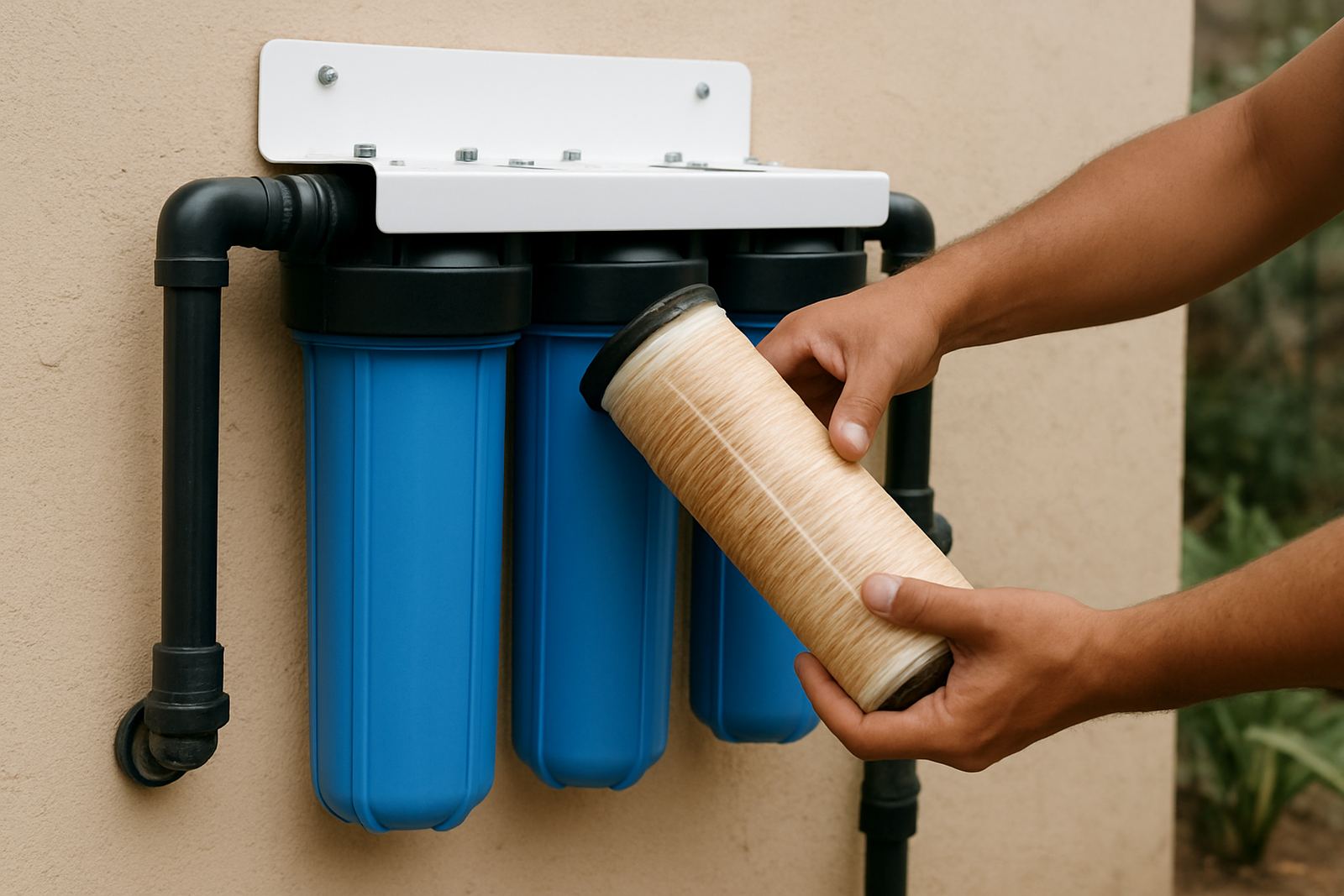
Our filter changes are practical and detailed. We remove spent cartridges or media, inspect the housings, clean contact surfaces, fit new consumables, and check that seals seat properly before the system goes back into service. If needed, we also inspect the bypass arrangement, pressure gauge readings and any visible pipework around the filter set.
Where a system uses staged treatment, we make sure the sequence is correct. For example, a sediment stage must not be skipped before carbon or finer polishing stages, and media beds need the right backwash setting if they form part of the design. We also keep an eye out for air locks, leaking unions, cracked housings and worn O-rings, because a small fault can undo the benefit of a fresh cartridge.
- Removal and replacement of used cartridges or media
- Housing inspection, cleaning and seal check
- Pressure and flow spot checks after change-out
- Basic fault finding if filters are clogging too quickly
- Advice on the right maintenance interval for your site
Our step-by-step process
We start with a quick review of your current setup and the reason for the change. That includes the source water, the last service date, the filter size and the number of people or livestock relying on the system. For farm sites we also take note of irrigation schedules and any seasonal spikes in demand.
Next, we isolate the system safely, open the housings or media vessel, and replace the relevant parts. If the cartridges have collapsed or loaded unevenly, we check whether the upstream sediment load has increased or whether a pre-filter needs upgrading. Once the new filters are in, we flush the line until the water runs clear and the system stabilises. If the setup includes a post-filter or UV stage, we check that those units are still receiving suitable water quality.
- Assessment of system condition and service history
- Isolation, drain-down and safe opening of the filter assembly
- Replacement of cartridges or media with correct grade and size
- Flush, restart and final checks on clarity, pressure and leaks
- Service notes for the next replacement date
Typical turnaround and scheduling
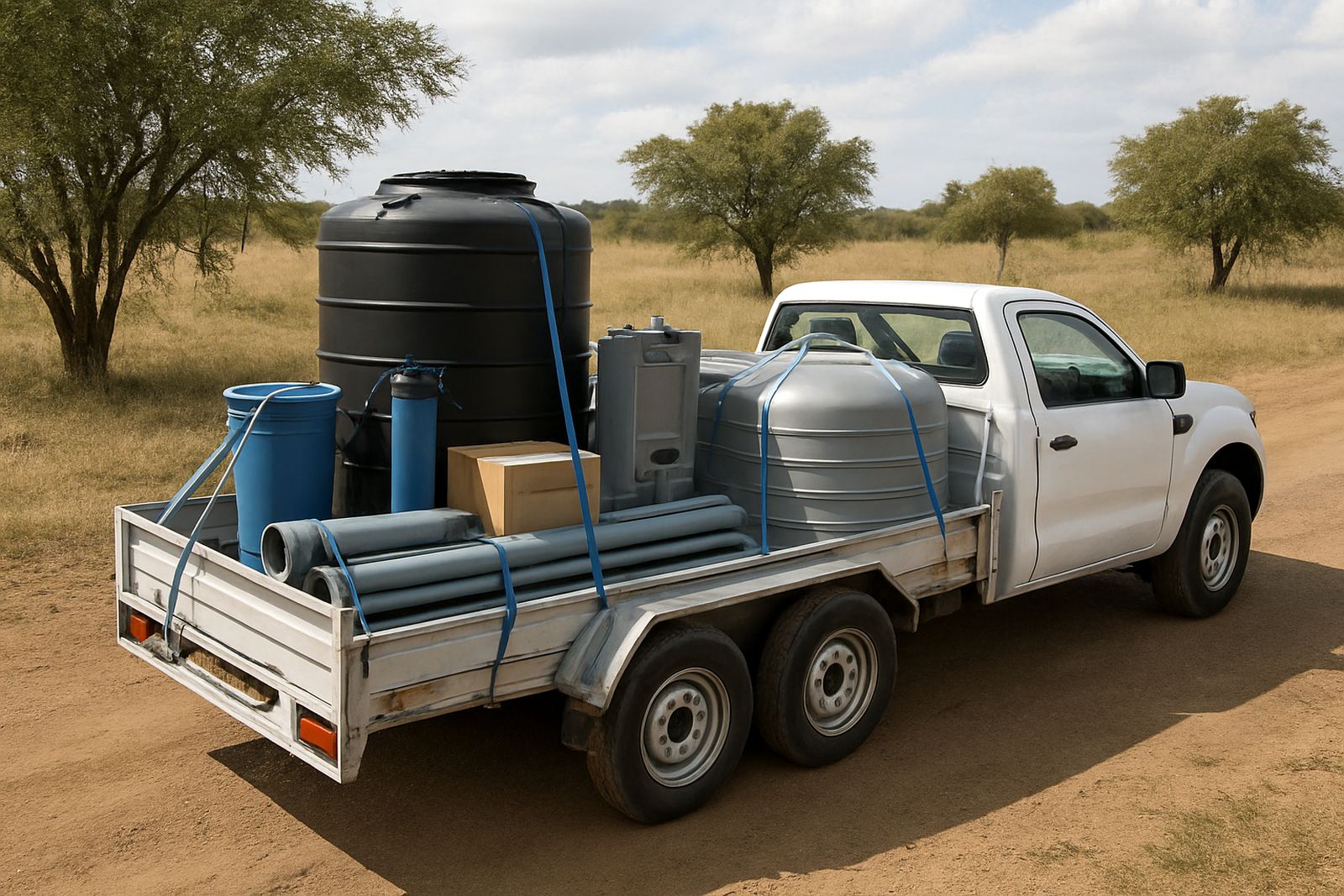
For standard cartridge change-outs, turnaround is often same day or next day in Brits, Pretoria, Hartbeespoort and Rustenburg, depending on stock and route planning. For outlying farm roads, coastal towns in the Western Cape, or larger systems that need media refilling, we schedule slightly more time so the job can be done properly first time.
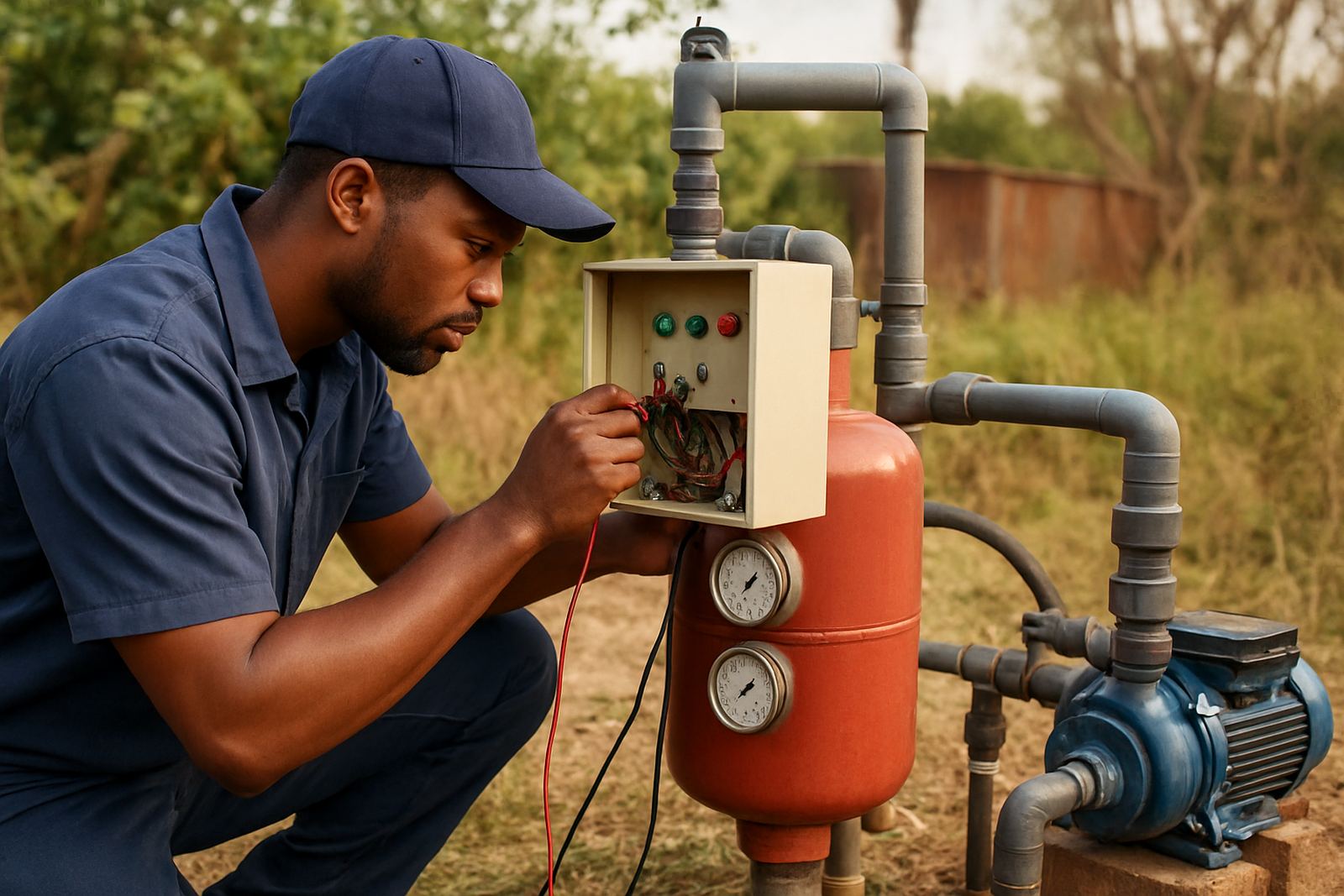
Where a system has been neglected for some time, the filter change may need to be paired with cleaning, pump servicing or fault finding. In those cases we will explain what can be completed immediately and what needs a follow-up visit. During load-shedding or unstable power supply, we also plan around restart checks so pumps and control equipment are not left half-tested.
Clients in Pretoria, Hartbeespoort, Rustenburg, Bloemfontein, Paarl, Stellenbosch and Somerset West can use the enquiry form on our contact page to request a booking or a maintenance visit.
Pricing based on system size and consumables
We price filter changes according to the type of system, the number of cartridges, the media grade, the access conditions and whether the job needs one technician or a larger support team. A small home unit with standard cartridges is priced very differently from a multi-stage borehole treatment set or a farm system with large pressure vessels. We also factor in transport to distant sites and the cost of approved replacement consumables.
There are no hidden extras for normal service information, but if we find damaged housings, broken fittings or a failed pump component, we will quote that separately before work continues. This keeps the service fair and easier to budget for. For many clients, a planned replacement is cheaper than waiting for a blocked line, poor water quality or a pump running against high restriction.
- Small residential cartridge changes: quoted per housing or filter stage
- Multi-stage systems: quoted by total cartridge count and service time
- Media vessel changes: quoted by vessel size, media type and labour
- Travel and access: considered for remote farms and coastal routes
Maintenance intervals that protect water quality
The right interval depends on water source, usage and how hard the system works during the month. A family home with rain-tank water may need a seasonal check before the dry months, while a borehole on a smallholding may need more frequent sediment changes after windy weeks or heavy pumping. In places with fine dust, high iron content or strong manganese staining, cartridges can load up faster than expected.
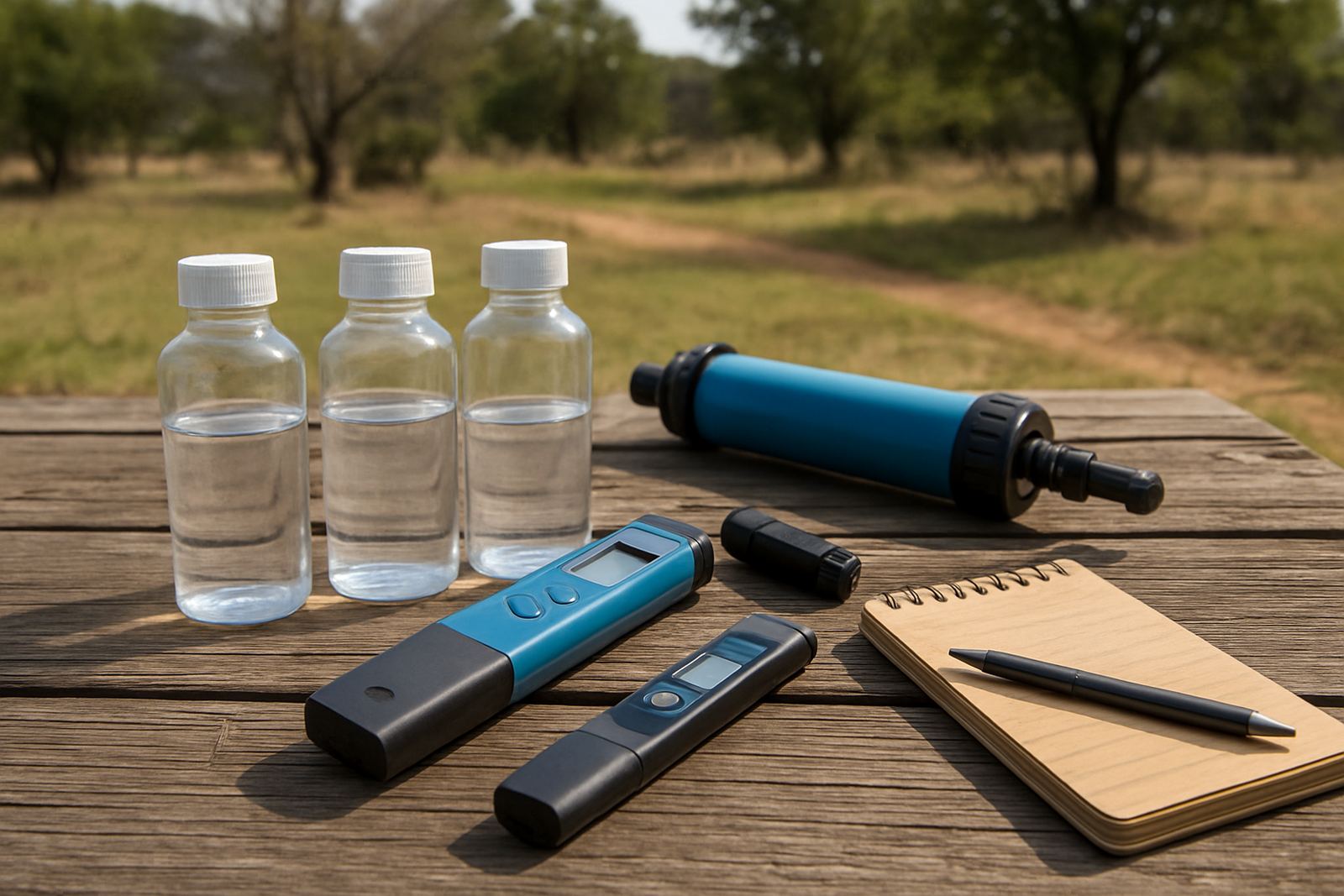
As a guide, we recommend checking simple sediment cartridges monthly and changing them before they collapse or restrict flow. Carbon stages are usually watched for taste, odour and chlorine reduction where relevant. Media systems should be reviewed on a set schedule so the bed does not compact or channel. If water starts changing colour or pressure drops suddenly, do not wait for the next planned date.
- Monthly visual checks for pressure and clarity
- 1 to 3 month replacement for many sediment cartridges
- 3 to 6 month replacement for common carbon stages
- 6 to 12 month service checks for larger treatment units
Filter changes that keep water flowing
From our Brits base, Hydrated supports homes and farms across Pretoria, Hartbeespoort, Rustenburg, Bloemfontein and the Western Cape. Our team is used to local borehole conditions, rain-water systems, and the practical realities that come with long pipe runs, exposed tanks and dusty pump rooms. We do not just swap parts and leave, we check the condition of the full arrangement so the next service lasts properly.
Whether the site needs a straightforward cartridge change or a more careful media replacement with commissioning checks, the aim is the same: clean water, steady flow, and fewer surprises. If you are unsure about your current interval, send an enquiry through the contact page and we will help work out what your system needs.
Key facts
| Service type | Routine replacement of filter cartridges and media |
|---|---|
| Typical system sizes | Residential point-of-use units to farm treatment sets |
| Common stages | Sediment, carbon, polishing cartridges and media vessels |
| Turnaround | Same day or next day for many local bookings, depending on stock |
| Areas served | Brits, Pretoria, Hartbeespoort, Rustenburg, Bloemfontein, Paarl, Stellenbosch, Somerset West |
| Maintenance intervals | Monthly checks, with replacements from 1 to 24 months depending on water quality and load |