What kit assembly covers
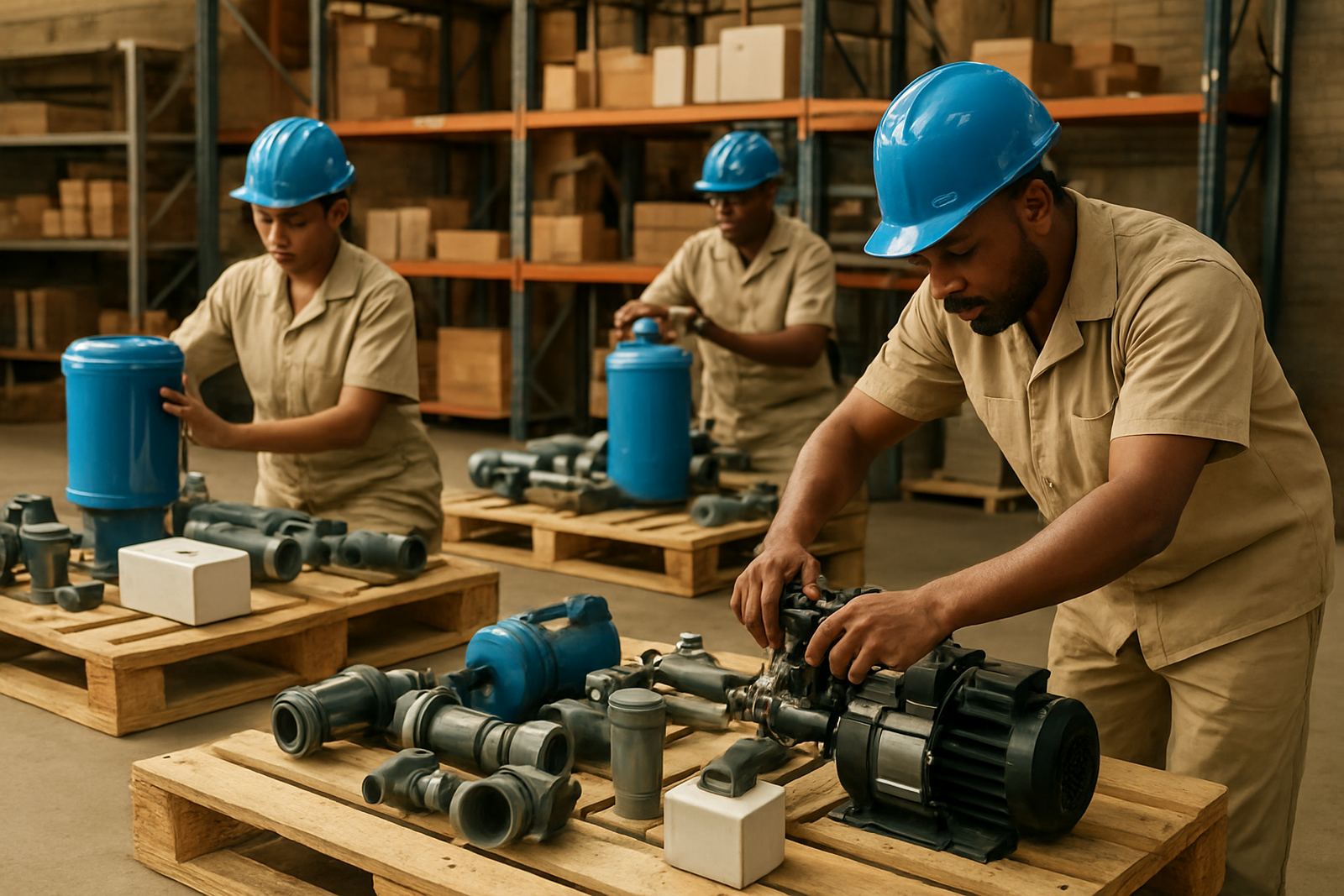
Kit assembly is the stage where all selected parts are checked, matched and packed into a single system ready for the next step. For a home in Pretoria, a farm outside Brits, or a smallholding near Hartbeespoort, that usually means the pump, pipework, fittings, valves, wiring accessories, pressure controls, filtration stages and tank connections are prepared together so the installation team does not waste time sorting parts on site.
We assemble borehole, rain-tank and filtration kits to the size and use case agreed during the ordering process. That includes domestic pressure sets, irrigation support kits and multi-stage filtration packs for drinking water or tank water polishing. Where required, we also prepare the kit for pump servicing access, filter changes and future maintenance, so there is a practical order to the way parts are laid out.
- Component matching against the agreed system size and duty
- Pre-fit checks for valves, unions, connectors and seals
- Labelling of major parts for easier installation
- Packing for transport to coastal, inland and farm locations
How we build a ready-to-install kit
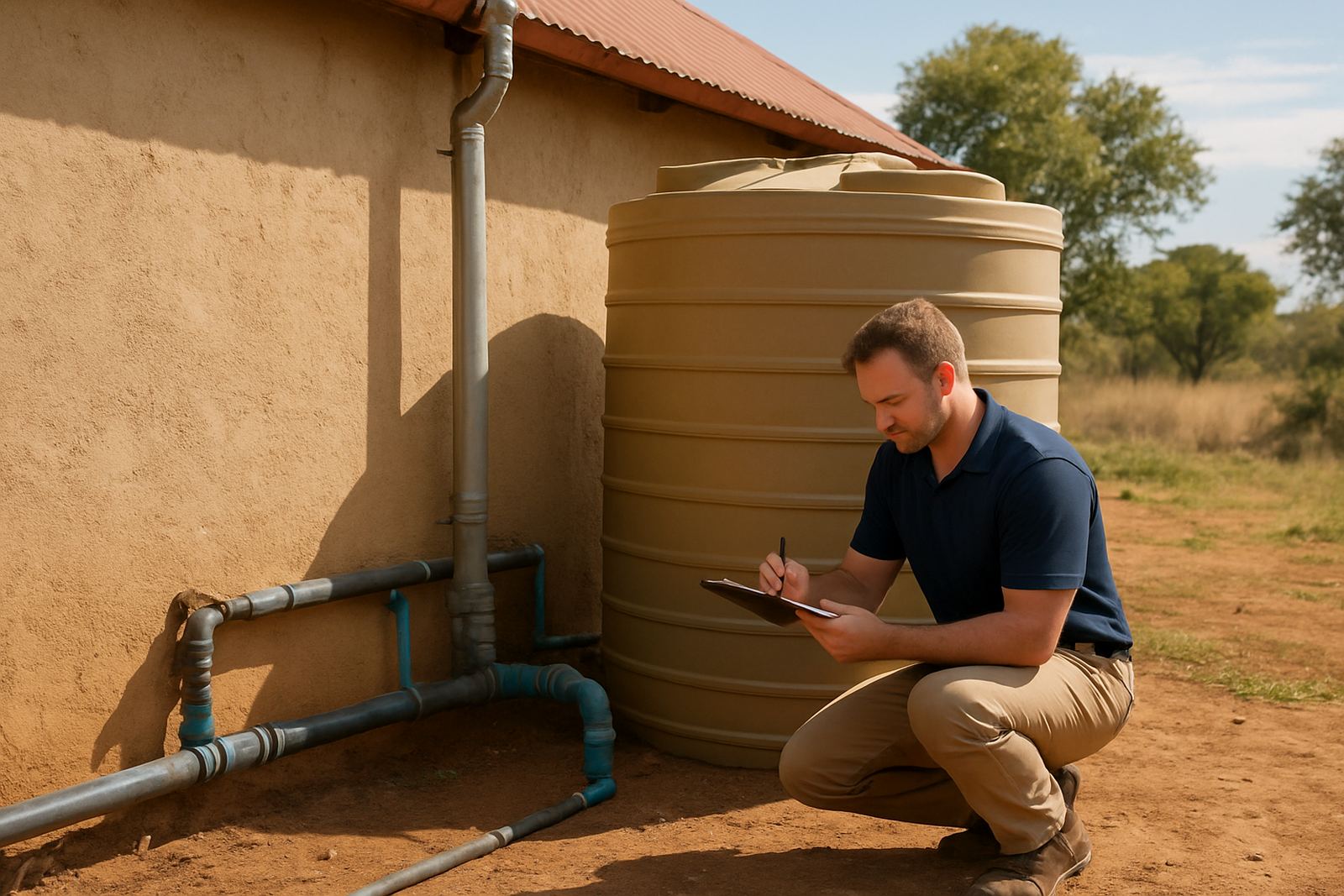
The process starts with the system plan. Once the site assessment or sizing work is done, the kit is built around the borehole yield, tank capacity, filtration target and daily water demand. A 1,500 litre domestic tank set is not packed the same way as a farm support kit feeding troughs, ablution points or irrigation lines, so the assembly follows the actual load and pressure requirements.
We check that pipe diameters, fittings and control parts match the intended application. In many South African settings this means preparing for variable municipal water supply, load-shedding periods and outdoor installations where dust, heat or coastal humidity can affect performance. For some jobs, the kit is also grouped for phased installation, so the team can complete the main water path first and return for add-ons later if needed.
- Review of the agreed system drawing or order list
- Selection of pipe sizes, pressure ratings and filter stages
- Assembly of the main hydraulic and control components
- Final check before delivery coordination from our Brits base
Typical components included in a kit
Every kit is different, but there are common items that appear in most assemblies. A borehole kit may include a submersible pump, rising main pipe, non-return valve, isolating valves, control box, float controls, pressure switch and tank connection fittings. A rain-tank kit may include inlet filtration, first-flush diversion, overflow fittings, tank base connections and a pressure pump where water is being used indoors. Filtration kits may include sediment and carbon stages, housing brackets and change-out spares.
Where water quality is a concern, especially in rural areas or where tanks are filling from mixed sources, we prepare filter layouts that make future maintenance straightforward. That means arranging cartridges, housings and bypass points in a sensible sequence, not squeezed together where a technician cannot reach them later.
- Pumps, control boxes and pressure switches
- Valves, unions, elbows, clamps and sealing items
- Filtration housings, cartridges and bracket sets
- Tank fittings, float valves and overflow accessories
Turnaround times and delivery readiness
Turnaround depends on the size of the kit and whether the parts are standard or need to be matched for a more detailed install. Smaller residential assemblies can often be prepared quickly once the sizing is confirmed. Larger farm kits, or systems that combine borehole supply with tank storage and multi-stage filtration, may need a bit more time because each part has to be checked against the pressure and flow requirement.
For clients in Brits, Pretoria, Rustenburg, Bloemfontein, Paarl, Stellenbosch and Somerset West, we coordinate the packing so the kit is ready for dispatch in one load where possible. That reduces missing fittings and helps keep the installation day tidy. If the site is remote or access is difficult, we can pack in stages so the first shipment covers the critical parts and the balance follows after final site confirmation, which can save a lot of back-and-forth.
- Small domestic kits: usually a short turnaround after sizing confirmation
- Medium systems: allow extra time for matching and test-fit checks
- Large or mixed-use farm kits: packed in agreed phases if required
- Delivery coordination from our North West base for local and national routes
Pricing approach and what affects the cost
Pricing for kit assembly is based on the size of the system, the number of components, the level of matching required and any special packing needed for transport. A simple rain-tank pressure kit will not cost the same as a multi-pump farm set with filters, controls and spare parts bundled in. We quote on the actual specification rather than giving one flat figure for every job.
The main things that influence price are component count, pump duty, pipe size, filtration stages and whether the order includes commissioning-ready extras such as spare seals or maintenance items. If the kit must suit coastal humidity, higher dust loads or longer delivery routes, that can also affect how it is packed and protected. We keep the pricing plain and practical so you know what you are paying for, without surprises on the day.
Maintenance intervals after the kit is installed
Once the kit is in use, maintenance should be planned from the start. Filter cartridges usually need checking every 1 to 3 months depending on water quality and usage. Borehole pumps and pressure equipment benefit from regular inspection, especially where the system runs through load-shedding or a lot of stop-start cycling. On farms, tank fittings and valves should be inspected at least once a season, because sediment, vibration and sun exposure can loosen parts over time.
We also recommend an annual review of the complete kit, including seals, electrical connections, control settings and visible pipework. If the water source changes, or if the tank starts showing unusual sediment, the maintenance interval may need to be shortened. That is common around busy family homes, guest accommodation and irrigation points where demand changes through the year.
- Filter checks: every 1 to 3 months
- Pump and pressure checks: every 6 months
- Full kit review: once a year
- Earlier inspection after heavy use, storms or water quality changes
Assembly first, delivery second
Pre-arranged assembly helps cut installation time and lowers the chance of errors on site. When a kit arrives sorted and matched, the installer can move straight into fitting rather than spending hours checking boxes and chasing missing elbows or seals. That matters for homes with limited water storage, and it matters even more on farms where a delayed install can affect stock water or daily operations.
It also makes after-sales support simpler. If a filter change, pump servicing or fault finding is needed later, the original kit is already organised in a logical way. Our team in Brits, including Ntombizodwa Shirinda, Zander Snyman, Ayanda Nkosi, Morne du Toit, Thandiwe Maseko and Kabelo Molefe, works to keep that process straightforward from first order through to annual maintenance, with practical support for clients across South Africa.
Key facts
| Service type | Pre-arranged component assembly for borehole, rain-tank and filtration systems |
|---|---|
| Typical system sizes | Domestic, smallholding and farm-scale water setups |
| Pipe and fitting options | Matched to agreed pump duty, pressure and flow requirements |
| Turnaround | Varies by system size and component availability after sizing confirmation |
| Delivery base | Brits, North West with coordination to major South African routes |
| Maintenance guidance | Filter checks every 1 to 3 months and full review annually |