What commissioning checks cover
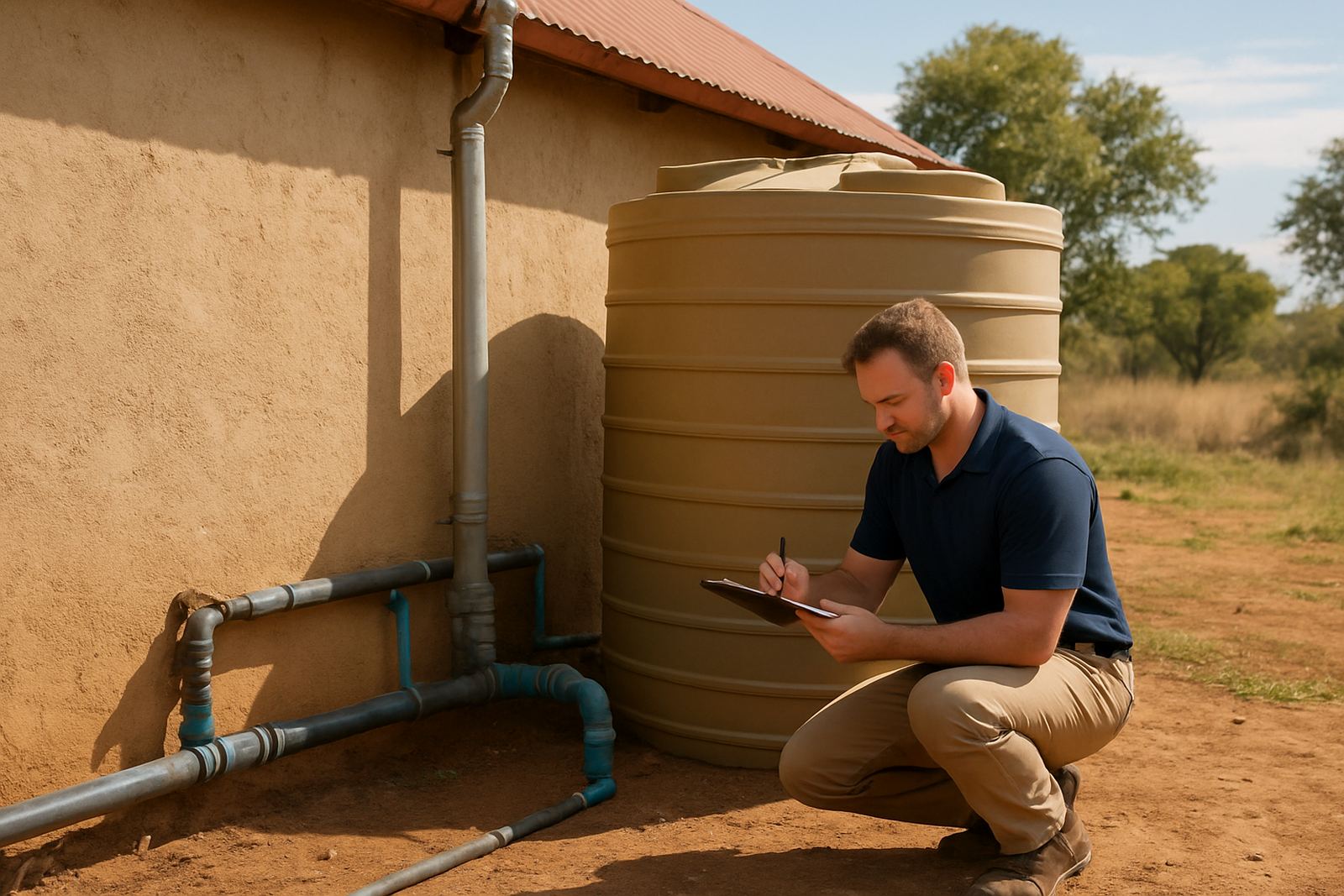
Commissioning is the final practical stage before a system is put into regular use. It confirms that the pump, pressure controls, filters, valves and tank connections are working together as they should. On a home setup, that may mean checking that taps have steady pressure and the changeover from municipal water or rain water is happening properly. On a farm installation, it may include making sure pressure is holding over a longer line run, the float controls are responding, and the system can cope with demand at peak times.
Our checks are suited to South African conditions, from hard water in inland areas to salty air near the coast. We look for leaks, air locks, incorrect switch settings, over-cycling, poor priming and pressure drops caused by undersized pipework. If a filter housing is seated badly or a pump starts too often, it usually shows up at this stage and it is better to correct it before the first week of use. That saves time, water and a lot of frustration.
- Pressure test across the system and key fittings
- Flow check at taps, outlets and storage lines
- Pump start-up and stop settings confirmed
- Float switches, pressure switches and timers checked
- Basic leak inspection and seal verification
Our step-by-step startup process
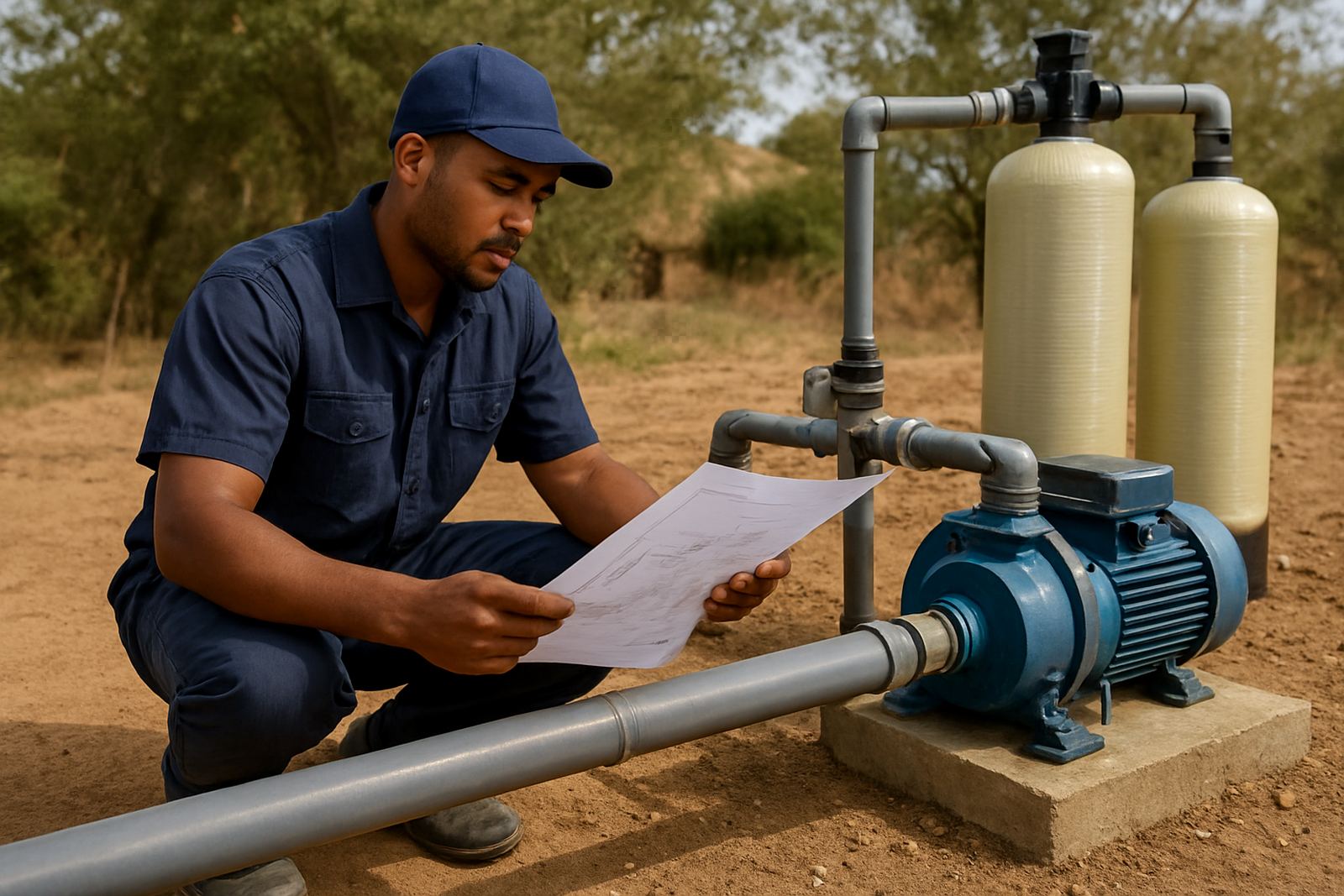
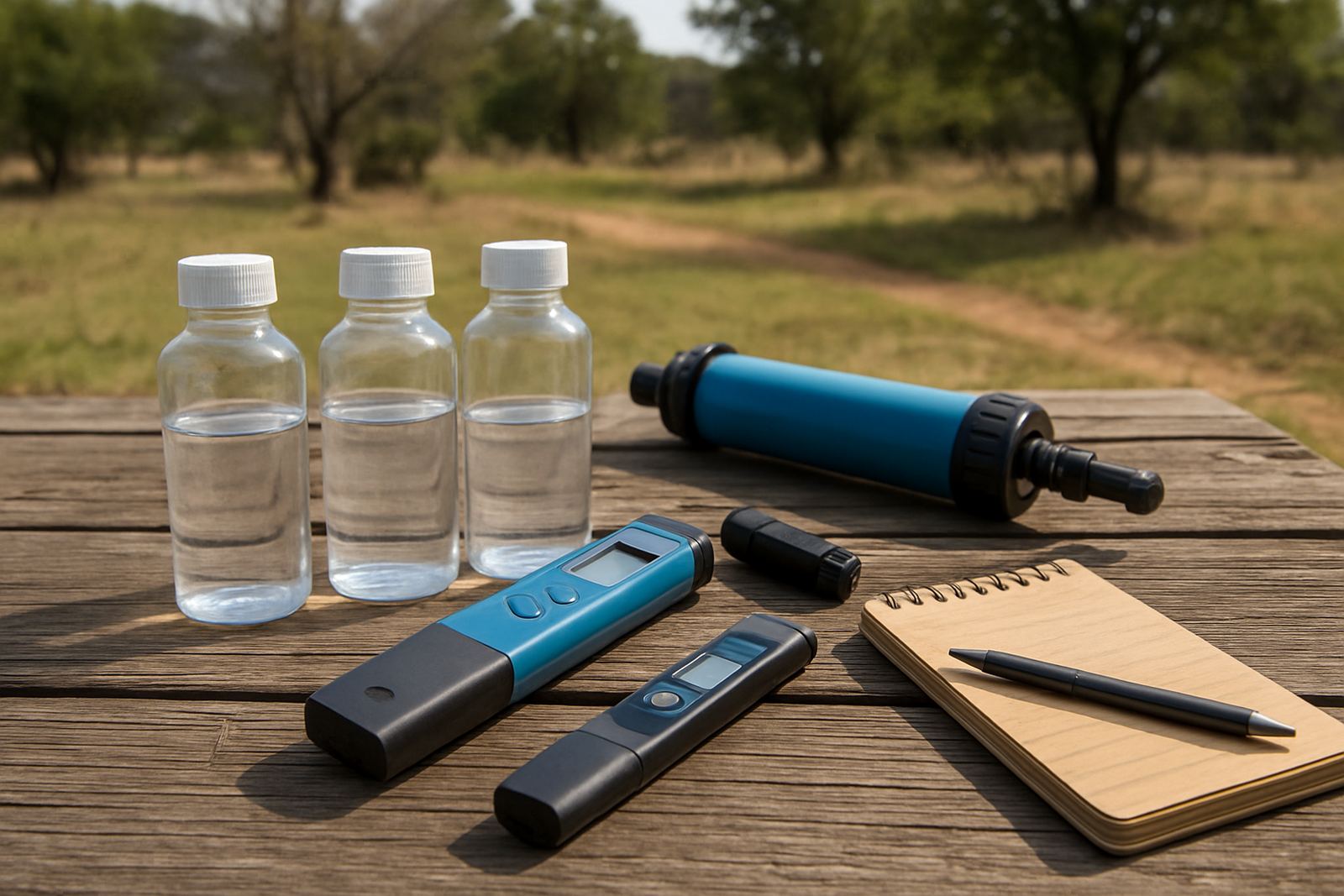
We start with a visual inspection of the assembled kit, pipework and control panel. Then we confirm that the tank, borehole line or filtration train is connected correctly and that all valves are in the right position. Once that is done, we test the system under real working conditions and record the readings. The aim is simple: catch problems now, not after the first load-shedding event or after a full tank has been wasted.
Depending on the system, the process may include priming the pump, bleeding air from the line, checking that the pressure vessel is pre-charged correctly, and confirming that dry-run protection or low-water protection is active. For filtration systems, we also check that cartridges are seated properly and that the flow direction matches the intended setup. If needed, small adjustments are made on site so the customer gets a proper handover, not just a quick switch-on.
- Site walk-through and final connection review
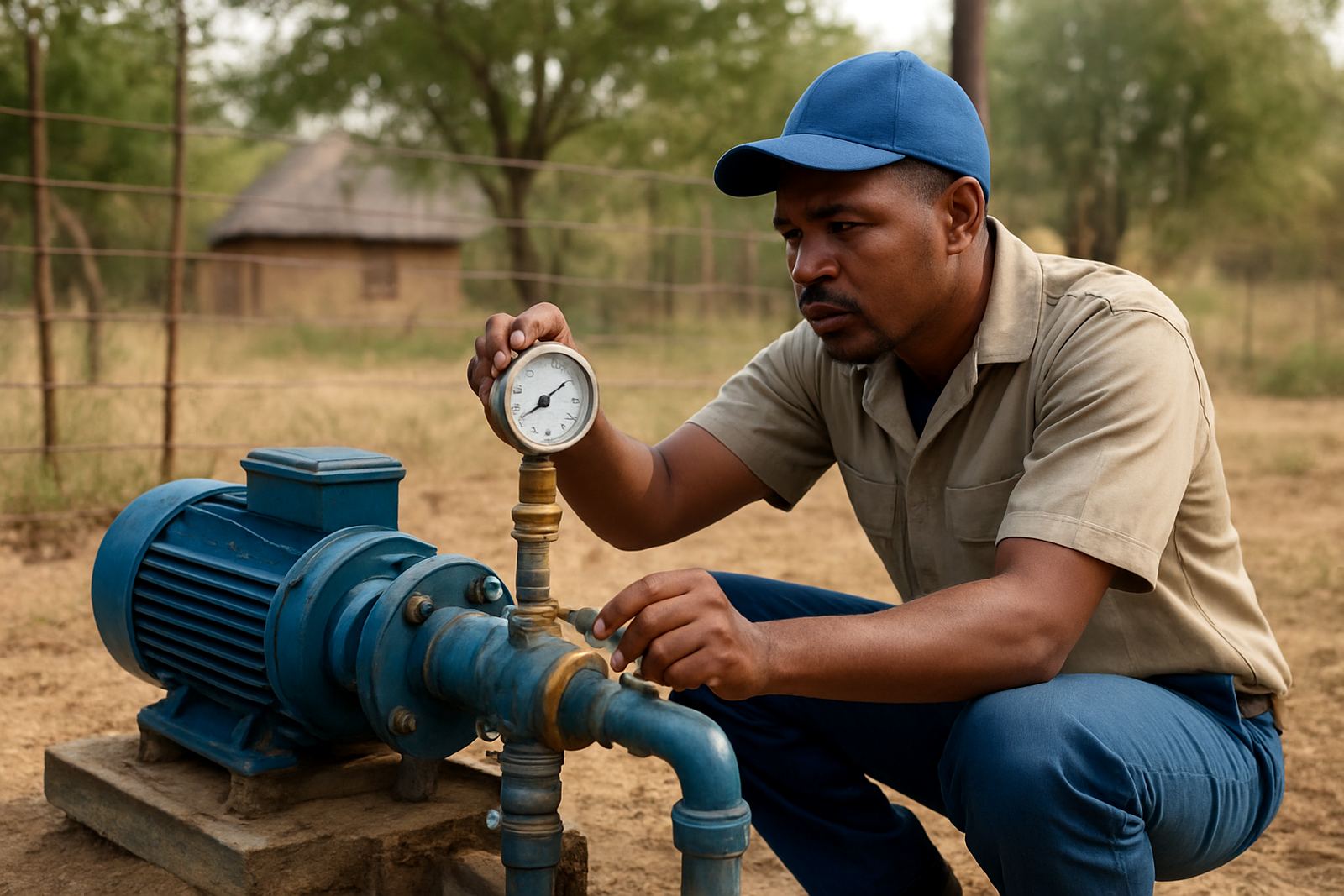
- Initial start-up and pressure gauge reading
- Adjustment of cut-in and cut-out settings
- Verification of filter direction and bypass valves
- Final run test with live water draw-off
Specs and settings we confirm
Every system is different, but the same core checks apply. A domestic rain-tank unit may run at 1.5 to 3.0 bar, while a larger borehole setup for a smallholding or farm line may need higher pressure depending on distance and outlet demand. We confirm the settings against the actual system layout, not just the box specification. That matters when pipes are long, the tank is lower than the house, or there are multiple points of use.
We also check that the system is operating within sensible limits for the pump and fittings. Too much pressure can cause pipe strain, noisy operation and short cycling. Too little pressure means poor delivery and unhappy users. Our commissioning checks help balance that out so the system can run properly from day one, and not keep needing little fixes every week.
- Typical pressure range checked: 1.5 to 4.5 bar, depending on setup
- Flow rate checked at point of use: litres per minute, where relevant
- Tank and vessel pressure checked in bar before start-up
- Control delay and restart timing confirmed
- Protection settings tested for low water, dry run or overload
Turnaround for homes, farms and estates
Most commissioning visits are completed in one site visit, provided the installation is already assembled and there are no major faults to correct. Smaller home systems in Brits, Pretoria, Hartbeespoort and Rustenburg are often signed off on the same day as installation support. Larger farm jobs, estate supply lines, or systems with multiple tanks and filtration stages can take longer because there are more settings to confirm and more draw-off points to test.
For customers in Bloemfontein, Paarl, Stellenbosch, Somerset West and other outlying areas, turnaround also depends on access, weather and delivery timing. Coastal humidity can affect fittings and seals, while dusty inland sites can mean extra cleaning before the final check. We plan the visit around your site conditions so the system is tested properly, not rushed through.
- Small home systems: usually same day
- Medium systems: same day to 2 working days
- Farm and multi-point systems: allow 2 to 4 working days
- Remote sites or large estates: scheduled by arrangement
Pricing approach and what affects the cost
Commissioning checks are priced according to the system type, the number of components, the travel distance and the amount of testing required. A simple rain-tank pump set with one filter stage is not priced the same as a borehole installation with pressure control, multiple tanks and longer pipe runs. If a system needs fault finding during start-up, that may affect the final cost as well because extra time is involved.
We keep the pricing straightforward. You pay for the site assessment, the actual commissioning work and any agreed follow-up if a setting needs to be revisited. For customers who bundle commissioning with installation support, filter changes or pump servicing, the overall cost can be lower than booking each task separately. We quote based on the site details, because that is the only fair way to do it.
- Pricing depends on system size and number of circuits
- Travel and access are included where agreed in the quote
- Extra fault finding is quoted before work continues
- Bundle pricing may apply for scheduled maintenance visits
After commissioning: when to check again
Once a system is running, it still needs routine attention. Filters clog, pressure settings drift, and pumps wear over time. For most home systems, we suggest a first recheck after 6 to 12 months, especially if the water source carries fine sand or the household uses a lot of water during dry seasons. For farms and larger properties, the interval can be shorter if the system runs daily or serves livestock, irrigation or multiple dwellings.
Regular maintenance is especially useful after heavy rain, long dry spells, municipal interruptions or load-shedding cycles. Those conditions can change the way a pump starts and stops, or how quickly a filter blocks up. A yearly maintenance visit can include commissioning-style checks, filter changes, pump servicing, tank cleaning and fault finding if needed. It is a practical way to keep the system stable and avoid a surprise breakdown at the worst time.
- Home systems: recheck every 6 to 12 months
- Farm systems: recheck every 3 to 6 months, depending on use
- After power interruptions or plumbing changes, book a fresh check
- Annual maintenance is recommended for most systems
Key facts
| Service type | Commissioning checks for water systems |
|---|---|
| Systems covered | Borehole, rain-tank and filtration kits |
| Typical pressure range | 1.5 to 4.5 bar depending on application |
| Site types | Homes, smallholdings, farms and estates |
| Turnaround | Same day for simple systems, longer for larger sites |
| Base area | Brits, North West with nationwide supply and support |