What Our Installation Support Covers
Our installation support is there to help your installer get the job done properly the first time. We work from the kit supplied, checking that each item is set out in the right order, connected in the right sequence, and matched to the site conditions. That includes borehole pumps, pressure control gear, tanks, filters, pipework, fittings and electrical connections where required. We also help with practical points like suction line height, tank inlet position, dry-run protection and correct filter orientation. It saves time on site and cuts down on call-backs later, which matters when water is needed daily and load-shedding keeps interrupting the schedule.
Support can be arranged for homes, smallholdings, farms and commercial sites. In coastal areas like Somerset West and Stellenbosch we pay close attention to corrosion risk and UV exposure, while inland sites around Brits, Hartbeespoort and Rustenburg often need dust control and pressure balancing. Our team gives clear guidance on what to do, what to avoid, and which parts should be checked before water is switched on.
How The Support Process Works
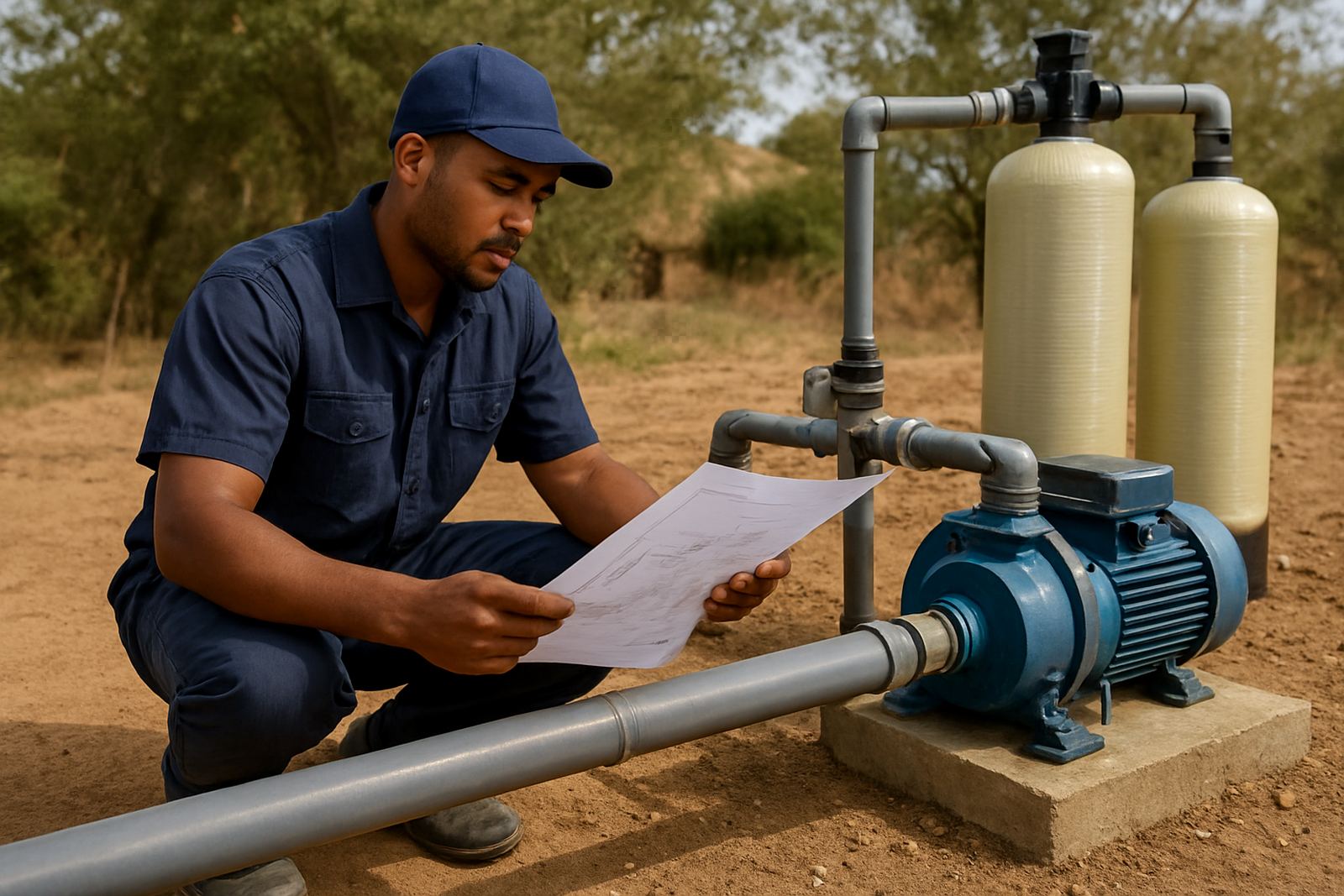
We keep the process straightforward. First, we review the supplied kit list and the intended use of the system. Then we confirm the site layout, available power, tank location, borehole depth if relevant, and the daily water demand. If there are questions about pipe size, pump selection or filter order, those are settled before installation starts. The aim is to prevent guesswork on site, especially where the installer is working on a tight programme or a farm schedule.
- Review of the kit and site details before installation
- Guidance on positioning, pipe routing and connection order
- Support for commissioning checks once the system is filled and powered
- Advice on pressure settings, priming, flushing and leak checks
- Hand-over notes for ongoing care and maintenance intervals
For customers in Pretoria, Paarl or Bloemfontein, where different municipal or estate rules can apply, we also flag any practical compliance points that affect tank placement, drainage or backflow prevention. That way the installer has a clear plan before tools come out of the bakkie.
What Happens On Site
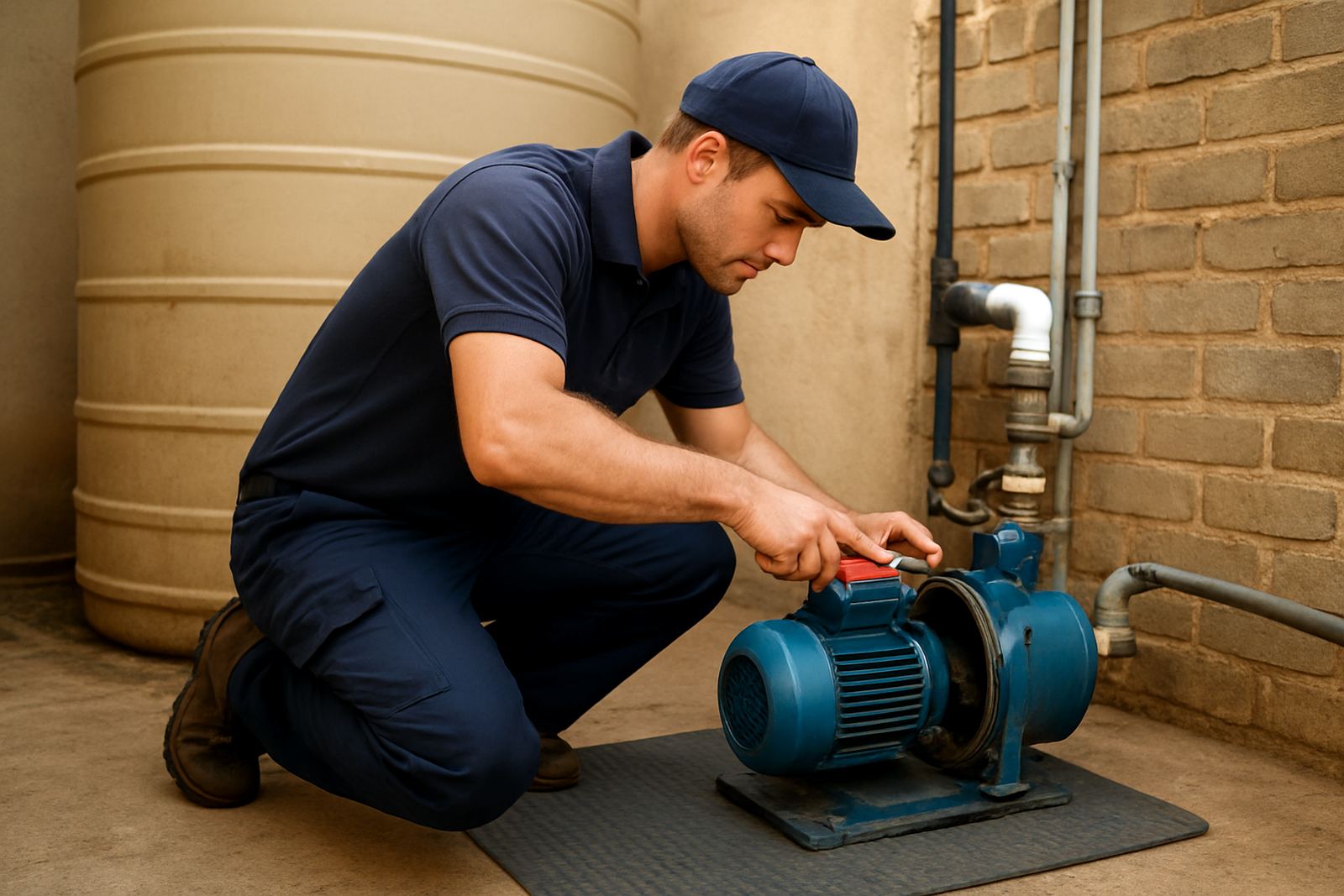
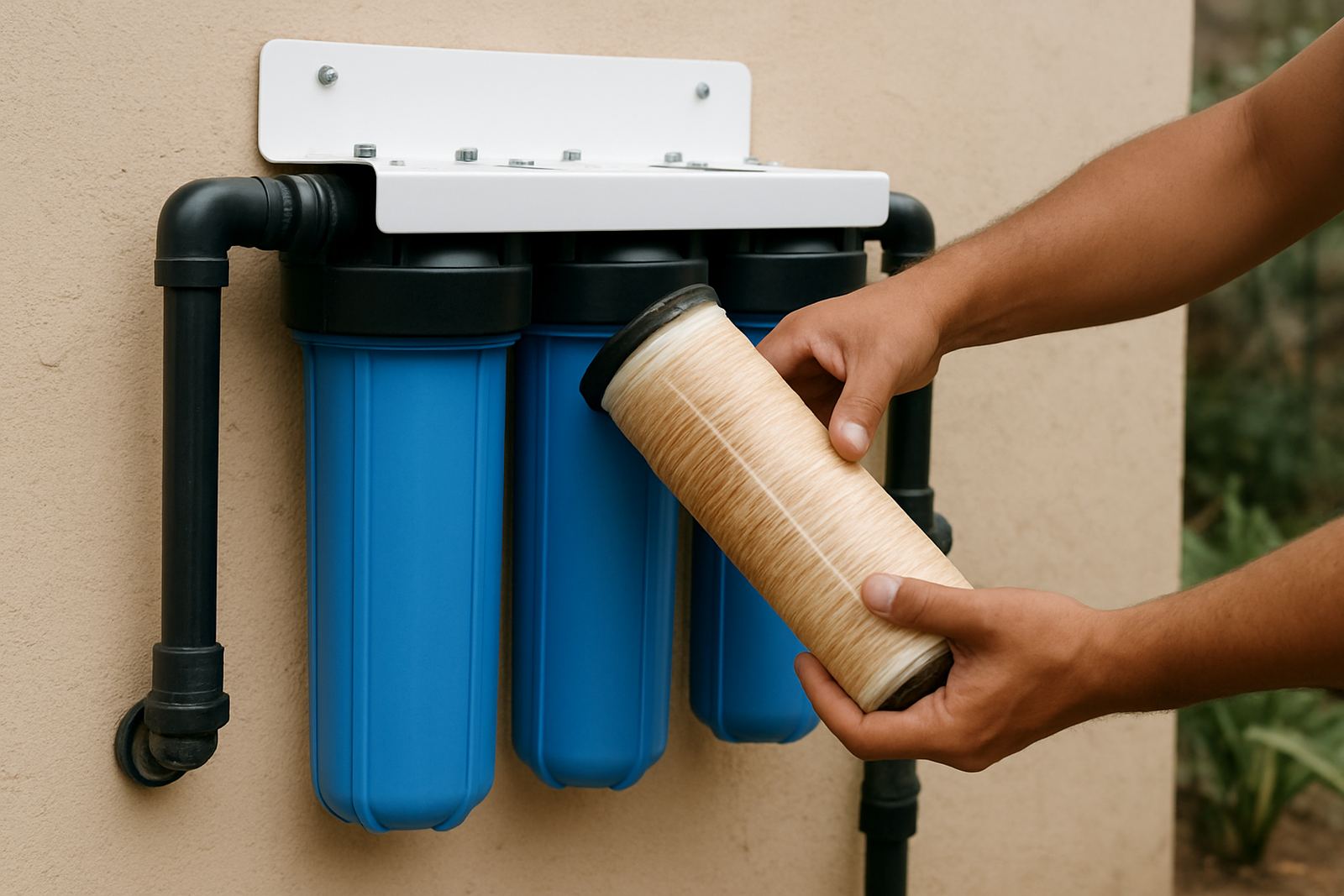
On site, installation support focuses on the critical steps that make a system reliable. We assist with equipment placement, alignment of fittings, safe cable runs, pressure testing and the first fill. For borehole systems, this includes helping the installer confirm pump depth, non-return valve position, and the route from borehole to tank or pressure system. For rain-tank systems, we guide gutter diversion, inlet filtration, first-flush setup and overflow routing. Where filtration is included, we make sure the cartridge order and flow direction are correct so water passes through the system as intended.
We also check practical matters that are often missed in a hurry: adequate space around the tank for cleaning, proper support under heavy tanks, and access for future service work. In hotter parts of the North West and dry inland areas, exposed pipework can soften or crack if it is not protected, so we look at shading and insulation too. A small mistake here can turn into a bigger problem later, especially during peak summer use or after a power cut.
Typical Turnaround And Site Readiness
Turnaround depends on the size of the kit, the number of components, and how ready the site is. For straightforward domestic systems, installation support can usually be scheduled within a few working days, subject to stock movement and delivery timing. More complex farm systems, or sites needing pump adjustments and extra filtration, may need a longer planning window. In most cases, the fastest jobs are the ones where the tank base is ready, the piping route is clear, and the electrician or installer has already confirmed the power supply.
- Simple home kit: usually 1 working day for support and commissioning guidance
- Medium system: 1 to 2 working days depending on layout and testing
- Farm or multi-tank setup: scheduled by agreement after site review
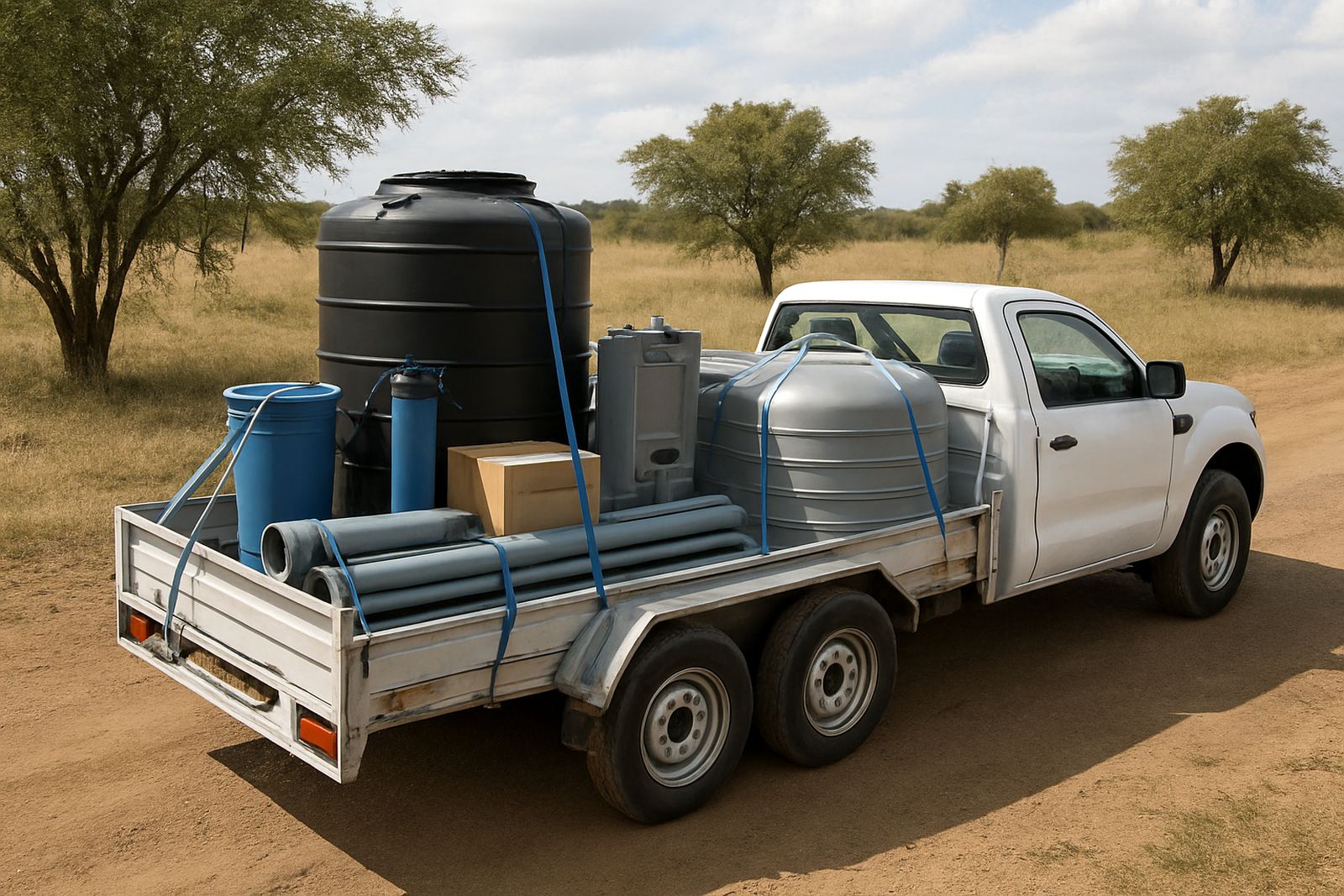
- Delivery coordination available to Brits, Hartbeespoort, Rustenburg, Bloemfontein and the Western Cape
If the site is not ready, we will say so early. That can include unfinished tank slabs, missing fittings, no safe cable route, or a borehole that has not been tested. It is better to pause for a day than to rush and rework the whole system later.
Pricing And What Affects The Cost
Pricing is based on the type of system, the level of support needed, the number of items being commissioned, and the distance to the site. A basic check for a domestic rain-tank kit costs less than hands-on support for a multi-pump farm setup with filtration and backup pressure control. We quote on a practical basis, so you pay for the support required and not for extras you do not need. If a site has difficult access, long pipe runs, or additional testing requirements, that will be reflected in the price upfront.
Because every installation is different, we do not use a one-size-fits-all rate. Some jobs need only a short guidance visit, while others need half a day or more of commissioning checks and fault finding. We can also combine installation support with tank cleaning, water testing, annual maintenance or filter changes when that makes sense. This often saves the customer a second call-out and keeps the system running better through the year.
Maintenance Intervals After Installation
Once the system is running, maintenance should be set at sensible intervals. Filter cartridges are usually checked every 3 to 6 months, depending on water quality and use. Pumps, float switches and pressure settings should be inspected at least once a year, while tanks should be cleaned every 6 to 12 months if the water is exposed to dust, silt or roof runoff. In areas with hard water or higher sediment loads, more frequent checks may be needed. The first month after installation is important too, because any loosened fittings or new pressure issues usually show up early.
For homes and farms in South Africa, especially where water supply interruptions are common, preventative maintenance is cheaper than emergency repair. We encourage customers to keep a simple record of filter dates, pressure readings and any changes in flow. That makes fault finding faster if something changes later on.
Who Manages The Work
Hydrated is based in Brits, North West, and the team is led by Pieter Johannes van der Merwe. Site coordination is handled by Ayanda Nkosi, logistics by Kabelo Molefe, and technical guidance by Zander Snyman. Morne du Toit oversees installation support on the ground, while Thandiwe Maseko and Ntombizodwa Shirinda help keep customers updated and jobs moving. This means the person planning the job, the person moving the equipment, and the person checking the install are all working from the same file.
That kind of coordination matters when equipment is being delivered to Pretoria, Hartbeespoort, Rustenburg, Bloemfontein or the Cape. It helps avoid delays, missing parts and unnecessary rework. Clients reach us through the enquiry form on our contact page, and we respond with the next steps based on the kit, the site and the timing available. Simple, practical and no fuss.
Key facts
| Supported systems | Borehole, rain-tank and water-filtration kits |
|---|---|
| Typical pressure range | Adjusted to site demand and pump capacity, usually 1.5 to 4.0 bar |
| Common pipe sizes | 20 mm, 25 mm, 32 mm and 40 mm, depending on flow rate |
| Tank sizes covered | 500 L to 10,000 L and above for larger farm setups |
| Maintenance timing | Filter checks every 3 to 6 months, tank cleaning every 6 to 12 months |
| Service area | Brits, Pretoria, Hartbeespoort, Rustenburg, Bloemfontein, Paarl, Stellenbosch and Somerset West |