What a Tank Transfer Kit Does on Site
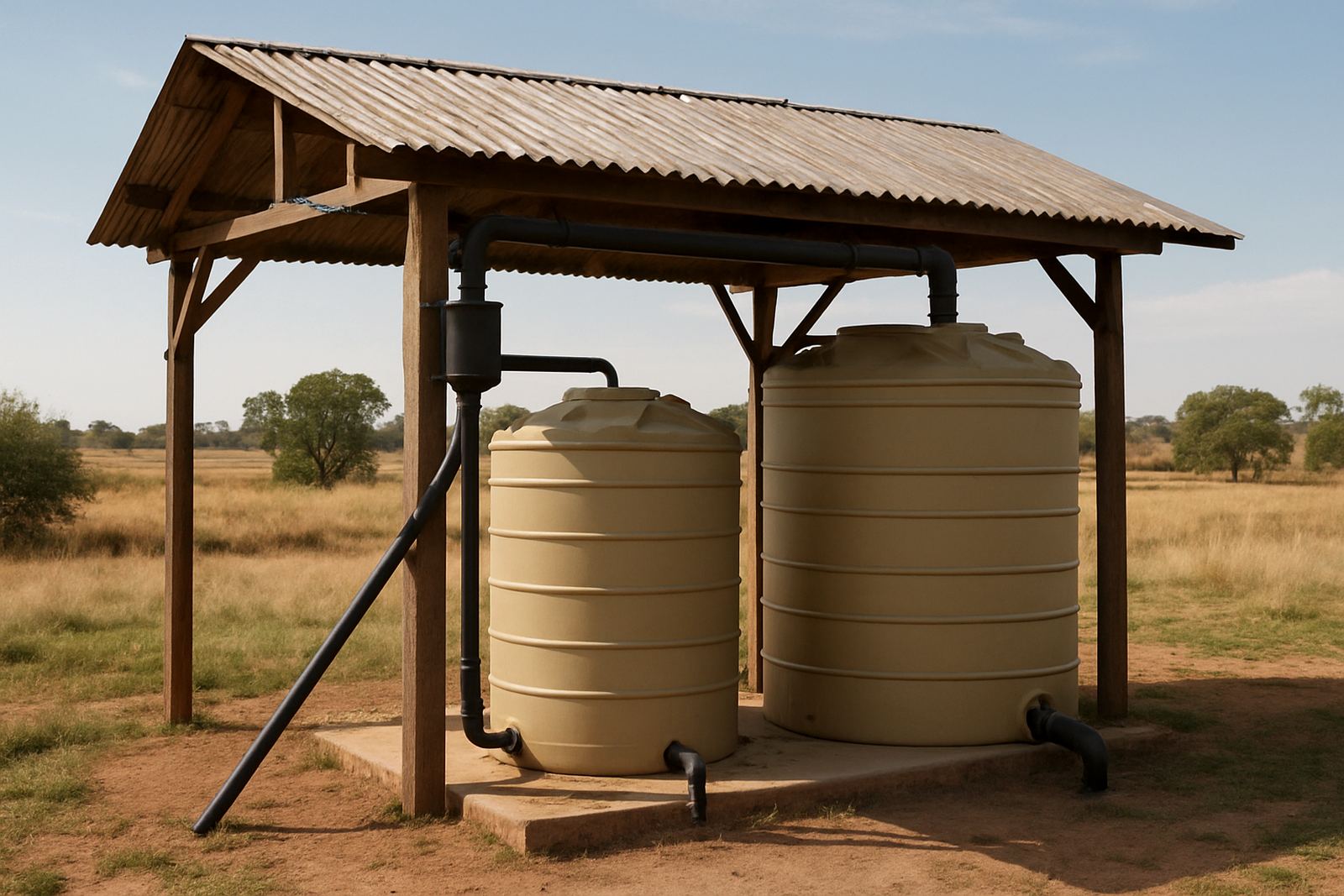
A tank transfer kit links two or more tanks so water can move from a full tank to a reserve tank, or from a source tank into a header tank for daily use. In practice, it helps manage storage when you have uneven supply, limited pump run times during load-shedding, or a need to keep backup water ready for irrigation, livestock or household use.
The set is put together for practical work in South African conditions. On coastal properties it must cope with humidity and corrosion, while inland farms may need it to handle dust, heat and longer pipe runs. A good transfer kit also reduces spillages and keeps the line under control when tanks are mounted at different heights or the transfer point is some distance away.
- Moves water between tanks without constant manual filling
- Helps keep reserve water available for outages and dry spells
- Suitable for borehole, rainwater and stored municipal water applications
- Can be used on plastic, steel or concrete tanks with the correct fittings
Sizes, Flow Rates and Kit Options
Tank transfer kits are usually selected by pipe size, tank count and the flow rate you need. Smaller domestic setups often use 25 mm or 32 mm pipework, while larger farm and yard systems may call for 40 mm or 50 mm lines to reduce friction and keep transfer times down. The right size depends on the pump output, the distance between tanks and how quickly you need the water moved.
Options can include a manual valve set, a pump-assisted transfer arrangement, or a gravity-fed link where the levels allow it. Some orders include a float valve to stop overfilling, and others use non-return valves to prevent backflow into the source tank. If the line runs through hot sun or across open ground, UV-rated pipe and proper clamps are worth including.
- 25 mm for smaller domestic transfer lines
- 32 mm for medium homes, guest units and light farm use
- 40 mm and 50 mm for higher flow and longer runs
- Manual, float-controlled or pump-assisted transfer options
Where It Suits Best in Homes and Farms
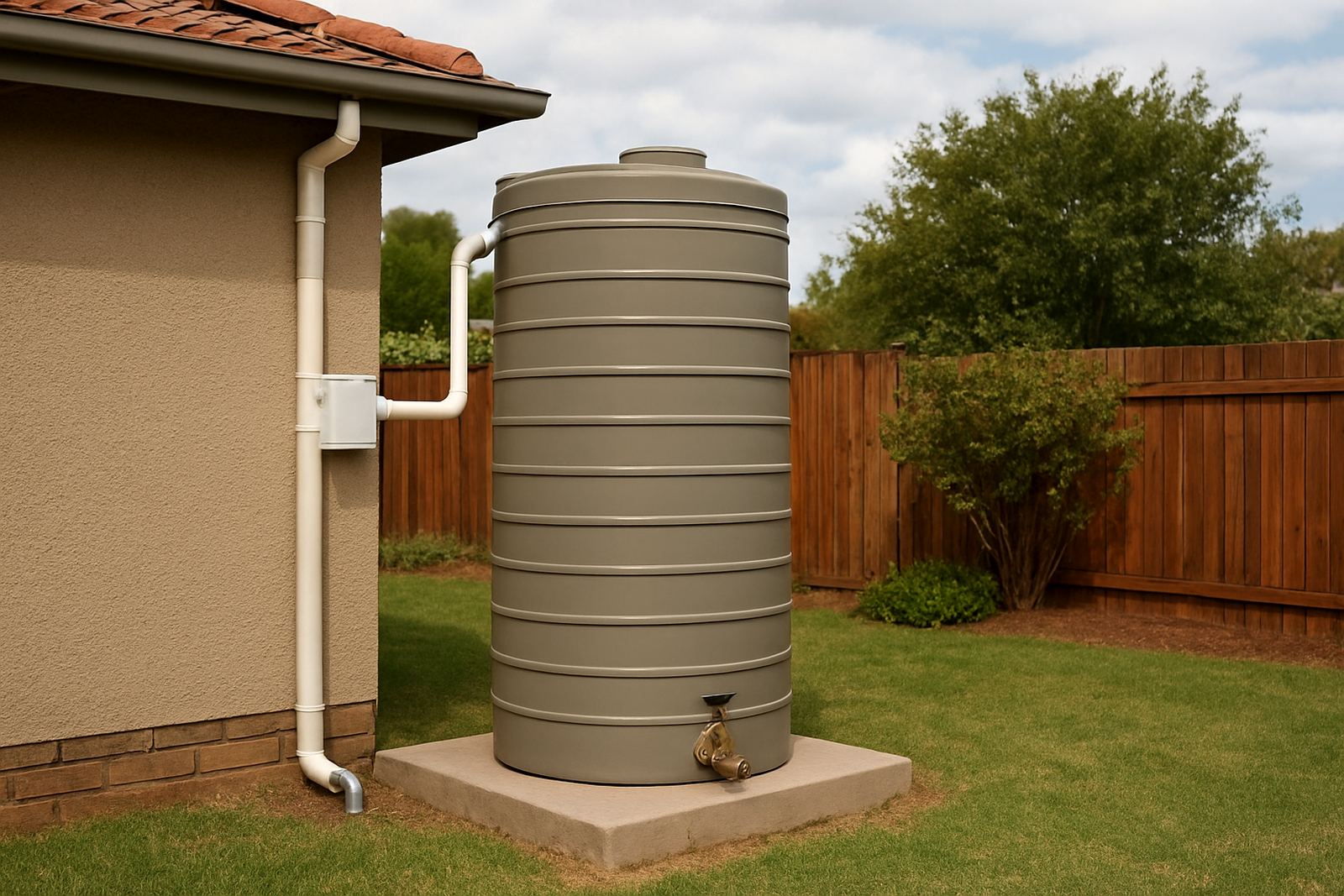
This kit suits a wide range of properties across Pretoria, Brits, Hartbeespoort, Rustenburg, Bloemfontein and the Western Cape. In towns and suburbs it is often used to shift rainwater from one storage tank to a day-use tank for toilets, gardens or backup supply. On farms it can move water between bulk tanks near a borehole, workshop, shed or packhouse, making storage easier to manage when the main line is not always available.
It also works well where there are different water needs on one property. For example, a household may want one tank for filtered water and another for garden or utility use. A smallholding may need a reserve tank for animals and another for washing down equipment. If your water source is intermittent, the transfer set gives you more control over how and when each tank fills. That can be a real help during dry months or when municipal pressure drops.
Installation, Pumping and Power Needs
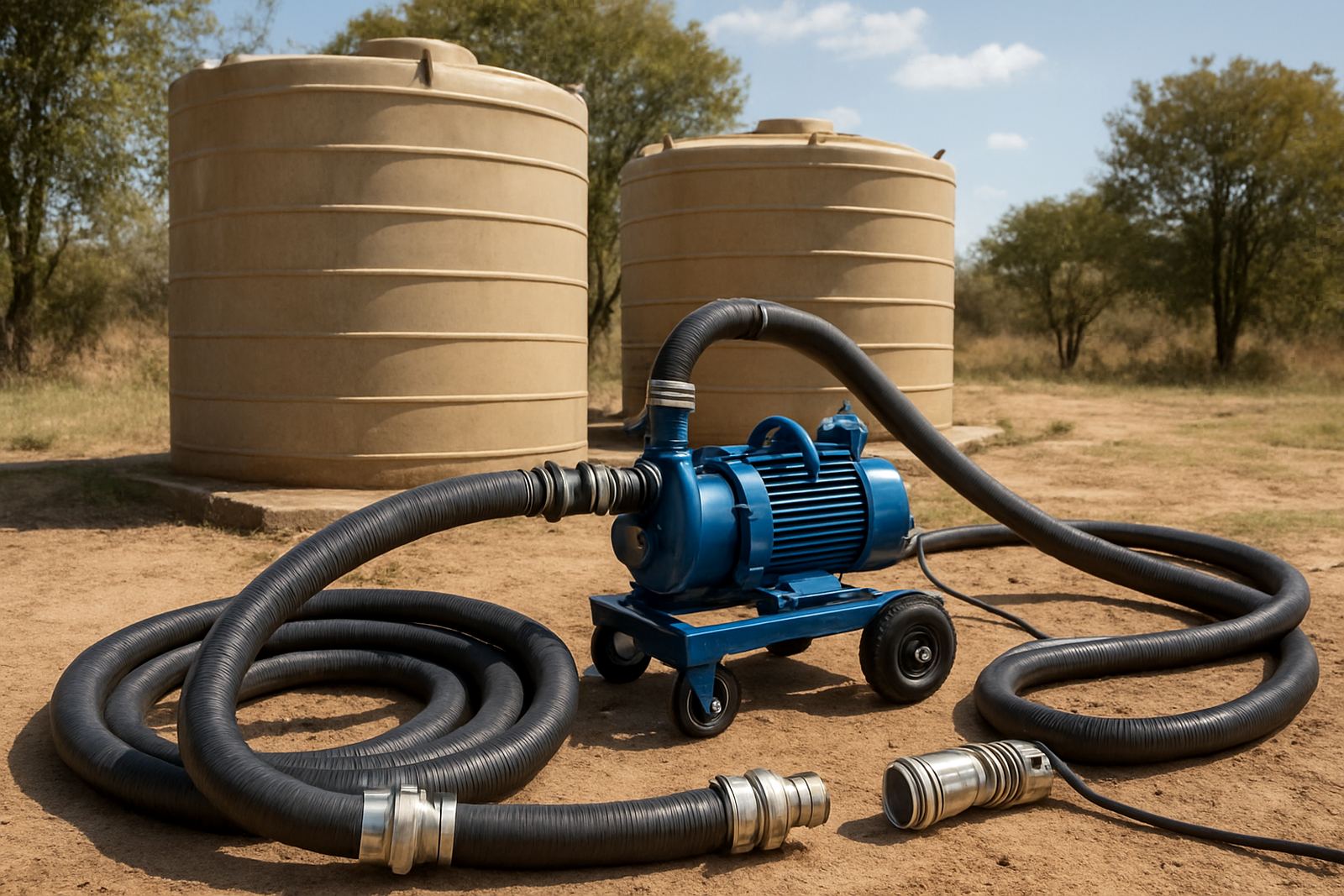
Installation depends on whether the transfer is gravity-fed or pump-assisted. A gravity system needs the source tank higher than the receiving tank, plus the right shut-off valve and overflow route. A pumped system needs a transfer pump, electrical supply and the correct controls so the pump does not run dry or dead-head against a closed valve. Where there are frequent outages, many clients pair the kit with a backup power source or a manual transfer arrangement for emergencies.
The pipe run should be kept as short and straight as possible, with supports every few metres and extra protection where animals, vehicles or sharp edges may damage the line. If the system is near a coast, corrosion-resistant fittings and proper sealing matter more than people think. On borehole-fed properties, pressure checks are important because a small mismatch in pump size can cause poor transfer, noisy operation or unnecessary wear.
- Needs only pipe, valves and fittings for gravity-fed use
- Pump-assisted systems need electrical supply and control protection
- Can be linked to a timer, float switch or level control setup
- Best installed with proper support, isolation valves and overflow routing
Care, Cleaning and Ongoing Servicing
A transfer kit needs little attention if it is installed correctly, but regular checks prevent bigger problems later. Valves should be opened and closed from time to time so they do not seize. Pipe joints need inspection after heavy winds, tank movement or earth settling. If the water is used for washing, animals or household supply, the tanks and line should also be cleaned at sensible intervals to stop sludge, algae and sediment build-up.
In areas with hard water, scale can narrow small fittings and reduce flow. In dusty parts of the North West or Free State, strainers and filters may need more frequent attention. If there is any sign of air leaks, slow filling, pump cycling or unusual noise, the system should be checked before the fault spreads. A simple annual service is usually enough for many installations, though farm systems with heavier use may need more frequent attention.
What to Check Before You Order
Before ordering, measure the tank size, outlet position and the distance between tanks. It also helps to know whether the transfer will be uphill, level or downhill, and whether you need manual filling, automatic level control or pump-assisted transfer. If the tanks are on different foundations or at different heights, the fitting layout may need to change. A clear site assessment saves time and avoids buying the wrong pipe size or valve arrangement.
Have the following details ready when you enquire, so the kit can be matched properly to your site and water use. It is much easier to sort this upfront than to rework fittings after delivery.
- Number of tanks and their litre capacity
- Distance between tanks and height difference
- Water source type, such as borehole, rainwater or stored supply
- Preferred pipe size and whether you need a pump included
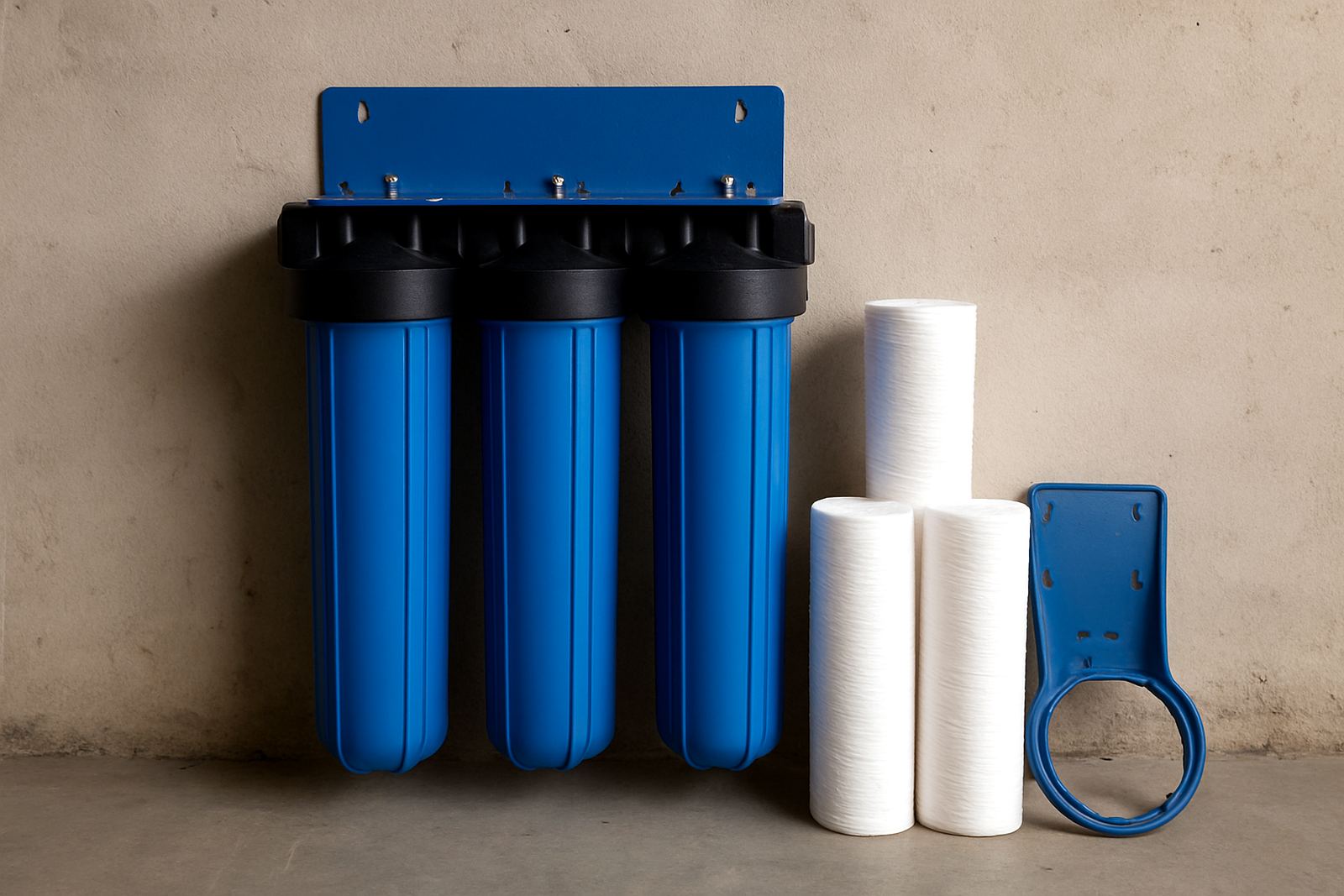
- Any need for filtration, float control or backflow prevention
- Site location for delivery and installation support
Key facts
| Product type | Tank transfer kit for moving water between storage tanks |
|---|---|
| Typical pipe sizes | 25 mm, 32 mm, 40 mm and 50 mm |
| Common materials | UV-rated pipe, valves, fittings and seals suited to water transfer |
| Control options | Manual valve, float control or pump-assisted transfer |
| Use cases | Domestic backup water, rainwater storage, borehole storage and farm reserve tanks |
| Service support | Site assessments, system sizing, installation support and commissioning checks |