What A Carbon Filter Kit Does In Everyday Water Use
A carbon filter kit uses activated carbon to improve water quality by reducing bad taste, odour and a range of dissolved organic compounds. It is commonly fitted after sediment filtration, and in some systems after a UV unit or pressure pump, depending on the water source and the end use. For borehole water in places like Brits, Hartbeespoort and Rustenburg, it is often used where the water smells earthy, looks slightly discoloured or leaves an unpleasant taste in drinking water and kitchen taps.
The kit is built for practical use on South African homes and farms, with enough flow capacity to suit a single household or a larger point of entry setup. It is not a full sterilisation system on its own, so the water test must guide the final setup. If the water has iron staining, heavy sediment or high hardness, carbon is usually only one part of the treatment train, not the whole answer.
- Improves taste and smell in treated water
- Helps reduce organic contamination and chlorine by-products where applicable
- Works well as a finishing stage after pre-filtration
- Suitable for borehole and rainwater systems with the right pretreatment
Kit Sizes, Flow Rates And Pressure Options
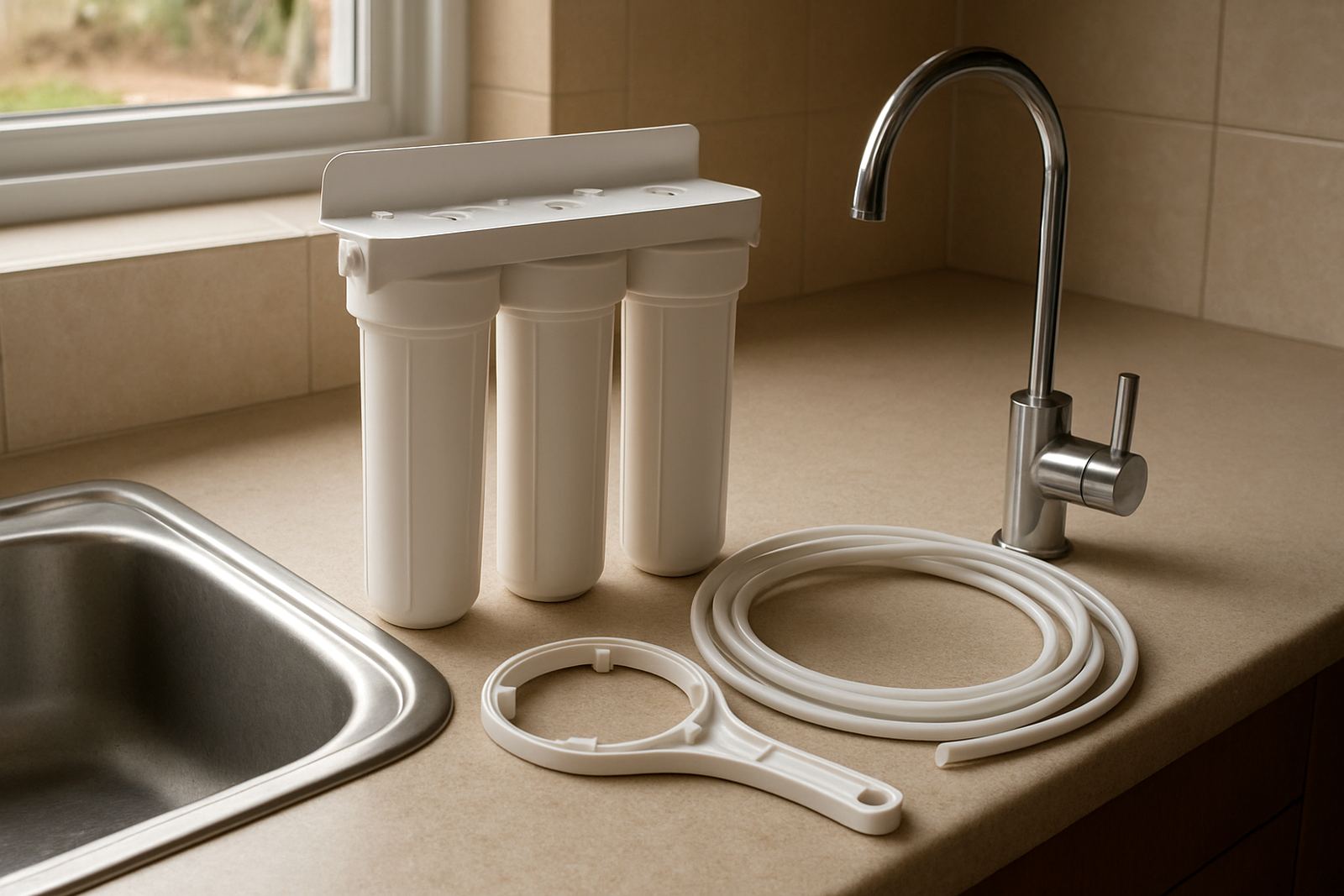
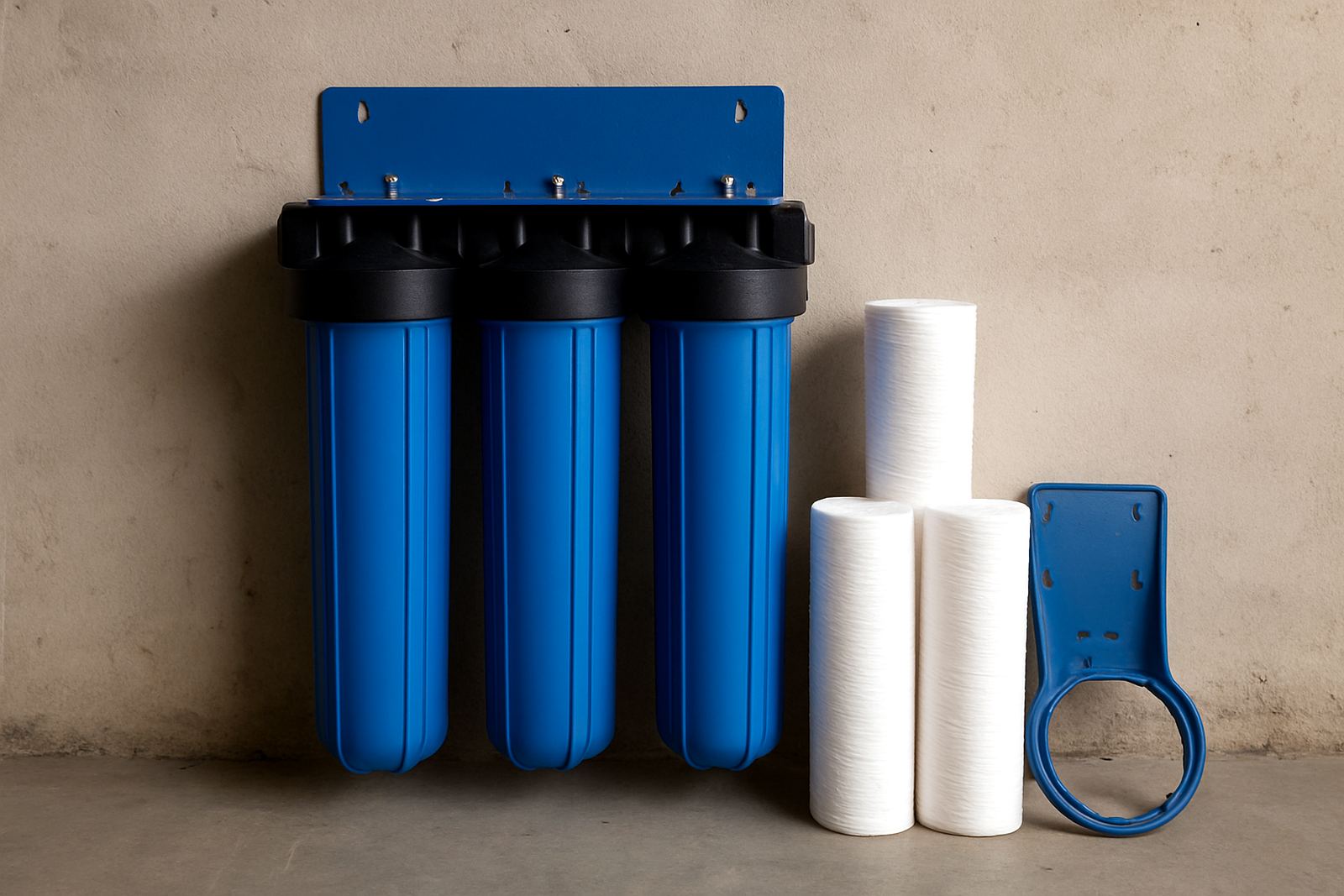
Hydrated supplies carbon filter kits in different sizes so the system can match the daily demand, pipe size and pump output. Small household kits are suited to 1 bathroom homes or a kitchen drinking line, while larger 20 inch and multi-housing systems are more suitable for farms, guest units and houses with higher water use. In humid coastal areas such as the Western Cape, a sealed installation and proper drainage help keep the housing and fittings in good condition.
Selection is based on flow rate, water quality and available space. Where the supply is gravity-fed from a tank, the pressure may be too low for a standard pressure vessel so a pump may be needed. On pumped systems, the filter must be sized so it does not choke the line or cause unnecessary pressure drop when taps are opened during load-shedding or after a long outage.
- Typical cartridge sizes: 20 inch slimline, 10 inch or larger vessel-based units
- Flow options generally suit 1 000 to 6 000 litres per hour, depending on media bed and housing size
- Operating pressure commonly set to suit domestic pumps and booster systems
- Can be configured for a single tap point or whole-house treatment
Where A Carbon Filter Fits Best
This treatment is best used where the water is already safe enough to use as a source but needs polishing for taste, smell and certain organics. It suits borehole water with a noticeable earthy smell, rainwater that has picked up roof debris or tank odour, and municipal or mixed supply water where the final taste is the main complaint. Around Pretoria and Bloemfontein we often see it used on household supply lines, while on farms near Paarl and Stellenbosch it can support kitchen water, staff housing and small processing areas.
It also works well in systems that already have a sediment stage ahead of it. Without that first stage, the carbon can block too quickly and your replacement cost goes up. If the water carries a lot of silt from a new borehole or from a rain tank after first flush, we usually recommend a pre-filter first, then carbon and then disinfection where needed.
- Homes using borehole water for drinking and cooking
- Smallholdings, farms and guest units
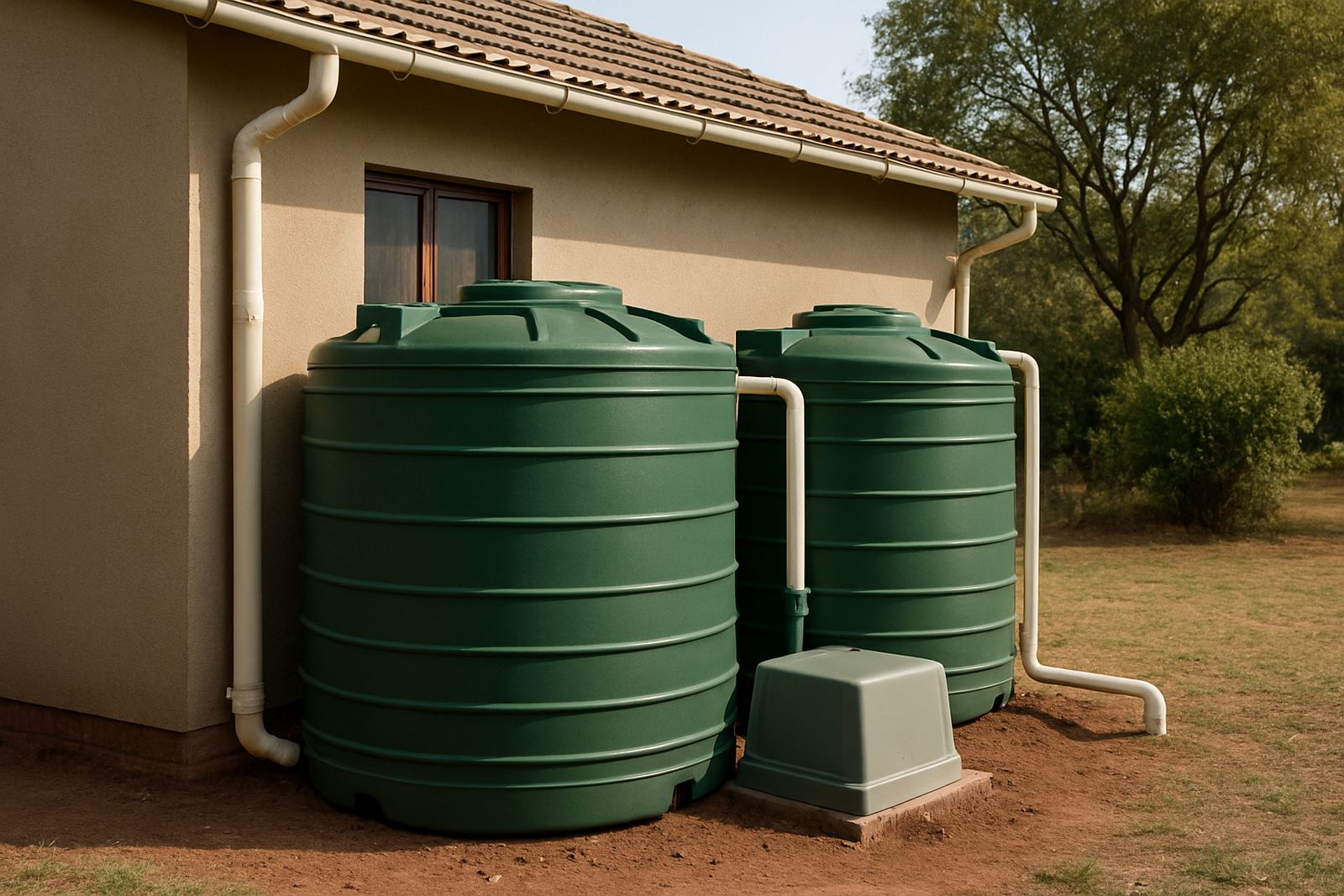
- Rainwater harvesting systems with roof and tank odours
- Water treatment lines where final taste is important
Installation, Power Needs And Practical Setup
The carbon kit is installed inline with the plumbing and normally needs a bypass arrangement so the system can be serviced without shutting down the whole property. For pressure vessels, the unit is placed after the pump and before the final distribution line. If the setup includes a booster, UV unit or flow switch, the order matters and should be checked during the site assessment. A proper installation also allows for flushing after cartridge or media changes so loose carbon does not travel into the home.
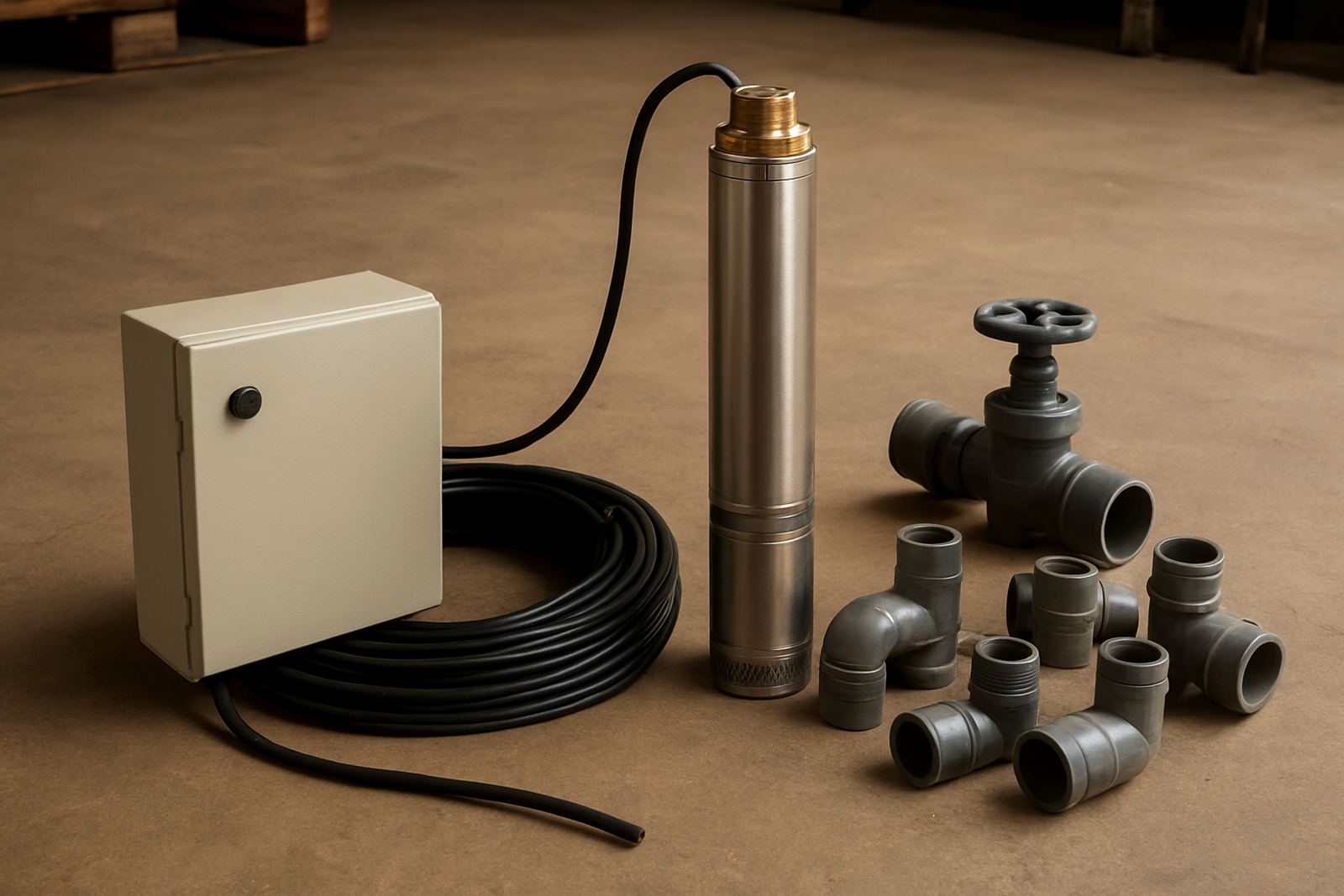
Most carbon filter kits do not need electricity if they are passive cartridge units. Larger pressure systems may sit beside an existing pump set and only use power through that pump. If your water system depends on electricity, especially during load-shedding, it is worth checking whether the pump has backup power or a storage tank. In some cases a small solar or inverter supply is enough to keep water moving, but the filter itself does not create pressure.
- Requires correct inlet and outlet sizing to prevent pressure loss
- Bypass valves are recommended for servicing and emergency use
- No gas supply is required
- Flushing after installation helps clear fines and trapped air
Care, Cartridge Changes And Ongoing Servicing
Carbon media does not last forever. Once the cartridge or bed is saturated, the water can start to taste flat again or the smell may return. In homes with low water use, service intervals can be longer, while a busy farm kitchen or guest lodge may need more regular changes. If the raw water quality changes after heavy rain, borehole recovery or tank cleaning, the carbon stage should be checked sooner rather than later.
Routine care is simple but important. Keep an eye on pressure loss, flow rate and any sign of channeling or bypass inside the housing. A yearly inspection is a sensible start for many domestic systems, and more frequent checks are useful where the water carries organic matter or the system runs hard every day. We also recommend water testing when the taste changes, especially if the system sits on a borehole that is not sampled often.
- Replace cartridges or media when odour or taste returns
- Check seals, housings and pressure gauges during servicing
- Pre-filters may need more frequent changes than carbon
- Tank cleaning can improve overall filter life
What To Check Before You Order
Before ordering, it helps to know where the kit will sit in the plumbing line, how much water the property uses and what problem you want to fix. A carbon filter can do a good job on taste and smell, but it will not solve all borehole issues on its own. If you are unsure, send in the water details through the enquiry form and we can help size the kit properly for your site in Brits, Pretoria, Hartbeespoort, Rustenburg, Bloemfontein or further afield.
Good ordering details save time and cut down on return trips. Measure the available wall or floor space, check pipe diameter, note whether the system is gravity-fed or pumped and tell us whether the water is for drinking only or for the whole house. If you are on a farm, mention livestock use, irrigation demand and whether there is a storage tank in the line. That way the kit can be matched to the actual load and not just the hoped-for one.
- Raw water source: borehole, rain tank or mixed supply
- Problem noticed: taste, smell, visible colour or organic matter
- Required flow rate and number of taps
- Space available and whether a bypass is possible
Key facts
| Product type | Carbon treatment kit for point-of-entry or selected point-of-use water treatment |
|---|---|
| Typical use | Taste and odour reduction, organic contaminant reduction, finishing stage after sediment filtration |
| Common sizes | 10 inch cartridges, 20 inch slimline, and larger vessel-based options |
| Flow range | About 1 000 to 6 000 litres per hour depending on configuration |
| Power requirement | Usually none for cartridge units; larger systems rely on the existing pump |
| Service interval | Depends on water quality and use, with periodic cartridge or media replacement recommended |