What a Solar Borehole Kit Includes
This kit is put together for boreholes that need steady pumping without depending fully on municipal power. It is typically supplied as a matched set, so the pump, controller, cabling and fittings work together from the start. For many properties in Pretoria, Hartbeespoort, Rustenburg and rural parts of the Western Cape, that means less guesswork and fewer site changes on installation day.
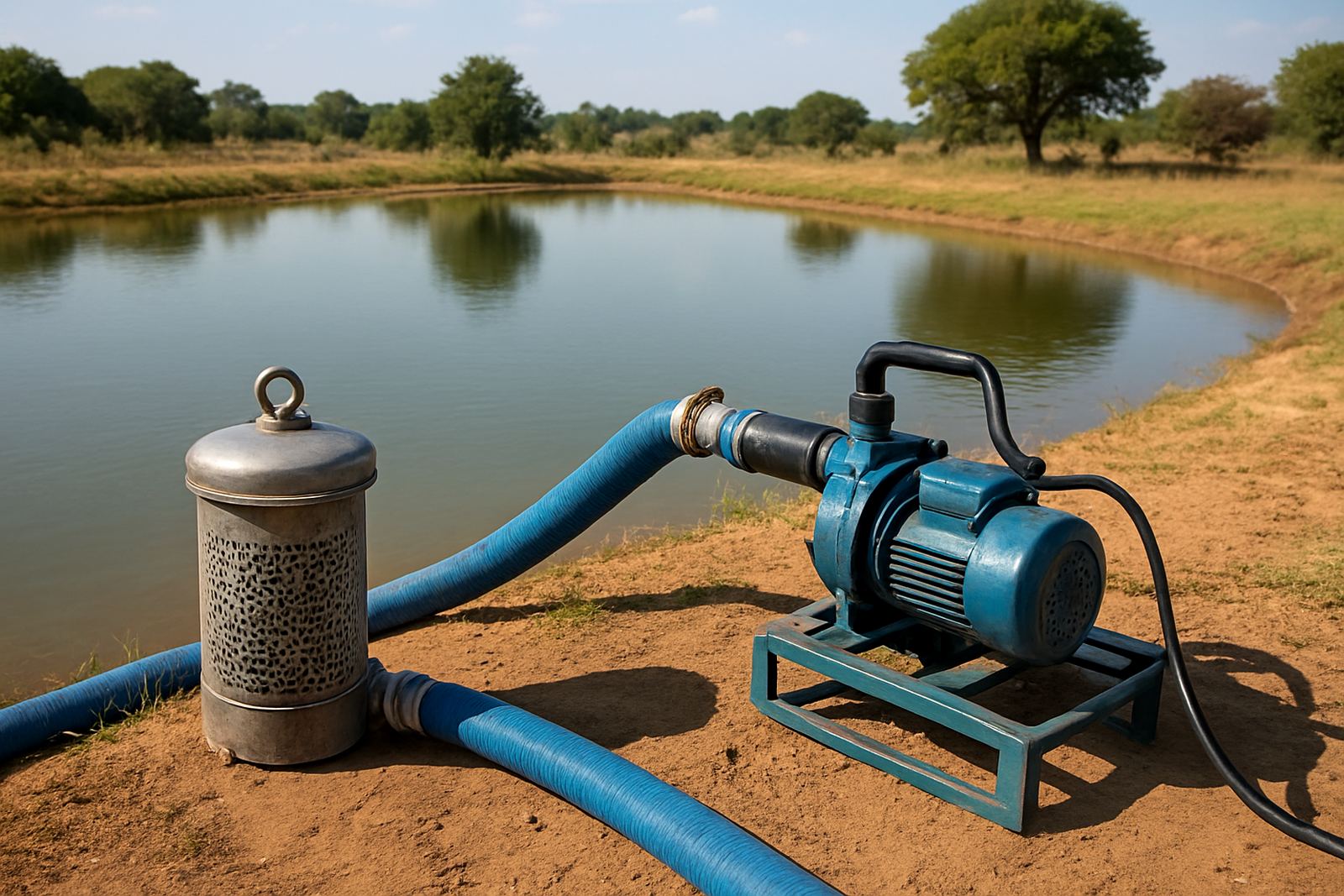
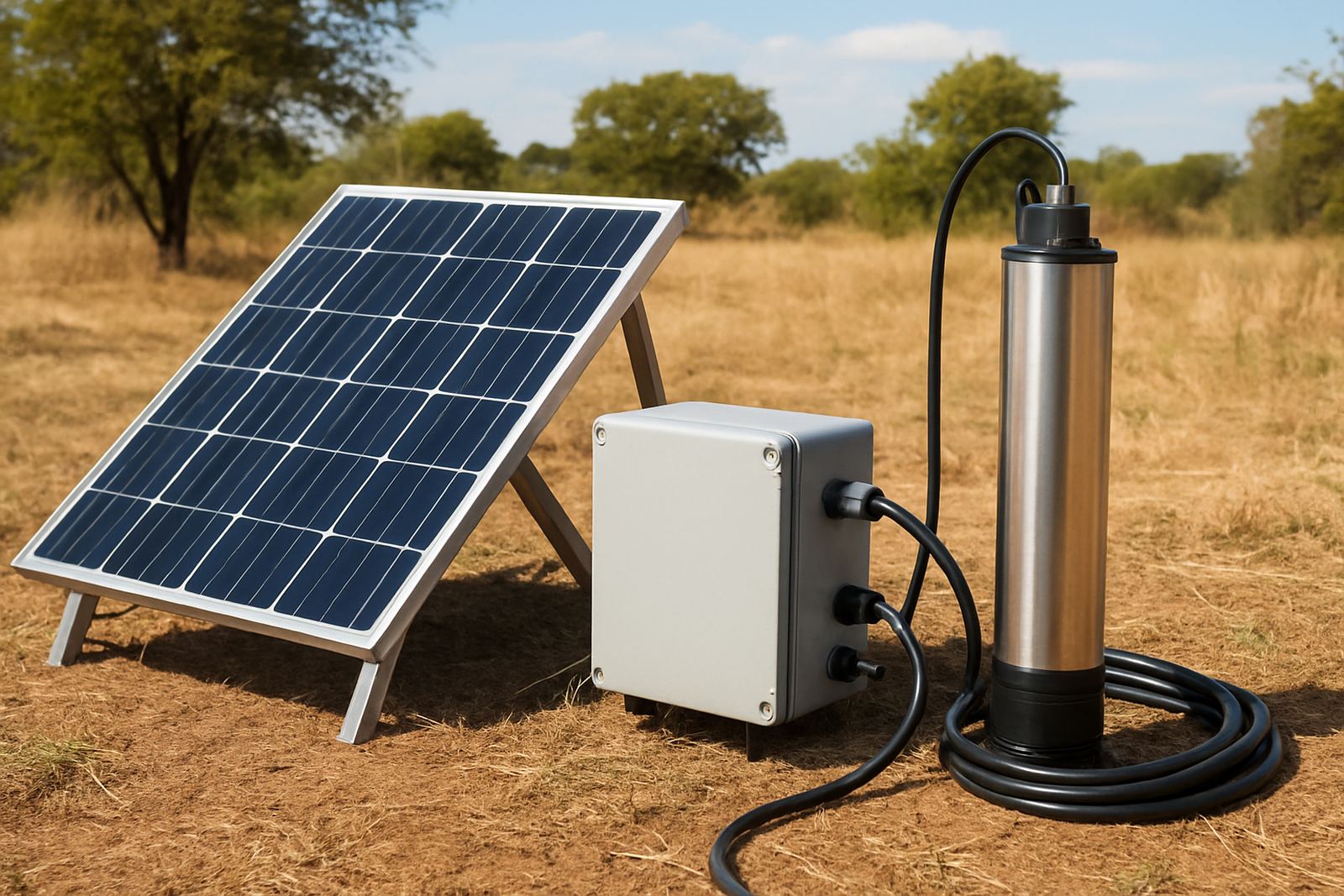
A standard solar-ready kit usually includes the borehole pump, a controller, protection equipment, pipework fittings and connection accessories. Depending on the water depth and daily demand, the kit can also be set up to work with storage tanks, pressure control and filtration. It is suitable for new boreholes as well as upgrades to older systems that need a more dependable supply.
- Pump matched to borehole depth and water yield
- Controller for pump protection and speed management where applicable
- Cabling, joints and fittings sized for the installation
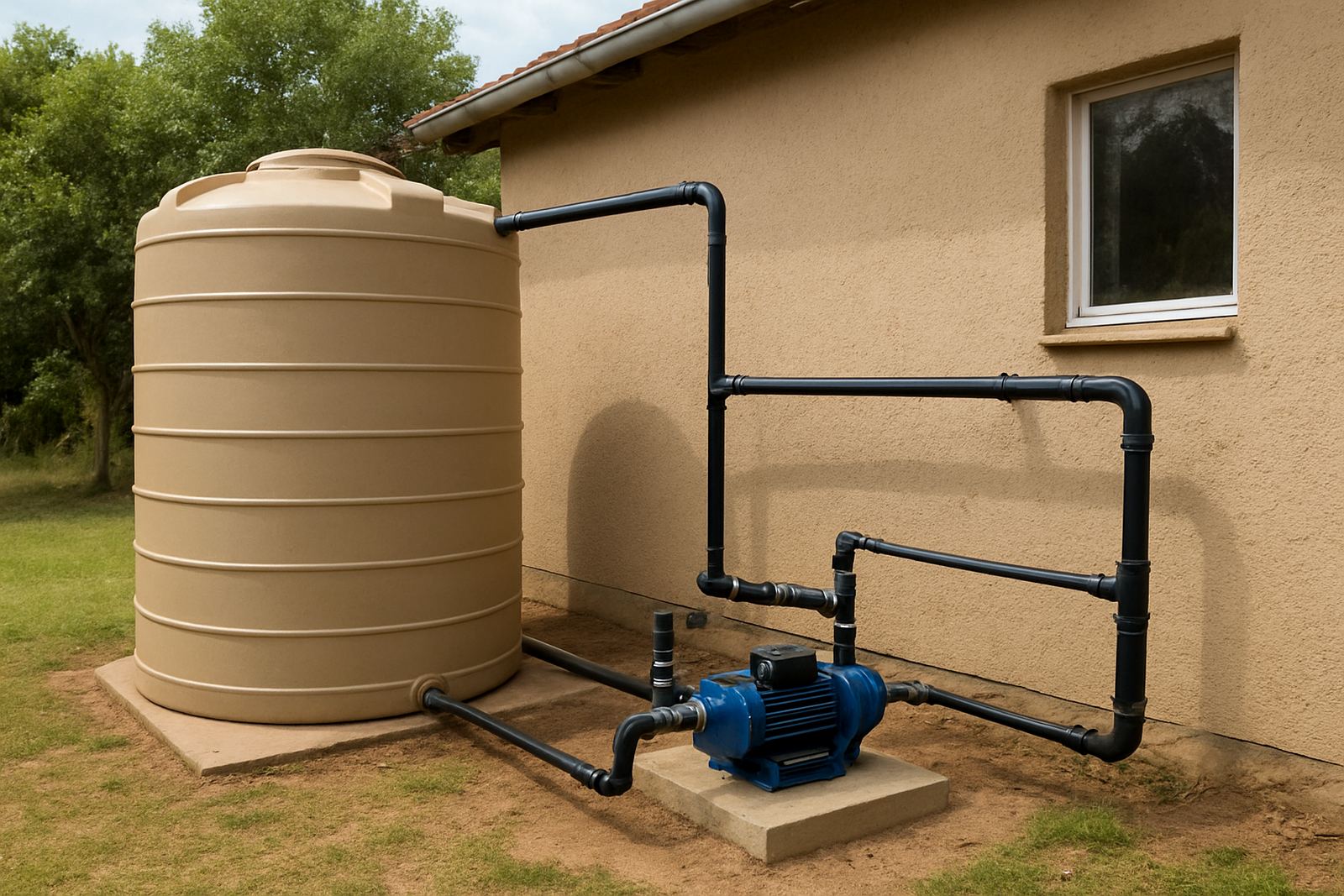
- Connection points for storage tanks, pressure pumps or filters
Sizes and Options for Different Water Needs
Not every borehole needs the same setup. A home with a 2 500 litre tank and garden use will need a very different arrangement from a farm with cattle troughs, staff accommodation and irrigation support. That is why the kit is sized around lift, flow rate and how many hours a day the pump must run. In areas with load-shedding or weak supply, we often recommend a setup that can fill storage during sunlight hours and let the tank carry demand later.
Common options include smaller domestic kits, mid-size systems for smallholdings, and larger arrangements for farm use. The final choice depends on borehole depth, static water level, distance to the tank, and whether you need direct supply or storage first. For coastal and humid areas such as Somerset West or Paarl, we also look at corrosion resistance and enclosure placement.
- Domestic kits for homes and cottages
- Smallholding kits for livestock and mixed use
- Farm kits for higher daily volumes and longer pumping periods
- Options for storage tanks, filtration and pressure control
Where the Kit Works Best
This product suits off-grid sites, low-grid areas and properties that want to cut dependence on daytime power. It is a good fit for farmyards, guesthouses, schools, small factories, remote homes and agricultural water points. In North West, the kit is often used where boreholes need to keep moving water to tanks before midday heat and afternoon demand set in.
It is also useful where municipal rules or water restrictions make storage important. A borehole that feeds a header tank can help with predictable supply for toilets, washing, livestock or garden irrigation. For homes and farms that already use rainwater harvesting, the kit can be paired with a tank and filtration stage to improve day-to-day water use, and yes that can make a big difference in dry months.
Installation, Power Supply and Water Storage
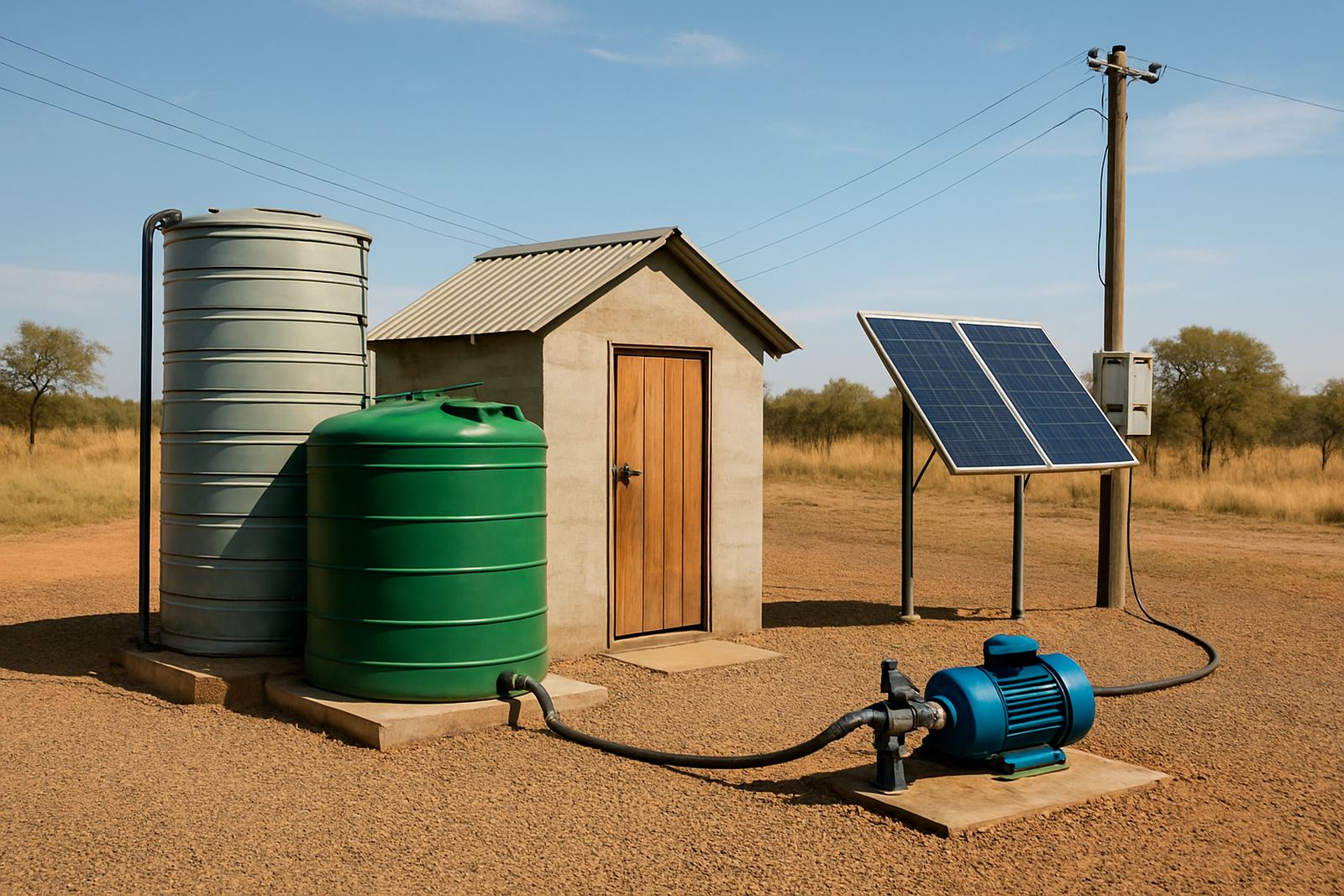
The system needs proper installation to perform well. The pump must be set at the right depth, the controller must be protected from weather and voltage swings, and the pipework must be sized so the pump does not labour. In many cases the kit is paired with solar panels and a battery or hybrid power setup, but the exact power arrangement depends on the borehole and the daily water requirement. For some properties, the pump can run directly from solar during the day and store water in tanks for use later.
Before ordering, check the borehole log, the measured depth, water yield and the distance from borehole to tank. Also confirm whether you need a direct pressure system, a storage-first system, or a combination with filtration. If the site has long cable runs or uneven terrain, that must be allowed for in the layout so the system does not lose too much performance.
- Borehole depth and static water level
- Daily water demand in litres
- Distance to tank and height to lift water
- Available solar power or hybrid power arrangement
- Need for pressure pump, float switch or dry-run protection
Care, Servicing and Ongoing Maintenance
Like any water system, a borehole kit needs regular checks if you want it to last. Sediment, electrical issues and changing water conditions can all affect performance over time. We recommend inspection of the pump, controller, fittings and tank connections at set intervals, especially after heavy rain, lightning events or long dry spells. Coastal humidity can also affect exposed connections and metal parts if they are not protected properly.
Servicing usually includes fault finding, pump checks, filter changes where fitted, water testing, tank cleaning and annual maintenance. If the borehole starts delivering less water than normal, or the pump cycles too often, that should be checked early before it becomes a bigger repair. A little care now saves a lot later, especially on sites that depend on one borehole for the whole property.
- Check for leaks, low flow and unusual pump noise
- Keep controller housings dry and secure
- Inspect filters and replace them when flow drops
- Clean tanks and test water quality on a routine basis
What to Check Before You Order
Ordering the right kit starts with good information. If the borehole is undersized or the pump is too strong for the yield, the system may run dry. If the kit is too small, the tank may never fill properly. We ask clients to share site details so the system can be matched properly before delivery and installation support is arranged from Brits or one of our service areas.
Useful details include the borehole depth, the water yield, intended use, tank size and whether the site has existing electrical infrastructure. If you are in Pretoria, Hartbeespoort, Rustenburg, Bloemfontein, Paarl, Stellenbosch or Somerset West, it also helps to note access for delivery trucks and any gate or loading restrictions. That way the kit arrives with the right parts and the job can move faster.
- Borehole report or recent test results
- Tank capacity and location
- Whether the site is home, farm or mixed use
- Preferred power setup and backup plan
- Access details for delivery and installation support
Key facts
| Product type | Solar-ready borehole pumping kit |
|---|---|
| Typical use | Homes, smallholdings, farms, guesthouses and remote sites |
| Water delivery range | Sized to borehole yield, depth and daily demand |
| Power arrangement | Solar direct, hybrid, or solar with storage support |
| Installation support | Site assessment, commissioning checks and fault finding |
| Maintenance options | Pump servicing, water testing, tank cleaning and annual maintenance |