What the off grid water kit includes
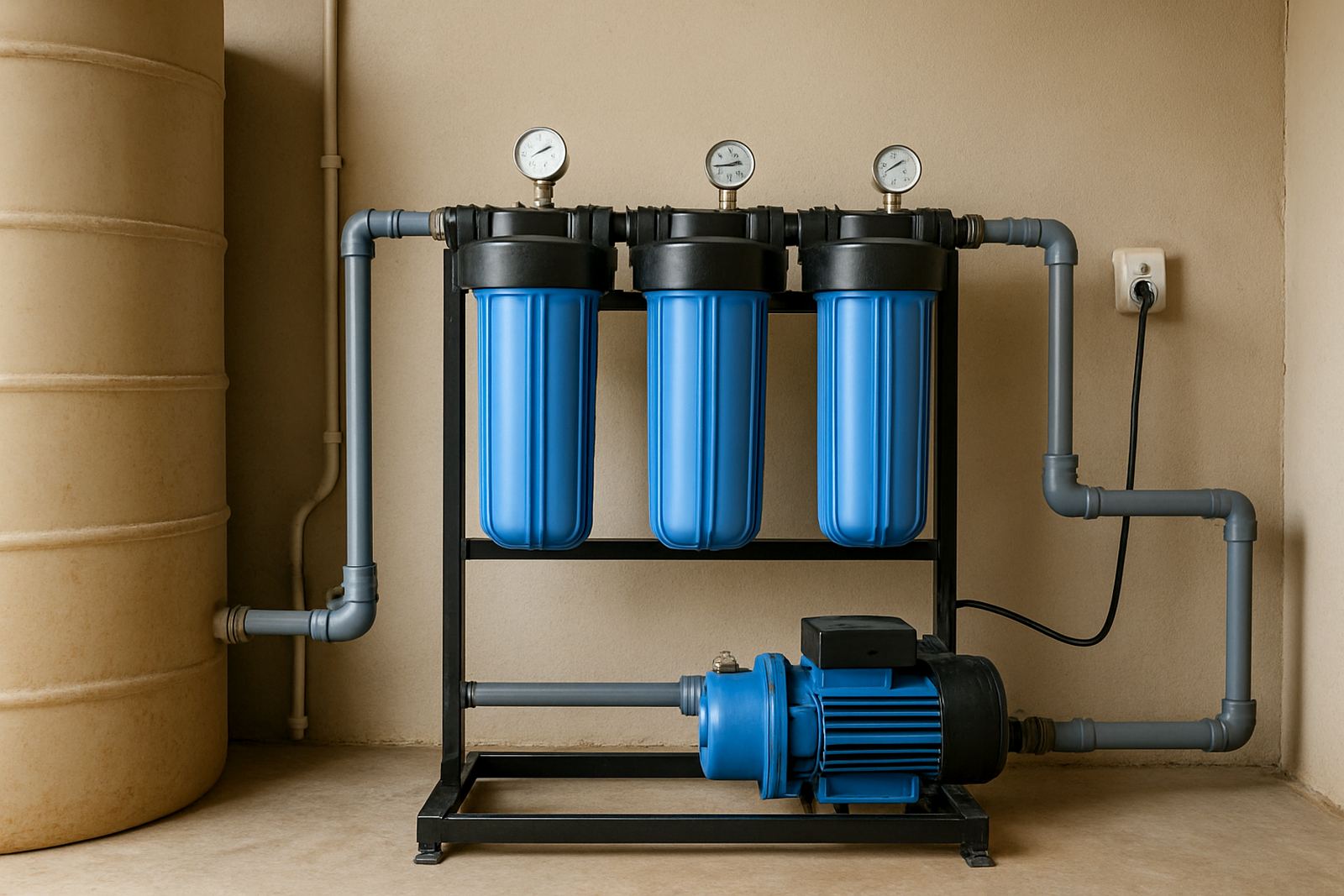
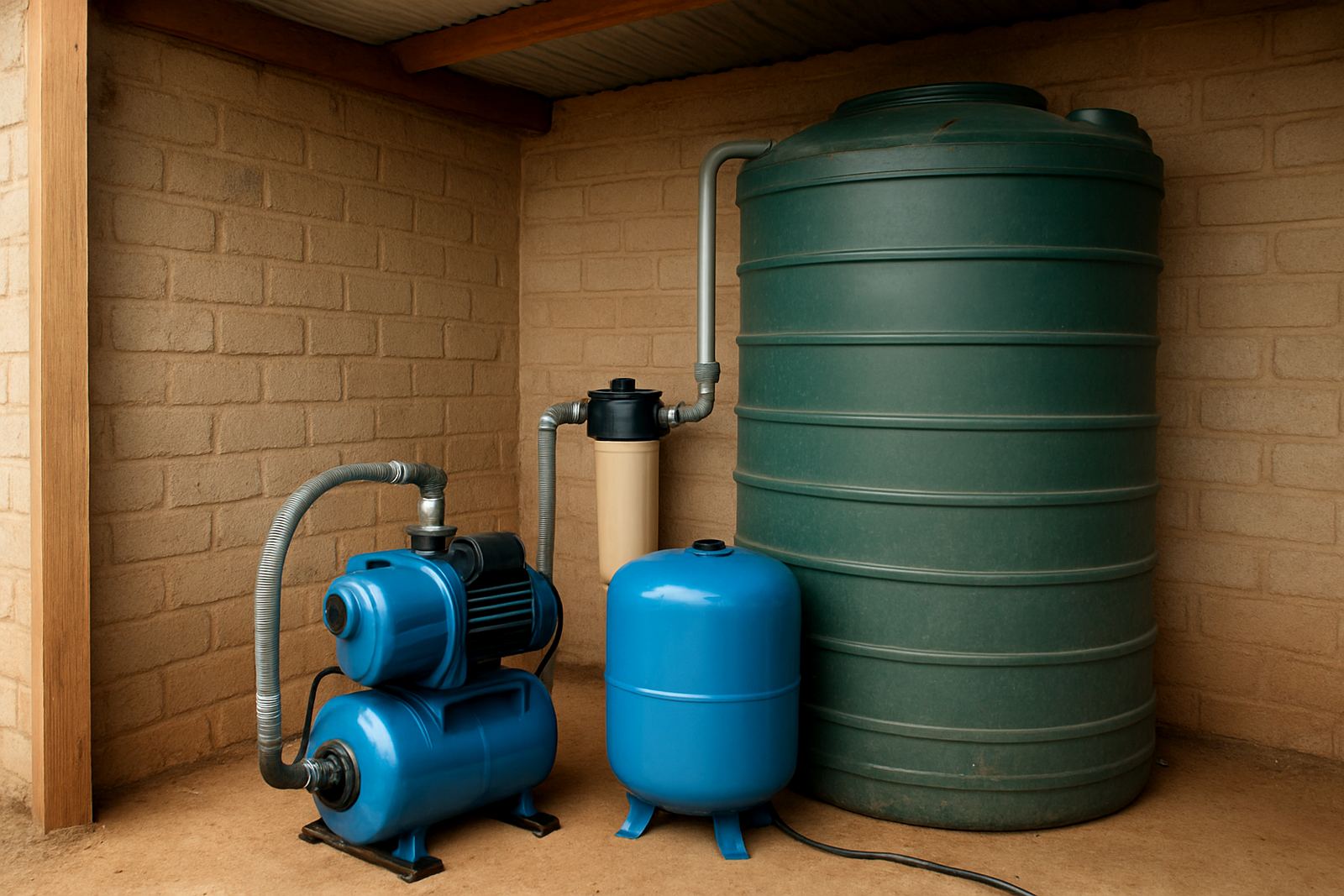
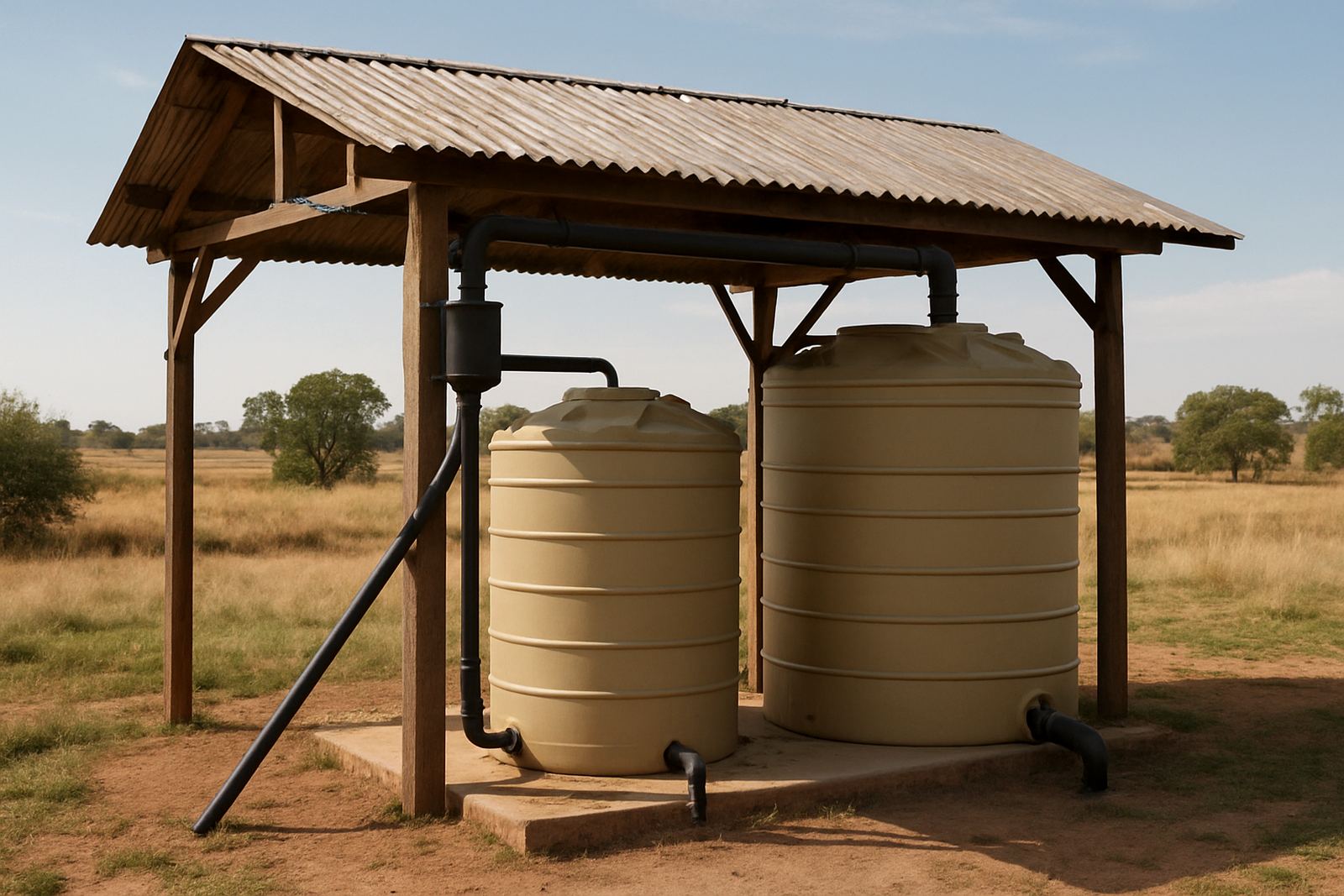
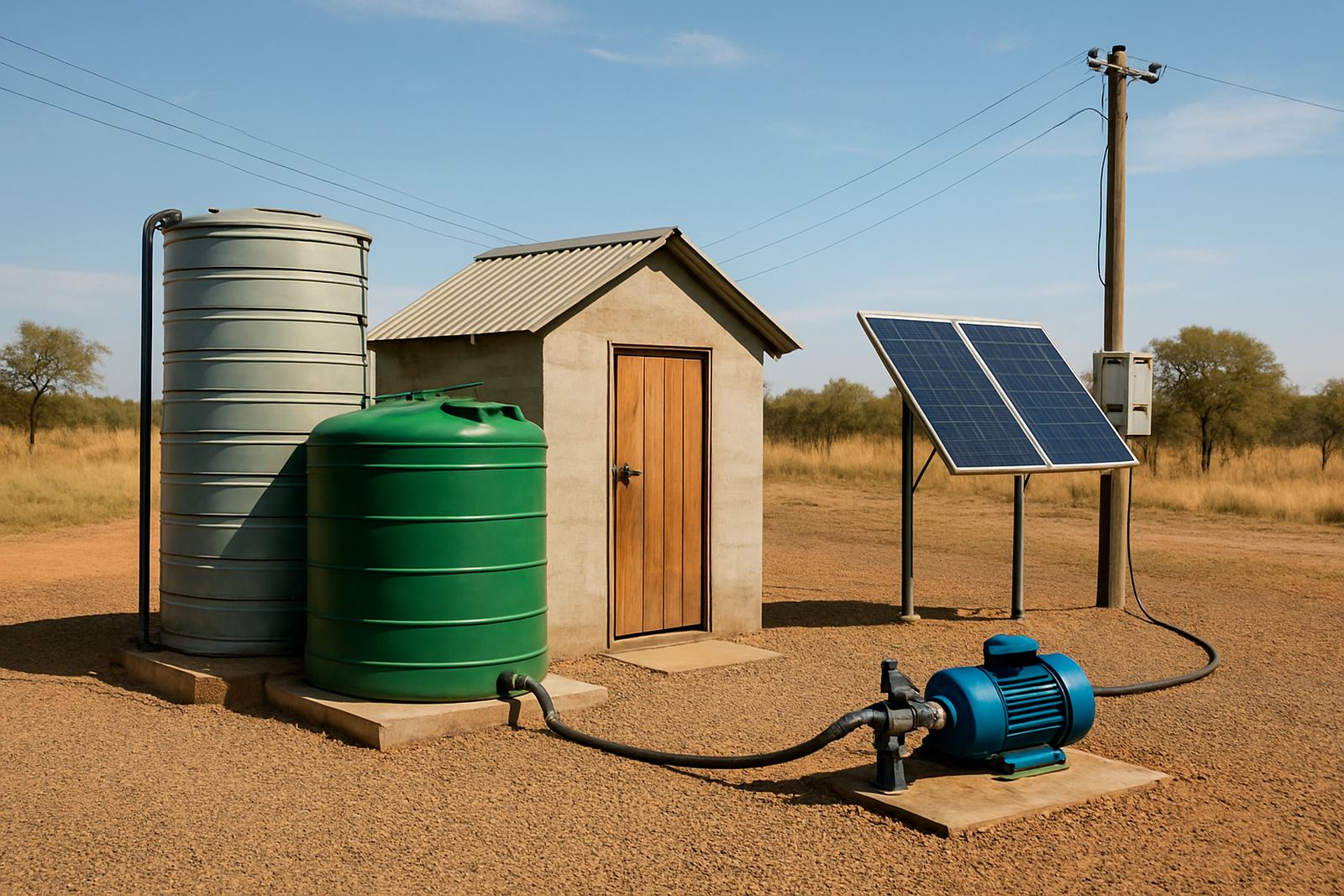
The off grid water kit is built as a practical water package for properties that need to draw, store and use water without relying on a single municipal point. It can be set up for borehole water, rainwater harvesting, or a combined system where one source backs up the other. Most kits include a pump, tank, filtration stages, fittings, valves and the parts needed to connect the system safely.
For homes outside town supply, guest cottages, smallholdings and farming units, this means a more dependable water setup and less pressure when restrictions, outages or dry spells hit. We assemble kits to suit the actual site, so the pipe sizes, pump duty and filtration all match the demand and water quality on that property.
- Borehole, rain-tank or mixed water setup options
- Above-ground or underground tank integration
- Manual or automatic control options
- Pre-assembled components for faster installation
- Designed for delivery to homes and farms across South Africa
Size options for different property demands
There is no single size that fits every site. A small home in Pretoria with a 2 to 4 person household will need a different flow rate and tank capacity to a livestock property outside Rustenburg or a farmstead near Bloemfontein. We size the kit around daily demand, water source depth, storage volume and how many taps, toilets or irrigation points are running at once.
Common options are built around smaller domestic use, medium household use and larger farm or multi-building use. Tank capacity may range from 2 500 litres to 10 000 litres or more, while pump size is selected to suit lift height, pipe run and pressure needs. If the site is coastal, like Paarl or Somerset West, we also consider corrosion resistance and how fittings will handle salty air and warmer conditions.
- Small household kit: for basic domestic water use and backup storage
- Medium kit: for family homes with higher demand, gardens and outbuildings
- Large kit: for small farms, staff housing or multiple points of use
- Combined source kit: for borehole plus rainwater supply and storage
Where the kit suits best
This product suits remote properties where reliable water is more important than relying on a single source. It works well for homes beyond the municipal edge, cattle and crop operations, weekend farms, remote rental units and small business premises with their own water point. Around Brits and Hartbeespoort, many customers use these kits for borehole-fed homes and garden irrigation, while in the Western Cape rain capture and filtration often play a bigger role.
The kit is also useful where water needs to be stored for back-up during interruptions, or where raw water must be filtered before it is safe for domestic use. In areas with variable supply or long pipe runs, having your own tank and pump setup helps keep water moving even when the main network is down.
- Remote homes and plot developments
- Small farms and agricultural use
- Guest cottages and rental units
- Properties with irregular municipal supply
- Sites needing rainwater recovery for non-potable or filtered domestic use
Installation support, power needs and site checks
Installation support is part of the service because a water kit must be matched to the site correctly. We look at borehole depth, tank position, inlet and outlet heights, pipe route, suction or pressure side requirements, and whether the system will sit in a pump room, outbuilding or shaded external area. Good positioning matters more than people think, especially where summer heat or dust can shorten component life.
Most systems can run on grid power, inverter backup or solar-supported power depending on the pump and controls selected. If the site loses power often, we will advise on a setup that can restart safely after load-shedding without starving the pump. For remote farms, the power plan may include a controller, pressure tank and dry-run protection so the system does not fail if the source runs low or the tank empties.
- Site assessment before supply and installation
- System sizing based on flow, pressure and usage pattern
- Delivery coordination to the property or nearest practical point
- Commissioning checks after fitting and start-up
- Advice on generator, inverter or solar compatibility
Water quality, filtration and care over time
Clean water starts with knowing what is coming out of the source. Some boreholes carry sand, iron, odour or sediment, while rainwater may pick up roof dirt, leaf matter or fine debris from gutters and tanks. That is why filtration is built into the kit where needed, with cartridge filters, sediment stages or other treatment steps based on the water test result.
Routine care keeps the system working properly. Filters must be changed on time, tanks should be cleaned when sludge builds up, and pumps need servicing if pressure drops or the motor starts cycling too often. In humid coastal areas and on dusty inland sites, these checks matter because clogged filters and worn seals can lead to poor flow or avoidable breakdowns, sometimes all in one week if the water quality is tough.
- Filter changes on schedule
- Pump servicing for noise, pressure loss or short cycling
- Tank cleaning to remove sediment and growth
- Water testing when the source changes or after maintenance
- Annual maintenance for farms and high-use homes
Details to confirm before ordering your off-grid water kit
Before ordering, it helps to have a few practical details ready so the kit can be matched correctly. We usually ask about the water source, estimated daily use, tank space, power availability and whether you want the system to feed one home or several points. If you already have a borehole report or recent water test, that makes sizing much more accurate.
You should also check the available installation space, the distance from the source to the tank and the intended use of the water. A kit for washing, toilet flushing and garden use is not the same as one that must provide filtered water for domestic use. If the site has municipal rules, estate rules or farm layout restrictions, those should be flagged early so the system can be planned properly.
- Source type: borehole, rainwater or mixed supply
- Tank capacity available on site
- Daily water demand and peak use times
- Power source: grid, inverter, generator or solar
- Desired water quality and filtration level
Key facts
| Kit type | Off grid water setup for homes, smallholdings and farms |
|---|---|
| Water source options | Borehole, rainwater or combined supply |
| Typical tank range | 2 500 to 10 000 litres plus, depending on demand |
| Power options | Grid, inverter, generator or solar-supported |
| Core components | Pump, tank fittings, valves, filtration and controls |
| Service areas | Brits, Pretoria, Hartbeespoort, Rustenburg, Bloemfontein, Paarl, Stellenbosch, Somerset West and nationwide delivery |