What the River Transfer Kit does on site
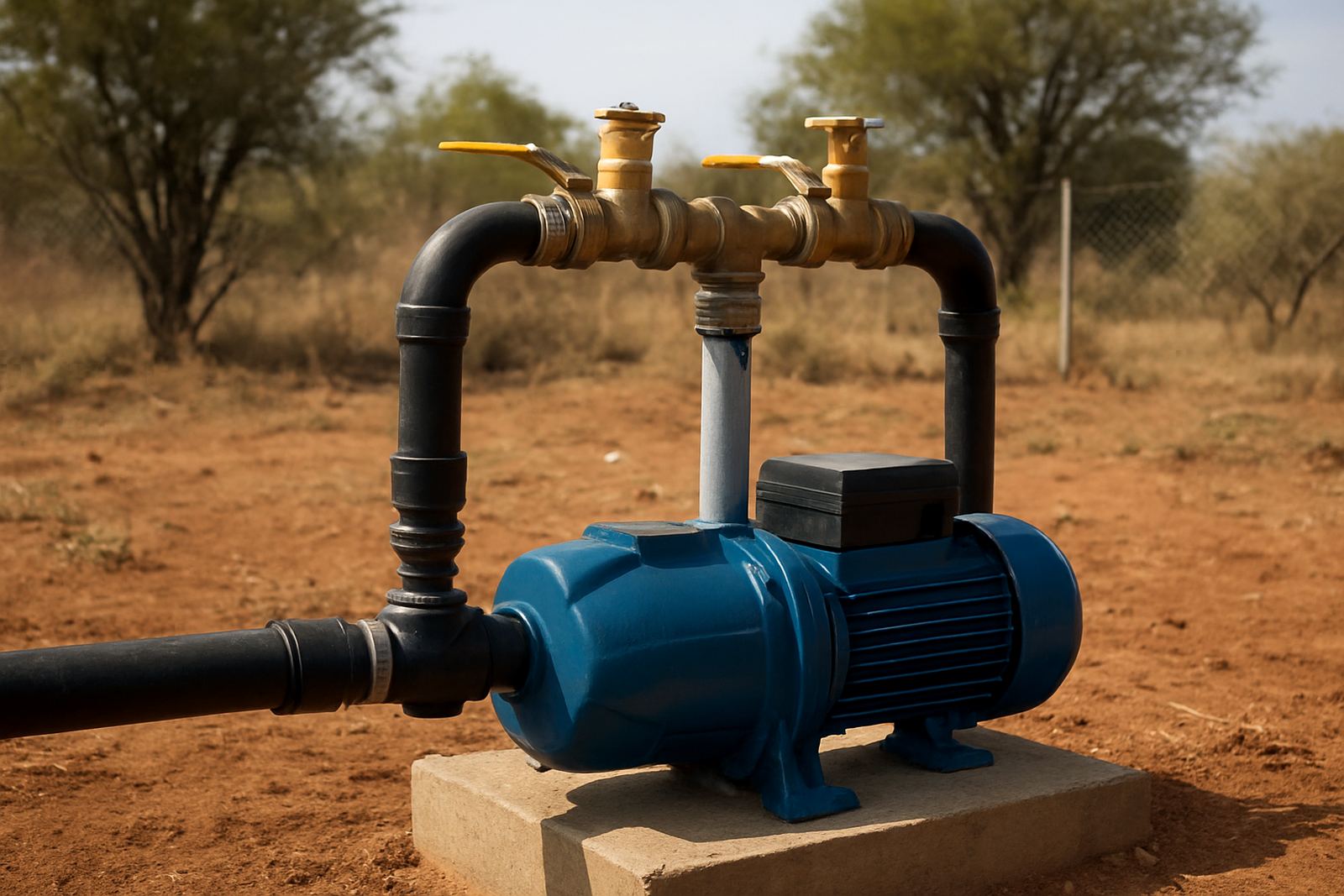
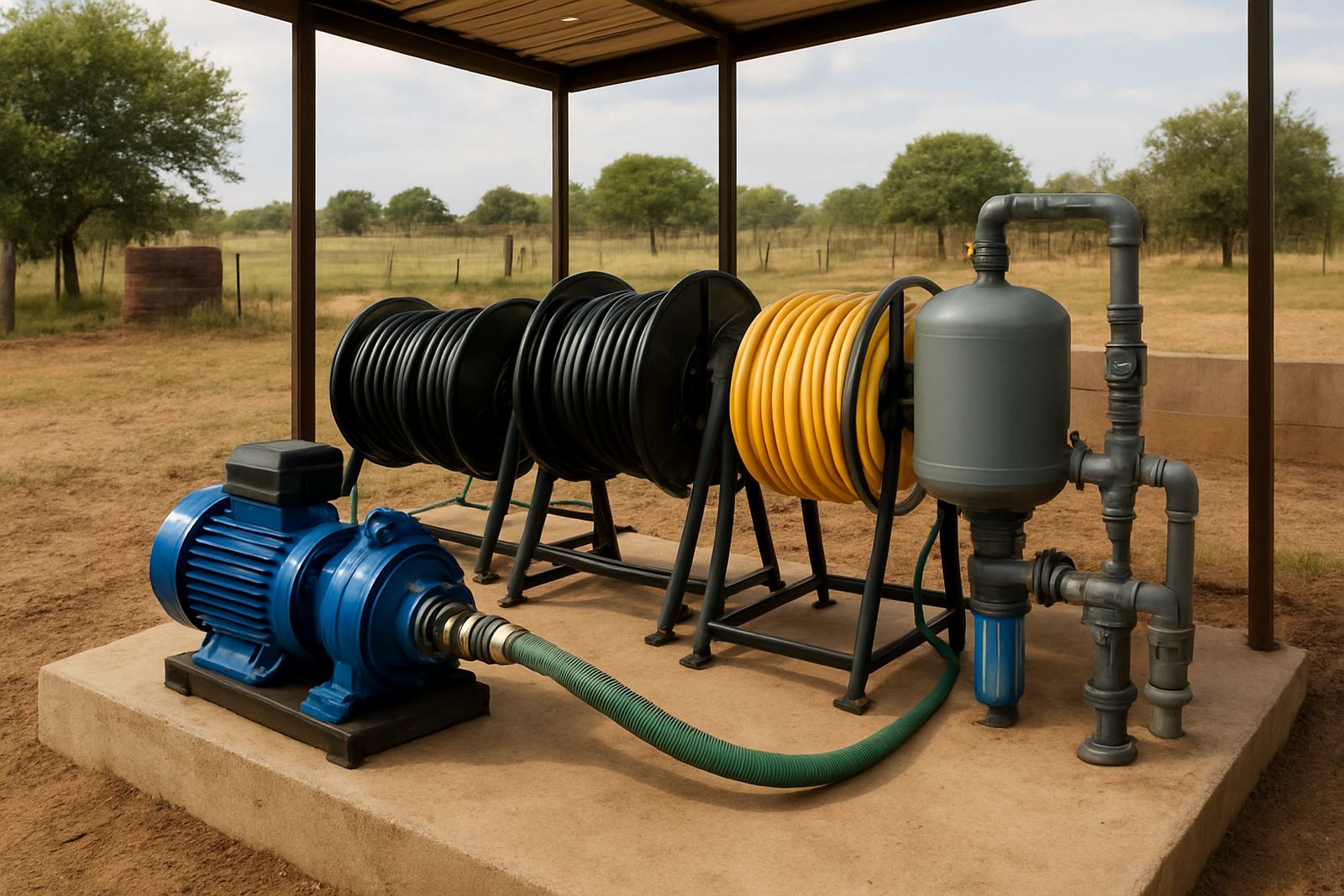
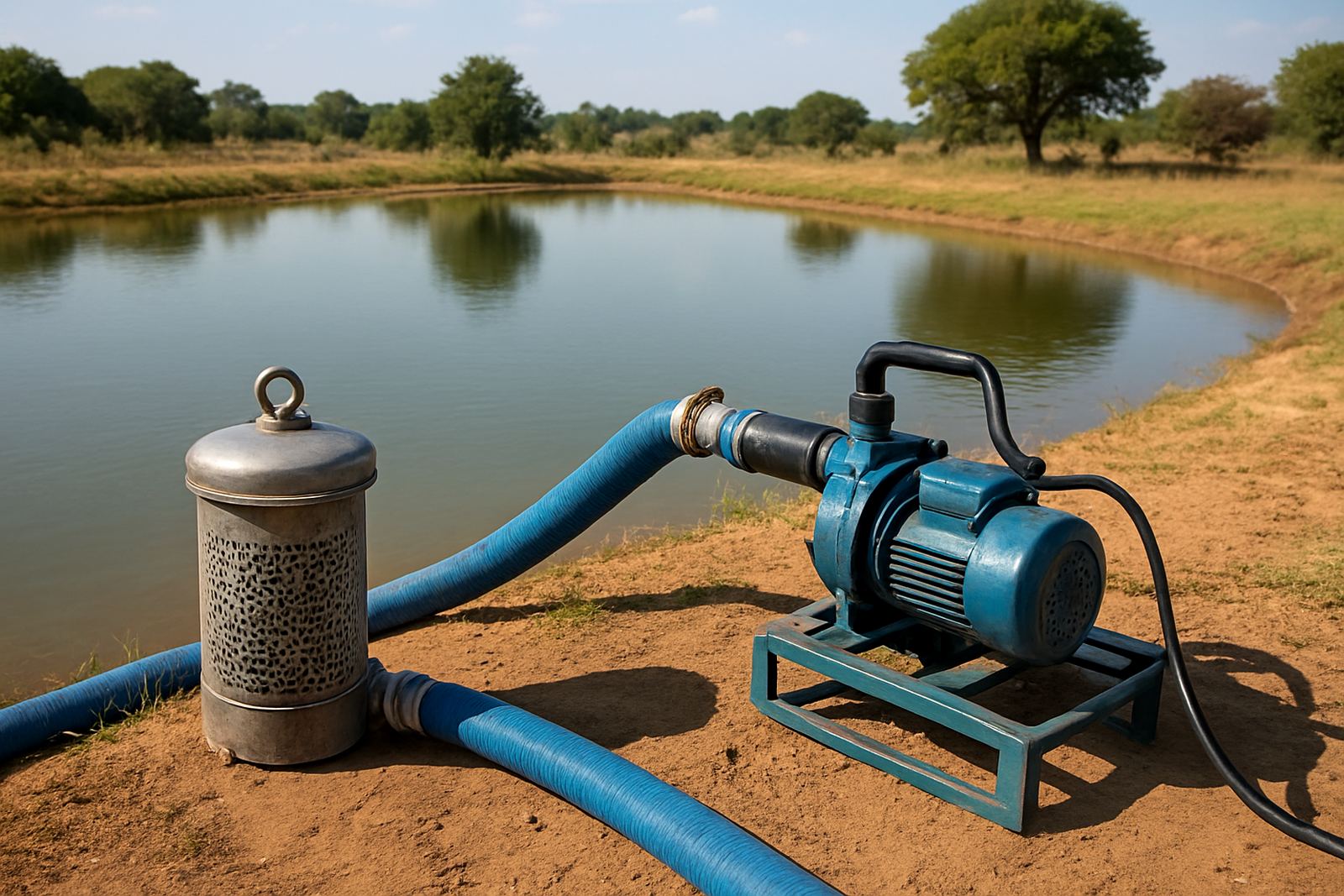
This kit is put together to draw water from a river, dam, canal or other surface source and move it into a storage tank or treatment line. It is not just a pump on its own, but a matched set of components that helps with suction, filtration, transfer and basic protection for the system.
For many sites around Brits, Hartbeespoort and Rustenburg, the aim is to get raw water into storage first, then deal with sediment or disinfection before use. On larger farms the transfer point may be a dam, river or canal and the rise to the tank can be long. That is where correct sizing matters, because a pump that is too small will run flat out and one that is too large can waste power and cause pressure issues.
Typical kit sizes and option choices
We supply transfer kits in sizes matched to flow, lift and daily demand. Smaller domestic systems may suit a 0.55 kW to 0.75 kW pump with modest transfer rates, while farm and holding systems often need 1.1 kW, 1.5 kW or 2.2 kW equipment depending on distance and height. Pipe size, suction depth and the quality of the source water all affect the final choice.
- Small home or cottage use for intermittent filling of a header tank
- Medium household use with filtration before storage and pressure pump supply after
- Farm use for troughs, wash bays or irrigation holding tanks
- Higher-lift options where the source sits below the storage point
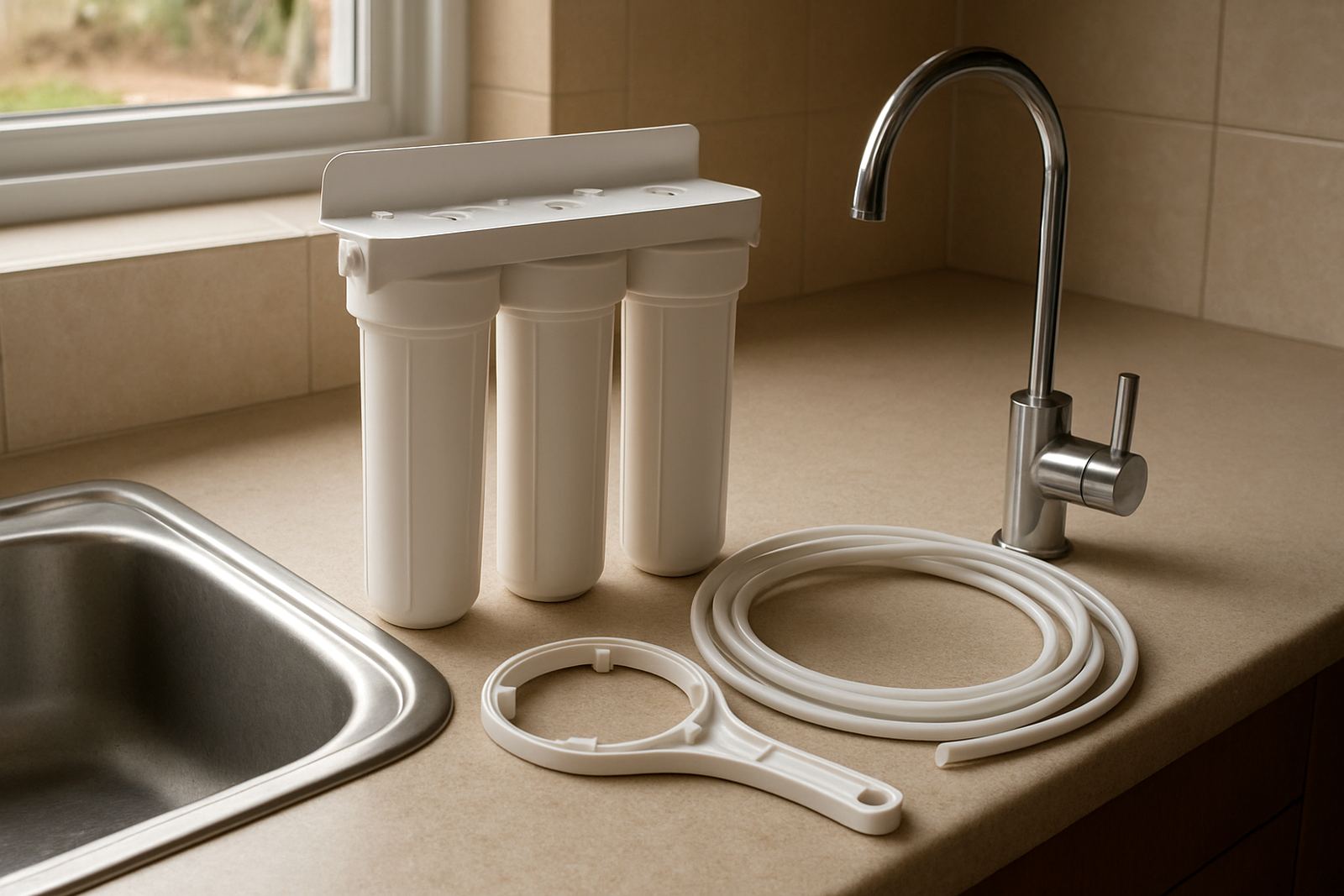
Options may include a suction strainer, foot valve, dry-run protection, pressure switch, control box and a pre-filter for coarse solids. Where the water carries sand or weed matter, a staged filter is worth adding, rather than forcing that load straight into the pump.
Where this setup suits best
The River Transfer Kit suits places that have access to surface water but need a cleaner, more controlled way to move it into storage. It is often used on plots and farms around Pretoria, Bloemfontein, Paarl, Stellenbosch and Somerset West where water must be captured, settled and then filtered before use.
It is a practical choice for:
- Farms with dams, canals or stream access
- Lodges and guest properties needing backup storage
- Homes with large gardens or livestock water needs
- Sites where municipal water is unreliable or restricted
In coastal areas like the Western Cape, we also consider corrosion resistance and enclosure choices because humid air can shorten the life of exposed fittings. In dusty inland areas, filter cleaning and inlet protection become more important.
Installation and power requirements
Installation depends on the source depth, the distance to the tank and whether the kit is fixed near a pump house or installed in a sheltered enclosure. We always look at suction lift first because a surface pump has limits. If the water level drops too far, the system must be adjusted or the pump may lose prime.
Most kits are set up for 230 V single phase supply, though some larger transfer jobs may need three phase power. Where load-shedding is a factor, a suitable inverter, generator or reserve supply should be checked before ordering. The pump must have enough starting current available and the controls need to suit the backup source, not just grid power.
A good installation also includes secure pipe support, isolation valves and a dry, accessible place for the control gear. If the water is pumped into an elevated tank, we can help match float switches or level controls so the tank fills and stops without constant manual checking.
Care, servicing and water quality checks
Because surface water carries silt, leaves and other matter, regular care is part of keeping the kit working. A blocked strainer or clogged filter can reduce flow quickly and make the pump labour. We advise checking the inlet, cleaning the filter housing and inspecting seals at set intervals, especially after heavy rain when water quality often changes.
- Check suction basket and foot valve for debris
- Inspect pipe joints for air leaks or dripping
- Clean or replace filter cartridges as required
- Listen for cavitation, rattling or short cycling
- Test water quality before it goes into domestic use
If the system is used for drinking water or washing, periodic water testing is a sensible step. For farms, annual maintenance can also include pump servicing, tank cleaning and fault finding so small issues do not become a costly breakdown.
What to confirm before you order
Before ordering, it helps to have a clear picture of the site rather than guessing from the tank size alone. We look at the source, the vertical lift, the horizontal distance, the daily litres needed and whether the water will be used for stock, irrigation or domestic supply. A transfer kit that suits a 2 000 litre day is very different from one feeding a 20 000 litre storage tank.
Please have these details ready:
- Source type: river, dam, canal or holding pond
- Approximate suction depth and transfer distance
- Required daily volume in litres or metres cubed
- Power supply available on site
- Whether you need basic transfer only or filtration too
- Any access limits for delivery, especially on farms and plots
Our team in Brits handles site assessments, system sizing, kit assembly and delivery coordination across South Africa. If the setup needs installation support, commissioning checks or later maintenance, we can assist with that too, so the kit arrives ready for the job it has to do.
Key facts
| Pump rating | 0.55 kW to 2.2 kW, depending on lift and flow |
|---|---|
| Power supply | 230 V single phase or 400 V three phase options |
| Typical flow | About 2 000 to 12 000 litres per hour |
| Pipe sizes | 25 mm, 32 mm, 40 mm or sized to site demand |
| Protection | Dry-run control, strainers, foot valve and isolation valves |
| Use cases | Domestic storage, farm tanks, livestock water and pre-treatment |