
What the sediment filter kit does before water reaches the rest of the system
This kit is a pre-filtration stage designed to catch bigger particles before they move deeper into the system. In practical terms, it reduces sand, rust flakes, grit and other visible solids that can clog nozzles, wear pump seals and shorten the life of cartridges fitted later in the line. It is a sensible fit for homes, smallholdings and farms where raw water quality can change after rain, during borehole drawdown or when tanks are stirred up.
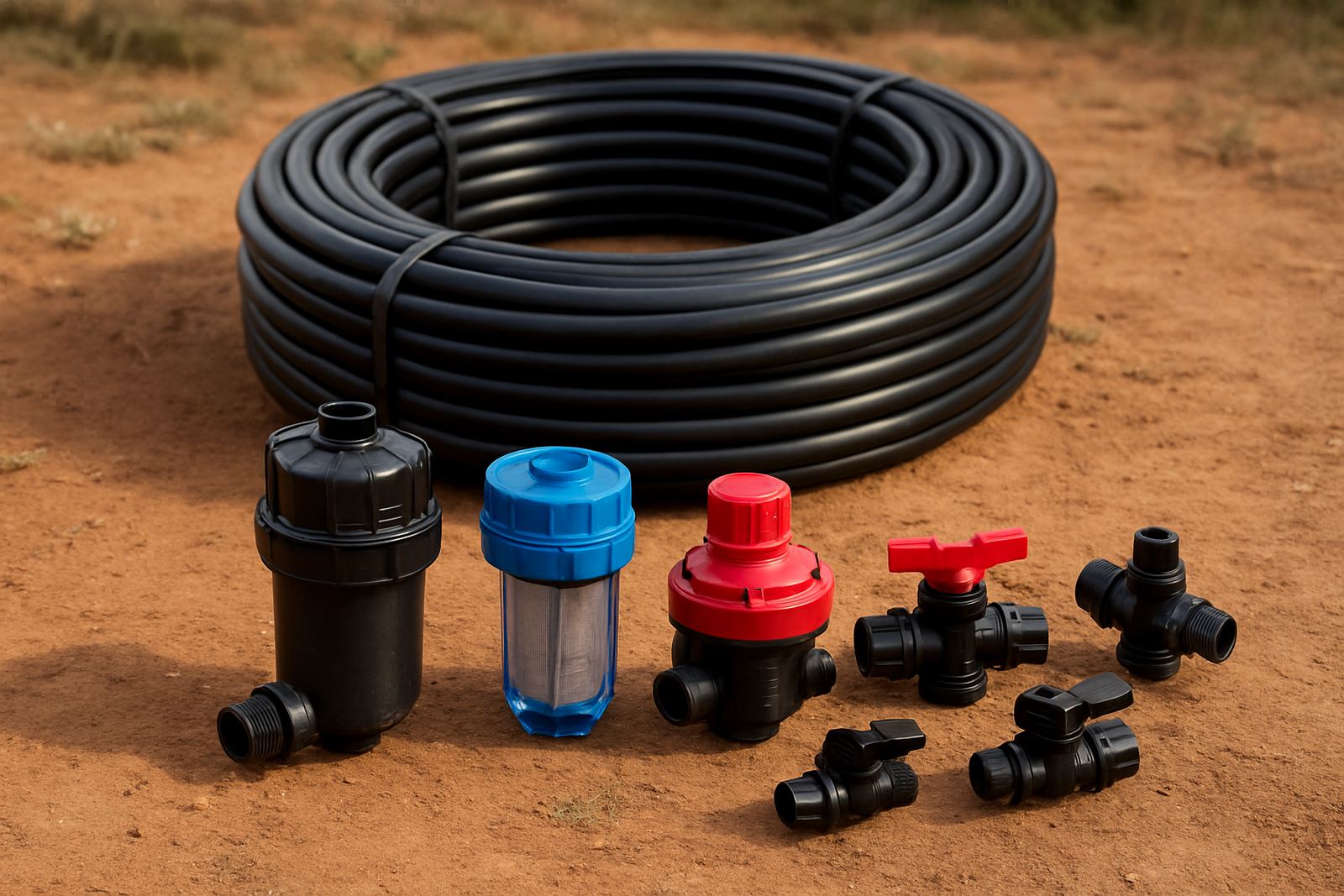
The usual arrangement is a filter housing fitted with a washable or replaceable sediment element, plus the fittings needed to connect it into the inlet line. It is commonly installed on the line feeding a pressure pump, storage tank, or point-of-entry treatment setup. In many North West and coastal areas, the first flush after storms carries more debris than people expect, so this stage pays for itself quickly.
- Captures sand, silt, rust and other visible particles
- Reduces wear on pumps, valves and finer cartridges
- Can be used on borehole, rain-tank or backup supply lines
- Works as a first stage before carbon, UV or finer filtration
Sizes and options for different flow rates and water sources
Sediment filter kits are supplied in sizes that suit compact domestic systems as well as larger farm and multi-outlet installations. The correct size depends on the flow needed, the particle load in the water and the pipe size already in place. A small home in Pretoria with a single bathroom will need a different arrangement to a farm house, pack shed or guesthouse drawing water at several points at once.
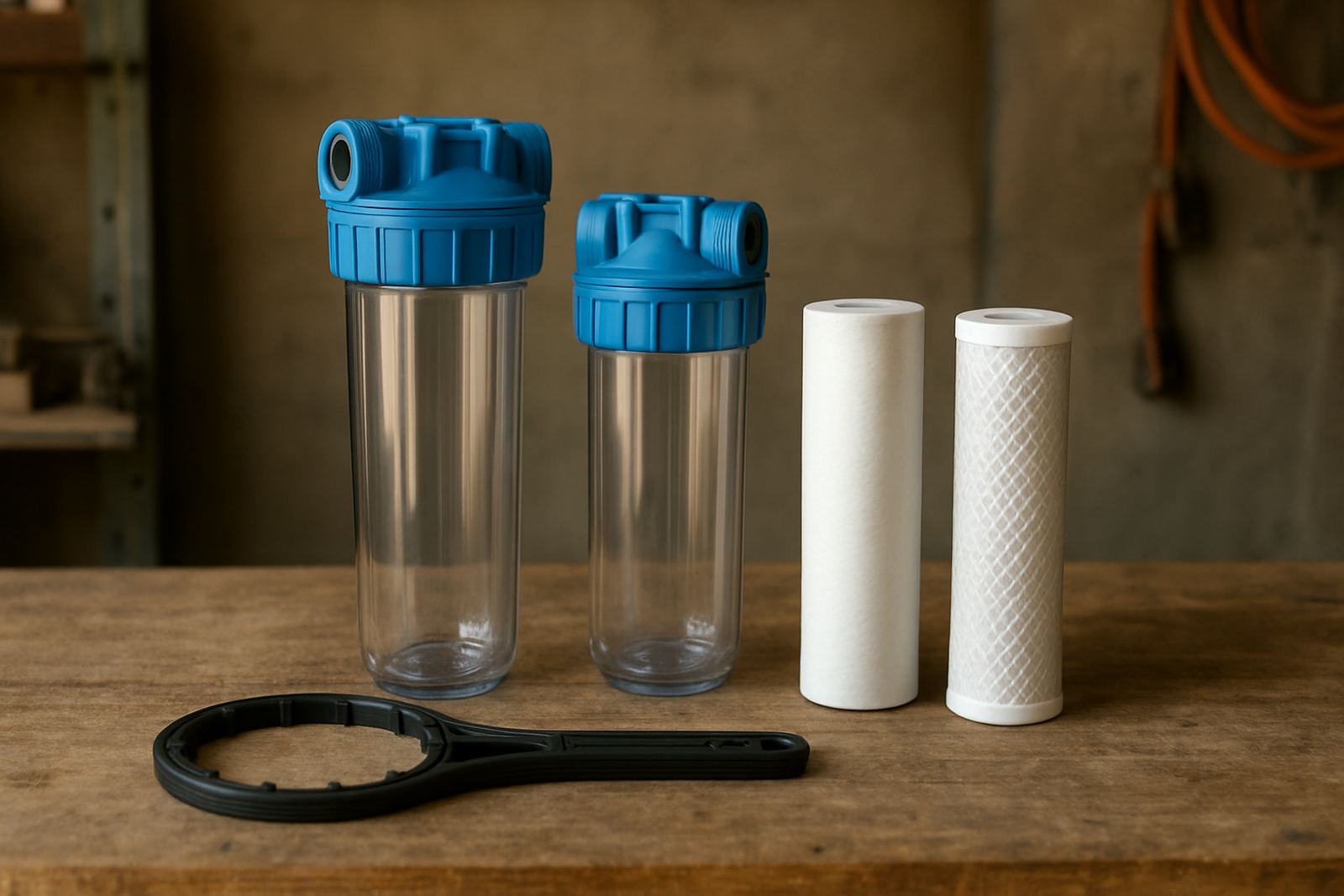
Typical options include standard housings for 10 inch or 20 inch cartridges, with inlet and outlet sizes matched to the line. Higher flow setups often use larger diameter housings or twin-stage arrangements where one housing takes the heavier load and the second keeps finer material out of the downstream system. For water that carries a lot of sand, a washable spun or pleated element is often the practical choice, especially where regular replacement would become costly.
- 10 inch housing for smaller domestic and light-use systems
- 20 inch housing for higher flow and longer service intervals
- Single-stage or twin-stage options, depending on water quality
- Pipe connections commonly matched to 20 mm, 25 mm, 32 mm or larger lines
Where the kit suits best on homes, farms and smallholdings
This type of kit suits any installation where incoming water is not clean enough for direct use. Borehole water in Hartbeespoort and Rustenburg can carry fine sand after pumping changes, while rain-tank water in Stellenbosch or Somerset West often picks up dust, leaf matter and roof debris. On farms near Bloemfontein, it is useful on supply lines feeding ablutions, kitchens, irrigation backup or staff housing, where a blocked tap or damaged washer quickly becomes a nuisance.
It also helps where a storage tank is used to buffer supply during load-shedding or municipal interruptions. If the tank is filled from a borehole or diverted from roof catchment, sediment tends to settle in the bottom and then move through the line when the tank is disturbed. A pre-filter at the right point can keep that material out of the rest of the system, and that saves time on cleaning, very often too.
- Borehole systems with visible sand or grit
- Rainwater systems with roof debris or silt
- Tank-fed pressure systems and backup supply lines
- Smallholdings, farms, guesthouses and domestic homes
Installation, pressure and power requirements
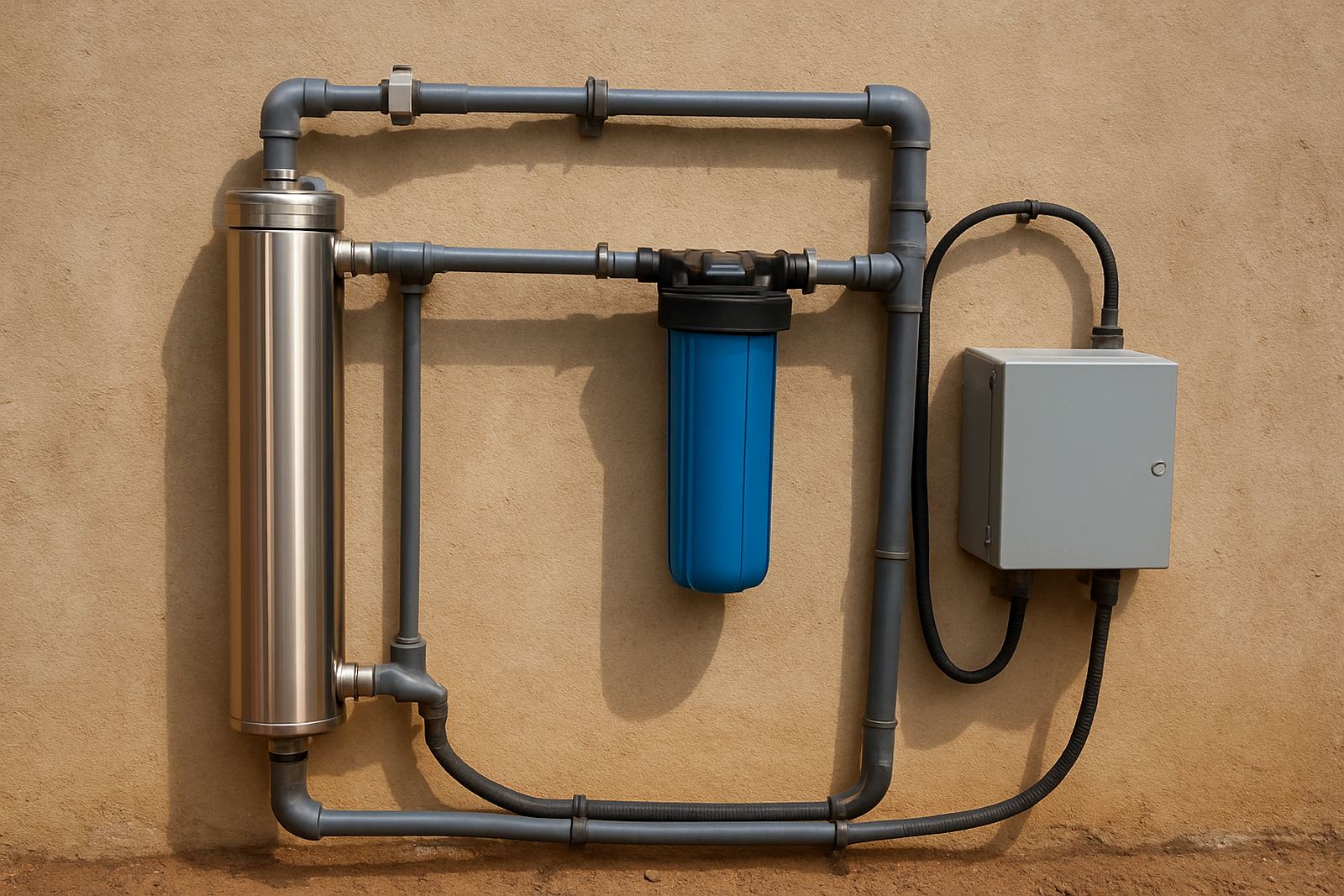
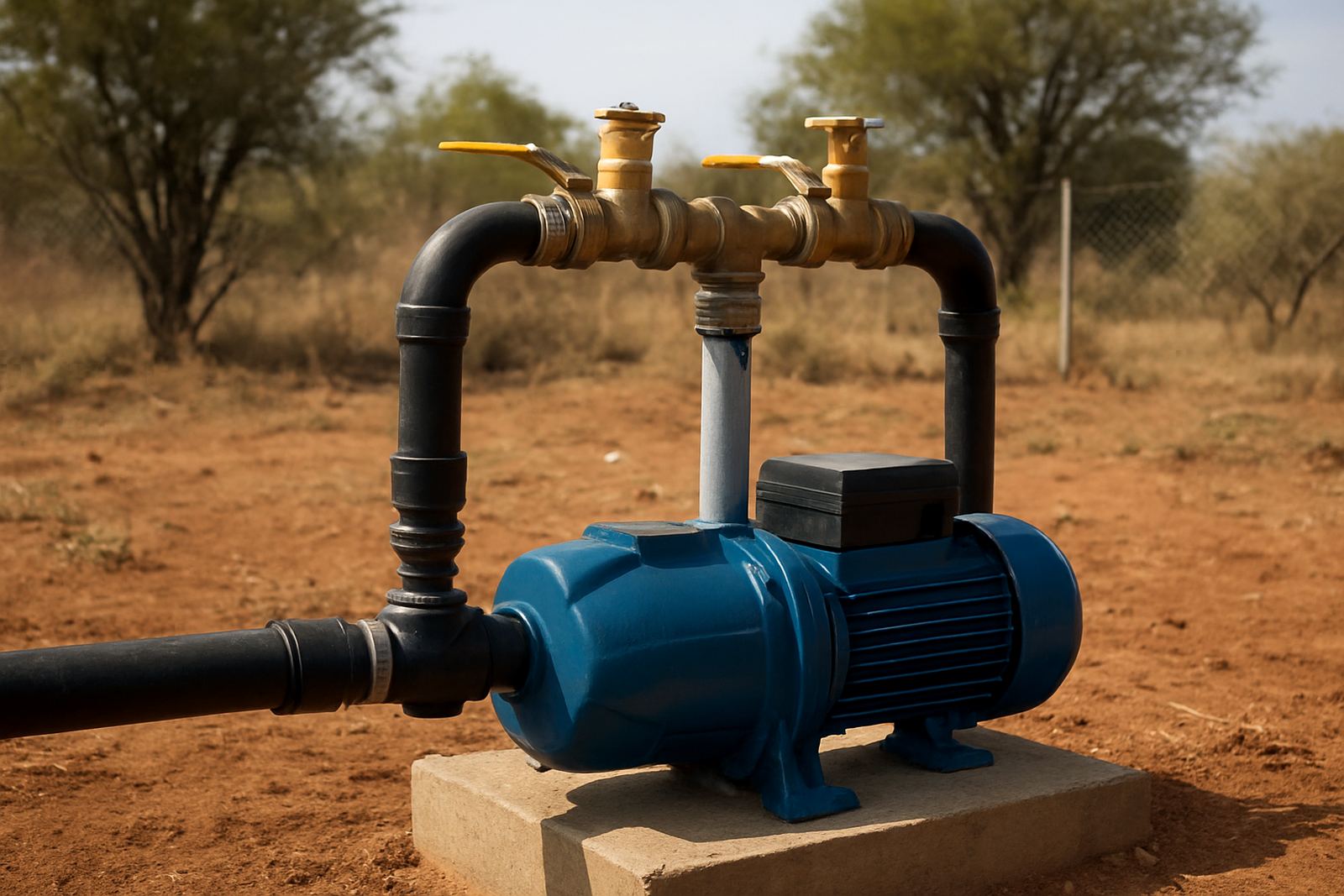
The kit is usually installed in-line on the inlet before finer filtration or before the pressure pump, depending on the system layout. It does not need gas. In most cases it does not need its own power supply either, though the wider water system may use an electric pump or pressure control setup. For that reason the position of the housing matters, because a badly placed filter can cause unnecessary pressure drop.
When fitted properly, the housing should be mounted straight and accessible for servicing. A bypass valve is useful where water supply cannot be stopped for long, and clear space under the lid or cartridge cap makes cleaning much easier. In coastal towns such as Paarl and Somerset West, fittings should also be chosen with corrosion in mind, because damp air and salt influence can shorten the life of cheap metal parts. A good install avoids leaks and keeps the cartridge easy to change.
- Can be fitted before a pump or on the pressure side, depending on design
- Needs no gas and usually no separate electricity
- Should be installed with shut-off valves for easy servicing
- Corrosion-resistant fittings are recommended for humid or coastal areas
Care, cleaning and servicing intervals that make sense
Servicing depends on how dirty the incoming water is. A filter handling borehole water with fine sand may need inspection every few weeks, while a rain-tank line with light debris may go longer between checks. The key sign is reduced flow, clouding after start-up, or visible build-up on the cartridge. If the element is washable, it should be rinsed according to the supplied rating and replaced once it no longer cleans properly. If it is a replaceable cartridge, changing it on time protects the rest of the system.
It is also worth checking the housing O-ring, seals and pressure rating during maintenance. A tired seal can cause drips that are easy to ignore at first but then become a steady leak. In homes where the supply is only used at certain times, a neglected filter can trap stagnant water and create odour. Regular service keeps the kit working as intended and avoids surprise failures, which is handy when water is already scarce.
- Inspect flow rate and clarity at least once a month on dirty water systems
- Wash or replace cartridges according to the water load and cartridge type
- Check seals, housing threads and pressure loss during every service
- Keep a spare cartridge on hand for farm and backup systems
What to check before ordering the correct filter kit
To order the correct sediment filter kit, it helps to know exactly where it will be fitted and what the water is doing at the moment. The biggest mistake is choosing a housing by price alone and finding out later that the flow is too restricted or the cartridge blocks too fast. If you are in Brits or surrounding areas, a quick site assessment can save a second trip and avoid mismatched fittings.
Please have the following details ready when sending an enquiry through the contact page. If you do not know one of these items, a photo of the tank, pump or existing pipework usually helps. We can then advise on the right size, the likely service interval and whether you need a single stage or a heavier-duty arrangement. That makes the order simpler and keeps the install tidy.
- Water source: borehole, rain tank, municipal backup or mixed supply
- Estimated flow rate and number of points using the water
- Pipe size and connection type already on site
- Visible sediment level, sand, rust or leaf debris
- Preferred cartridge type: washable or replaceable
- Whether the kit is for a home, farm, guesthouse or staff housing
Key facts
| Product type | Pre-filtration sediment filter kit |
|---|---|
| Main function | Removes sand, grit and visible particles from incoming water |
| Common sizes | 10 inch and 20 inch housings, with larger flow options available |
| Connection sizes | Commonly matched to 20 mm, 25 mm and 32 mm lines |
| Power requirement | No separate power or gas required |
| Suitable applications | Borehole, rain-tank, backup supply and point-of-entry systems |