
What A Drip Feed Kit Does
A drip feed kit is a pressure-regulated irrigation setup that supplies water through drip lines, emitters, or drip tape at a slow and even rate. It is built for places where you want water to soak in properly instead of running off the soil, which makes it useful for vegetable beds, young trees, nursery lines, and mixed smallholdings. For many users in Brits, Hartbeespoort, Rustenburg and further afield, it is a practical way to manage water from a storage tank or borehole without wasting litres.
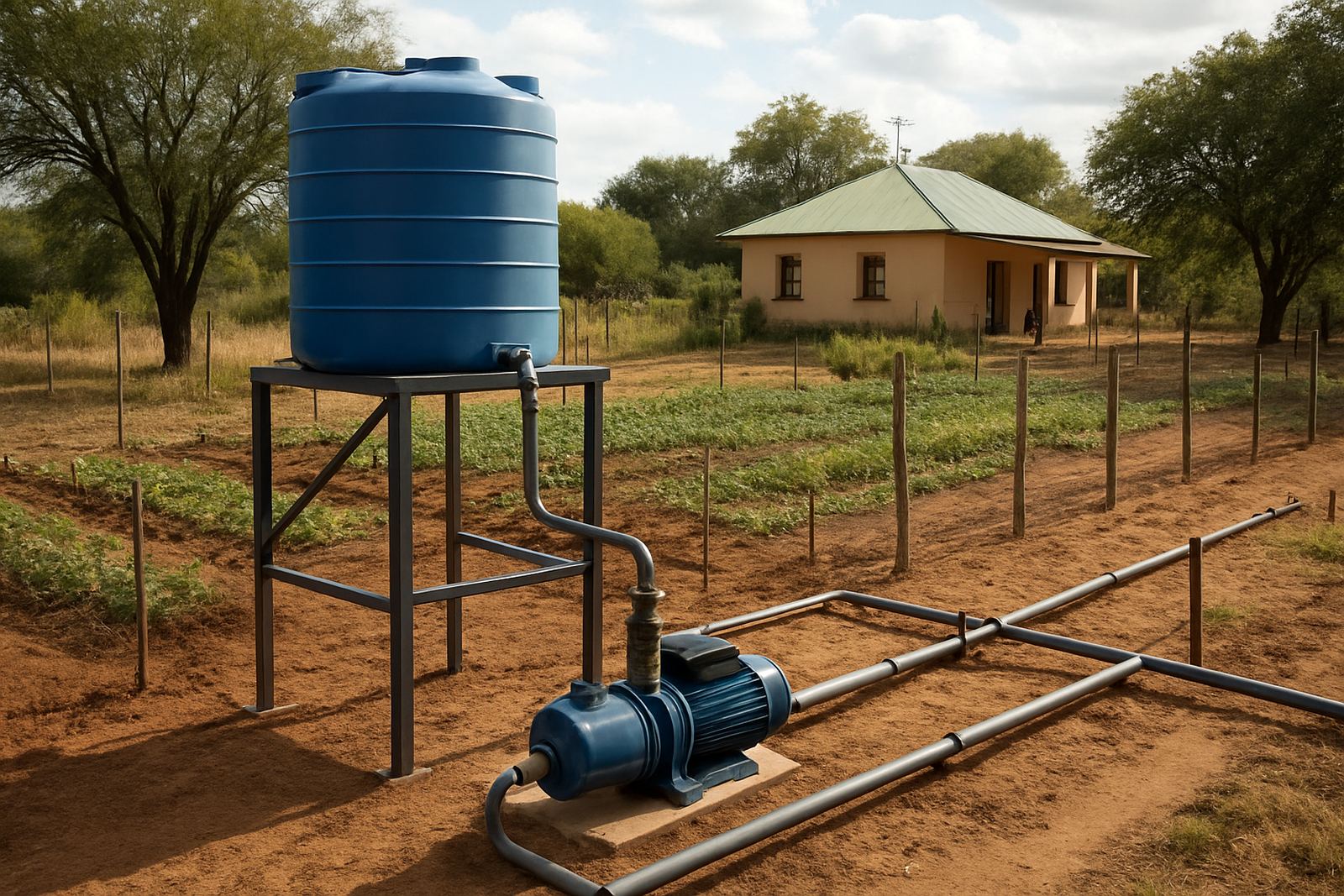
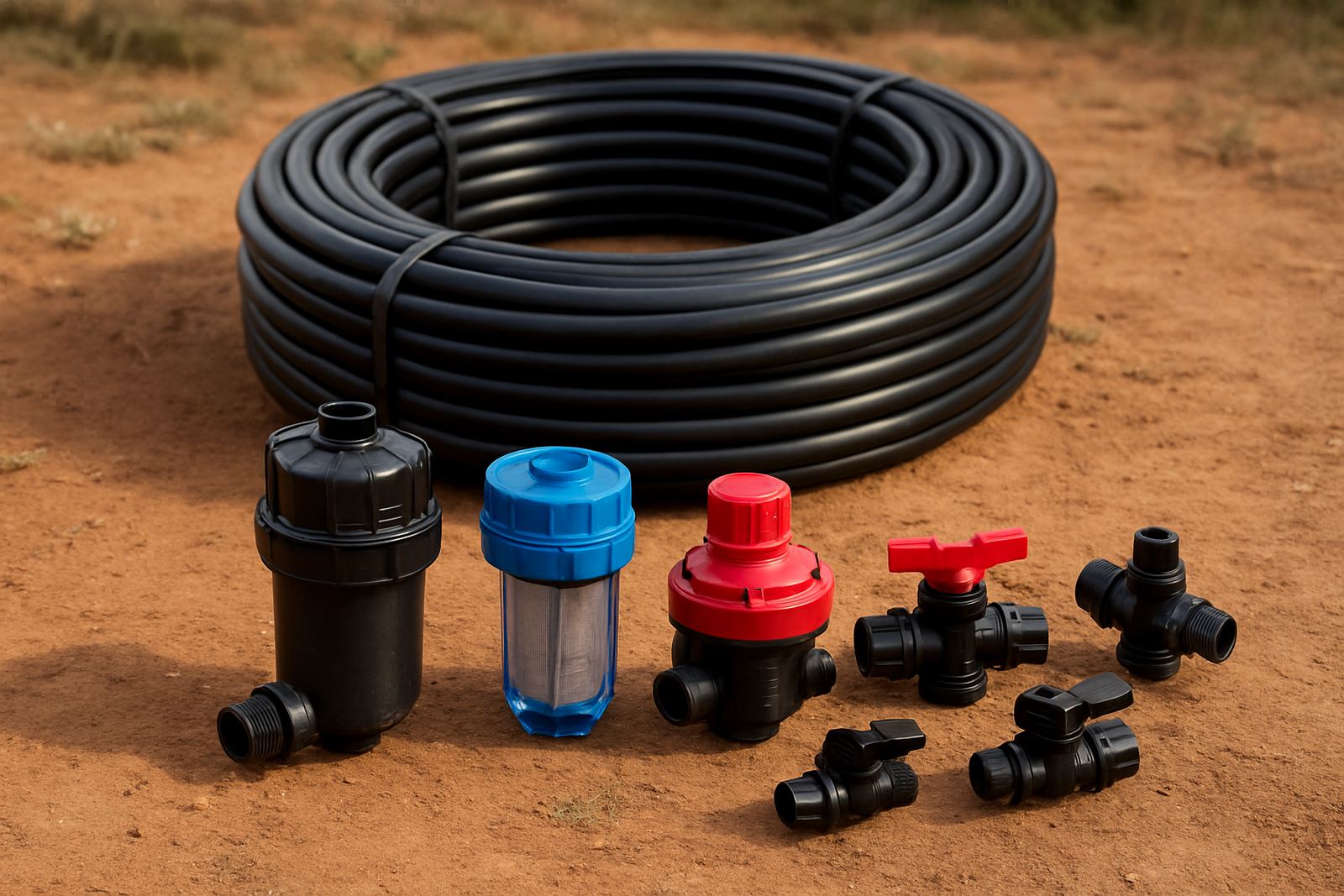
The kit usually includes the main pressure control parts, filtration, pipe fittings, valves and the distribution components needed to get water from the source to the growing area. Depending on the layout, the system can work on gravity feed from an elevated tank or from a pumped supply. If the line is designed correctly, it gives steady application without overwatering one section and leaving another dry.
This is not a one-size-fits-all product. A small home garden in Pretoria will need a different layout from a tunnel or a farm block near Paarl, so sizing matters from the start. The right kit depends on water source, height difference, planting density and how many lines must run at once.
Sizes, Line Types And Pressure Options
Hydrated supplies drip feed kits in practical sizes for homes and farms, from compact garden setups through to larger multi-line systems. The components are matched to the water source and the area to be covered, so the kit can be assembled for a few beds or for a longer run across several rows. In most cases, the important choices are pipe diameter, filter size, pressure range, and the type of emitter or tape used.
- Small kits: suitable for home gardens, patios, tunnels, and a few raised beds
- Medium kits: suited to orchards, nurseries, and larger vegetable plots
- Large kits: used on farms, extended row crops, and multiple zones
- Pressure-regulated options: for stable output from tank or pumped supply
- Filtration options: for borehole water, rainwater, or water with fine sediment
Typical working pressure is kept low enough for drip application, usually around 0.8 to 1.5 bar depending on the line and emitter type. Where the water source is a tank, the height of the tank above the line can make a big difference. On borehole systems, pressure from the pump must be controlled so the line does not blow fittings or cause uneven output. In coastal areas like Somerset West, it is also worth thinking about corrosion resistance and good flush-out points because humidity and salt air can shorten the life of poor fittings.
Where The Kit Works Best
This kit suits places where water must be used carefully. It is a good fit for vegetable gardens, grape rows, young citrus, berries, shade houses, and food gardens at home. Farms using rain tanks or boreholes often choose drip because it places water in the root zone instead of spraying it into the air, which helps in windy conditions and during hot spells.
It also works well where municipal pressure is unreliable or where load-shedding interrupts pumping schedules. If you have a storage tank, the kit can be set up to run during the cooler parts of the day or early morning. In towns like Bloemfontein, where water demand can rise quickly in dry periods, drip helps stretch every litre a bit further.
- Ideal for low-flow irrigation from tanks or boreholes
- Good for new plantings that need even moisture
- Useful where manual watering takes too long
- Helps reduce evaporation and surface run-off
- Suitable for both level ground and gentle slopes, with the right pressure control
Installation, Power Needs And Pump Matching
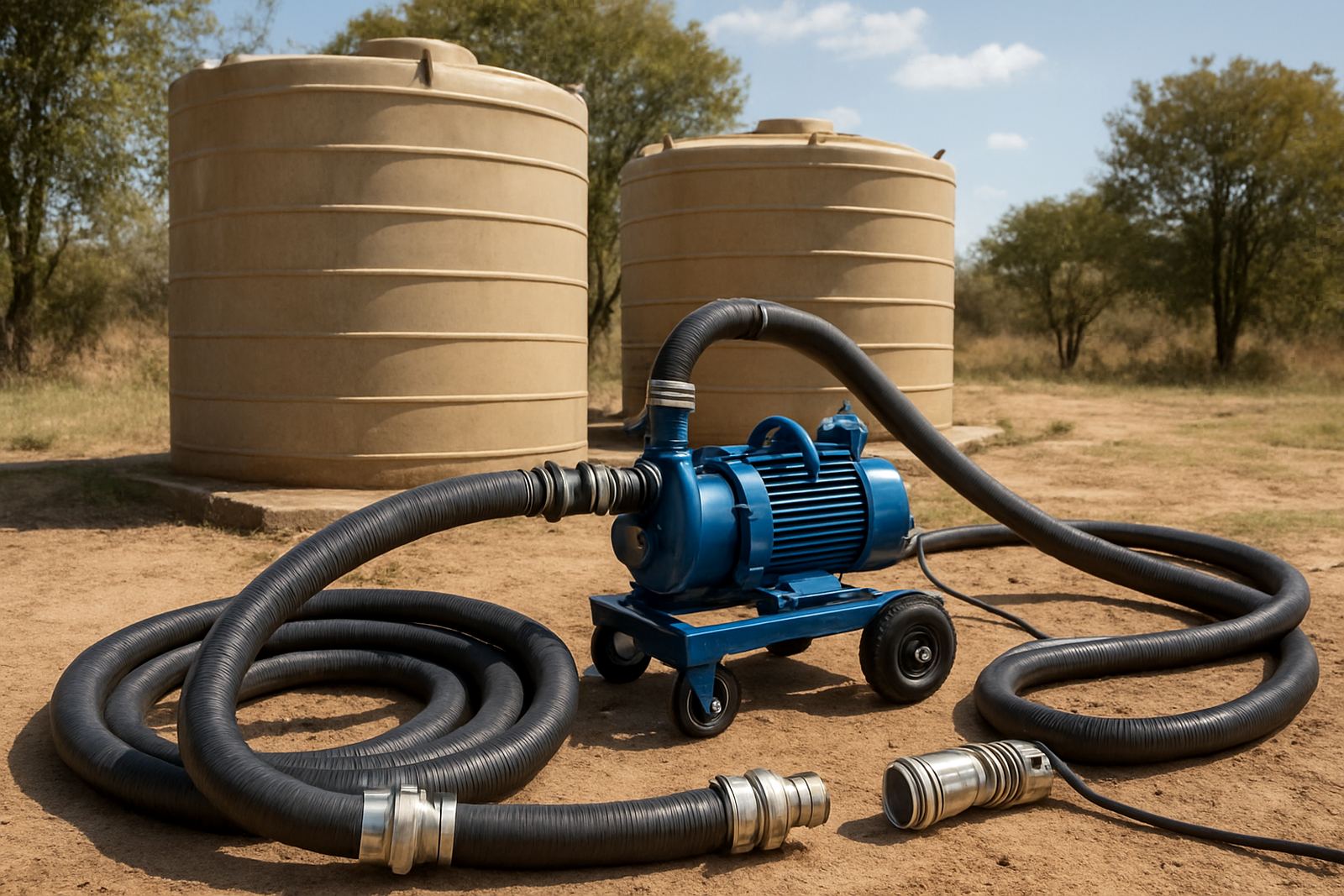
Installation starts with the water source, then the filtration stage, then pressure control and distribution. For gravity-fed tanks, the height and pipe run must be checked before the kit is installed. If the tank sits low, you may need a small pump to maintain the pressure needed by the drip line. For boreholes, the pump must deliver enough flow without pushing too hard into the system. A common mistake is oversizing the pump, then trying to correct it after the fact with valves only.
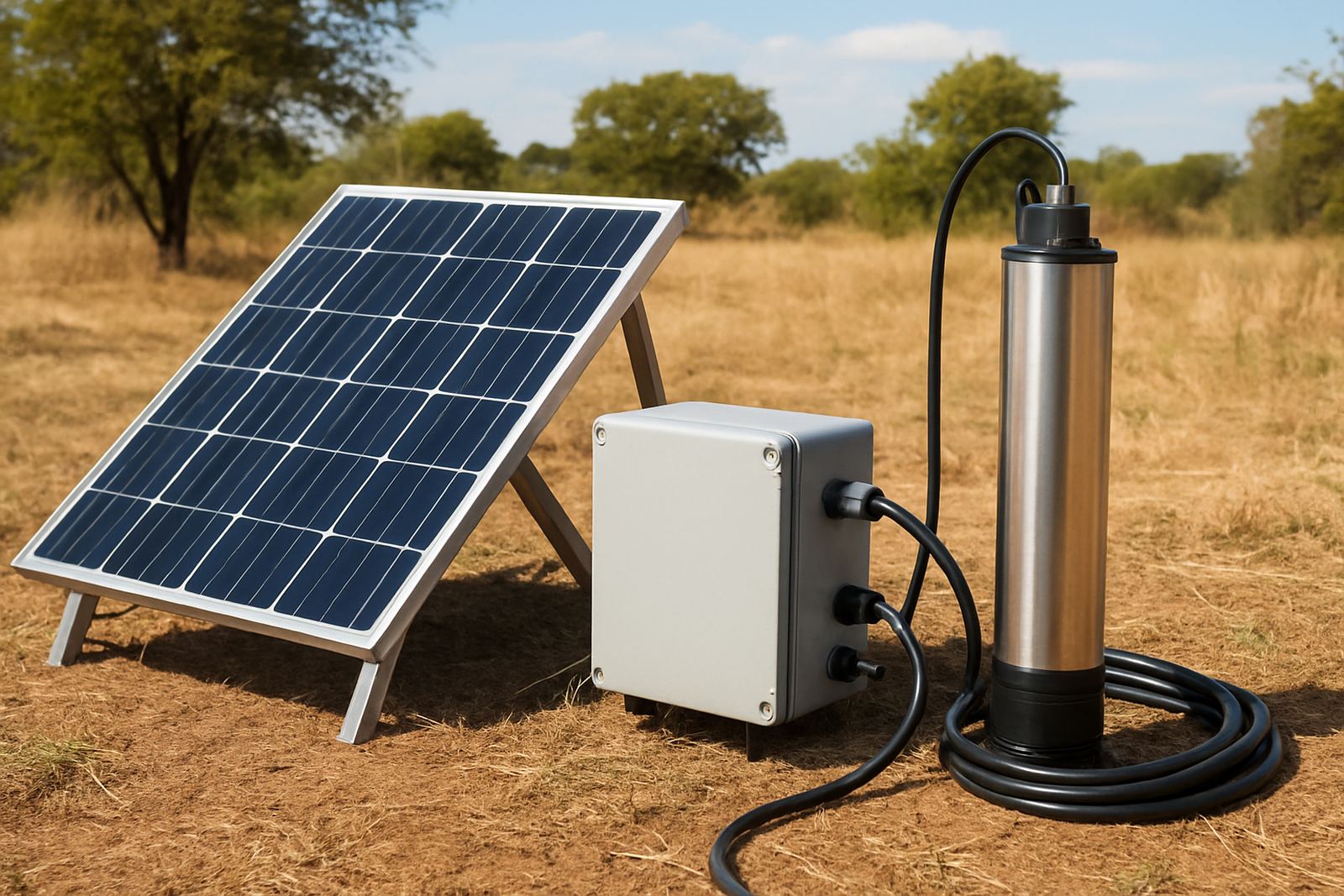
Most systems need no gas at all. They run on a pumped water supply or gravity feed, depending on the site. If there is a pump, it may need electricity from the grid, inverter, or generator during outages. The exact power demand depends on the flow rate, head height and how many zones are open at once. On farms around Rustenburg or Pretoria, it is often best to split the irrigation into zones so one pump can serve the system properly without strain.
A clean installation should include flush points, a main shut-off valve, pressure regulation, and enough access to inspect filters. If the line is long, air release and flushing are worth including, especially where silt or fine sand is present in borehole water. Small layout errors can cause drips to vary from one end to the other, so proper setup matters right from day one.
Care, Servicing And Water Quality Checks
Drip systems are simple once they are fitted correctly, but they do need attention. The filter should be checked and cleaned often, especially after rainwater use or if the borehole carries fine particles. If emitters block, the first place to look is the filter and then the flush points. Annual maintenance is a good habit for larger systems, and it is sensible to inspect the setup before peak growing season.
Water testing helps identify silt, iron, hardness or other issues that can affect the line. In some areas the water may leave scale inside fittings or form deposits in the filter housing. Tank cleaning is also worth planning if you use stored rainwater, because debris at the bottom of the tank can reach the line over time. A little care prevents costly repairs later, and keeps the system applying water evenly.
- Clean or replace filters as scheduled
- Flush the line after repairs or long shutdowns
- Check for cracked pipe, loose joins, and blocked emitters
- Confirm pressure after pump servicing
- Inspect tanks, valves and seals before winter and summer cycles
What To Check Before You Order
Before ordering, note the water source, the area to be irrigated, the number of lines required, and whether the system will run from a tank, borehole, or pumped supply. You should also know the distance from source to beds, the size of the crop or planting area, and whether the site has slope changes. These details help with system sizing and stop you from buying parts that are too small or too large.
It is also useful to confirm the water quality and the level of filtration needed. Borehole water with sand needs different protection from clean rainwater. If your property is in a windy coastal area or near dusty ground, allow for extra maintenance access. For municipal by-laws or local rules on water use, especially in more built-up areas, it helps to plan the system so it fits the site properly and does not create runoff or waterlogging.
Hydrated supports site assessments, system sizing, kit assembly, delivery coordination, installation support and commissioning checks from our Brits base, with supply into Pretoria, Hartbeespoort, Rustenburg, Bloemfontein and the Western Cape. Accurate order details let us match the right kit to your layout and water source.
Key facts
| Application | Low-flow drip irrigation from tank or borehole |
|---|---|
| Working pressure | Typically 0.8 to 1.5 bar, depending on layout |
| Water source | Rain tank, borehole, pumped supply or gravity feed |
| Typical components | Filter, pressure control, valves, pipe, emitters or drip tape |
| Maintenance | Filter cleaning, flushing, emitter checks and annual servicing |
| Coverage | From small home gardens to larger farm zones, sized to the site |