
What the Dual Source Kit does on a property
A Dual Source Kit combines two water feeds into one controlled line so you can use borehole water when it is available and move over to municipal water when needed. The kit is commonly used where a borehole supports day to day use but the owner still wants a back up for dry spells, pump maintenance, load-shedding, or temporary borehole downtime. It is a practical fit for North West heat, coastal humidity in the Western Cape, and any site where water interruptions can cause real trouble.
The switching process is simple. Water from each source is managed through the kit, with non return protection and isolation points so the supply can be changed without cross feeding back into the wrong line. On larger sites the layout can be paired with pressure control, filtration, and a storage tank if the property needs a buffer between source and use.
- Manual or semi automatic source changeover
- Protection against backflow between borehole and municipal lines
- Suitable for domestic use, irrigation and light farm supply
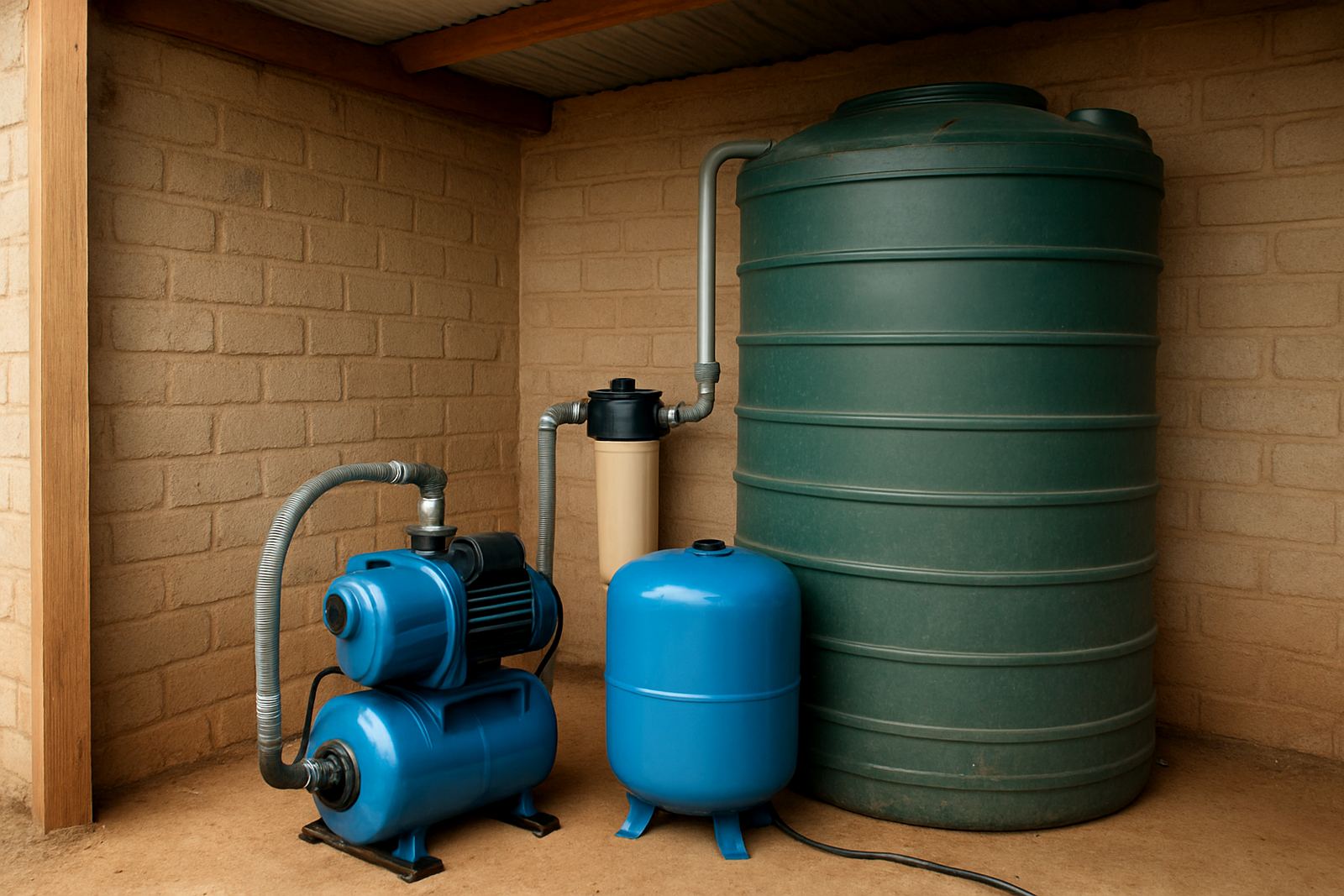
- Can be matched with tanks, filters and pressure systems
If your municipality has water restrictions or uneven pressure, this setup helps keep taps, washing points, and basic cleaning points supplied without constant intervention. It is tidy, practical and easier to manage than ad hoc hose connections, plus it keeps the plumbing more controlled over time.
Sizes, layouts and the options you can choose
We size the kit according to flow demand, pump output, pipe diameter and the number of points drawing water at the same time. A small home in Pretoria will not need the same configuration as a smallholding near Hartbeespoort or a farm outside Rustenburg. That is why the system is usually matched after a site assessment or at minimum a clear check of the existing plumbing and pump details.
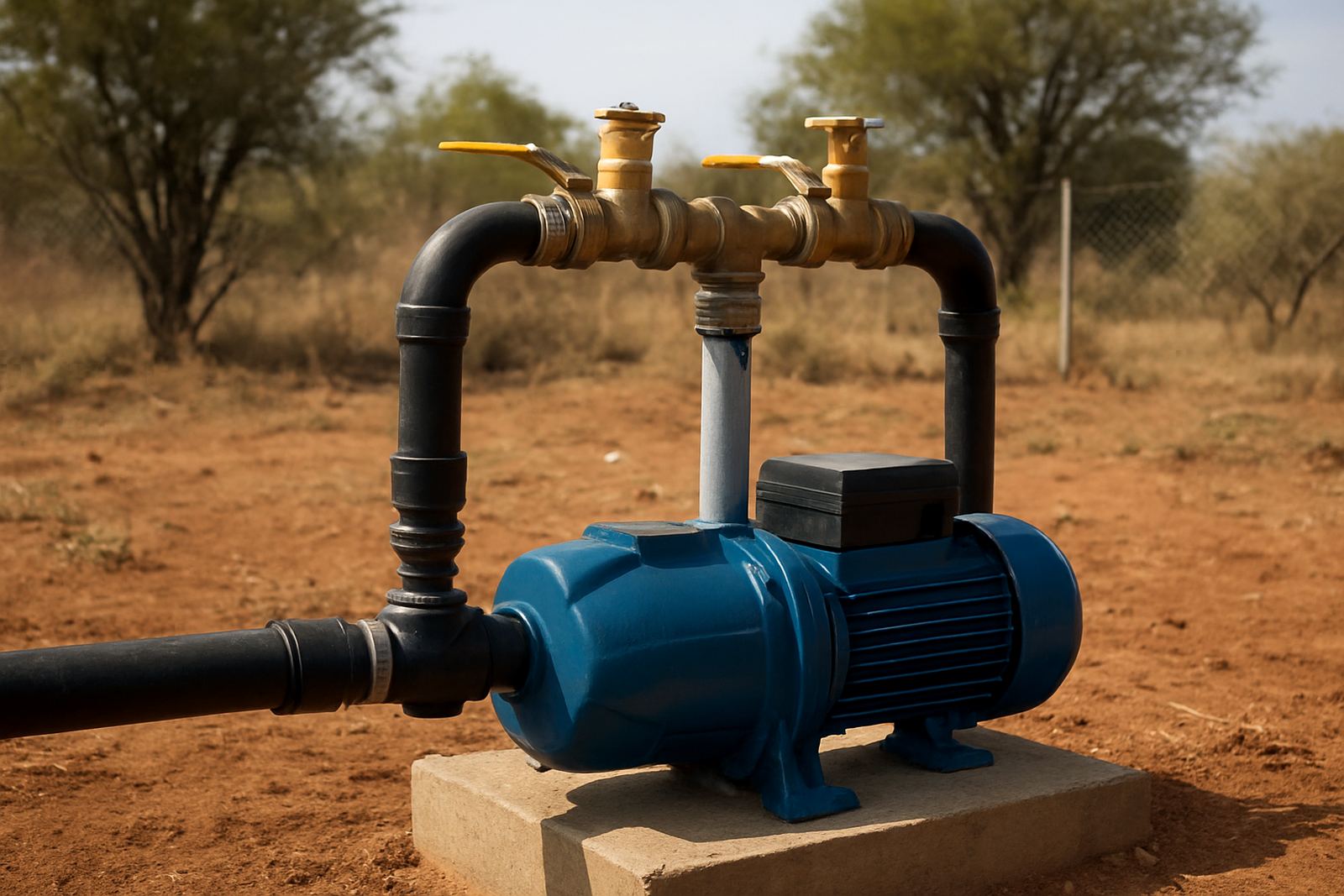
Typical options include compact domestic kits for household use, mid range setups for mixed home and garden demand, and heavier duty layouts for farm or light commercial use. Depending on the site, the kit can be supplied with ball valves, check valves, pressure gauges, unions, manifolds, strainers and changeover points. The exact arrangement is set out so the installer can place it near the pump room, tank line, or inlet point with enough space for future servicing.
- Pipe sizes commonly matched to 20 mm, 25 mm, 32 mm and 40 mm lines
- Manual valve or valve-and-check arrangement depending on site needs
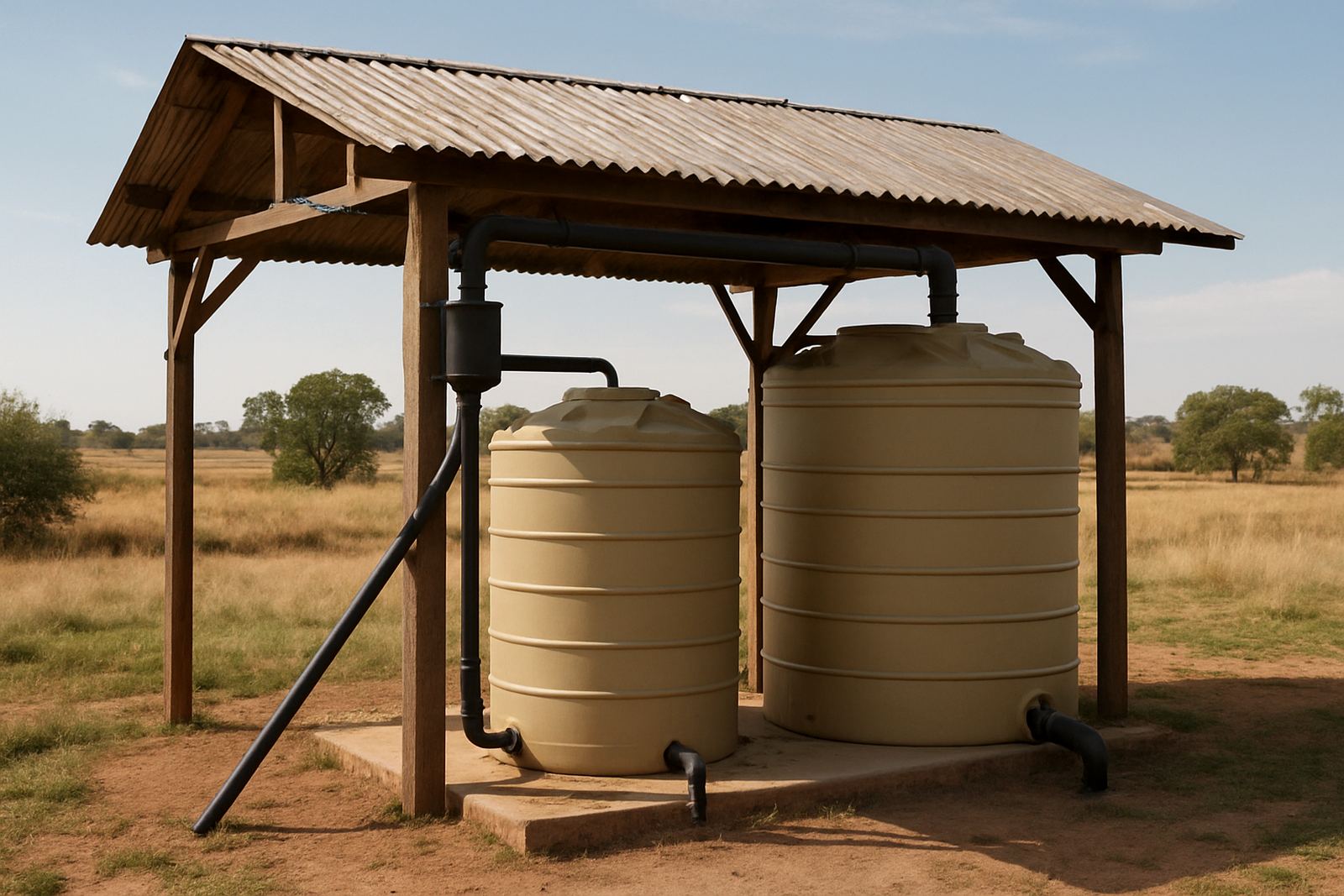
- Can be used with storage tanks from small domestic sizes to larger farm tanks
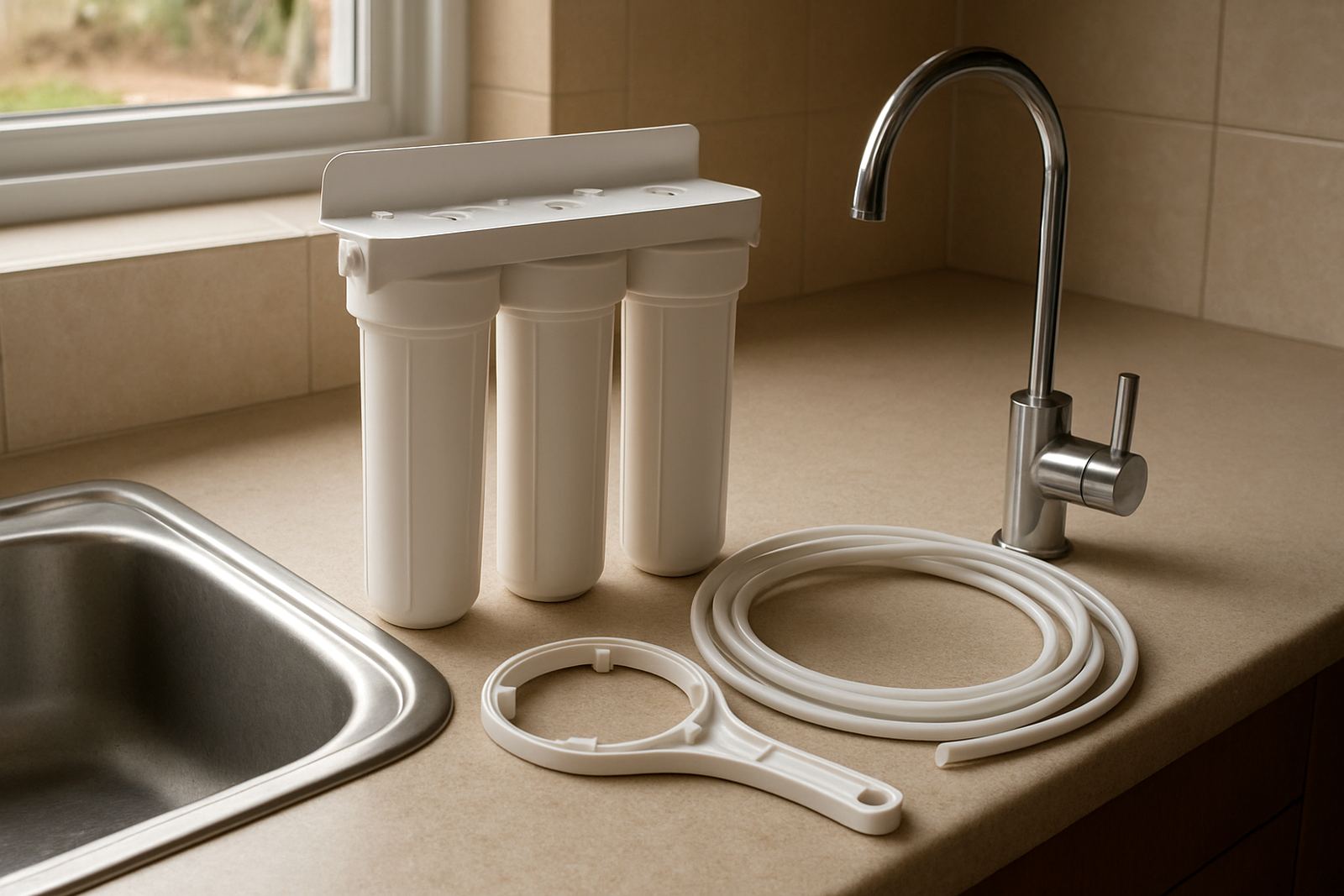
- Optional filtration stage before the line enters the property system
For properties that run a pressure pump after the tank, we look at how the kit will behave during start-up and when taps close quickly. If the line is not sized properly, you can get pressure surges or slow recovery. That is why system sizing matters, not just the parts in the box.
Where the kit suits best
This product suits homes that rely on a borehole for savings and independence but still want municipal water as a fall back. It also suits farms, guest properties, workshops and outbuildings that cannot afford long gaps in supply. In places with seasonal demand or changing water quality, the ability to switch between sources makes a big difference.
It works well on properties where the borehole is strong in winter but weaker in dry months, or where municipal supply is available but unreliable. For a family home in Bloemfontein, the kit may be used to keep toilets, laundry and garden taps running. For a farm in the Western Cape, it can be part of a broader supply plan with storage, filtration and scheduled maintenance. In humid coastal areas, the fittings and enclosure should be checked for corrosion protection and sensible placement.
Municipal rules matter too. Some councils require clear backflow prevention and proper separation between alternative sources. We always recommend a layout that keeps the plumbing above board and avoids any cross connection risk. That protects the property and helps prevent trouble if a compliance check is done.
Installation needs, power and water source setup
The Dual Source Kit itself does not need power in the way a pump does, but the full system may include a borehole pump, pressure pump, level sensors or filtration equipment that can need electrical supply. If the borehole pump is on an inverter, solar setup or generator, the switching plan must suit that arrangement. The aim is to keep the water path controlled whether the site is on municipal supply, borehole supply, or both.
Installation normally involves fixing the kit in a protected, accessible place with enough space around it for future work. The installer should leave room to reach valves, service fittings and gauges without stripping the whole line apart. On some properties a small wall mounted assembly is enough, while on others the kit is fitted into a plant room or pump shed with a tank and filter bank nearby. It is best when the piping is neat and there is a clear flow direction marked out.
- Power may be required for pump, controller, pressure switch or filtration equipment
- Suitable for use with solar backed systems, generator backed systems or grid power
- Keep the unit out of direct flood water and allow service access
- Check that the inlet lines are clearly labelled before first use
We recommend Commissioning Checks after installation so the changeover is tested under real conditions, not only on paper. That includes checking pressure, confirming there is no reverse flow, and making sure the water path matches the intended source selection. A quick test can save a lot of headache later.
Ongoing care, servicing and signs to keep an eye on
Like any water control system, the kit performs best when it is checked regularly. Valves can stiffen, seals can wear and fittings can loosen after vibration or repeated use. In areas with hard water, silt or iron staining, you may also need filter changes and occasional flushing to keep the line healthy. Coastal humidity can affect exposed metal parts too, so it is wise to inspect for early corrosion.
Routine care is straightforward. Look for leaks at unions and joints, check that the changeover operates smoothly, and confirm that the borehole side and municipal side remain separate. If the water smell, taste or colour changes, arrange Water Testing before assuming it is only a line issue. If the kit is paired with a tank, Tank Cleaning and Annual Maintenance should be on the schedule as well.
- Inspect seals, valves and unions every few months
- Replace filters when flow drops or water quality changes
- Service the pump if pressure becomes inconsistent
- Use fault finding early if the changeover does not hold pressure
Keeping the system in order is less costly than dealing with damage after a failed valve or cross connection. Small issues are easier to fix when caught early, especially on sites that depend on water every day.
What to check when ordering your kit
Before ordering, it helps to know the pipe size, expected water demand, source type and whether you need manual changeover or a more controlled arrangement. You should also confirm where the kit will be installed, how close it is to the pump, and whether a tank forms part of the setup. If you are not sure, a Site Assessment and System Sizing step is worth it, because one wrong choice can make the system awkward to use.
We also ask clients to note whether the property has a pressure pump, a storage tank, or both. If the borehole water has sediment, the filtration stage must be selected properly. If the municipal feed is weak, the line may need a slightly different layout to avoid pressure loss. For farms and larger homes, think about peak usage times, irrigation loads and whether more than one tap or point may run at once.
- Pipe diameter and fitting type on the existing line
- Daily water demand and peak use times
- Whether the site uses a tank, pressure pump or both
- Water quality concerns such as sand, iron or sediment
Clients in Brits, Pretoria, Hartbeespoort, Rustenburg, Bloemfontein and the Western Cape often contact us through the enquiry form on our contact page for help matching the right setup. That gives us enough detail to advise on the kit, the install plan and any add on servicing needed, without guesswork.
Key facts
| Product type | Dual source water switching kit |
|---|---|
| Main use | Borehole and municipal backup supply |
| Common pipe sizes | 20 mm, 25 mm, 32 mm, 40 mm |
| Application | Homes, smallholdings, farms and light commercial sites |
| Compatible add ons | Tanks, filters, pressure systems, pumps |
| Service support | Site assessments, installation support, commissioning checks, maintenance |