What the Low Flow Cottage Kit is for
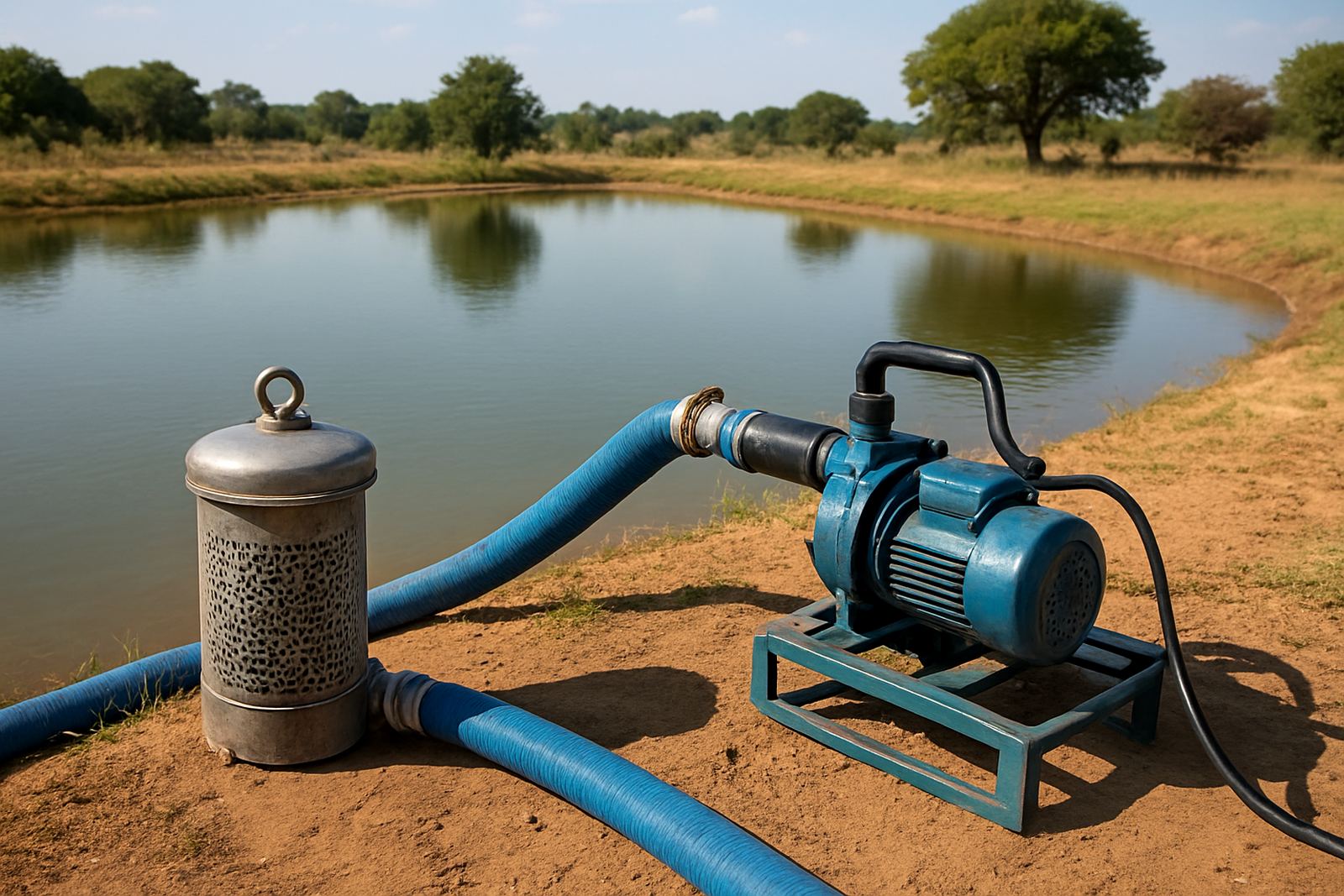
The Low Flow Cottage Kit brings together the main parts needed to move water from a borehole or rain tank into a small household system. It is commonly used at cottages, garden flats, staff quarters and weekend homes where the water draw is steady but not heavy.
This kit is built for smaller demand, so it focuses on keeping the system simple, easy to monitor and affordable to run. It works well where you want reliable water for bathrooms, a kitchen sink, light laundry and general cleaning, without installing equipment that is too large for the actual use.
- Suitable for 1 to 4 points of use
- Designed for light domestic demand and short peak periods
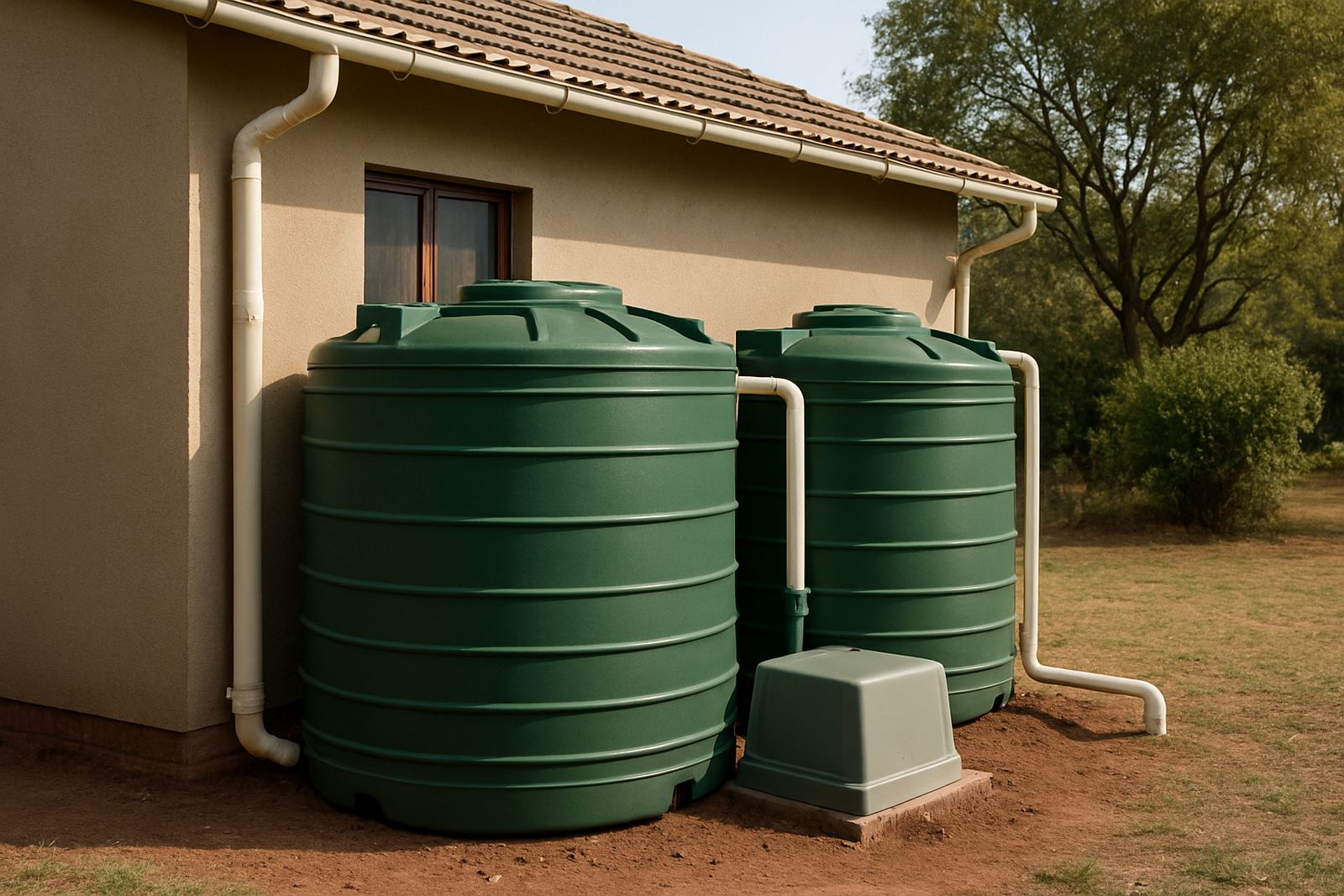
- Can be matched to borehole water or stored rain water
Typical sizes and kit options
The kit can be matched to different storage and flow needs, depending on whether the supply is coming from a borehole or a rain tank. The right size depends on water quality, daily use and the distance from the pump to the taps or storage tank. In many cases, a smaller pressure pump with basic filtration is enough for a cottage setup.
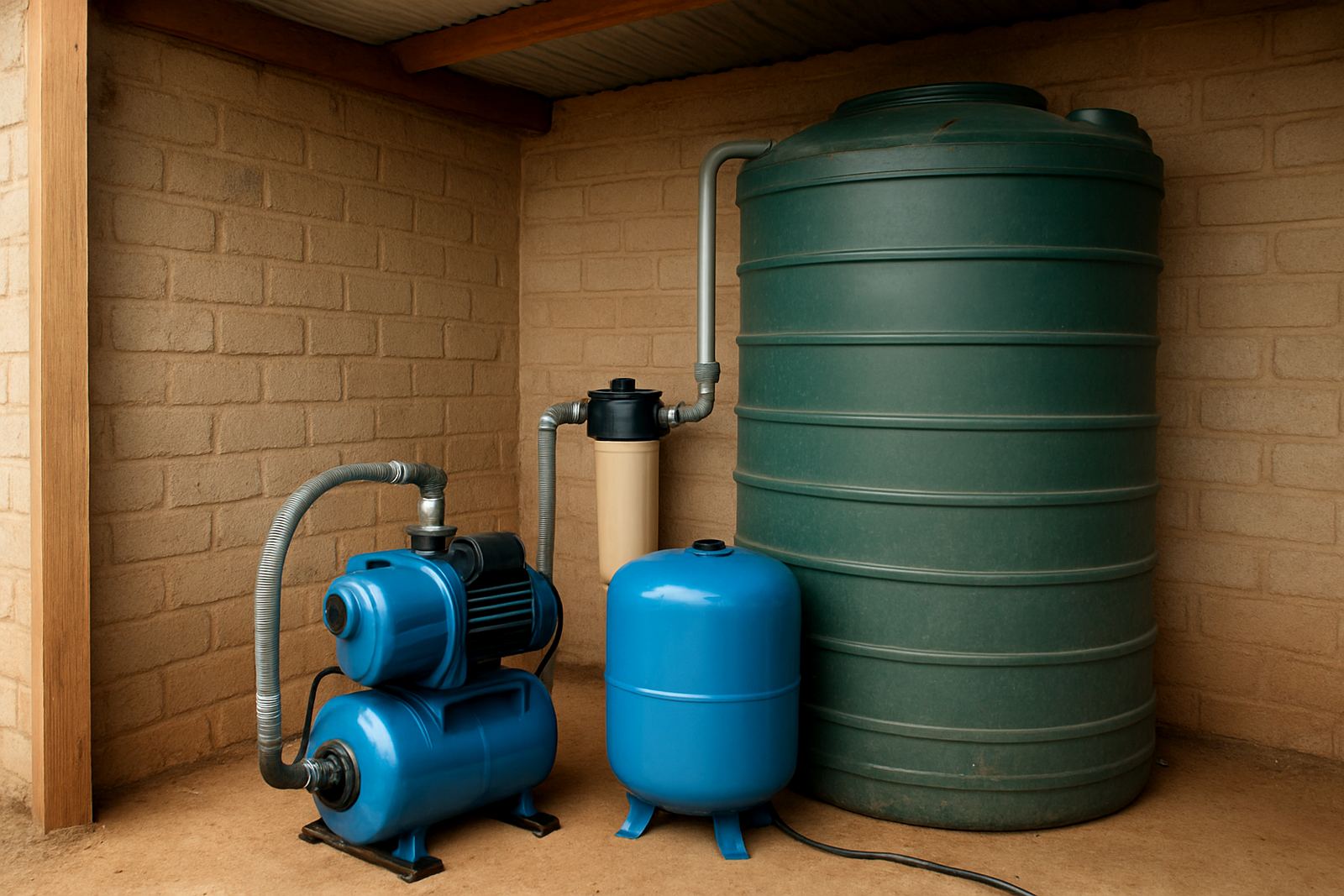
Options are usually based on pump output, tank capacity and filtration stages. For a light household, a compact setup may use a 0.37 kW to 0.75 kW pump, while a slightly busier cottage can benefit from a larger pressure unit. If the water is sandy or has fine sediment, a staged filter set is often added before the water reaches the house.
- Pump options for low flow use
- Single or multi stage filtration
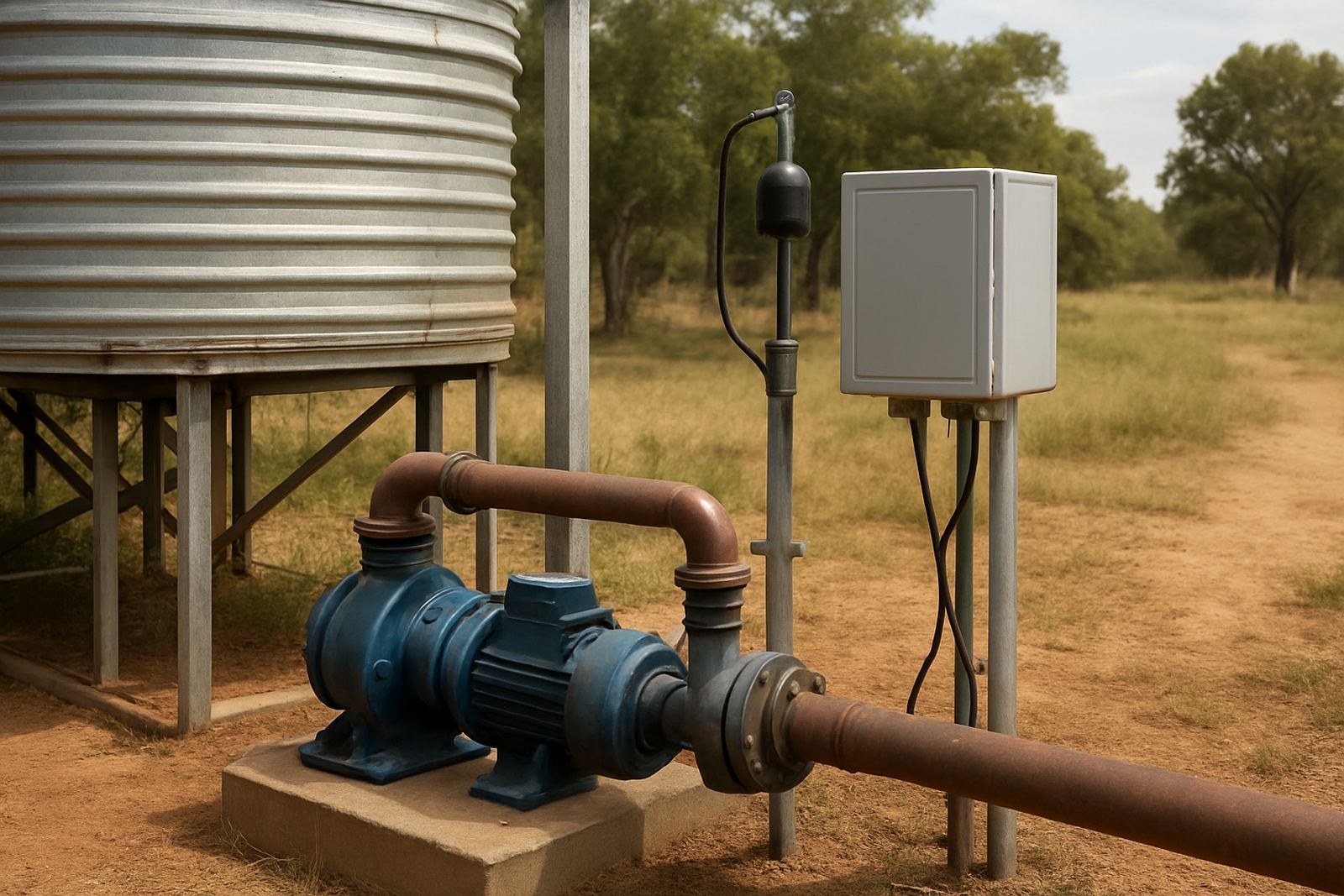
- Float control and basic protection parts
- Can be supplied for tank fed or direct feed layouts
Where the kit suits best
This product suits places where water demand is predictable and mostly domestic. It is a practical choice for farm cottages near Brits, weekend homes in Hartbeespoort, small properties outside Pretoria, and guest units or staff quarters where the plumbing load is limited.
It also works well in rural settings where water must be managed carefully during dry months or when supply is shared between several buildings. In coastal or humid areas like Somerset West and Paarl, it helps to allow for proper ventilation around the pump and filtration point, so moisture does not shorten the life of the fittings.
- Cottages and weekend homes
- Staff accommodation and small annexes
- Garden flats and light use guest units
- Low demand farm buildings
Installation, power and backup planning
Installation should be planned around the water source, the distance to the tank or tap points and the available power supply. The kit can be installed with standard single phase household power where the electrical load is within the rated range. For remote sites, some owners pair the system with an inverter or solar supply so water remains available during load-shedding.
If the kit feeds from a borehole, the pump position, cable run and borehole depth must be checked before final sizing. For rain water use, the tank inlet, first flush arrangement and suction line need to be set up correctly so the pump does not pull in dirt. A neat installation saves a lot of trouble later, especially where the property is used only on weekends.
- Check power availability before ordering
- Confirm pump lift and pipe distance
- Allow for inverter or solar if needed
- Use proper dry run protection where possible
Care, servicing and water quality checks
Like any small water system, the kit needs regular checks if you want steady pressure and clean water. Filters should be inspected and changed on schedule, especially where the source water carries sediment or colour. On borehole water, a simple water test helps to confirm whether additional treatment is needed for taste, staining or hardness.
Pumps should be listened to for unusual noise, cycling or pressure drops, because those signs often point to a blockage, air leak or worn component. In areas with dusty conditions or high mineral content, tank cleaning and filter maintenance become more important. A little attention each season can prevent a bigger repair later, and it keeps the system ready when guests arrive or the family comes out for the weekend.
- Check filters every few weeks in dusty or silty areas
- Book pump servicing if pressure drops or the motor runs hot
- Clean tanks before winter and after storm season
- Test water if the taste, smell or colour changes
What to confirm before you order
Before placing an order, it helps to have a few site details ready so the kit can be matched properly. Our team can assist with site assessments, system sizing and kit assembly for homes and farms across South Africa. Clients in Pretoria, Hartbeespoort, Rustenburg, Bloemfontein and the Western Cape areas can use the enquiry form on our contact page to get the process started.
Please confirm the water source, the number of taps or appliances, the height difference between the source and the house, and whether you need pressure for a shower or just basic supply. If the property has municipal restrictions or a shared tank arrangement, say so upfront. That makes it easier to choose the right components and avoid overspending on a kit that is too big for the job.
- Source type: borehole or rain tank
- Daily use: number of people and fixtures
- Power supply: mains, inverter or solar
- Water quality concerns: sediment, hardness or smell
Key facts
| Product type | Compact low demand water kit |
|---|---|
| Best use | Cottages, staff quarters, weekend homes and small annexes |
| Typical pump range | 0.37 kW to 0.75 kW, subject to site conditions |
| Water source options | Borehole water or rain tank supply |
| Support services | Site assessments, system sizing, installation support and commissioning checks |
| Maintenance options | Filter changes, pump servicing, water testing and annual maintenance |